- Home/
- Costs/
- Door Installation/
- Storm Door Installation Cost Guide
Storm door installation: A 2026 price guide
Post to find a price. It's free and only takes a minute.
Average service cost of storm door installation
$350 - $1,800
low
$350
median
$950
high
$1,800

Last Updated on

Written by Chin S.
Staff Writer
Read more about our contributor
Key Facts
Storm door installation costs range from $350 to $950 on average, including materials and labor, with premium security models reaching $1,800.
Frame material significantly impacts price, with vinyl doors starting at $110 and steel models costing up to $1,200 for materials alone.
Professional installation ensures proper sealing for maximum energy efficiency and maintains your home's warranty coverage.
Is your front door taking a beating from harsh weather, or are you watching your energy bill climb as conditioned air escapes through gaps? A storm door installation cost ranges from $350 to $950 and up to over $1,500 for a complete project, but this may vary depending on the door type, frame material, glass options, and regional labor rates.
Understanding these variables helps you set a realistic budget and choose the right door for your climate and needs.
How much does it cost to install a storm door?
The average cost to install a storm door depend on its configuration, which determine both function and price. You can choose from varying levels of visibility, ventilation, and security.
| Door style | Visibility & key features | Estimated total cost |
|---|---|---|
Full-View |
Maximum light; glass panels from top to bottom. |
$425 – $950 |
Ventilating |
Sliding glass panels for adjustable airflow. |
$430 – $1,000 |
Security |
Reinforced frames, metal bars, and heavy-duty locks. |
$570 – $1,000+ |
High-View |
Glass on upper half; large solid panel at bottom. |
$365 – $780 |
Mid-View |
Glass on top 3/4; bottom panel often used for pet doors. |
$330 – $730 |
Self-Storing |
Glass panels retract into the frame for screen access. |
$375 – $750 |
Double Doors |
For wide/French door entryways; requires two units. |
$800 – $1,800 |
Here are common storm door styles and their specific characteristics.
- Full-view storm doors have top to bottom glass panels to promote natural light. The door itself costs $250 to $600, and with installation you'll pay $425 to $950 total.
- Mid-view storm doors have glass on the top and a solid panel at the bottom. The bottom panel holds up better against kicks and bumps. It's also a good spot to add a pet door, which is why families like this style. The install storm door cost figures for this type is about $330 to $730.
- High-view storm doors have glass on the top half and a bigger solid section at the bottom. They give you a great balance between seeing outside and protecting against scuffs and weather. These run $365 to $780 installed.
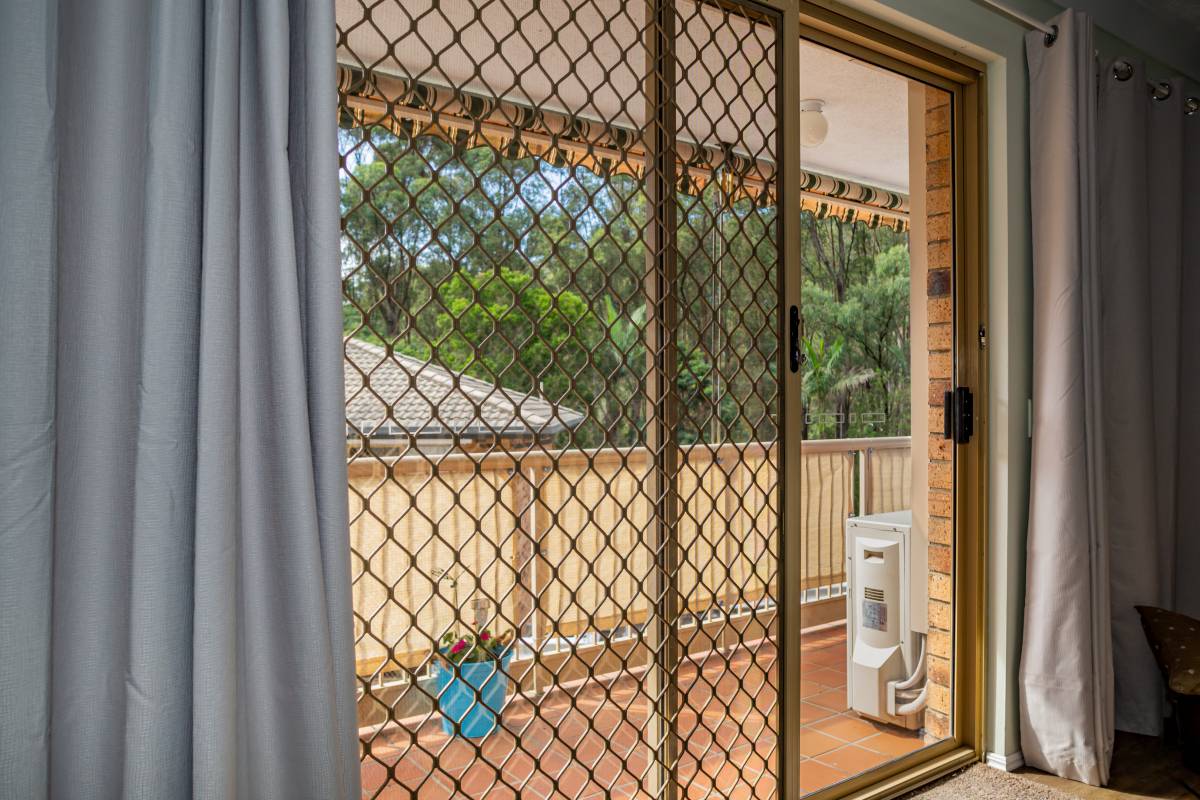
- Ventilating storm doors use glass panels that slide up or down to show the screens behind them. This lets you control how much air comes in without taking anything apart. These typically cost $430 to $1,000 installed.
- Self-storing storm doors have glass panels that tuck into the frame when you want full screen exposure. This handy feature adds flexibility and costs $375 to $750 for complete installation.
- Security storm doors come with stronger frames, heavy-duty locks, and glass or metal bars that can take a hit. They're built to stand up to break-in attempts. The estimated total cost to install this type of storm door range from $570 to upwards of $1,000.
- Double storm doors work for wide entryways with two doors that open from the center. Getting the right size and matching hardware makes these the most expensive option. They typically cost $800 to $1,800 installed.
Cost factors by storm door frame material
The biggest contributor to the cost of storm door installation is the frame material. It affects both how much you pay upfront and how well your door holds up over time. Each option has different strengths when it comes to lasting power, keeping heat in or out, how much care it needs, and standing up to weather. Each option differs in durability, insulation, maintenance, and weather resistance.
| Frame material | Average material cost | Key advantages | Typical lifespan |
|---|---|---|---|
Vinyl |
$110–$380 |
Most affordable, moisture-resistant |
5–10 years |
Aluminum |
$130–$450 |
Lightweight, rust-resistant, low maintenance |
15–20 years |
Wood-core |
$150–$550 |
Superior insulation, customizable |
10–15 years |
Steel |
$150–$1,200 |
Maximum security, impact-resistant |
20–30 years |
Composite |
$175–$2,000+ |
Weather-resistant, versatile finishes |
20–25 years |
Vinyl storm doors
Vinyl is the cheapest option for storm door materials. These frames resist moisture, never rust, and don't warp when it's humid. The material does a decent job keeping bugs and weather out, but it's not as strong as metal or composite options.
The main problem shows up over time, as UV rays can slowly fade the color. Most companies only guarantee vinyl-covered doors for five years or less. For homeowners on a tight budget, the new storm door cost with vinyl frames ranges from $110 to $380 for materials.
Aluminum storm doors
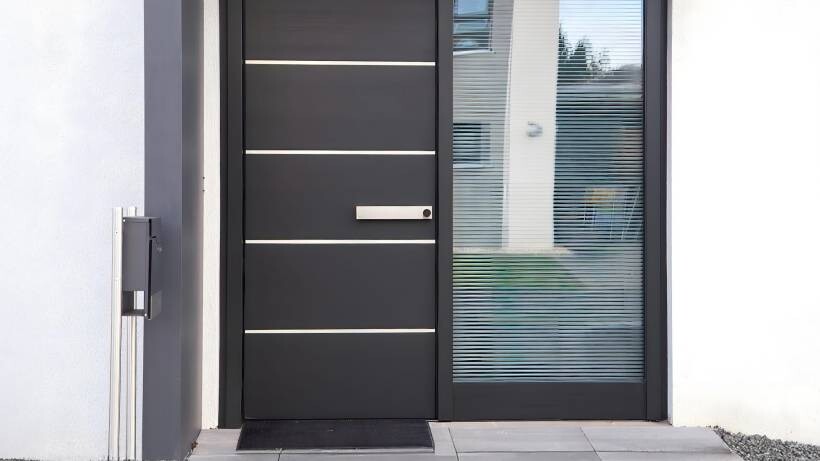 A modern gray storm door. (Source: iStock)
Aluminum frames are the most popular choice because they don't rust and they're lightweight. Most have foam inside for extra insulation and strength. They also do well in hot and cold weather and needs almost no care beyond wiping it down once in a while.
Aluminum storm doors work exceptionally well in humid places and near the ocean, where salty air could readily corrode other materials. The cost of installing a storm door made of aluminum is $130 to $450 on the door alone.
Wood-core storm doors
Wood-core models have solid wood frames wrapped in protective aluminum, steel, or vinyl on the outside. The wood inside keeps your home's temperature more stable than hollow designs do. The natural material also blocks sound better than metal options.
These doors look good in traditional-style homes and you can finish them in different ways. The wood makes them heavier, which can make DIY installation harder. While you'll pay more upfront, the better insulation might lower your energy bills over time. Plan on spending $150 to $550 for materials.
Steel storm doors
Steel gives you the strongest and most secure option. These frames resist dents better than any other material and hold up to heavy use without bending or warping. The tough construction makes steel the go-to choice when protection matters most.
The extra weight means you need sturdy hinges and proper mounting. Steel doors need powder coating or similar protection to prevent rust, especially in wet areas. Materials cost $150 to $1,200 for the top-end models.
Composite storm doors
Composite materials mix wood fibers, PVC, and insulating foam or fiberglass to create really tough frames. This combination won't warp, crack, or get damaged by insects while keeping heat in well. These doors work great near the ocean and in high-humidity places where regular materials struggle.
Composite-frame storm doors typically cost more than vinyl or basic aluminum, often landing in the $250 to $600 range for materials, with higher prices for custom or architectural styles.
Factors that influence total storm door installation cost
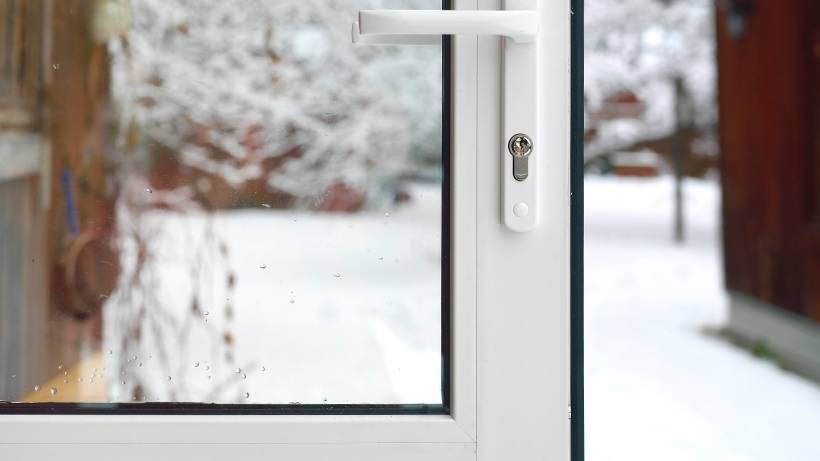 A durable and sturdy looking storm door. (Source: iStock)
Several things beyond the door itself affect your final price. Understanding these helps you plan for the complete cost and avoid surprise charges.
Labor cost and material cost
Professional installation labor for a storm door in the United States typically ranges from about $130 to $300 or more per door, depending on the installer’s hourly rate, job complexity, and local wage conditions. Many installers and handymen charge roughly $60 to $150 per hour, and most storm door installs take around 2–4 hours, making typical labor costs around $200 to $300.
Big cities charge significantly more than regional averages. Tricky situations that need frame fixes or structural work take longer and cost more.
In many cases, the storm door replacement cost includes both the new unit and removal of your existing door. If your door frame needs changes to fit a different size, carpenters may charge an additional fee (sometimes on par for a completely different job) for reframing work. This is done so the opening is square, allowing the new door to seal right and swing correctly.
Material costs include the door unit plus all the hardware you need. Most manufacturers give you pre-hung kits with hinges, handles, closers, locks, and mounting brackets. You might need to buy extra weatherstripping, caulk, or fasteners depending on your specific setup. Budget $25 to $75 for these extra materials.
Location
Labor rates change a lot across the United States based on local cost of living, how many skilled workers are available, and local building rules. Installation costs can differ by hundreds of dollars depending on your city.
The table below shows the typical price to install storm doors in major cities.
| City | Average installation cost range (door + labor) |
|---|---|
New York, NY |
$550 – $950 |
Los Angeles, CA |
$500 – $850 |
Chicago, IL |
$475 – $800 |
Philadelphia, PA |
$450 – $750 |
Miami, FL |
$425 – $725 |
Las Vegas, NV |
$400 – $700 |
Minneapolis, MN |
$375 – $675 |
Dallas, TX |
$350 – $650 |
Rural areas sometimes have lower hourly rates but may add travel fees that cancel out the savings. The price to install a storm door in remote locations may include mileage charges or minimum service fees.
Always ask for detailed quotes that break down labor, materials, and any extra charges before you commit to an installer.
Storm door size
Standard outside doors measure 36 inches wide by 80 inches tall, and most storm door makers build units to fit these sizes. Doors outside this standard size need custom manufacturing, which raises material costs a lot.
Oversized openings need bigger glass panels, heavier frames, and stronger hardware to support the extra weight. Custom sizing can add $200 to $800 to the base door price. Installation labor also costs more because fitting non-standard doors needs exact measurements and adjustments to make sure they work right.
Some older homes have door openings that measure 32 inches wide. While makers do produce storm doors for these narrower frames, you'll have fewer styles and features to choose from compared to standard sizes.
Customization of the storm door
Glass type affects both cost and how well your door works. Standard clear tempered glass keeps you safe and meets building codes for most uses. The cost to install a glass storm door goes up when you pick specialty glass. Upgrading to Low-E (low-emissivity) glass adds 10 to 15% to the base door price, which makes your interior more energy-efficient.
| Hardware type | *Estimated cost range |
|---|---|
Storm-Door Pneumatic Closers |
$20 – $35 |
Commercial Heavy-Duty Closers |
$60 – $130 |
Multi-Point (3-Point) Locking Systems |
$150 – $200 |
Decorative Handles & Latches |
$20 – $150 |
*The price for decorative hardware varies significantly based on whether you are purchasing a simple storm-door latch or a full-entry handleset.
Many workers offer package pricing if you need other door hardware installed throughout your home. In fact, some homeowners may even take advantage of this pricing by upgrading certain pieces of hardware, such as:
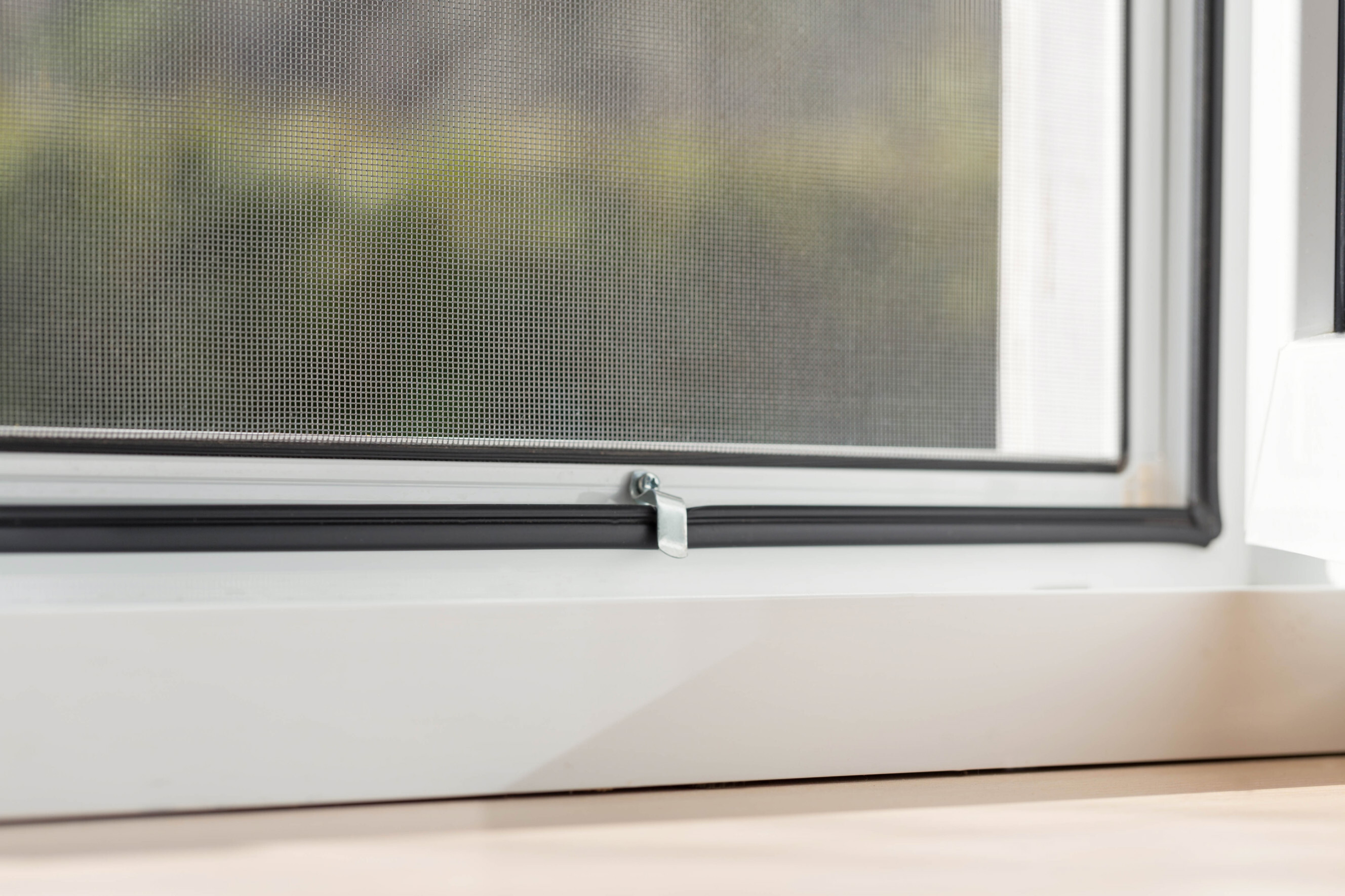
- Window screens, which can keep out bugs
- Beveled glass that can create decorative prism effects as light passes through angled surfaces
- Impact-resistant glass, useful in hurricane-prone areas or homes that need better security
- A new main door to pair with the new storm door
- Adding privacy features to entry areas
- Installing interior pocket doors for better space management
- If the storm door opens to a garden, some homeowners may also do a garden shed repair or maintenance during the installation
Project complexity
Simple installations on square, well-kept door frames go quickly and stay at the lower end of cost ranges. Problems come up when the existing frame isn't level, the opening has water damage, or your house has settled and created gaps and misalignment.
Installers sometimes have to plane down high spots, shim low areas, or rebuild parts of the frame to create a true opening. Each fix adds labor time and materials. Really damaged frames may need complete replacement work before you can put in a new storm door. However, this type of prep general labor makes sure the final installation works right.
In addition, brick, stone, or stucco exteriors need special mounting techniques and hardware compared to wood or vinyl siding. Drilling into masonry takes longer and needs carbide-tipped bits and special anchors. Some installers charge extra for these surfaces.
Finally, homes with screen doors already installed may need the existing unit removed and the mounting points patched before installing a storm door. Damaged screen hinges should also get fixed during the prep phase to make sure your new storm door works smoothly.
Why it's better to hire a professional storm door installer for your new storm door
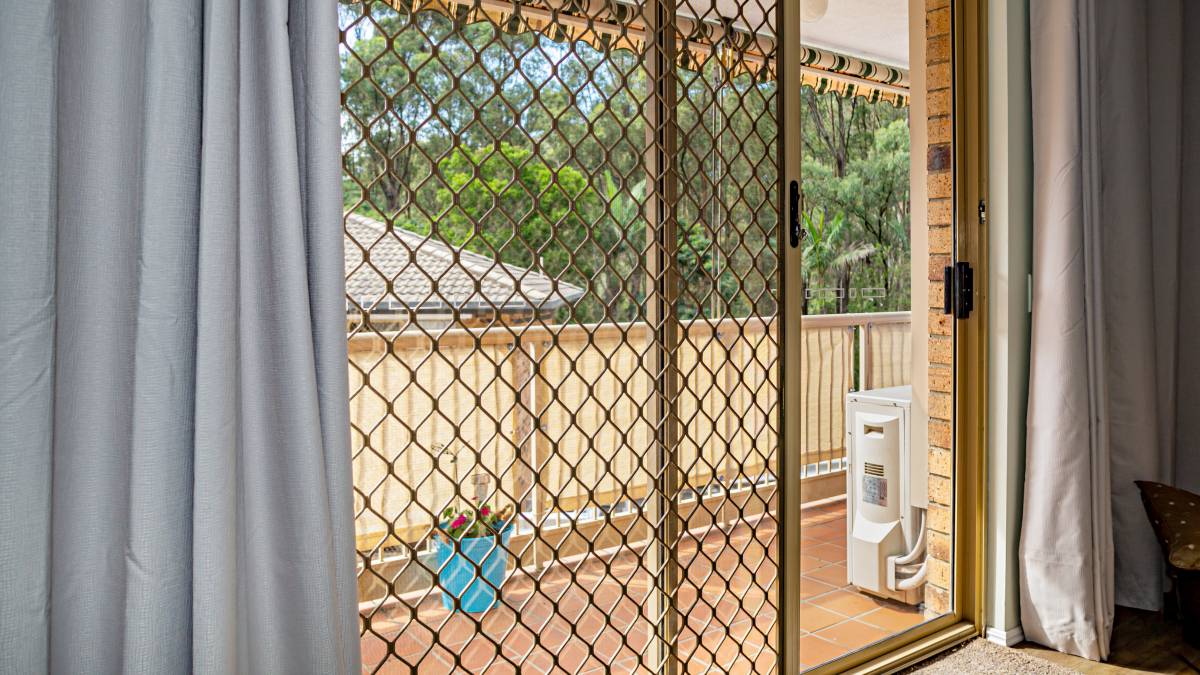
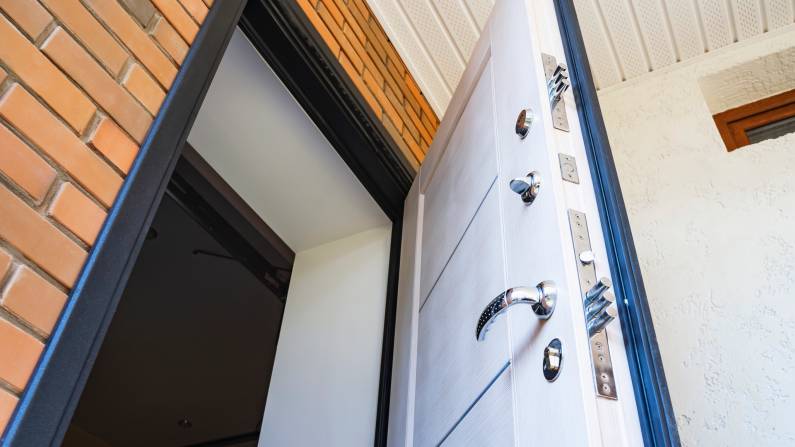 Multiple deadbolts on a security storm door. (Source: iStock)
Storm door installation needs careful measurements, level work, and proper sealing techniques that directly affect how well it works. While the cost of installing a storm door goes up when you hire professionals, their know-how prevents costly mistakes and makes sure it works well long-term.
Proper sealing for energy efficiency
Storm doors create a pocket of air between the outside and your main entry door. This barrier only works when the installation gets rid of gaps that let air in.
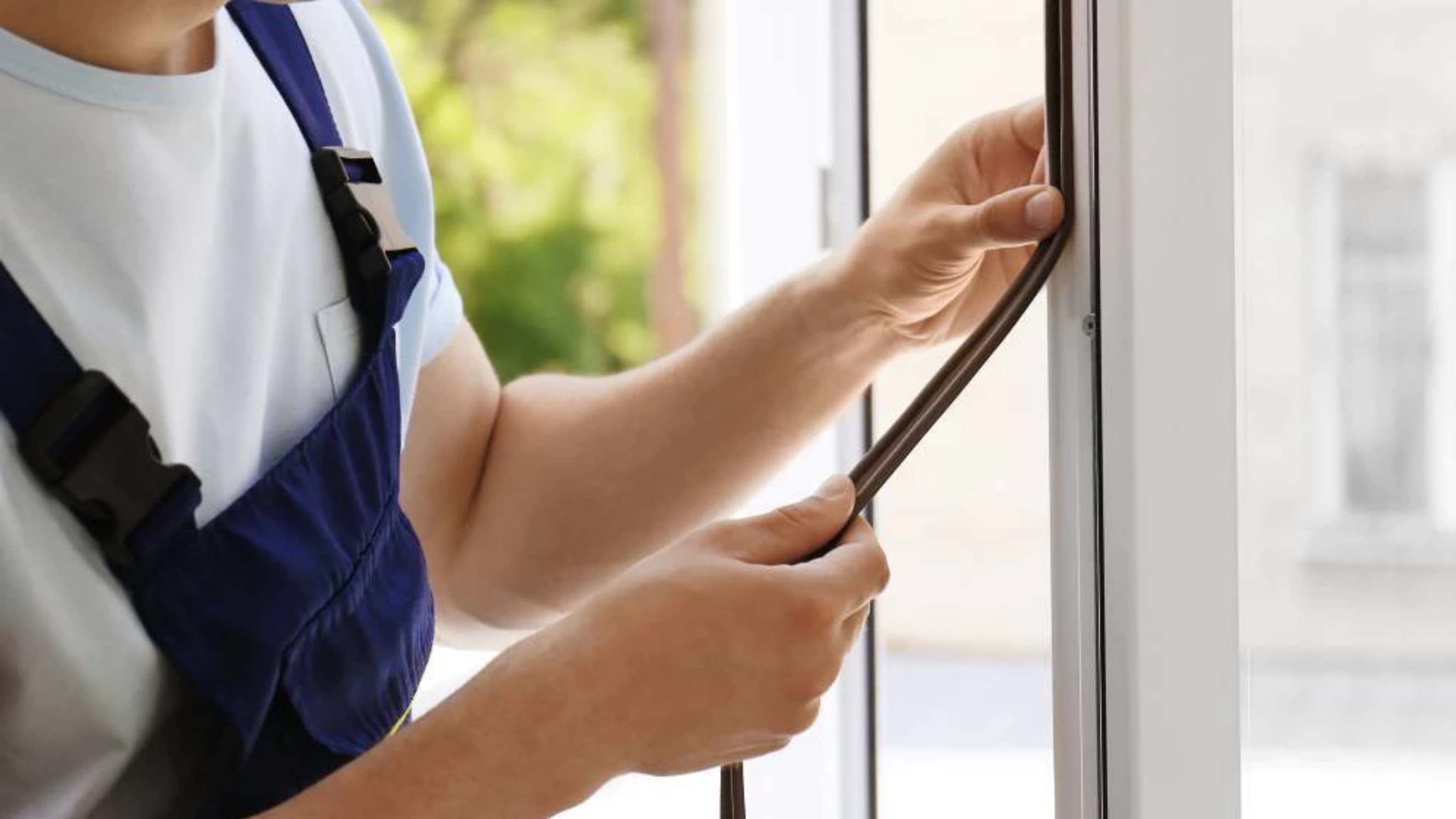
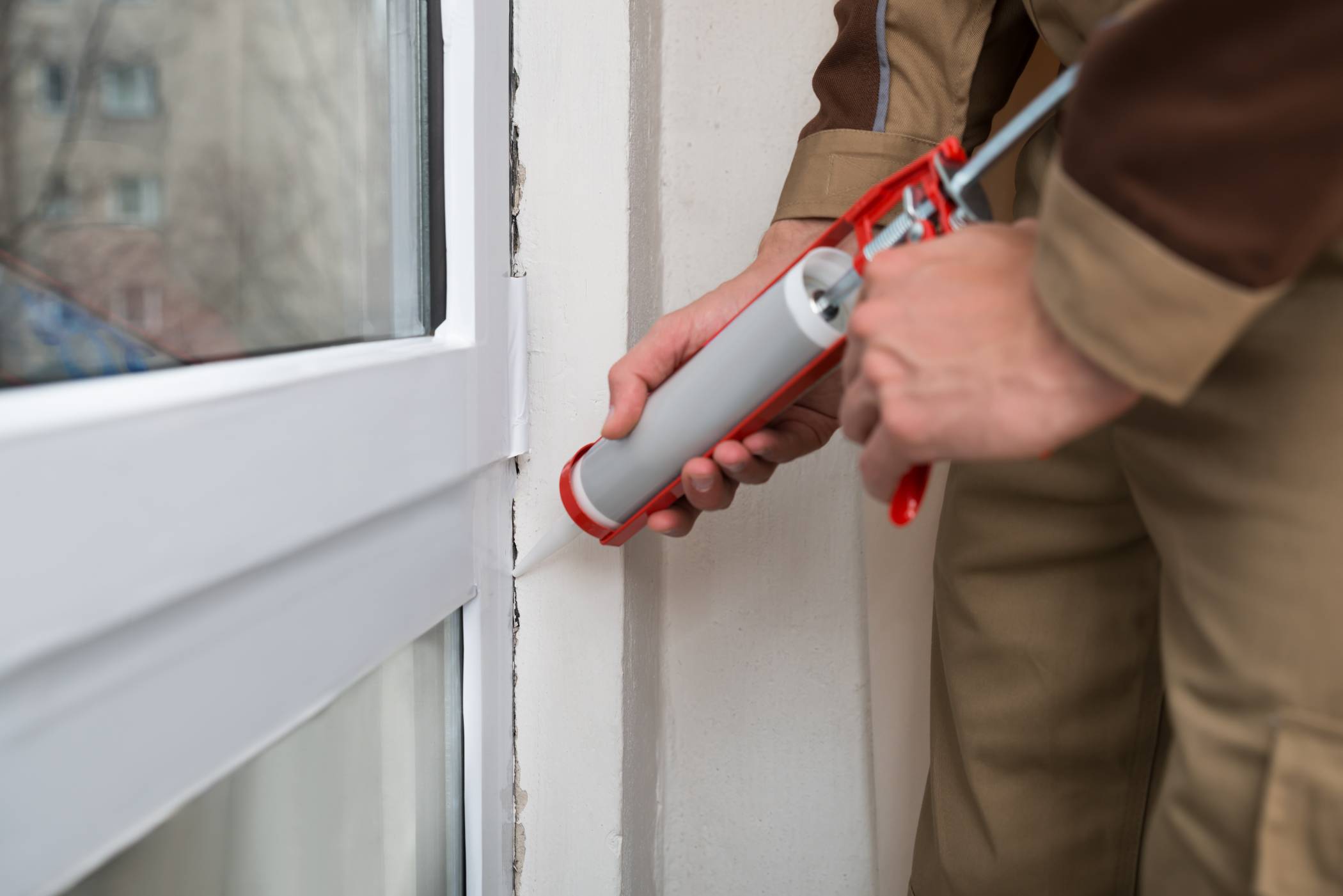
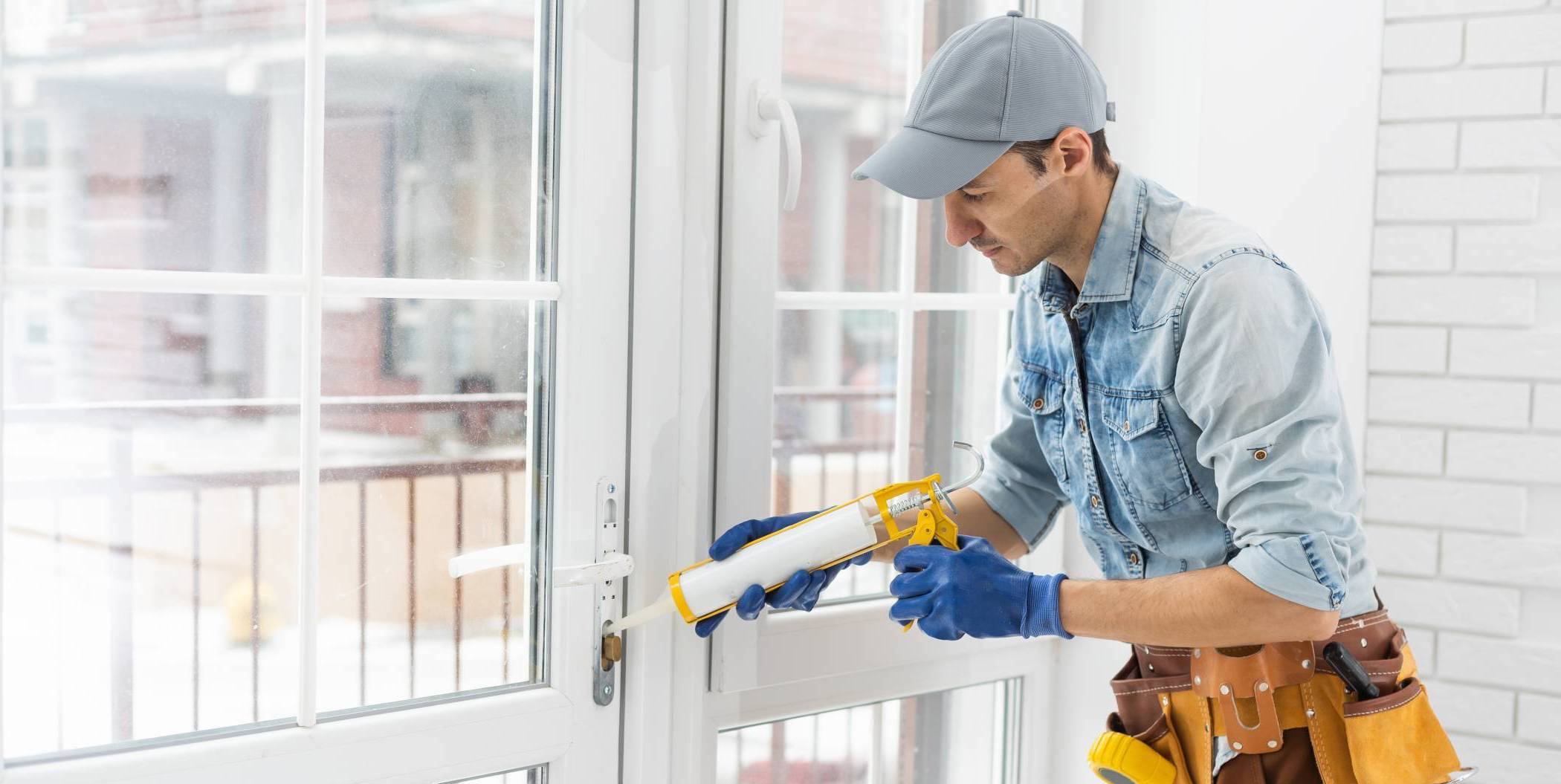
Professionals use weatherstripping and caulk in places around the frame edge and threshold to block drafts. They also make sure the door closes all the way with even pressure around all edges.
Poor sealing cancels out the energy-saving benefits that make the investment worth it. A tight seal can cut down on heating and cooling costs by keeping your conditioned air from escaping, though you shouldn't expect huge drops in your monthly bills.
Maintaining your home's warranty
Many door makers require professional installation to keep warranty coverage valid. If problems come up with the hardware, glass, or frame during the warranty period, you'll need proof of proper installation to get repairs or replacements. DIY installations often cancel out these protections.
Insurance companies may also turn down claims for damage related to poor installation. Water getting in from poor sealing, wind damage from weak fastening, or failures during bad weather could leave you paying for repairs if you didn't use a licensed contractor.
Correct leveling for smooth operation
Storm doors have to hang perfectly straight and level to work right. Even small tilts cause problems. A door that's out of alignment won't close right, creating gaps that hurt energy efficiency and security. The uneven weight also strains hinges and hardware, making them wear out faster.
Professional installers use exact leveling tools and make small adjustments during mounting. They make sure the door swings freely without binding, closes securely without gaps, and catches the latch smoothly. Proper installation also stops the door from swinging open or slamming shut on its own because of wind or gravity.
Ensured safe installation
Licensed contractors understand local building codes and can handle permit requirements if your city needs them. They carry insurance that protects you if someone gets hurt or property gets damaged during installation.
Many homeowners tackle storm door installation as part of bigger home improvement projects. Working with other upgrades creates chances to line up contractor schedules and maybe get better rates. Some examples of these projects include:
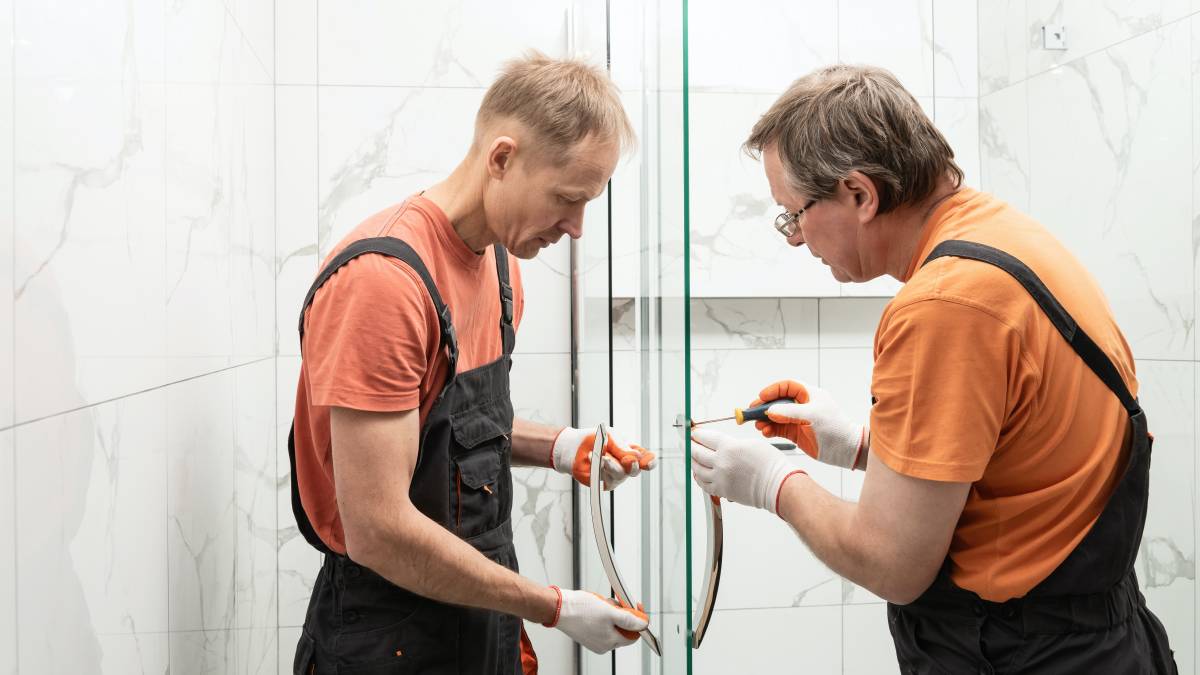
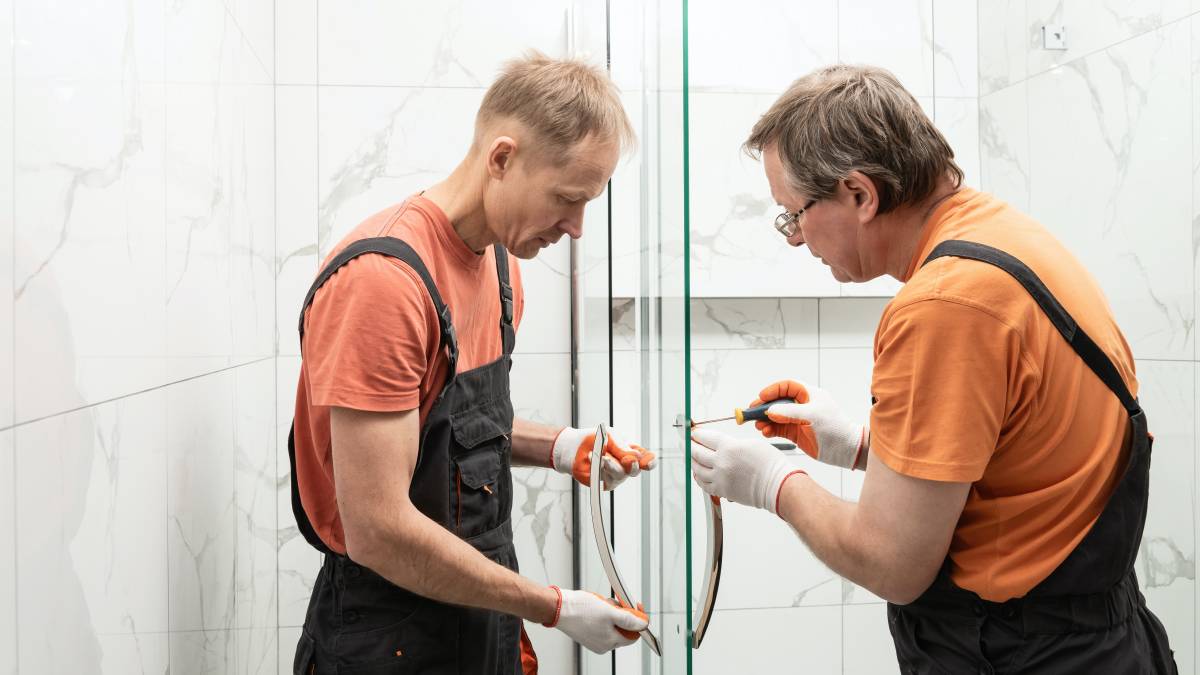
- Adding a shower door installation in your bathroom during the same time makes good use of contractor time.
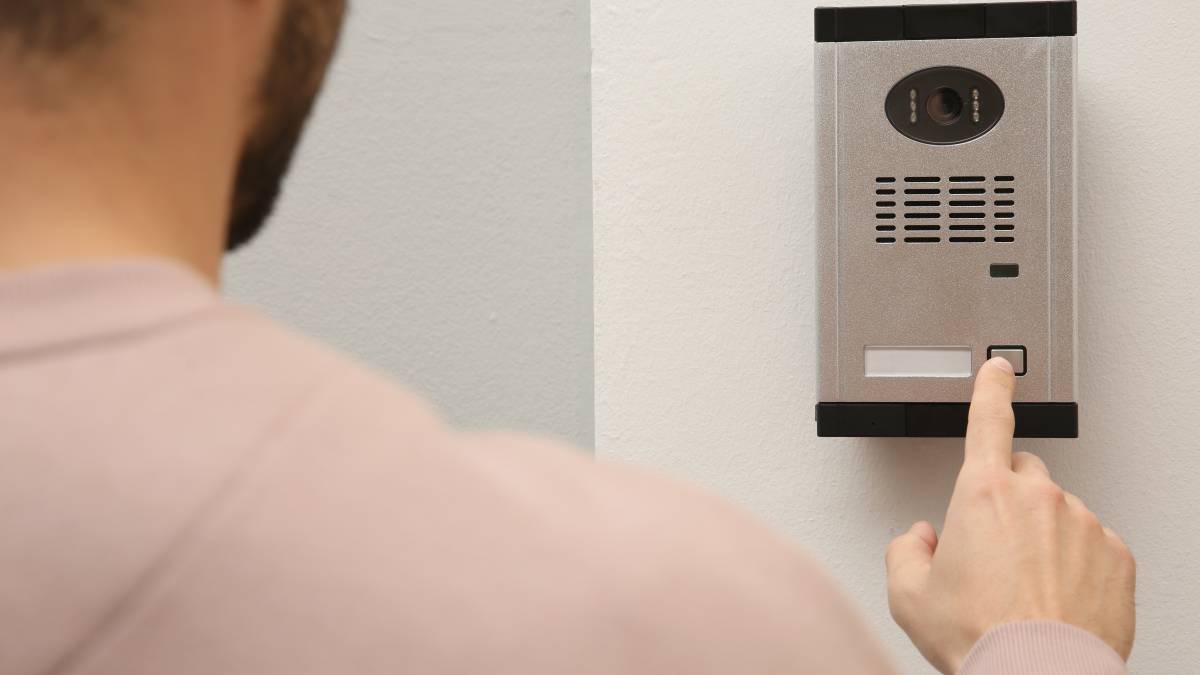
- Installing smart doorbells boosts security and convenience at your newly upgraded entry.
- Improving home soundproofing helps cut down on noise from outside, which works well with the insulation your storm door provides.
- Upgrading window treatments creates a matching look for your home's outside.
- Installing exterior coverings gives extra weather protection for weak spots.
Make your entry more functional and efficient
Storm doors give you real benefits that go beyond just making your home look better from the street. The right door protects your main entry from weather damage, lets you enjoy fresh air in different seasons, and adds a layer of security. While you need to plan carefully for the upfront cost, professional installation makes sure the door works as designed and lasts for years.
Ready to upgrade your home's entry? Connect with experienced storm door installers on Airtasker who can check out your needs and give you accurate pricing for professional storm door installation. Get your project done right the first time.
Learn more about our contributors
Written by Chin S.
Staff Writer
Chin is a passionate hobbyist writer with a love for gardening, home improvement and beauty. She enjoys nurturing her small indoor plant collection, redecorating her space and exploring all things beauty. Through her writing, she shares her journey and tips for fellow enthusiasts.
FAQs on storm door installations
Most professional installers finish standard storm door installations in two to four hours. The time depends on several things including door type, frame condition, and whether they need to make changes. Simple replacements on well-kept frames go quickly, while custom-sized doors or installations that need frame repairs can take six to eight hours.
You can, and each type of glass has a different function. Low-E glass blocks UV rays and even keeps the cold out during winter; this will cost you $25 to $50. Beveled glass is more for looks and costs $50 to $80. Tempered glass is up to four times more durable than the others and will cost you $50 to $80.
Storm door glass replacements typically cost between $80 to $350, including labor and materials. Be sure to have the right storm door sizes to match your glass replacements.
Handyman and installer rates in Florida typically range from $150 to $300 for storm door installation labor. Miami installations range from $270 to $615 total including materials, while other Florida cities may charge different amounts based on local cost of living and competition. The final cost depends on door type, frame material, and any prep work needed. Ask for itemized quotes that separate labor from materials so you can compare offers correctly.
Security storm doors make sense for homes in high-crime areas, entries that face the street with lots of foot traffic, or situations where your main door has lots of glass panels. This investment gives you peace of mind and might lower your home insurance in some cases. The added security also lets you open your main door to talk or get packages while keeping the locked storm door as a barrier.
Professional removal and disposal of an existing storm door usually costs $60 to $150. This service includes safely taking the door off its hinges, removing mounting hardware, patching screw holes if needed, and hauling the old unit away. Some installers include removal in their total project quote, while others charge it separately. Ask upfront whether removal is part of the installation package or costs extra.
Vinyl storm doors cost less material-wise, since it costs anywhere from $110 to $400 compared to aluminum's $130 to $500. Labor costs stay similar for both types since installation steps don't differ much. Your total savings with vinyl might reach $50 to $150 depending on the specific models you compare.
Find door installers, fast
Post a task
Related articles
 How-to Guide