- Home/
- Comparisons/
- Mulching/
- Bagging Grass vs Mulching
Bagging grass vs mulching: Which is best for your lawn?
Discover which mowing method suits your lawn care goals
Published on

Written by Angela A.
Staff Writer
Read more about our contributor
Key Facts
- Bagging grass is the practice of collecting and removing grass clippings after mowing.
- Mulching is the practice of leaving grass clippings on the lawn to decompose and nourish the soil.
Did you know that how you handle your lawn clippings could make or break the health of your garden? No wonder many homeowners struggle with the decision between bagging grass vs mulching after mowing.
In this guide, we’ll explore the benefits and drawbacks of grass mulching and bagging to help you make the best choice for a lush, green space. We’ll also discuss how each method impacts soil nutrients and overall lawn care.
What does bagging grass mean?
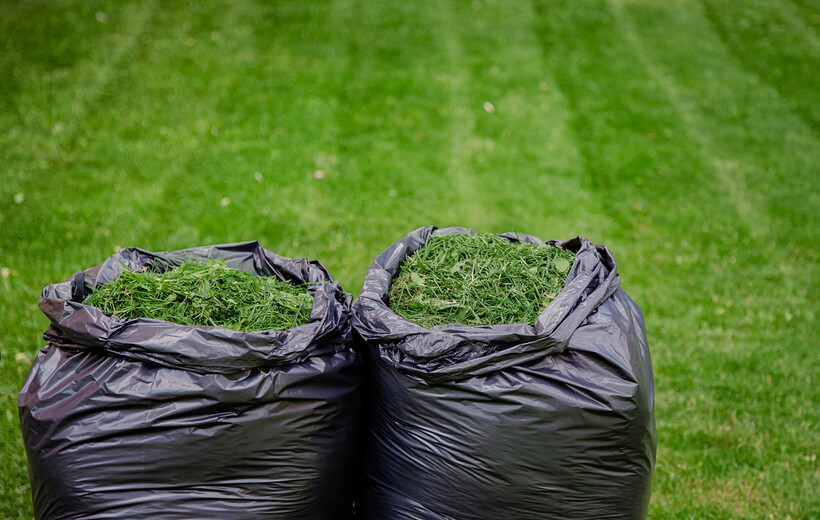 Collecting grass clippings with bags (Source: iStock)
Bagging grass involves collecting the grass blades after mowing and placing them in a bag for disposal. Many people choose this to keep their garden looking neat and tidy, without debris scattered all over.
While it can make your garden look cleaner immediately, bagging means you lose the natural nutrients that lawn clippings offer back to the soil. Most of the time, bagging is best if you’re dealing with weeds or want to avoid any buildup on the lawn.
What does mulching mean?
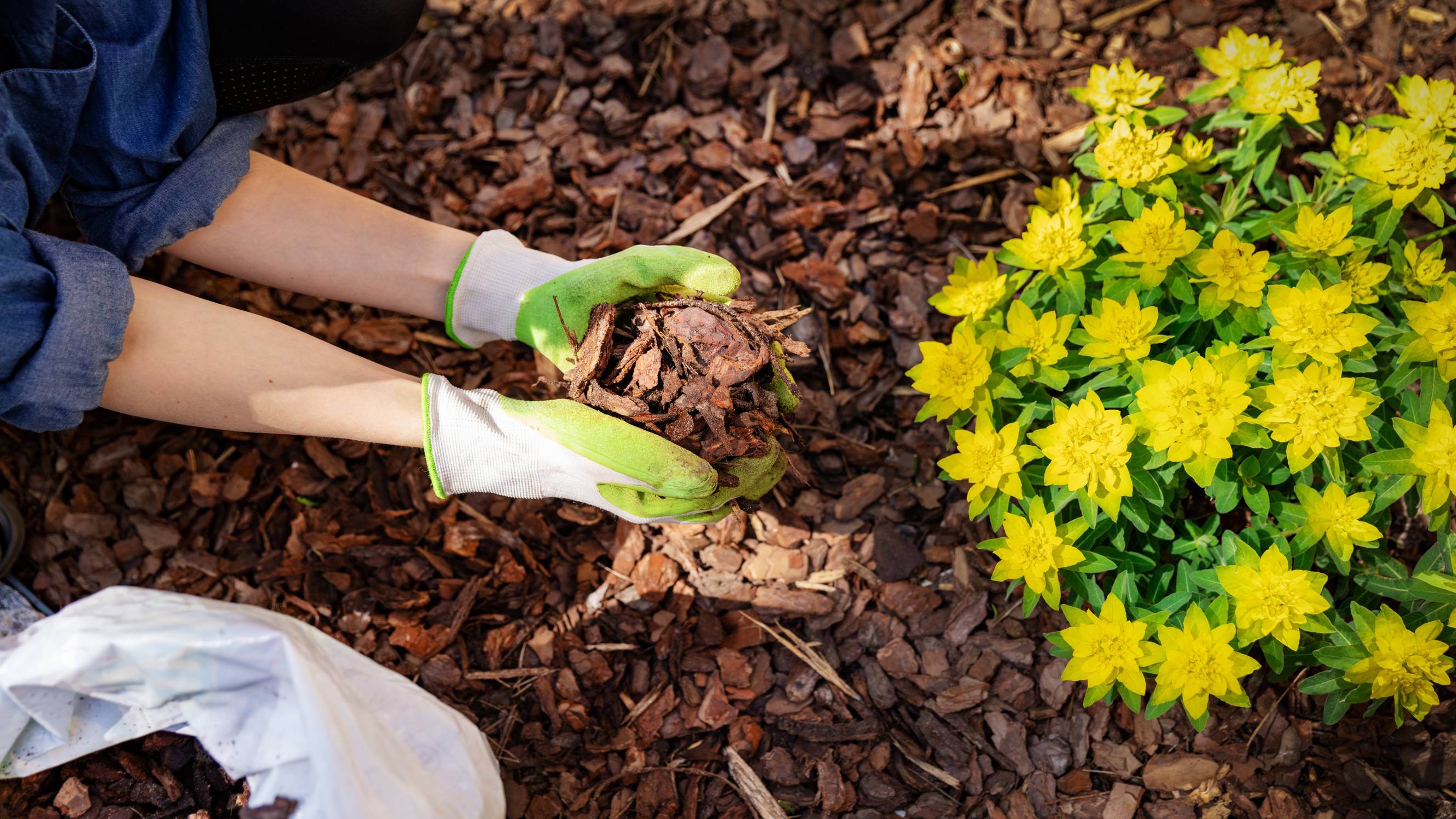
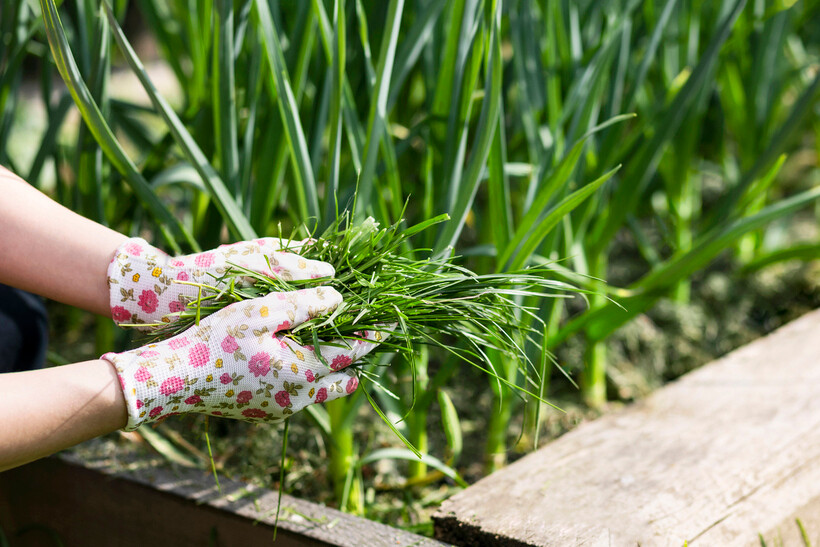 Mulching plants with fresh grass (Source: iStock)
Mulching means leaving grass clippings on the lawn after mowing so they can break down naturally. It’s an easy, eco-friendly way to keep your garden healthy while mulching with a lawn mower.
Benefits of mulching grass include better moisture retention, which helps your lawn stay hydrated for longer. To get the best results, look at factors like grass length and weather to know when to mulch a lawn.
It’s generally best to mulch when the grass is dry and the clippings are short enough to break down quickly. Beyond clippings, some gardeners use geotextile mulch to prevent weeds or stone and gravel for drainage.
Grass mulching vs bagging: What are their pros and cons?
When it comes to lawn care, deciding between bagging or mulching grass depends on your backyard’s specific needs. Each method has its benefits and drawbacks regarding health, maintenance, and time.
Whether you want a manicured look or a sustainable approach, this comparison helps you understand the differences. Below, we break down how these methods perform across several key categories.
In terms of the effect on lawn health
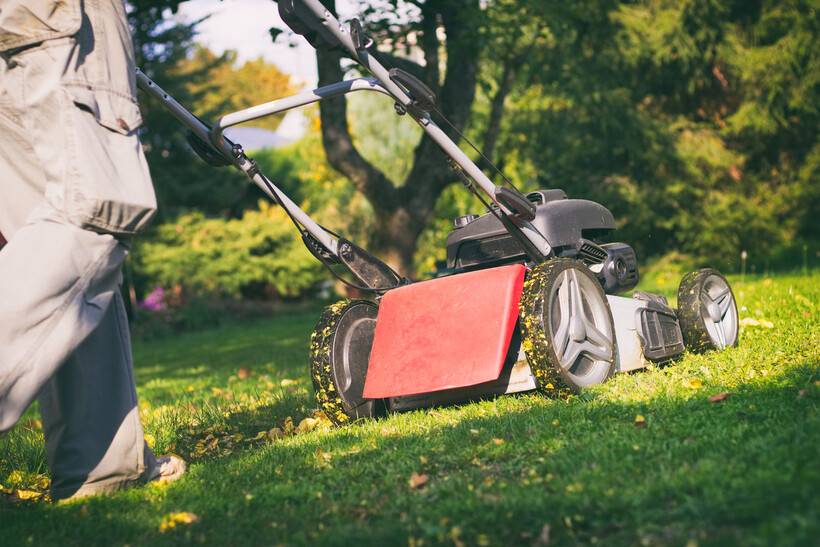 Sustainable lawn mowing for better health (Source: iStock)
It’s essential to think about how bagging or mulching affects your lawn care routine. A healthy lawn needs proper nutrients, and your clippings play a major role in that cycle.
Bagging removes nitrogen and potassium that would otherwise return to the soil. This can lead to nutrient loss, meaning you may need to use more chemical fertiliser.
However, bagging is a helpful part of garden maintenance if your lawn has pests or diseases. Mulching, on the other hand, returns these nutrients to the soil naturally.
So, is mulching good for grass? The answer is yes, as it improves soil health and reduces the need for synthetic additives, provided the clippings aren’t too long or wet.
In terms of moisture retention
How you handle clippings plays a big role in how well your soil retains water. Bagging removes the layer that could otherwise act as a protective barrier. With the soil exposed, water evaporates more quickly, often leaving the ground dry. Lawns that are consistently bagged may need more frequent watering, especially during hot UK summers.
Mulching creates a natural barrier that traps moisture and reduces evaporation. As clippings break down, they add organic matter that further boosts the soil’s water-holding capacity.
So, does mulching improve soil? Yes, it enhances the structure over time. For best results, keep the mulch layer around 5cm to 7.5cm thick to avoid trapping excess moisture.
In terms of thatch control
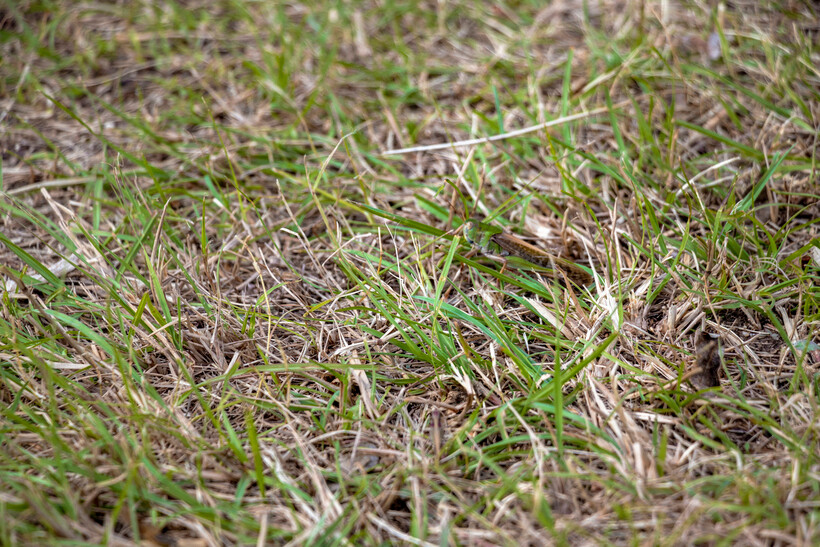 Thatch buildup between soil and grass (Source: iStock)
Thatch is a layer of dead organic debris that builds up between the soil and the live grass. Too much thatch can prevent water and air from reaching the roots.
Bagging effectively prevents thatch buildup because it removes all grass blades from the ground. This limits the organic matter left behind, reducing the chance of thatch forming.
Mulching can cause thatch if clippings are too long or wet, or if you don’t mow frequently enough. However, using proper mulching blades and mowing regularly generally helps break down existing thatch through microbial activity.
In terms of lawn appearance
Bagging and mulching both affect how your lawn looks after a fresh cut. Lawn mowing with a bag gives a cleaner, more polished appearance. Because clippings are removed immediately, there’s no visible debris left on the surface. This is particularly helpful if you’re tackling very long grass.
Mulching leaves a more natural look by spreading finely chopped clippings across the lawn. If done correctly with high-quality mulching blades, the clippings are usually not noticeable. Over time, this gives the lawn a lush and fertile appearance, which is great for long-term lawn health.
In terms of time efficiency
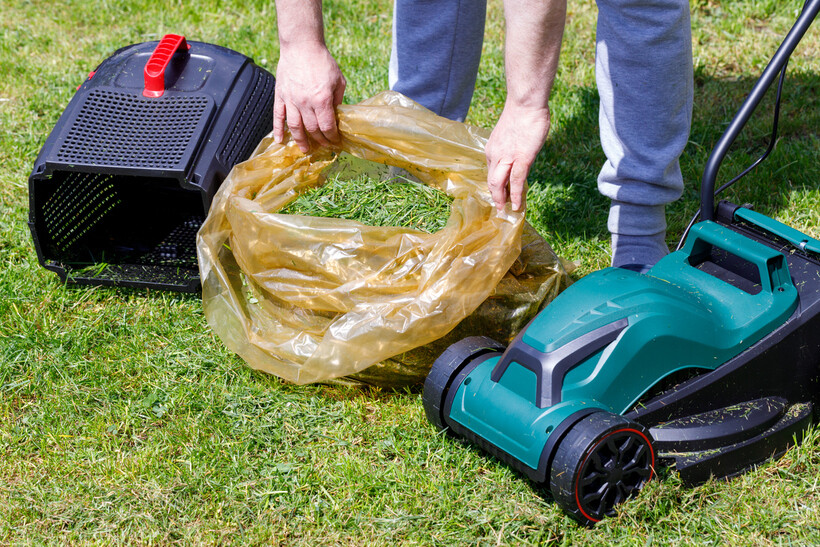 Managing lawn clippings after mowing (Source: iStock)
Time is a major factor for many homeowners when managing their lawn. The commitment varies depending on whether you’re mulching with a lawn mower or bagging.
Bagging is often more time-consuming because you have to stop regularly to empty the grass catcher. This can add significant time, especially for larger lawns. After mowing, you’ll also need to spend time disposing of the clippings.
One of the main benefits of mulching grass is that it’s generally faster since the clippings are immediately returned to the lawn. You can mow continuously without stopping to manage or dispose of clippings afterward.
In terms of equipment needs
Bagging requires a mower with a grass catcher or bagging attachment. If your mower doesn’t have one, you’ll need to purchase it separately, which can add to your mulching costs. You may also need multiple bags or a large collection bin, especially during the growing season when grass fills up quickly.
Mulching requires a specialised mulching blade or a mower with a dedicated mulching feature to chop the clippings finely. While many modern mowers include this, older models may need a kit.
In the long run, mulching can save you money you’d otherwise spend on buying mulch or fertilisers. You can just use the grass clippings you already have.
Hire a bagging or mulching expert on Airtasker
Whether you choose bagging or mulching, the key to a healthy, well-maintained lawn is getting the job done right.
If you’re not sure which method suits your lawn or you need help with the actual work, Airtasker has you covered. From mulching to general lawn care, you can find skilled professionals to handle your lawn tasks efficiently on the platform.
Post a task today and connect with gardening experts ready to keep your lawn in top shape.
Learn more about our contributors
Written by Angela A.
Staff Writer
Angela Apolonio is an experienced writer with a Biology background. She writes about home tips, car upkeep, gardening hacks, and food facts, bringing a unique blend of science and practicality to her work. As a wife and a mother, she knows the value of iron-clad routines, so she's passionate about sharing what works for her with everyone else. She loves making everyday life simpler and helping readers find fresh ideas to bring more joy into their spaces.
Bagging Grass vs Mulching
Bagging Grass |
Grass Mulching |
|
|---|---|---|
Effect on Lawn Health |
Removes nutrients; may require more fertiliser |
Returns nutrients to the soil naturally |
Moisture Retention |
Reduces moisture retention; soil dries faster |
Helps retain moisture with a protective layer |
Thatch Control |
Prevents thatch buildup by removing clippings |
Can contribute to thatch if done poorly |
Lawn Appearance |
Provides a clean, polished, and manicured look |
Provides a more natural look; clippings blend in over time |
Time Efficiency |
Slower due to emptying and disposal |
Faster; no need to stop or manage bags |
Equipment Needs |
Needs a grass catcher or bag attachment |
Needs mulching blades or a mulching mower |
FAQs on bagging grass and mulching
The best treatment depends on your specific needs. Mulching naturally nourishes the grass, while bagging is better if your lawn has issues like weeds or disease.
Yes, bagging helps reduce weeds by removing lawn clippings that may contain weed seeds. This prevents them from spreading across the rest of your garden.
No, you can’t mulch and bag simultaneously. These are separate mowing methods, but you can switch between them depending on the season and your lawn’s health.
Find mulching specialists, fast
Post a task
Related price guides
How much does weeding cost?
Read more
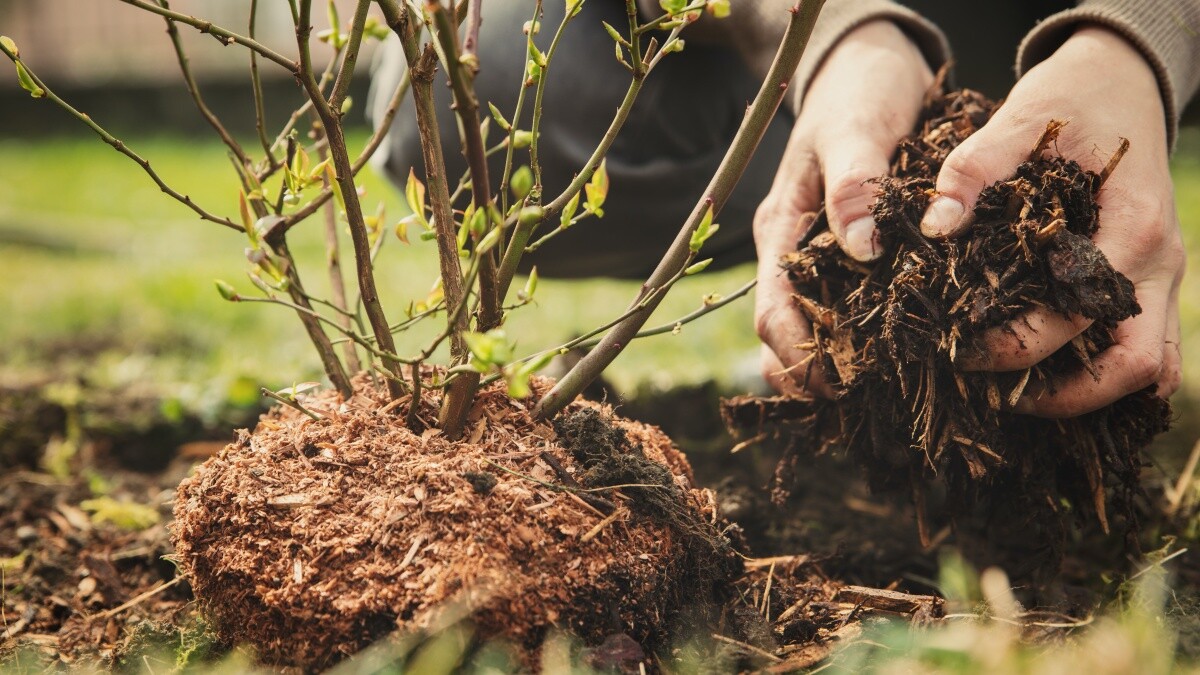
How much does mulch cost?
Read more
How much does garden clearance cost?
Read more
How much does hedge removal cost?
Read more

How much does a garden room cost?
Read more
Related articles
How to prune roses the right way
Read more
8 steps to build a DIY pond filter
Read more
How to trim bushes the right way
Read more

13 Best Spring Gardening Tips
Read more
How to clean garden stones
Read more
36 Quirky plant pot ideas you’ll love
Read more
Your garden maintenance checklist
Read more