Make it Mancunian: A guide to moving to Manchester from anywhere in the UK
Everything you need to know before moving to Manchester from London, Liverpool, and beyond
Last Updated on

Written by Ana K.
Contributor
Read more about our contributor
| Typical Distance Covered |
Typical Distance Covered |
Ideal For |
|---|---|---|
50 to 200+ miles |
6 to 72 hours |
Young adults, students, families |
Key Takeaways
People move to Manchester for different reasons, including the lifestyle and culture it offers, the job opportunities it presents, and its relatively mild climate.
Before deciding to relocate to this city, it’s important to research its average cost of living, the most suitable neighbourhood for you, and the expenses involved when moving.
Locating essential services and amenities near your new place is one way of easily finding your footing upon arriving in Manchester.
Thinking of moving to Manchester? Before packing your bags and booking a one-way ticket to this wonderful city, take the time to learn about the Mancunian way of life; discover the city’s modes of transport, thriving neighbourhoods, football culture, and wealth of history.
All these are explored in this comprehensive guide, together with moving- and packing-related tips for Manchester’s soon-to-be residents.
Why are people moving to Manchester?
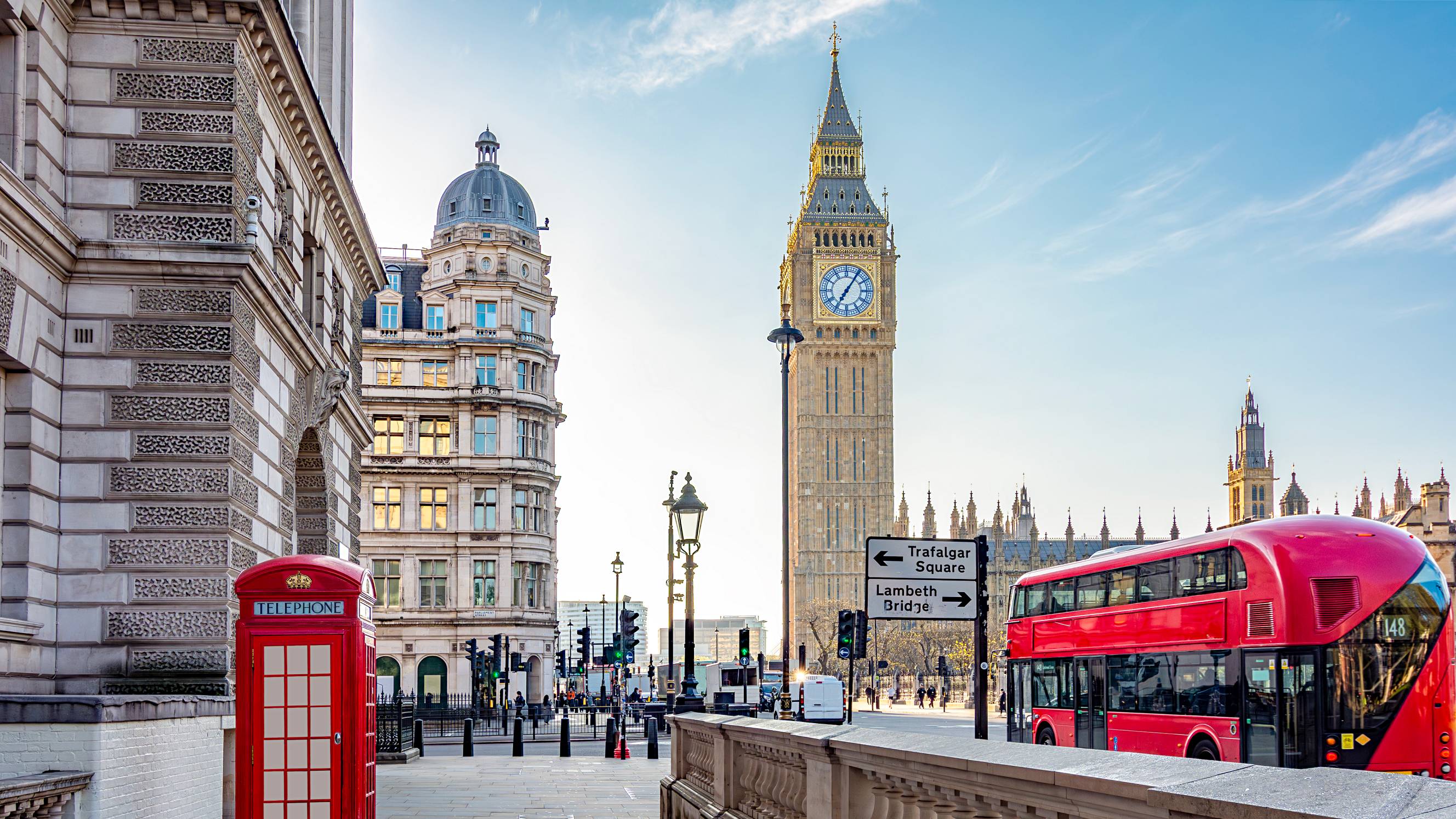
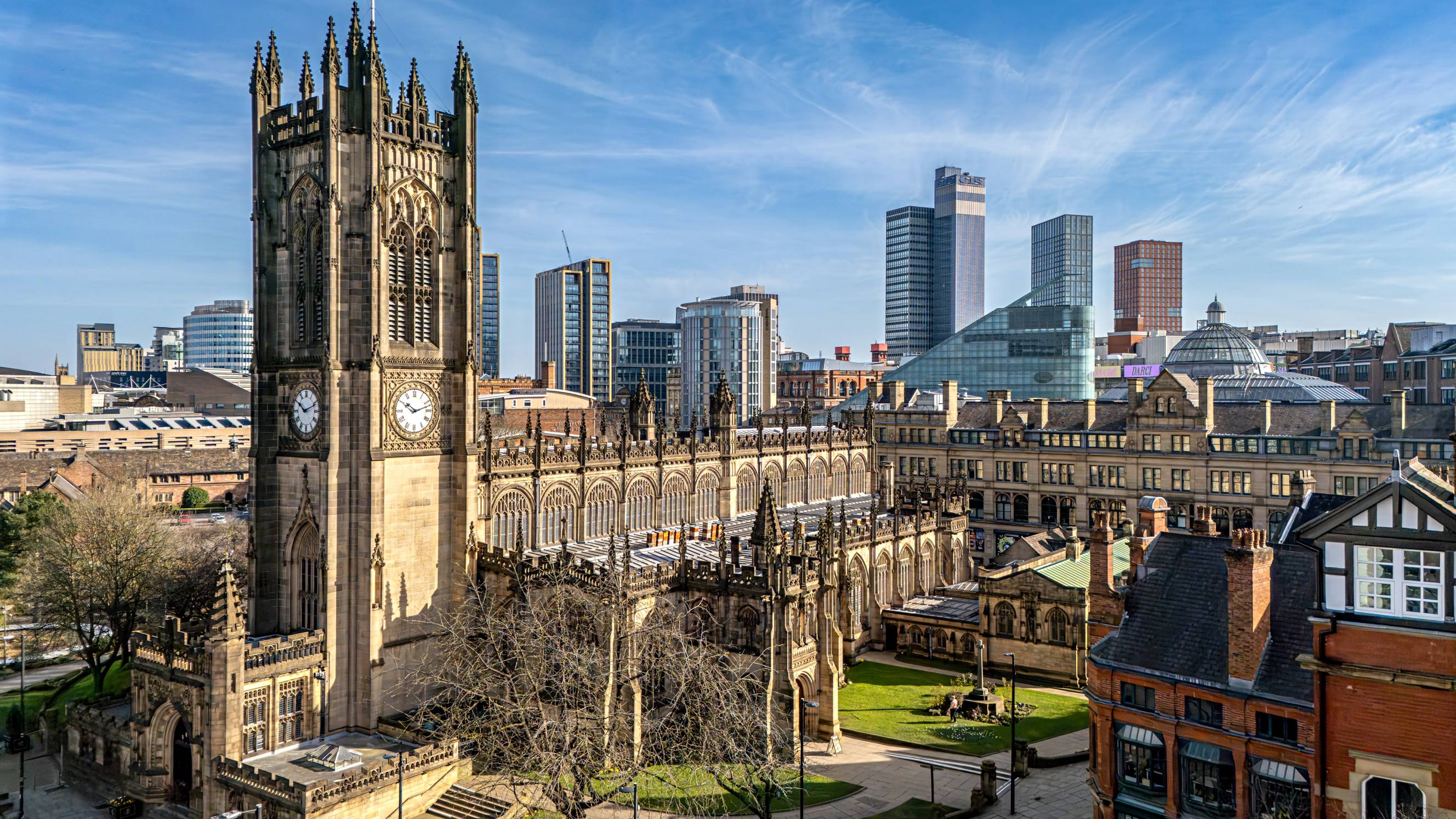
 A look at the vibrant cityscape that awaits anyone moving to Manchester (Source: iStock0
Why do people choose to settle in Manctopia? Some reasons to move to Manchester are the city’s urban offerings and mostly clement climate.
Lifestyle and culture
Is Manchester a good place to live? Certainly! Deemed the most liveable city in the UK by the Economist Intelligence Unit, it has a well-rounded mix of historical significance, sports fervour, educational institutions, and everyday convenience while remaining relatively laidback compared to bustling London.
Additionally, Manchester has a cultural cache that spans motion pictures (e.g., Coronation Street, Queer as Folk), music (e.g., Oasis, Joy Division, The Smiths), and fine arts (e.g., L. S. Lowry, Anthony Burgess, Elizabeth Gaskell).
Career and job opportunities
Aptly represented by the worker bee symbol, the city is abuzz with job prospects for new grads, young professionals, and seasoned employees alike. Once your resume is prepped and primed, you can search among many career opportunities in Manchester, especially in the fields of healthcare, education and childcare, accounting and finance, logistics, engineering, and hospitality.
And if you’re looking for or currently holding a remote job, it’s easy to come across co-working spaces in the city when you want to take a break from your home-based workspace.
Weather and climate
What’s the weather like in Manchester? While often dubbed the Rainy City due to its high rainfall amount, Manchester has a relatively temperate climate throughout the year, which many people are drawn to.
The following table sums up the state of weather-related affairs in the city per season:
| Season |
Average Temperatures |
Description |
|---|---|---|
Winter (December to February) |
2°C or lower to 7°C |
Usually freezing and raining, with occasional snow |
Spring (March to May) |
8°C to 15°C |
Transitioning from cold to balmy, with occasional rain |
Summer (June to August) |
15°C to 20°C |
Sunny and warm, with occasional rain and heatwave |
Autumn (September to November) |
8°C to 18°C |
Likely to rain and be windy |
What should you research before moving to Manchester?
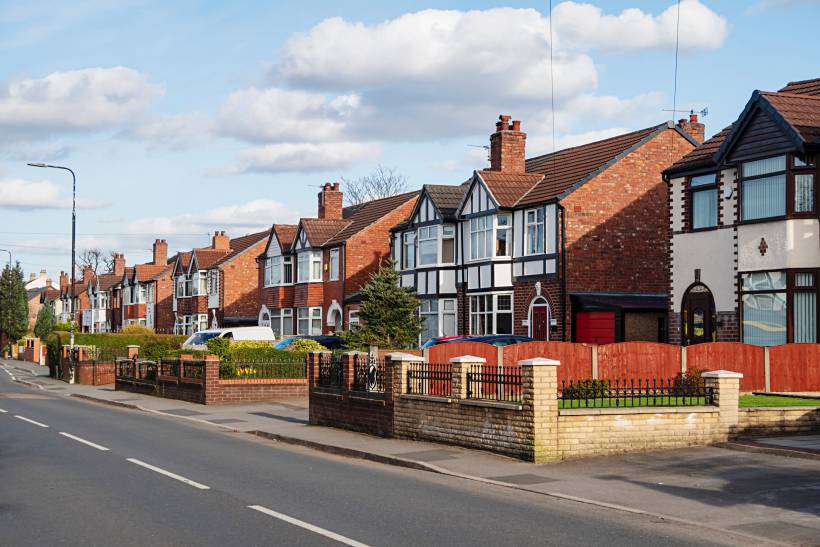 Traditional Manchester homes that reflect the charm of moving to the city's suburbs (Source: iStock)
Some things to know before moving are the best time to move and the cost of relocation. Additionally, it’s important to figure out where to live in Manchester and your potential monthly costs.
Cost of living
According to the crowd-sourced database Numbeo, the monthly cost of living in Manchester, England, is around £1,950 for one person (higher than the national average of £1,740), and significant portions of this can be attributed to the following expenses:
| Type of Expense |
Average Monthly Amount |
|---|---|
Rent |
£968 to £1,199 |
Utilities |
£253 |
Public transportation pass |
£95 |
Groceries |
£268 |
Other factors that can affect your monthly expenses are the number of times you dine out, book cabs or rideshares, and take part in recreational activities.
Neighbourhood options
Your Manchester lifestyle will be partly dictated by your neighbourhood, which is why it’s important not to just look at rent or house prices when searching for your home in the city.
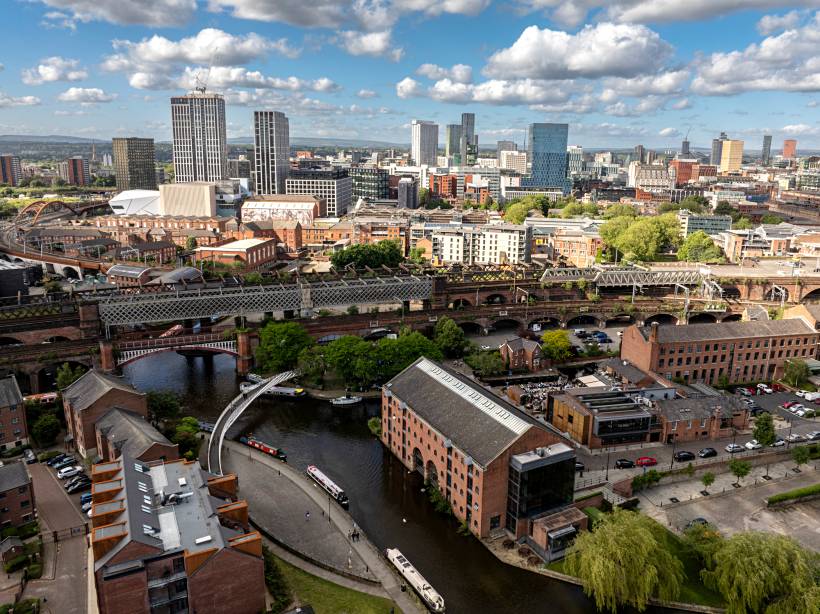
You can find a mix of modern apartments and council homes in Manchester’s Northern Quarter, Ancoats, Chorlton, and Spinningfields. These hip areas are perfect for young adults; they have a variety of establishments catering to people’s leisure and entertainment needs.
Meanwhile, some nice places to live in Manchester for families are Castlefield, the Green Quarter, and Didsbury. There’s a relaxed vibe in these neighbourhoods, and they’re conveniently located near schools, hospitals, and family-friendly establishments.
Best time to move
Part of learning how to move to Manchester is knowing how to pick the right date, especially if you’re relocating with your family and kids. This involves weighing each season’s pros and cons to determine the optimal time to move:
| Season |
Advantages |
Disadvantages |
|---|---|---|
Winter |
Cheapest time to move, with 20% less demand than average on Airtasker. Movers are more available and flexible with booking dates. |
Weather and road conditions aren’t ideal for travel. Cold, wet conditions can make moving day challenging. |
Spring |
Weather is typically pleasant for moving day. Longer daylight hours make the process easier. |
Both demand and rates start to increase as families prepare for summer moves. |
Summer |
Weather conditions and school breaks make travel ideal. Peak demand season with 21% more tasks than average on Airtasker. |
Rates are high during this period. Expect to pay premium prices and book well in advance. |
Autumn |
Demand slows down after the summer rush. Settled weather in September and early October. |
Highest prices (12% above average on Airtasker) even as volume decreases. Rainy conditions become more common later in the season. |
If you’re looking for the best value, plan your move for winter when demand drops significantly. You’ll have more negotiating power and easier access to your preferred mover.
However, if you have school-age children, late August or early September offers a good compromise. You can move just before term starts while avoiding the peak summer rates, though you’ll still pay slightly above-average prices.
Cost of moving
The average price of moving in Manchester is £474 to £2,370 per bedroom. Some factors that may affect your moving cost are the distance involved, the timing of the move, and the number and weight of items.
What should you do on your Manchester moving day?
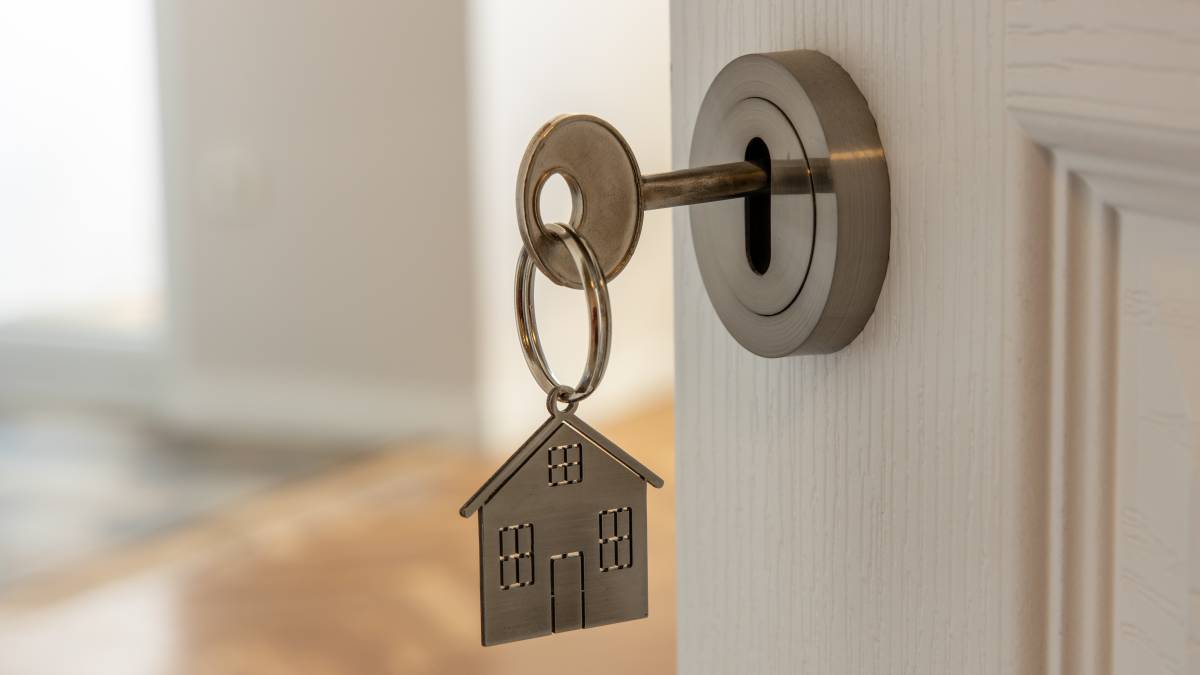
 House keys in a door, marking a new chapter for those moving to Manchester
Ensure a trouble-free short- or long-distance relocation by coordinating logistics, carefully transporting your belongings, and double-checking everything.
Strategically coordinate movers and services
After taking your pick among different truck rental businesses or full-service house removal companies in Manchester, it’s important to communicate and plan key details related to your move. These include the exact schedule of your relocation, the packing capacity of your moving truck, and the addresses of your old and new homes.
You should also inquire about important matters, such as insurance coverage, methods for addressing issues (like bad weather or lost items), and potential add-ons.
Carefully transport your belongings
Before loading a moving van from London to Manchester (or from anywhere), you should study some dos and don’ts to avoid potential accidents, damage, and injury. These include packing fragile items and lifting heavy objects the right way. But you can also simply recruit experts to do the job for you if you prefer to do so.
Critically double-check everything
Responsibly say goodbye to your old abode by doing a last round of cleanup and checking every room to see if something’s amiss (such as a connected plug or a turned-on light). You should also ensure that you’re not leaving anything behind to avoid the hassle and cost of going back or having the item shipped to your new place.
And before reassembling furniture and putting stuff in the right place at your new house, take the time to inspect your moving boxes and bags in case anything goes missing or becomes damaged during transport.
How do you get settled in Manchester after moving?
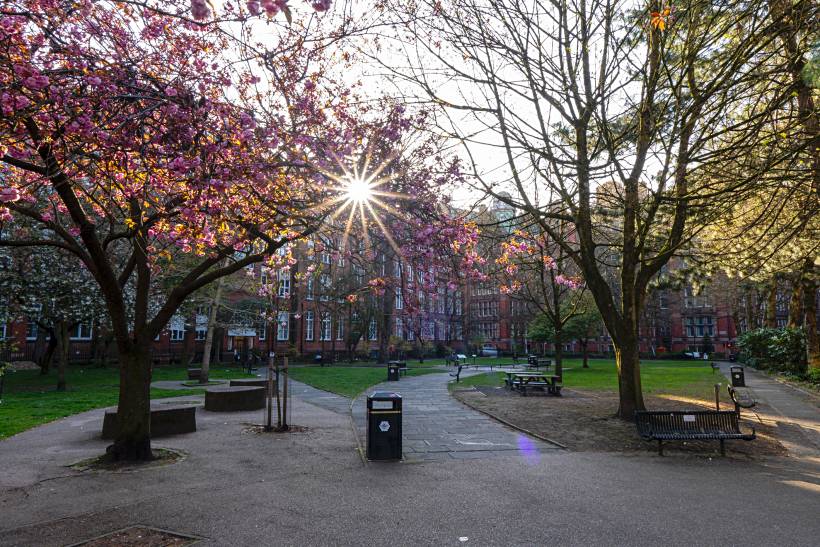 Springtime in Manchester’s public parks—another reason people enjoy moving to the city (Source: iStock)
Before leaving for or after arriving in your new home, it would be wise to take care of these things so you can feel at home as soon as possible in city life in Manchester:
Connect your utilities
As you’re preparing to move to your new Manchester home, don’t forget to update your account or create new ones for various household utilities. You can reach out to the local council for bin collection or to United Utilities for water connection, whether you’re a new customer or an existing one.
Meanwhile, you can have the service provider of your choice for gas and electricity (e.g., British Gas, EDF Energy, E.ON Next, Octopus Energy, Utility Warehouse), as well as internet (e.g., Vodafone, Sky, Virgin Media, EE broadband).
Update your licences and documents
The licences, IDs, and accounts that should reflect your change in residence include:
Your council tax bill;
Your driver’s licence;
Your electoral register status; and
Your HMRC account.
You should also update your Royal Mail redirection, bank and credit card accounts, insurance policies, and online shopping accounts. While some service providers would allow you to change your details through their websites, others would require a visit to a branch or office and proof of a change in address. Reach out to the right office and ask about the correct process to ensure you’re taking the right course of action.
Secure council-related permits
In Manchester, obtaining a permit may be necessary for skip hires and street parking. You may also be required to get approval if you’ll be making major home changes or installing features like doors, roofs, electric connections, fuse boxes, bathrooms, and boilers.
Ensure your family’s welfare
It’ll be easier to get used to life in Manchester if you can find the necessary services and amenities near your place, including clinics and hospitals, schools and daycares for your kids, supermarkets for your grocery runs, and bus and train stations. It also helps to have various sources of recreation and entertainment within walking distance, including restaurants and cafes, parks, and malls.
Also think of your pet
If you’ll be bringing pets with you, make sure to have them microchipped and to set aside time for scouting green spaces, walking routes, and pet care service providers in your area.
Manchester has plenty of pet-friendly spaces, like Platt Fields and Heaton Park, but it’s worth researching which ones are closest to your new home. You can also register with a local vet before moving day so that you’re all set up if your furry friend needs care during the transition.
How do you get around in Manchester?
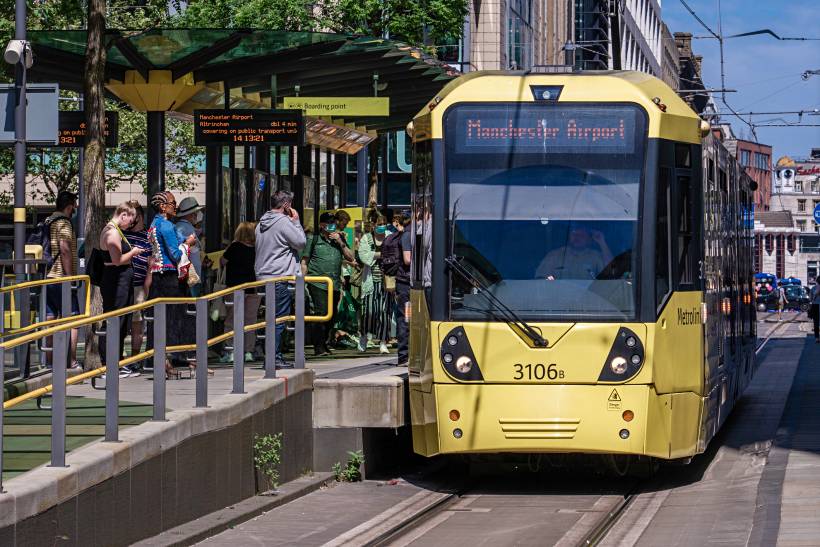 Yellow Metrolink tram in central Manchester, illustrating commuter convenience (Source: iStock)
You have varied options when it comes to private and public transport in Manchester (a.k.a. the Bee Network): from trams and trains to buses, bikes, and rideshares.
By tram (Metrolink)
If you’re moving from London to Manchester, you’re probably used to the Underground and Overground. Meanwhile, riding the tram or Metrolink will likely be par for the course once you’re living in Manchester.
Its major routes (as seen in this map) offer a convenient way of reaching various locations within and near the city, including Manchester Airport, Altrincham, Eccles, Bury, Rochdale Town Centre, and Ashton-under-Lyne. A single ticket generally costs £1.40 to £4.60, which can be paid via contactless tap, cash, card, the Bee Network app, or the Bee card.
By bus
There are several buses plying the roads of Manchester throughout the day, together with 16 night bus routes between midnight and the wee hours of the morning, as well as free buses running within the city centre. A regular Bee Bus Hopper ticket costs £2, and you can pay via cash, card, Google Pay, or Apple Pay.
By train
Brits moving to Manchester will still have access to the National Rail, which has four stations within the city (Piccadilly, Oxford Road, Victoria, Deansgate). Thanks to its extensive network throughout the UK, one can reach near and faraway cities (e.g., Liverpool, Kendal, London, Edinburgh) with relative ease.
Similarly, Northern Rail has four stations in Manchester (Piccadilly, Oxford Road, Victoria, Manchester Airport) with direct routes to several regions across the country.
By bike
Named the European Capital of Cycling in 2024, Manchester has been consistently bolstering and expanding its cycling infrastructure, network, and programs in recent years. This has led to lower emissions, safer roads for cyclists, and more people commuting by bike.
To see the city’s extensive bike routes, you can download its cycle map or view the interactive version online. Some paths frequented by bike commuters are the Oxford Road Corridor and the Manchester to Chorlton Cycle Way.
Don’t have a bike yet? You can rent one through any rental scheme available in the city, such as the Bee Network Cycle Hire, Manchester Bike Hire, or Blooms & Bicycles.
By private car
If you’re planning to travel by car regularly in Manchester, it’s a good idea to be aware of roads likely to be busy temporarily and those with heavy traffic on a regular basis (such as the M60 and the Mancunian Way). It’s also in your best interest to learn about one-way streets, parking spots within the city, and peak traffic times (7:30 am to 9:30 am and 4:30 pm to 6:30 pm).
While private cars in Manchester will no longer be charged when passing through clean air zones, annual road tax is still a requirement, except for electric vehicles.
By taxi or rideshare
Most black cabs are wheelchair-accessible cars that are available 24/7 and can seat up to five passengers. If you’re coming from the airport, you can easily spot one of these metered taxis outside the three terminals and the nearest station.
To book a cab through your phone instead of hailing one from the street, some of your app options are StreetCars Manchester, Veezu (formerly Club Cars), and Manchester Taxi Service. Meanwhile, Uber, Bolt, and Lyft are the popular choices for rideshares in the city.
On foot
With speed limit reduction on various roads, traffic restrictions outside eight primary schools, and 2,400 new crossings, walking as a means of transport in Manchester has become safer in the past few years.
Resources like the Transport for Greater Manchester and Greater Manchester Walking websites also make it easier to locate walking routes—such as along the Bridgewater and Rochdale Canals, as well as the Fallowfield Loop—across the city and the rest of the county.
By e-scooter
While you cannot ride a private e-scooter on public roads, pavements, cycle paths, and pedestrian-only areas, using a Lime e-scooter within a trial zone in the city centre and Salford is permitted. Some requirements to be able to use an e-scooter within the restricted area are having a driver’s licence and being at least 18 years old.
What are fun things to do as a new Mancunian?
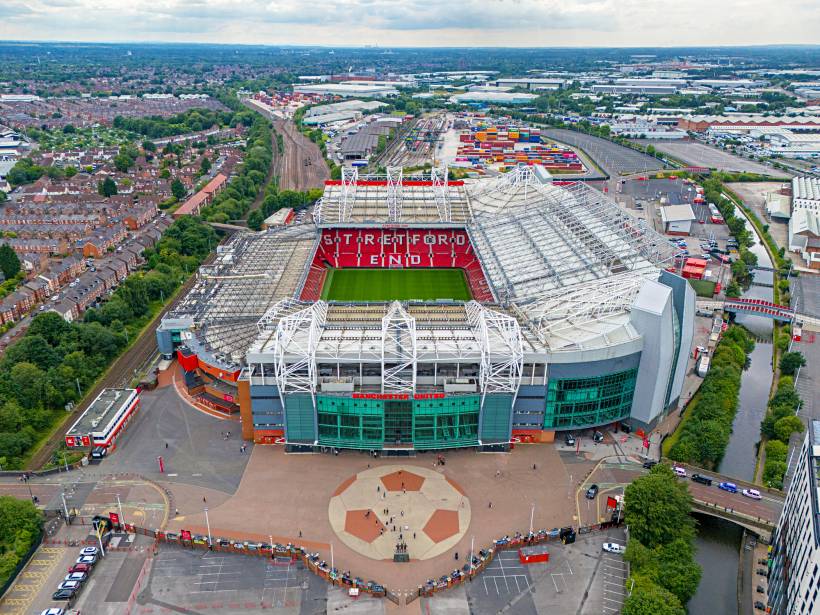 Iconic Old Trafford football ground, a popular attraction for Manchester residents
No matter your interests and hobbies, you won’t run out of fun things to do in Manchester and its nearby towns and cities.
Explore the city’s music and arts scene
Spawning era- and genre-defining bands like Joy Division, Oasis, The Smiths, and The Stone Roses, the Rainy City is also the birthplace of Madchester, an ‘80s movement saturated with indie dance tunes. Currently, the local music scene remains fervent and fiery—see it for yourself by visiting venues like The Ritz, Band on the Wall, and Albert Hall.
Arts-wise, there’s no shortage of museums, galleries, and art centres in the city; take your pick from Manchester Museum, HOME, Gallery Oldham, and The Whitworth, among other excellent institutions. And for something more accessible, the Northern Quarter has some beautiful street art in store for you.
Enjoy Manchester’s history
Let the Museum of Transport—whose upper hall used to be the Queens Road motorbus garage—take you on a ride to Manchester’s transit heritage. And if you want to view the city through the lens of the Industrial Revolution, you can find the Science and Industry Museum at Liverpool Road.
The city’s other historical and cultural attractions include Manchester Cathedral (whose current structure was built in 1421), the John Rylands Library (which houses a 1476 edition of the Canterbury Tales and a piece of the New Testament), and Elizabeth Gaskell’s House.
Experience the food and nightlife scene
From the poshest part of Manchester to its most accessible areas, there’s a diverse range of food establishments offering various dishes and delicacies.
There’s the Curry Mile’s Middle Eastern and South Asian flavours, Chinatown’s rice and noodle meals, and Mackie Mayor’s and GRUB’s street food selections (including local classics like Manchester tart). If you’re hankering for traditional offerings—such as English breakfast and cream tea—there are British restaurants and tea rooms scattered throughout the city centre.
Meanwhile, during your nights out, you can head to the bars and pubs in the Northern Quarter or Canal Street’s Gay Village—a haven for the LGBTQ+ community.
Get outdoors and stay active
If you’re in the mood to dance for fitness, why not join aerobics and Zumba classes offered by local gyms and lifestyle centres? If you’re focused on excelling at a sport, you can also find leisure centres with coaching programs around the city.
And if running or cycling outdoors is your way to stay fit and healthy, you’ll discover that Manchester has no shortage of pleasant paths and routes, including the Heaton Park and Chorlton Water Park Circulars, as well as the Trans Pennine Trail.
Experience the football culture
The capital of the North is home to two of the most popular sports clubs in the world. This means for many of the city’s football fanatics and casual enthusiasts, revelling in the beautiful game is a convenient ride away.
Why not don a turned-up collar a la Manchester United legend Eric Cantona when visiting the hallowed grounds of Old Trafford? If you’re a Man City fan, you’ll be in for a treat watching your team’s top players at the glorious Etihad Stadium.
And for some football tidbits and tales, the National Football Museum in the Medieval Quarter awaits you.
Take day trips across Greater Manchester
If you’re keen to explore the rest of Greater Manchester, you can travel to nearby Altrincham to tour the grounds of Dunham Massey and shop at the stalls of its market. Stockport, situated on the doorstep of Manchester, has a Foodie Friday on the last week of every month that’s worth going to.
For landscapes, woodland, and wildlife, the sweeping Holcombe Moor and Stubbins Estate offers various views and footpaths of varying lengths. And if you’re looking to be entertained by performances and exhibitions, why not head to The Lowry in Salford Quays?
Have a mint moving experience with Airtasker
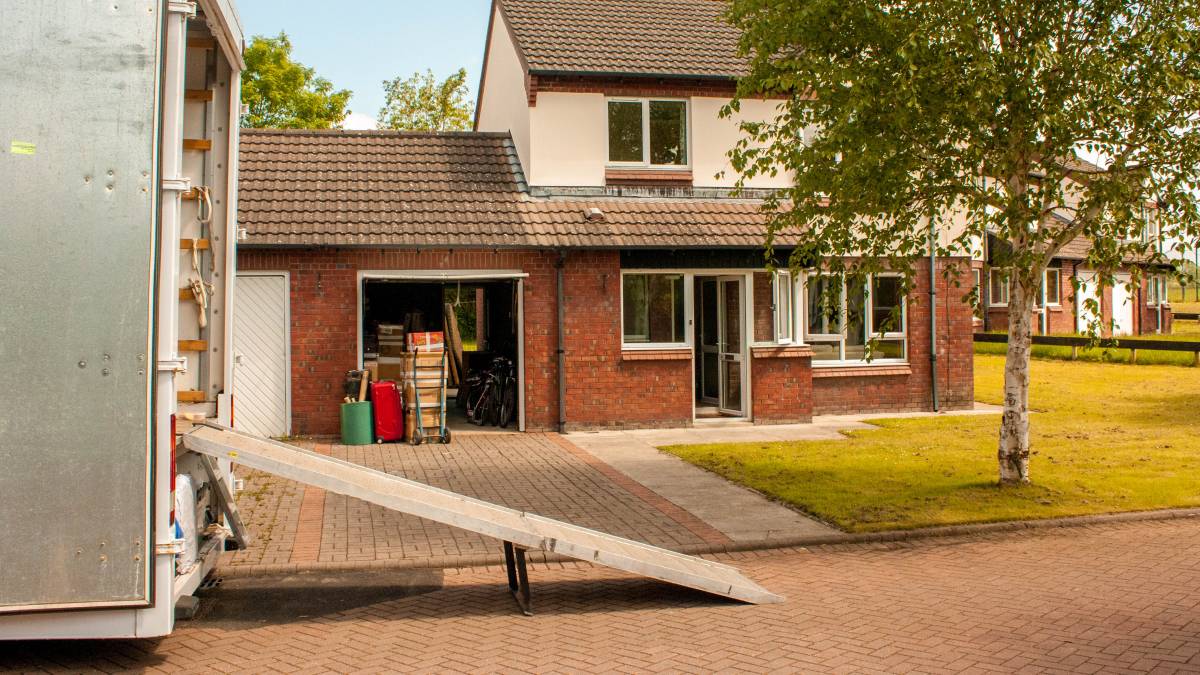
 Taskers loading a truck for a customer relocating to Manchester
Relocating to Manchester? Get all the help you need by hiring moving experts on Airtasker.
Simply sign up on the platform, post a task with all the pertinent details (like your budget and date of relocation), and wait for Taskers to respond. Afterwards, decide on your top choice by checking out each service provider’s ratings and reviews.
Not carrying out a full-scale relocation? You can also find appliance movers, furniture removal experts, and other capable pros on Airtasker.
Helpful resources for those moving to Manchester
Having difficulty moving to or settling in Manchester? Here are some resources to help you get through various stumbling blocks during the process.
Manchester City Council website
Manchester City Council’s official website features a comprehensive collection of resources about the city’s services and offerings. It has sections on homes and properties, roads and transport, social services, and other important matters.
Manchester Move
Manchester Move, a collaborative effort between Manchester City Council and various nonprofit landlords, enables people to bid on affordable social housing within the city. It also provides guidance related to mutual exchanges, private renting, and home ownership.
greater.jobs - Manchester
Greater Jobs is an online job portal that posts open positions from Manchester’s public and nonprofit sectors. It displays vacancies in educational institutions, the city council, and Transport for Greater Manchester, among other employers.
National Careers Service
National Careers Services is a government body that offers free work-related advice and access to skill development courses. Its website also has a skills assessment quiz and a careers page that publishes job openings from different sectors, including business, construction, hospitality, engineering, and agriculture.
NHS - Find a GP page
Visit the NHS’s Find a GP page and enter your postcode to see the health centres and hospitals with GPs near you. Each location’s address, contact number, Google Maps directions, and online registration link are indicated for your convenience.
Learn more about our contributors
Written by Ana K.
Contributor
Ana always puts a premium on accuracy, clarity, and style when writing—a practice that her English degree has instilled in her. She excels at covering topics related to pet care, home and interior design, and food, which count among her varied interests. She also enjoys nature and street photography, as well as travelling. Overall, Ana uses her love for research to engage Airtasker readers with fun, practical content.
FAQs on moving to Manchester from within the UK
Yes, the cost of living in Manchester is significantly lower compared to London’s or the South East’s, including in terms of average house prices, weekly expenses, food, and education.
An annual income of £33,000 for one person or £67,000 for a family can adequately cover monthly rent and other living expenses in Manchester city centre.
No. In fact, Manchester’s council taxes are lower in comparison to those of most cities in the UK.
Enlist a removal company as early as possible or at least a few weeks in advance. For short-distance moves, hiring someone two to four weeks before your move will suffice, while long-distance relocations typically require no less than six to eight weeks of advance booking.
Find removals experts, fast
Find a removals expert
Related price guides

How much does it cost to move house?
Read more

How much does it cost to move house?
Read more

How much do packers cost?
Read more





Related articles

How to pack mirrors for moving
Read more
How to move gym equipment safely
Read more

How to wrap furniture for moving
Read more

Moving to Exeter from within the UK
Read more

A guide to becoming a removalist
Read more
Moving Checklist
Read more

Tips for moving house with kids
Read more

How to pack kitchen items for moving
Read more

How to pack books for moving
Read more

How to pack artwork for moving
Read more
How to move a washing machine
Read more

How to move a pool table
Read more

How to move a shed
Read more
How to move a vending machine
Read more

Moving a fridge: How to do it right
Read more

How to move a pinball machine
Read more

What moving companies won’t move
Read more