- Home/
- Guides/
- Couch Cleaning/
- How to Clean Leather Couch
How to Clean a Leather Couch Safely Without Damaging It (2026)
Check out the best DIY techniques to clean your leather couch, or find a professional for deep cleaning needs.
Last Updated on
Few sofas can pull off both mid-century minimalism and cozy maximalism quite like a leather couch. It’s durable, low-maintenance, and doesn’t trap dust or pet dander as easily as fabric. But “easy to clean” doesn’t mean maintenance-free. Fortunately, learning how to clean a leather couch yourself is easier than you might think.
Unlike other couch types, cleaning a leather couch calls for a gentler approach because it’s porous and can absorb dirt, body oils, and spills. In this guide, we’re covering exactly how to clean, condition, and care for your leather couch so it stays soft, supple, and looking good for the long haul.
Tools and materials needed for cleaning a leather couch
The best way to clean a genuine leather couch involves three stages: vacuuming, stain removal, and leather conditioning. Here are the things you’ll need:
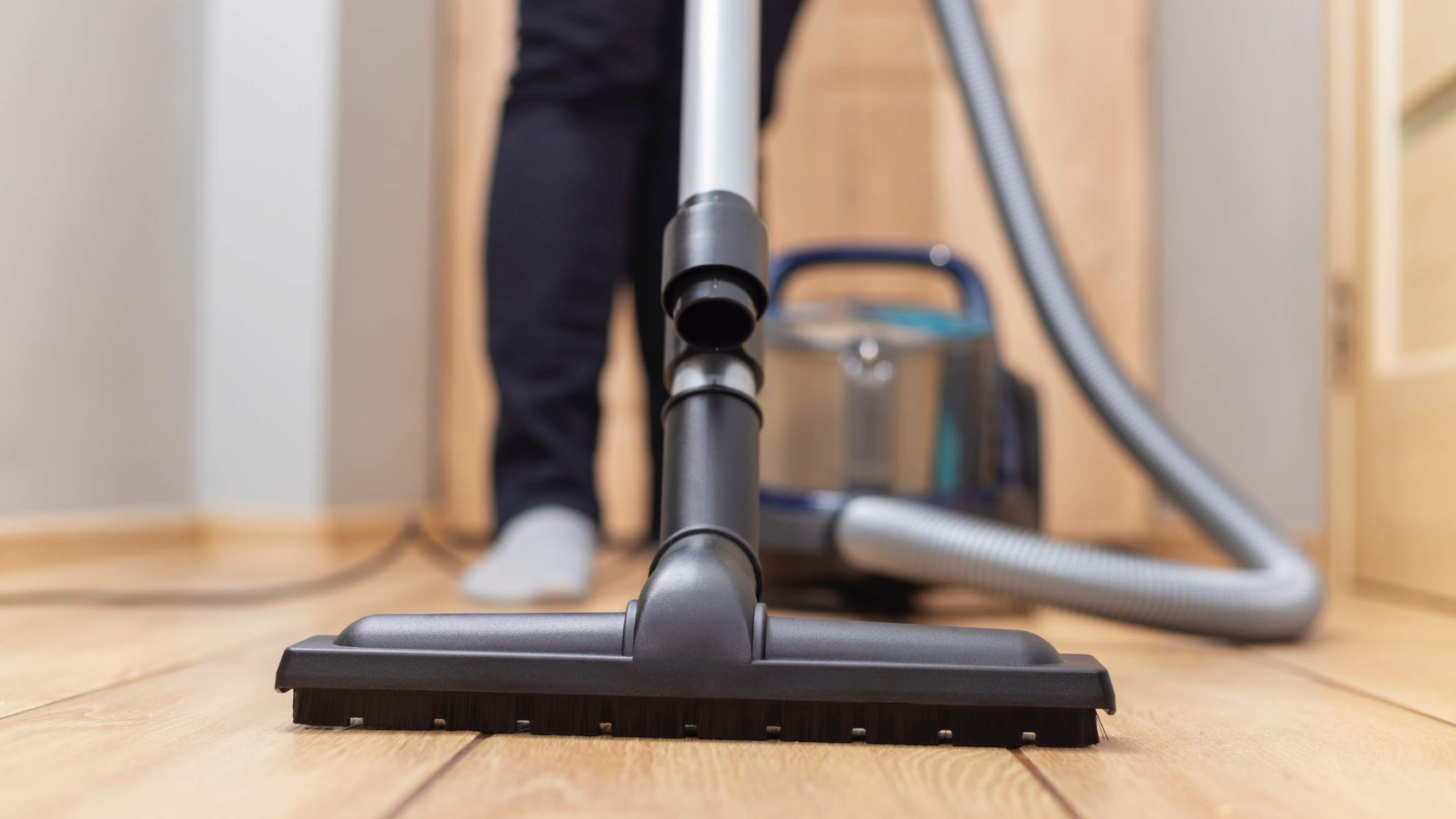
Corded or cordless vacuum cleaner for removing loose dust, crumbs, and debris
Microfiber cloths for wiping, buffing, and drying the leather
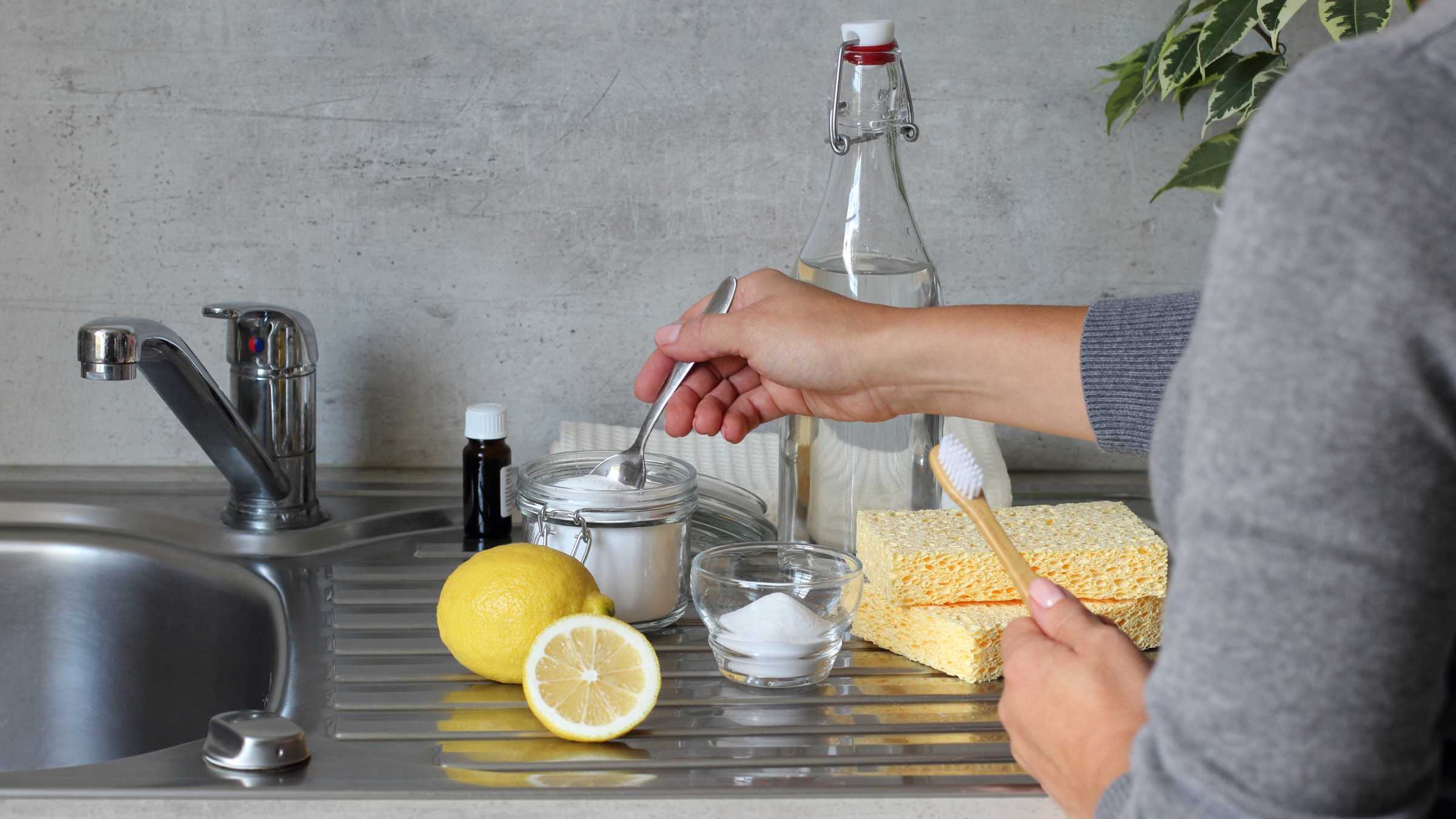
Mild dish soap for cleaning light dirt and everyday grime
Baking soda for absorbing oil-based stains and odors
Leather couch cleaner or conditioner for deep cleaning and restoring moisture
Before you get started, always spot-test any cleaner or conditioner on a hidden area and let it dry completely before treating the rest of the couch. Leather finishes respond differently to cleaning products, and full-grain, top-grain, bonded, and pigmented leather each have their own care requirements. When in doubt, check the manufacturer’s care instructions first.
If you’re after how to clean a faux leather couch or a suede one, the process is a little different since it’s a coated fabric rather than real hide, so keep an eye out for that section further down.
How to clean a leather couch
Most leather couches are simple enough to clean at home with the right approach, and the step-by-step guide below walks you through exactly how to do so.
Step 1: Vacuum and prepare the surface
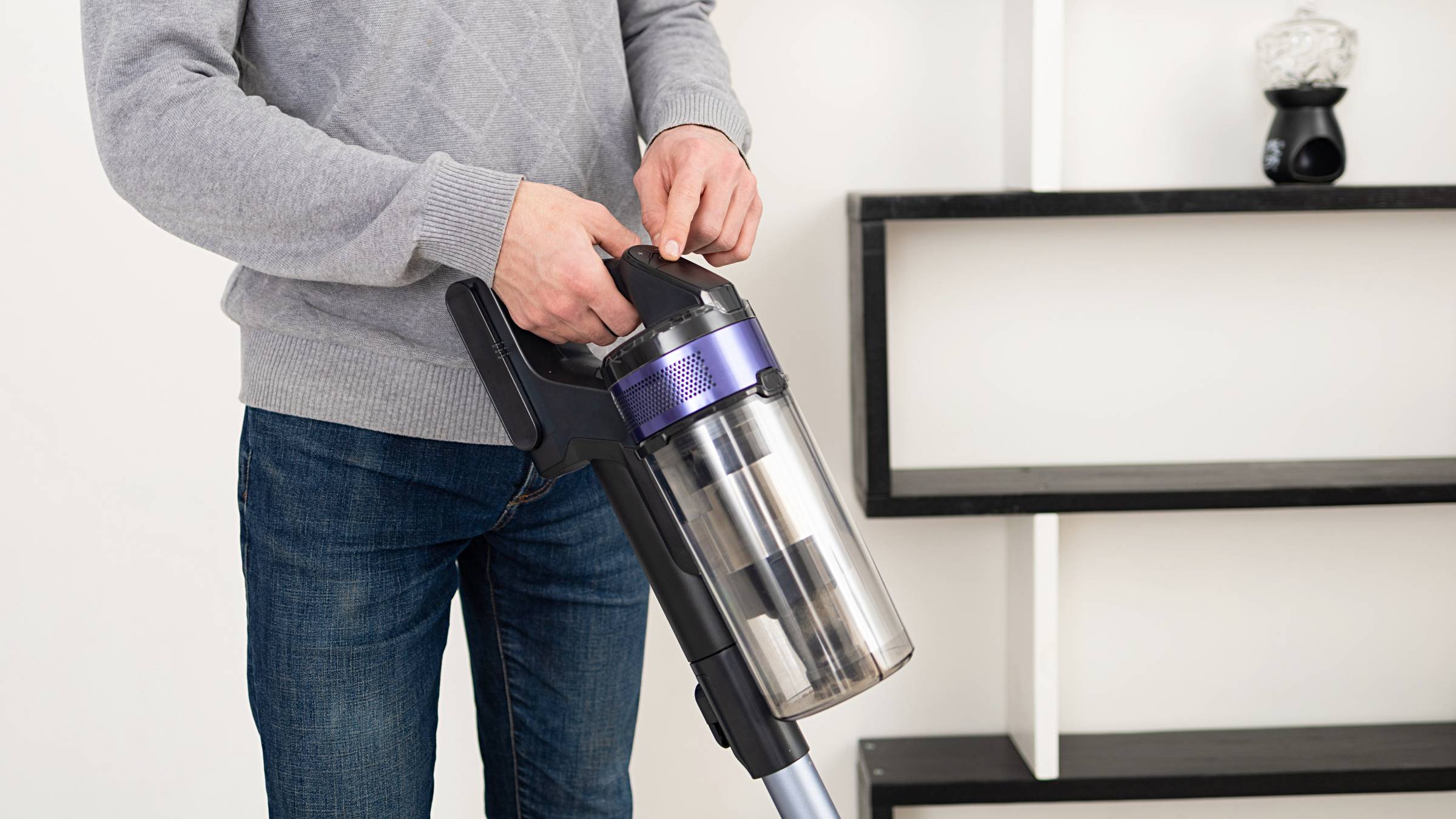
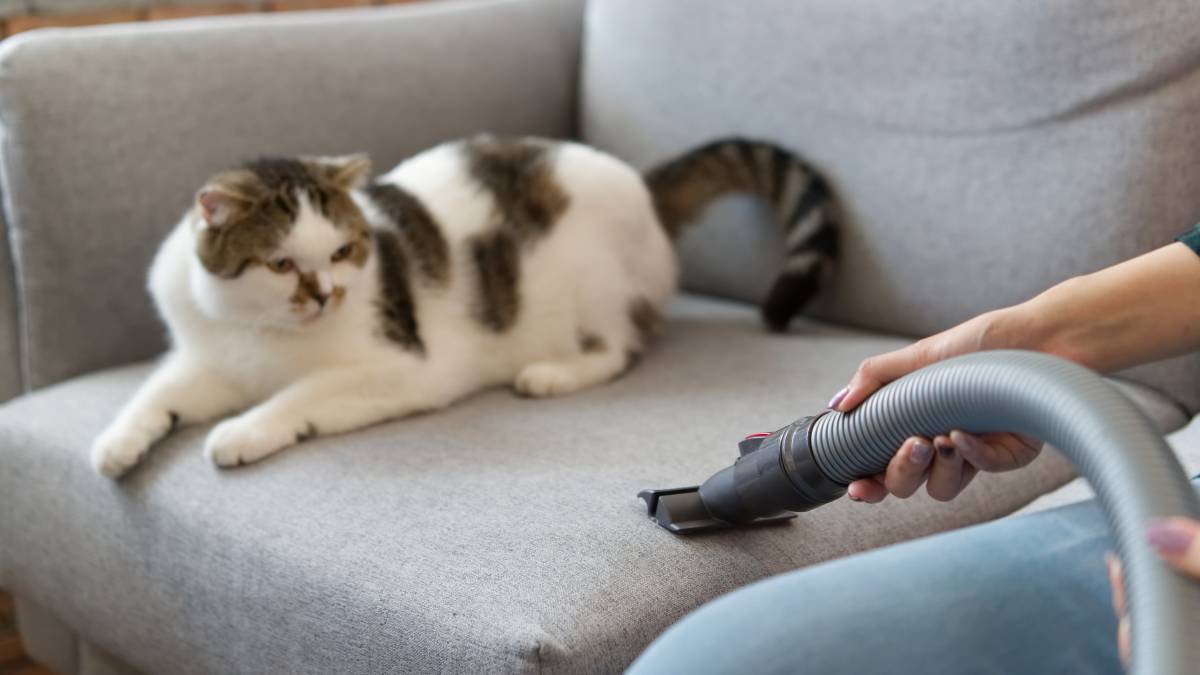
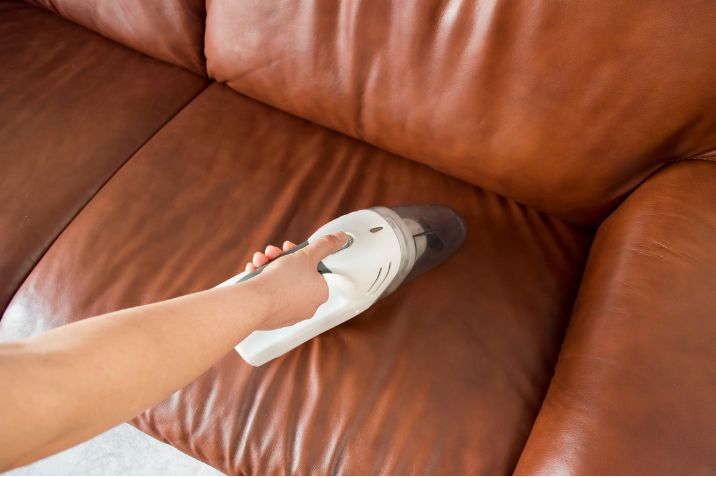 Dusting a leather couch with a vacuum (Source: iStock)
Remove as much dust, dirt, and debris as possible to prep the surface. Using the vacuum’s soft brush attachment, gently clean the seat cushions, backrest, armrests, seams, piping, and crevices where dust, crumbs, pet hair, and grit tend to collect. If your cushions are removable, vacuum underneath and behind them as well.
Finish by wiping the entire couch with a dry microfiber cloth to prevent any fine particles from being rubbed into the leather during cleaning.
Step 2: Prepare your cleaning solution
When it comes to questions like, “Can I use dish soap to clean a leather couch?” the short answer is yes, as long as it’s diluted and mild. To do this:
Fill a bowl with 2 cups of warm water.
Add 2 to 3 drops of mild dish soap
Stir it gently until the water is just slightly sudsy
Remember to keep the mixture on the milder side, as too much soap can leave a streaky residue that attracts more dirt over time. If in doubt, less is more; you can always go back for a second pass.
Step 3: Spot-treat stains
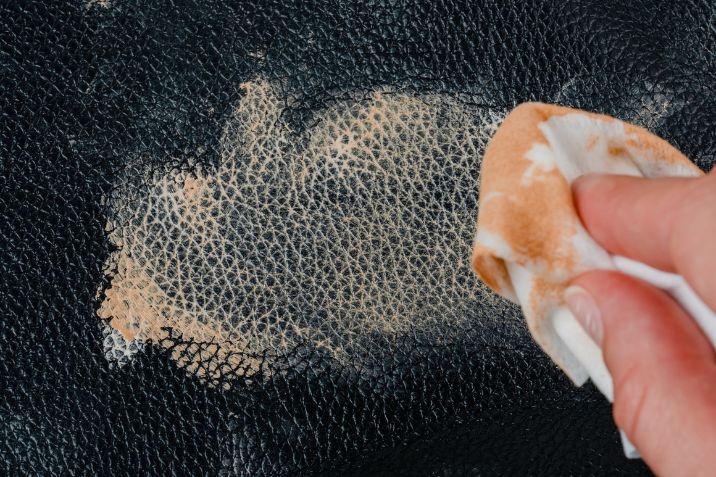 Spot-cleaning stubborn stains (Source: iStock)
When searching for how to remove stains from a leather couch, the first instinct is often to go for abrasive scrubbers, bleach, or even a steam cleaner. But know that harsh products and excessive heat can strip away its protective finish, causing damage that’s difficult to reverse. Here’s what to do instead:
Dip a clean cloth into your cleaning solution and wring it out well.
Rub the damp cloth in small circles around the stain to lift it. Avoid back-and-forth rubbing to prevent unnecessary wear.
-
Spot-clean based on the stain:
Liquid spills: Blot immediately, then clean with your cleaning solution.
Grease or oil: Cover with baking soda for 10 to 15 minutes, then wipe clean.
Ink or marker: Dab with a cotton swab dipped in rubbing alcohol, then condition the area once dry.
Wipe the couch down with a dry microfiber cloth to finish.
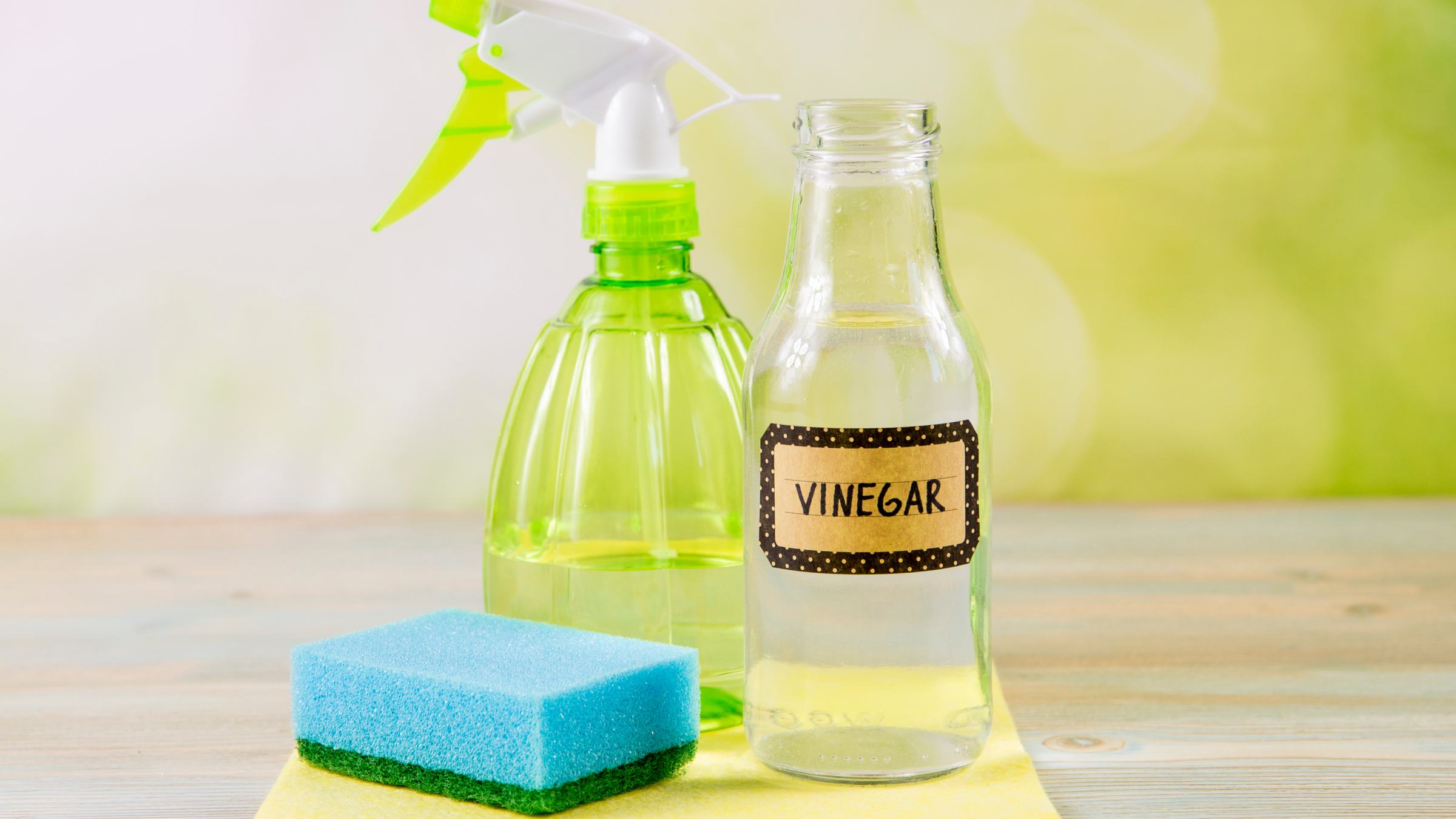
Wondering when and how to clean a leather couch with vinegar? For marker stains or other stubborn spots that remain after using dish soap and baking soda, try mixing 1 part distilled water with 1 part white vinegar. Lightly dampen a microfiber cloth and blot from the outside toward the center to prevent the stain from spreading.
Step 4: Wipe down the leather
Next, use one of the best leather couch cleaners, such as Leather Honey, Lexol, or Furniture Clinic Leather Ultra Clean. Apply the cleaner to a microfiber cloth and wipe the leather from top to bottom.
If you’re using a 2-in-1 cleaner and conditioner, you’re basically done here. If not, buff away the excess with a clean, dry cloth before it has a chance to sit and dry on the surface.
Step 5: Finish with leather conditioner
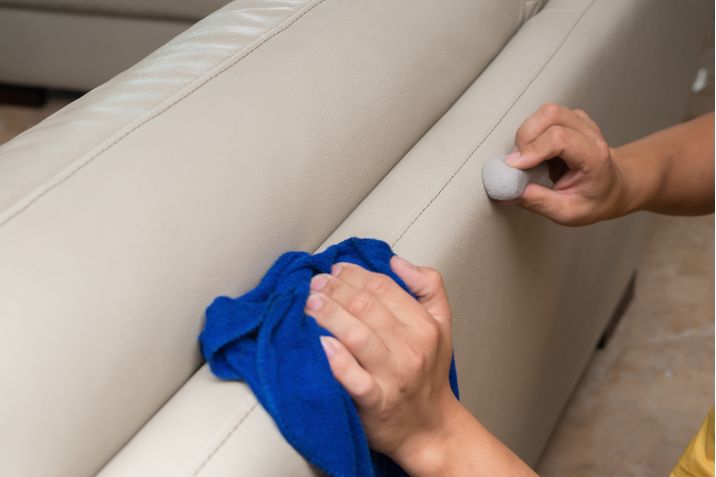 Cleaning a leather sofa with a sponge and a towel (Source: iStock)
Knowing how to condition a leather couch is just as important as knowing how to clean it. Cleaning removes dirt, but it also strips away some of the leather’s natural oils.
To restore moisture and shine, apply a small amount of leather conditioner to a clean microfiber cloth, then work it into the leather using gentle, circular motions.
Let the conditioner absorb for the time recommended on the product label, typically 15 to 20 minutes, then buff away any excess with a clean, dry cloth.
How to maintain a leather couch between cleans
The good news about regular couch cleaning is that you don’t always have to reach for a leather cleaner. For most homes, a quick dusting with a dry microfiber cloth or a weekly vacuuming with a soft-bristled attachment is enough to prevent dirt and grit from building up between deep cleans.
To keep your leather couch looking at its best:
Blot spills and treat stains immediately to help prevent permanent discoloration and damage.
Keep your couch out of direct sunlight to minimize fading and premature aging of the leather.
Apply a leather-safe furniture polish or protectant once a month (if recommended by the manufacturer) to help maintain its appearance and reduce dust build-up.
Avoid alcohol-based baby wipes, disinfecting wipes (such as Clorox wipes), saddle soap, and all-purpose sprays to prevent the leather from drying out and cracking.
Keep the leather as dry as possible by wiping away moisture promptly and avoiding prolonged exposure to dampness.
While you’re giving your couch some attention, it’s a good time to work on the rest of the room too. Regular general cleaning, including vacuuming floors, dusting furniture, and cleaning nearby surfaces, helps keep dust and grime from finding their way back onto your leather couch.
How to clean other types of leather couches
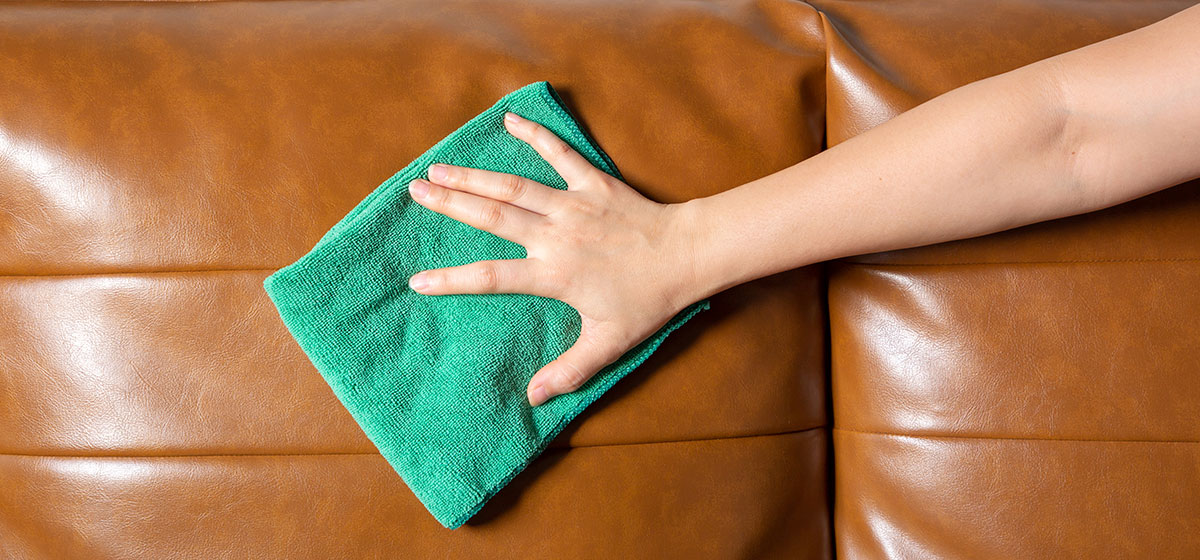
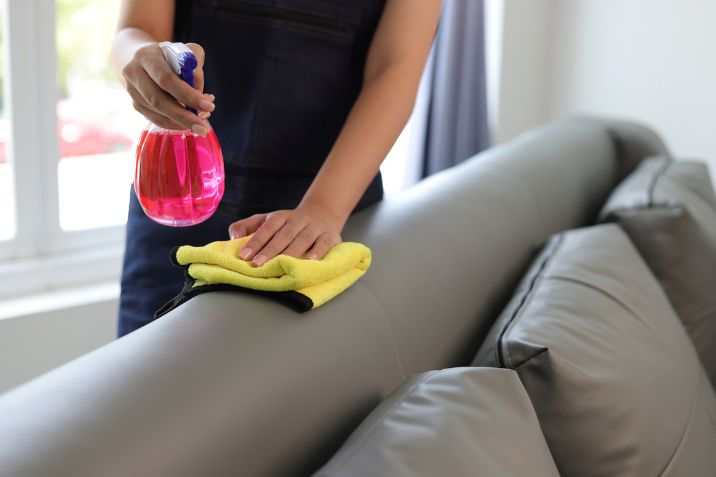 Wiping a faux leather sofa (Source: iStock)
Once you’ve mastered how to clean a leather couch naturally, it’s worth knowing that the same routine doesn’t apply to every leather sofa. Read through to learn how to clean other common leather types.
How to clean a faux leather couch
Unlike genuine leather, faux leather doesn’t need conditioning after cleaning. Instead, the focus shifts to removing dirt and stains without damaging its synthetic surface. Most faux leather is made from PVC or polyurethane, so stick to mild cleaners and steer clear of bleach or anything abrasive.
As with any sofa cleaning routine, check the care label first to confirm you’re using the right products. To clean a faux leather couch:
Vacuum the surface, seams, and crevices using a soft brush attachment.
Mix a few drops of mild dish soap or detergent with warm water.
Wipe the couch with a microfiber cloth dampened with the solution.
Wipe again with a clean, damp cloth to remove any soap residue, then dry with a soft towel.
For stubborn stains, dab a bit of rubbing alcohol or a vinyl-safe stain remover onto a cotton ball and gently work it into the affected area before wiping clean.
How to clean a suede leather couch
Suede requires more care than smooth leather because its soft, velvety surface stains easily and doesn’t respond well to water. As part of your regular housekeeping routine, stick to suede-safe cleaning products and avoid oversaturating the fabric.
Vacuum the couch and cushions with a soft brush attachment to remove dust and crumbs.
Brush the surface with a suede brush to lift dirt and restore the nap.
Treat fresh stains with a suede cleaner on a clean cloth, using gentle, circular motions.
Lift dry stains with a suede brush or eraser (aka a brown gum eraser), using light pressure.
Let the couch air-dry, then brush once more for a soft, even finish.
A little strapped for time?
If you’d rather skip the scrubbing and let someone else do the hard work, hiring a professional leather couch cleaning service through Airtasker is a smart option. Experienced cleaners know how to treat leather, faux leather, and suede using the right techniques and products, so you can enjoy peace of mind knowing your furniture is in good hands.
While the cleaner is there, why stop at the couch? On Airtasker, you can also hire professionals for curtain and upholstery cleaning, as well as full-house cleaning. Tick off multiple chores and leave your home feeling fresh without giving up your weekend. Post your task today and compare offers that fit your budget!
Leather Couch Cleaning FAQs
Household products like white vinegar, baking soda, and dish soap are safe to use on leather. Just be sure to test on a small, hidden area of your couch before using the product on the entire piece of leather furniture. Also, dry your couch after cleaning to avoid softening and wearing out the leather.
Depending on the type of leather your couch is made of, there are a few cleaning products you should keep your couch from.
For real leather, avoid using rubbing alcohol, baby wipes, leather shoe polish, and other harsh chemicals.
For faux leather, avoid bleach, coarse sponges, and abrasive cloth.
For suede leather, avoid acetone and avoid soaking the leather in any liquid (like water and vinegar) for long periods.
Yes! Vinegar is a handy product for cleaning and deodorizing a leather couch.
At the minimum, you should clean a light-colored leather once every six months and a dark-colored leather couch once a year. As for stains, grease, and urine, you must clean them off your couch as soon as possible.
The cost to hire a couch cleaner typically ranges from $160 to $500, depending on your couch’s size, condition, upholstery type, and any additional services requested, such as stain removal or leather conditioning.
Blot the urine immediately with a clean cloth or paper towel, then wipe the area with a damp microfiber cloth and a mild dish soap solution or leather-safe cleaner. Dry the leather thoroughly and apply a leather conditioner once it’s clean.
Treat stains as soon as possible using a microfiber cloth and a leather-safe cleaner or a mild dish soap solution. Avoid scrubbing, as it can spread the stain or damage the finish, and always test any cleaner on a hidden area first.
For most leather sofas, every 6 to 12 months is enough, although heavily used ones may benefit from more frequent conditioning.
Find couch cleaners, fast
Find a couch cleaner
Related articles
 Comparison Guide