Your Merseyside manual: The essentials of moving to Liverpool
Everything you need to know before moving to Liverpool from London, Manchester, and beyond
Published on

Written by Ana K.
Contributor
Read more about our contributor
| Typical Distance Covered |
Estimated Completion Time |
Ideal For |
|---|---|---|
35 to 210+ miles |
6 to 72 hours |
Families, young professionals, students |
Key Takeaways
Some of the reasons why people are moving to Liverpool are its relaxed vibe and vibrant culture, its career opportunities across various fields, and its temperate maritime climate.
If you’ve already decided to move and experience Liverpudlian life, don’t forget to consider the city’s cost of living and neighbourhood options, as well as the potential cost of moving and the ideal time to relocate.
A couple of ways to help you get settled in the city right away include connecting your utilities as soon as possible and determining the closest amenities and services from your new home.
Moving to Liverpool? Prepare to tick off a bevy of relocation-related tasks on your to-do list as the Scouse way of life awaits you.
To minimise the stress that accompanies this endeavour, you can start by reading this in-depth guide. Here, you’ll discover efficient moving strategies and various city-specific details, from Liverpool’s best neighbourhoods and transport options to entertainment offerings and resident resources.
Why are people moving to Liverpool?
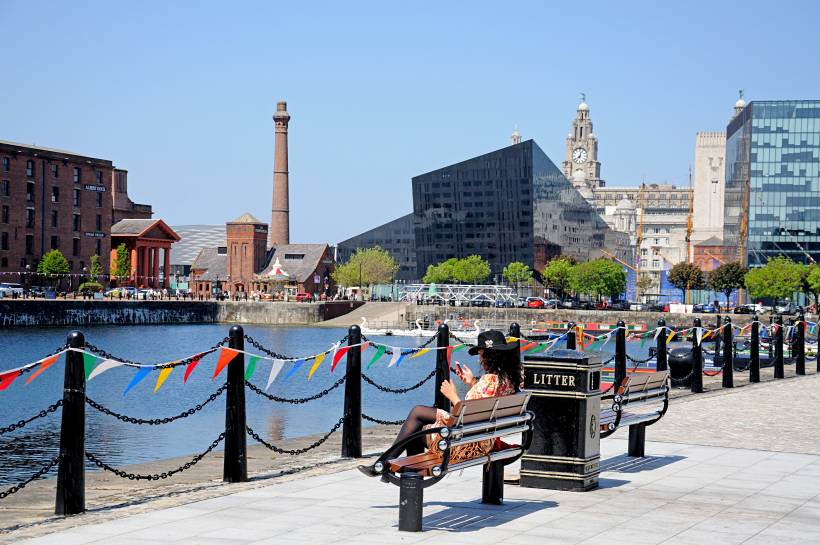 Woman relaxing on a bench by Liverpool’s Salthouse Dock with city landmarks in the background (Source: iStock)
With the city’s engaging lifestyle and culture, varied job prospects, and temperate climate, it won’t be difficult for many to find reasons to move to Liverpool.
Lifestyle and culture
Many individuals relocating to Liverpool have been drawn by what comprises its vibrant culture. For instance, there’s its music scene that’s rife with twists and shouts, events and institutions that highlight art, and culinary offerings that range from traditional to international.
It’s also easy to be charmed by the city’s unhurried and relaxed vibe and its locals, especially with their sing-song Scouse accent and welcoming demeanour.
Career and job opportunities
Those thinking of boosting their careers in Liverpool—including young professionals and seasoned pros—can find work prospects across various fields. Many of these are in the healthcare, education, social work, finance, and hospitality sectors, but there are also several available roles in the engineering, sales, trade, and creative industries.
According to Glassdoor data, some of Liverpool’s major employers are Barclays, Unilever, Airbus, the University of Liverpool, and IBM.
Weather and climate
What’s the weather like in Liverpool? The city has a temperate maritime climate, making it an attractive location due to its non-sweltering summers and non-severe winters.
Throughout the year, expect these seasonal conditions if you’re planning to move to Scouseland:
| Season |
Average Temperatures |
Description |
|---|---|---|
Winter (December to February) |
4°C or below to 8°C |
Usually cold, cloudy, and windy, with frequent rain and occasional snow |
Spring (March to May) |
5°C to 15°C |
Transitioning from windy and rainy to warm and sunny |
Summer (June to August) |
11°C to 20°C |
Mild and temperate, with occasional rain |
Autumn (September to November) |
6°C to 17°C |
Transitioning from temperate to cold, rainiest period of the year |
What should you research before moving to Liverpool?
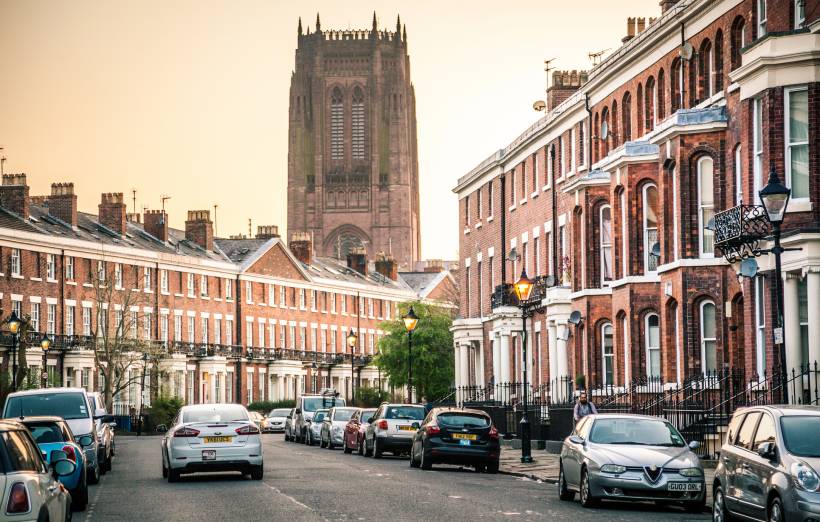 Liverpool’s Cathedral Quarter showcasing historic architecture and residential appeal for new movers (Source: iStock)
To help you make informed and strategic decisions, here are some important things to know before moving to Liverpool:
Cost of living
Like the rest of the country’s day-to-day expenses, the cost of living in Liverpool, UK, for one person has been rising. Currently, it’s around £1,580 per month (lower than the national average of £1,740), and this amount includes the following key expenses:
| Type of Expense |
Typical Monthly Amount |
|---|---|
Rent |
£609 to £911 |
Utilities |
£255 |
Transportation (monthly public transport pass) |
£78 |
Groceries |
At least £176 |
Other kinds of expenses a person living in Liverpool typically incurs are leisure, entertainment, and clothing costs.
Neighbourhood options
Here are some top-shelf options if you’re looking for a safe, holistic, and welcoming community within Liverpool:
Woolton
Named the best place to live in northwest England in 2025 by The Sunday Times, Woolton is a neighbourhood perfect for families; it’s a low-crime-rate area where many top-notch schools and period homes can be found. Its quaint quality is complemented by traditional pubs and restaurants, independent and speciality shops, and historic sites.
Aigburth
Aigburth, with its open and green spaces, high level of safety, excellent schools, and quick access to the city centre, is a neighbourhood fit for families and young professionals alike. It’s also where the bohemian Lark Lane is located, which means many cafes and restaurants, clubs and pubs, and independent stores are within walking distance.
Mossley Hill
Populated with Edwardian and Victorian homes, parks, and first-rate schools, this serene and safe neighbourhood is perfect for families with school-age children. Mossley Hill also has diverse establishments, a railway station, and very walkable areas. It’s home to Penny Lane, famously referenced by the Fab Four in their 1967 song of the same title.
Georgian Quarter
The Georgian Quarter is the ideal place for those thinking of where to live in Liverpool and looking for a central location. Many professionals choose this area because it is generally safe and close to many workplaces, outstanding food establishments, several entertainment options, and sublimely designed homes.
Best time to move
Some considerations when determining the best time to relocate include your situation (like if you’re moving with kids), the weather, and the moving cost and demand.
| Season |
Advantages |
Disadvantages |
|---|---|---|
Winter |
Quietest period (49% below average on Airtasker) with the most competitive pricing. Easier to find and book your preferred removal company. |
Unpredictable British weather can complicate logistics. Wet, cold conditions may slow down the moving process. |
Spring |
Mild temperatures and dry spells create comfortable moving conditions. Extended daylight gives you more time to complete your move. |
Prices start climbing as demand picks up ahead of the busy summer period. |
Summer |
Warm, dry weather makes for the smoothest moving experience. School holidays align perfectly if you’re relocating with children. |
Premium pricing (22% above average on Airtasker) during Liverpool’s second-busiest season. Limited availability means booking months ahead. |
Autumn |
Liverpool’s busiest moving period with 53% more volume than average on Airtasker. Despite high activity, costs remain lower than summer peaks. |
Expect wet weather, particularly from October onwards. High demand reduces your choice of available moving dates. |
If budget is your priority, avoid summer when moving services hit peak prices and instead aim for autumn when rates drop significantly. Just be prepared for potentially rainy weather.
For more savings, consider winter when demand is at its lowest. Whichever season you choose, book your move for a Sunday or weekday to secure the cheapest rates.
Cost of moving
Part of learning how to relocate to Liverpool is knowing what to expect in terms of house removal costs. On average, the moving rate per bedroom in the city ranges from £438 to £2,190. Factors like distance covered, moving van size, fuel cost, number of bedrooms, and types of items can affect how much you’ll be charged.
What should you do on your Liverpool moving day?
Whether you’re traversing long distances or travelling from a nearby city, you can avoid hitting a snag during your relocation through these moving day tips:
Strategically coordinate movers and services
Don’t forget to inform your removals team about crucial details related to your relocation. These include your moving day schedule, the parking and entry access of your house, and any items that may require specialised moving tools or equipment (such as heavy appliances and pieces of furniture).
You should also ask them about the insurance coverage they offer, their alternative plans in case of unexpected situations, and if they have successfully completed house removals to Liverpool.
Carefully transport your belongings
Here are some ways to minimise the risk of damage and accidents while loading your moving truck or van to Liverpool and relocating to your new home:
Ask for assistance when lifting heavy objects to prevent drops and injuries.
Properly pack delicate items so they remain in one piece when they arrive at your destination.
If necessary, hire someone to pack your possessions that are difficult to handle, such as artwork, plants, and electronics.
Critically double-check everything
Apart from learning how to move to Liverpool, you should also know what to do before leaving your old house and right after reaching your new place of residence:
Ensure your old home is clean for its next tenant or owner.
Revisit each room to confirm that nothing is left behind, plugged in, or switched on.
Take a final utility reading.
Check for damage or loss after unpacking your boxes and bags in your Liverpool home.
How do you get settled in Liverpool after moving?
 Shopper reaching for avocados in a well-stocked grocery store, highlighting everyday life in Liverpool (Source: iStock)
In addition to unpacking boxes and assembling furniture, you should be working on these personal tasks and government-mandated duties so you can start feeling at home with life in Liverpool:
Connect your utilities
A few weeks before your arrival at your new home, take some time to have the following utilities set up or transferred:
Gas and electricity: Have your accounts transferred to Liverpool if you’re satisfied with your current providers and they’re operating in the area. But if you need or want new gas and electricity suppliers (e.g., Octopus Energy, British Gas, E.ON Next, OVO), it’s a good idea to compare rates and tariffs before picking one.
Water: Whether you’re a new or existing customer, you can contact United Utilities to install water services in your new place.
Rubbish collection: If your Liverpool residence doesn’t have the popular purple bins yet, you can directly request them from the local council by calling 0151 233 3001.
Internet: You can check with your current provider if they can transfer your account to Liverpool. If they cannot, you can visit comparison sites to see which company (e.g., Virgin Media, BT, Vodafone) can offer you the best deal.
Update your licences and documents
When moving, it’s crucial to update the details indicated in your IDs, licences, and documents to ensure a smooth transition.
| Disadvantages |
How to Update |
|---|---|
Council tax account |
Find your new council and inform them that you’re moving to Liverpool |
Electoral register status |
Reregister your account using your new contact details |
Driver’s licence |
Update your licence by changing the address on it |
HMRC account |
After moving to your new home, inform HMRC about your change in residence |
To avoid problems associated with not changing addresses, other things that you must keep up to date are your Royal Mail, bank, pension, insurance, subscription, and online shopping accounts. If you’re unsure how to amend your information, don’t hesitate to reach out to the relevant service provider.
Secure council-related permits
If you’re doing a major home renovation project, such as altering the drainage system, building an extension, or underpinning foundations, council approval is necessary to ensure you’re following safety and energy efficiency standards. Similarly, certain home improvements, like installing new wiring, boilers, radiators, roofing, or windows, might require council permission.
Ensure your family’s welfare
When moving to a new neighbourhood, here are the amenities and services that you should be looking out for so you can easily deal with your chores and other needs:
Healthcare facilities, including emergency care service providers
Primary and secondary schools, as well as childcare centres
Food establishments (whether for sit-in or takeaway service)
Groceries and supermarkets
Parks and playgrounds
Entertainment options
Also think of your pet
If you have a furry friend, it’s important to be aware of pet services and facilities within the proximity of your new residence. These include beautiful green spaces where they are allowed and pet care providers.
You should also be aware of Liverpool’s pet ownership requirements and animal-specific rules, especially when in public.
How do you get around in Liverpool?
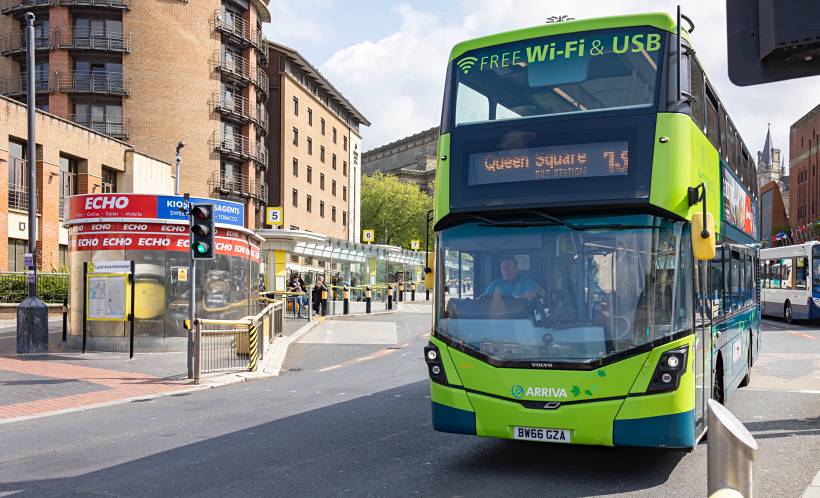 Busy Liverpool bus terminal with local transit options for commuters and residents (Source: iStock)
Become familiar with Liverpool’s private and public transport options so you can experience all the things that this beautiful city has to offer.
By Merseyrail (local rail network)
Merseyrail is a rapid transit network that spans Liverpool and its surrounding areas via two lines (Northern and Wirral), serving locations such as Liverpool Central, Lime Street, Moorfields, James Street, and South Parkway. It’s a convenient way to take trips to the city centre and nearby suburbs, especially for new residents. To ride this accessible and reliable form of transport, you’ll need a Railpass, Trio, or Saveaway ticket.
By National Rail
Through the National Rail’s Liverpool Lime Street station, there’s no need to take the long and winding road to other cities and regions. Although pricier than Merseyrail, it’ll allow you to reach Birmingham in around 1.5 hours and London in 2 hours and 20 minutes.
And if you’re moving from Edinburgh to Liverpool, the journey will only take you 3 hours and 29 minutes via National Rail.
By bus
Another affordable option for public transport in Liverpool is the bus. These Arriva- and Stagecoach-operated vehicles are very accessible and have routes not covered by Merseyrail, making them ideal for short-distance travel.
Many popular routes originate from the Liverpool ONE and Queen Square bus stations, including 76 and 82. Meanwhile, the 500 route can take you from the John Lennon Airport to the heart of the city. If you’re going to use this mode of transport regularly, purchasing a pass valid for a week, month, term, or year can result in saved transportation expenses.
By bike or e-bike
With campaigns and projects to make cycling safer around the city, riding a bike or e-bike is becoming a more viable choice for commuting. Locally, you can find several bike lanes and routes, as well as off-road and country paths. There are also cycle parking spots at various train stations and locations (like the facility at Liverpool ONE).
Need to ride the ferry or train? You can take your bike with you for free and with no fuss on these transportation options.
By private car
Driving in Liverpool presents a number of issues, including heavy congestion during peak hours (especially along The Strand) and limited parking spots within the city centre.
Nevertheless, navigating by private car can be advantageous since it allows you to travel wherever you want to go and not worry about heavy loads (such as grocery bags). It can also be a practical mode of transportation if you regularly travel to central locations while living on the fringe of the city.
Additionally, going to the nearby Wirral is convenient with a car, thanks to the safe route offered by the Mersey Tunnels.
By taxi or rideshare
Another way to move around the city is to ride a taxi or a rideshare car. Although pricey, they are very convenient and reliable, especially if going to the airport or travelling at night. Just be aware that fares get more expensive once it goes dark due to late-night rates and surge pricing.
It’s easy to book a rideshare car via an app (e.g., Uber, Ola, Blacklane) wherever you are in the city. You can also flag down a hackney carriage anywhere—particularly in central locations—or wait for one in any of the taxi stands in Liverpool’s shopping, business, and tourist areas.
On foot
Deemed one of the most walkable cities in the world by Forbes Magazine in 2024, Liverpool has pedestrian-friendly infrastructure that makes it conducive to travelling on foot. And because it has a compact layout—with many establishments, parks, attractions, and offices located close to one another—many residents and newcomers prefer getting around its city centre by walking.
By ferry (across the Mersey)
While you can’t take a trip across the River Mersey in a yellow submarine, one alternative that you have is the ferry. Although it’s not the most popular way to travel, it’s a practical choice if you reside or work near the river.
But apart from using the Mersey Ferry to commute between Wirral and Liverpool, you can also book a day or night cruise to marvel at the skyline and tales of the river’s storied past.
What are fun things to do as a new Liverpudlian?
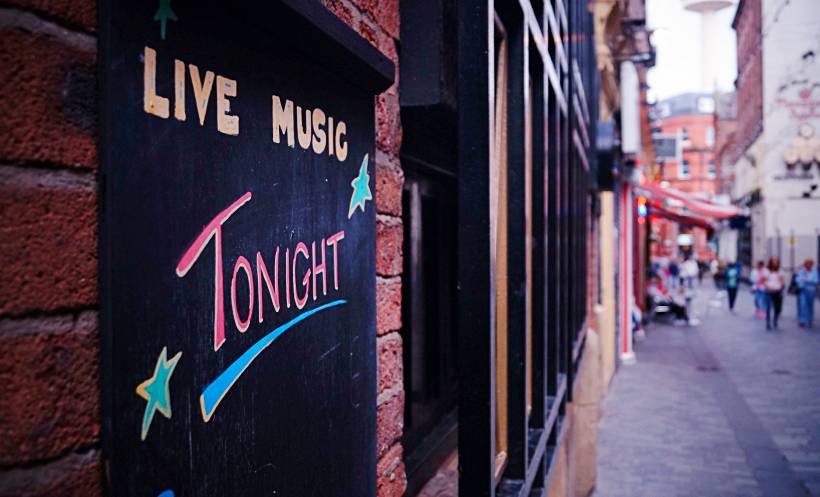 Handwritten sign promoting local live music in Liverpool's city centre (Source: iStock)
No matter your hobbies and interests—whether live music and waterfront activities or football and food—you’ll find many fun things to do in Liverpool’s central and peripheral areas.
Explore Liverpool’s music heritage and grassroots venues
The vibrant culture of Liverpool—as a UNESCO City of Music—is partly anchored on the rich history of its music scene. Besides the Beatles and their Merseybeat tunes, groups like Echo & the Bunnymen, Big in Japan, Orchestral Manoeuvres in the Dark, and The Teardrop Explodes have shaped the local landscape of music.
Pay a visit to grassroots venues like Zanzibar, The Cavern Club, and The Jacaranda to see established musicians, tribute bands, and local indie groups perform live. You can also drop by various Baltic Triangle venues, such as 24 Kitchen Street, District, and Camp and Furnace, to get a taste of the Liverpool sound’s many facets.
Get to know the city through its characterful neighbourhoods
Introduce yourself to the city’s unique offerings by exploring its different neighbourhoods.
Bold Street has an abundance of cafes and restaurants, independent boutiques, and the notable St. Luke’s Church. Chinatown, just a stone’s throw away, is an exciting mingling of Liverpudlian life and Chinese culture showcased through food, festivals, art, and shops.
A short distance away is the Georgian Quarter; walk its cobbled streets to discover food establishments and traditional pubs while soaking in the beauty and history of its Georgian townhouses, cathedrals, and cultural sites and venues. And directly beside it is the Baltic Triangle, a creative enclave where music venues, impressive street art, and innovative galleries abound.
Enjoy the Mersey and Liverpool’s waterfront life
Stroll along the River Mersey to witness how the Liverpool Waterfront brims with life. Some pit stops you can’t miss are the Pier Head (location of the famed buildings making up the Three Graces), the Royal Albert Dock (which houses attractions like Tate Liverpool and The Beatles Story), and the M&S Bank Arena (where concerts, sports matches, gatherings, and other events regularly take place).
Another must-do is a ferry ride, which offers a glimpse of the city’s colourful history and breathtaking skyline. If you’re looking for other water activities, you can try powerboating, stand-up paddleboarding, and swan pedalos, among other exciting recreations.
Eat, drink, and shop the Scouse way
Whether you want to eat foreign flavours at an independent restaurant (e.g., Maray, Madre, The Italian Club), have a hearty serving of Scouse stew in a pub or cafe (e.g., The Ship & Mitre, Maggie May’s), or explore local street food (e.g., Baltic Market, Duke Street Food and Drink Market), Liverpool has got you covered.
Having drinks is just as fun, with bars (e.g., Albert’s Schloss, Bar Glue) and traditional pubs (e.g., Lady of Mann, Fly in the Loaf, Philharmonic Dining Rooms) scattered all around the city.
And if you want to feed your shopping craving, sites like Red Brick Vintage and Liverpool ONE are the places to be.
Join Liverpool’s standout festivals and local events
Looking for a delightful outdoor experience? The imposing St. George’s Hall, which appeared in the show Peaky Blinders and the movie The Batman, is known for being the venue of many exhibitions, musical performances, light shows, and other events.
Sefton Park also holds different affairs all year round, including the Liverpool International Music Festival, the Liverpool Food & Drink Festival, and Africa Oyé. Other annual events in the city are Homotopia, the Craft Beer Expo, and Liverpool Sound City.
If you’re a Premier League follower, why not feel the Toffee pride at the stadium of Everton FC or walk alongside the Reds at Liverpool FC’s Anfield home? And if you’re eager to watch the long-standing and intense rivalry between these teams, you’ll enjoy the Merseyside Derby that occurs at least twice a year.
Score a stress-free move with Airtasker 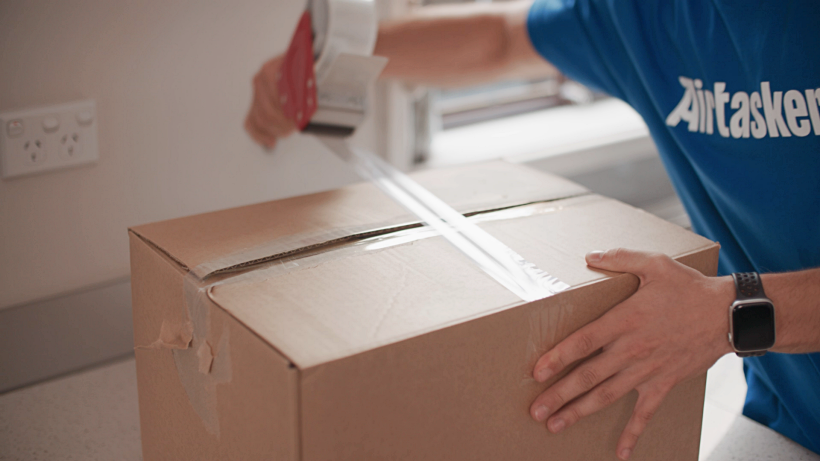 Tasker sealing a cardboard box with packing tape during house removals
Ready to begin your Liverpudlian life? Make the relocation process go smoothly by engaging the services of removal experts. Let them transport your small and large possessions, fragile items, and even pets across stairs, lifts, alleys, and roads.
Through Airtasker, you can find a team capable of moving your entire household and lightening your load—both in the literal and figurative sense. Simply post a task on the platform to start your search for moving pros.
Helpful resources for those moving to Liverpool
Finding some aspects of your move difficult? Here are some public- and private-sector resources that can provide assistance in different ways:
Liverpool City Council - Housing webpage
Liverpool City Council has a dedicated page where new residents can find information on various housing-related matters. These include tenants’ rights and responsibilities, housing associations in the city, the Building Safety Programme, and Liverpool council homes and sheltered housing.
National Careers Service
National Careers Services is a government body that helps unemployed individuals and those looking for better career opportunities in Liverpool and across the UK. It provides resources for writing a CV, assists with upskilling, and offers career advice. Additionally, its website publishes job postings for different roles from diverse sectors.
NHS - Find a GP page
People moving to Liverpool from Ireland, another foreign country, or a different part of the UK can visit the NHS website to look for GPs near their new place of residence. Each healthcare facility appearing in the search results has its address, telephone number, Google Maps directions, and registration link displayed for ease of access.
Children & Young People’s Mental Health Liverpool
Children & Young People’s Mental Health Liverpool can help children and young people process the changes associated with moving to a new place. Its staff gives relevant advice, support, resources, and access to mental health specialists.
Citizens Advice Liverpool
Citizens Advice Liverpool is an independent charity that has been offering advice since 1939 to people who need assistance. It advocates for those who are experiencing difficulties in terms of housing, employment, finances, pensions, and other matters.
Learn more about our contributors
Written by Ana K.
Contributor
Ana always puts a premium on accuracy, clarity, and style when writing—a practice that her English degree has instilled in her. She excels at covering topics related to pet care, home and interior design, and food, which count among her varied interests. She also enjoys nature and street photography, as well as travelling. Overall, Ana uses her love for research to engage Airtasker readers with fun, practical content.
FAQs on moving to Liverpool from within the UK
Yes. While incidents of petty crime still occur in various areas of Liverpool, it remains one of the safest major cities in the UK. Additionally, it has been maintaining its Purple Flag status for 15 years, deeming its nightlife both diverse and safe.
The rental market in Liverpool is rather competitive; rental prices continue to rise as demand outweighs supply.
If you’re moving from London to Liverpool, you’ll notice that the former has a higher cost of living and house prices, as well as a more urban vibe. Meanwhile, in Liverpool, life has a more relaxed pace, property prices are generally lower, and everything seems to be within short walking distance, especially in the city centre.
Yes, it’s easy to travel to Manchester from Liverpool. In fact, one can easily reach the Mancunian city centre within 35 minutes by train or just over an hour by car. Cities and towns like Chester, Crosby, Wigan, and Preston are also very accessible from Liverpool.
Find removals experts, fast
Find a removals expert
Related price guides
How much does it cost to move house?
Read more

How much does it cost to move house?
Read more

How much do packers cost?
Read more




Related articles

How to pack mirrors for moving
Read more
How to move gym equipment safely
Read more

How to wrap furniture for moving
Read more
Moving to Exeter from within the UK
Read more

A guide to becoming a removalist
Read more
Moving Checklist
Read more

Tips for moving house with kids
Read more

How to pack kitchen items for moving
Read more

How to pack books for moving
Read more

How to pack artwork for moving
Read more
How to move a washing machine
Read more

How to move a pool table
Read more

How to move a shed
Read more
How to move a vending machine
Read more

Moving a fridge: How to do it right
Read more

How to move a pinball machine
Read more

What moving companies won’t move
Read more