- Home/
- Costs/
- Interior Painting/
- House Interior Painting Cost Guide
How much does it cost to paint the interior of a house in the UK?
Post to find a price. It's free and only takes a minute.
Price per completed task
£150 - £5,500
low
£150
median
£310
high
£5,500

Last Updated on

Written by Ana K.
Contributor
Read more about our contributor
Key Takeaways
The average cost to paint a house’s interior walls in the UK ranges from £150 to more than £5,500 per completed task.
You can cut expenses by handling the prep work yourself, comparing price estimates from different service providers, and asking about promos or bundles.
Find the right professional house interior painter by evaluating their pricing, reputation, skills, and experience.
Painting interior walls is one of the best ways to transform your home, whether your living room calls for a change of vibe or your bedroom needs a refresh. While you can do the job yourself, hiring professional painters ensures the work will be thorough and impeccable.
And if you’re worried about the cost to paint the interior of a house, this article shows you the average rates that service providers charge and the factors that influence pricing.
What are the average interior painting costs in the UK?
Since pricing is partly dependent on the cost of living, cities across the country vary in average interior painting rates.
City |
Average Price to Paint Interior of House* |
|---|---|
£250–£400 |
|
£180–£350 |
|
£200–£400 |
|
Leeds |
£180–£350 |
Liverpool |
£200–£400 |
Bristol |
£250–£500 |
Edinburgh |
£220–£400 |
Nottingham |
£180–£350 |
Southampton |
£280–£500 |
Leicester |
£180–£350 |
Newcastle |
£220–£450 |
Belfast |
£200–£400 |
*Prices shown are typical total costs per job (not quotes for painting an entire house) based on recent Airtasker data. Actual costs may vary.
What factors affect the cost to paint the interior of a home?
When estimating interior painting costs, a service provider considers various factors. Understanding these price drivers, such as the project scope and how labour can significantly impact the overall cost, is important if you want to budget accordingly and save on fees.
Project size and paintable area
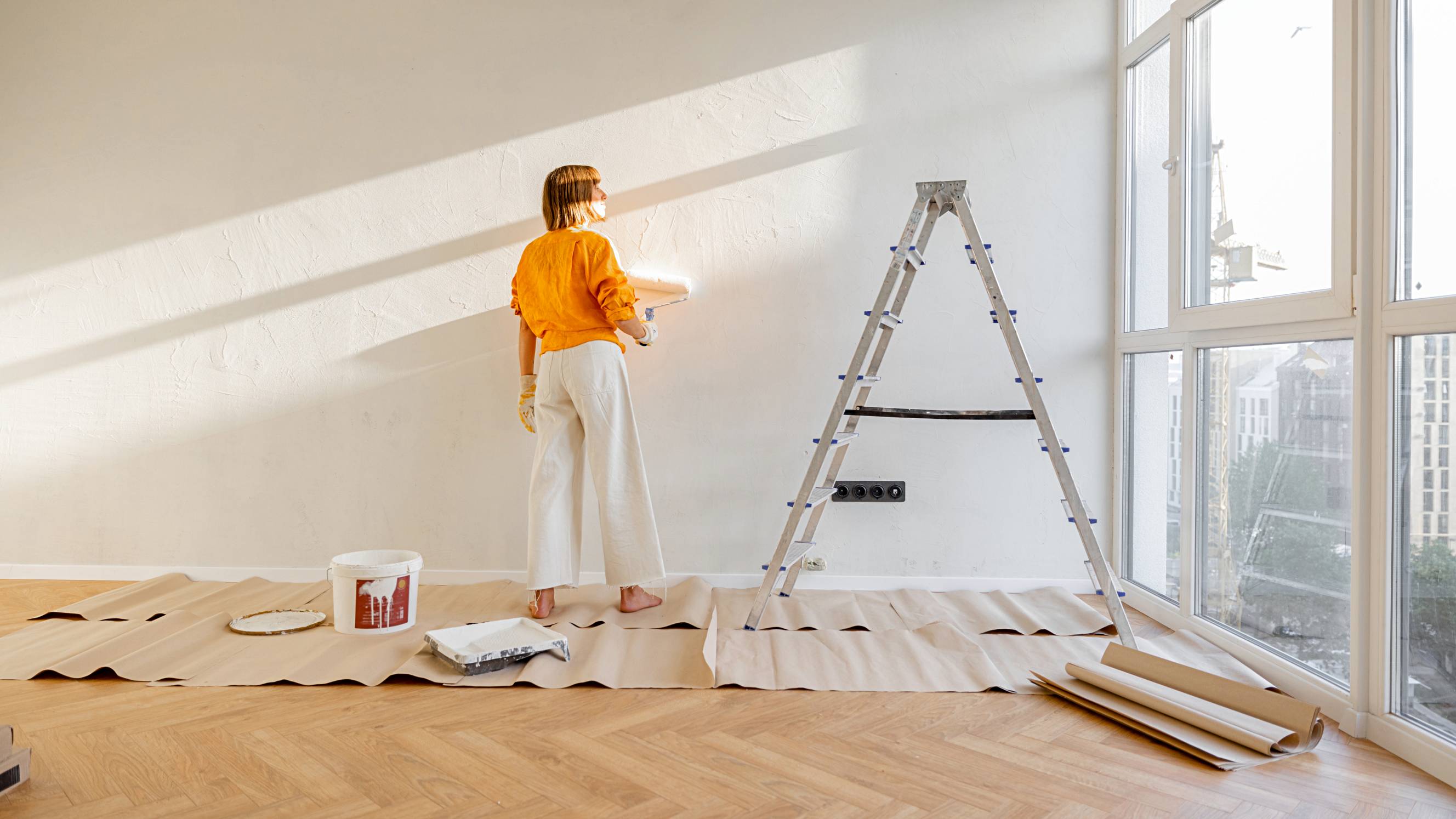
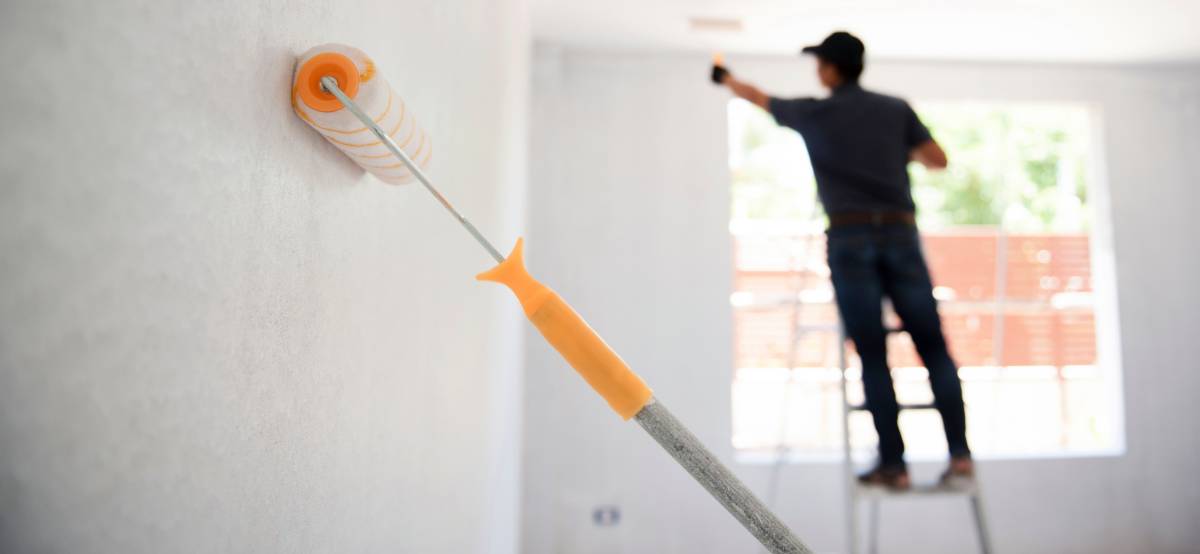
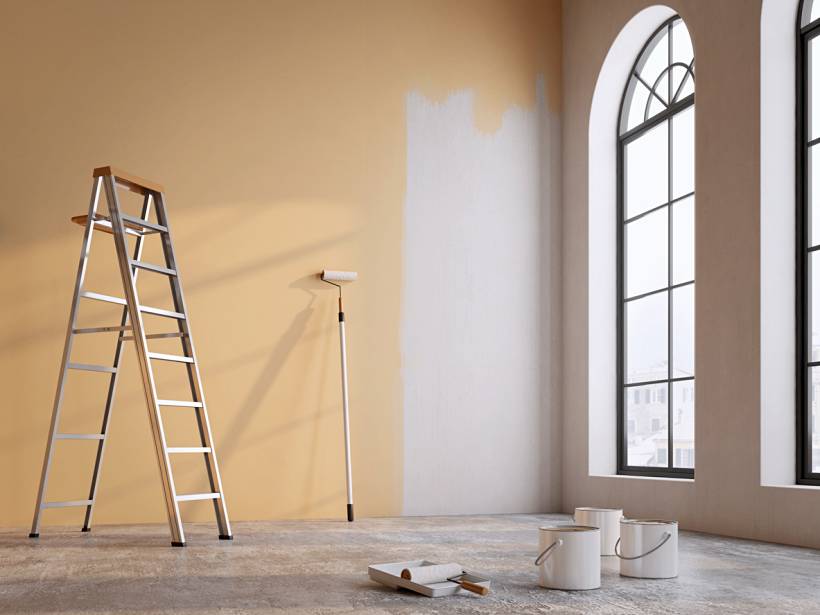 Interior wall painting with ladder, roller, and paint supplies (Source: iStock)
Painting an accent wall for a living room is generally cheaper than coating all the bedroom walls of a house. This is because the latter involves more time, rooms, materials, and labour.
Similarly, the average cost of whole-house interior painting will be significantly lower for a small apartment than for a two-storey single-family home for the same reasons.
Project Size |
Typical Interior Painting Cost |
|---|---|
Single feature wall |
£100–£250 |
Single room |
£150–£650 |
Two to three rooms |
£500–£1,800 |
Flat or small home |
£1,200–£3,000 |
Whole-house interior |
£2,500–£5,500+ |
Surfaces being painted
Professional painters may charge more than the average price for interior painting if the project is more than just painting walls. If a variety of surfaces are involved, such as wooden cabinets in the kitchen, plastic mouldings in the dining room, or stucco ceilings in bedrooms, there may be a need for different preparations, paints, and primers, making the whole operation costlier.
Painting Scope |
Typical Painting Cost |
|---|---|
Walls only |
£150–£450 per room |
Walls and ceilings |
£250–£650 per room |
Doors and door frames |
£80–£180 each |
Skirting boards, trims, and mouldings |
£100–£300 per room |
Built-in cabinets or shelving |
£300–£900+ |
Surface condition and preparation
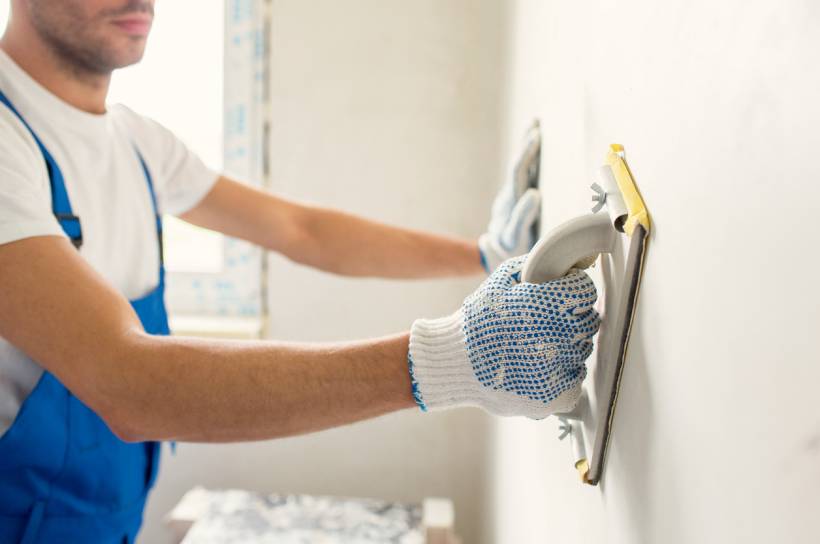 Tradesperson preparing a wall surface before interior painting (Source: iStock)
Painting a house’s interior costs more if much prep work and surface repairs are needed. This may entail scraping off old paint, doing some light sanding, or patching holes, among other pre-painting jobs.
Preparation Required |
Additional Cost |
|---|---|
Basic cleaning and light sanding |
Usually included; otherwise add £50–£150 |
Filling small holes and cracks |
£50–£200 |
Repairing damaged plaster or plasterboard |
£150–£500+ |
Treating stains, mould, or water damage |
£100–£400+ |
Removing wallpaper or peeling paint |
£200–£700 per room |
Paint type, quality, and finish
The type of paint you want for your home’s interior walls directly affects material costs and painting prices per room. If you’re opting for zero-VOC, premium paint instead of one with subpar paint quality, be prepared to pay a higher total amount.
Moreover, different paint finishes may also translate to varying labour costs; matte and eggshell paint are very easy to apply and forgiving when it comes to mistakes. Meanwhile, coating your walls with a satin, semi-gloss, or high-gloss option may be pricier since it requires more meticulous application.
Colour changes and number of coats
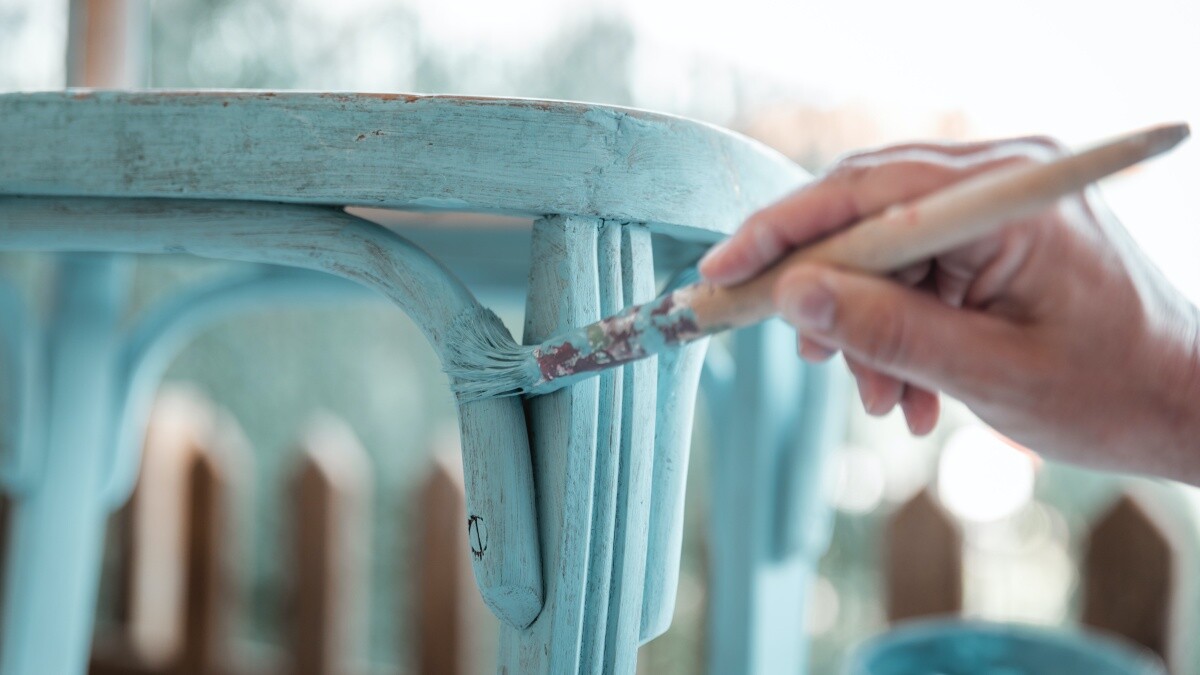
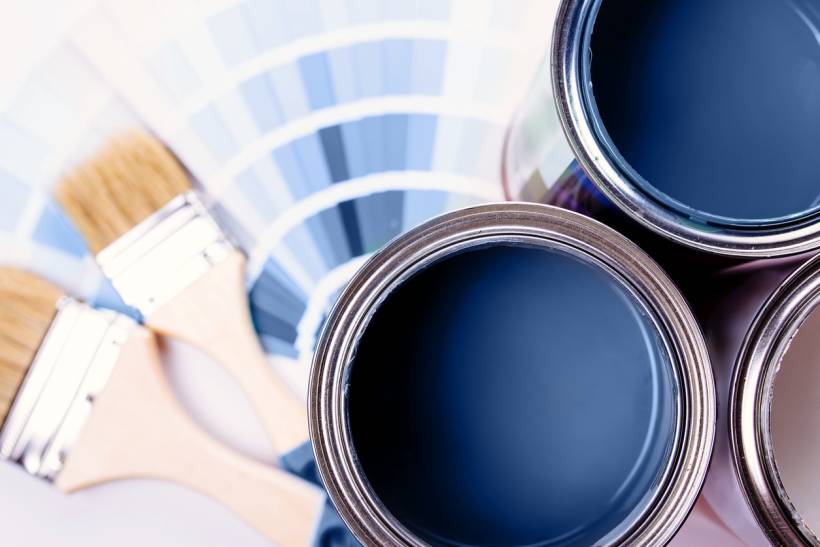 Open blue paint cans with brushes and colour swatches (Source: iStock)
The cost of repainting a room also depends on your wall’s original colour and your target hue; these can affect how much paint is needed and how long the job will take. For instance, going from a dark paint to a shade of white means paying for higher material costs and applying more coats.
Room height and architectural complexity
If a room has high ceilings and complex architecture, the total cost of painting the room is likely to be higher. The reason is that painting stairwells, alcoves, vaulted ceilings, fireplaces, and other indoor features requires more time, effort, technique, and equipment.
Room or Feature Type |
Impact on Interior Home Painting Prices |
|---|---|
Standard room with accessible walls and ceilings |
Baseline cost |
High ceilings |
Add around 10%–25% |
Stairwells or split-level areas |
Add around 20%–40% |
Decorative mouldings, cornices, or detailed trims |
Add around 15%–35% |
Alcoves, exposed beams, or other complex features |
Add around 15%–40%+ |
Site access and additional labour
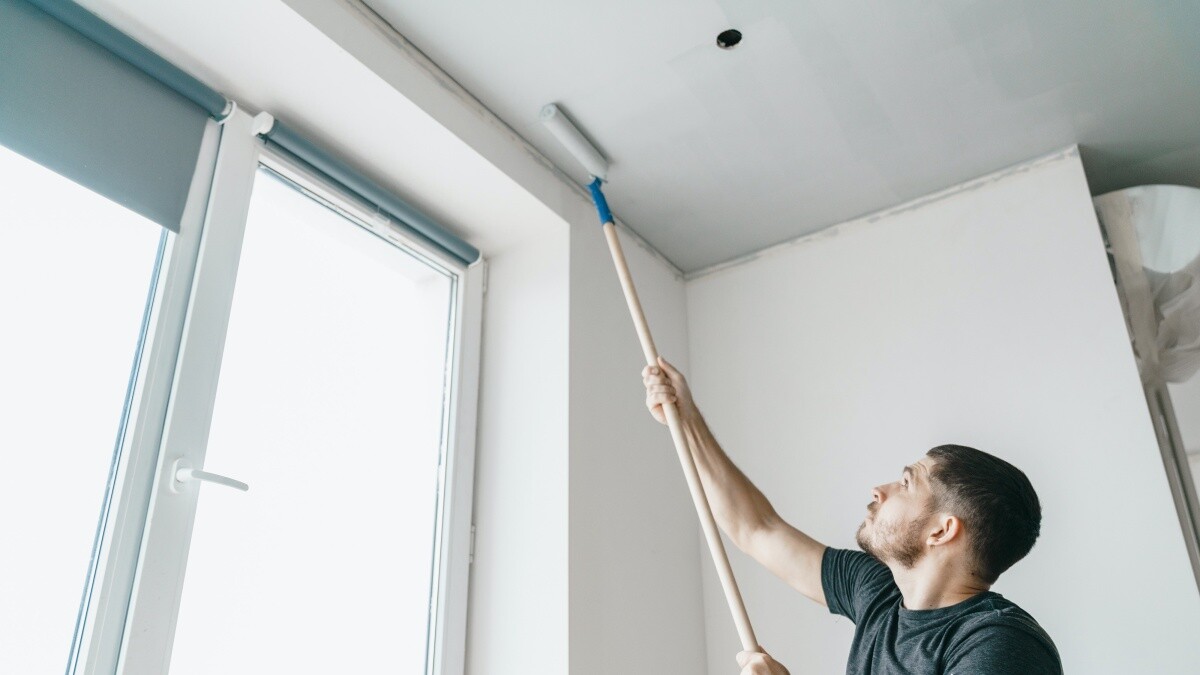
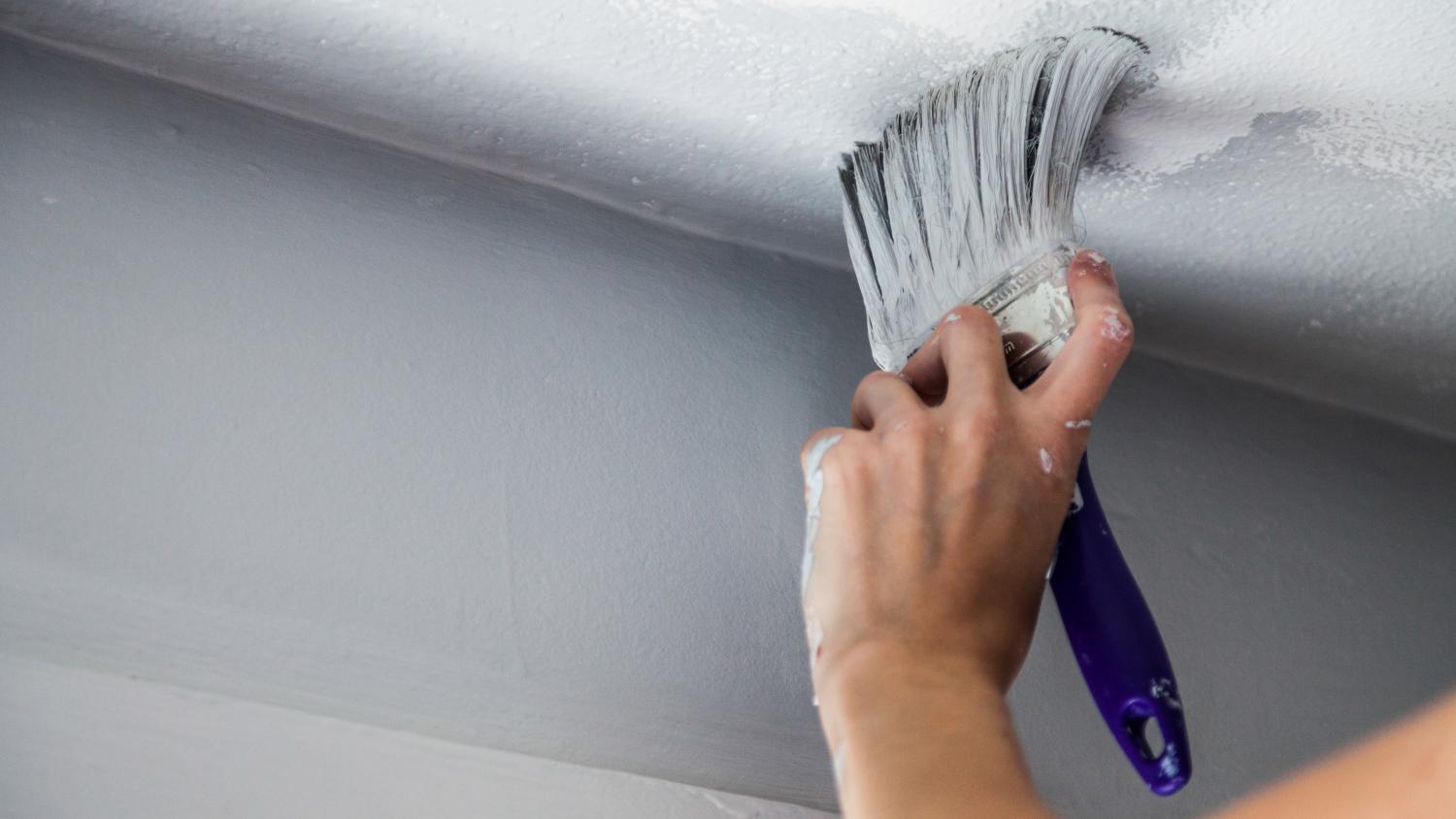
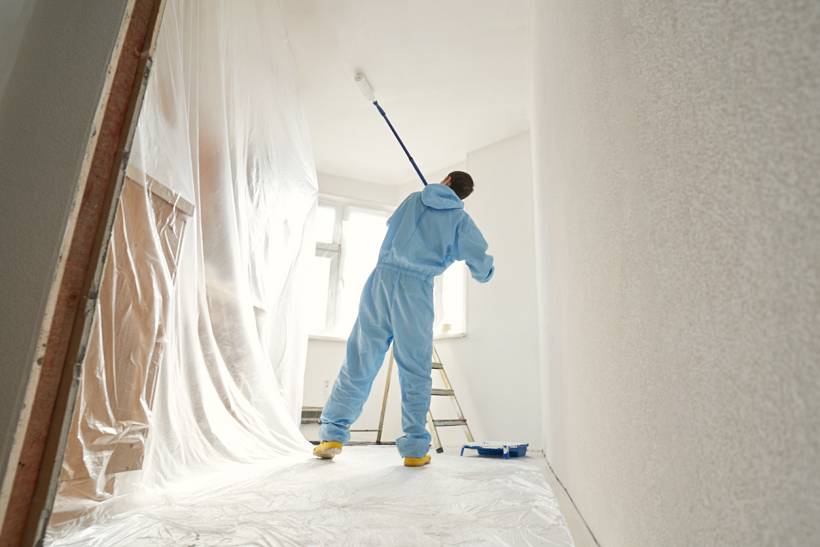 Painter applying white paint to an interior ceiling with a roller (Source: iStock)
Don’t forget to consider access difficulty and additional labour when gauging interior painting rates. For example, your service provider may charge more if they have to remove objects from the work area, place furniture and floor protection, add dust barriers, and take other measures to have a safe and efficient operation.
What are some ways to save on house interior painting?
Many people want to keep their expenses low when it comes to home improvement projects. And here are some steps you can take if you want to save money on a paint job:
If possible, handle the basic prep work tasks yourself, such as removing hooks or moving pieces of furniture.
Opt for high-quality, mid-range paint instead of premium options that deliver comparable results.
Compare price estimates from different service providers, so you have several options.
Ask about promos or bundles, such as a home interior and house exterior painting package.
What should you look for in a professional interior painter?
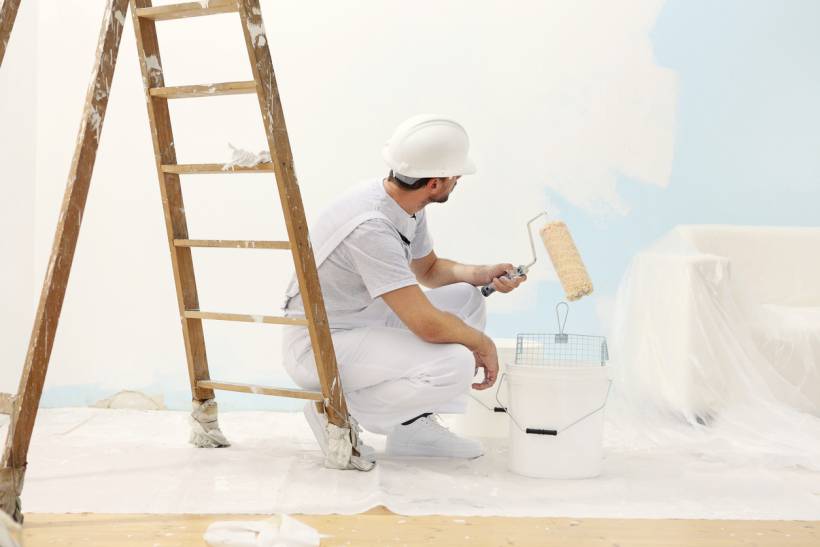 Painter applying white paint over a blue interior wall (Source: iStock)
If you’re still in search of a professional painter, take note of these considerations to ensure you’re hiring the right service provider:
Experience and skills: Do they have the right experience and skills to carry out the specific painting job that you want for your home’s interior walls?
Pricing: Do they provide clear and fair price estimates?
Reputation: Are they highly recommended by your family and friends? Do they have recent excellent reviews and ratings from their past clients?
Network: Do their contacts give them access to better products and services that you may need, including those offered by professional decorators, interior designers, or other home improvement professionals?
Achieve beautifully painted interiors with Airtasker
If you have too much on your plate or just aren’t into DIY-ing an interior painting job, hiring an expert is the best course of action you can take; you won’t have to worry about the turnout or figure out things as you go along.
And through Airtasker, the search for professional painting service providers has never been easier. All it takes is signing up on the platform and posting a task about the kind of job you want done. You can negotiate rates with Taskers and evaluate their past customers’ reviews to ensure you’re picking the right person or team for the project.
Learn more about our contributors
Written by Ana K.
Contributor
Ana always puts a premium on accuracy, clarity, and style when writing—a practice that her English degree has instilled in her. She excels at covering topics related to pet care, home and interior design, and food, which count among her varied interests. She also enjoys nature and street photography, as well as travelling. Overall, Ana uses her love for research to engage Airtasker readers with fun, practical content.
FAQs
Painting a room usually takes about 4 to 10 hours, depending on factors such as room size, prep time, and painter experience.
Yes. It’s possible to stay at home while its interior walls are being painted if there’s good ventilation and indoor air quality, low- or zero-VOC paints are used, and painting is done room by room.
It generally takes 7 to 30 days for interior paint to fully dry and cure.
Most interior walls need repainting every 5 to 7 years to keep them fresh. But with regular maintenance and timely touch-ups, you can often extend the time between full repaints. Meanwhile, rooms that see more activity may still need a repainting job every 2 to 3 years.
Find interior painters, fast
Post a task
Related articles
 Comparison Guide
 Comparison Guide
 Comparison Guide