- Home/
- Comparisons/
- Gardener/
- Bark Mulch vs. Wood Chips
Bark mulch vs. wood chips: Which is better for your garden?
Comparing bark mulch and wood chips based on cost, nutrient content, and more
Published on

Written by Ana K.
Contributor
Read more about our contributor
Key Facts
- Bark mulch is an organic material made from tree bark used to protect soil for planting. It comes in different textures (fine to coarse), colors (including different shades of brown), and tree varieties (such as hardwoods and softwoods).
- Wood chips are organic materials composed of different tree parts—including roots, bark, leaves, and trunks—that are utilized for soil protection. Similar to bark mulch, they are available in various colors, grain or chunk sizes, and tree types.
Are you seeking to improve your plants’ ability to bloom and thrive? Why not consider two popular, excellent mulch varieties—wood chips vs. bark mulch—to help you with your endeavor?
While these are both tried-and-tested materials with moisture-retaining and weed-controlling capabilities, they have traits that can be beneficial in different situations. And through this guide, you can figure out which one is more suitable for your garden’s needs.
What is bark mulch?
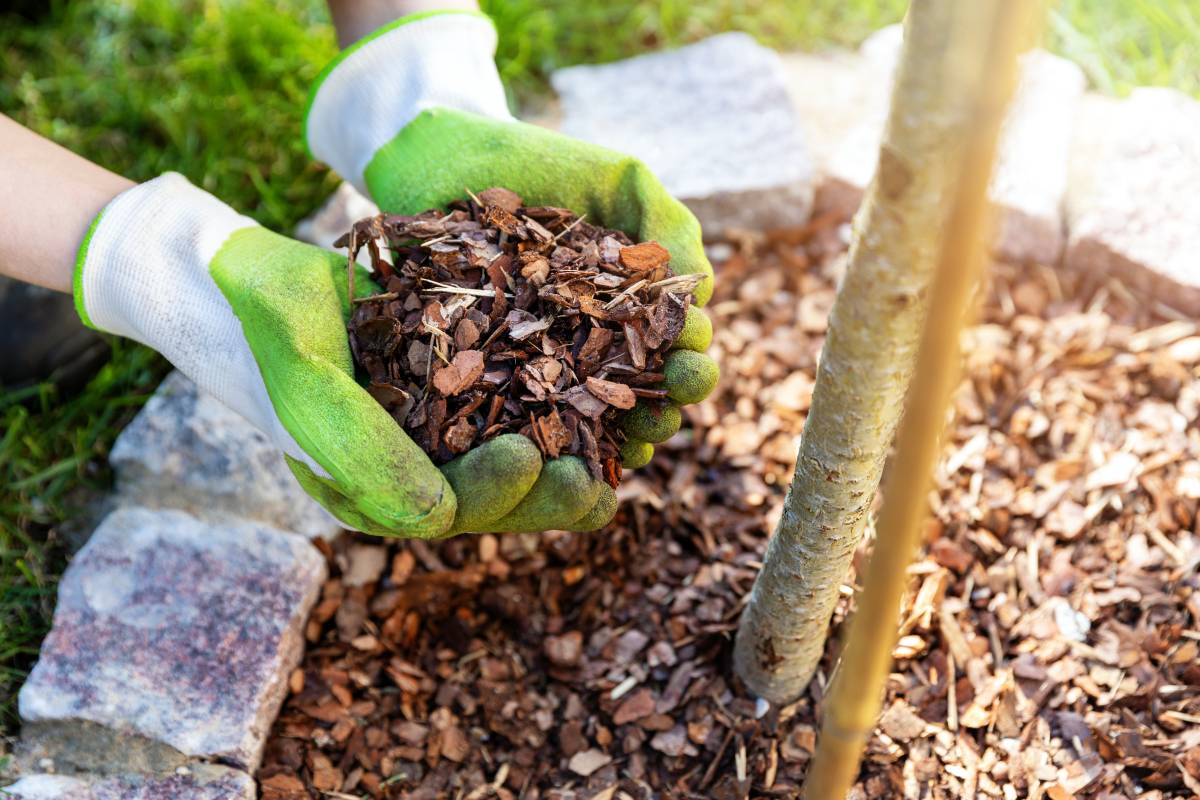
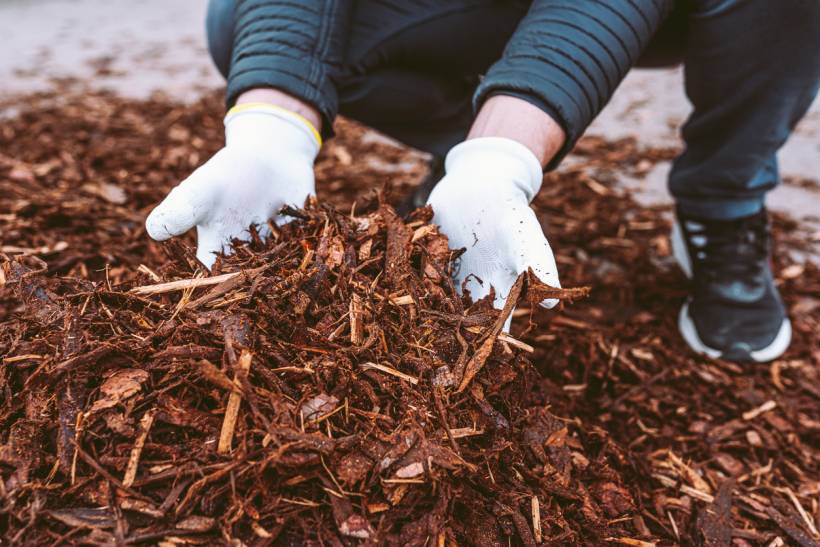 Bark mulch being prepared for garden or landscape application (Source: iStock)
Bark mulch is an organic material used to cover and protect the soil. It comprises small bits to large chunks of the outer layer of hardwood or softwood trees. Its texture ranges from fine and shredded to coarse and fibrous, while its colors are typically reddish, light or dark brown, or black.
What are wood chips?
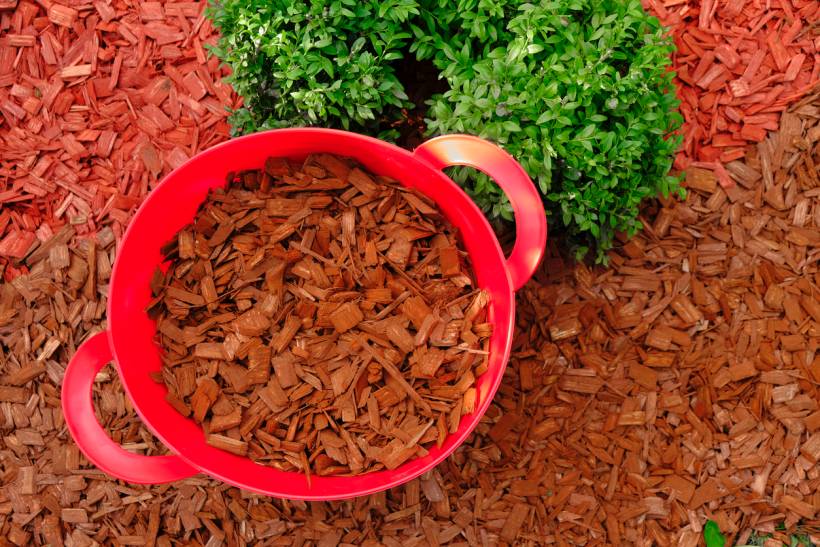 Bucket of wood chips used for mulching around ornamental shrubs (Source: iStock)
Wood chips are a type of mulch made of different ground or shredded tree parts, including branches, roots, leaves, and trunks. Different hardwood and softwood trees are typically used to produce wood chip mulch, resulting in a range of colors (from light and dark brown to greyish or reddish).
Wood chips vs. bark mulch: Which is better for your needs?
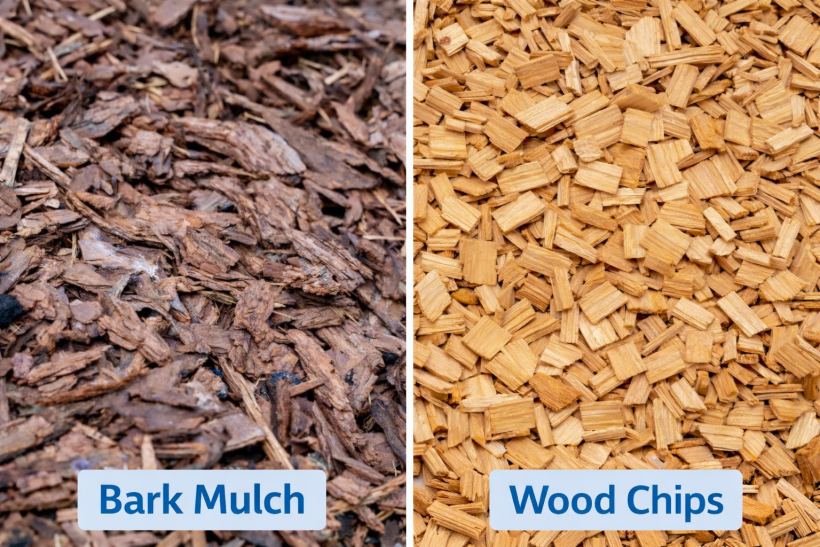 Close-up of bark mulch on the left and wood chips on the right in a split image (Generated with AI)
Let us help you determine which type of mulch is best for your garden, based on factors like cost, aesthetic appeal, and nutrient content.
In terms of variety
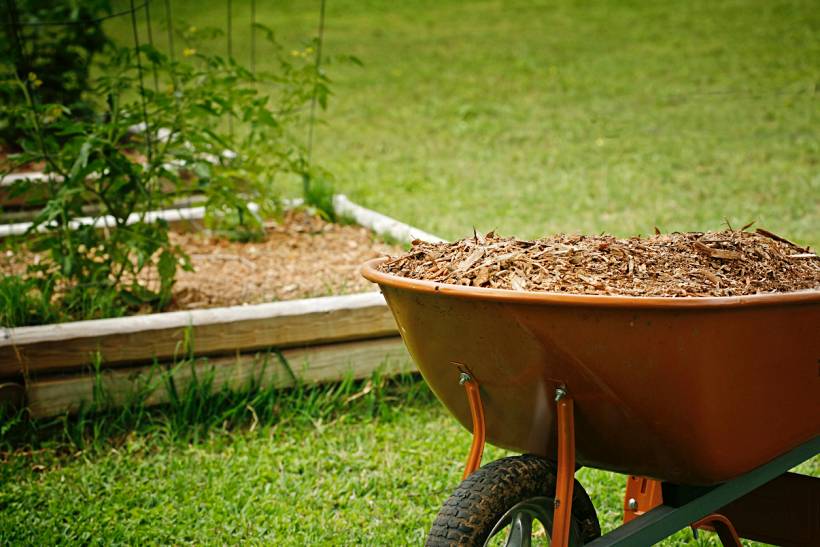 Wheelbarrow with bark mulch ready for use in a raised garden bed (Source: iStock)
Bark and wood chip mulch typically come from the same tree types, including softwoods such as pine, cedar, hemlock, and cypress, as well as hardwoods like oak, poplar, and hickory.
To determine what type of bark mulch is best for your needs and which wood chip variety suits your garden, the table below explains the advantages and disadvantages of some of the most popular organic mulch varieties:
| Type |
Variety |
Pros |
Cons |
|---|---|---|---|
Bark mulch |
Pine bark mulch |
Affordable, acts as a fertilizer, apt for clay soil, retains moisture, aesthetically pleasing |
Not very effective as an insect repellent |
Cedar bark mulch |
Has excellent longevity and aroma, can serve as a barrier against pests |
Can be pricey, less compatible with plants that require frequent tillage |
|
Hardwood bark mulch |
Long-lasting, prevents weed growth, excellent fertilizer while decomposing |
Can be attractive to pests, not compatible with acidic plants, tends to become pressed together (especially if shredded) |
|
Hemlock bark mulch |
Provides nutrition for plants, has a rich color, retains moisture, hinders weed growth, |
May reduce the amount of nitrogen in the soil as it decomposes |
|
Wood chips |
Arborist wood chips |
Controls weed growth, can be had for a low price or for free, not prone to compaction |
May attract and harbor pests |
Hardwood chips |
Prevents weed from growing, does not tend to get compacted, regulates the soil’s temperature |
Color tends to fade faster compared to other kinds |
|
Cedar wood chips |
Available in a range of colors, controls moisture and the growth of weeds |
Can be expensive and a potential habitat for mould |
|
Pine wood chips |
Prevents soil erosion and weed growth, adds to the aesthetic beauty of a garden, controls soil moisture |
Not ideal for acid-sensitive plants, may attract insects and pests |
In terms of cost
How much is bark mulch compared to wood chips? In general, bark mulch is pricier than wood chips because more labor is required to process it. The cost of a cubic yard of bark mulch typically starts at $30, while the same volume of wood chips typically goes for at least $25.
In terms of aesthetic appeal
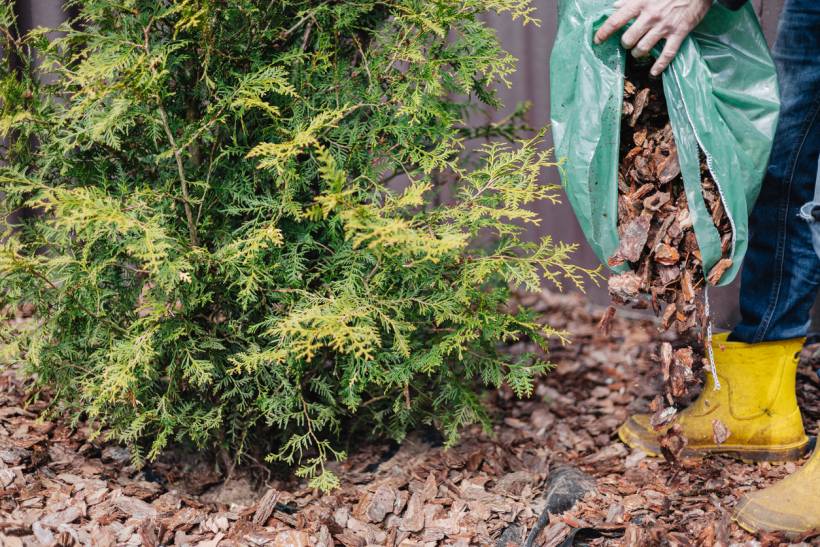 Bark mulch being spread in a yard, showing texture differences from traditional wood chips (Source: iStock)
What does bark mulch look like? Bark mulch has a refined and neat appearance that makes it appropriate for a carefully landscaped garden. Meanwhile, wood chips tend to look more rustic, which means they will fit right in in a yard with a casual, natural vibe.
Both types of mulch come in colors, like reddish brown, grey, black, and light, medium, and dark brown.
In terms of decomposition rate
How long do wood chips last compared to bark mulch? Wood chips have a longer lifespan (typically up to five years) compared to bark mulch (usually up to two years).
In terms of nutrient content
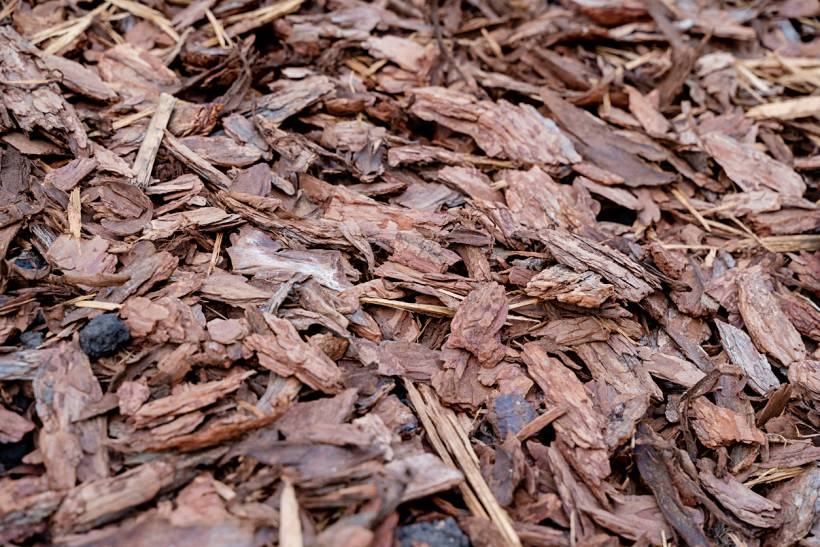 Natural bark mulch texture showing fibrous and flaky surface details (Source: iStock)
Are wood chippings good for the garden? The simple answer is yes. Because they have a slow rate of decomposition, they’re able to provide enrichment for the soil for a longer period. However, overall, bark mulch contains higher levels of beneficial nutrients for garden planting, such as potassium, nitrogen, and phosphorus.
In terms of moisture retention
Gardening newbies should know that mulch can help soil retain moisture. But what is the difference between bark mulch and wood chips when it comes to holding in water? In most cases, bark mulch has better moisture-retention capabilities because its smaller particles can easily trap more water.
In terms of weed suppression
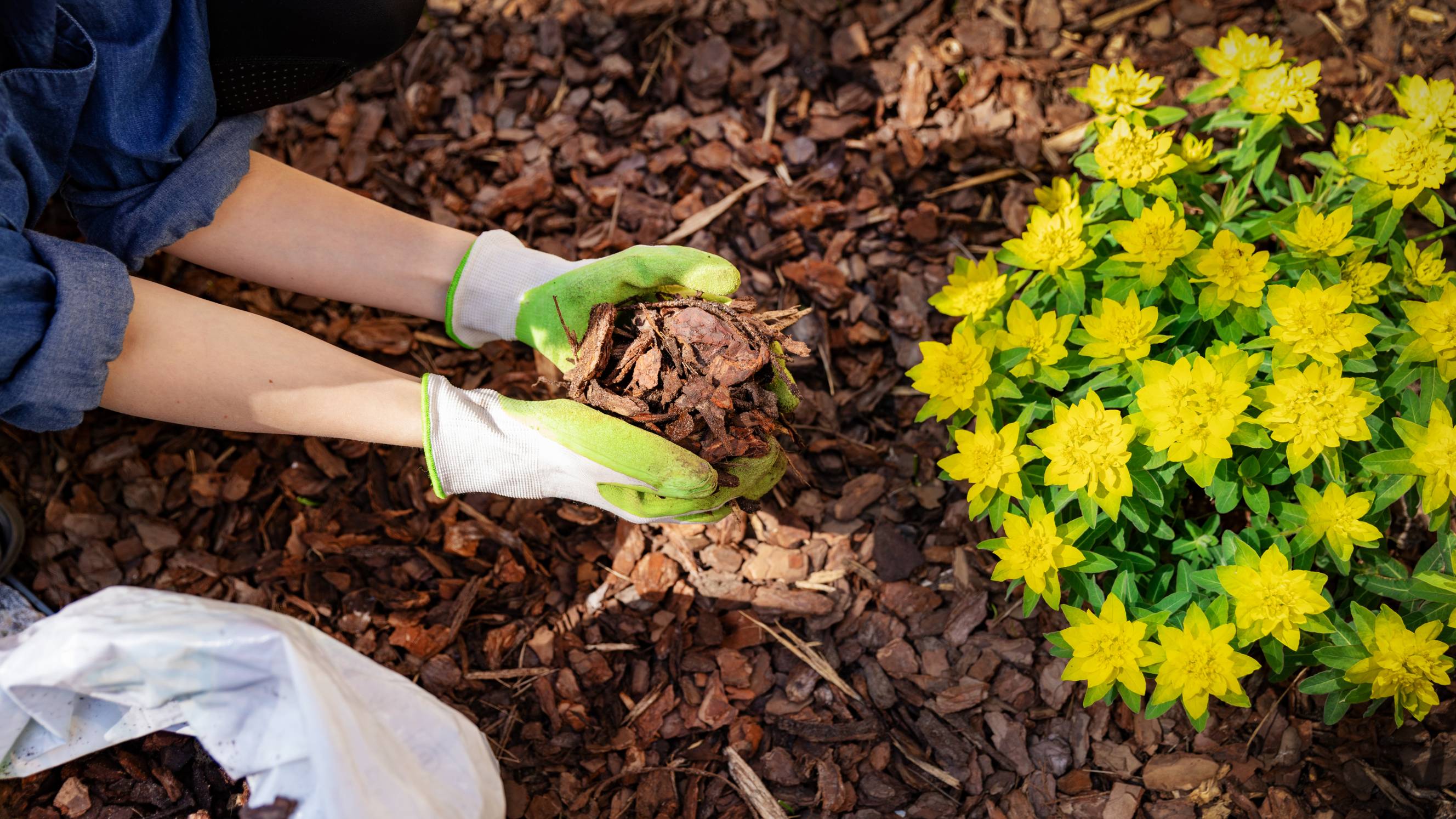
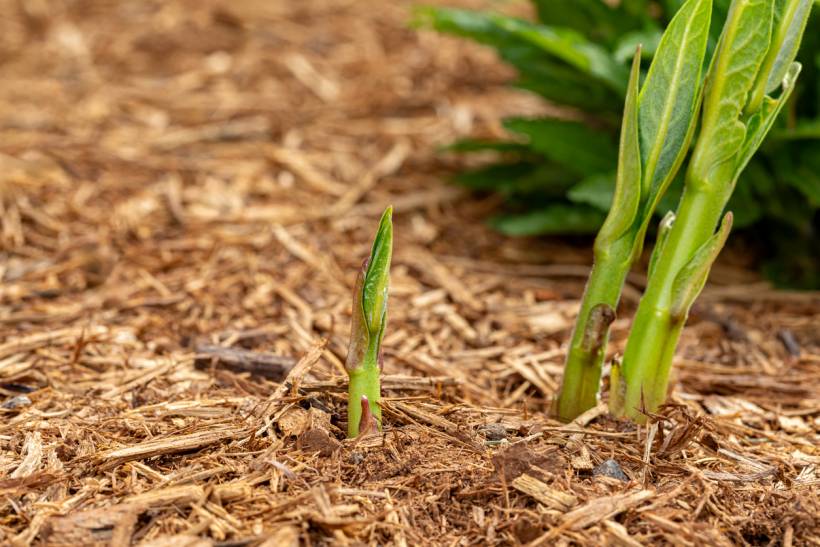 Bark mulch surrounding new plant growth in a landscaped garden bed (Source: iStock)
It’s important to use a mulch that effectively prevents the growth of nuisance plants. This is because weed-free fruit or vegetable gardens lead to healthier plants and less yardwork.
Generally, bark mulch is a more effective weed deterrent than wood chips, since it’s denser and more likely to block light.
Keep your garden healthy and pretty with Airtasker
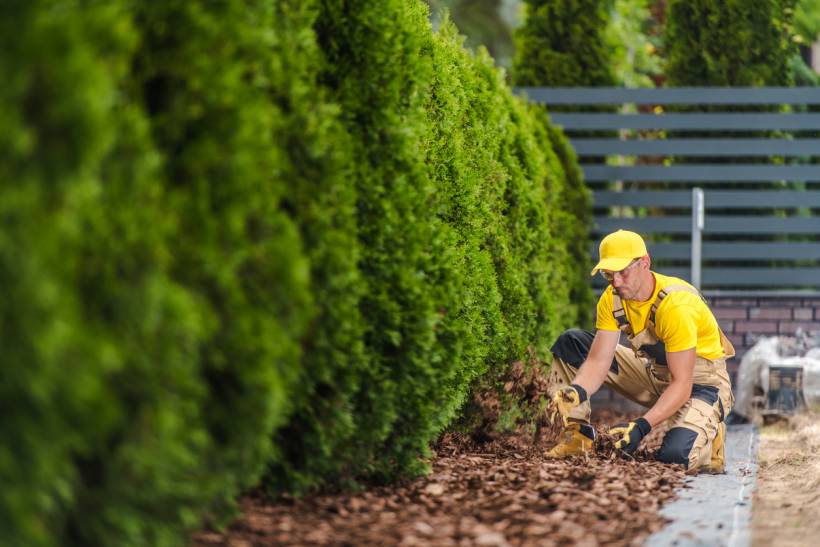 Gardener applying mulch around evergreen shrubs in a landscaped yard (Source: iStock)
You don’t have to handle bark mulch or wood chips on your own if you know where to look for mulching experts for hire. Through Airtasker, you can find a gardener skilled at spreading mulch and selecting the best type for the given situation.
Begin your search for a gardening pro by signing up on the platform and posting a task with all the relevant details, from the service you need done to your budget and location.
Learn more about our contributors
Written by Ana K.
Contributor
Ana always puts a premium on accuracy, clarity, and style when writing—a practice that her English degree has instilled in her. She excels at covering topics related to pet care, home and interior design, and food, which count among her varied interests. She also enjoys nature and street photography, as well as travelling. Overall, Ana uses her love for research to engage Airtasker readers with fun, practical content.
Bark mulch vs. wood chips
| Bark Mulch |
Wood Chips |
|
|---|---|---|
Variety |
Has several kinds; can be made of either softwood or hardwood |
Also has several softwood and hardwood versions |
Cost |
Pricier than wood chips |
More affordable than bark mulch |
Aesthetic Appeal |
Suitable for landscaped gardens; comes in different colors |
Apt for lawns with a more natural character; also has several color varieties |
Decomposition Rate |
Typically lasts up to two years |
Usually has a lifespan of up to five years |
Nutrient Content |
Has higher levels of nutrients |
Has lower levels of nitrogen, phosphorus, and potassium |
Moisture Retention |
Better at retaining moisture |
Holds moisture well but less so than bark mulch |
Weed Suppression |
More effective at weed control |
Capable of being a weed deterrent to a lesser degree |
FAQs on bark mulch and wood chips
Unlike inorganic mulch, bark mulch and wood chips have a shorter lifespan and must be replaced as often as one to five years.
Wood and bark chippings are safe for pets and children when undyed and untreated. There are also minimal risks if they do not have chunks that could pose a choking hazard.
Bark mulch and wood chips are suitable for high-traffic areas if they have large and hardwearing chunks that won’t break down easily.
Yes. Both a landscaper and gardener will tell you that mulch can be an ideal habitat for pests looking for shelter, moisture, and a source of nutrients.
You should avoid artificially coloured and contaminated wood chips, as well as those containing nuggets from non-native species and old timber.
Find gardeners, fast
Post a task
Related price guides
How much does weeding cost?
Read more
How much does mulch cost?
Read more
How much does hedge removal cost?
Read more

How much does a garden room cost?
Read more



Related articles

How to Start a Vegetable Garden
Read more
How to build a raised garden bed
Read more
How to trim bushes the right way
Read more

25 ways to make money gardening
Read more

13 best spring gardening tips
Read more

36 Quirky plant pot ideas you’ll love
Read more
How to clean landscape rocks
Read more
Your garden maintenance checklist
Read more