- Home/
- Comparisons/
- Painting/
- Dulux Timeless vs Jasmine White
Dulux Timeless vs Jasmine White: What’s the difference?
Comparing Dulux Timeless and Jasmine White based on cost, appearance, and more
Published on

Written by Milafel D.
Contributor
Read more about our contributor
Key Facts
- Timeless is a warm, creamy white that softens cool or low natural light, making rooms feel more comfortable and inviting rather than stark.
- Jasmine White is a brighter off-white with subtle yellow undertones, designed to reflect light well and keep spaces feeling fresh, open, and balanced.
Nothing makes a home feel airy, light, and fresh, especially during London’s winters and dreary skies, more than white walls and ceilings. But which is the best among the neutral shades of white?
This article compares two excellent choices: Dulux Timeless vs Jasmine White paints. If you’re ready to find the most suitable white colour for your living room or bedroom, read on!
What colour is Dulux Timeless?
 Paint swatch displaying Dulux Timeless, a soft and warm off-white colour sample (Source: dulux.co.uk)
Dulux Timeless is a warm white, neutral colour with a soft, creamy look. Some might mistake it for Wimborne White, which has almost the same texture, but it differs in brightness.
It works well with fellow neutrals, such as Calming Meadow and Ashen White, and complements yellow paint options, such as Dulux Pale Citrus and Citrus Zing. However, professional house painters can also play around with hues, pairing Timeless with bolder ones, like Pretty Pink and Raspberry Diva.
What colour is Dulux Jasmine White?
 Dulux Jasmine White sample featuring a subtle, warm-toned white finish (Source: dulux.co.uk)
Dulux Jasmine White is another neutral colour similar to Timeless, but with a slightly yellow undertone. When applied to rooms, it offers a subtle freshness and softness without feeling stark, unlike Pure Brilliant White paint.
However, it is a ‘lot warmer’ than White Mist, which has more muted tones and a minimalist aesthetic and is comparable to White Cotton, which has a subtle beige-grey undertone.
Dulux Jasmine White vs Timeless: Which is better for your needs?
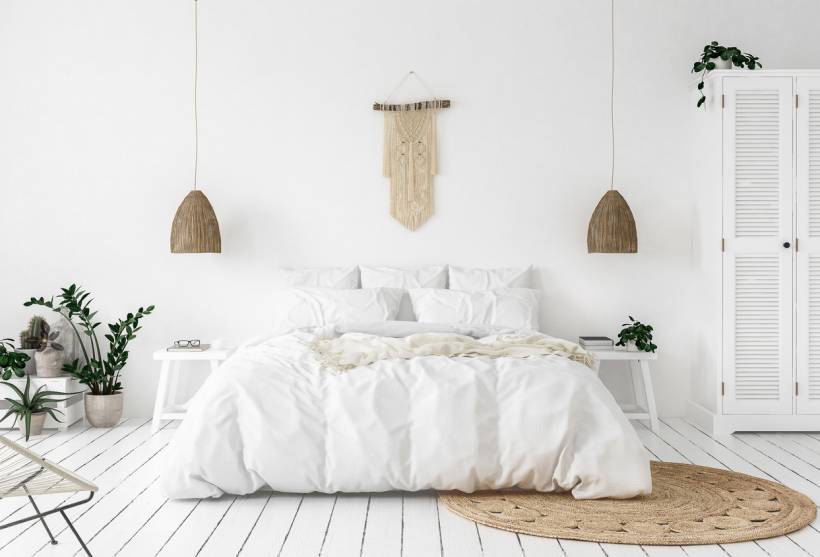 Bright, airy bedroom interior featuring white decor and natural accents, ideal for evaluating Dulux Timeless vs Jasmine White paint shades (Source: iStock)
The right paint colour matters especially when in the UK, where the skies can become overcast and the room can feel bleak quickly. It also increases property value, affects mood, and improves the space. But Dulux white comes in many different shades. Which between Jasmine White and Timeless is better?
In terms of cost
Both have comparable prices because the colour rarely affects the cost. Usually, the price depends on the following:
Room size
Finish
Exteriors or interiors
Surface condition
DIY or professional
For example, you might need a larger budget when hiring a professional exterior painter than when hiring an interior paint specialist, since the job is more complex.
Some of the cheapest finishes for both are Dulux Paint Mixing Matt, which costs over £35 for a 2.5-litre can. A litre can already cover around 13 square metres, requiring two coats. An average UK living room, which is about 17 square metres, might need a can.
However, other shades of white have more options. For instance, Moon Shimmer, Frosted Dawn, and Morning Light are available in flat matte. If you want to be more economical, invest in a Dulux colour tester or peel-and-stick sample. Better yet, work with a painter for ceilings or walls to avoid costly errors.
In terms of appearance
Dulux Timeless and Jasmine White slightly differ in appearance:
Timeless is a white, cream paint. Jasmine White is an off-white paint with yellow undertones.
Under different lights, especially natural light, Dulux Jasmine White will exhibit high brightness, like Wimborne White, but not as intense as Pure Brilliant White. Meanwhile, a Dulux Timeless living room will have a cosy feel, thanks to its creamy shade. It will be slightly brighter than Almond White.
Their undertones and shades also help determine their best complementary paint colours. For example, what colour goes with Dulux Timeless? For neutrals, your options are Ashen White, which is a warm white with a hint of grey undertone, and lime-coloured Calming Meadow. Ashen White can enhance Timeless’s neutral qualities, while Calming Meadow adds more personality and contrast.
In terms of versatility
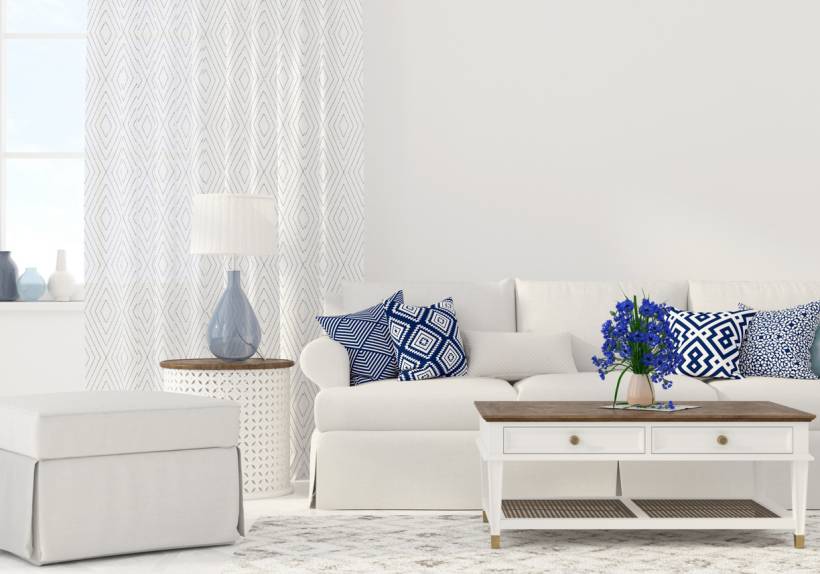 Modern living room interior with soft white walls and natural light (Source: iStock)
Another way to compare Dulux Jasmine White vs Timeless is to discuss their versatility. Understanding where each colour works best can help you avoid rooms feeling too cold, flat, or overly warm.
Living rooms and shared spaces
Like Wimborne White, Dulux Timeless adds a warm, inviting feel to a variety of rooms when paired with the right accents and décor. In living rooms, it helps the space feel open yet grounded by softly reflecting light. For balance, it works well with soft neutrals, metallic finishes, and natural wood tones.
Jasmine White, by contrast, leans cooler and can make shared spaces feel lighter and fresher. This makes it a strong option where you want a clean, airy look without the starkness of a pure white.
Bathrooms and smaller rooms
Jasmine White’s cooler undertones make it particularly well suited to bathrooms and smaller or enclosed spaces, where it creates a fresh, hygienic feel. Pairing it with grey tones adds understated elegance. What colour goes with Jasmine White in the bathroom, though? White tiles and metallic accents can elevate the space and create a spa-like effect.
Timeless can also work in smaller rooms, but its warmth is better suited to spaces where comfort and softness are prioritised over crispness.
North-facing rooms
North-facing rooms in the UK often receive cooler, softer natural light, which can make colours appear muted or grey. In these spaces, Timeless helps counteract the coolness by introducing warmth and preventing the room from feeling flat or cold.
This makes Timeless a safer choice for north-facing living rooms, bedrooms, or hallways that lack strong daylight.
South-facing rooms
South-facing rooms benefit from bright, warm natural light throughout most of the day. In these conditions, Jasmine White helps temper the intensity of sunlight, preventing the space from feeling overly warm or yellow.
Its subtle coolness keeps south-facing rooms balanced and comfortable, especially in rooms with large windows.
In terms of durability
Timeless’s creamy, slightly warmer undertones make it better at concealing dirt, scuffs, and minor stains than cooler, crisper whites. It is ideal for high-traffic areas such as hallways, living rooms, or children’s bedrooms, where marks are more likely to occur. On the other hand, Jasmine White may show stains less visibly in bright rooms due to the abundant light.
Either way, both colours will be easier to maintain if used with a durable, washable finish (e.g., Dulux Easycare or a satin finish), which helps remove stains without damaging the paint. For instance, the Easycare Soft Sheen is moisture-resistant, while the Kitchen Matt is greaseproof.
In terms of eco-friendliness
Whether the paint is eco-friendly depends on many factors. For example, London has mild winters and warm summers. Jasmine White’s lighter, crisper tone might better complement brighter days and can help maintain a clean, fresh appearance despite high humidity. It also bounces enough light on chilly days to warm the space and potentially reduce heating costs.
In general, since the UK experiences all four seasons, combining whites with greys such as Polished Pebble creates beautiful contrasts and balance.
Another consideration is the make. Dulux has invested in numerous innovations and technologies to improve sustainability. Its Easycare Washable & Tough paints are hardwearing, reducing the need for more applications and repainting in the future.
All interior options are water-based, so they contain fewer volatile organic compounds that can harm health and the environment. The company also maintains and launches recycling initiatives.
Paint your home well with Airtasker
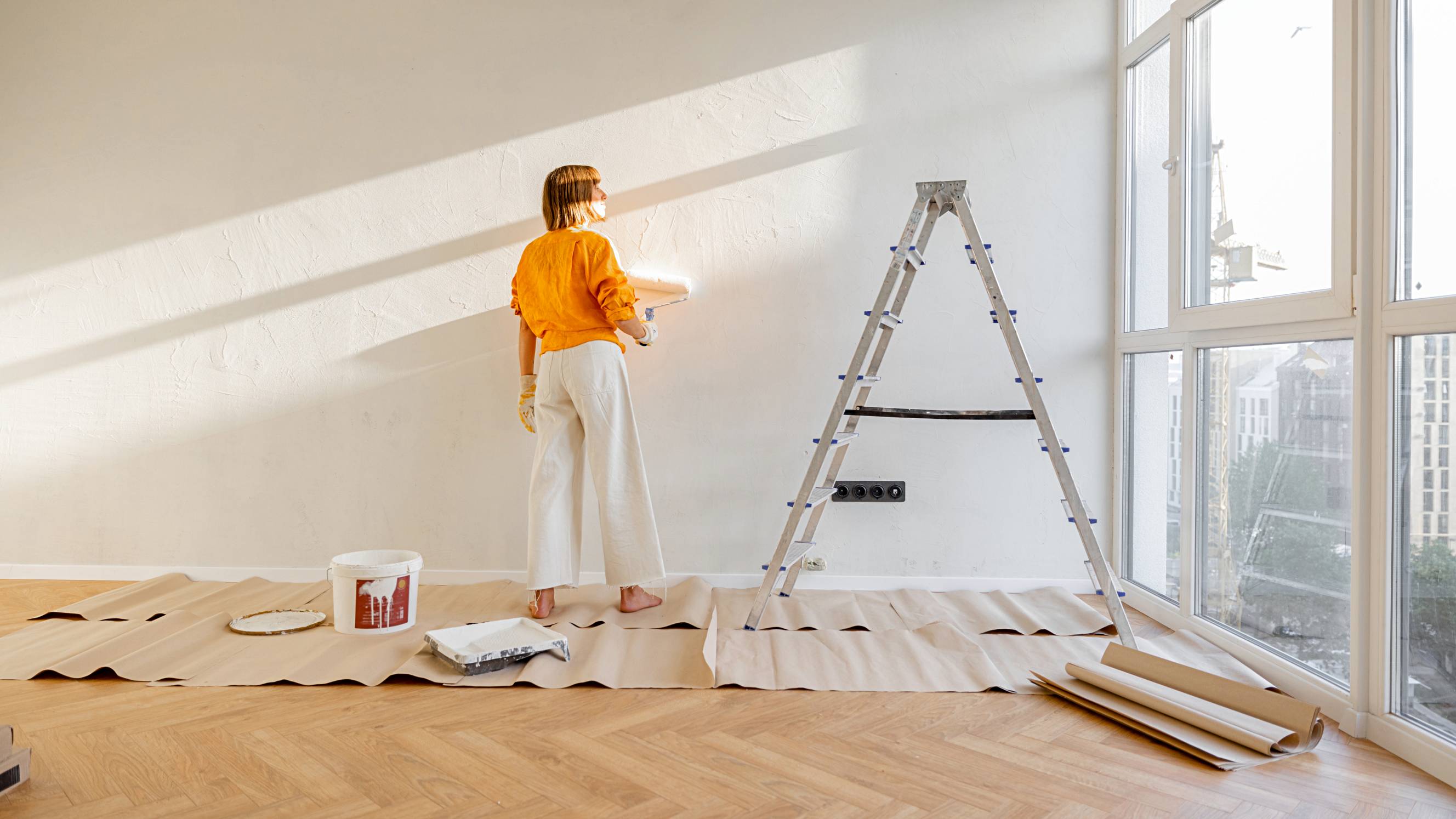
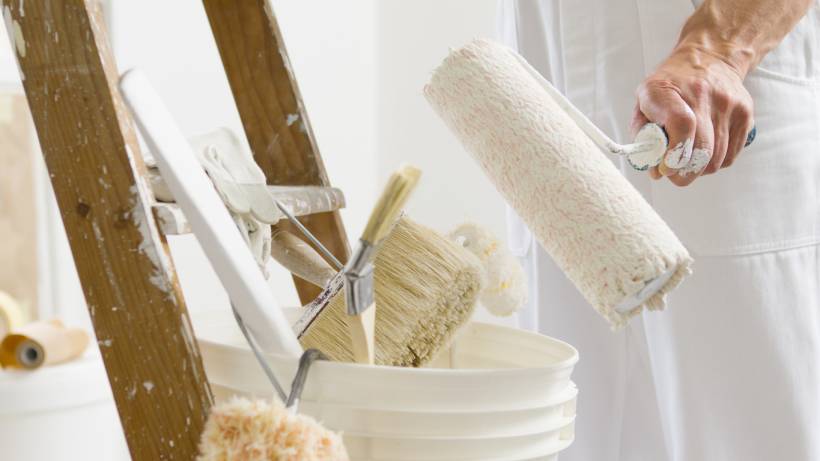 Painter prepares tools to apply Dulux Timeless or Jasmine White for a fresh interior finish (Source: iStock)
Whether you want the warm colour of Timeless or the slight coolness of Jasmine White, it’s always best to let the experts do the painting. It reduces the risk of costly errors and underutilised resources, while specialists can help you pick the perfect shade for your dark space.
Airtasker simplifies the process of finding reliable painters in the UK:
Sign up for an account for free.
Post a task. Include essential details, such as the budget, service needed, and timeline.
Wait for quotes from Taskers and read their profiles and reviews. Choose the one that fits your criteria.
Still unsure which between Jasmine White and Timeless is better for your space? Ask a Tasker near you for further guidance and see your dream home come to life.
Learn more about our contributors
Written by Milafel D.
Contributor
Milafel is an editor and writer with over 15 years of experience. As a contributor to Airtasker content, she brings clarity, creativity, and insight to every piece to help homeowners tackle everyday challenges and turn their living spaces into something truly special. When she’s not writing, Milafel is a devoted cat mama and a teacher’s wife who enjoys belting out tunes at karaoke, journalling her thoughts, and pursuing passion projects.
Dulux Timeless vs Jasmine White
| Dulux Timeless | Dulux Jasmine White | |
|---|---|---|
| Cost | Priced similarly to Jasmine White across comparable finishes | Priced similarly to Timeless across comparable finishes |
| Appearance | Warm, creamy white with a soft, muted finish | Brighter off-white with subtle yellow undertones |
| Versatility | Performs best in rooms that benefit from added warmth | Performs best in rooms that benefit from controlled brightness |
| Durability | Helps disguise everyday marks in busy spaces | Shows marks more easily without strong natural light |
| Eco-friendliness | Suitable for energy-efficient interiors when paired with durable finishes | Suitable for energy-efficient interiors when paired with durable finishes |
FAQs on Dulux Timeless and Jasmine White
Looking at Dulux Jasmine White and Dulux Timeless reviews, Timeless is recommended by decorators as a safer, all-around white, especially for whole-home use. Jasmine White is chosen more carefully, often for specific rooms where extra brightness is the goal rather than a uniform look throughout the home.
Dulux Timeless and Jasmine White are both cleaner and more contemporary than Magnolia, which often has a stronger creamy or yellow appearance. If you want a softer alternative to Magnolia, Timeless is a good step down in warmth, while Jasmine White offers a lighter, brighter update.
Yes, but only with caution. Dulux Timeless and Jasmine White can be mixed only if they are the same product type and finish (for example, both water-based matt emulsions). Even then, the result can be unpredictable, so it’s best to test the mix on a sample area first or ask a paint professional to create a custom blend.
The matte finish is best for Dulux Timeless and Jasmine White if you want a smooth, modern look that minimises wall imperfections and works well in living spaces or bedrooms. For areas that need greater durability and a subtle sheen, like kitchens or bathrooms, opt for a silk finish.
Find painters, fast
Post a task
Related price guides

How much does fence painting cost?
Read more

House painting: How much does it cost?
Read more
How much does deck painting cost?
Read more







Related articles
How to estimate a paint job in 4 steps
Read more
How much do painters make?
Read more