- Home/
- Guides/
- Fireplace Installation/
- Fireplaces Guide
A complete guide to choosing and caring for your fireplace
The different types available, plus how to clean yours
Last Updated on

Written by Andrea H.
Staff Writer
Read more about our contributor
Key Takeaways
The most common fireplace types in Australia are wood, gas, and electric. Plug-in or portable models can be safely set up without professional assistance, while permanent or custom variations are heavily regulated.
Electric and ethanol fireplaces are popular as environmentally friendly options, producing no direct smoke or harmful emissions while eliminating the need for a flue.
You can conduct DIY fireplace maintenance, like surface cleaning and inspecting the firebox, but thorough chimney cleanings are best handled by a professional.
When the seasonal chill arrives, there’s nothing quite like gathering around a crackling fire. Creating that warm, welcoming atmosphere starts with choosing the right fireplace and knowing how to care for it properly.
Whether you’re choosing your first fireplace or maintaining an existing one, this guide covers different fireplace types, fuel options, cleaning advice, and practical fireplace installation tips to help you make informed decisions at every stage.
Different types of fireplaces
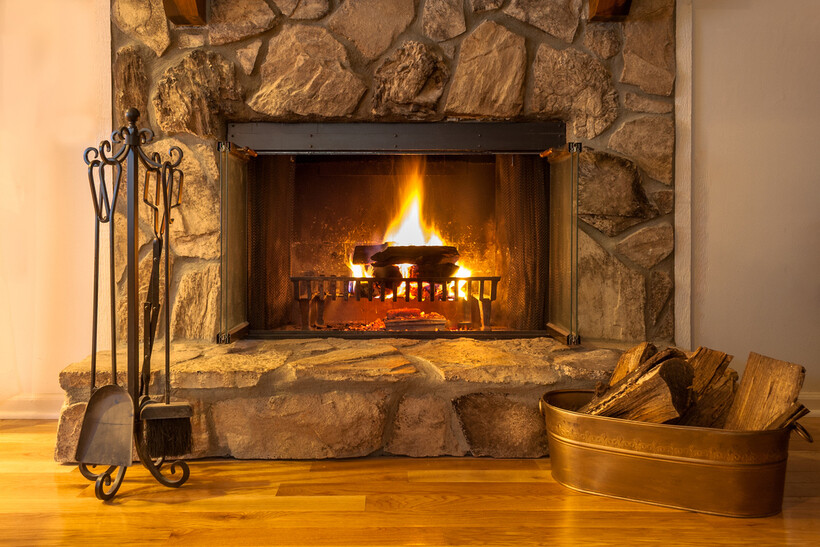 Classic wood-burning fireplace at home (Source: iStock)
The most common types of fireplaces in Australia are wood, gas, and electric. Most fireplaces are classified by the fuel they use, as this influences everything from installation requirements to running costs and environmental impact.
Here’s a closer look at the strengths and trade-offs of each available fireplace option:
Wood: A classic choice for its authentic flame, but not as efficient in producing heat as other materials. Wood fireplaces also tend to require more maintenance.
Gas: This is an efficient option that’s low in cost overall, but requires a gas connection and proper ventilation.
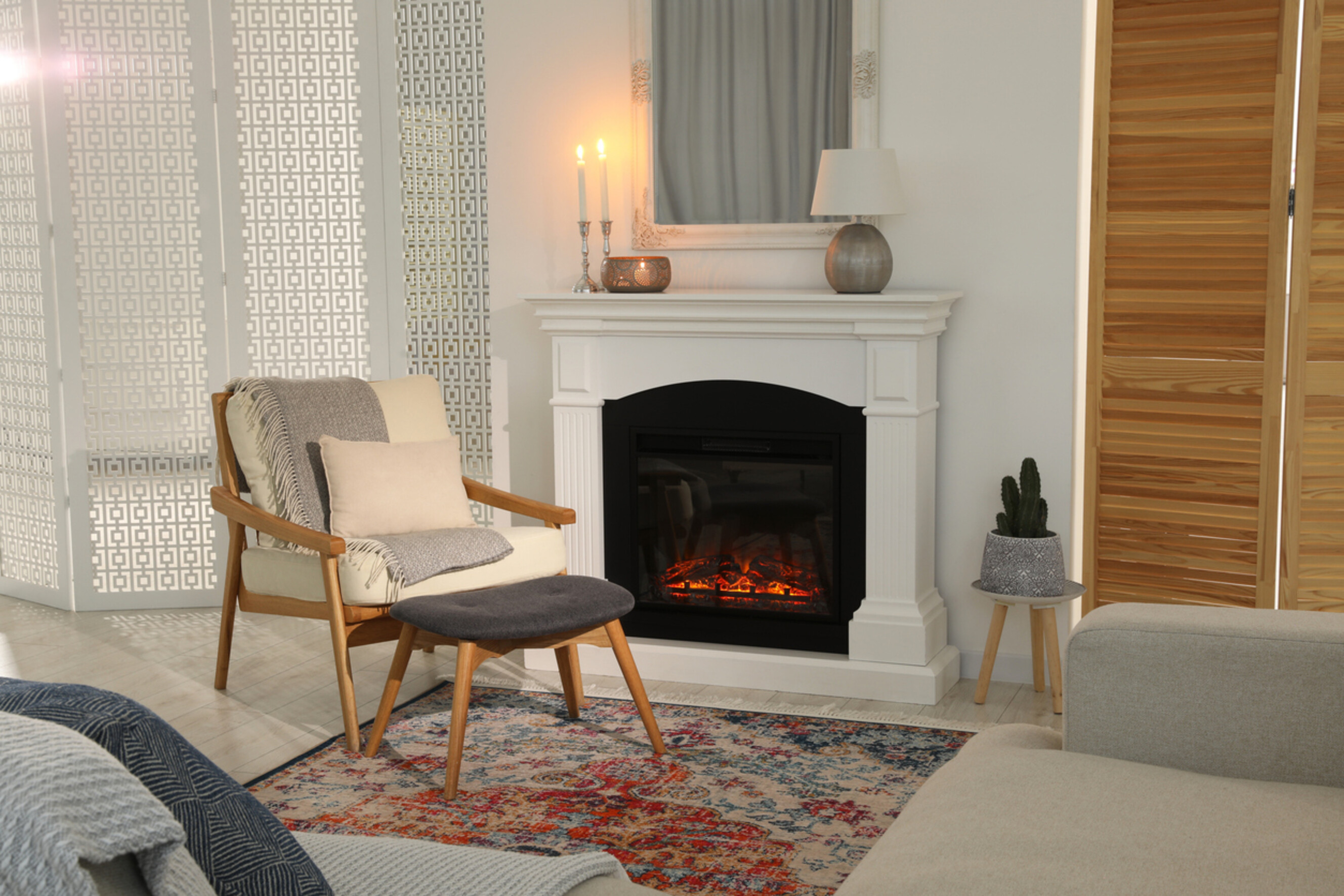
Electric: These modern fireplaces are easy to install and maintain, with no direct emissions from the fireplace itself. May cost more to run, depending on electricity prices.
Coal: This option creates a warm glow but burns less cleanly than other fuels. Requires regular cleaning and ash removal.
Bio-ethanol: This is a newer option with a renewable fuel, producing real flames in many installations without the need for a chimney. Heat output may be lower than that of wood or gas fireplaces.
What fireplace styles can I choose from?
Fireplace designs vary greatly. Depending on the space available and your budget, you may be interested in some of the following styles:
Hearth-style wood-burning fireplaces that require full chimneys
Inserts that are designed to fit into gas or wood-burning openings
Tabletop fireplaces as decorative pieces
Corner units
Free-standing fireplaces
Wall-mounted fireplace displays
Four-sided glass fireplaces (designed to appear as a floating fireplace)
Gas fireplaces
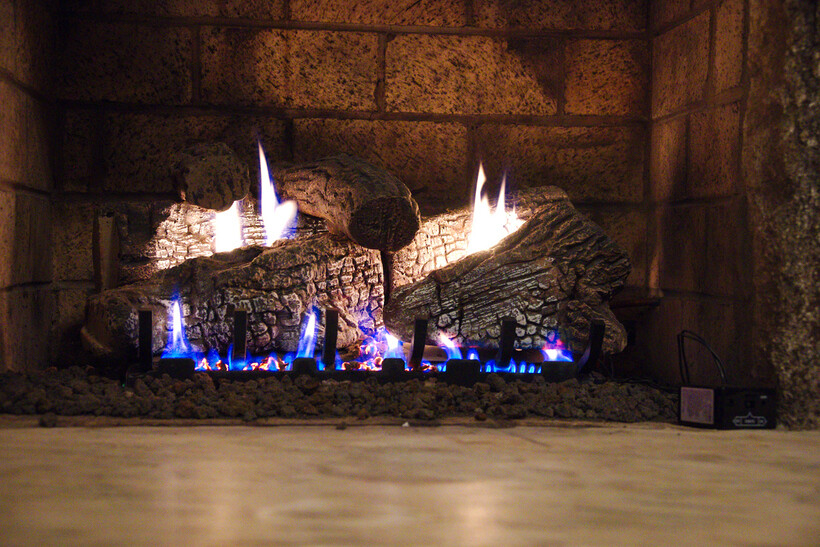 Cosy gas fireplace with logs and blue flames (Source: iStock)
Gas fireplaces are easy to use, as there’s no need to gather firewood or light a fire manually. They’re available in various sizes and designs, including double-sided models that can heat two rooms at once. Some gas fireplaces also have wall switches, handheld remotes, or programmable timers for convenient temperature control.
Safety is another key advantage of gas fireplaces. Ceramic glass viewing panels can withstand high temperatures while preventing sparks and embers from escaping. Some models also have built-in mechanisms that protect against flame failure and oxygen depletion, helping ensure safe operation.
Gas fireplaces must be installed by a licensed gas fitter to make sure they comply with Australian safety standards. Regular servicing is also recommended to inspect gas connections, burners, ventilation, and safety features.
Electric fireplaces
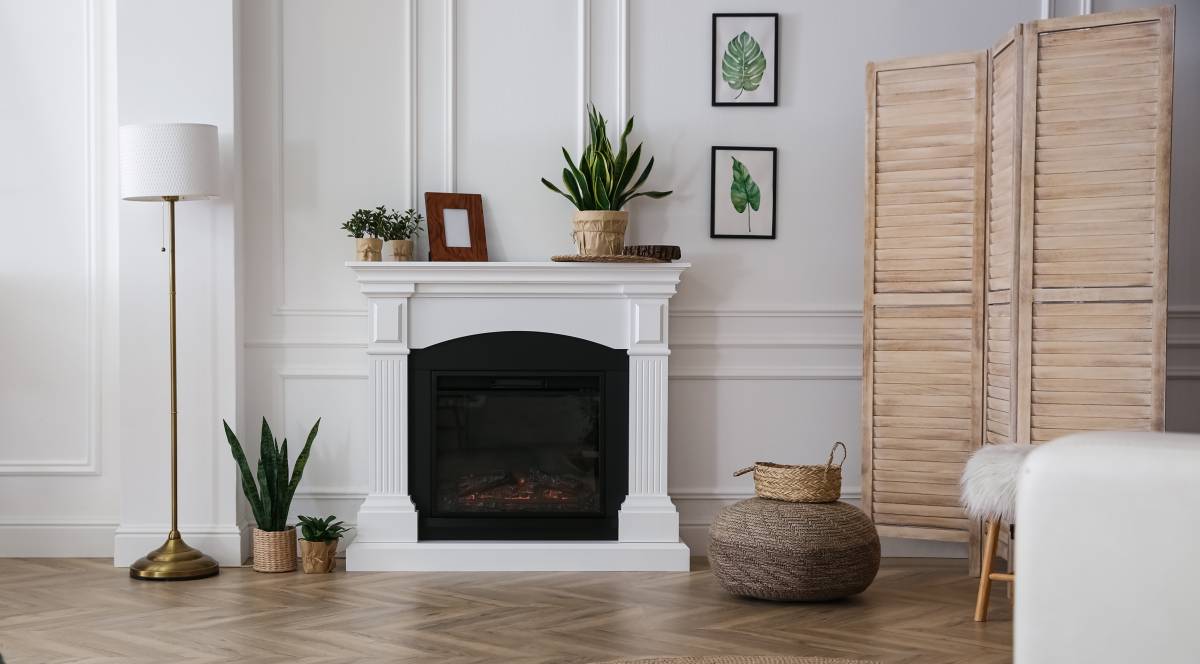
Electric fireplaces are among the easiest types to operate: just flick a switch to enjoy the sights of a crackling fire. They require a nearby power point, and any new wiring should be installed by a qualified electrician. Many homeowners choose electric fireplaces for their ambience, although they can also help heat a room effectively.
Like gas fireplaces, electric units recreate the look of a traditional wood-burning fire, often featuring large viewing areas. They produce no direct fumes or carbon emissions, so no ventilation is required. This also means that homeowners get more flexibility when choosing where to install an electric fireplace.
Ethanol fireplaces
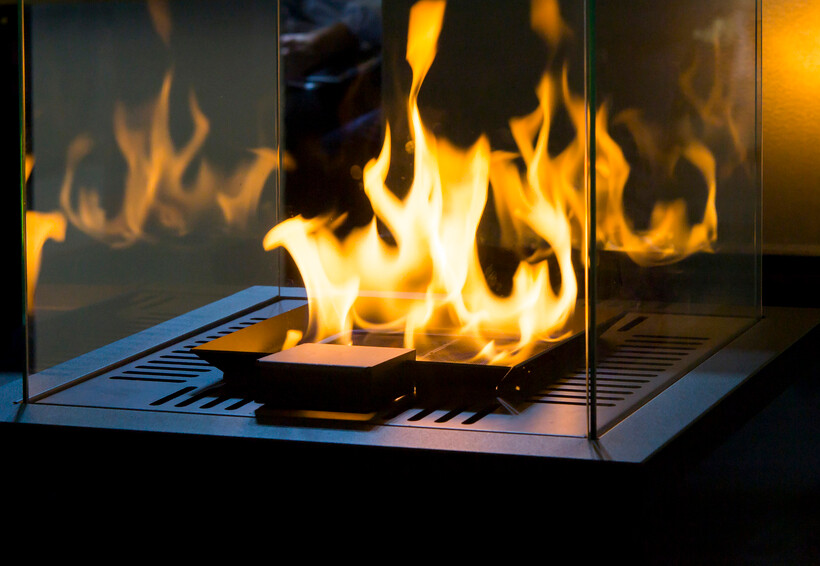 Modern ethanol fireplace design (Source: iStock)
Ethanol fireplaces burn denatured ethanol, a renewable fuel made from agricultural sources. Since these fireplaces produce only heat, water vapour, and small amounts of carbon dioxide, they typically don’t require a chimney, flue, or other ventilation.
Similar to electric models, ethanol fireplaces offer flexible installation and are available as freestanding and tabletop units, as well as built-in firebox inserts. You can incorporate them into almost any space, like on the floor, on a table, or even inside an existing decorative fireplace.
Although the installation process is often simple, it’s still worth consulting a fireplace installer to ensure the unit is positioned safely and complies with the mandatory Australian standard for alcohol-fuelled devices.
Cleaning a fireplace
Regular cleaning helps maintain a safe and efficient indoor fireplace. While chimney and flue cleaning should be carried out by a professional, most routine maintenance can be done by yourself. Here’s how to clean a fireplace:
Step 1: Do a safety check
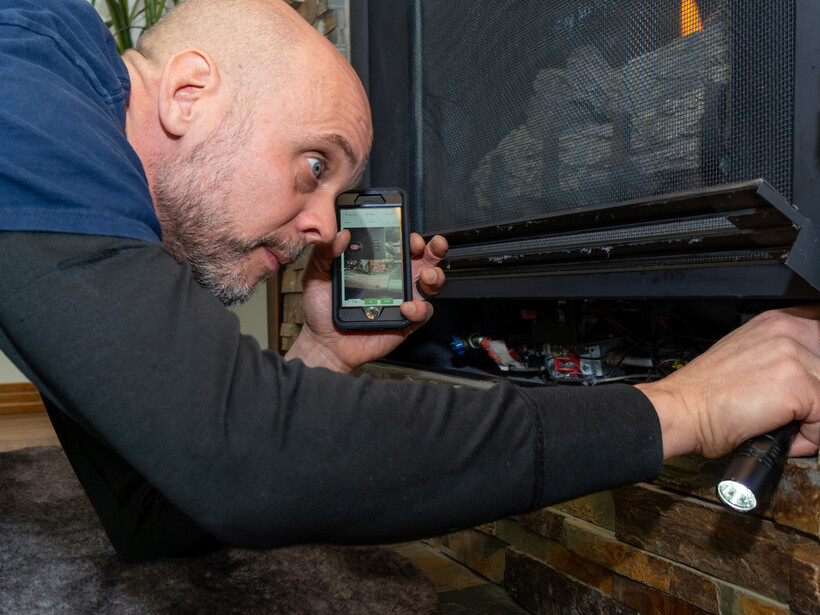 A home inspector checking a fireplace (Source: iStock)
Before cleaning your fireplace, inspect it for signs of damage or wear. If you just moved into a home with an existing fireplace, arrange a professional inspection before using it for the first time. After that, inspect your fireplace two to four times a year as part of your regular cleaning routine.
Step 2: Gather supplies
You’ll need to wear goggles to protect your eyes and a mask to avoid breathing in soot. Make sure you also have rubber gloves, a stiff nylon scrubbing brush, and a plastic drop cloth. Check your supplies before cleaning and replace any worn items as needed.
Step 3: Clean the firebox and fire screen
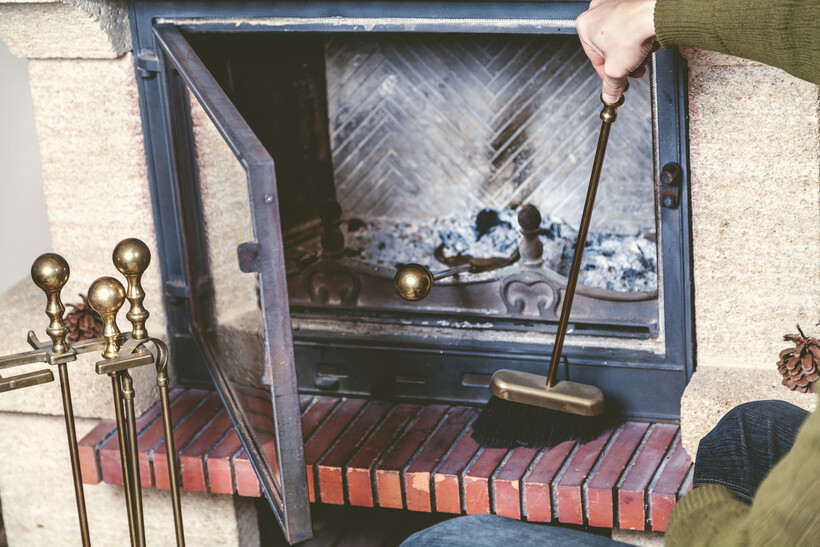 A man cleaning his fireplace by hand (Source: iStock)
Remove built-up ash, soot, and debris from the firebox to help your fireplace operate smoothly. Use a brush with stiff bristles to scrub the firebrick and metal surfaces, taking care not to apply too much pressure, as this can cause the firebrick to crumble. After scrubbing, bag or vacuum ashes and debris.
Clean the fire screen according to its material. Brass-plated screens need a brass cleaner, while painted metal screens can be cleaned with a solution of 120 mL of vinegar, 3.7 litres of warm water and 5 mL of ammonia. Wipe the screen with a cloth dipped in the cleaning solution, then wipe it again with clean water.
Step 4: Clean glass enclosures
If you’re wondering how to clean fireplace glass, regular maintenance is key to preventing stubborn soot stains. Start by wiping tempered glass enclosures every few uses. If residue remains, carefully remove it with a glass scraper. Finish by cleaning the glass with the same vinegar and ammonia solution used for painted metal fire screens.
Step 5: Inspect the chimney and fireplace
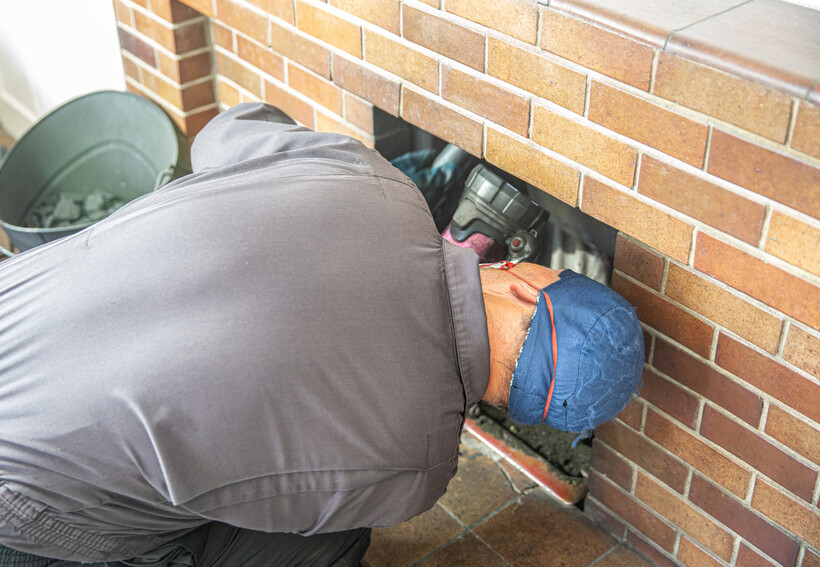 Professional inspection of a traditional fireplace (Source: iStock)
Once you’re done cleaning, inspect the chimney and flue for cracks in the masonry and any remaining creosote buildup. Place a drop cloth over the firebox, then lie on your back and shine a torch up the flue. You should also inspect the chimney from the roof to check for signs of buildup.
For a more thorough inspection, consider adding a professional fireplace inspection to your home maintenance checklist.
Step 6: Maintain your fireplace between cleanings
Vacuum or dust the hearth area every week, so soot and creosote won’t accumulate. Always wait until embers have cooled before cleaning to avoid burns and fire hazards. Also, avoid using abrasive cleaners, as they can damage surfaces and may leave behind residue.
Find a trusted fireplace installer
Choosing the right fireplace is only half the job. To ensure it meets safety requirements, complies with manufacturer guidelines, and delivers reliable performance, it’s important to have it installed correctly.
With Airtasker, it’s easy to find a local fireplace installer for your project. Simply post your task, compare quotes from Taskers, and hire the right person based on your budget and needs. Then all that’s left to do is sit back and enjoy your fireplace.
Learn more about our contributors
Written by Andrea H.
Staff Writer
Andrea is a writer with nearly a decade of experience, including five years covering real estate, construction, and neighborhood trends. She’s deeply curious about people, society, and culture, finding stories in the details and helping others navigate big decisions. Off the page, Andrea is drawn to analog routines: running outdoors, taking long walks, and picking up hands-on projects. When she’s not overthinking a paragraph, she’s probably overthinking her next read.
FAQs about fireplaces
In most cases, yes. Gas or wood-burning fireplaces generally require professional installation and must comply with relevant Australian standards. Some electric and ethanol fireplaces, however, are available as plug-in or portable models that can be installed without professional assistance.
It depends on your exact location. For example, in Victoria, a permit isn’t required to install a wood heater, but the work must be carried out by a licensed plumber. In parts of Western Australia and New South Wales, council approval may be required for new masonry or wood-burning fireplace installations.
Fireplace installation costs average around $118 to $390 on Airtasker, although more complex installations can cost more. Ethanol and gas fireplaces are usually the most affordable to install, with average costs starting at around $150 to $200.
Installation can take anywhere from a few hours to several days, depending on the type of fireplace. Freestanding models typically take two to three hours to install, while wood-burning units can take three to five days if structural work is required.
Find fireplace installers, fast
Find a fireplace installer
Related articles
 How-to Guide