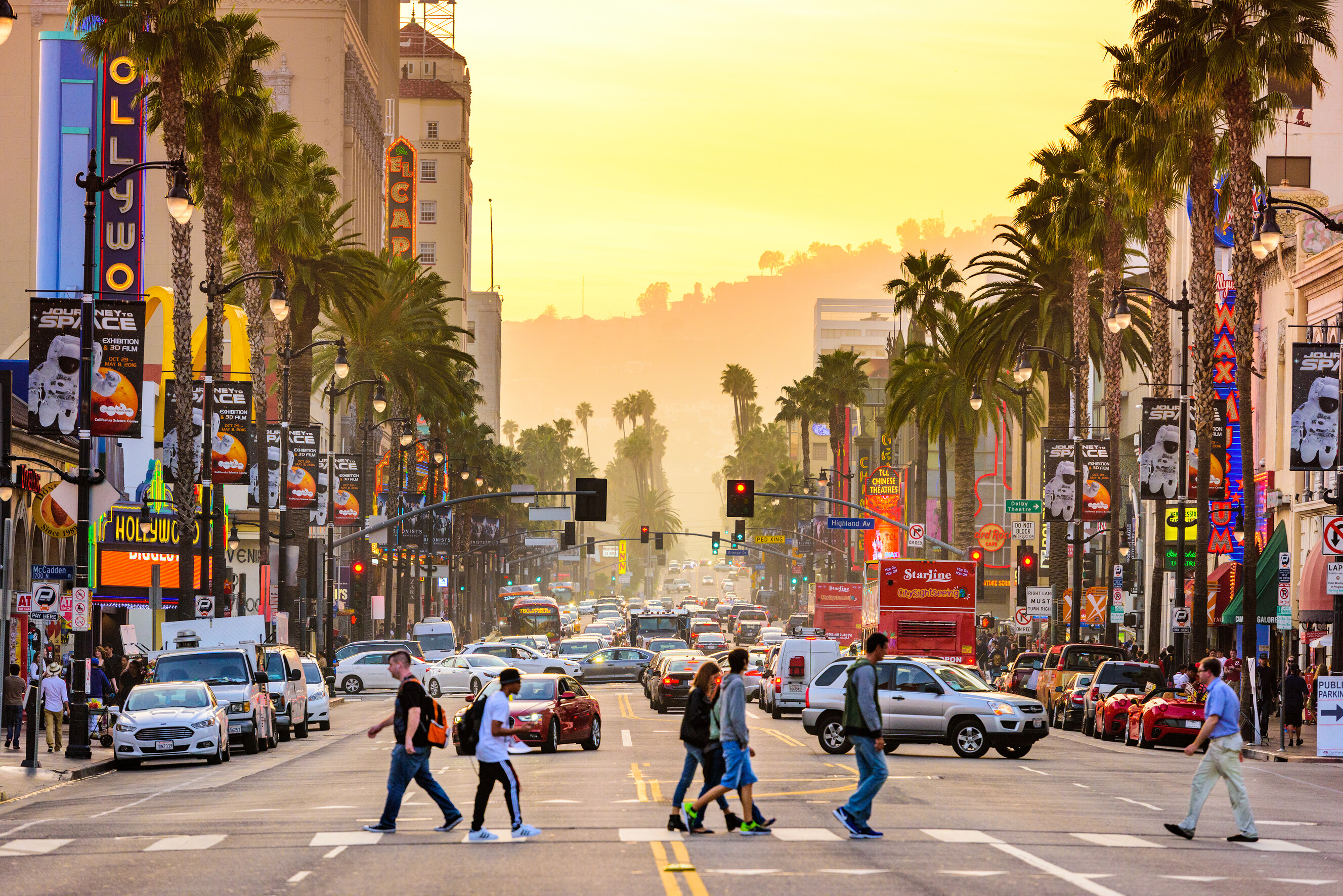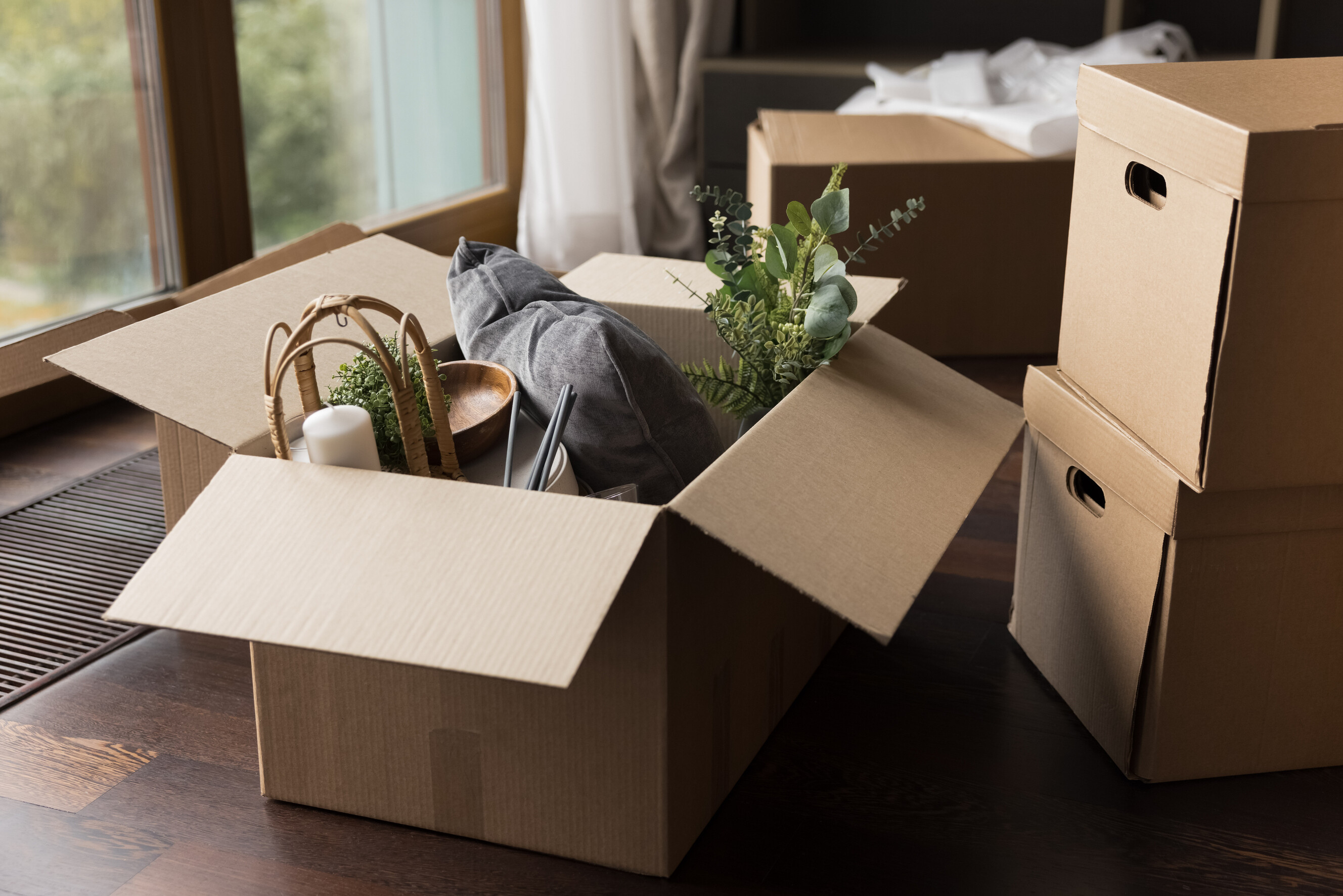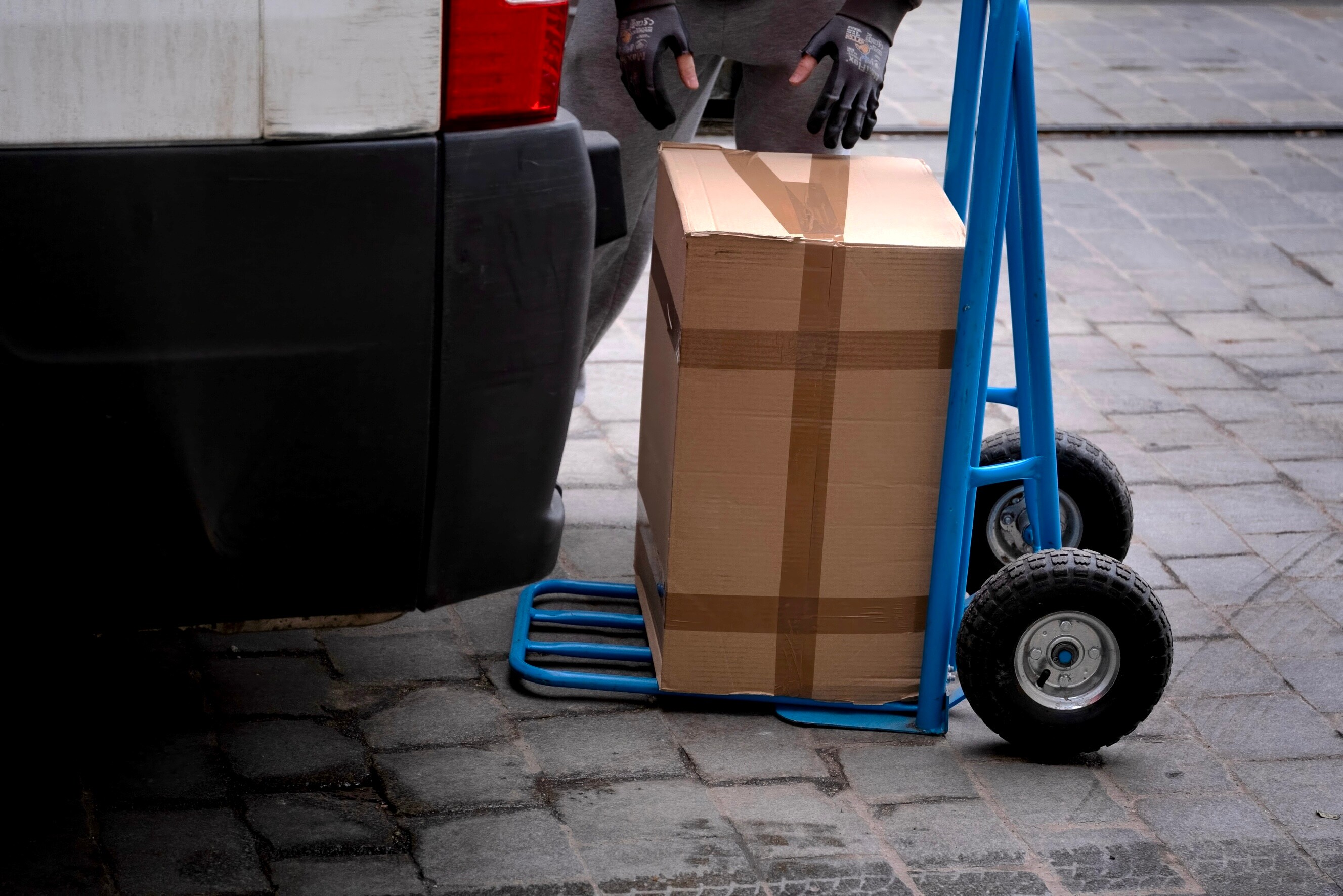
Moving to Dallas: How to start fresh in the Lone Star State
A complete guide to living costs, neighborhoods, and daily life in Dallas
Last Updated on

Written by Andrea H.
Staff Writer
Read more about our contributor
Moving to Dallas Highlights
Dallas’s booming economic hub continues to draw young professionals. At the same time, the city’s affordability and range of housing options make it a strong choice for families.
A major financial perk of living in Dallas is that residents pay no state income tax. To cover basic expenses, you’ll need around $4,000 per month.
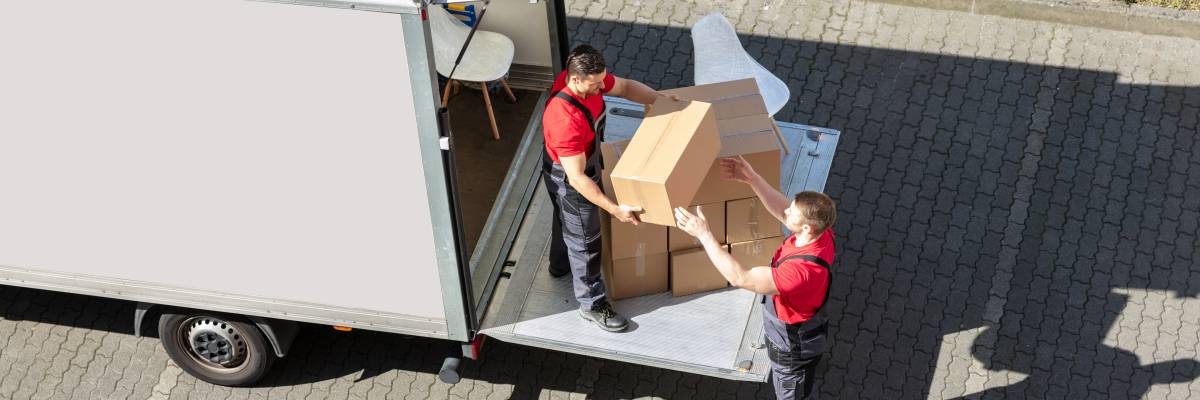
Hiring movers in Dallas can cost you $110 to $180 per hour. For the best balance of lower cost and availability, schedule your move in early fall.
Moving to Dallas often starts as a practical decision: better job opportunities, no state income tax, and a stronger chance at homeownership. However, these advantages can come with trade-offs, and understanding them upfront makes all the difference.
This guide gives you the full picture of what it’s like to move to Dallas, from big factors like cost of living and the job market to everyday realities like neighborhoods, transportation, and life after arrival.
Why are people moving to Dallas?
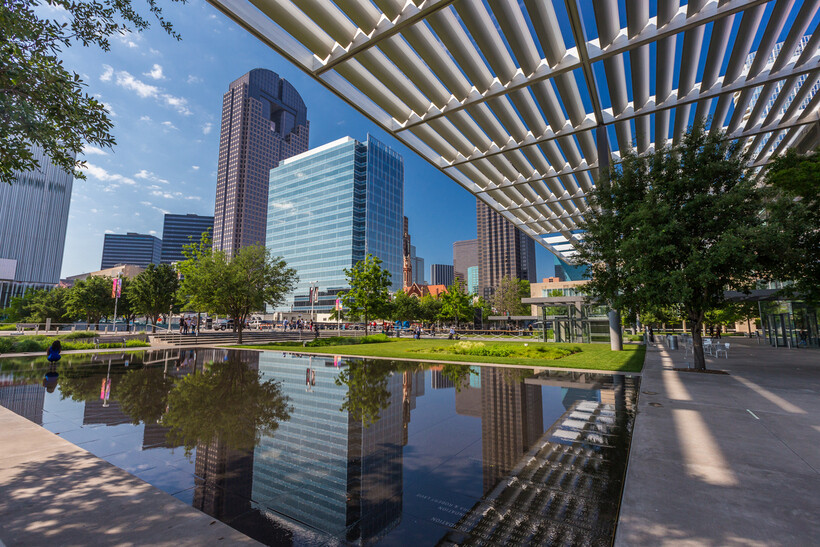 A sunny day in the Dallas Arts District (Source: iStock)
Dallas has a way of meeting people where they are—whether that means prioritizing affordable housing or reshaping lifestyles. That flexibility is a huge part of Dallas living, but it’s just one of the many factors that attract new residents.
Here are more compelling reasons why people ask, “Should I move to Dallas?”
Lifestyle and culture
Life in Dallas means having access to big-city perks: modern shopping, diverse dining, and an active nightlife scene. All these are supported by a booming economy that continues to attract residents and businesses.
Similar to other US cities, Dallas is defined by urban sprawl. Neighborhoods are spread out, so daily routines often involve driving. This isn’t always a downside. You’re free to explore beyond your neighborhood, try different restaurants, or even go on a road trip to nearby cities like Austin or Oklahoma.
Where you live in Dallas can shape your city experience. Areas like Downtown and Deep Ellum are known for their late-night energy. Other parts of the city offer a relaxed pace, similar to what you’ll find in San Antonio, but with quicker access to corporate hubs.
Food is a standout in daily life. Think smoky Texas-style barbecue and an expanding mix of global flavors. Beyond dining, Dallas leans into culture and community through world-class museums, expansive outdoor spaces, and a strong sports scene.
Career and job opportunities
The minimum wage in Dallas is $7.25 per hour or about $1,257 a month for full-time work. It’s a modest figure, especially when compared to the higher salaries in Dallas’s top industries.
Industry |
Average Annual Wage |
|---|---|
Health Care and Social Assistance |
$77,002 |
Professional, Scientific, and Technical Services |
$135,872 |
Retail Trade |
$51,793 |
Administrative and Support and Waste Management and Remediation Services |
$64,122 |
Healthcare is the largest employment sector in Dallas, driven by the growing population in the city and the broader Dallas-Fort Worth (DFW) metroplex.
In addition, DFW has transformed into a cost-effective alternative to Silicon Valley, as more than 20 companies from California have relocated to the Lone Star State since 2020. This has expanded the tech job market, encouraging San Francisco-to-Dallas relocation.
Weather and climate
While the intense summer heat is real, living in Texas also means mild winters and occasional weather disturbances.
Here’s what to expect throughout the year:
Winter (December to February): Winters are mild and unpredictable. Freezing rain is more common than heavy snow.
Spring (March to May): Spring brings warm breezes, but also thunderstorms. The risk of tornado activity is highest around April and May.
Summer (June to September): Summer months occasionally exceed 100°F. Afternoon thunderstorms can cool things down.
Fall (October to November): Fall brings clear skies, warm weather, and cooler evenings, making it one of the most comfortable seasons.
What should you research before moving to Dallas?
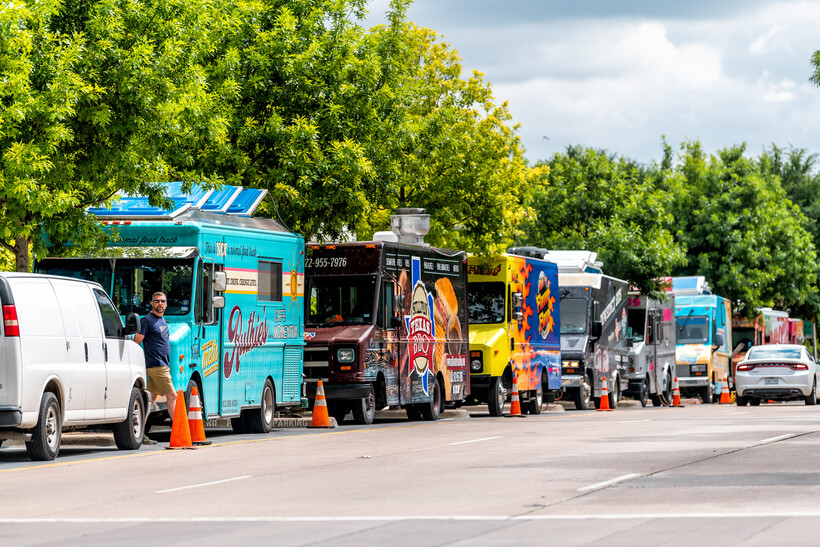 Local food trucks near Klyde Warren Park (Source: iStock)
Before your move, consider the key factors that’ll shape your daily experience. Understanding living costs, housing, and the best times to move can help you settle in smoothly.
Cost of living
The cost of living in Dallas, Texas has risen in recent years. Even so, housing prices remain manageable—around 11% lower than the national average.
With a largely car-dependent layout, transportation costs can add up, and homeowners may face higher property taxes. On the plus side, one of the biggest perks of living in the Lone Star State is that there’s no state income tax. This benefits many residents, especially renters.
Here’s what monthly expenses might look like for a single adult living in Dallas:
Area of Expense |
Estimated Cost |
|---|---|
Rent (One-bedroom Apartment) |
~$1,400+ |
Groceries |
~$300 to $600 |
Utilities |
~$150 to $400+ |
Transportation |
~$100 to $1,000+ |
Entertainment and Dining Out |
~$100+ |
Healthcare |
~$300 to $600 |
For a single adult, around $4,000 per month can cover basic expenses, but a more comfortable lifestyle typically requires closer to $5,500 or more. A family of three may need $8,500 or more depending on housing and lifestyle.
Neighborhood options
One of Dallas’s strengths is its variety of neighborhoods that match different lifestyles. Choosing where to live in Dallas can feel overwhelming, so here are five key areas to help you understand what to expect.
Bishop Arts
Bishop Arts District feels like a small-town main street, lined with over 60 independently owned cafés, boutiques, and eateries.
It’s 10 to 15 minutes from downtown Dallas by car, with access to public transit. Average rent for a one-bedroom apartment is around $1,651 per month.
Lakewood
Lakewood offers a more residential feel compared with urban districts. It’s family-friendly, with large homes, yards, and plenty of space for picnics and outdoor play.
With fewer commercial clusters, most daily errands require a car. Rentals often range from $1,001 to $1,500 per month.
Pleasant Grove
Pleasant Grove is one of the most affordable areas in Dallas, known for its ranch-style homes built between the 1950s and 1980s. It has a no-frills residential feel, with longtime residents and active neighborhood streets.
Access to amenities is more limited, so most errands require driving. Average rent is around $1,200 per month.
Uptown
Moving to Dallas, Texas doesn’t mean giving up walkability. Uptown is one of the few areas in the city where car-free living is possible. It offers a mix of apartments, condos, cafés, and bars.
The neighborhood also has access to trains, with downtown Dallas close enough to reach by bike or on foot from certain areas. A one-bedroom apartment typically costs $2,326 monthly.
Highland Park
Often called the “Beverly Hills of Texas,” Highland Park is one of the most affluent neighborhoods in the state. It’s known for luxury homes, great schools, and upscale shopping.
While certain amenities are walkable, a car is still necessary for daily living. Monthly rent ranges from $1,968 to $5,213, depending on the property type.
Best time to move
Relocating to Dallas is possible year-round, but timing still matters. Certain months are cheaper, easier, and far less stressful than others.
The trends below reflect moving demand across Texas, with major cities like Dallas following the same peak and off-peak patterns.
Season |
Pros |
Cons |
|---|---|---|
Winter (December to February) |
Demand is slightly below the annual average on Airtasker, which can offer more flexibility in scheduling. Cooler temperatures can make moving easier. |
Mover availability varies. December can be busy, while January is typically slower. Occasional ice events may disrupt plans. |
Spring (March to May) |
Demand is about 17% above the annual average on Airtasker, making this the peak moving season. There are usually plenty of movers available, and the mild weather helps. |
Rising demand can make it harder to secure preferred dates. Thunderstorms, hail, and heavy rain may cause delays. |
Summer (June to August) |
Demand stays high, so there are often many movers to choose from. Longer daylight hours offer flexibility in scheduling. |
Early summer demand may impact mover availability. Hot summers can make moving physically exhausting. |
Fall (September to November) |
Demand drops to about 19% below the annual average on Airtasker, making this the off-peak moving season. Cooler weather can make moving more comfortable. |
Fewer crews may be available when activity drops in November. Unpredictable weather may affect moving schedules. |
Moving costs
Moving to Dallas, Texas typically costs $110 to $180 per hour, with final pricing depending on your home size, volume of items, and distance. This is generally in line with the national average, as Dallas remains relatively affordable compared to other major US cities.
Distance is the biggest cost factor. For example, a move from Austin to Dallas (over 190 miles) can range from $1,000 to $4,000. Meanwhile, an interstate move (like one from Chicago) costs more.
Smaller moves (like college moving) often cost less due to simpler logistics and fewer belongings.
You may also want to set aside extra budget for helpful add-on services like furniture assembly or disassembly and move-in cleaning.
Out-of-state or international considerations
A long-distance move from another state or country comes with a few extra steps. Think about documentation, timelines, and additional services that make the transition smoother.
Interstate moving
When moving to Dallas from another state, here’s what to tackle first:
Proof of residency: Texas doesn’t require a minimum stay to establish residency. What matters is your intent to live in the state, supported by documents like a lease agreement and utility bills.
Driver’s license and registration: Get a Texas driver’s license through the Department of Public Safety, and update your vehicle registration within 30 days of moving.
Taxes: Texas has no state income tax, so you won’t file taxes upon establishing residency. However, you may still need to file a part-year return in your previous state for income earned before moving.
International moving
If you’re moving from another country, start by securing the appropriate visa. Keep multiple copies of crucial documents, like birth certificates and academic records, for local registrations.
Your shipment may be inspected by the US Customs and Border Protection, which can also require item declarations. Plan for shipping in advance: sea freight takes several weeks, while air freight is faster but more expensive.
What should you do on your Dallas moving day?
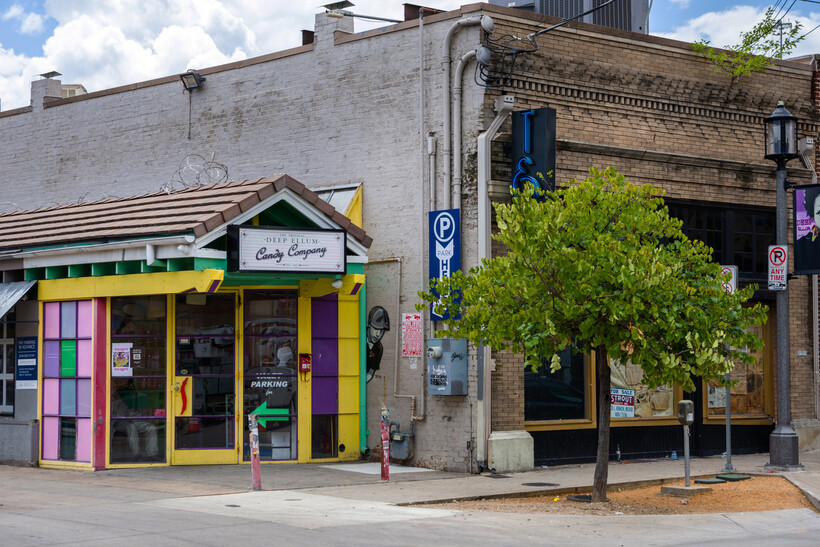 The historic Deep Ellum district in Dallas (Source: iStock)
Moving day marks your transition into Texas living. With these tips, you can avoid most delays and moving mistakes.
Coordinate movers and services
Confirm arrival time and stay in contact with your movers. If you’re using major routes like I-35 or the Dallas North Tollway, aim to schedule your move around 9:30 to 11:30 am or in the early afternoon, when traffic tends to be lighter.
Moving to an apartment or condo? Verify if there’s a loading dock or a specific truck entrance. If not, you may need to use a metered parking space. Parking within 15 feet of a fire hydrant is prohibited in Dallas and can result in towing or liability issues.
Transport your belongings carefully
Texas summers can exceed 100°F, so protect heat-sensitive items like candles, food, and electronics. Keep them with you in a climate-controlled vehicle or use insulated packing when needed.
Furniture moving pros can transport larger or heavier pieces. Meanwhile, fragile item moving services help secure items like delicate or high-value artwork, antiques, and glassware.
To lighten your load, start decluttering early and donate items you no longer need. If you’re moving within Dallas or elsewhere in Texas, this step is especially convenient since the city has plenty of donation centers.
Not sure how to get started with packing? Check out these resources:
Double-check everything
Do a final sweep of your old home to make sure nothing is overlooked. It’s also a good idea to record final utility meter readings to help prevent billing disputes after moving out.
At your new place, guide movers on furniture placement. Unload large items that are hardest to maneuver, especially in tight entryways or narrow hallways. In Dallas’s heat, this also reduces the time spent on heavy lifting.
Equally important is keeping essentials like electronics and toiletries accessible, so you can settle in comfortably even if most of your boxes are still sealed.
How do you get settled in Dallas after moving?
 Family-friendly spaces in downtown Dallas (Source: iStock)
After unpacking boxes, there are a few more things to know about Dallas, Texas that make settling in easier. Let’s now focus on setting up essentials and building your routine.
Connect your utilities
Prioritize setting up electricity first to power lighting, appliances, and especially air conditioning, which is critical in Dallas’s summer heat.
Start by contacting providers and setting your service date to match your move-in day.
Utility Type |
Example Providers |
|---|---|
Electricity |
Direct Energy, Reliant, TXU, and Gexa |
Water and Wastewater |
Dallas Water Utilities (DWU) |
Natural Gas |
Atmos Energy |
Waste Collection |
Department of Sanitation Services |
Internet and Cable |
AT&T, Frontier, Spectrum |
Update your licenses and documents
Update your address everywhere that matters: banks, credit cards, payroll systems, and subscription services.
For healthcare, notify your insurer and confirm that your coverage is still active in Dallas. You can also explore alternative plans via HealthCare.gov or your employer. If you’re switching providers, check your insurer’s directory or explore private doctor services near you.
Secure local permits
Check requirements with the City of Dallas Building Inspection Division before making home improvements. Structural updates and additions, like decks or fences, often require permits and inspections.
Depending on your area, you may need to get parking permits or follow Homeowners Association (HOA) rules for fees and exterior changes.
Ensure your family’s welfare
Is Dallas a good place to live for raising a family? Absolutely. Families have access to a variety of early education options, along with recreational spaces and leisure activities.
When moving with kids, use the school district portal to explore options and complete enrollment. You’ll also want to connect with a local pediatrician or find health services through resources like Dallas County Health and Human Services.
To make the transition enjoyable, check out the beautiful state parks and playgrounds. One of the little-known facts about Dallas is that it has an extensive park system, with 410 parks and more than 200 miles of trails.
Sort out your pet essentials
If your move is busy, consider pet transport or boarding services to keep things more manageable. After arriving, set up care with a local veterinarian and update your pet’s records.
In Dallas, pets over four months old must be microchipped, as this serves as a replacement for traditional pet registration. At dog parks, pets must be vaccinated and properly tagged, and rules are strictly enforced to ensure everyone’s safety.
How do you get around in Dallas?
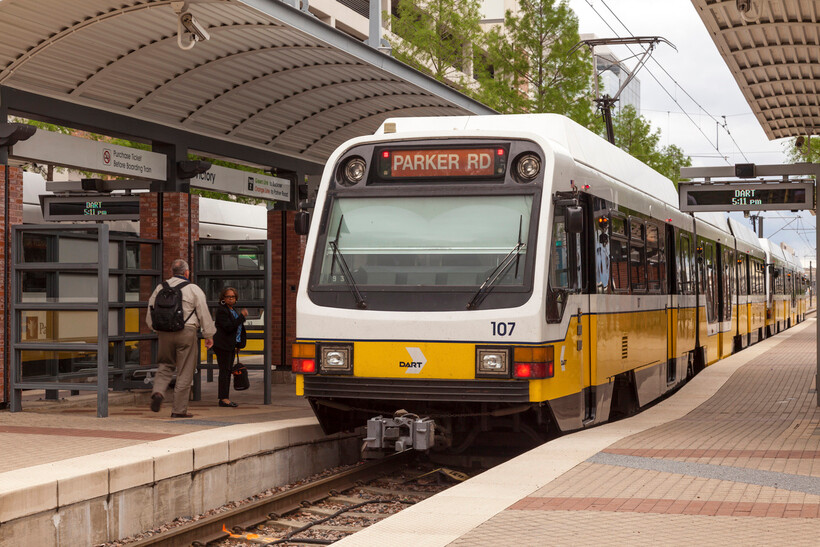 A DART train at a Dallas station (Source: iStock)
Because of the significant urban sprawl in Dallas, most residents rely on cars to get around. Public transport is also available and connects many neighborhoods and major destinations within city limits.
For seniors and people with disabilities, getting around may involve a combination of accessible transit options and paratransit services, depending on support needs.
By car
Dallas ranks 13th among the most congested cities in the US, with drivers losing over 50 hours a year to traffic delays. Despite this, driving can still be efficient if you avoid standard commuter windows (7:00 to 9:00 am and 4:00 to 7:00 pm).
Parking costs vary, with meters starting at around $1 an hour. Some neighborhoods also have Residential Parking Only (RPO) zones, so newcomers may need to secure a permit to avoid fines or towing.
By light rail
Dallas Area Rapid Transit (DART) operates a 93-mile light rail system, one of the longest in the US. It’s useful for reaching the airport area or avoiding parking in busy districts.
DART has four main lines, all connecting through downtown:
Line |
Major Stops in Dallas |
|---|---|
Red Line |
Lovers Lane, Mockingbird, Pearl/Arts District |
Blue Line |
White Rock, downtown hubs near the Convention Center |
Green Line |
Fair Park, Deep Ellum, Southwestern Medical District |
Orange Line |
Union Station, St. Paul, Akard, Cityplace/Uptown |
Trains run from 5:00 am to midnight, with arrivals every 7 ½ to 30 minutes, depending on the time of day. Payment is time-based rather than per stop. You can pay using the GoPass app, a GoPass Tap card, contactless credit/debit cards, or physical tickets.
A three-hour pass ($3) allows for unlimited rides within that timeframe. All-day and monthly passes are also available for frequent riders.
DART is ADA-compliant, with ramps, visual and audio announcements, and priority seating to support seniors and passengers with disabilities.
By commuter rail
A convenient option for regional travel is the Trinity Railway Express (TRE). This line connects Dallas and Fort Worth with fewer stops and longer distances between stations.
TRE helps you avoid traffic in Dallas, especially on Highway I-30. Trains run Monday through Saturday, as early as 4:00 am on weekdays.
You can use the GoPass app for payment, with single rides costing $2. Paper tickets are available, as well as DART passes that are valid across TRE and DART stations.
By bus
Some neighborhoods, like East Dallas and parts of Oak Cliff, have access to DART buses. The bus network includes local routes with frequent stops and express routes for quicker journeys.
Here are some of the most-used DART bus routes and their coverage areas:
Route |
Coverage Areas |
Why It Matters |
|---|---|---|
1 (Malcolm X / Maple) |
South Dallas, Downtown, Uptown |
Runs through multiple major districts, passing job centers, hospitals, and central neighborhoods. |
9 (Jefferson–Gaston) |
Oak Cliff, East Dallas |
A cross-city route linking Oak Cliff and East Dallas through downtown. |
16 (Ferguson) |
East Dallas / Pleasant Grove |
Links far east Dallas corridors and Pleasant Grove to downtown. |
57 (Westmoreland) |
Southwest Dallas |
A route connecting West Dallas and Oak Cliff to downtown. |
DART buses operate daily from around 5:00 am to midnight, with reduced service expected during weekends and holidays.
DART buses and trains typically share the same pricing structure. Passes allow transfers between buses and trains. For payment, you can use the GoPass app, GoPass Tap card, or your credit or debit card.
By streetcar
The Dallas Streetcar, also operated by DART, is a short fixed-route service that’s separate from the light rail system. It runs between Union Station and the Bishop Arts District in Oak Cliff.
The streetcar operates daily, usually from 5:30 am until midnight. A one-way pass costs $1, but frequent riders can get better value by registering a contactless payment method at GoPass.
By bike or bike-share
Biking works best in areas like Deep Ellum and Oak Lawn, where shorter trips and improving bike lanes make cycling practical. The Katy Trail is also popular, connecting Uptown and Oak Lawn to job centers in downtown and Victory Park.
Dallas, Texas has limited bike-share options, so many riders use their own bikes. Rental costs can go over $60 per day, especially for higher-quality bikes.
When parking, cyclists are expected to use designated bike racks and avoid blocking entrances or ADA-accessible areas.
By taxi or ride-share
Taxis and ride-share services are great for flexible, on-demand travel. Taxis are especially useful for airport trips, with the initial meter drop costing $3, plus $2.80 per additional mile.
Meanwhile, ride-share apps are the default for most people moving around the city. Uber and Lyft are popular options for point-to-point trips.
What are the best things to do as a new Dallas resident?
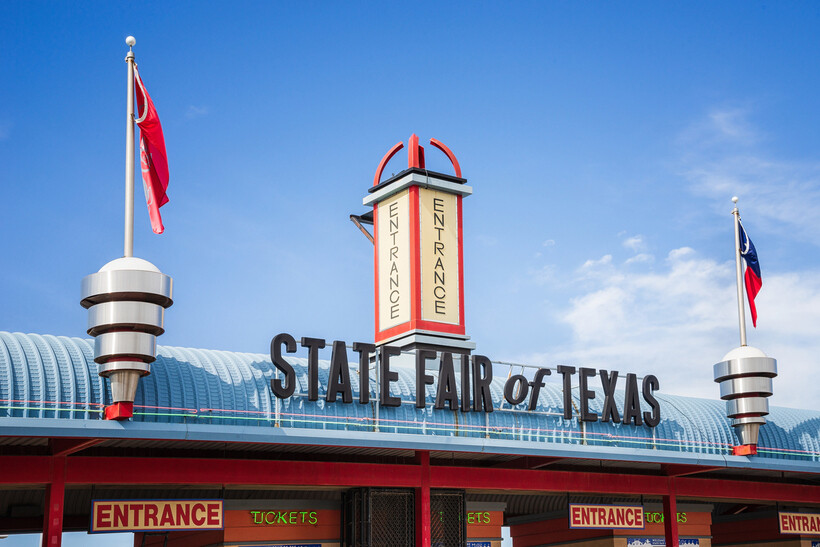 The entrance to the State Fair of Texas (Source: iStock)
As a newcomer, take time to experience what Dallas, Texas, has to offer. Grab Tex-Mex, visit parks, and slow down to notice the small details.
Explore your new neighborhoods
Get to know different areas of Dallas, from lively Deep Ellum to laid-back Lakewood. It’s one of the best ways to experience the real pros and cons of living in Texas firsthand.
Deep Ellum is the city’s arts and entertainment district, filled with restaurants, bars, galleries, and live music. Lakewood offers a quieter pace, with White Rock Lake as a perfect spot for weekend resets.
For a more central starting point, Uptown is a great place. It offers dining, shopping, and green spaces in one walkable area.
Visit cultural landmarks and attractions
Dallas has a strong museum scene, especially around the Arts District. Some notable stops include:
Dallas Museum of Art: One of the largest art museums in the US, featuring ancient and contemporary works.
Perot Museum of Nature and Science: A hub for interactive exhibits on space, engineering, and natural science.
Sixth Floor Museum at Dealey Plaza: A museum focused on the life of President John F. Kennedy and the events surrounding his assassination.
Dallas Firefighters Museum: A hidden gem in a historic 1907 fire station, featuring vintage equipment and fire safety exhibits.
Fair Park is also worth a visit, known for its 1930s Art Deco architecture and exhibit halls. It’s home to the State Fair of Texas, an annual event that showcases some of the benefits of living in Texas, from indulgent food to rodeo-style attractions.
Enjoy the outdoors
Why move to Dallas when the heat is intense and outdoor time feels limited? Because daily life is built around timing. You’ll notice this in the way locals use the outdoor spaces.
White Rock Lake is a classic spot for Dallasites, as various activities for heat relief are available, like paddleboarding, kayaking, or fishing.
The Trinity River Audubon Center and Bachman Lake Park also offer refuge. People go here for shaded walks, birdwatching, and relaxed outdoor time.
When temperatures cool, Klyde Warren Park becomes a hub of activity. This deck park, built over a freeway, features green space, food trucks, and events for all ages.
Check out the local market scene
Dallas also has a mix of traditional farmers markets and community pop-ups where you can find your new local favorites:
Dallas Farmers Market: The city’s most established market, combining fresh produce with food stalls and small eateries. Opens daily, usually 9:00 am to 6:00 pm.
White Rock Farmers Market: Known for artisan goods and seasonal produce, including baked items and local specialties. Schedules vary.
Fair Park Farmers Market: A weekend market selling handmade goods and locally sourced products. Opens every Sunday, from 9:00 am to 1:00 pm.
South Dallas Community Market: A more grassroots market focused on local vendors and community engagement. Operates on select days.
Move to Dallas with ease
Whether Dallas is worth moving to depends on your priorities. For newcomers, it’s often a strong yes, especially if affordable living and a solid job market are high on the list.
When it comes to the move itself, it doesn’t have to be stressful. Airtasker makes it easy to find local movers by letting you post a task, compare prices, and hire the best fit—all in one place.
Helpful resources for those moving to Dallas
Get a head start on your move to Dallas by exploring these useful resources:
City of Dallas: The official city website for government services, local regulations, and reporting neighborhood issues.
Visit Dallas: Your digital guide to neighborhoods, events, and itinerary ideas.
Dallas Arts District: A central hub for browsing Dallas attractions by category (music, exhibits, performances, and more).
National Weather Service: Provides official weather forecasts for those living in Texas, especially the DFW area.
Learn more about our contributors
Written by Andrea H.
Staff Writer
Andrea is a writer with nearly a decade of experience, including five years covering real estate, construction, and neighborhood trends. She’s deeply curious about people, society, and culture, finding stories in the details and helping others navigate big decisions. Off the page, Andrea is drawn to analog routines: running outdoors, taking long walks, and picking up hands-on projects. When she’s not overthinking a paragraph, she’s probably overthinking her next read.
FAQs about moving to Dallas
A single adult should budget around $4,000 for the first month in Dallas, plus additional upfront moving and housing costs. These can add $1,000 or more, depending on your situation.
For newcomers, renting is usually the better starting point. Buying makes more sense once you’re ready to settle long-term.
Choose the city center for convenience and nightlife. The suburbs are better for those seeking a quieter space and long-term stability.
A Houston to Dallas move typically costs $1,000 to $4,000. Final pricing varies based on the volume of items, access conditions, and additional services.
Find movers, fast
Find a mover
Related articles
 How-to Guide
 How-to Guide