Las Vegas bound: The essential moving guide
So you're moving to Vegas? Here's what to expect when you make the desert your home.
Published on

Written by Angela A.
Staff Writer
Read more about our contributor
Moving to Las Vegas highlights:
Las Vegas has a sunny desert climate with very hot summers, and mild winters.
Overall living costs sit slightly below the U.S. average, with no state income tax, but housing and utilities are the biggest expenses and continue to rise.
Daily life includes suburban neighborhoods, strong food and arts scenes, and easy access to outdoor escapes.
Las Vegas is known for bright lights, world-class entertainment, and the Strip that draws millions of visitors every year. But for the growing number of people moving to Las Vegas, Nevada, the real appeal shows up beyond the casinos. It’s in the stable job opportunities, diverse neighborhoods, and the lifestyle that feels far more livable than the city’s reputation suggests.
If you’re relocating to Las Vegas, this guide walks you through what life looks like as a resident, from where to live and what to expect day to day, to the best neighborhoods. We’ll also tackle things to do and other handy details that matter once the move is no longer just an idea.
Why are people moving to Las Vegas?
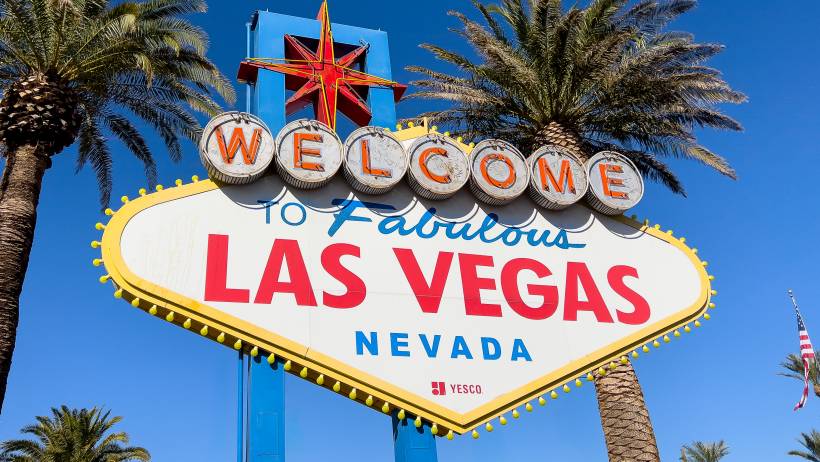 The "Welcome to Fabulous Las Vegas" sign as the gateway to the world-famous Strip. (Source: iStock)
For one, Nevada doesn’t collect any personal state income tax, so residents keep all of their wages, business income, retirement withdrawals, Social Security benefits, and investment returns.
That tax advantage is only part of the picture, though. So if you’re still asking yourself, “Should I move to Las Vegas,” here are some of the reasons people consider making the move.
Lifestyle and culture
Life in Las Vegas is built around access. The city has turned into a real food destination, with celebrity-chef restaurants on the Strip and strong local scenes in places like Chinatown and downtown, where meals range from everyday sit-down spots to full fine-dining experiences. Sports are part of the weekly rhythm too, with NFL, NHL, baseball, soccer, and major fight nights giving locals plenty of reasons to get out of the house.
That energy doesn’t stop at food and sports, however. It stretches outdoors. Red Rock Canyon, Lake Mead, and Mount Charleston are all close enough to make hiking, climbing, and quick weekend trips feel normal, not aspirational.
Away from the Strip, everyday life happens in neighborhoods with parks, arts spaces, local events, and tight-knit communities, which makes settling in feel far more grounded than the city’s global image suggests.
Career and job opportunities
Jobs are a big reason people stay once they arrive, and one of the clear benefits of living in Las Vegas.
Leisure and hospitality still employ the largest share of workers, but education, health services, logistics, construction, and professional services now play a bigger role in keeping the job market steady. That mix creates options for service workers, skilled trades, healthcare professionals, and corporate roles without relying on a single industry.
For full-time workers, median annual earnings in Las Vegas sit around $40,000 to $74,000, with pay stretching much higher in healthcare, management, and specialized roles. Entry-level and service jobs tend to land on the lower end, while professional and technical positions can push well past six figures. Combined with lower overall taxes, those earnings go further here than they do in many other major cities.
Weather and climate
Is Vegas a good place to live? Yes, for people who prefer the sun, don’t mind summer heat, and want to avoid long, cold winters. After all, Las Vegas sits in the Mojave Desert, so the weather is direct and predictable.
Summers are long and intense, with July highs averaging around 105°F and daytime heat regularly crossing the 100°F mark, while humidity stays low. Rain is scarce year-round, with only about 4 to 5 inches falling annually, usually in short bursts rather than steady storms.
Winters are short, dry, and mild, with average highs near 58°F and cooler nights that rarely dip far below freezing. Sunshine is the norm, which makes outdoor time easier outside the peak summer months.
What should you research before moving to Las Vegas?
 Las Vegas residential area with views of the Spring Mountains. (Source: iStock)
A Las Vegas move can look simple on the surface, but the details matter more than most people expect. Before you commit, it’s worth taking a closer look at the following things, so you can make decisions with fewer surprises.
Cost of living
For anyone planning a Las Vegas relocation, the first numbers to check are the basics. Excluding rent, a single person typically spends around $1,100 to $2,900+ per month, while a starting family of four lands closer to $4,100 to $5,100+. Overall costs sit slightly below the U.S. national average, but housing runs higher and has been rising steadily.
Rent is the biggest pressure point and the one most likely to surprise new arrivals. One-bedroom apartments usually fall around $1,400 to $1,600 per month, with three-bedrooms closer to $2,100 to $2,600+, depending on the area. Utilities and transportation can also climb, especially in summer, so budgeting with some buffer matters.
Here are other common expenses and their average costs in the area to help you get an idea of how much a typical Las Vegan spends monthly.
Expenses |
Average costs |
|---|---|
Rent (1-bedroom) |
$1,300 to $1,800 |
Rent (2-bedroom) |
$1,500 to $2,000 |
Groceries (for a single person) |
$300 to $600 |
Utilities (energy, water, internet) |
$180 to $370 |
Transportation |
$150 to $300 |
Healthcare |
$100 to $300 |
Everyday goods & services |
$100 to $300 |
Neighborhood options
When people ask, “Is Las Vegas, Nevada a good place to live,” its neighborhoods are often what tips the scale. Here are some of the most popular options to consider:
Summerlin: A large master-planned community on the west side known for parks, trails, and access to Red Rock Canyon. It suits families, professionals, and retirees who want a polished suburban feel, though rents and home prices are on the higher end.
Henderson (Green Valley): A separate city with a strong suburban vibe, community events, and a reputation for safety. Housing costs are mid to upper range, but commute access and family-friendly amenities make it a top pick.
Downtown Las Vegas & Arts District: Best for people who want walkability, culture, and a more urban lifestyle. Housing is more mixed in price, with lofts and older homes appealing to renters who value location over space.
Centennial Hills: A quieter, family-oriented area in northwest Las Vegas with newer developments and more breathing room. It’s generally more affordable than Summerlin while still offering solid freeway access.
Spring Valley: A centrally located and more budget-friendly neighborhood with diverse housing options. It works well for commuters who want flexibility and easier access to different parts of the city.
Best time to move
Spring and summer are the busiest windows for moving, with May being the absolute peak. While the high demand means plenty of available help, the soaring summer temperatures can make the physical move a challenge. If you want the best weather, aim for spring, but just be sure to book early, as demand is skyrocketing.
Fall is the local sweet spot, offering cooler temperatures and much less competition for services. If you’re looking for the best possible value, then winter is your best bet. Still, if flexibility is on your side, mid-week and mid-month moves during spring or fall usually come with lower costs and less competition.
Season |
Demand level |
Pros |
Cons |
|---|---|---|---|
Spring (Mar–May) |
High |
Ideal weather; high Tasker availability. |
Busiest month (May); high real estate competition. |
Summer (Jun–Aug) |
Peak |
Maximum daylight hours; most active moving window. |
Extreme heat; higher utility costs. |
Fall (Sep–Nov) |
Moderate |
Comfortable cooling temperatures; lower competition. |
Shorter days; slightly fewer service providers available. |
Winter (Dec–Feb) |
Low |
Best value/pricing; mild winters (no snow/ice). |
Shortest daylight; holiday scheduling conflicts. |
Moving costs
Moving costs in Las Vegas vary mostly by distance and how much help you hire. Local moves for small apartments usually land between $400 and $800, while full-service moves for larger homes can push closer to $2,000 or more. Hourly movers often charge around $95 to $135 per hour for a two-person crew, with labor-only help coming in lower if you handle the truck yourself.
Interstate moves depend heavily on distance and volume. Shorter routes, like California to Las Vegas, often fall between $1,500 and $3,500, while cross-country moves can climb much higher. Adding packing services or booking a decluttering service before moving can increase upfront costs, but they often save time and reduce stress during the move itself.
Out-of-state or international considerations
Interstate moving
If you’re moving to Vegas from California or another U.S. state, paperwork comes first. New residents generally have 30 days to transfer their driver’s license, register their vehicle, and update insurance through the Nevada DMV, with fines possible if deadlines slip. The move will also flow better when movers are booked early, especially for routes that cross state lines and fall under federal regulations.
International moving
International relocations add more layers before you even pack a box. Visas, work authorization, and document approval must be in place before arrival, and shipping household goods involves customs forms, inspections, and higher freight costs. For long-distance moves, planning months ahead helps avoid delays, surprise fees, and last-minute scrambles that can derail your timeline.
What should you do on your Las Vegas moving day?
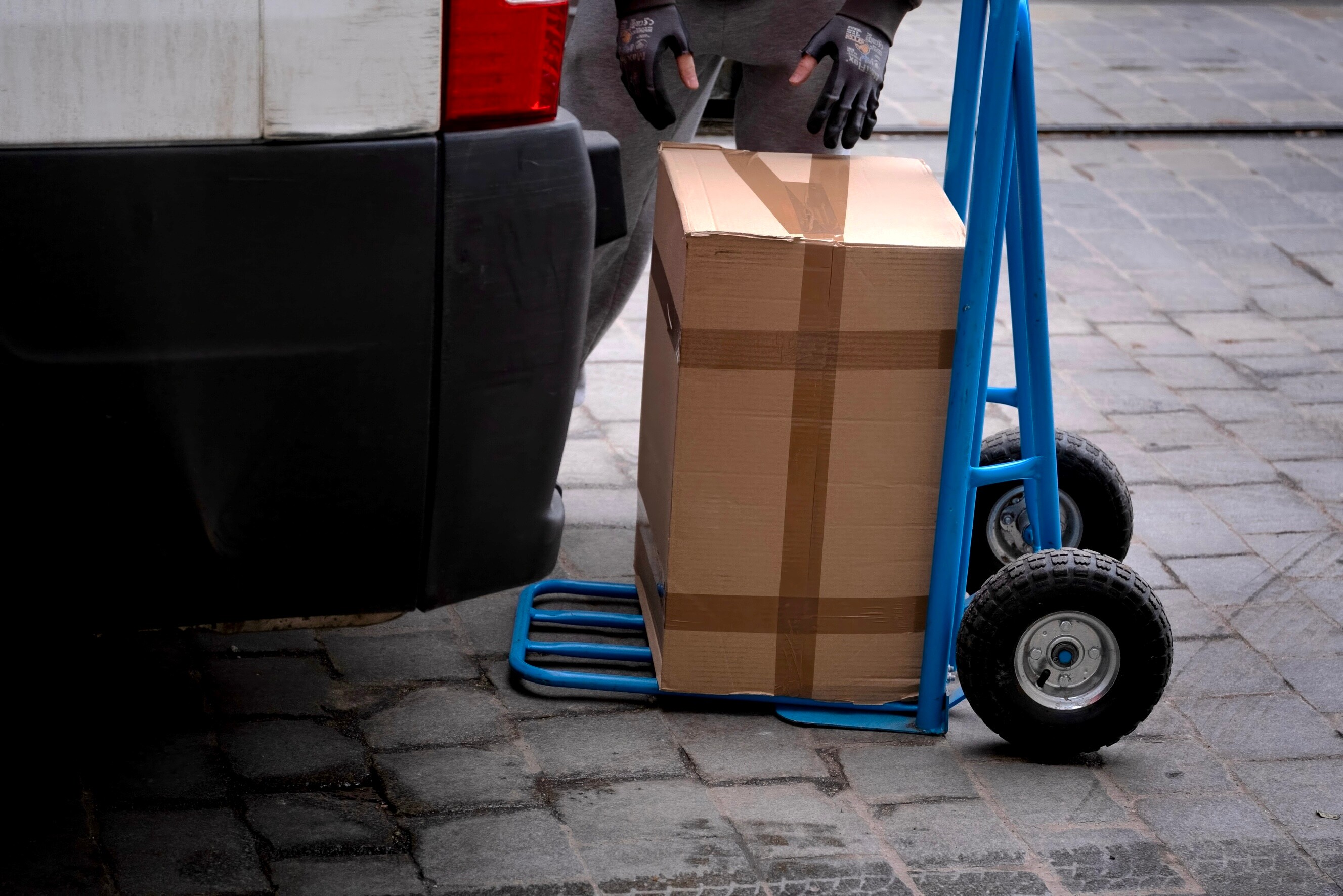
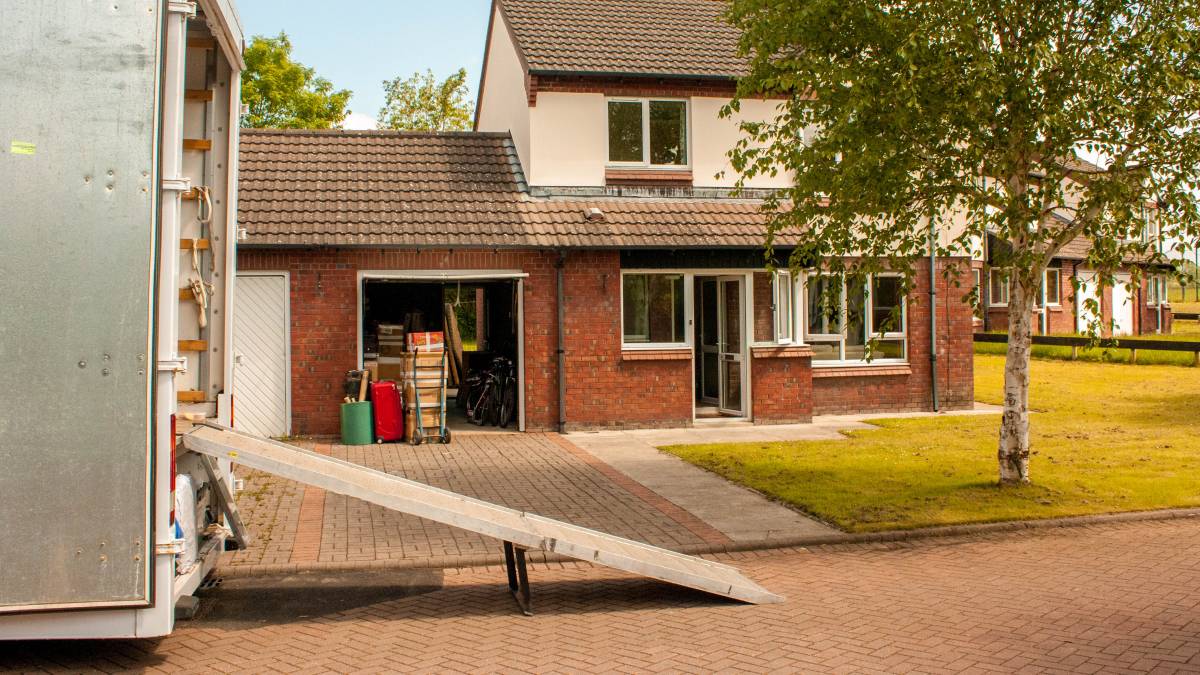
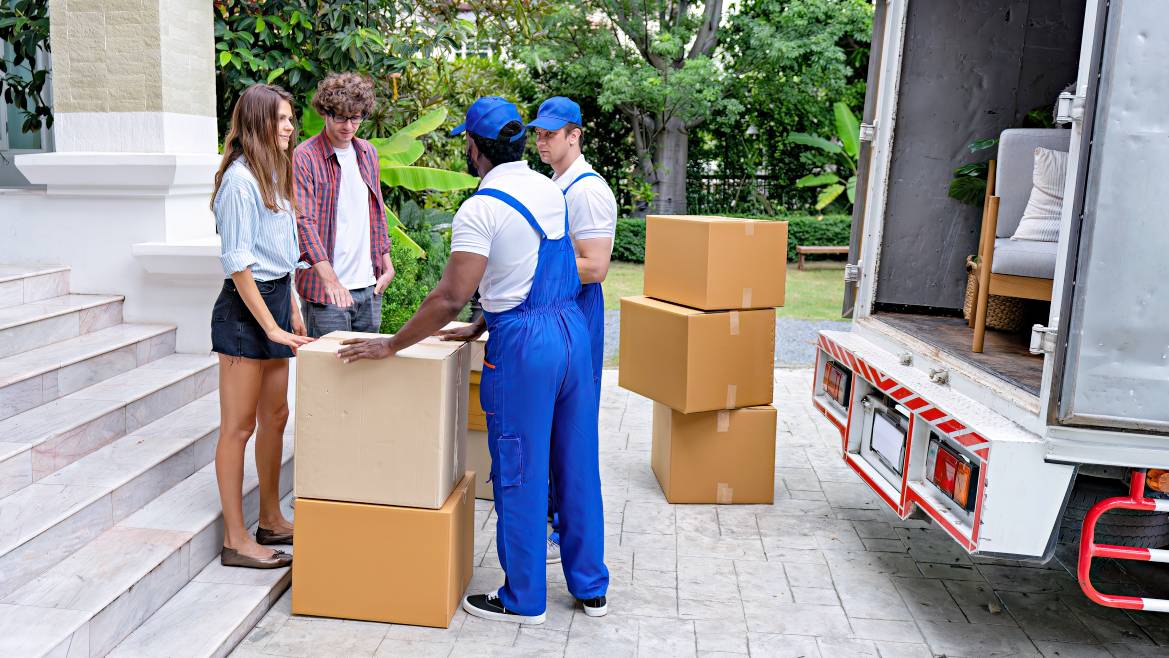
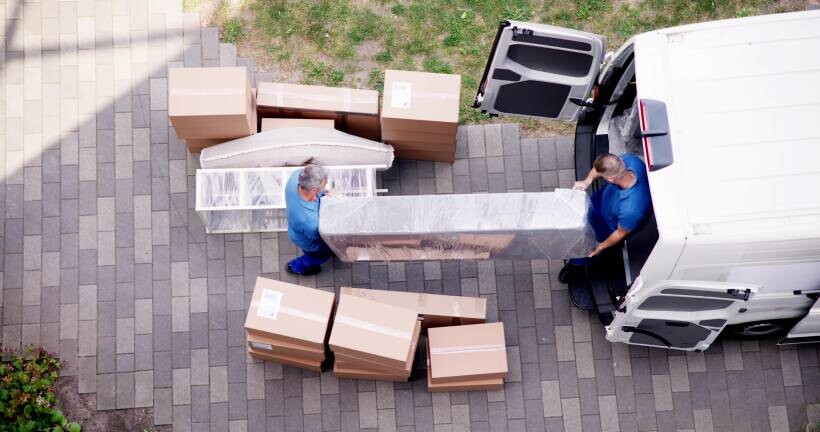 Working with professional residential movers. (Source: iStock)
Moving day is where planning either pays off or falls apart. Knowing what to handle first, what can wait, and when to lean on Las Vegas relocation assistance can save time, money, and stress once things are in motion. Here are some of the essentials to keep your move on track from the moment the truck arrives.
Strategically coordinate movers and services
Start by locking in the basics. Confirm arrival times, exchange direct contact details with the crew, and make sure parking, loading access, and HOA rules are handled ahead of time, especially in gated or master-planned communities. Las Vegas heat can slow things down, so choose movers with desert experience and plan water, shade, and short breaks to keep the day moving.
Double-check what insurance or valuation coverage your movers include and decide if extra protection makes sense for higher-value items. If you also need house clearance and move-out or move-in cleaning, schedule those around the move so crews aren’t overlapping or blocking access.
Finish by lining up services that can’t wait. Make sure utilities are disconnected at your old place and scheduled to turn on at the new one, including power, water, and internet. Stay reachable all day so small delays or access issues don’t turn into expensive problems.
Carefully transport your belongings
Start with protection and priority. Fragile items should be packed individually with proper padding, while bulky pieces like furniture need secure wrapping to prevent damage during loading and transit. In summer, keep heat-sensitive electronics, candles, and similar items out of the truck for long stretches or transport them separately.
Cut risk by moving less. Decluttering before packing lowers volume, speeds up loading, and makes it easier to donate or responsibly dispose of what you don’t need. Once everything’s unloaded, a quick house cleaning followed by light organizing helps you spot damage early and settle in faster.
Critically double-check everything
Before you hand over the keys, do one last sweep of your old place. Walk through every room, closet, garage, and outdoor area, and take final utility meter readings so you’re not billed past move-out. A few extra minutes here can save follow-up trips and billing headaches later.
Once you arrive, pause before unloading. Confirm that electricity, water, and gas are on, then test the air conditioning right away so movers aren’t working in a hot house. After that, guide unloading room by room and check items off your inventory so missing or damaged pieces are caught immediately.
Book your move for early morning hours, especially during warmer months. Starting before the heat ramps up helps protect heat-sensitive items, keeps movers efficient, and reduces the risk of delays caused by extreme temperatures.
Learn more practical tips in our complete moving guide to help you plan, pack, and move with fewer surprises.
How do you get settled in Las Vegas after moving?
 Residential waste and recycling in a suburban neighborhood. (Source: iStock)
The move doesn’t end once the boxes are inside. Getting settled means setting up the essentials, learning how the city actually runs, and building routines that make day-to-day life easier. Here’s what to tackle first:
Connect your utilities
Start with the essentials so your home is livable from day one.
Electricity is handled by NV Energy, while water and sewer services depend on your location, such as the Las Vegas Valley Water District or City of Henderson. Trash collection is typically managed by Republic Services. Most of these can be scheduled a few days before move-in so everything’s on when you arrive.
Don’t leave gas and internet setup to the last minute, though. Natural gas usually requires a scheduled technician visit, and internet installs often need lead time for equipment or wiring, so booking one to two weeks ahead avoids gaps.
Have utilities active before move-in to make unpacking smoother and keep small issues from slowing your first few days down.
Update your licenses and documents
Start by redirecting your mail so nothing slips through the cracks. File a change of address with USPS, then separately notify the IRS so tax documents and refunds land at the right place. This step alone prevents missed bills and slow-moving paperwork later.
Next, update your driver’s license and vehicle registration through the Nevada DMV within 30 days of establishing residency. Address changes can be done online in most cases, but transferring an out-of-state license or registration usually requires extra documents.
Taking care of this early helps you avoid fines and keeps everything aligned with Nevada requirements.
Secure council-related permits (if any)
Before you settle in, check whether your neighborhood has an HOA and what it requires. Many Las Vegas communities ask for advance move-in notices, parking approvals for moving trucks, or proof of mover insurance, especially in gated or master-planned areas. Some also collect refundable deposits to cover potential damage to shared spaces.
City rules can matter too if your move involves street parking. Temporary permits may be needed for trucks or trailers, and HOA rules often override city allowances. Sorting this out early helps you avoid fines, towing, or delays on moving day.
Ensure your family’s welfare
Before unpacking fully, it helps to line up the essentials that keep your household running smoothly. These are the key areas most families should focus on first after moving in.
Schools and childcare: Most families are served by the Clark County School District, which offers traditional public schools, magnet programs, and early learning options. Licensed childcare centers and in-home providers follow state safety standards, with referral networks that help parents compare options.
Parks and play spaces: Las Vegas has a large network of public parks and playgrounds like the Rainbow Family Park and splash pads such as the Craig Ranch Regional Park Splash Pad. There are also community centers that support active family routines. Many parks are free to use and include sports fields, walking paths, and shaded play areas.
Healthcare access: The area offers strong pediatric and family healthcare through major hospitals such as the Summerlin Hospital and Southern Hills Hospital and Medical Center. There are also smaller clinics like the Sunrise Health Clinics across the valley. Families can find routine care, urgent services, and specialty treatment without leaving the metro area. Setting up providers early avoids gaps once school or activities begin.
Family support and community resources: Public libraries like the Clark County Library District and the East and West Las Vegas Library offer free programs and study spaces year-round. Youth programs across the valley cover areas like aquatics, crafts, and performing arts to give kids and teens structured activities beyond school hours.
There are also family focused-services from both government and non-profit organizations like Olive Crest and the Nevada Early Intervention Services (NEIS) to support at-risk children or provide access to housing, healthcare, and other forms of assistance.
Many neighborhoods host events and activities designed for families as well, such as feature concerts, balls, and themed expos. These help newcomers build connections and make day-to-day life smoother as everyone adjusts.
Also think of your pet
Moving with pets takes a bit of extra planning. Heat, local rules, and access to pet services can affect daily routines faster than most owners expect. Taking care of the basics early helps your pet settle in as smoothly as you do.
Pet registration and local rules: Dogs, cats, and ferrets over four months usually need to be licensed, with proof of rabies vaccination required. Fees depend on spay or neuter status, and licenses must be renewed yearly. Leash laws apply across most public areas, with off-leash play limited to designated dog parks.
Heat safety and outdoor access: Summer pavement temperatures can exceed 160°F, which can burn paws in seconds. Stick to early morning or evening walks, shaded routes, or climate-controlled indoor play spaces during peak heat. Dog parks are widely available, but water, shade, and short sessions matter.
Pet services and care: Las Vegas offers boarding, daycare, grooming, and veterinary clinics across the valley. Booking boarding early helps during holidays or peak travel periods. Shelters and animal services also support licensing, microchipping, and lost-pet recovery.
Flying in pets from abroad or long distances: International arrivals need health certificates, vaccination records, and airline-approved crates. Some airlines impose temperature and breed restrictions, which matter in desert climates. Planning ahead reduces travel stress and avoids last-minute delays at entry.
How do you get around in Las Vegas?
 The Las Vegas Monorail, a common mode of transport to navigate the city. (Source: iStock)
Getting around is one of the first things newcomers notice when figuring out what it is like living in Las Vegas. The city runs on a mix of buses, rail, free shuttles, and car travel, with public transport covering key corridors like the Strip, downtown, and major neighborhoods. Here’s a quick rundown.
What is the rideRTC App?
The rideRTC app is the main tool for using public buses across Las Vegas. It lets you plan routes, check real-time arrivals, and buy fares directly on your phone, which removes the need for paper tickets or exact cash.
The app is free to download on iOS and Android, and you can pay using a debit or credit card or load cash at participating retail stores. Funds can be topped up anytime, with no strict minimum beyond a basic single-ride fare.
A standard 30-day residential pass costs around $65 and works on most RTC bus routes, including Strip and downtown services. Reduced fares are available for kids, seniors, veterans, students, and riders with disabilities, and children five and under usually ride free with a paying adult.
By car
Driving is the main way locals get around, but timing matters. Congestion builds fast on I-15, US-95, and the 215 Beltway during weekday rush hours, and The Strip stays slow most of the day due to constant foot and vehicle traffic.
There are no toll roads in the metro area, so delays come from volume, not fees, which makes planning around peak windows the real cost-saver.
Toll roads: None within the Las Vegas metro area; I-15, I-215, and US-95 are toll-free.
Parking: Many casinos offer free self-parking. Metered street parking is common downtown and near the Strip (around $1 to $4 per hour), while valet or premium garages run from $10 to $30+ per day.
Peak congestion hours: Weekdays 7–9 AM and 4–6 PM; weekends and event nights see heavier traffic around The Strip from late afternoon into evening.
By monorail
The Las Vegas Monorail is a fast, traffic-free way to move along the east side of the Strip, running from MGM Grand up to SAHARA with frequent trains every few minutes. It’s built for hotel-to-hotel trips, convention center access, and late-night rides when Strip traffic slows to a crawl. It’s simple to use, predictable, and often faster than driving short Strip distances.
Operating hours: Daily service starting around 7 AM, with late-night runs until midnight to 3 AM depending on the day.
Coverage: Elevated line along the east Strip running MGM Grand ↔ Horseshoe/Paris ↔ Flamingo/Caesars ↔ Harrah’s/LINQ ↔ Convention Center ↔ Westgate ↔ SAHARA, connecting major hotels, casinos, and event venues along the way.
Tickets and payment: Single rides ($5.50 to $6) and unlimited passes (1–7 days) bought online, via mobile e-tickets, or at station kiosks. Kids under 5 usually ride free with an adult.
Helpful apps: Use the Transit app for real-time arrivals and journey planning. Mobile “Scan & Go” tickets let you enter with a QR code.
rideRTC accepted?: No, RTC bus passes don’t work on the Monorail. Tickets are purchased separately.
By bus
The RTC bus network fills the gaps the monorail can’t, reaching neighborhoods like Summerlin, Enterprise, Henderson, and North Las Vegas. It’s the most practical public option for everyday trips beyond the Strip, linking residential areas to downtown, major hubs, and key corridors. This is how most locals get around without a car.
Operating hours: Most routes run roughly 4 AM to 1 AM, while busy lines like The Deuce operate 24/7 with higher frequency during peak times.
Main routes: Local residential lines across the valley, plus high-use services like The Deuce on the Strip and express-style routes connecting to hubs like Bonneville Transit Center and SSTT.
Fares: Single rides usually run about $2 to $4, with 2-hour, 24-hour, multi-day, and monthly passes available. Kids 5 and under ride free with a paying adult.
rideRTC app accepted?: Yes, all RTC buses accept passes and Tap & GO payments through the rideRTC app.
What are fun things to do as a new Las Vegan?
 Exploring the scenic hiking trails at Red Rock Canyon Las Vegas. (Source: iStock)
Getting settled goes beyond unpacking boxes. Living in Las Vegas, Nevada means having easy access to outdoor escapes, food scenes, and local hangouts. Here’s where new residents can start when you want to quickly settle in the city you now call home.
Explore your new neighborhoods
Start close to home and walk it first. Downtown Las Vegas and the Arts District 18b are some of the most walkable areas in the city, packed with galleries, coffee shops, bars, and street art you’ll notice only on foot. Spots like the Fremont Street Experience make it easy to wander, people-watch, and get a feel for local energy fast.
If you’re outside the urban core, pockets still invite casual exploring. Downtown Summerlin offers a compact mix of shops and dining, with trails and parks nearby that keep things relaxed and outdoorsy. Being close to Red Rock Canyon also adds an easy nature break from city life.
For a quieter pace, smaller districts deliver charm without crowds. Neighborhoods like Beverly Green and Huntridge feel lived-in and local, while Water Street District gives you a low-key, small-town stroll with cafes and community events. Exploring these areas on foot helps you spot your future go-to spots before they become routine.
Visit historical and heritage sites
Las Vegas has a real past, and the best way to see it is up close. The Mob Museum digs into how organized crime and law enforcement shaped the city, using a former federal courthouse to tell stories that feel personal and raw.
For visual history, Neon Museum preserves the signs that once defined the skyline. Walking through the Neon Boneyard shows how design, technology, and nightlife evolved decade by decade, especially after dark when the signs light up again.
To go further back, places like Old Las Vegas Mormon Fort State Historic Park and Springs Preserve show how the city existed long before neon and gaming. You’ll see how water, settlement, and early communities made life in the desert possible. Even a walk through Golden Gate Hotel & Casino connects you to early Vegas, where the modern Strip hadn’t even begun.
Surely, after your escapades, you’ll understand why do people go to Las Vegas beyond shows and casinos.
Enjoy the outdoors
Las Vegas makes it easy to stay active without leaving the city. Large parks like Centennial Hills Park and Exploration Peak Park give you space for walking, jogging, biking, and relaxed weekend outings. These green pockets balance out the desert setting and make everyday movement feel natural, not forced.
For bigger outdoor days, head west to Red Rock Canyon National Conservation Area, where trails range from easy walks to demanding climbs. Ice Box Canyon Trail stands out for its shade, cooler air, and seasonal waterfalls, especially from winter through spring.
Early mornings and late afternoons work best, keeping things safe and comfortable while you build an outdoor routine.
Check out the local market scene
Las Vegas markets are easy places to ease into local life, talk to growers and makers, and spend a slow morning wandering. Most are free to enter, casual, and built for browsing at your own pace.
Downtown Summerlin Farmers Market: A busy open-air market with fresh produce, baked goods, flowers, and local food vendors. It runs Saturdays from around 9 AM to 2 PM and often includes music or small community events.
Las Vegas Farmers Market at The District: A neighborhood-friendly market focused on seasonal produce and artisan food. It’s typically open Thursdays from about 10 AM to 2 PM and draws a strong local crowd.
Intuitive Forager Farmers Market: A downtown Friday market with organic produce, prepared foods, and handmade goods. It runs roughly 9 AM to 2 PM and leans into a farm-to-table, community vibe.
Bruce Trent Park Farmers Market: A park-based market with produce, street food, and artisan stalls. It usually opens Wednesdays from about 2 PM to 8 PM, making it one of the better after-work options.
Fantastic Indoor Swap Meet: An indoor option packed with vendors selling crafts, clothes, snacks, and local goods. It’s typically open Friday to Sunday from around 10 AM to 6 PM and works well when the heat hits.
Enjoy a vibrant lifestyle in Las Vegas
Beyond the Strip, Las Vegas is a city built for everyday living: strong job opportunities, no state income tax, and sunshine that shows up more often than not. And once you get past the logistics, you start to see truly what living in Las Vegas is like for residents.
That said, the move itself can still be a lot. Fortunately, platforms like Airtasker can make everything easier.
From house moving and heavy lifting to junk removal and last-minute fixes, it only takes a few minutes to post a task and connect with experienced local Taskers who know the area and can get the job done properly. If you’re ready to make the move smoother, get the help you need without the hassle today.
Helpful resources for those moving to Las Vegas
To help you handle everything faster, here’s a quick list of official and trusted resources you can use as you settle in:
City of Las Vegas – New Residents: This covers trash and recycling schedules, water and utility links, voter registration, education resources, and key city departments you’ll actually need as a resident.
Nevada Department of Motor Vehicles: If you’re driving, this site explains how to update your driver’s licence, register your vehicle, transfer out-of-state plates, and understand fees and deadlines tied to Nevada residency.
Regional Transportation Commission of Southern Nevada: The RTC site is essential if you plan to use public transport. You’ll find bus routes, schedules, fare details, service alerts, and access to the rideRTC app for trip planning and digital passes.
Las Vegas Monorail: This covers Strip-side travel details, including station maps, operating hours, ticket options, and mobile e-tickets. It’s especially helpful for residents who work, attend events, or commute near the Strip.
Travel Nevada: Once you’re settled, this is great for exploring beyond the city. It highlights hiking spots near Las Vegas, seasonal safety tips, and trail guides for Red Rock Canyon, Valley of Fire, and nearby mountain areas.
Learn more about our contributors
Written by Angela A.
Staff Writer
Angela Apolonio is an experienced writer with a Biology background. She writes about home tips, car upkeep, gardening hacks, and food facts, bringing a unique blend of science and practicality to her work. As a wife and a mother, she knows the value of iron-clad routines, so she's passionate about sharing what works for her with everyone else. She loves making everyday life simpler and helping readers find fresh ideas to bring more joy into their spaces.
FAQs about moving to Las Vegas
Many people consider Las Vegas a good place to live thanks to its lower cost of living compared with many large cities, no state income tax, mild winters, and access to entertainment and outdoor recreation. That said, quality of life depends on how you handle extreme summer heat and whether a tourism-heavy economy fits your career goals.
Renting is often the better short-term option for newcomers since it has lower upfront costs and less risk if your plans change. Buying can make sense if you’re staying long term and want to build equity, though it comes with higher upfront costs and ongoing ownership expenses.
Key benefits include no state income tax, relatively low overall taxes, diverse dining and entertainment, easy access to outdoor activities, and mild winters. Many residents also value the international airport, family-friendly neighborhoods, and broad cultural mix.
Summers are very hot, with temperatures often above 100 °F, but many residents adapt by limiting daytime outdoor activities and relying on air conditioning. Winters are mild and comfortable, which balances out the seasonal heat for many people.
Some estimates suggest a single person may need around $45,000 to $55,000+ per year, while a family of four may aim for $100,000 to $120,000+ per year. Actual comfort depends on housing choices, lifestyle, and personal financial goals.
Find movers, fast
Find a mover
Related articles
 How-to Guide
 How-to Guide