- Home/
- Guides/
- Pressure Washer Repair/
- Pressure Washer Troubleshooting
Quick hacks for pressure washer troubleshooting
Pressure washer acting up? Here are some troubleshooting and maintenance tips to avoid common issues.
Last Updated on
Key Facts
- The most common pressure washer problem is low water pressure, and blockages almost always cause it. The easiest fix is to clean your nozzle and inlet filter.
- Always flush your system before storing to prevent frozen water from cracking seals or damaging internal parts.
- Electric models often struggle with electrical connections or pumps, while gas models typically experience engine issues, such as fouled spark plugs or stale fuel.
Your pressure washer’s been sitting in the garage since last summer, and now it won’t start. Or maybe it’s running but barely spitting out water. Frustrating, right? Like any power tool, they can easily develop issues that need repair, such as blocked nozzles, airlocks in the pump, or worn seals.
Fortunately, most of these problems are simple fixes! You don’t need to be a mechanic or fork out for repairs. The troubleshooting steps are pretty much the same whether you’ve got a Gerni, Kärcher, or a budget model from Bunnings.
In this post, we’ll walk you through the most common pressure washer problems and how to sort them yourself. That way, you can get back to blasting grime instead of wrestling with a machine that won’t cooperate.
Types of pressure washers
Before you start troubleshooting, it helps to know whether you’re working with an electric or petrol pressure washer. This is an important step because the fixes can differ depending on your model.
1. Gas
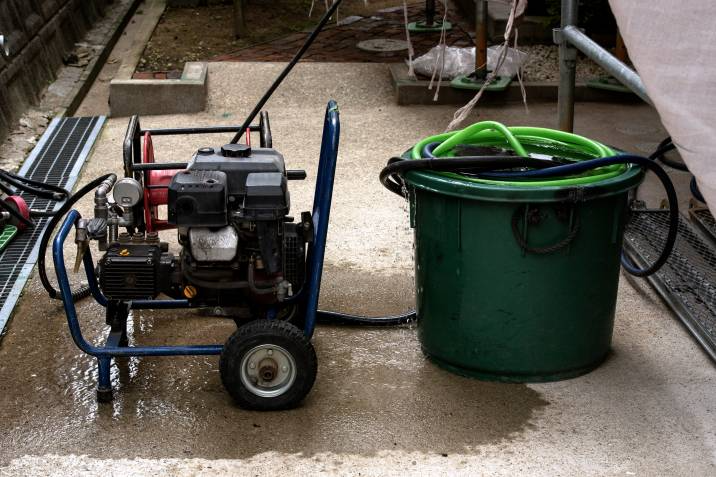 Gas pressure washer
This type of pressure washer is best for deep cleaning, as it delivers higher pressure. The downside is they are typically noisier, clunkier, and just like any tool that operates on an engine, at risk of overheating. It’s often used for:
Deep cleaning driveways, decks, or cement yards
Heavy-duty stain removal
Keeping work areas in production facilities clean (industrial type)
Cleaning large vehicles
Cleaning the exterior of your home, including awnings
2. Electric
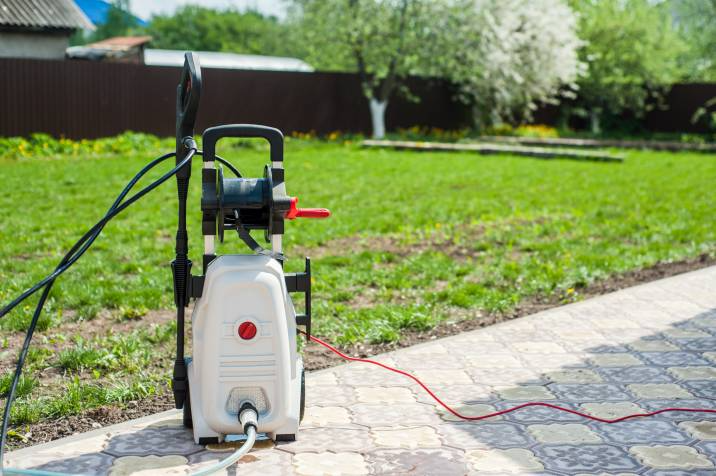 Electric pressure washer
Typically smaller than gas pressure washers, electric models produce lower pressure that’s suitable for regular cleaning rather than stain removal or deep cleaning. Because of lower pressure, they can be used for more extended periods—but keep in mind that you’d be restricted to the length of their power cord and hose.
Some of the most common uses are:
Cleaning wood decks, outdoor furniture, and pathways
Cleaning windows and fencing
Deep cleaning miscellaneous gear, like lawn mowers
3. Battery-powered
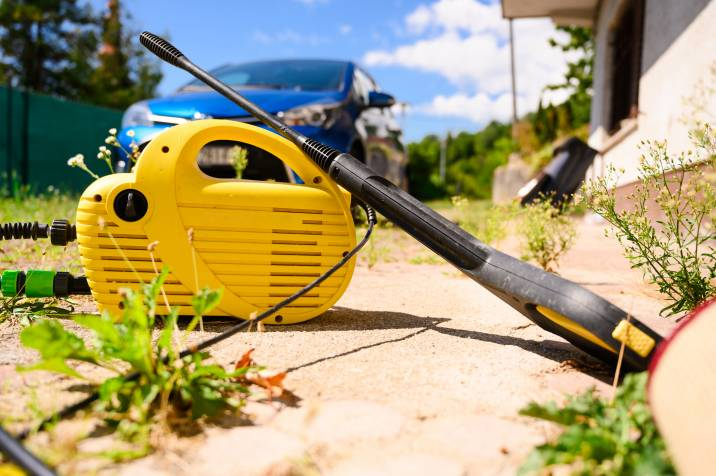 Battery-powered pressure washer
A battery-powered pressure washer is a compact tool that produces less pressure, so they’re great for lighter-duty tasks. Because it’s portable, you can virtually use it for anything—but keep in mind that it shouldn’t take the place of a full-size washer if you need deep cleaning. A battery-powered pressure washer can be used for:
Cleaning tiled bathrooms and showers
Cleaning sports equipment, from bikes to golf clubs
Flushing out gutters
Common pressure washer issues and what to do
Depending on the type you use, you might encounter instances when your pressure washer won’t work properly. Before handing it off to a professional for service or repair, simple maintenance and simple troubleshooting might do the trick.
Pressure washer won’t start
There may be several factors contributing to this case. The first thing you want to do is ensure that your pressure washer is in good condition to run. For gas pressure washers, this means checking that you have sufficient gas and engine oil and that the engine is switched on.
If you’re using an electric variety, verify that the pressure washer is plugged in appropriately to the source—you may just be dealing with a loose plug (or maybe a faulty outlet).
Meanwhile, if your battery-powered pressure washer isn’t working, you may have to recharge or replace your batteries and clean the connection.
A few more steps you can take to resolve this issue include:
Squeezing the trigger gun to release any pressure that has built up in the system.
Opening the fuel valve and choke in case of any blockages
Reconnecting a loose spark plug
Cleaning the carburettor in case it’s clogged
Pressure washer stops while in use
This is likely because your gas pressure washer needs to be refilled with oil or a dirty air filter needs replacing. Meanwhile, if you encounter this while using your electric pressure washer, check to see if the voltage is within the motor’s specified range.
Water leaks
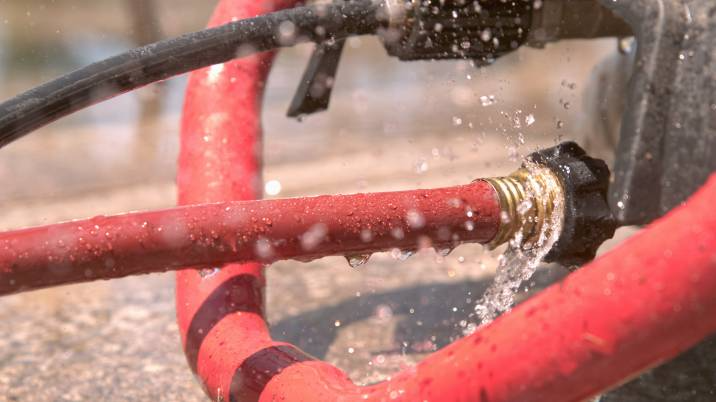
Do you notice water leaking out of the machine’s pump or spray wand? Check if there are any broken or loose seals and bolts. If the leak originates from the pump, also check the thermal release valve; if this valve is activated, it may cause water leaks. Wait five minutes before use, so the thermal release valve cools down enough.
If the water leaks come from the spray wand, the o-ring inside the hose connection may have been damaged. In this case, getting it replaced should eliminate the leaking.
Low to no pressure
Is the pressure washer not building pressure or not producing water output? It can be a cause of stress if your machine isn’t helping you clean as it should.
First, you want to check that you have enough water supply and that water flow isn’t being restricted—look for signs of any clogging, leaks, or kinks in the hose you’re using. You also want to inspect other parts of your pressure washer that could be blocked, such as the inlet, spray gun, and nozzle. You may have to clean them if you find any debris.
A dull or worn nozzle, or one that isn’t the right fit for your pressure washer, may also reduce pressure, so ensure that it’s attached properly or replace it if necessary.
Pulsing pressure
Another pressure-related problem you might face is when your pressure washer pulsates. It might be that there’s air in the system—in which case, you simply need to press the trigger on the spray gun until you see a consistent flow of water.
Pulsing pressure may also be due to obstructions, whether in the inlet, nozzle, or gun. A thorough cleaning of these parts should clear this up.
You might also have to adjust the power if you notice your engine or motor is fluctuating. Lastly, this issue might come down to a faulty or damaged pump. Your pressure washer should be serviced so that the pump can be repaired or replaced.
Pressure washer care
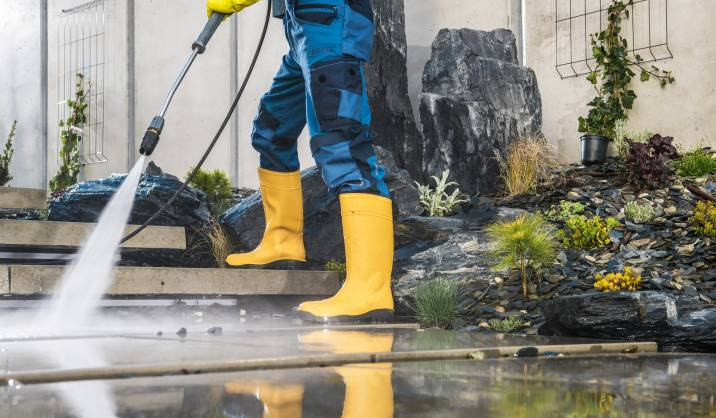
Especially if you’ve been using your pressure washer for some time, there are some issues you’re bound to encounter. However, a few good practices can keep your machine running smoothly and minimise wear:
Release compressed air from the system. Run the machine until the water stops flowing to purge compressed air.
Routinely check for any obstructions in nozzles, tubes, tanks, and hoses. It’s important to keep not only the exterior clean but also to ensure no debris can cause further damage later on.
Make sure to winterise your pressure washer by draining water and filling it with antifreeze before storage during cold seasons to keep the pump in good condition.
Keep your pressure washer in good condition
You’ve checked the nozzle, cleared the filters, and done everything right. But your pressure washer still won’t play ball. Sometimes the problem runs deeper than a quick fix can handle! That’s when it’s worth calling in someone who knows their way around pressure washers.
Instead of lugging your machine to a repair shop or waiting weeks for a quote, you can post a task on Airtasker and get a local pressure washer expert to come to you. Whether you need a repair, a full service, or just a second opinion on what’s wrong, Taskers can sort it quickly without the runaround.
Get it back in action and ready for your next big clean with Airtasker!
Related articles
 How-to Guide