How to Clean Wood Floors for a Spotless Finish
A step-by-step guide to cleaner, shinier floorboards.
Published on

Written by Genine T.
Staff Writer
Read more about our contributor
Key Facts
Sweep or vacuum wooden floors twice a week and damp mop monthly, or fortnightly in high-traffic areas.
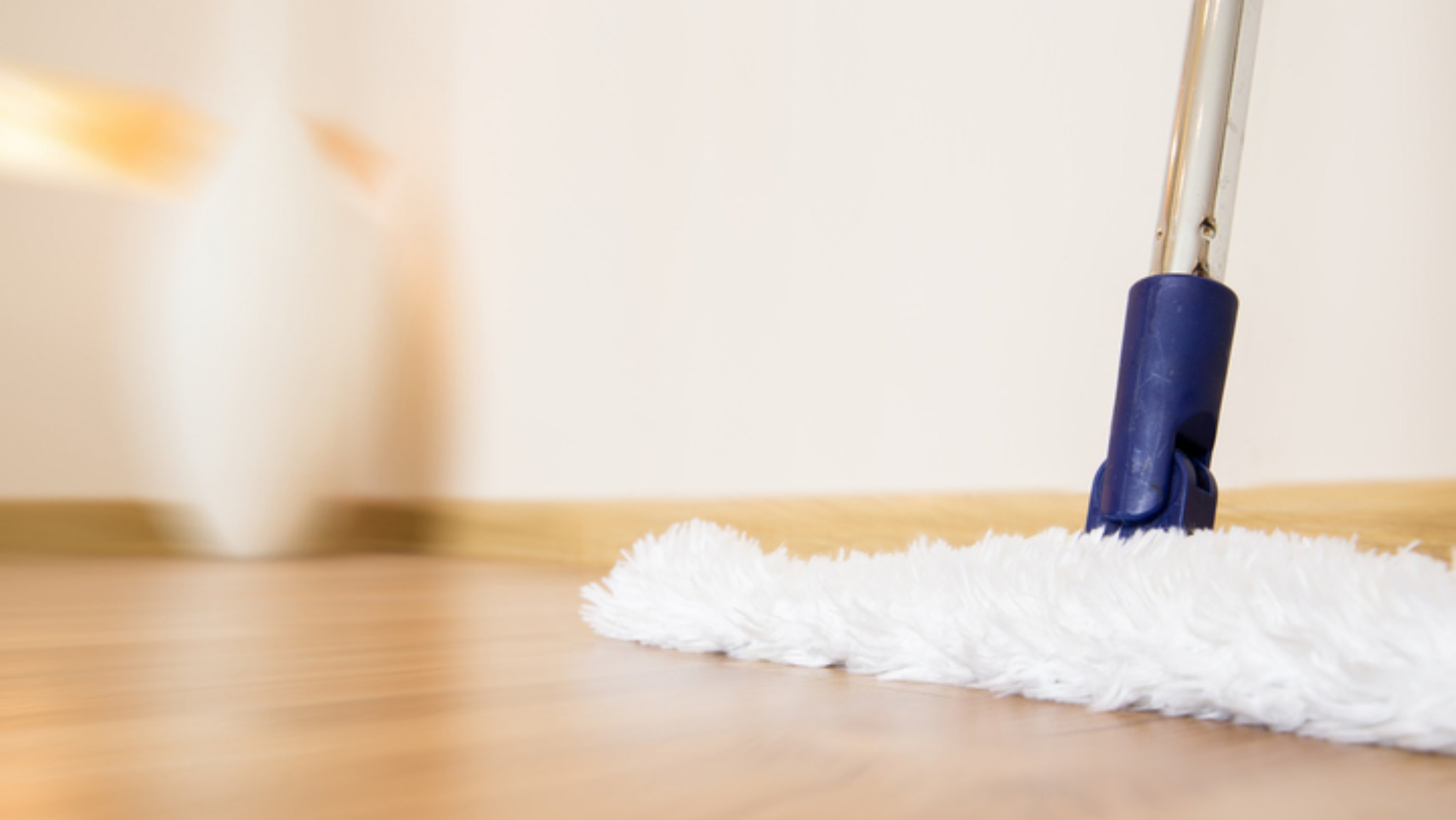
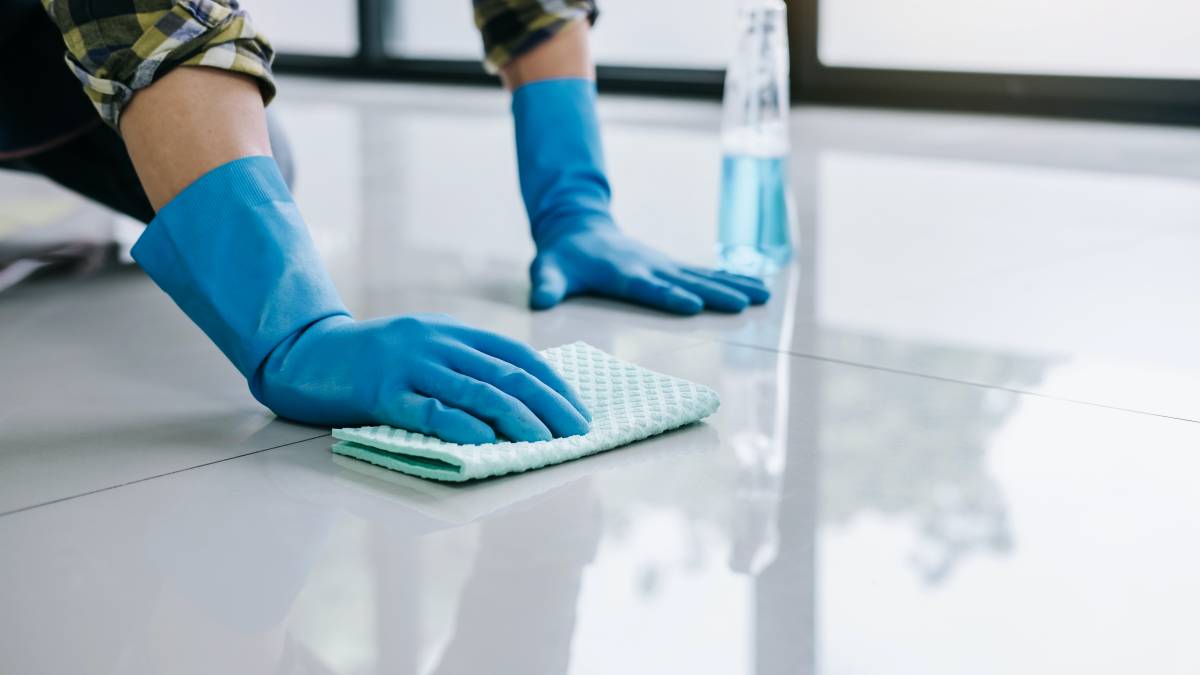
Mop along the wood grain with a slightly damp microfibre mop to prevent streaks and moisture damage.
Never use vinegar, harsh chemicals, or steam mops on sealed timber floors to avoid damaging the finish.
Timber floors are a favourite in Aussie homes, with 61% of Australians preferring them over tiles, carpet, and other flooring options. However, muddy shoes, grubby paws, and everyday foot traffic can quickly leave them looking dull and dirty. Over time, built-up dirt and grit can also scratch the finish, making it all the more important to know how to clean wood floors properly.
Ready to give your floorboards a freshen-up? This guide walks you through how to clean a wooden floor step by step, lift stubborn marks, and avoid common cleaning mistakes that could damage the finish. You’ll also pick up a few handy maintenance tips to keep them looking spick and span for longer.
What you’ll need to clean wooden floors
Before getting started, check your flooring manufacturer’s care instructions. Sealed, oiled, and unsealed timber floors have different cleaning requirements, so make sure your products and tools are suitable for the finish.
pH-neutral wood floor cleaner like Bona Wood Floor Cleaner to remove dirt and grime
Microfibre flat mop for gentle cleaning without soaking the floor
Vacuum or soft broom to remove loose dust, dirt, and grit
Spray bottle to apply a light mist of cleaning solution
Microfibre cloths for wiping, spot-cleaning marks, and drying damp areas
Plastic scraper to carefully lift dried-on residue without using metal blades
Since this guide focuses on sealed wood floors, steer clear of vinegar, which can gradually wear down the protective finish. Dishwashing liquid is also best avoided because it can leave a soapy residue that dulls the surface.
Step-by-step: How to clean wood floors
Before reaching for the mop, make sure you know what type of timber flooring you have. Some cleaning hacks you see online, particularly those involving vinegar or steam, can damage the finish or cause the boards to swell. The steps below focus on sealed timber floors, so it’s worth checking with a flooring professional if you’re unsure what type you have.
Step 1: Check if your floor is sealed
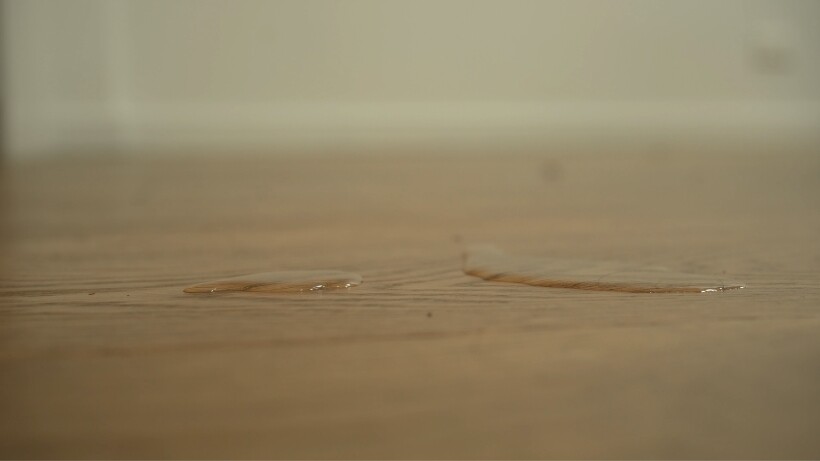 Place a few drops of water on the floor to check its finish
Before grabbing your mop, place three drops of water on a hidden spot on your floorboards and wait about a minute. If the water beads up, your floor likely has a protective finish. However, some oiled timber floors also repel water, so check your flooring paperwork or care instructions before damp mopping.
If the water soaks in and darkens the timber, skip the damp mop and stick to dry cleaning until you can identify the finish. Wipe away the test water straight after to avoid leaving moisture marks.
Step 2: Sweep or vacuum loose dirt
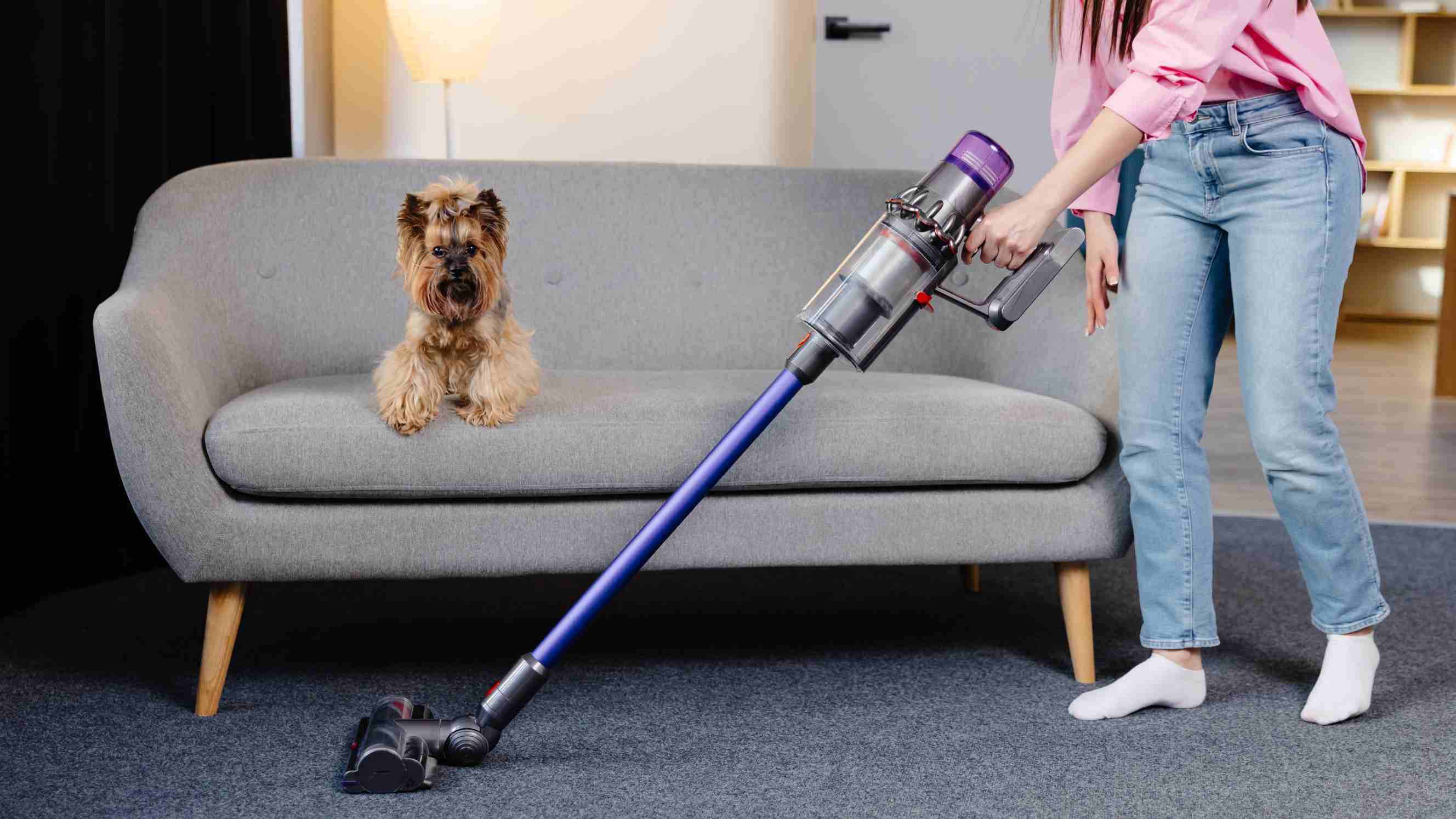
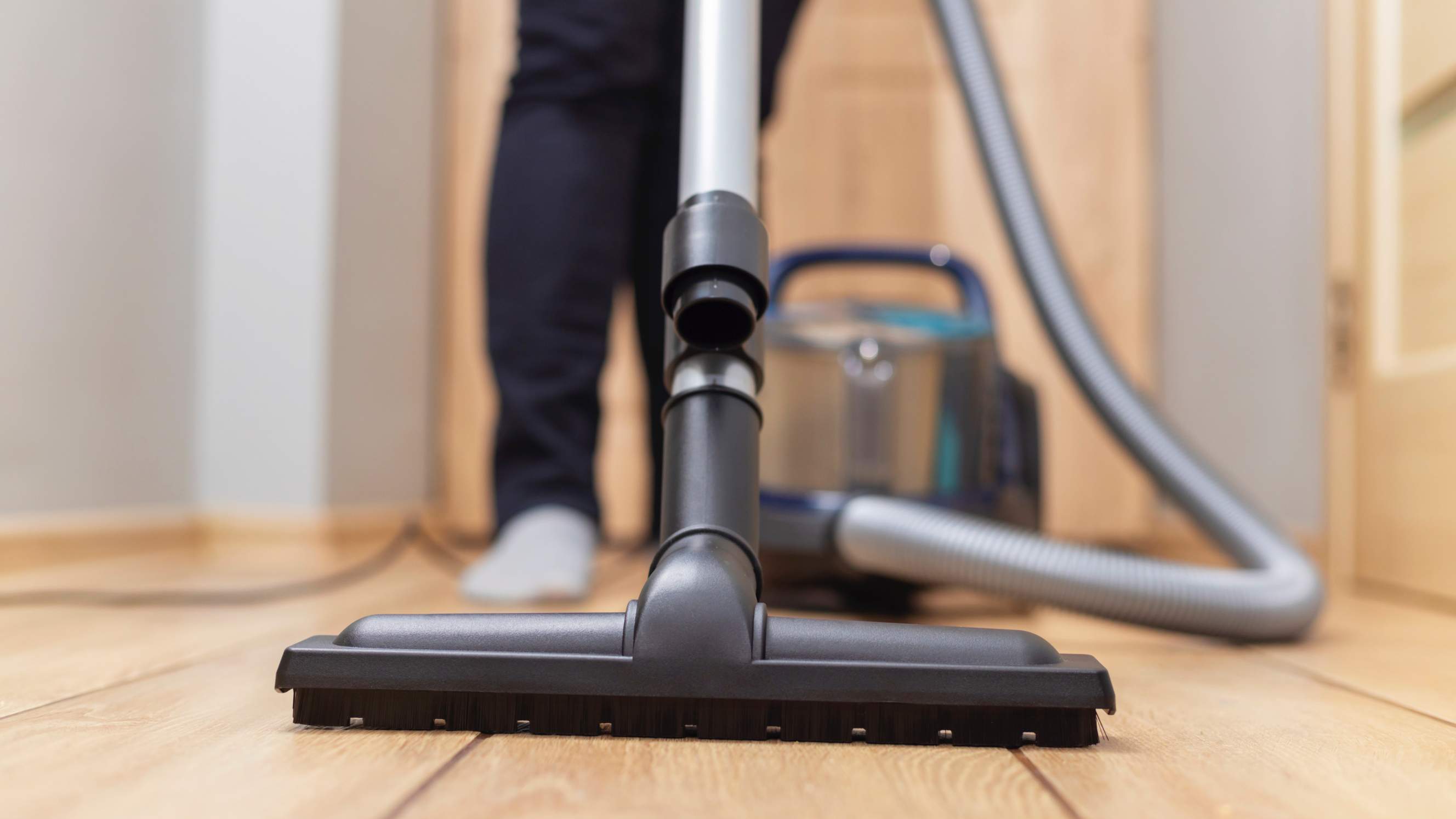
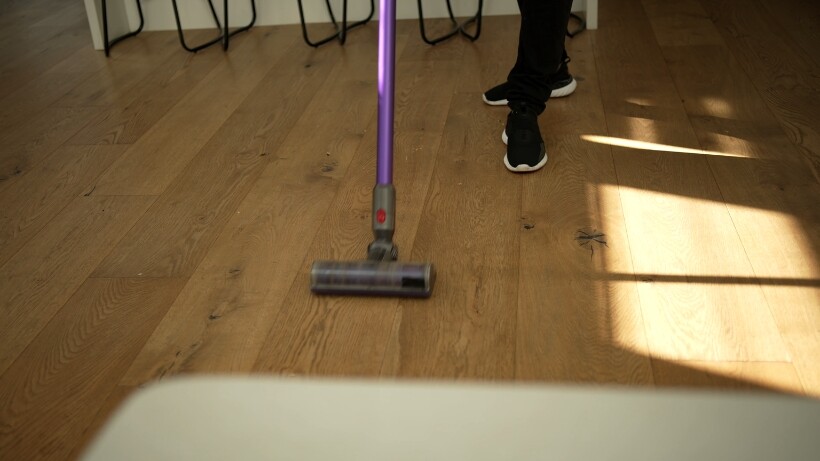 Vacuum loose dirt and debris before mopping
Start by sweeping the floor with a soft-bristled broom or vacuuming with a hardwood floor attachment. If you’re using a vacuum, switch off the rotating brush roll (also called the beater bar), as the stiff bristles can scratch the finish.
Pay extra attention to doorways and high-traffic areas where dirt and grit tend to collect. Even tiny particles can act like sandpaper underfoot, gradually wearing down the surface. Pick up larger debris by hand rather than dragging it across the floorboards.
Step 3: Spray the cleaner and damp mop the floor
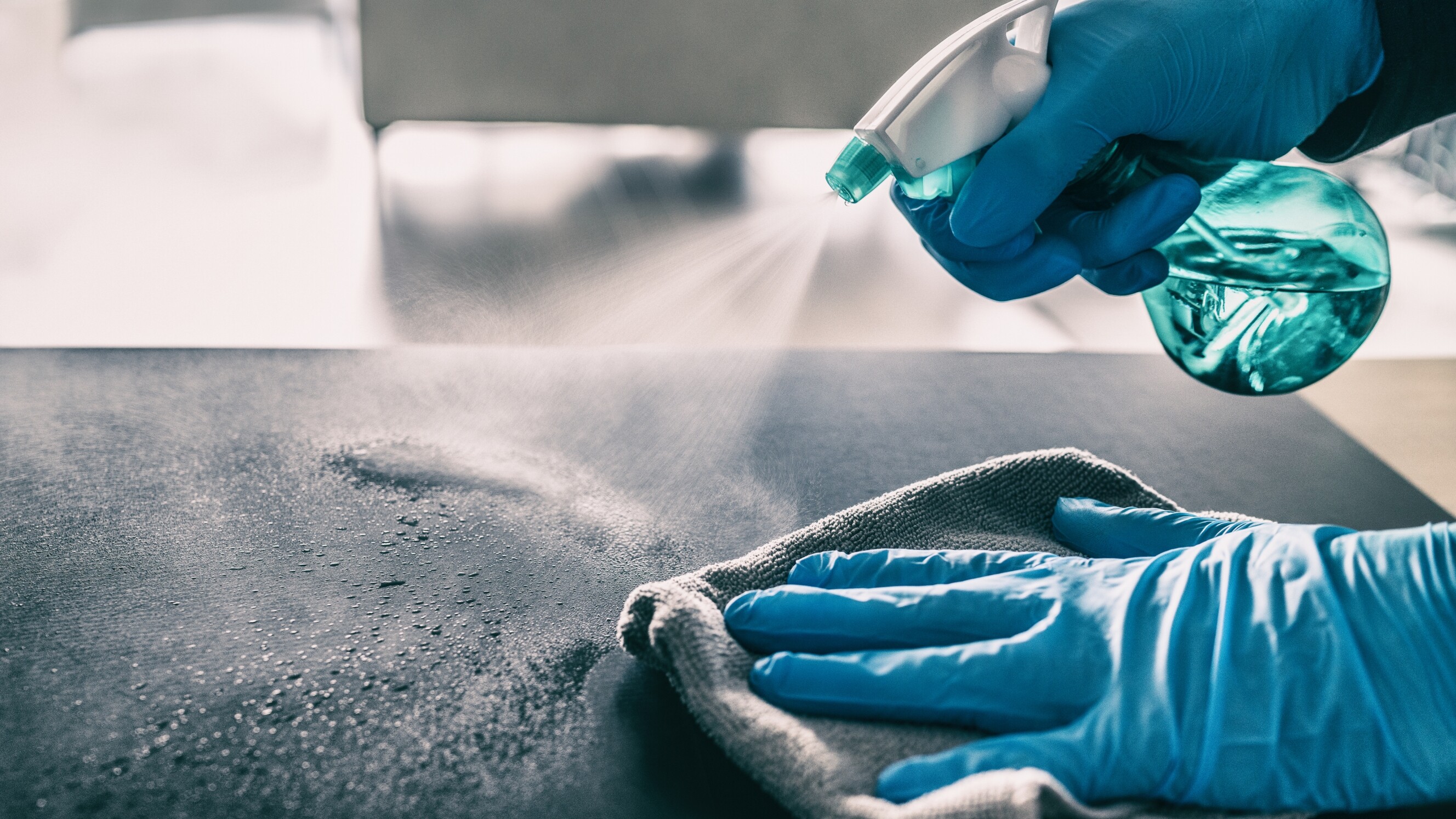
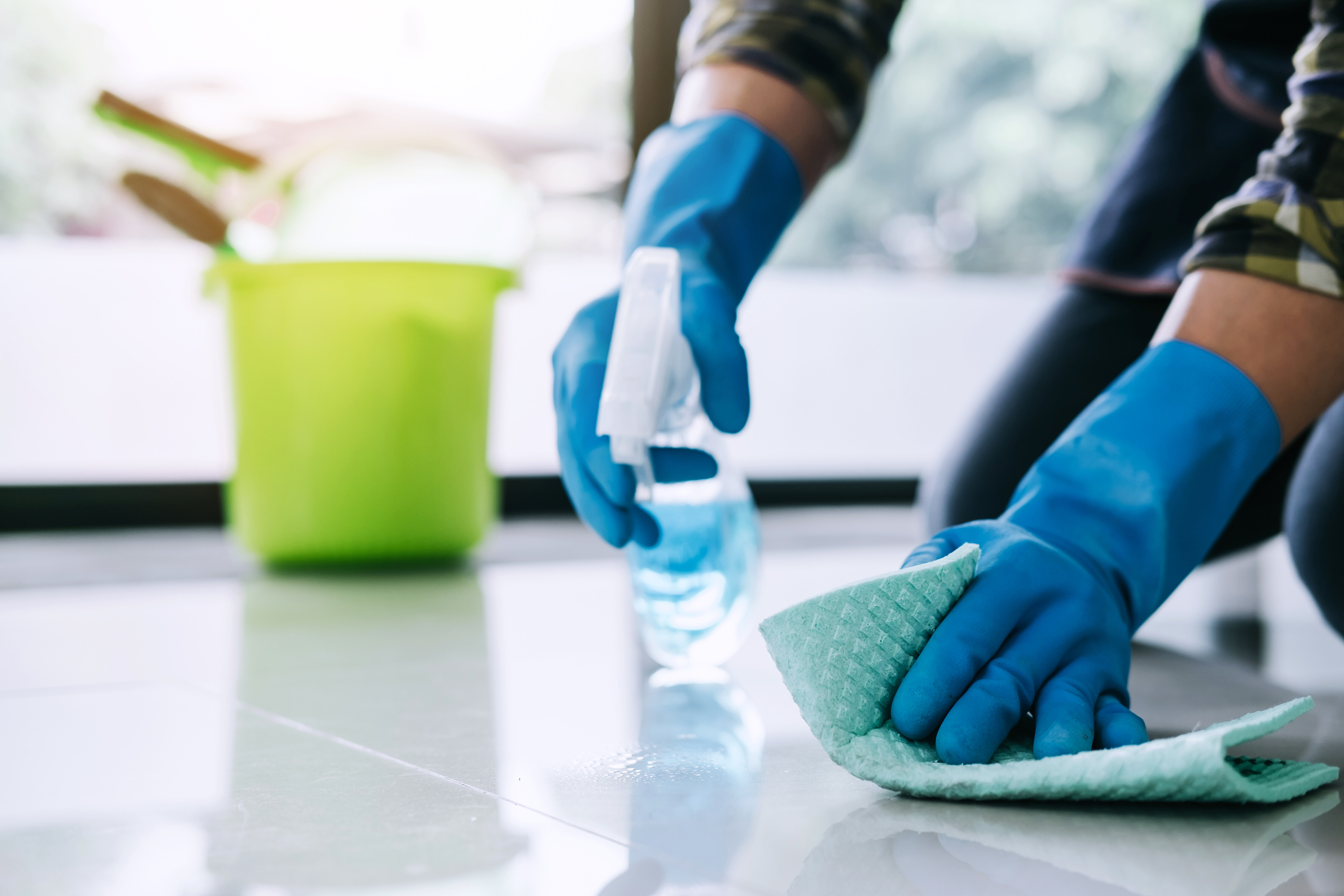
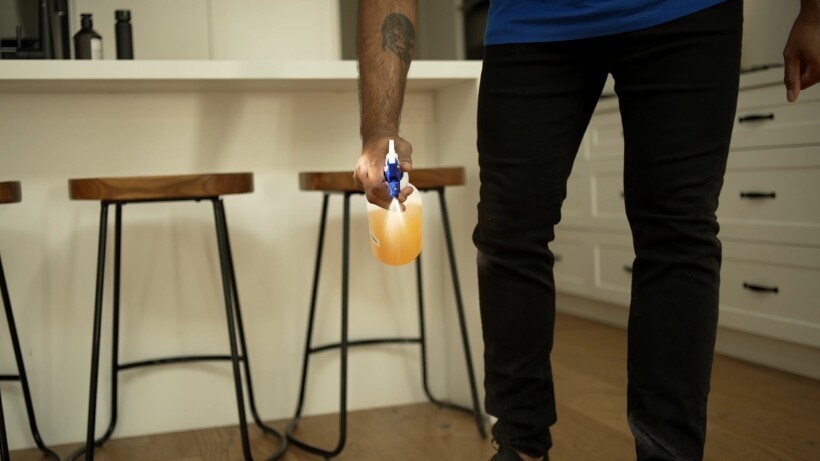 Lightly spray the cleaner onto the floor
Check the label on your wood floor cleaner before getting started. Products like Bona Timber Floor Cleaner and Cabot’s Wood Floor Cleaner are ready to use, while concentrates such as LOBA Cleaner and WOCA Master Cleaner need diluting with water. If the product allows spray application, pour the solution into a spray bottle and lightly mist a small section of your sealed floor.
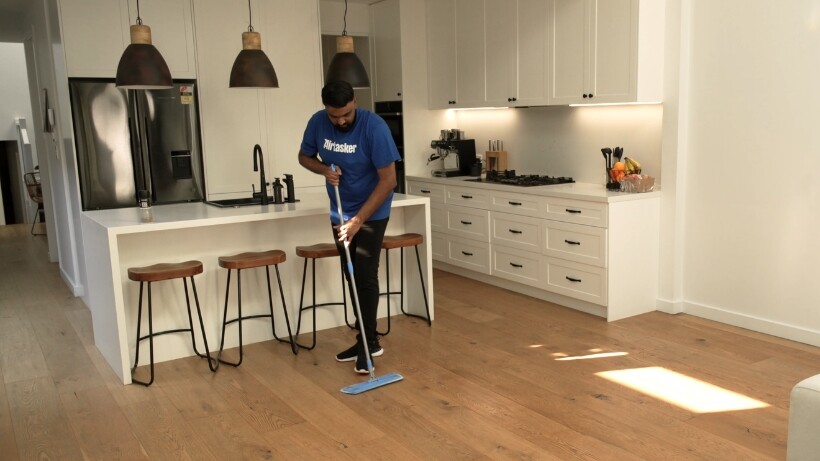
Using a slightly damp microfibre mop, wipe along the grain of the wood to lift dirt without leaving excess moisture behind. Avoid soaking the boards, as water can seep into the joints and cause swelling or warping. If moisture damage occurs, you may need a hardwood flooring expert to assess whether the boards need repair or replacement.
Step 4: Dry the floor thoroughly
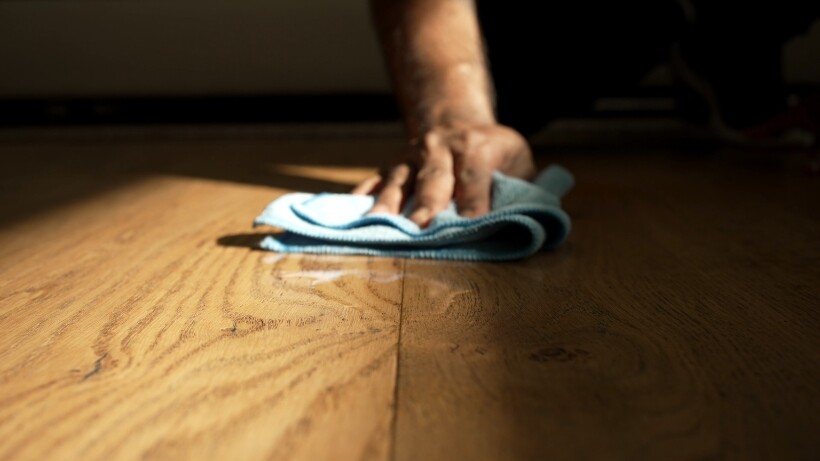 Dry the wooden floor with a microfibre cloth
Go over any damp sections with a clean, dry microfibre cloth or flat mop, wiping along the wood grain to remove excess moisture and prevent streaks. You can also open a few windows or switch on a fan to help the floor dry faster. Ideally, it should be dry within a minute or two before you walk on it or move furniture back into place.
Wooden floor maintenance tips you should know
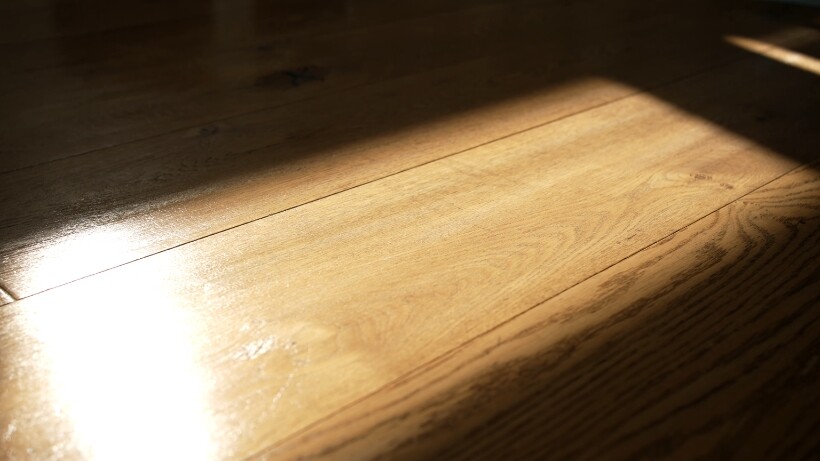 Keep wooden floors looking their best with regular care
As a general rule, vacuum or sweep your wooden floors at least twice a week to keep dust and grit under control. Give sealed floors a light damp mop about once a month, or fortnightly in high-traffic areas like hallways and kitchens. You may also need to clean more often if you’ve got pets or little ones running around.
Here are a few more ways to keep your floorboards in good nick:
Skip the steam mop: Steam can force moisture into the gaps between floorboards, potentially causing warping, swelling, or discolouration over time.
Add felt pads to furniture legs: Stick them under chairs, tables, and other furniture you move regularly to prevent scratches and scuff marks.
Pop doormats at entrances: Place mats inside and outside exterior doors to catch dirt, sand, and grit before they reach your timber floors.
Wipe up spills straight away: Use a soft, dry cloth to soak up spills before they leave stains or damage the finish.
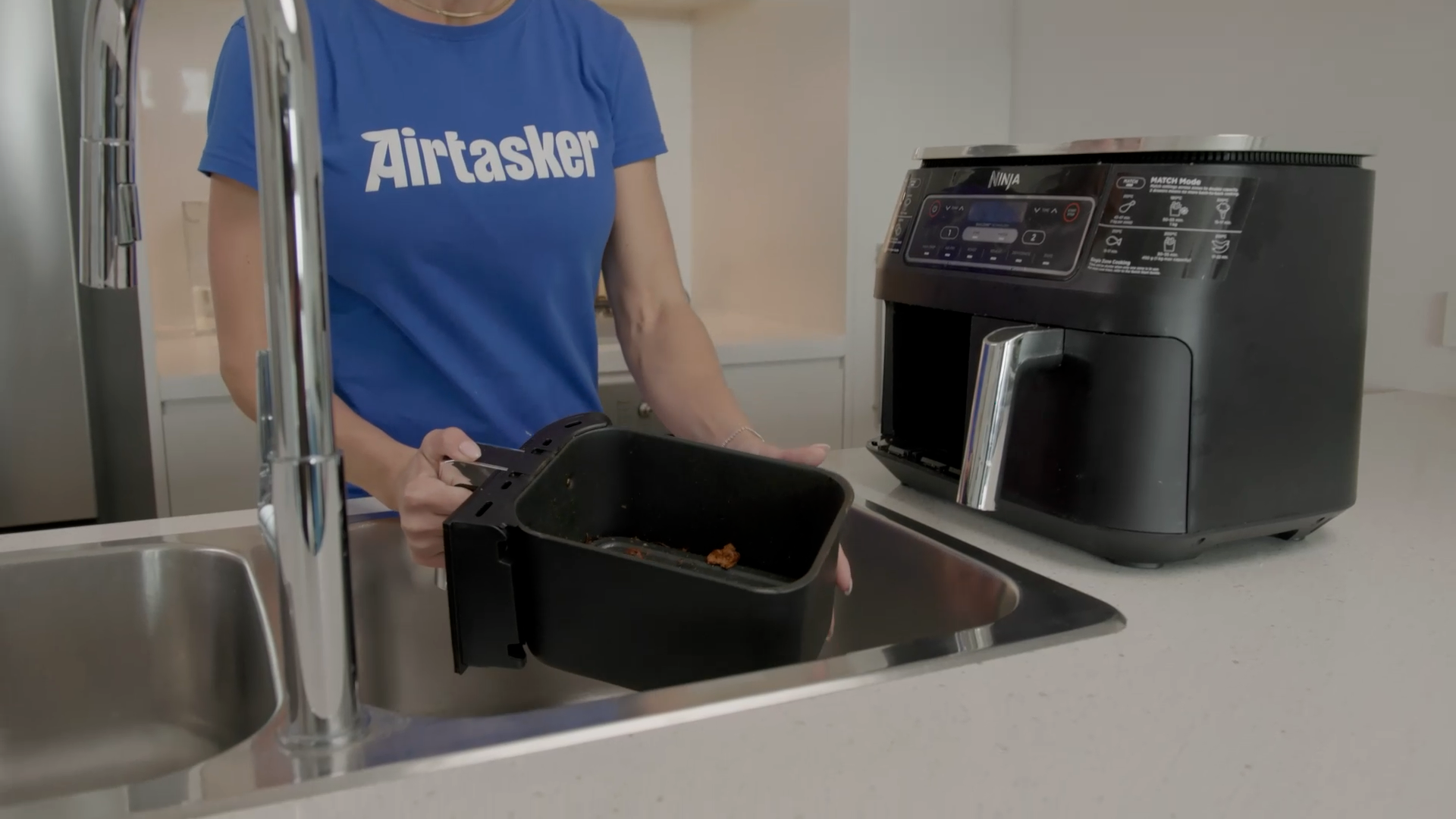
Keeping your floorboards clean is a good start, but other spots around the house could probably use some attention too. While you’re at it, why not degrease your range hood, remove those stubborn shower glass stains, or give your air fryer a proper clean as well?
Need a hand keeping your floors spotless?
Cleaning wooden floors is fairly straightforward, but stubborn stains, years of built-up grime, and large floor areas can make the job more time-consuming. If you’d rather put your feet up, post a task on Airtasker for professional cleaning help. Simply describe what needs cleaning, upload a few photos, and get offers from local Taskers.
While you’re at it, why not get a few other household jobs off your plate? From regular maid services to carpet cleaning and floor polishing, Airtasker can help you keep your home in good nick without spending your whole weekend cleaning.
Learn more about our contributors
Written by Genine T.
Staff Writer
Genine is a writer and educator with over seven years of experience. She has published peer-reviewed research papers, worked in academia, and created educational content for thousands of language learners. She discovered her passion for turning complex ideas into practical advice through writing about DIY topics like home improvement, furniture assembly, and household fixes. When she’s not writing, Genine enjoys curling up with her dogs and a good book.
Frequently Asked Questions
A pH-neutral cleaner designed for timber floors and a slightly damp microfibre mop are generally best for sealed wooden floors. Avoid harsh chemicals and excessive water, which can damage the protective finish.
It’s best to avoid steam mops on timber floors unless the flooring manufacturer specifically approves them. Heat and moisture can penetrate the joints, potentially causing swelling, warping, or damage to the finish.
Find cleaners, fast
Find a cleaner