How to Clean a Dishwasher and Keep It Running Like New
Dishwasher maintenance made simple for every household
Last Updated on

Written by Genine T.
Staff Writer
Read more about our contributor
Key Takeaways
Clean your dishwasher once a month, or every two to three weeks if you run it daily.
Always cross-check with your appliance manual before using vinegar and baking soda, as some brands may warn against it.
Persistent issues like slow draining, standing water, or lingering smells after cleaning are signs of deeper internal problems that routine cleaning will not fix.
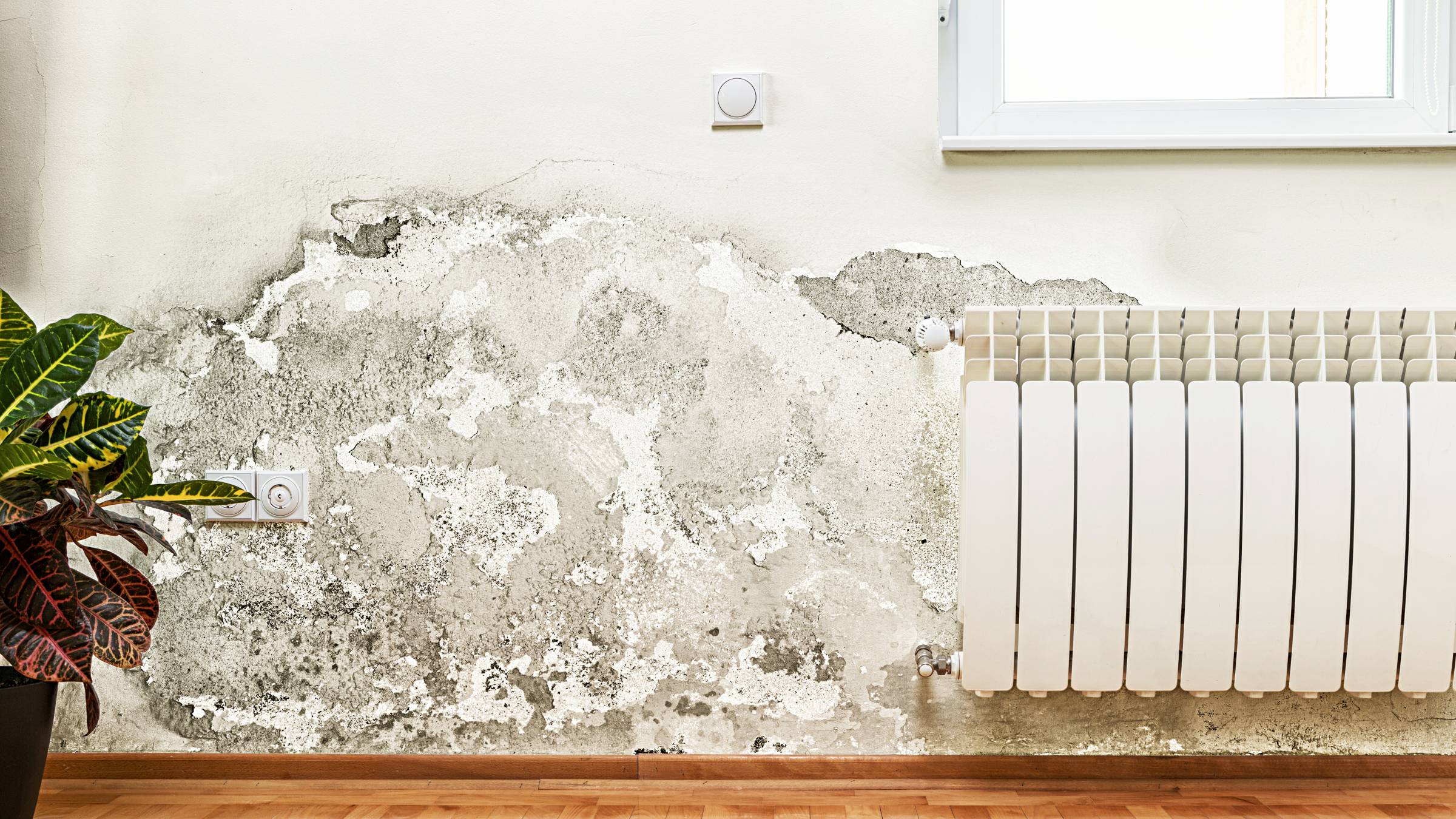
If you’re getting a sour, stale odour and slimy film even after a full cycle, you’ve probably got some pretty unpleasant roommates hiding in your machine. In fact, fungi and potentially pathogenic yeast are found in 7 out of 10 dishwashers, feeding off trapped moisture and food scraps, and coating your dishes in the process.
That same build-up can clog your filter, strain your pump, and put extra load on the motor if left too long. At that point, you’ll either book a tradie for a hefty call-out or scramble for a replacement. The good news is that knowing how to clean a dishwasher properly and regularly is the most effective way to stop it from getting there.
To help you out, this guide covers how to clean a dishwasher with vinegar and other pantry staples, the exact steps to follow, and when to book help to keep it running in good nick.
Preparation and things you’ll need to clean your dishwasher
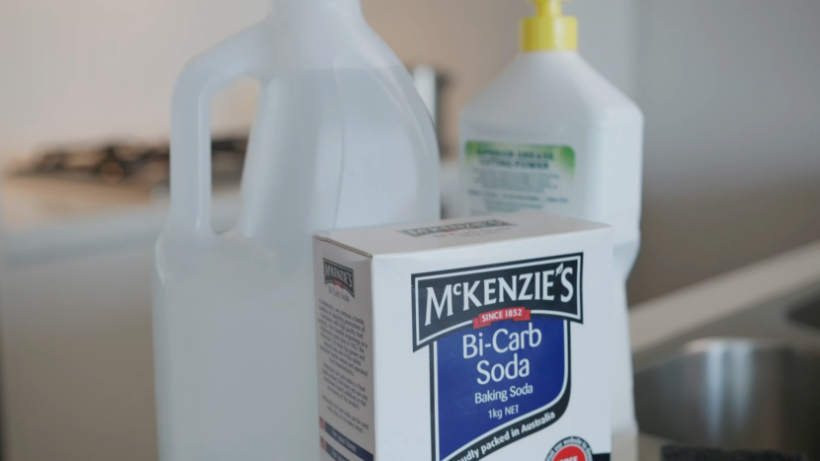 Prepare your dishwasher cleaning supplies.
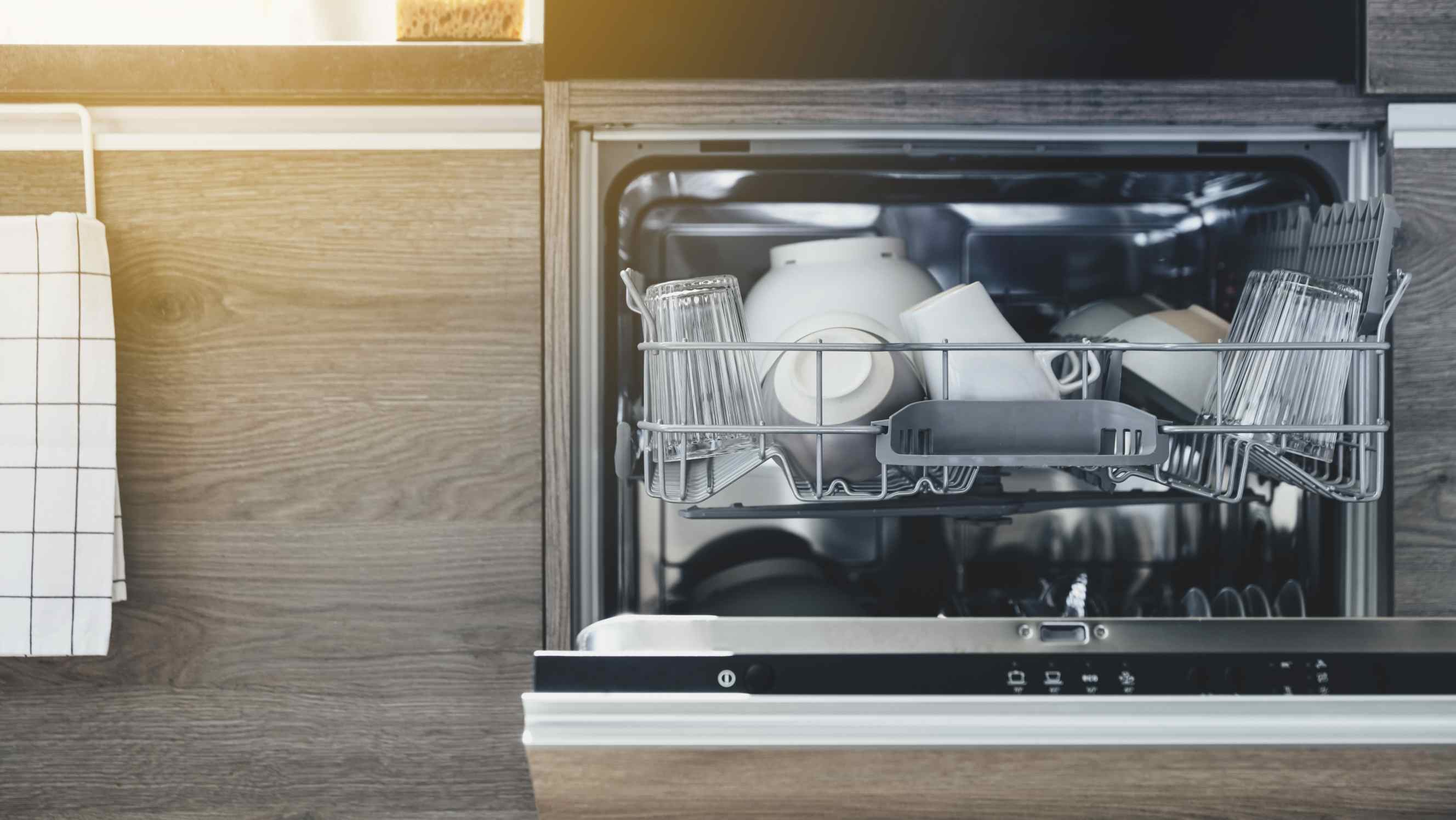
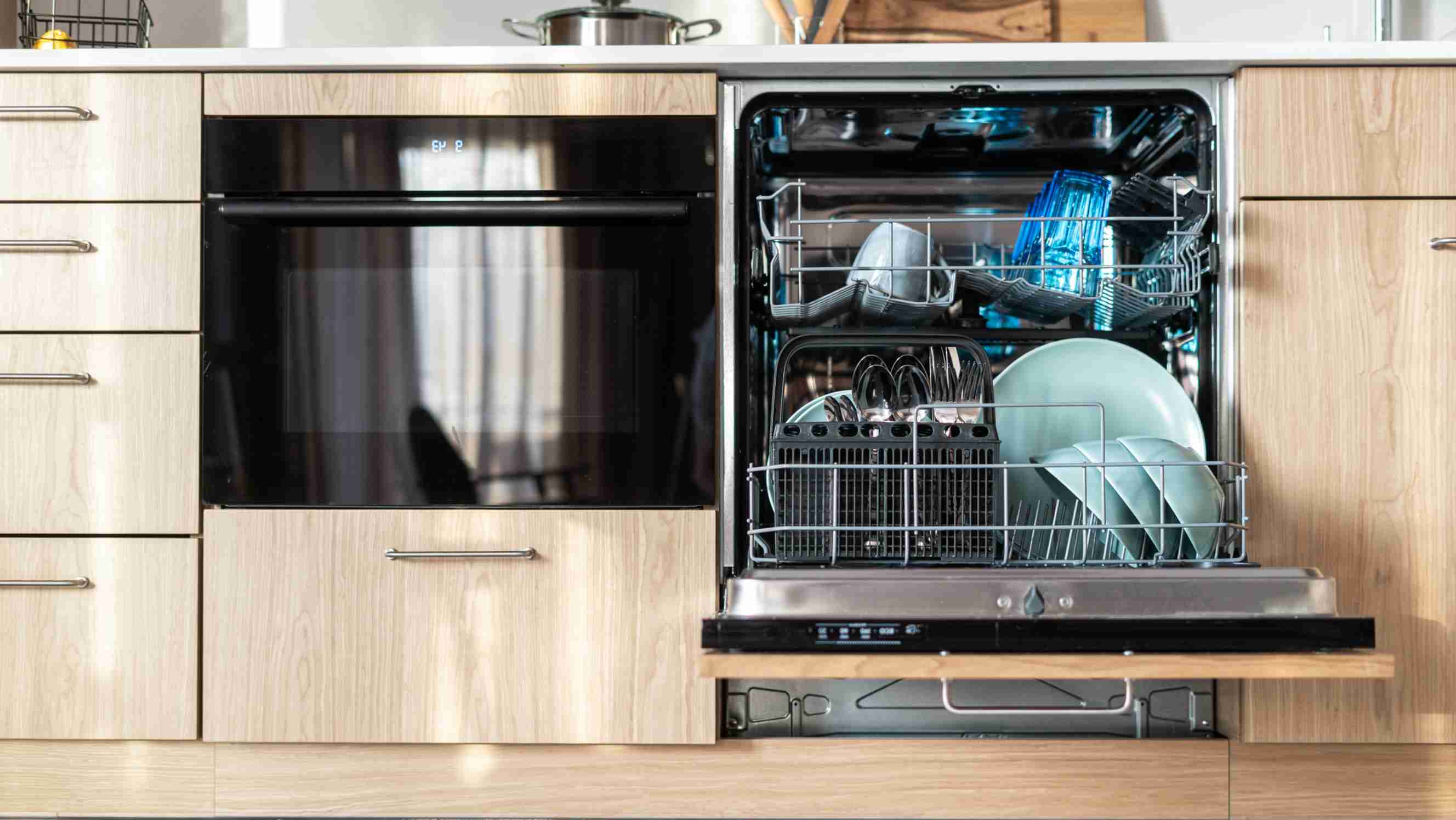
Before cleaning a dishwasher, make sure it’s completely empty. Remove the racks and check the drain basket for debris, such as plastic bread tags, fruit stickers, and odd bottle caps. With that sorted, gather the following items:
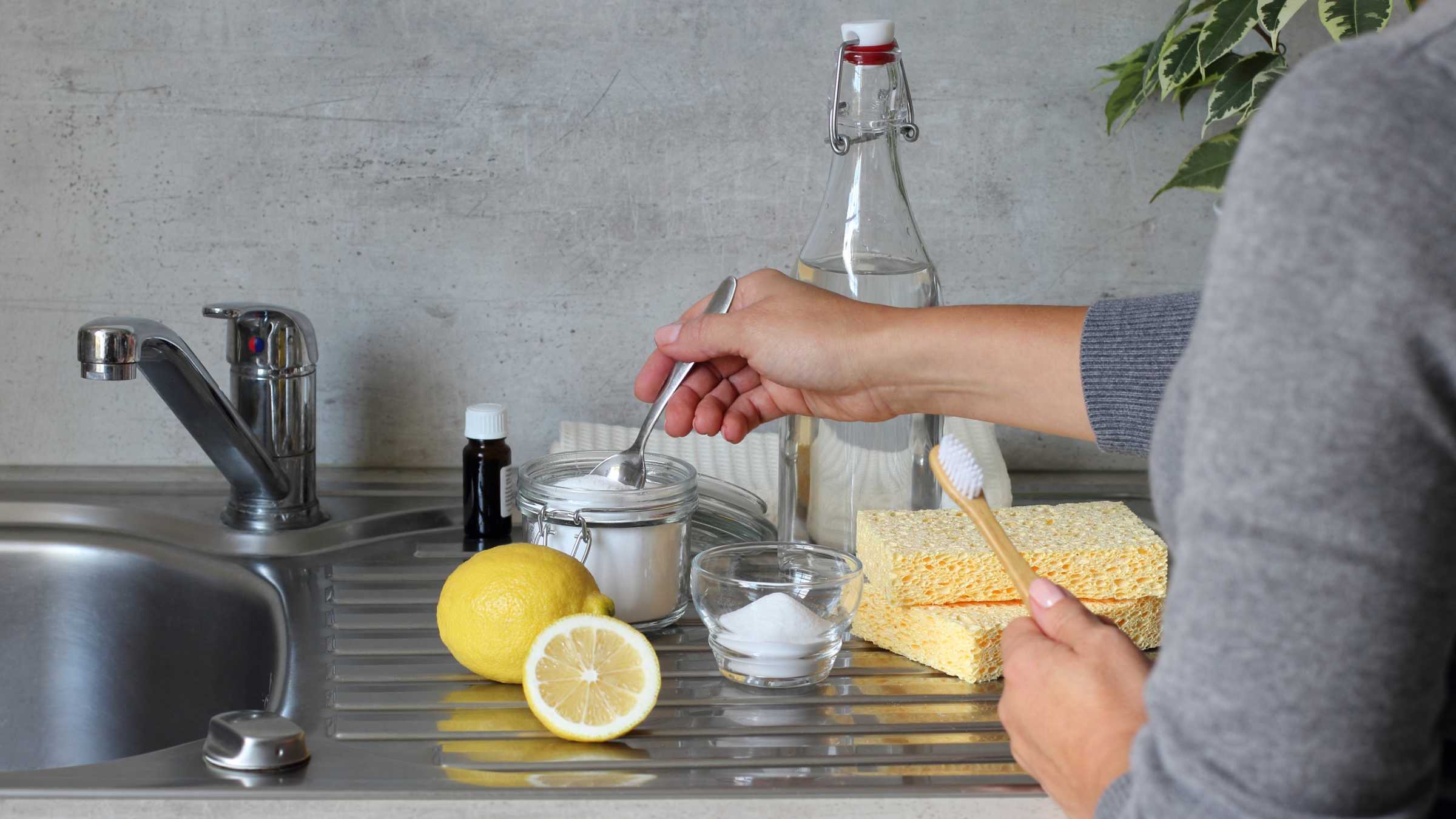
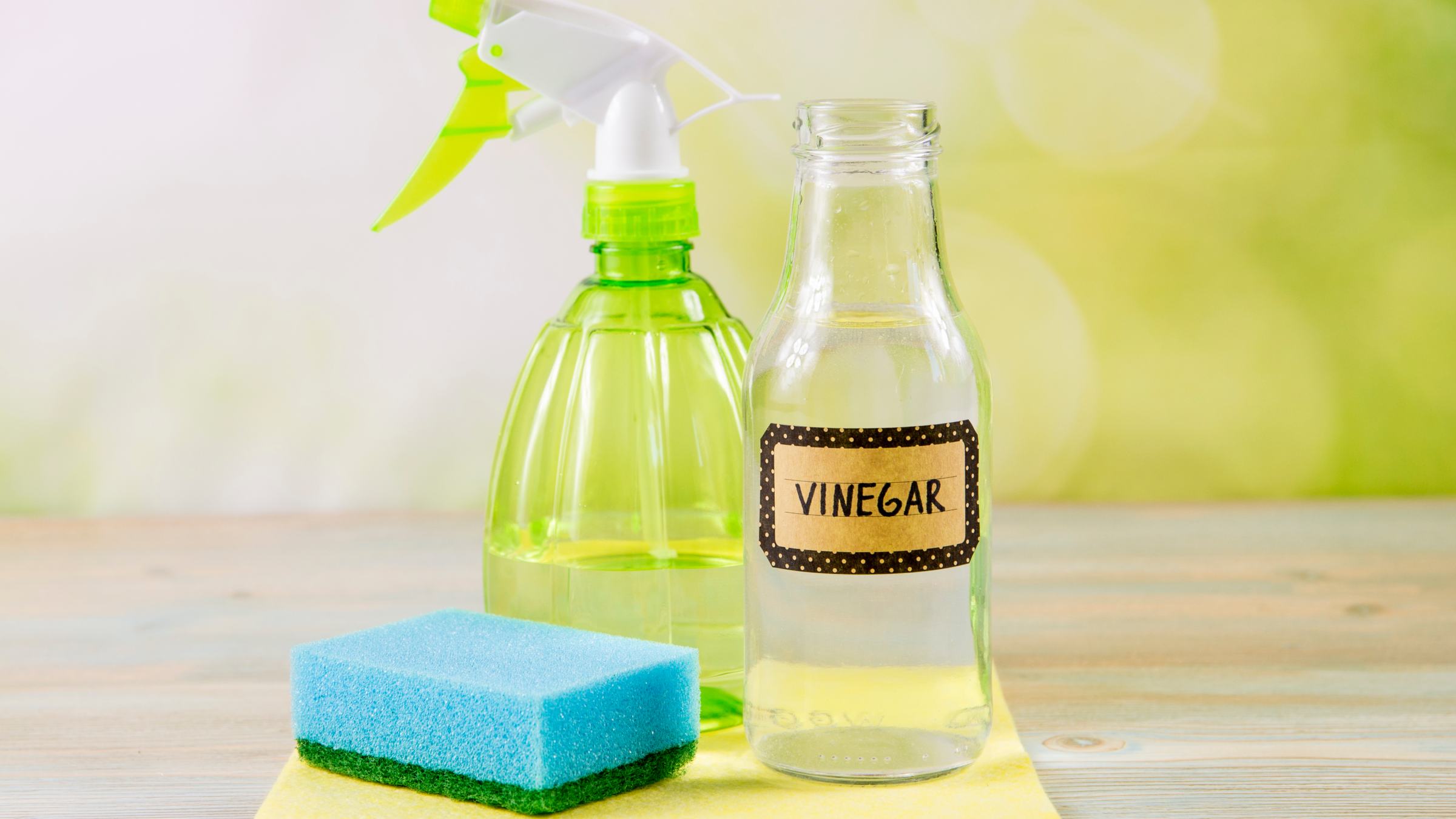
White vinegar for breaking down mineral deposits and neutralising odours
Baking soda for deodorising and lifting light residue
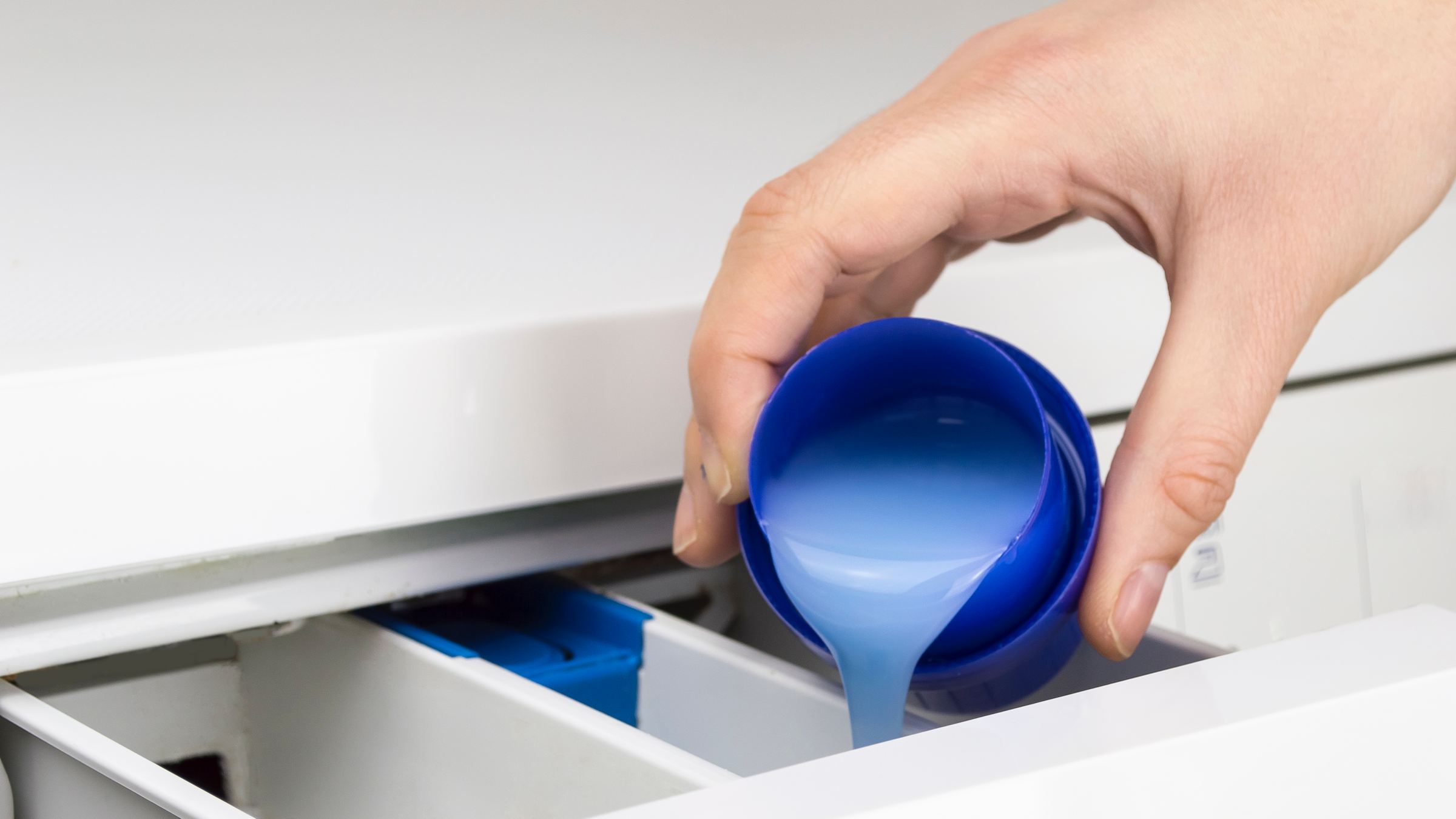
Dish soap, like Morning Fresh and Tandil, for cutting through grease
Hot water for loosening grease and improving cleaning
Soft cloth or sponge to clean without scratching
Paper towels for lifting grime and handling detail work
Dishwasher-safe bowl for holding vinegar during the cleaning cycle
The supplies above will suit most dishwasher types and models, though it’s always worth checking your manufacturer’s official dishwasher maintenance guide first. Some brands may have specific requirements around cleaning agents that could void your warranty.
A step-by-step dishwasher cleaning guide
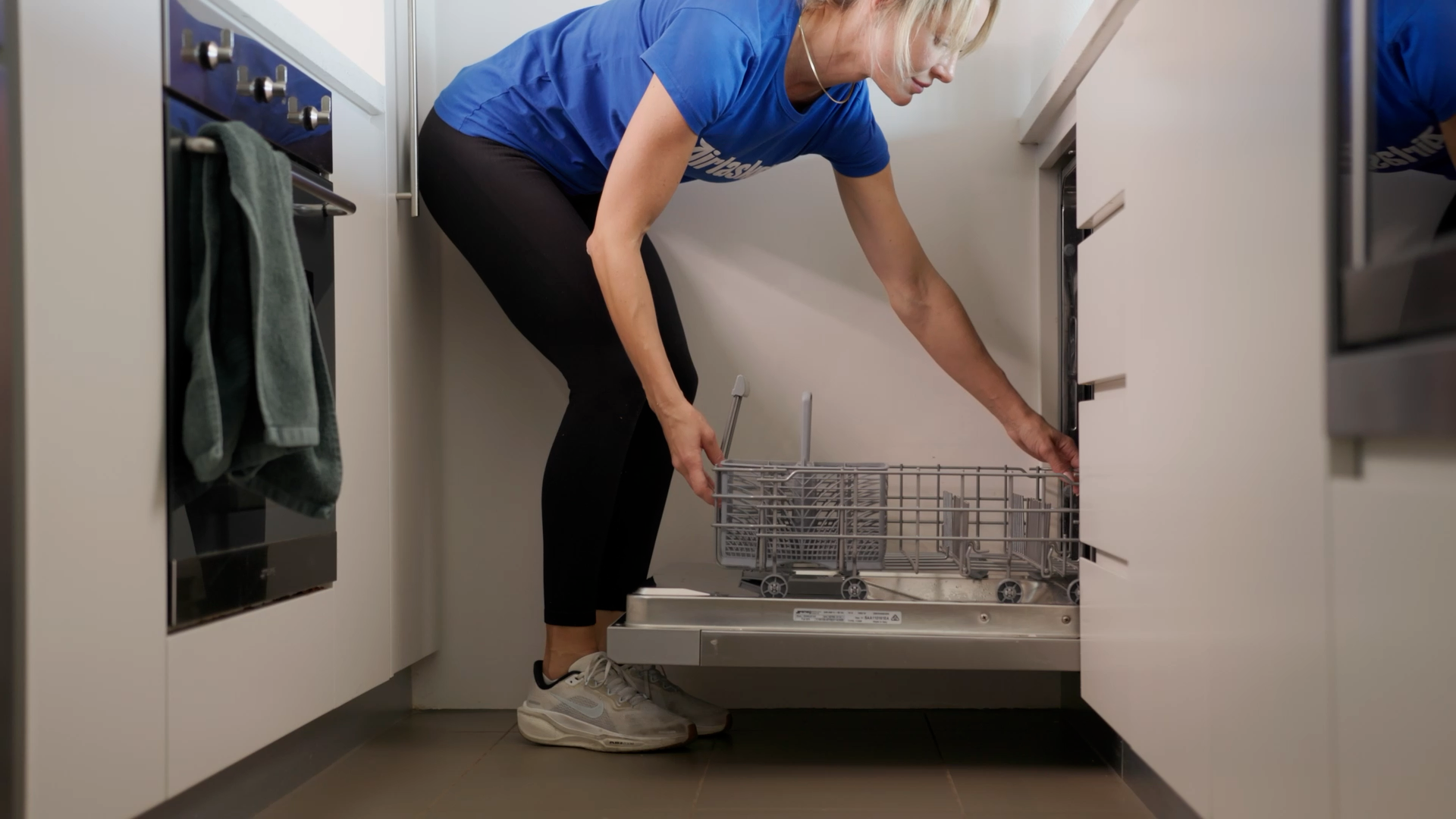
If it’s your first time learning how to deep clean a dishwasher, lay a towel on the floor in front of the door before you start. Since you’ll be taking parts out, it gives you a clean place to set them and catches any drips.
Step 1: Clear the debris
Pull out the bottom rack and use a paper towel to wipe away any gunk and stuck-on food sitting around the drain and filter area. Work in gentle circular motions from the outside in, and avoid pressing too hard as the base can scratch easily. If there’s pooled water or stubborn debris, soak it up first before wiping.
Tempted to use a sponge instead? Skip it, especially for heavy grease. Grease clings to the fibres and doesn’t rinse out properly, so you’ll just spread that musty smell around the next time you use it.
Step 2: Clean the filter
Twist the filter out from under the bottom spray arm and take it to the sink. Rinse it under hot water, then work dish soap into the mesh with a sponge. For tougher deposits, use an old toothbrush with gentle strokes. Avoid scrubbing too hard, as this can wear down the filter.
Before reassembling, inspect the spray arms and clear any clogged holes to stop grime from recirculating and restore water flow. For any calcified residue that won't budge, a quick spritz of vinegar solution should dissolve it. However, if the flow remains weak, it may be time to consult an appliance repair expert.
Step 3: Run a full cycle with vinegar
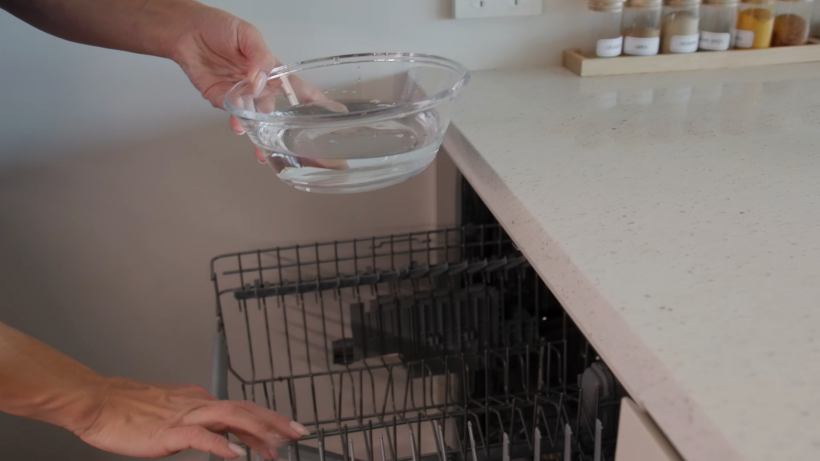 Ready your cleaning solution and run it on the dishwasher.
Vinegar is the go-to in most guides on how to clean a smelly dishwasher because it is affordable, easy to find, and effective at removing buildup and odours. Depending on your make and model, you can also use lemon juice, citric acid, or a commercial cleaning tablet.
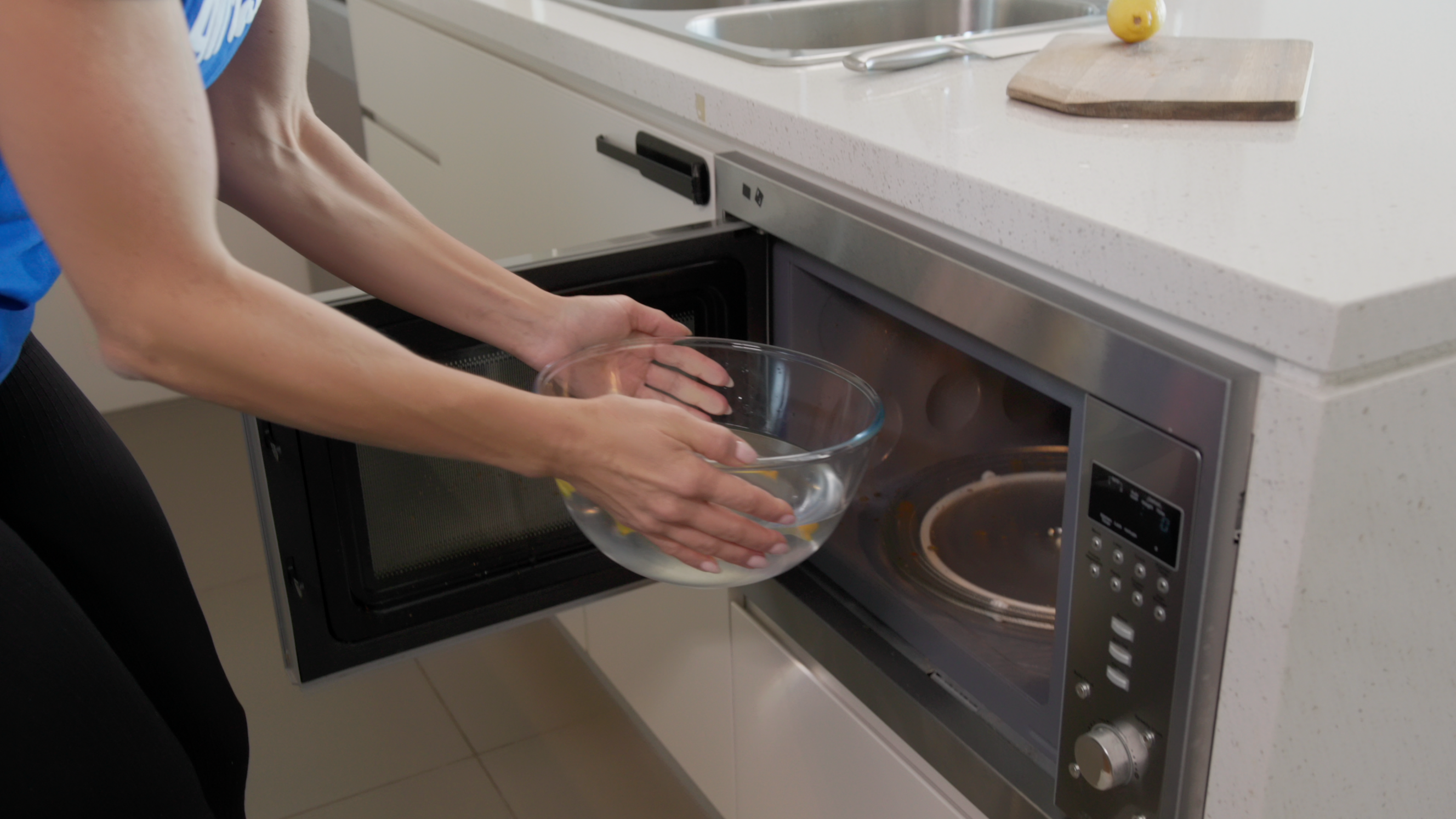
Pour two cups (500 ml) of white vinegar into a dishwasher-safe bowl and place it upright on the top rack. Run a heavy or intense cycle, ideally at 60°C or higher, to dissolve grime and limescale and freshen the machine.
Step 4: Use baking soda to deodorise the dishwasher
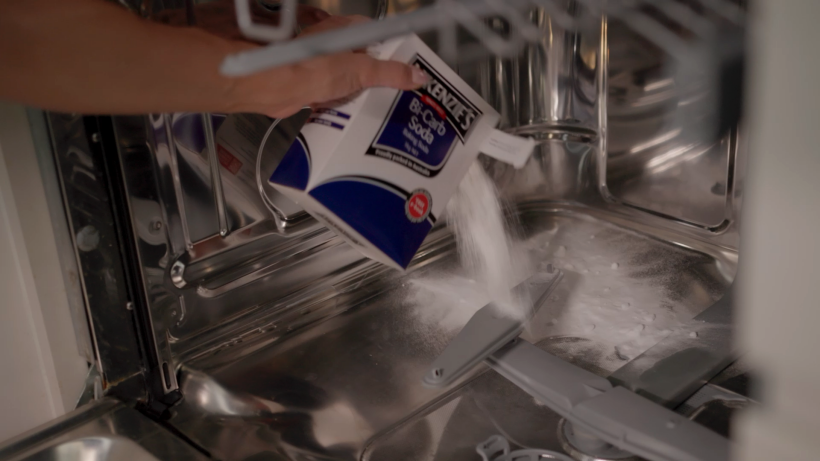
After the first cycle, sprinkle one cup of baking soda across the bottom of the dishwasher and run a short, hot cycle to deodorise the machine. Baking soda acts as a mild abrasive, helping clean dishwasher surfaces gently and brighten the stainless steel without causing damage. This step is especially recommended for kitchens with humidity above 60% to prevent mould and musty odours.
If you’re looking up how to clean a dishwasher with vinegar and baking soda, you might see advice to combine them. However, do not do this. They react to each other as a base and an acid, cancelling each other out and reducing their cleaning effectiveness.
Step 5: Clean the exterior
Use a damp cloth to wipe the control panel and remove sticky residue and fingerprints. If you’ve got glass touch panels, lightly spritz the cloth with rubbing alcohol for a streak-free finish. For plastic buttons, use a dry toothbrush to gently clear out crumbs or debris around the edges.
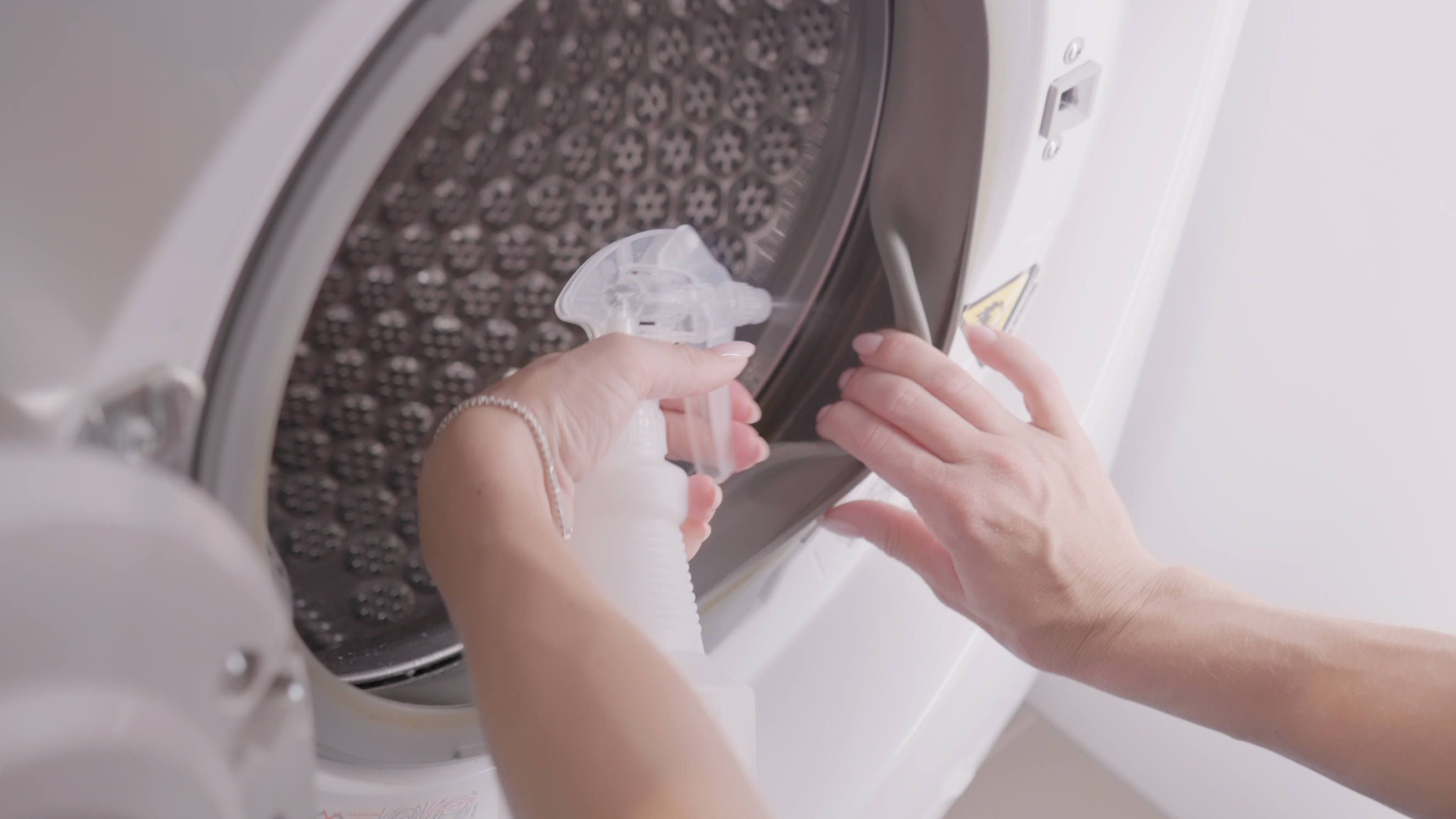
Next, clean the rubber gasket around the door. Avoid harsh chemicals as they can dry out and crack the rubber. Instead, use dish soap for general cleaning, white vinegar for limescale, or diluted bleach if you spot mould.
Dishwasher maintenance tips you should know
 Know how to maintain your dishwasher to keep it running smoothly.
Once you know how and what to use to clean dishwasher parts, the rest comes down to a few simple maintenance tips.
Scrape plates before loading: Knock scraps into the bin and check for bones, peels, or pits before placing dishes in.
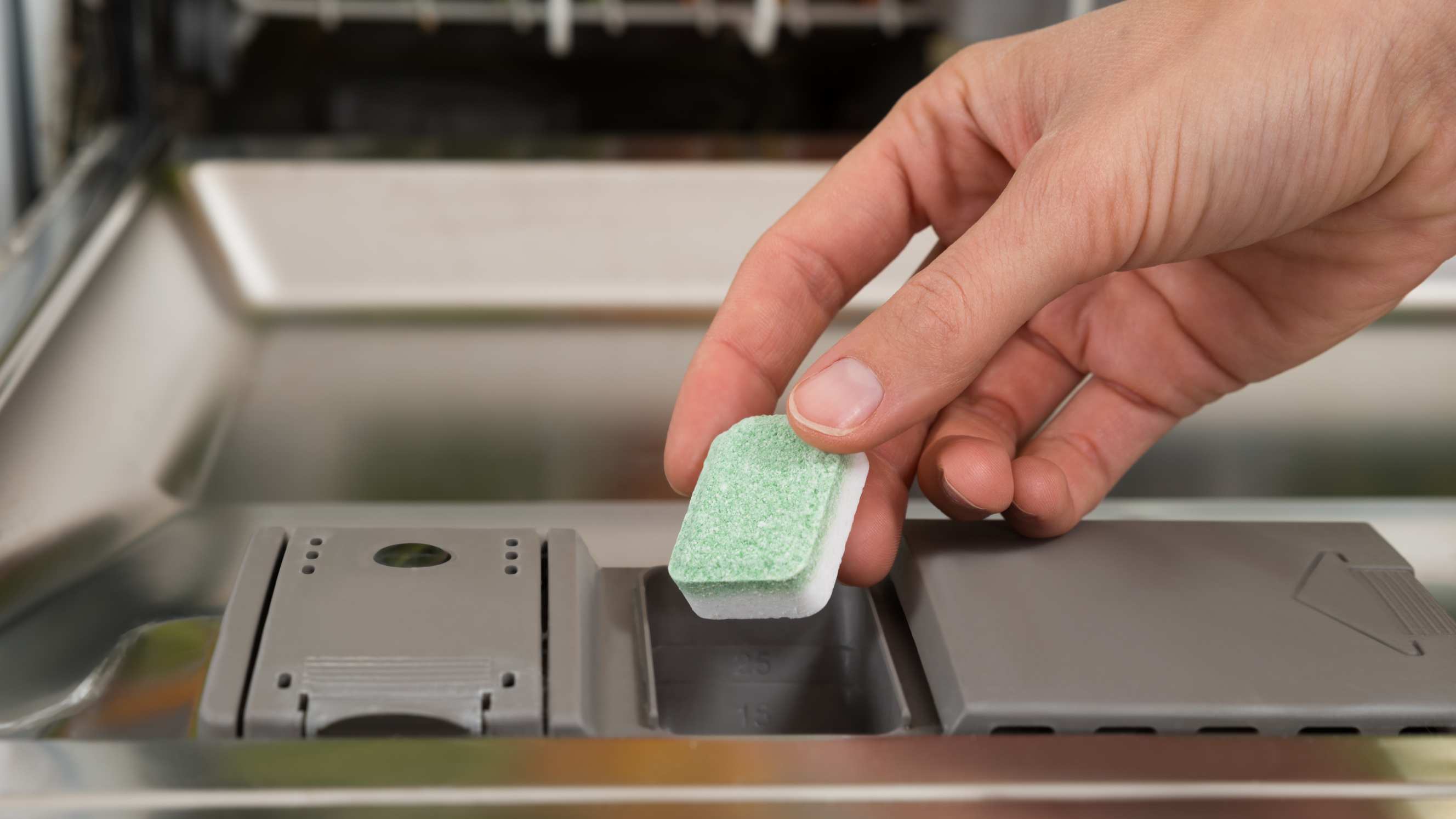
Run a light interior clean weekly: Run an empty hot cycle with a dishwasher tablet or powder on your hottest setting to flush out stubborn deposits.
Clean the filter monthly: Check that water runs through freely with no trapped debris and food particles.
Use baking soda after busy days: After back-to-back loads or greasy dishes, clean the dishwasher with baking soda to neutralise acidic food residue.
Keep the door slightly open after cycles: Leave the door ajar for 10 to 15 minutes after each run to let moisture escape.
If cleaning does not fix slow draining or persistent smells, the problem is likely a clogged drain hose, a failing pump, or a damaged seal. These are not beginner-friendly fixes, and attempting them without the right tools or training can cause more damage or void your warranty. Book a professional dishwasher repair service instead to get it sorted safely.
Keep your dishwasher in shape
As you can see, a clean dishwasher doesn’t have to be a chore in itself. Stick to a regular routine, and you’ll notice the difference in performance, smell, and longevity. And since most of what you need is already in your kitchen cupboard, there’s really no excuse to put it off.
Want to get it sorted without lifting a finger? Airtasker makes it easy to find a local cleaner who can handle it for you. You can even bundle it with other jobs around the house, like washing machine installation, oven repair, or a regular maid service. Less effort on your end, more time for everything else!
Learn more about our contributors
Written by Genine T.
Staff Writer
Genine is a writer and educator with over seven years of experience. She has published peer-reviewed research papers, worked in academia, and created educational content for thousands of language learners. She discovered her passion for turning complex ideas into practical advice through writing about DIY topics like home improvement, furniture assembly, and household fixes. When she’s not writing, Genine enjoys curling up with her dogs and a good book.
FAQs on cleaning a dishwasher
For most households, a full clean once a month is enough. If you run it daily, aim for every two to three weeks. Understanding how often to clean a dishwasher will depend on how much you use it.
Use both, but not at the same time. Vinegar cuts through grease and limescale the same way it descales a kettle, while baking soda handles the odours. Run them in separate cycles for the best results.
Homeowners sometimes skip learning how to clean a dishwasher filter and spray arms properly, even though these are usually the main sources of bad smells and poor drainage. Some also wait too long between cleans, allowing grease and food particles to accumulate.
A well-maintained machine should consistently outperformhand-washing, leaving no food stains, streaks, or cloudiness. If you’re noticing spots or leftover grime, it may be time to clean the filter and spray arms.
Watch for lingering smells, grimy door seals, spotty dishes, or slow draining. These are easy to fix with regular cleaning and far cheaper to address early than paying for appliance repairs later.
Find cleaners, fast
Find a cleaner