How to clean an air conditioner and keep it running well
A practical cleaning guide for aircon filters, coils, and grimes.
Published on

Written by Genine T.
Staff Writer
Read more about our contributor
Key Takeaways
A dirty aircon works harder, costs more to run, and pushes dust, mould, and bacteria straight into your living space.
Clean your aircon filters every 1 to 3 months for general use, or every 4 to 6 weeks if you run the unit daily, have pets, or live with smokers.
Aside from the filters, regularly clean the vents, coils, and outer casing to keep the unit running efficiently.
How do you clean an air conditioner properly, and how long has it been since yours was last serviced? A well-maintained air conditioner should cool properly without strange smells, weak airflow, or spiking power bills. But with regular use, dust and debris can build up inside the system, affecting both performance and indoor air quality.
Since heating and cooling can account for up to 50% of household energy use, a struggling air con unit can also make a noticeable difference to your power bill. So before you start searching things like “how do you clean an AC” or assume it needs replacing, this guide walks you through the signs to watch for and when it’s best to call in a professional cleaner instead.
Why it’s important to regularly clean your air conditioner
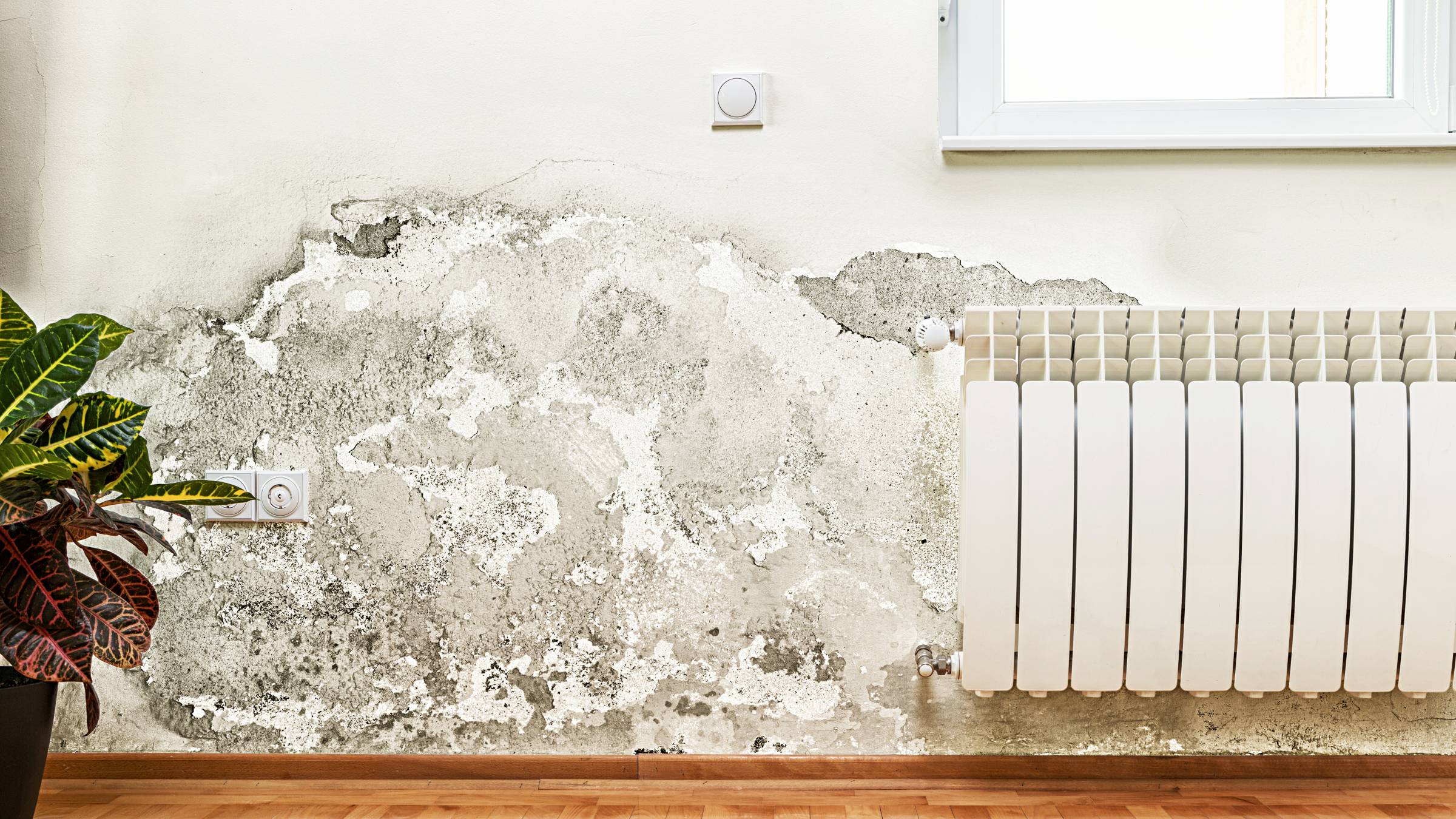
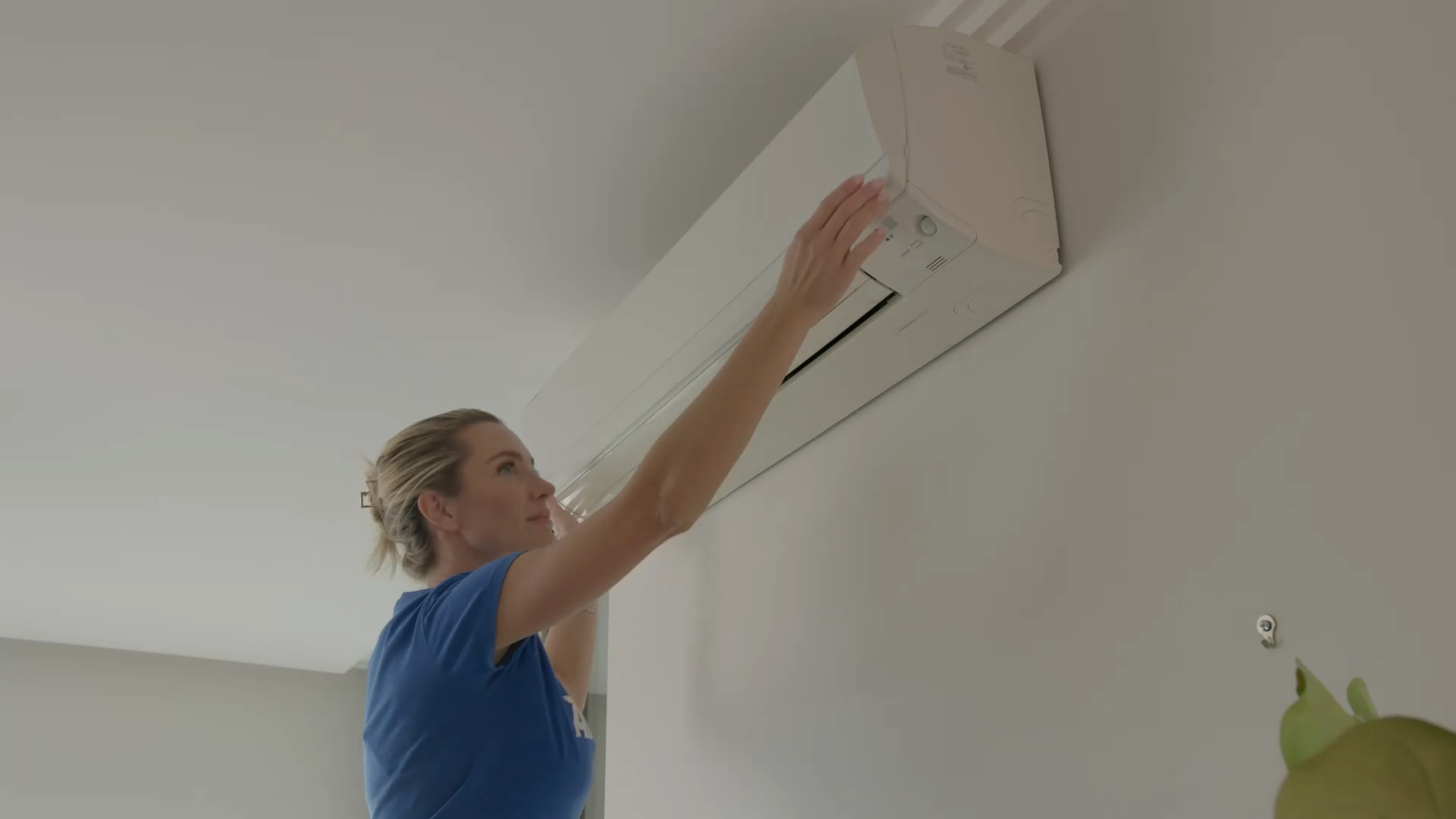
 Regular air conditioner cleaning maintains indoor air quality.
A dirty air conditioner has to work harder to push air through clogged filters and dust-covered coils, forcing the system to run longer and less efficiently than it should. Over time, that extra strain may lead to frozen coils, overheating, higher energy bills, and costly air conditioning repair issues that maintenance could have prevented.
Performance aside, a dirty air conditioner can also affect your indoor air quality. In fact, the Australian Building Code Board identifies moist or unclean HVAC components as a major source of indoor air contaminants, including mould, bacteria, pollen, and dust mites. So without regular cleaning, you’re looking at worsened allergies, asthma flare-ups, sinus irritation, and persistent headaches.
Tools and materials to prep
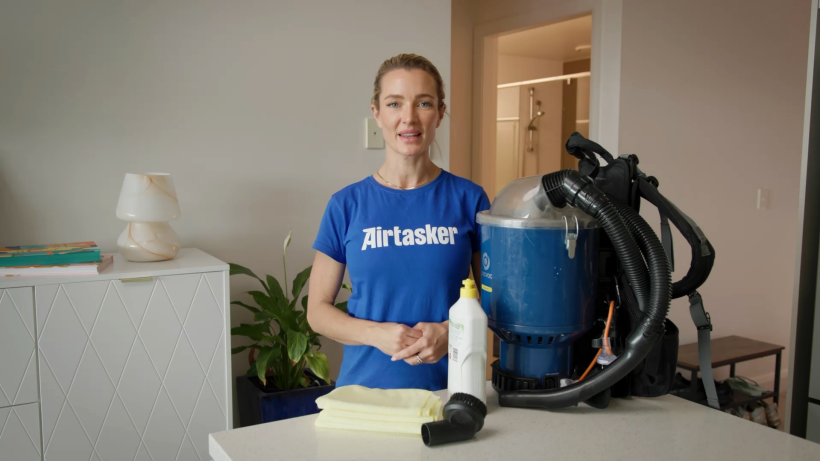 Ready your tools to get started with air conditioner cleaning.
 Before cleaning the AC system, protect the area underneath first. Move any furniture, electronics, or rugs away from the indoor unit, then lay down garbage bags or old towels on the floor and wall beneath it to catch any drips or falling dust. Once that’s sorted, grab the following:
Microfiber cloth for wiping down surfaces without scratching
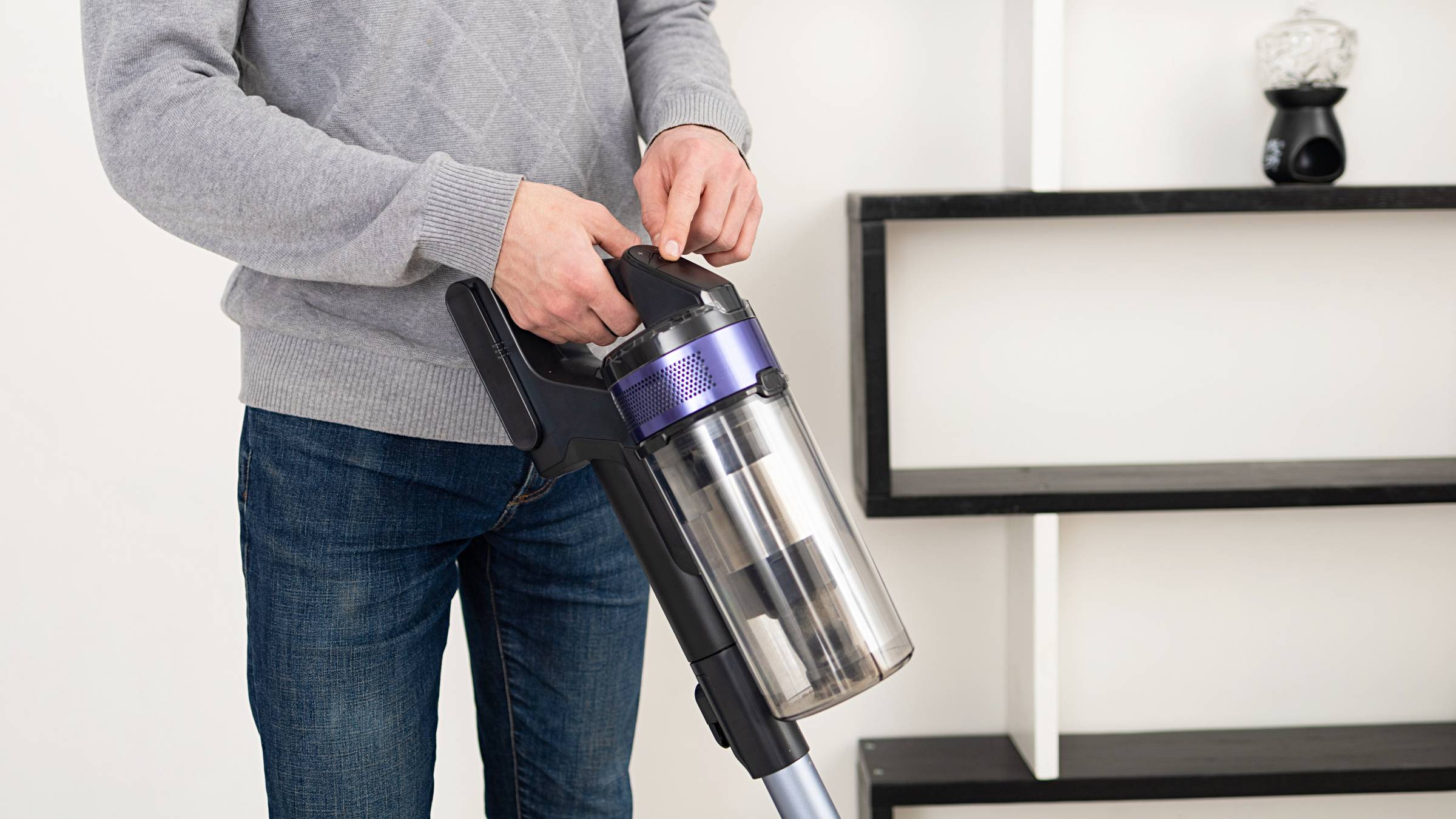
Vacuum with a soft brush attachment for lifting dust from filters and vents
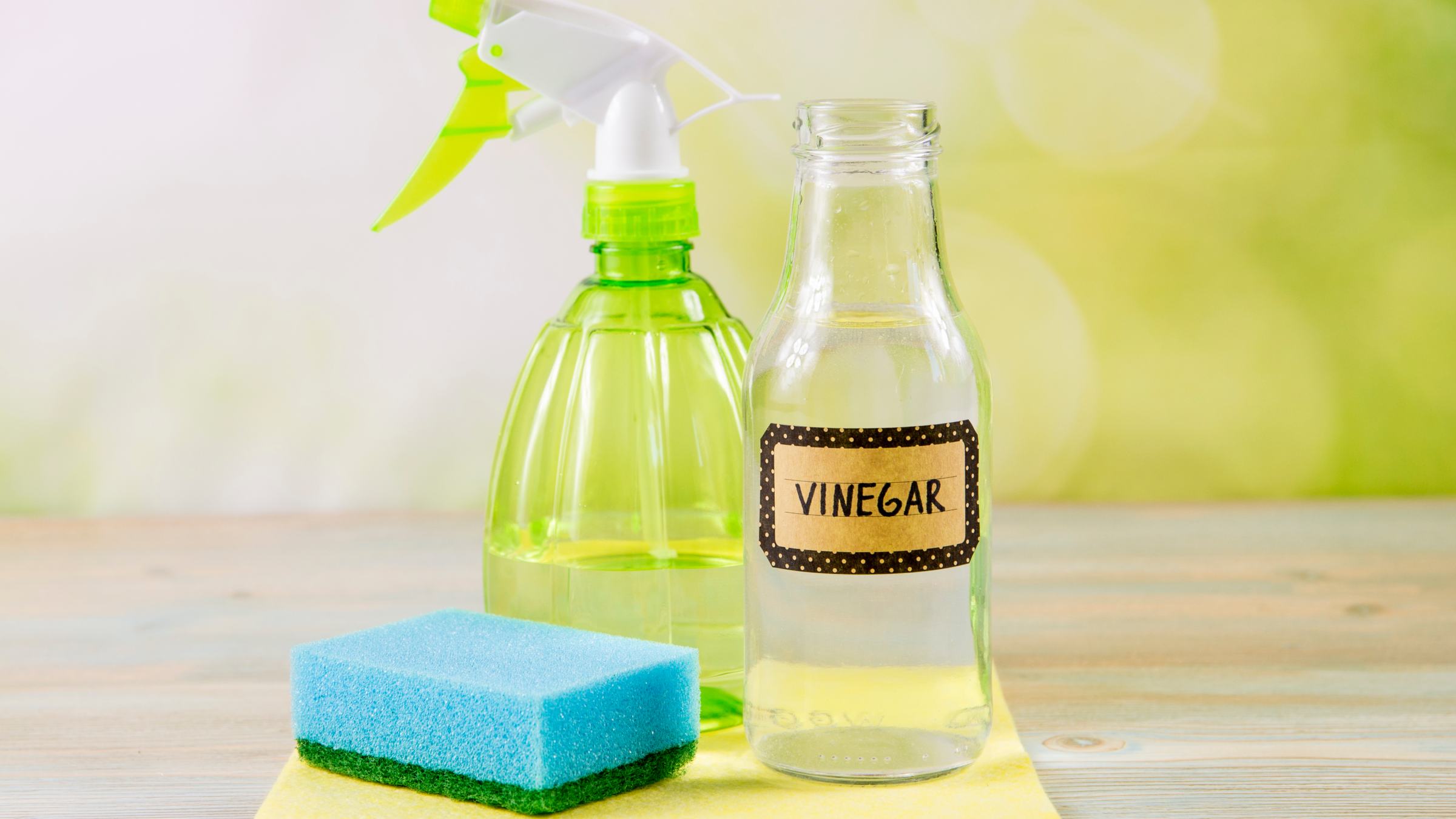
Warm soapy water for cleaning the filter and outer casing
When learning how to clean air conditioner units, keep in mind that some brands have specific restrictions around cleaning agents and filters. Always check your manufacturer’s manual first, since using the wrong products could void your warranty or damage the unit.
The step-by-step guide to cleaning your air conditioner
When learning how to clean aircon filters, it’s easy to underestimate how much dust builds up and comes loose during the process.
Step 1: Turn off the air conditioner power
Start by switching the unit off and let it cool for 15 to 20 minutes, then isolate it completely at the wall switch or circuit breaker. Even in standby mode, the aircon is still drawing power, which means live components stay active and the fan can spin without warning.
Cleaning warm internal components can cause condensation and make dust stick to surfaces more stubbornly. If you’re unsure about handling the circuit breaker or if you notice exposed wiring, burning smells, or signs of electrical damage around the unit, stop and call a licensed electrician instead.
Step 2: Open the panel
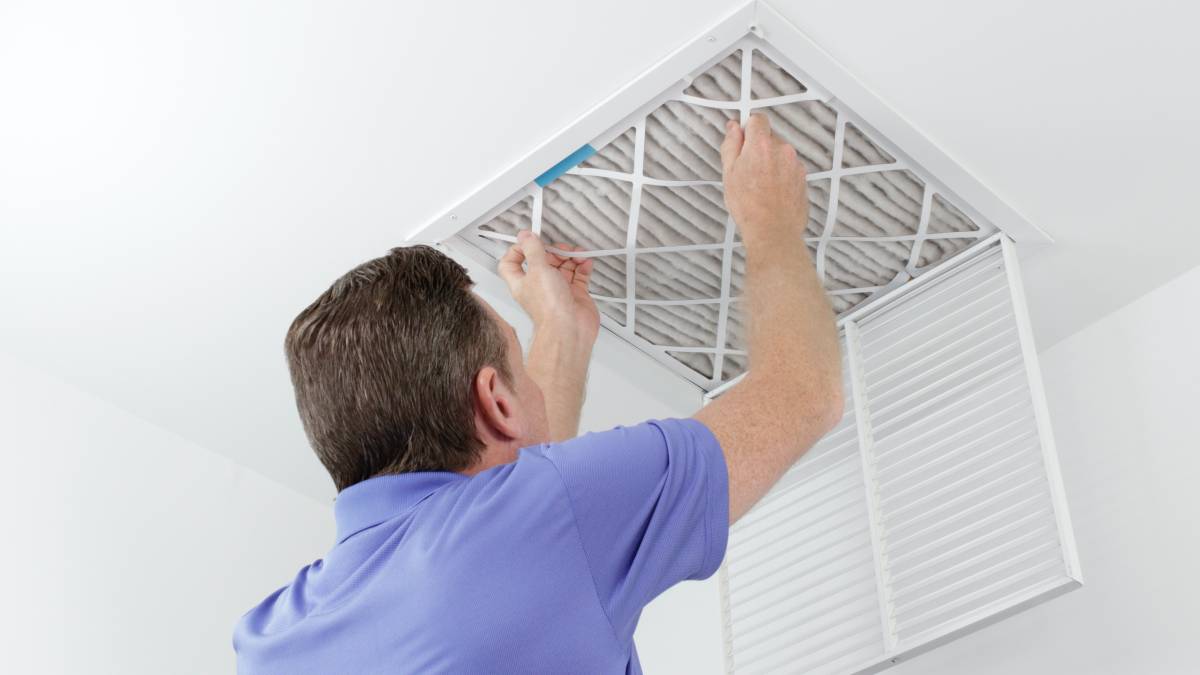
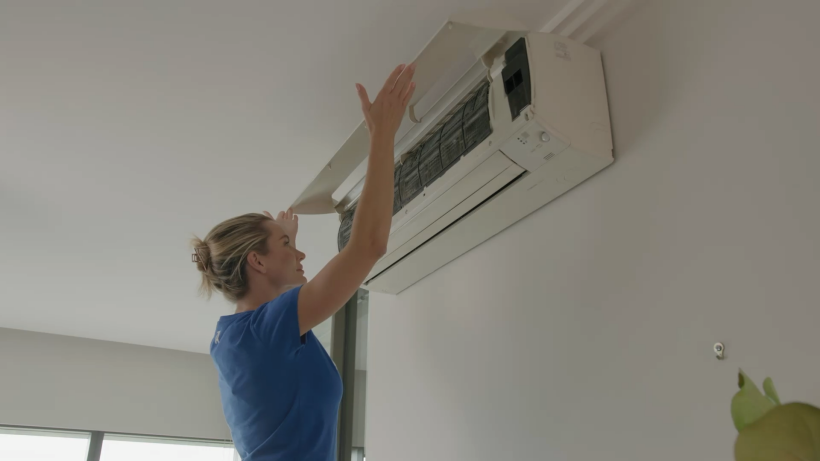
For wall-mounted or split-system units, locate the notches along the sides of the front panel and gently lift the cover until it locks into place. For ducted systems, remove the return-air grille in the ceiling to access the filter.
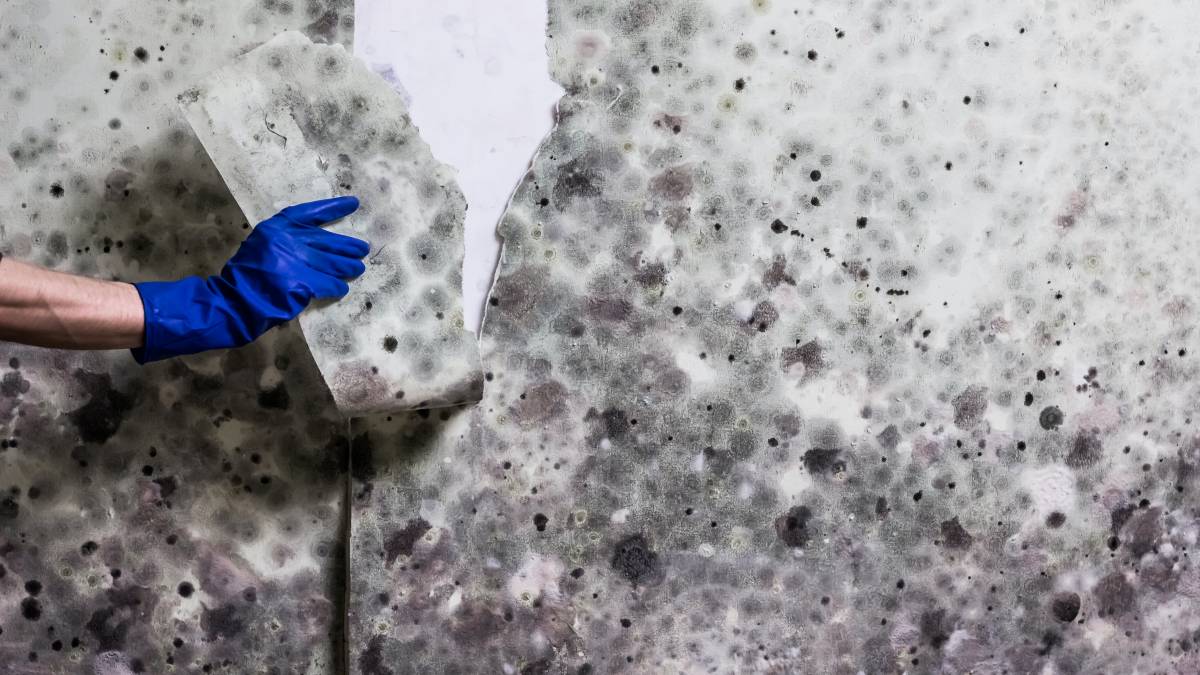
Next, check the filter before removing it. A thick layer of dust usually means it just needs cleaning, but fuzzy black or green patches are often a sign of fungal growth. In that case, you’ll need to look into detailed guides on how to clean an air conditioner with mould, since it requires more than a standard wipe-down.
Knowing how to change the air conditioner filter also means knowing when to replace it, especially if it’s torn, warped, or heavily clogged.
Step 3: Remove the filters
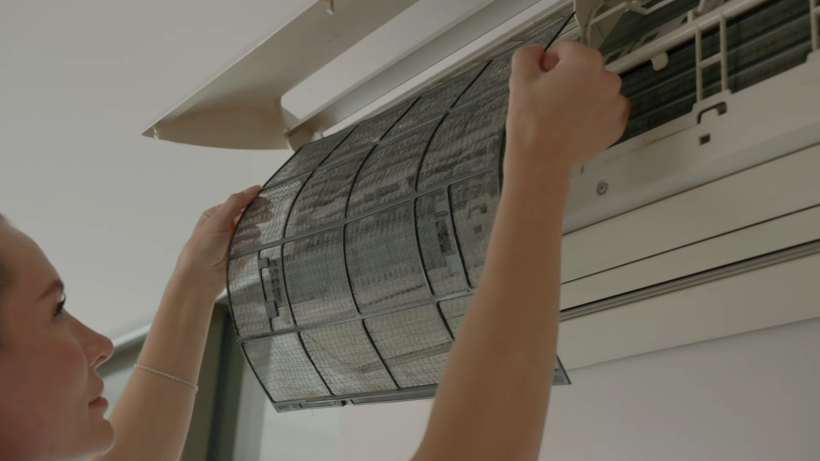 Carefully take out the filter to prevent shaking the dust into the air.
 Locate the small tabs along the bottom edge of the filter frame and gently press them upward to release the clips holding the filter in place. Once unlatched, slowly slide the mesh filter panels out along their tracks.
As the filters come out, keep them level to avoid shaking loose dust and debris into the air. Keep a damp microfibre cloth nearby to catch loose dust before it spreads across the room or floor.
Step 4: Vacuum the mesh
Lay the filters dusty-side up on a newspaper-lined surface or the floor. Using a vacuum with a soft brush attachment, gently sweep across the mesh to lift away loose dust and debris. Dry dust turns into sticky sludge the moment it gets wet, so keep the pressure light and avoid pressing too hard since it can stretch the mesh or warp the plastic frame.
Step 5: Perform a deep rinse
Hold the filter under lukewarm running water from the clean side, letting the water push dirt back out the way it came in. This back-to-front rinsing technique prevents fine particles from becoming permanently trapped in the mesh, which would otherwise be flushed out.
For stubborn grime, spritz warm soapy water across the surface and let it sit for a minute before rinsing. If needed, you can use a soft-bristled toothbrush to carefully work dirt out of the tight plastic crevices and corners, but avoid scrubbing the delicate mesh grid itself to prevent tearing the fibres.
Step 6: Air dry in the shade
Once rinsed, gently shake off excess water, then stand the filters upright in a shaded, well-ventilated spot to dry. Avoid leaving them in direct sunlight, as excessive heat can warp the frame or weaken the mesh over time.
Before sliding them back into the unit, check that they’re completely dry to the touch to avoid mould, mildew, and those stale, musty smells. On humid days, it’s worth giving them a bit of extra drying time just to be safe.
Other parts of your aircon worth cleaning
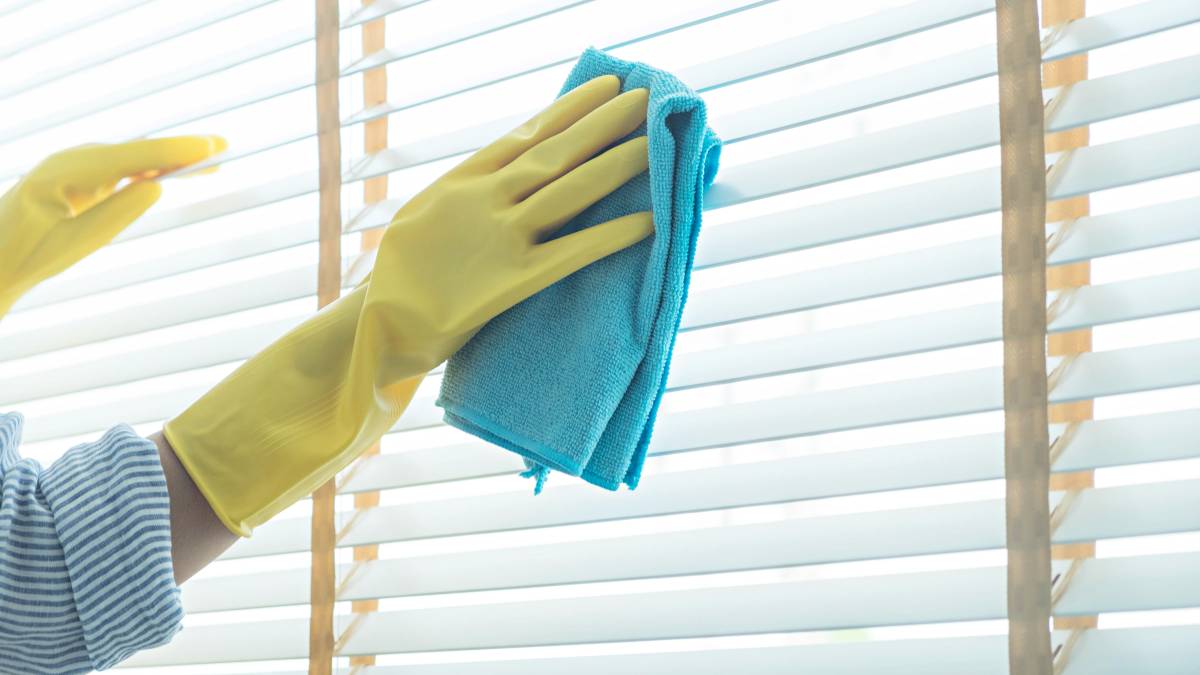
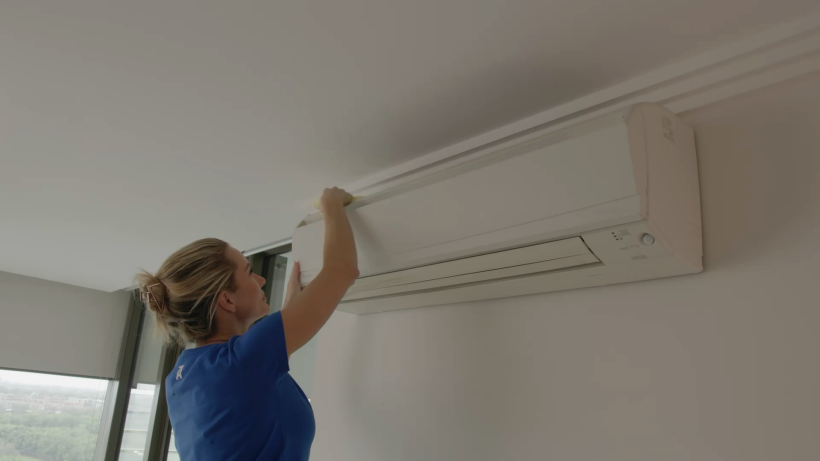 Wipe down the whole air conditioner unit for a complete clean.
The steps above cover the essentials, but a truly thorough clean goes a little further. Here are a few more areas worth adding to your routine.
How to clean an air conditioner vent
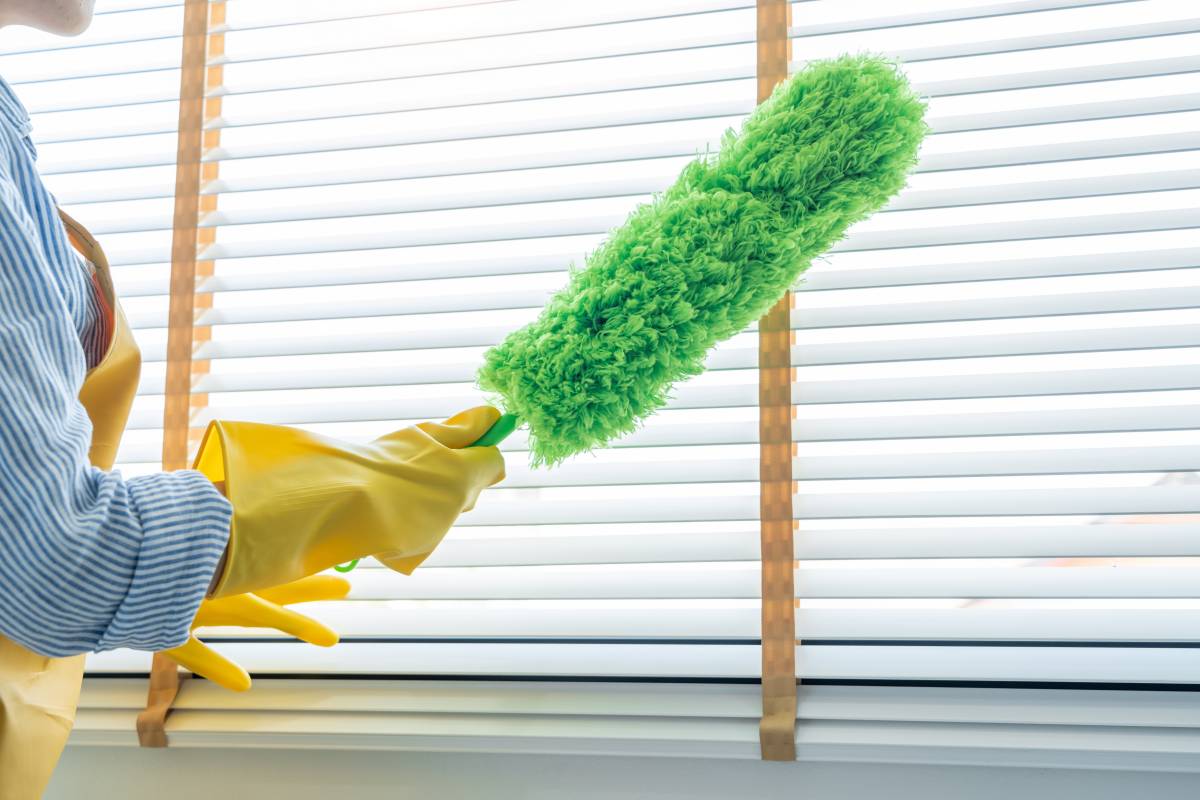
Air conditioner vents collect dust quickly, especially if the unit runs daily or sits near the kitchen. To clean it, turn the unit off, then vacuum the vents with a soft brush attachment. Wipe the slats with a damp microfibre cloth, then dry everything properly before switching the system back on.
If the vents also feel greasy, cooking fumes may be part of the problem. Fortunately, regular rangehood cleaning can help cut down on oily residue moving through the air.
How to clean a coil in an AC unit
If the unit still feels weak after a filter clean, you might need to check the evaporator coils. Positioned right behind your mesh filters, the evaporator coils draw heat out of the air. However, even a thin coating of sticky residue across the fins can seriously hamper their cooling efficiency.
To clean the coils safely:
Switch the unit off completely and unplug
Remove the filters to expose the coil fins
Use a soft brush or vacuum attachment to lift surface dust, always brushing in line with the fins, never across them
Spray a no-rinse evaporator coil cleaner or mild detergent evenly across the fins and let it sit according to the product instructions
Never press directly on the fins since they bend easily and are difficult to straighten once damaged
If you notice leaking water, exposed wiring, or thick buildup deep inside the unit, it’s safer to stop and have the system professionally serviced instead.
How to clean the aircon casing
The outer casing only needs a quick wipe-down every now and then to stop dust and grime from building up around the vents and buttons. To do this, simply switch off the unit, dust the surface with a dry microfibre cloth, then wipe it down with warm water and mild dish soap. A soft toothbrush or cotton buds can help clean tighter corners and seams without scratching the finish.
Air con cleaning and maintenance tips
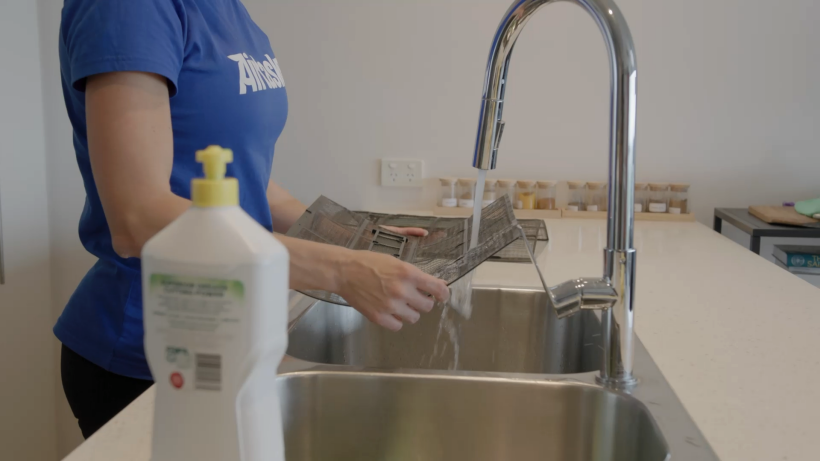 Thoroughly clean the filter for an improved indoor air quality.
Once you know how to clean your aircon properly, keeping it in good shape comes down to a few simple habits.
Avoid drying filters in direct sunlight: Australia’s harsh UV can warp the plastic mesh and degrade the material faster than you’d expect.
Never switch the unit back on immediately after turning it off: wait at least 3 to 5 minutes to avoid putting unnecessary strain on the compressor.
Clear the area around the outdoor unit regularly: Leaves, overgrown shrubs, and debris within a half-metre block airflow and quietly reduce efficiency over time.
Run fan-only mode between cleans: 20 to 30 minutes of fan-only drying dries out residual moisture and prevents musty smells from building up.
Book a professional service once a year: Refrigerant levels, electrical components, and internal parts need a licensed eye that a DIY clean can’t replace.
Make way for cooler and fresher air
Now that you know the process, you’ll notice every unit is a little different. For most standard split systems, the steps above will get the job done. But if you’re working with a newer smart model, a ducted system, or a unit that hasn’t been touched in years, a professional aircon cleaner will do a more thorough job and far more safely.
If this guide has you thinking bigger, we’ve put together a few resources worth reading next. Check out our breakdowns of electrical rewiring, solar panel, and aircon installation costs to help you plan and budget your next home upgrade.
Learn more about our contributors
Written by Genine T.
Staff Writer
Genine is a writer and educator with over seven years of experience. She has published peer-reviewed research papers, worked in academia, and created educational content for thousands of language learners. She discovered her passion for turning complex ideas into practical advice through writing about DIY topics like home improvement, furniture assembly, and household fixes. When she’s not writing, Genine enjoys curling up with her dogs and a good book.
FAQs on aircon cleaning
A musty, sour, or “dirty socks” smell usually means mould, bacteria, or trapped moisture has built up inside the unit. Cleaning the filters can help, but persistent smells often mean the coils or drain system needs attention too.
How often you should clean your aircon filter depends on how often you run it. Most homes can get away with every one to three months, but pets, smokers, or daily use mean cleaning more frequently.
Clean filters aren’t always the fix. Dirty coils, low refrigerant, or an internal fault could be the real cause, and none of those is DIY territory. It’s best to book a professional air conditioning service to properly diagnose it.
Sometimes, but not always. A clogged filter can cause the evaporator coil to freeze and drip when it thaws, so cleaning may help. If the leak persists after a thorough cleaning, the condensate drain line is likely blocked, or the unit needs professional attention.
Find cleaners, fast
Find a cleaner