Moving to Washington DC: How to start, settle in, and thrive
Your practical guide to moving and feeling at home in the nation’s capital
Published on

Written by Andrea H.
Staff Writer
Read more about our contributor
Moving to Washington DC Highlights
Because of the federal government and major international institutions, DC attracts highly educated professionals from across the US and abroad. Many come for career growth and stay for community, diversity, and walkability.
Living expenses are high, with a single adult needing around $6,000 per month to live comfortably. Monthly rent alone costs $1,699 to $3,029.
The best time to move is between March and April, when there’s a good balance of weather and pricing. Local movers can help with the transition, often charging $47 to $95 per hour.
Welcome to the land of politics—and also of art, music, and community. Moving to Washington, DC is more than just landing a federal job. It’s about living where culture and ambition collide. From jazz spilling into streets to galleries waiting to be explored, the nation’s capital hums with energy at every turn.
Ready to make the move? This guide covers the essentials: living costs, best neighborhoods, and tips to make moving to DC a seamless transition.
Why are people moving to Washington DC?
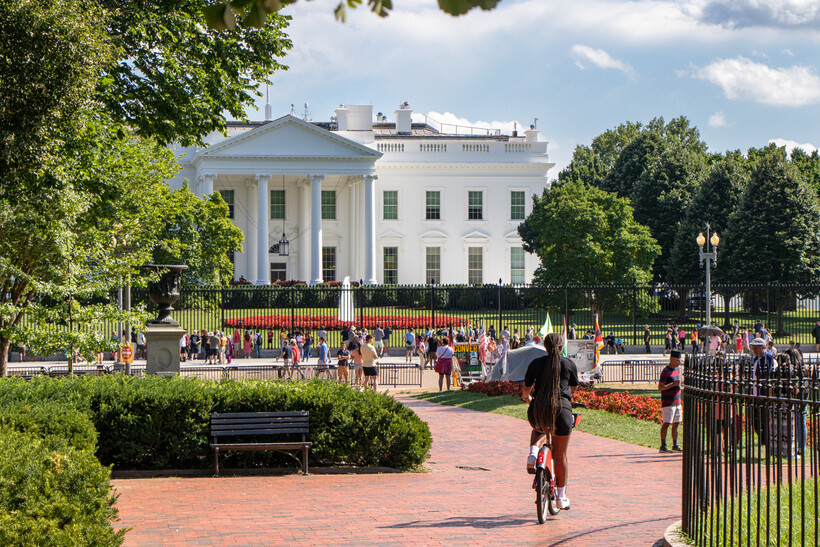 The White House and surrounding garden in the summer (Source: iStock)
While housing can be expensive, many still ask: “Is Washington, DC a good place to live?” Here’s why the city continues to attract newcomers:
Lifestyle and culture
At first, DC can feel a bit intense, with much of the city revolving around work and politics. Think the energy of House of Cards, but in real life. Still, your day-to-day might just as easily include kayaking on the Potomac River or grabbing a “half-smoke” at Ben’s Chili Bowl.
DC is also an international city. It’s home to around 700,000 residents, with a strong African American cultural presence, and over 170 embassies shaping its global identity. It’s common to hear dozens of languages spoken across neighborhoods.
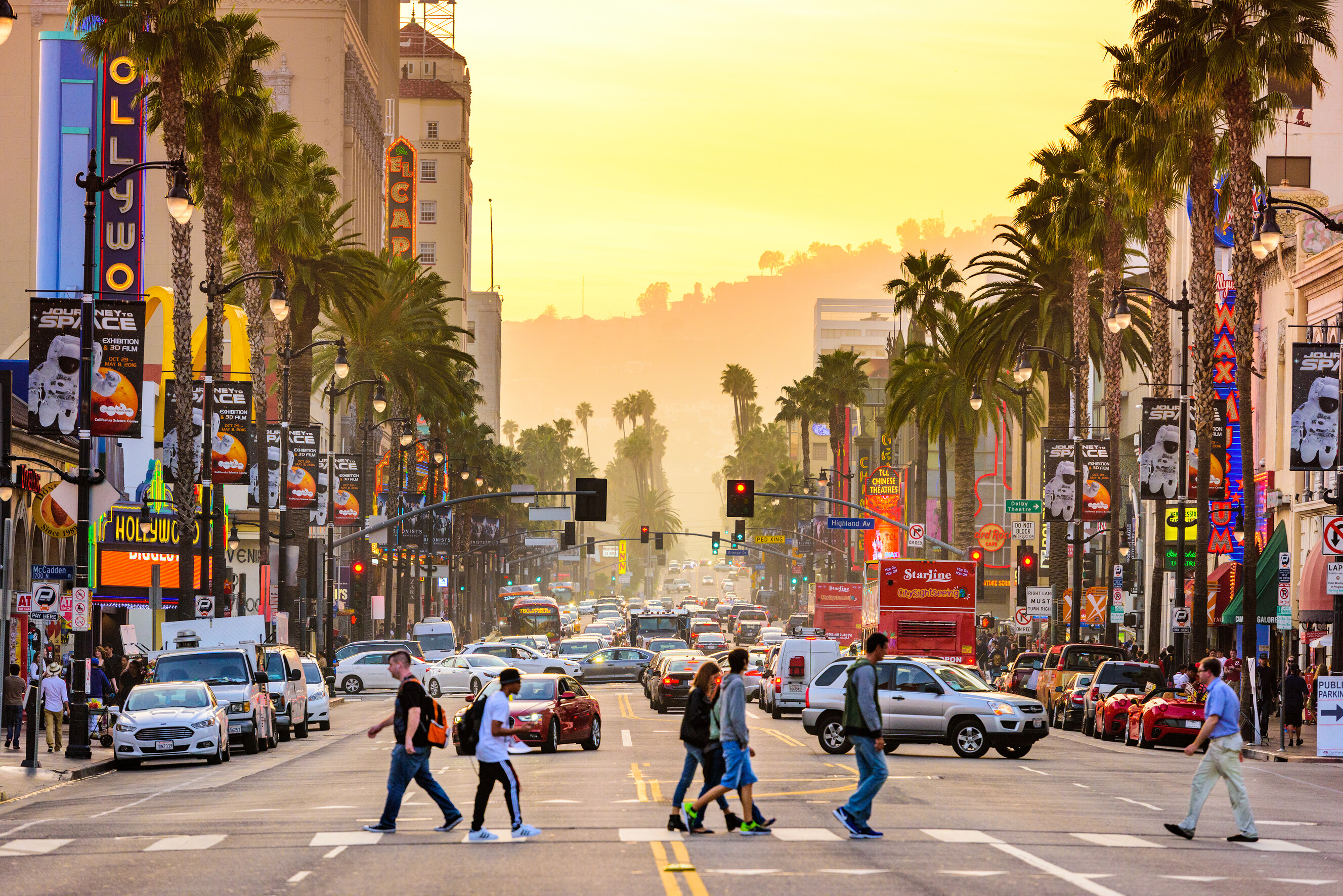
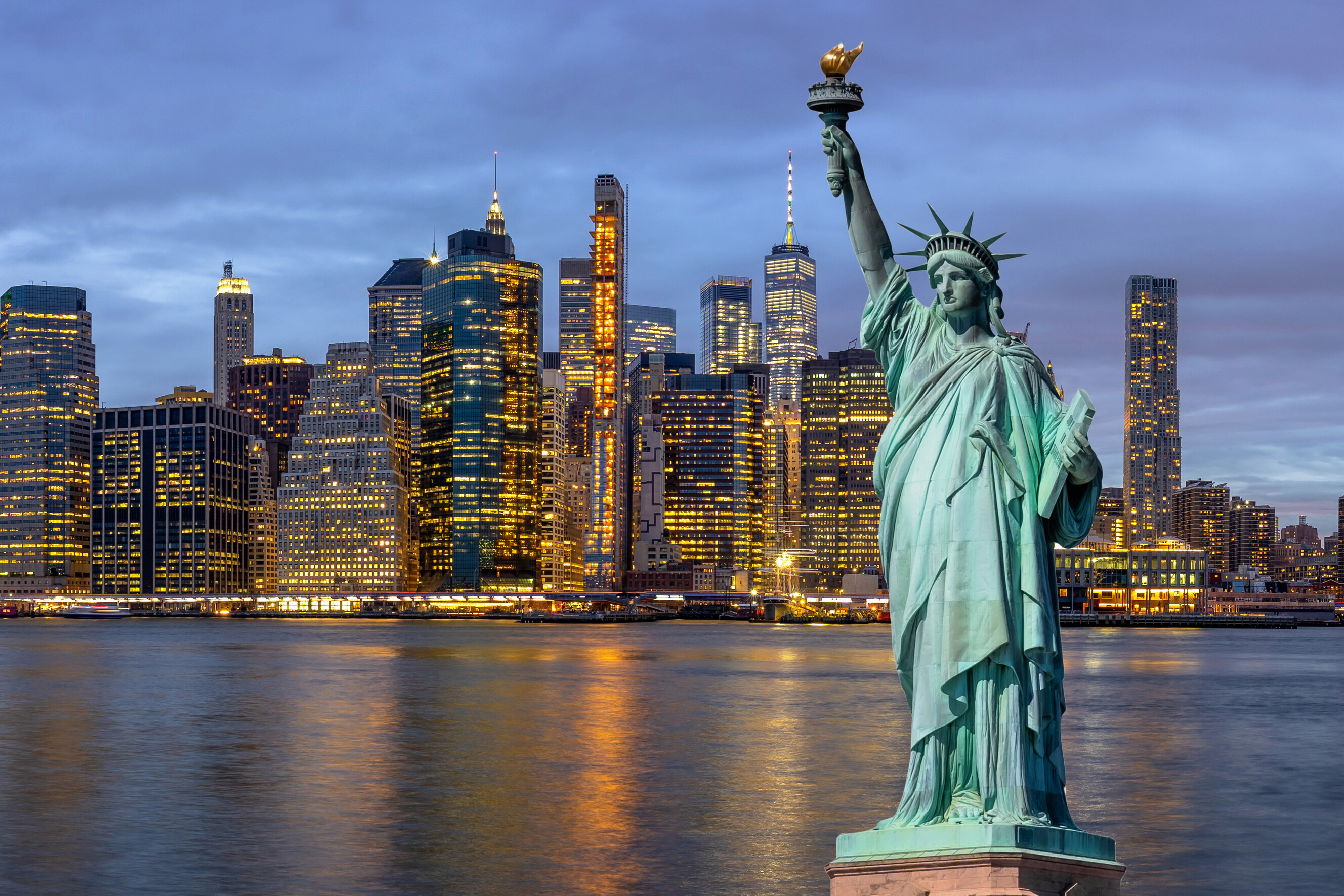
Compared with New York or Los Angeles, life in Washington, DC is easier to manage, offering big-city energy in a smaller, more walkable footprint.
For history buffs, the answer to “Why move to Washington, DC?” is obvious. Museums and historic landmarks are everywhere, and nearly every corner of the city has a story to tell.
Career and job opportunities
Thousands of jobs in DC come from federal departments, independent agencies, and regulatory bodies, making the US Federal Government the city’s largest employer.
As a global diplomatic hub, DC also hosts international organizations like the World Bank and the American Red Cross, creating a job market with a mix of local and international career opportunities.
Industry |
Median Annual Salary |
|---|---|
Manufacturing |
$121,000 to $145,000 |
Public Administration |
$117,000 to $129,000 |
Wholesale Trade |
$42,500 to $106,000 |
Finance, Real Estate, and Leasing |
$103,000 to $123,000 |
Agriculture, Fishing, and Mining |
$85,200 to $100,000 |
Interestingly, the highest-paying jobs in DC aren’t in consulting or politics. Manufacturing jobs are the most well-paid since they’re often high-tech and contract-heavy.
Weather and climate
The weather in DC follows a four-season cycle: humid summers, cool winters, and mild spring and fall. If you’re moving from NYC to Washington, DC, you’ll find that heavy snow is less frequent and flowers bloom earlier, thanks to the warmer climate.
Winter (December to February): DC winters are mild, and there’s occasional light snow. The average winter daytime temperatures hover around mid-30s°F (about 2 °C).
Spring (March to May): Springtime brings pleasant temperatures, perfect for watching cherry trees bloom.
Summer (June to August): The summer air feels thick, and humidity is highest during July and August.
Fall (September to November): The air is cooler and crisp, with colorful foliage from late October to early November.
Every season shapes the Washington DC lifestyle. Spring draws huge crowds as the National Cherry Blossom Festival takes place. Summer months test those from drier coastal areas, while rain falls moderately year-round, so carrying an umbrella is always a smart move.
What should you research before moving to DC?
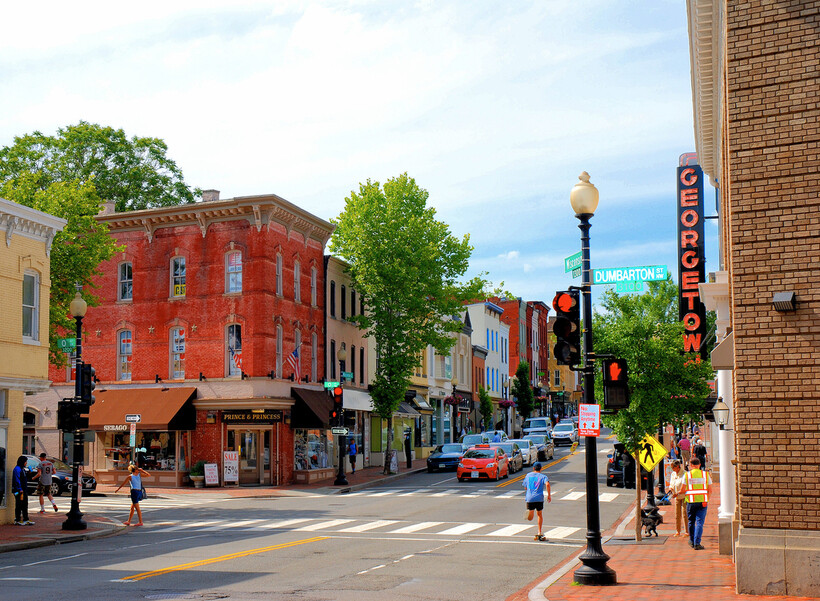 Historic charm in the Georgetown neighborhood (Source: iStock)
After learning what living in DC is like, it’s time to get more practical! We’ve gathered insights on living expenses, top neighborhoods, and best times to move—everything you need to get off to a good start.
Cost of living
The cost of living in Washington, DC isn’t sky-high compared to the priciest US cities, but it’s still expensive. The biggest shock to newcomers? Home prices are 148% higher than the national average. Meanwhile, overall expenses in DC are about 40% higher than the national norm.
Residents also pay federal taxes, plus DC’s own income tax, with rates ranging from 4% to 10.75%.
Here’s a quick rundown of monthly expenses in the nation’s capital:
Area of Expense |
Estimated Cost |
|---|---|
Rent |
~$1,916 to $3,972+ |
Groceries |
~$107.94 to $400+ |
Utilities |
~$314.38 |
Transportation (Monthly Public Transport Pass) |
$72 to $216 |
Entertainment and Dining Out |
$20 to $100+ |
Healthcare |
$119.25 to $575 |
To live comfortably in Washington, DC, a single person would need around $6,000 monthly. Families face a bigger jump to a little over $11,000 per month.
Neighborhood options
So, what is Washington, DC like on a neighborhood level? It’s basically a patchwork of mini-communities, each with its own vibe. These top neighborhoods offer a distinct way to experience city life.
Logan Circle
Logan Circle blends vintage charm with modern relaxation, featuring cozy restaurants housed in historic buildings. Think French-inspired eats and a Hemingway-themed bar.
One of Logan Circle’s biggest draws is its Walk Score of 98. You can stroll to Dupont Circle or U Street, or take a short Metro ride to the larger DC metro area.
Rents here average $2,487 per month, though sharing with roommates can bring down costs.
Georgetown
Georgetown lets you step back into the 1700s. It features cobblestone streets, colonial architecture, and waterfront views, coupled with high-end boutiques and restaurants for an upscale vibe.
Georgetown borders Foggy Bottom, which is home to George Washington University and international organizations. Residents often walk, bike, or take the Metrobus downtown. Most rentals are priced at $2,001 to $2,500 monthly.
Petworth
Petworth is one of the safest neighborhoods in DC with a small-town feel. Nightlife exists, but it’s calmer; the sense of safety is strong, especially in the northeastern portion.
Petworth is also community-focused, with most gatherings revolving around music, food, and art. Residents can use the Green Line of the Metro to reach downtown Washington.
As for rental costs, the average monthly price is around $1,699.
Adams Morgan
Adams Morgan won’t fail you when it comes to nightlife and entertainment. This area boasts an eclectic mix of live music venues, bars, and late-night restaurants.
Buses and nearby Metro stations make commuting easy. Rents average $2,630 monthly for a one-bedroom apartment.
Capitol Hill
Capitol Hill screams classic DC architecture, where charming rowhouses meet iconic congressional buildings. Protests and public events create a sense of constant civic activity.
Getting around Capitol Hill is convenient for many DC residents, thanks to the Metro and commuter trains. Spacious homes come at a price, with average rents around $3,029 per month.
Best time to move
Timing your move to DC comes down to seasonal demand, weather, and lease cycles. Many apartments operate on 12-month leases that begin in the summer, so listings peak during that time.
However, some tenants transition to month-to-month leases, creating additional availability outside peak season. Check out what happens each period to find the best and worst times to move.
Moving Period |
Pros |
Cons |
|---|---|---|
October to February |
Rental demand cools down and rents often reach their lowest point in winter. |
Holidays may affect moving logistics. |
March to May |
Apartment inventory expands as the market becomes active again. |
Rent prices start increasing. |
June to September (Peak) |
You’ll find the widest selection of apartments and flexible lease options. |
Strong rent demand drives up prices. Movers typically charge higher rates. |
Moving costs
Movers in DC may charge between $45 to $95 per hour, with final costs increasing based on move duration and crew size. If you need help with complex one-off tasks like furniture moving or heavy lifting, expect to pay around $100, depending on the items’ fragility and weight.
Mover costs in dense neighborhoods like Logan Circle or Adams Morgan can be higher due to narrow streets and multi-story rowhouses that require more labor.
Out-of-state or international considerations
Moving from another state or country can be tricky, but with a little preparation, you’ll avoid moving mistakes and smooth out the process.
Interstate moving
When moving from another state, do these things first:
Update your documentation: Convert your out-of-state license to a DC REAL ID, register your vehicle, and update your bank and voter records.
Establish DC residency: Gather documents showing your DC address. The city doesn’t rely solely on the “183 days” rule. Residency is determined by your intent to live and supporting documentation.
Sort out taxes: File Form D-40 if you live and work in DC. Part-year returns may apply if you move mid-year. If you work outside DC (like in Maryland or Virginia), check the reciprocity rules to avoid double-filing.
International moving
So, how to move to Washington, DC from another country? It starts with securing the right visa. Common options include H-1B (specialty occupations), J-1 (exchange programs), and L-1 (intra-company transfers).
Next, prepare your important documents. For example, birth certificates and diplomas may need to be apostilled to ensure legitimacy.
Finally, plan the logistics. You can ship household items by air freight (faster but costlier) or sea freight (slower but cheaper).
What should you do on your DC moving day?
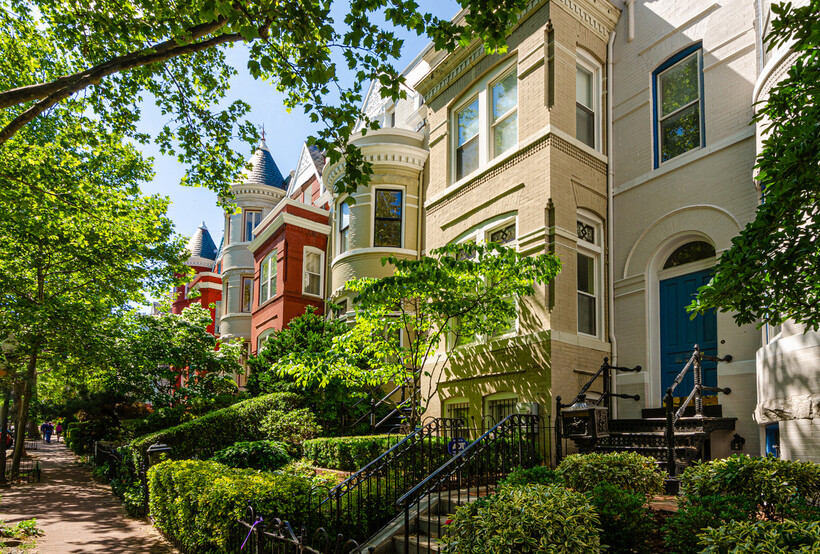 Classic rowhouses on a quiet DC street (Source: iStock)
Your moving day can be fast-paced and potentially stressful. Plan ahead for building rules, transport, and final inspections for a smooth Washington DC moving experience.
Coordinate movers and services
Confirm arrival times and all services included. If your moving truck needs to park on a public street, request a temporary parking permit or reserve curb space with the Department of Transportation.
Transport your belongings carefully
Many apartments in DC have narrow entryways and staircases, so getting professional help with furniture disassembly can prevent damage.
Your IDs and financial paperwork should travel with you rather than in the truck. If you’re doing a long-distance move, pack an essentials box with chargers, medication, and toiletries. If the lease isn’t confirmed upon arrival, consider moving to storage services.
Students should pack light and prioritize school supplies and personal items. If larger furniture is allowed, college movers can assist. Hiring decluttering help before relocating can also lighten the load.
For detailed guidance, check out:
How to pack mirrors
Double-check everything
Before leaving your old place, record utility meter readings to avoid billing issues. At your new home, confirm if everything arrived in good condition. Plan the unloading order; beds, kitchen items, and bathroom supplies first, so you can function comfortably.
Consider scheduling move-in cleaning and furniture assembly in advance to ensure your space is ready from day one.
How do you get settled in Washington DC after moving?
 Cherry trees blooming along the Tidal Basin (Source: iStock)
Moving in Washington, DC opens up a new world of possibilities, and of course, responsibilities. The following tips can help you settle in faster.
Connect your utilities
Prioritize the most important utilities: electricity, gas, water, and internet. These must be scheduled at least two to three weeks before move-in.
Be ready with documentation to set up billing. If you don’t have a history with the provider, they may ask for your Social Security number for a credit check.
Utility Type |
Example Providers |
|---|---|
Electricity |
Pepco (Potomac Electric Power Company) |
Water and Wastewater |
DC Water (District of Columbia Water and Sewer Authority) |
Natural Gas |
Washington Gas |
Waste Collection |
Department of Public Works (DPW) |
Internet and Cable |
Verizon Fios, Xfinity, Astound Broadband, AT&T |
Update your licenses and documents
Getting a DC driver’s license is just one part of the administrative process. To avoid missed bills or government notices, you must submit a change-of-address request with the United States Postal Service (USPS).
If you own a car in a dense neighborhood, you may need to apply for a Residential Parking Permit (RPP), so you can park beyond the usual two-hour limit.
Relocating to Washington, DC can also affect your healthcare coverage. Update your insurance records to avoid coverage gaps or prescription delays. This is also the best time to look for private doctors near you and build a new healthcare network.
Secure local permits
Also, be aware of the local permits tied to property use. For example, placing dumpsters on the street usually requires a permit from the District Department of Transportation. Meanwhile, home renovations with structural or mechanical work require approval from the Department of Buildings.
Ensure your family’s welfare
Moving with kids? Help them adjust to the District by exploring local schools, parks, and family-friendly activities. Start with the My School DC portal, where you can find schools by neighborhood and apply to charter programs like arts or language immersion.
For a fun outdoor time, explore neighborhood parks like Lincoln Park, Stanton Park, and Garfield Park, all located within Capitol Hill.
It’s also smart to schedule an early “welcome visit” with pediatric practices. The Children’s National Hospital is the main hub, but other options are available through the DC Primary Care Association.
Sort out your pet essentials
If moving with pets, keep these things in mind:
Plan for transport ahead of time. To ensure safe and legal relocation, pet transport services can help.
All cats and dogs must be licensed and registered with the DC Department of Health (Animal Services Program).
Licenses must be renewed annually, and these are required for vet visits and services like dog boarding.
For dog owners, you need to bring proof of vaccination to access off-leash dog parks like Shaw Dog Park and Swampoodle Park.
For lost pet recovery and adoption programs, connect with the DC Animal Services.
How do you get around in Washington DC?
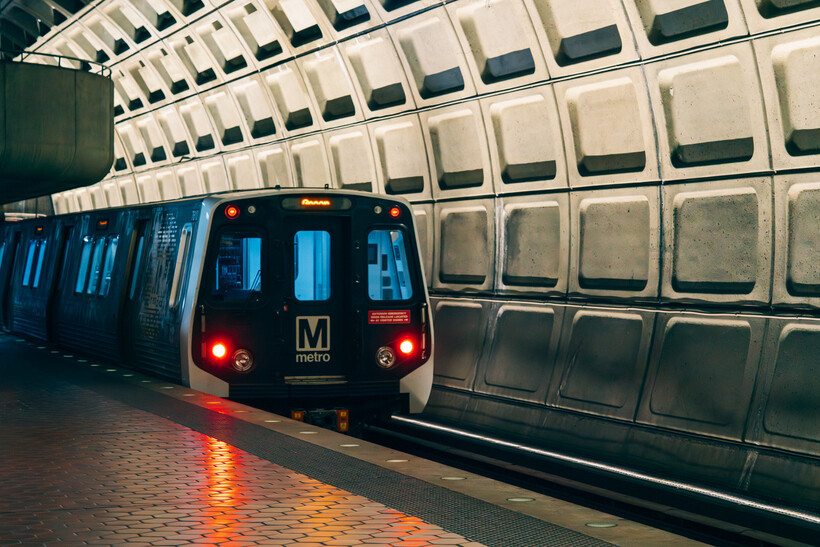 A Washington Metro train entering an underground station (Source: iStock)
Most daily errands in DC can be done without driving. Central neighborhoods also have continuous sidewalks and well-marked crossroads, making it easy to get around even for older adults and people with disabilities.
When you do need to travel farther, you’ll find many options, from Metro trains and buses to biking and ride-shares.
By Metrorail
The Metrorail, operated by the Washington Metropolitan Area Transit Authority (WMATA), is often the most convenient way to navigate DC and the surrounding suburbs in Maryland and Virginia. With 98 stations, it connects residential, employment, and tourist hubs seamlessly.
Here’s a quick overview of the Metro’s six color-coded lines and the areas they serve:
Line |
Major DC Stops |
|---|---|
Red Line |
Dupont Circle, Gallery Place, Union Station |
Blue Line |
Rosslyn, Capitol Hill, Reagan National Airport |
Orange Line |
L’Enfant Plaza, Capitol Hill, downtown DC |
Silver Line |
Dulles Airport, Capitol Hill, Tysons Corner |
Green Line |
Anacostia, Gallery Place, U Street Corridor |
Yellow Line |
Pentagon, Mount Vernon Square, downtown Washington |
The Metrorail generally runs from 5 am until midnight, with extended service until 2 am every Friday and Saturday. Fares vary by time and distance, typically $2.25 to $6.75 per trip. Reduced fares are available for seniors and riders with disabilities.
You can pay using the SmartTrip card, a mobile wallet, or a contactless credit or debit card tapped at the faregate.
By Metrobus
The WMATA Metrobus complements the Metrorail by covering areas without direct rail service.
Metrobus has hundreds of routes, but some of the most popular ones include:
Route Code |
Coverage Areas |
Why It’s Useful |
|---|---|---|
D80 |
Wisconsin Ave ↔ Union Station |
Connects Georgetown and Wisconsin Avenue, great for dining, shopping, and transfers to rail. |
D10 |
Pennsylvania Avenue corridor |
Useful for reaching government buildings and jobs near Archives and McPherson Square. |
C91 |
LeDroit Park ↔ Georgetown |
Connects Georgetown with the U Street area, offering entertainment and dining options. |
D74 |
Rhode Island Ave → Foggy Bottom |
Connects historical neighborhoods with cultural and dining spots. |
WMATA now uses new bus route codes under the “Better Bus Initiative,” replacing the outdated 50-year-old system. In the new format, route letters indicate the general service area. For example, “D” and “C” routes serve DC, while “M” routes operate in Montgomery County.
Metrobus fares range from $2.25 to $4.80, depending on the route. Payments are made using the SmartTrip card, mobile wallets, or contactless credit or debit cards. Unlimited 7-day or monthly passes are also available for daily commutes.
By car
While DC is transit-oriented, a car can be useful for reaching areas outside the Metro network. Peak congestion hours are usually 6:30 am to 9:30 am and 3:30 pm to 7:00 pm, so plan your trips accordingly.
As for parking, your main options are street and garage parking. Privately owned garages charge at least $20 per day, while street parking is usually metered Monday through Saturday at around $2.30 per hour.
For short-term trips or regional travel, car rentals are a practical option. Most rental companies operate around the airport zones and in downtown DC.
By bike or bike-share
Biking is another convenient way to navigate the District. The city currently has 114 miles of bike lanes, including 30+ miles of protected routes.
DC’s cycling network also includes Capital Bikeshare, a system with over 7,000 bikes and 800 docking stations. Riders can pick up a bike at one station and return it to any other dock. Payments are made per trip or via daily, monthly, or annual memberships.
By taxi or ride-share
Taxis and ride-share services are perfect for late-night travel or airport trips in DC. You can find taxis at major transportation hubs or use the Curb app to hail one. Rates start at $4 for the first ⅛ mile and $2.56 for each additional mile.
The most popular ride-share services in DC are Uber and Lyft, offering solo, shared, and luxury rides.
What are the best things to do as a new DC resident?
 Shopping and dining in the heart of Georgetown (Source: iStock)
The real fun begins here! From quirky museums and rooftop bars to bustling local markets, be sure to soak in the city’s unique charm and energy.
Explore your new neighborhoods
Heading out for the weekend? Enjoy a cozy brunch at Georgetown and wander its hidden alleys steeped in history. Dupont Circle is perfect for calm strolling and gallery hopping, while Farragut Square is a major hotspot for food trucks and outdoor activities.
For a classic DC experience, walk around Capitol Hill and take in the sights of the US Capitol and Library of Congress. History and vibrant energy come together on U Street, where you’ll find varied restaurants and live music from jazz and funk legends at the Lincoln Theater.
Visit cultural landmarks and attractions
As the home of the President, Congress, and Supreme Court, DC is lined with monuments, wide avenues, and open public spaces. Here are some historic landmarks worth visiting:
National Mall: This civic park stretches from the Capitol to the Lincoln Memorial, dotted with monuments, memorials, and open lawns. Experience peak civic energy for free.
The White House: Walk along Pennsylvania Ave to witness the iconic architecture. Public tours are free, but they must be scheduled three to six weeks in advance.
National Archives: See the original founding documents of the US and explore free rotating exhibits on history, government, and civic life.
Smithsonian Museums: Most Smithsonian museums offer free admission. Explore any topic imaginable, from dinosaur skeletons to space capsules!
Enjoy the outdoors
As a new DC resident, you have plenty of options for scenic walks, active trails, and riverside adventures. Rock Creek Park is a popular green space in the city, with trails winding through forests, streams, and historic sites.
Take it up a notch by heading to Theodore Roosevelt Island, where you can hike through wooded uplands. For a family-friendly option, check out the Anacostia Riverwalk Trail for river views, bridges, picnic spots, and wildlife.
Check out the local market scene
Immerse yourself in DC’s local market scene at these must-visit spots:
Eastern Market (Capitol Hill): Find fresh produce, baked goods, and artisanal cheeses. On Saturdays, the market features handmade art, antiques, and unique crafts.
Union Market (North of Massachusetts Avenue): Walk through a culinary hub with gourmet food, pop-up shops, and tasting nights.
Columbia Heights Farmers’ Market (Civic Plaza): Open every Wednesday and Saturday, this market offers tacos, seafood, empanadas, and more for a midweek or weekend treat.
Move to Washington DC with ease
Is Washington, DC worth moving to? Absolutely, if you value constant discovery and growth. When it’s time to relocate, trusted movers can make the process far less stressful.
With Airtasker, it can be easier to find moving pros near you. Just post a task, compare quotes and reviews, and hire with confidence. No more guesswork from day one!
Helpful resources for those moving to DC
Here are other essential resources for living smart in DC:
DC.gov: This website connects you to government agencies and offers planning tools for living in Washington, DC.
Destination DC: An all-in-one guide to exploring DC, covering must-see attractions, free things to do, and seasonal activities.
goDCgo: A transportation playbook for getting around the city without a car. Find tools and maps for your preferred commute option.
The National Park Service (NPS) App: This app is your digital guide for NPS-managed landmarks in DC, like The Lincoln Memorial and Rock Creek Park.
DCPS School Profiles: An interactive tool for researching and comparing public schools in DC. Basic school details are available.
Learn more about our contributors
Written by Andrea H.
Staff Writer
Andrea is a writer with nearly a decade of experience, including five years covering real estate, construction, and neighborhood trends. She’s deeply curious about people, society, and culture, finding stories in the details and helping others navigate big decisions. Off the page, Andrea is drawn to analog routines: running outdoors, taking long walks, and picking up hands-on projects. When she’s not overthinking a paragraph, she’s probably overthinking her next read.
FAQs about moving to DC
Buying a house makes sense if you’re staying put in DC. If you’re early in your career and just testing out neighborhoods, renting gives you more flexibility.
City living is best if you value peak convenience. Suburbs make a great choice for a quieter home, but public transit is more limited.
Movers in the US often charge $54 to $160 per hour. Comparing the reverse route and checking NYC to DC moving services can also help you understand pricing patterns and anticipate logistical challenges.
Storage containers are usually more affordable, but they require more hands-on effort (packing, loading, and unloading yourself). Hiring movers seems costlier, but it saves you money by reducing the risk of damage and minimizing disruptions to your schedule.
The DC Metro system includes Metrorail (trains), Metrobus (buses), and MetroAccess (paratransit), along with connections to bike-share services for first- and last-mile travel.
Find movers, fast
Find a mover
Related price guides

How much do packers cost?
Read more







Related guides

How to move gym equipment safely
Read more

Where to get moving boxes for free
Read more

Moving to San Diego Guide
Read more

Tips for moving house with kids
Read more

How to pack kitchen items
Read more

How to pack artwork for moving
Read more

How to pack books for moving
Read more

How to move a pool table
Read more
How to move a shed
Read more
How to move a washing machine
Read more
How to move a vending machine
Read more

How to move a refrigerator
Read more

How to pack bedding for moving
Read more

How to move a pinball machine
Read more

What movers won’t move
Read more

How to wrap furniture for moving
Read more
Moving to Atlanta Guide
Read more

A guide to becoming a mover
Read more

How much do movers make?
Read more

Moving interstate checklist
Read more

Moving out of state checklist
Read more

The ultimate packing and moving list
Read more
Moving Checklist
Read more