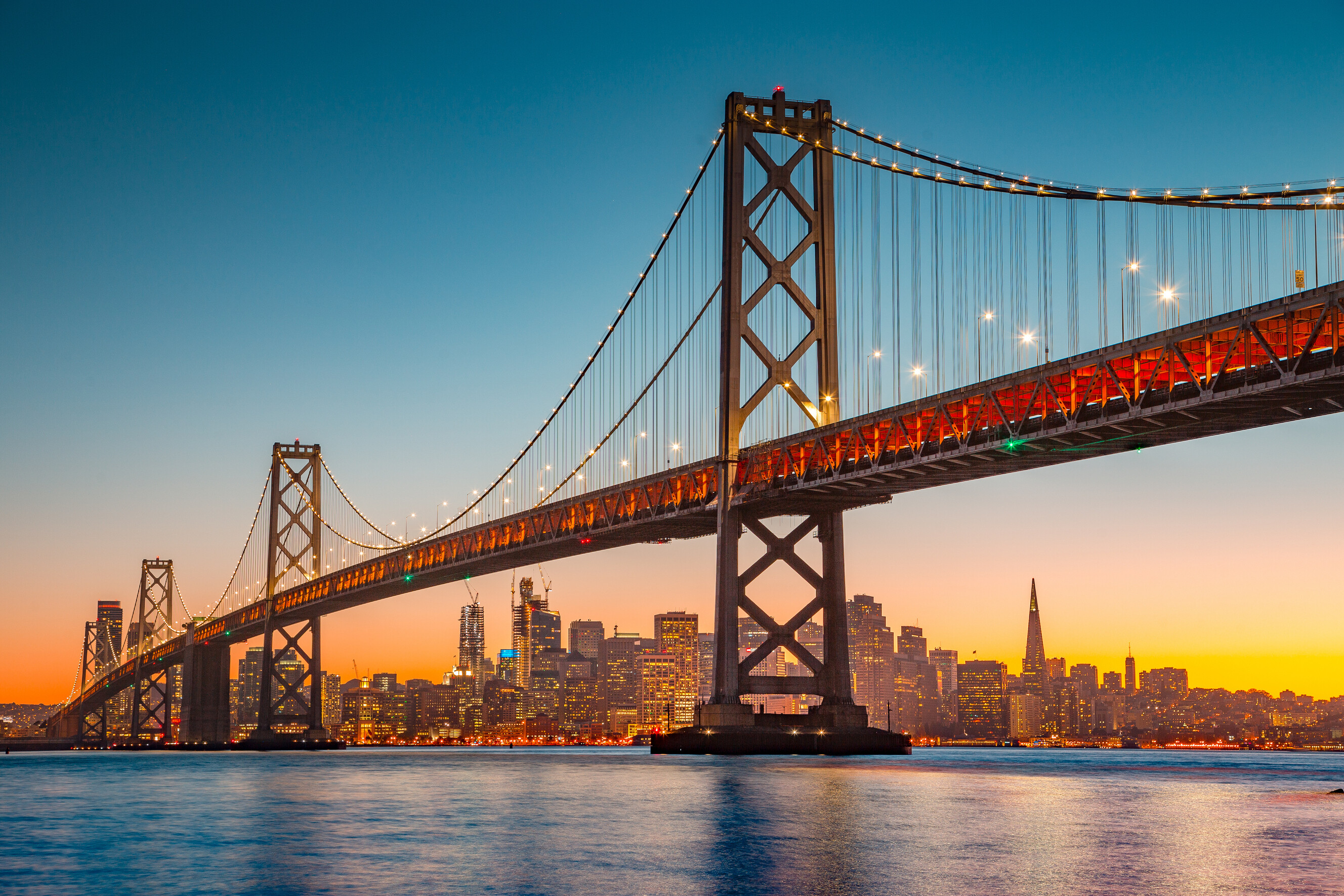
Moving to San Francisco: How to start life in the City by the Bay
Everything you need to know before the move, from costs to culture
Published on

Written by Ma. Donna Dane B.
Contributor
Read more about our contributor
Moving to San Francisco Highlights
SF has cool summers, foggy mornings, and mild temperatures year-round, shaped by microclimates. Conditions can vary noticeably from one neighborhood to another.
The cost of living is among the highest in the US, driven largely by housing and rent. Planning a move typically requires careful budgeting.
San Francisco is one of the most transit-friendly cities in the country, making car-free living a realistic option for many residents.
If you’re thinking about moving to San Francisco, often called the “Golden City” or the “City by the Bay”, then it’s absolutely normal to feel both excited and overwhelmed. After all, this is a city that inspires big dreams, big careers, and, yes, big price tags, offering a lifestyle that’s hard to replicate elsewhere in the US.
This guide covers what you need to know before making the move, including jobs, neighborhoods, transportation, costs, and what daily life in San Francisco is really like beyond the headlines. Whether you’re relocating solo, moving from NYC, or planning a family move, consider this your supportive roadmap to getting settled with confidence.
Why are people moving to San Francisco?
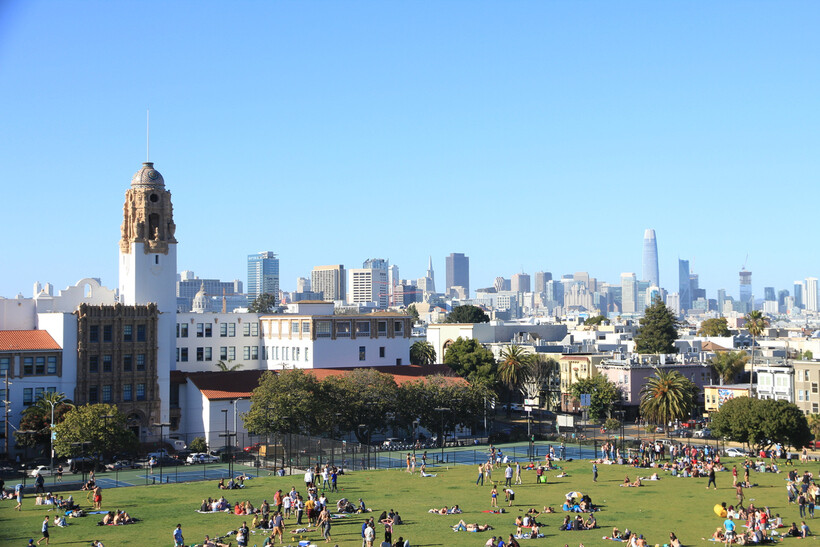 Locals enjoying the outdoors at Mission Dolores Park (Source: iStock)
Despite its challenges, San Francisco continues to attract newcomers from across the US and around the world. The city packs an incredible amount of opportunity into just 46.9 square miles, making it one of the most densely populated and dynamic cities in the country.
For most, the reason why people move to San Francisco is a mix of career opportunity, lifestyle, and values. San Francisco has long been a magnet for innovators, creatives, and people who want to live somewhere that feels culturally alive and future-focused.
Add natural beauty, coastal access, and a strong sense of community identity, and it’s easy to see the appeal.
Lifestyle and culture
San Francisco has a distinct personality depending on which neighborhood you’re in. It’s progressive, expressive, a little quirky, and unapologetically itself.
This is a city where historic Victorians sit next to modern startups, and where cable cars still climb steep hills. You’ll hear dozens of languages from the people of San Francisco on a single block and find food from just about every culture imaginable.
There’s also a strong emphasis on quality of life. Locals prioritize walkability, green spaces, sustainability, and work-life balance. From early-morning ocean walks to sunset views over the Golden Gate Bridge, the San Francisco lifestyle is as much about slowing down as it is about pushing forward.
Career and job opportunities
Career growth remains one of the biggest drivers behind relocating to San Francisco. The city is globally known as the heart of the tech industry, but the job market is more diverse than many people realize.
Key industries also include life sciences, healthcare, finance, creative services, and sustainability. Major employers range from global tech giants to fast-growing startups, research institutions, and hospitals.
Salaries are generally higher than the national average, with the average base salary amounting to $118,000 per year, similar to neighboring San Jose County. This helps offset the similarly high cost of living in San Francisco, at least partially.
Remote and hybrid work have also reshaped the city’s employment landscape. Many people now choose San Francisco for its lifestyle and networking opportunities while working for companies based elsewhere.
Weather and climate
This city in Northern California has a Mediterranean climate, but with strong microclimates shaped by the ocean and surrounding hills. That means it can be sunny in one neighborhood and foggy in another just a few miles away.
Here’s what to expect with San Francisco’s weather:
Summers: Cool and often foggy, especially near the coast (locals affectionately call the fog “Karl”)
Winters: Mild, with occasional rain but little temperature variation
Spring and fall: Often the sunniest and warmest times of year
Locals dress in layers year-round, and you’ll quickly learn that a light jacket is never optional. The upside is that you’ll rarely deal with extreme heat, cold, or humidity, which is another reason many people consider living in San Francisco long-term.
What should you research before moving to San Francisco?
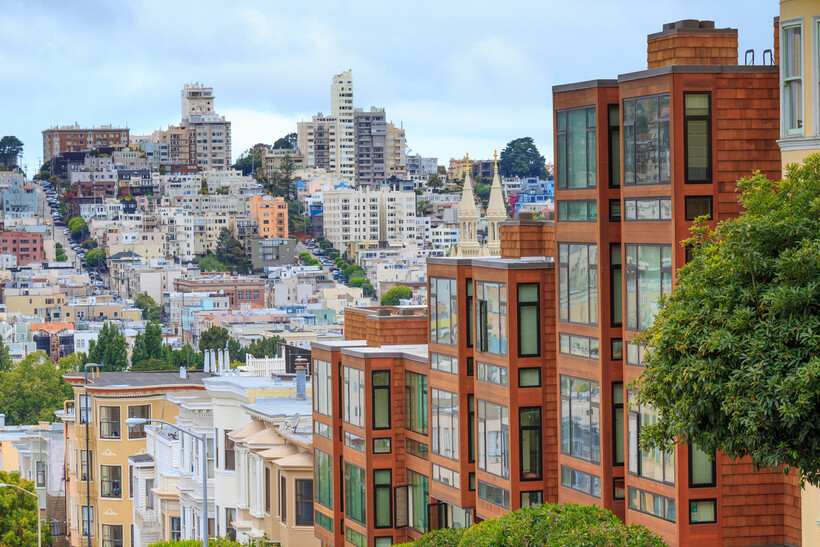 Typical residential neighborhood in San Francisco (Source: iStock)
Before booking movers to the West Coast, it’s worth doing a little homework. San Francisco is rewarding, but it’s a moving mistake to think that it’ll be cheap or simple. Knowing what to expect can save you serious stress (and money).
Cost of living
The cost of living in San Francisco is among the highest in the United States, about 62% above the national average. Housing is the biggest expense by far, followed by healthcare, transportation, and everyday essentials.
That said, many residents find the trade-off worthwhile for career access, lifestyle, and long-term earning potential.
Area of Expense |
Cost |
|---|---|
Rent (1-bedroom apartment) |
$3,000 to $5,000 |
Groceries |
$800 to $1,200 |
Utilities |
$200 to $300 |
Transportation |
$100 to $200 (public transit) |
Dining Out |
$400 to $800 |
Entertainment |
$250 to $500 |
Healthcare |
$1,200 to $1,500 |
So, how much does it cost to live in San Francisco? The short answer is: a lot, but it’s manageable with careful planning. To live comfortably, many estimates suggest a salary of $110,000 to $130,000+ per year for a single adult, depending on lifestyle and housing choices. Families or those planning to buy property should budget significantly more.
Neighborhood options
One of the biggest decisions you’ll make when moving to San Francisco neighborhoods is choosing exactly where to live. Here are five of the best places to live in San Francisco based on lifestyle, budget, and commute needs.
Mission District
The Mission District is one of San Fran’s most vibrant and culturally rich neighborhoods, known for its colorful murals, buzzing nightlife, and some of the city’s best Mexican and Latin American food. The Mission Bay area has an energetic, creative feel and tends to attract renters who enjoy being close to bars, cafes, and community events.
The average rent for a one-bedroom apartment typically ranges from $3,500 to $5,500 per month, depending on proximity to transit and the building’s age. Commute-wise, the Mission is well connected via BART stations and MUNI bus routes, making it easy to get to central areas without relying on a car. It’s also great for college students moving to San Francisco for their studies.
Noe Valley
Noe Valley offers a quieter, more residential atmosphere while still feeling distinctly urban. Tree-lined streets, small local shops, and a strong sense of community make it especially appealing to families and long-term renters.
One-bedroom apartments generally cost $3,200 to $3,700 per month. While the neighborhood doesn’t have direct BART access, it’s serviced by the J-Church light rail and MUNI bus lines. It provides relatively easy access to major roads for commuters heading across the city or out toward the Peninsula.
SoMa (South of Market)
SoMa is one of San Francisco’s most modern and fast-paced neighborhoods, characterized by high-rise apartments, tech offices, gyms, and coworking spaces. It’s especially popular with professionals who want to live close to downtown workplaces and major transport hubs.
Average rent prices for a one-bedroom apartment typically sit between $3,200 and $5,000 per month. SoMa is one of the best-connected areas in the city, with BART, Caltrain, and multiple MUNI lines, as well as walkable access to the Financial District and Union Square.
Sunset District
The Sunset District is known for its laid-back, residential feel and slightly more affordable housing compared to central San Francisco. The neighborhood experiences more fog and cooler temperatures, but it makes up for it with access to Ocean Beach and Golden Gate Park.
One-bedroom apartments in the Sunset typically rent for $3,600 per month, offering more space than many central neighborhoods. Commutes can be longer, but MUNI light rail (N-Judah and L-Taraval) and bus services connect the area to downtown and other parts of the city.
North Beach
North Beach, often referred to as San Francisco’s Little Italy, is a lively and historic neighborhood filled with cafes, bookstores, and Italian restaurants. It has a charming, European feel and is popular with renters who enjoy walkable streets and a strong nightlife scene.
Average monthly rent for one-bedroom apartments typically ranges from $3,000 to $4,500 per month, with many units located in older buildings. While there’s no direct BART station, North Beach offers excellent walkability and multiple MUNI bus routes, making it easy to get around the city without a car.
Best time to move
San Francisco’s weather is mild year-round, but moving activity still follows broader California seasonal patterns. The table below is based on California-wide moving demand, with added context for how those trends usually appear in SF.
Local factors like fog, hills, and narrow streets can still affect how a move plays out on the day.
Moving Season |
Pros |
Cons |
|---|---|---|
Winter (December to February) |
Moving demand across California is typically lowest in January (around 30% below average on Airtasker), which often means better pricing and more scheduling flexibility. Cool temperatures make moving more comfortable, especially in walk-up buildings. |
December can still be moderately busy due to the holidays. Rain is more common in January and February and can slow loading on narrow streets or hills. |
Spring (March to May) |
Mild weather and longer daylight hours usually create smooth moving conditions. Prices are often more stable before peak demand builds. |
Demand begins to rise later in spring as renters plan summer and fall moves. Foggy mornings are common in some neighborhoods. |
Summer (June to August) |
Dry weather reduces the chance of rain-related delays. Daylight hours are long, which helps with complex urban moves. |
Demand continues to climb statewide, leading to higher prices than earlier in the year. Cool fog in the mornings can slow loading, especially near the coast. |
Fall (September to November) |
Fall is typically the busiest moving season in California, with September about 40% above the yearly average on Airtasker, and San Francisco often feels that peak as well. Early fall weather is usually warm, dry, and predictable. |
Peak demand can mean higher prices and limited availability without advance booking. Popular dates (especially weekends) can fill up weeks ahead of time. |
Moving costs
Apart from knowing the best and worst times to move, having a better understanding of your moving budget can also make your life a lot easier. Costs vary widely depending on distance, property size, access, and whether you need packing or storage services. Here’s what you can expect:
Move Type |
Estimated Cost |
|---|---|
Local move |
$400–$2,800+ |
Regional move |
$1,000—$4,000 |
Interstate move |
$2,600 - $8,100 |
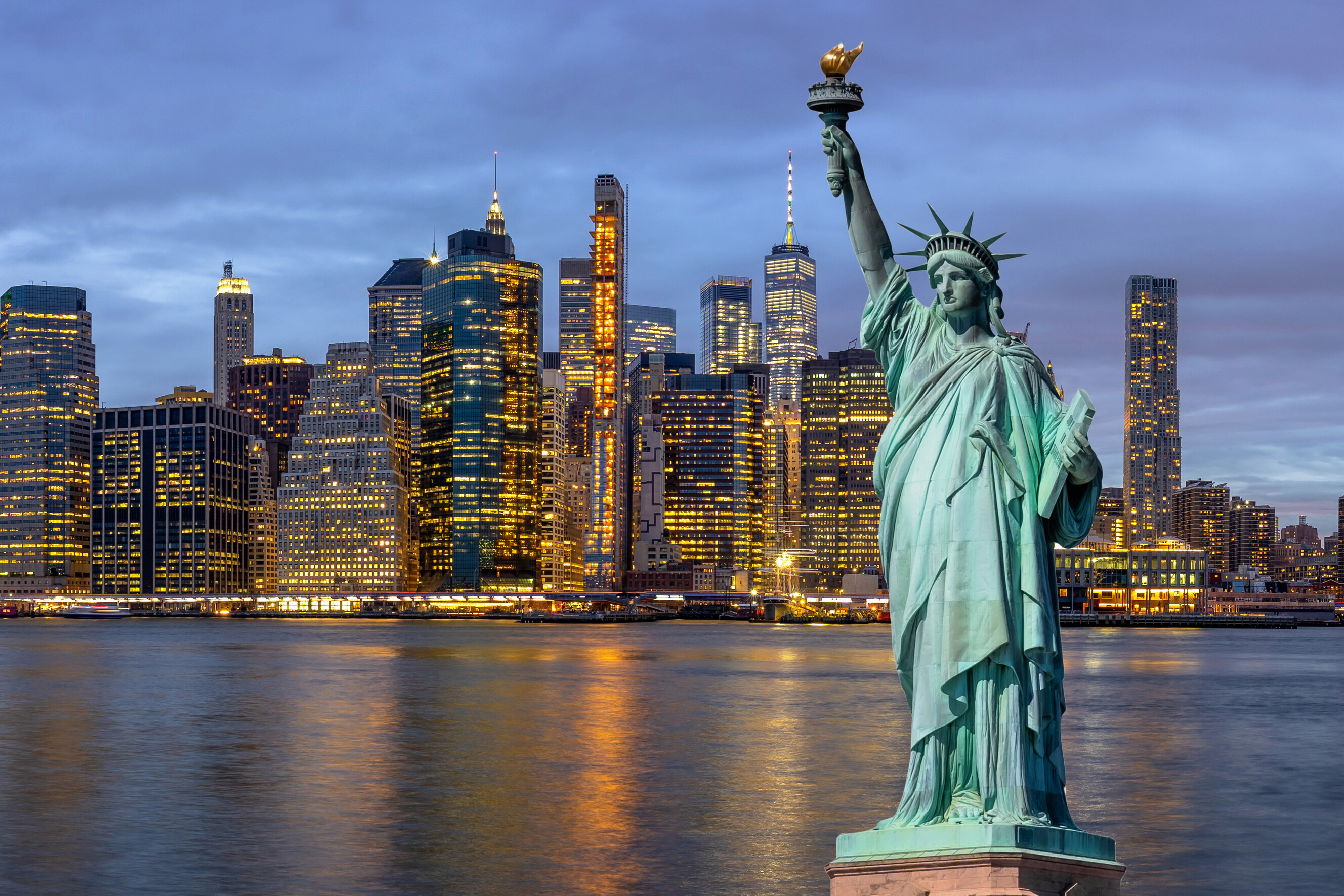
If you’re moving from NYC to San Francisco, costs will typically sit at the higher end of interstate pricing due to distance and logistics. Planning early and booking movers well in advance can help keep moving costs under control, especially during peak months.
Out-of-state or international considerations
Out-of-state and international moves often require more preparation beyond a local move, especially when it comes to paperwork, tax status, and legal documents.
Interstate moving
If you’re relocating from another US state, there are a few extra steps to plan before you pack a moving truck. Start by changing your address with the US Postal Service (USPS), so your mail is forwarded to your new home while you update your information elsewhere. It’s also worth preparing for the following:
Understanding California residency requirements
Preparing for state income tax differences
Transferring insurance and healthcare coverage
California has stricter regulations than many states, so giving yourself a buffer period to handle admin is a smart move.
International moving
International relocations require more advance planning and documentation. Key considerations for long-distance moving include:
Confirming visa and work permit eligibility
Planning international shipping timelines and customs clearance
Authenticating academic or professional documents
Arranging temporary accommodation on arrival
Many international movers choose to ship only essentials at first and purchase large furniture locally once they’re settled.
What should you do on your San Francisco moving day?
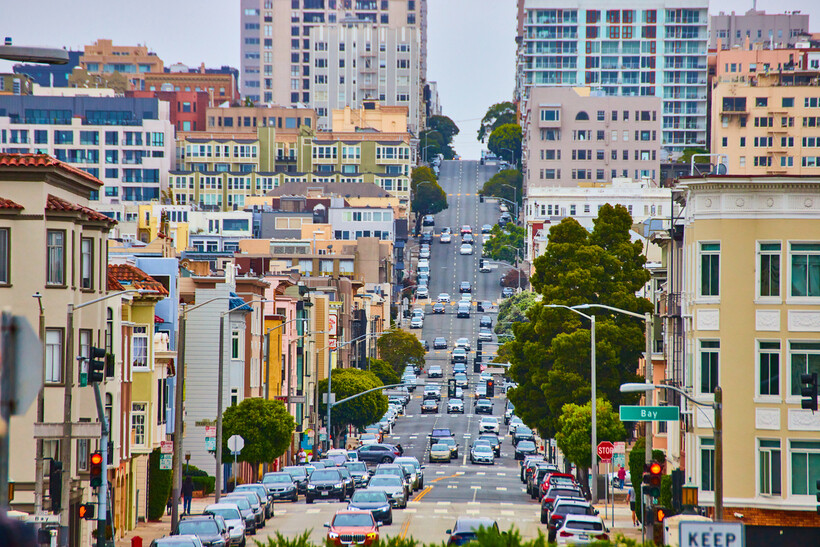 Navigating the city’s famously steep streets (Source: iStock)
Moving day in San Francisco comes with its own set of quirks: steep hills, tight streets, and strict parking rules. A little preparation goes a long way.
Coordinate movers and services
Confirm all details with your movers at least 48 hours in advance, including arrival time, parking arrangements, and building access. In many areas, you may need temporary parking or tow-away permits so moving trucks can legally reserve curb space.
Temporary No Parking Permits are issued by the SFMTA, with base fees starting at $341 for one to four signs (about 120 feet), plus additional costs for metered spaces. Signs must be posted at least 72 hours in advance for unmetered areas and 24 hours for metered ones.
If you’re moving into an apartment or condo, make sure to reserve elevator access ahead of time. It’s also a good idea to share a backup contact in case traffic or other issues come up. San Francisco traffic can be unpredictable, so build in extra time where possible, especially for cross-country moves.
Transport your belongings carefully
San Francisco homes often come with narrow staircases, older door frames, and walk-up apartments (often called “San Francisco specials”), which can make moving a bit more complicated. Let your movers know in advance if your place has stairs or a steep driveway, or if you’re bringing fragile items or bulky furniture that may need to be disassembled.
Weather can change quickly, too, so waterproof wrapping for furniture is a smart precaution. Once you arrive at your new home, supervise unloading so boxes and essentials end up in the right rooms from the start.
Double-check everything
Before leaving your old place, take care of a few final tasks to make sure everything is covered. Do a final walkthrough, take utility meter readings, and photograph the property if you’re renting.
These can help ensure that you’ve covered everything important and haven’t missed anything that’ll make you turn back and waste time.
How do you get settled in San Francisco after moving?
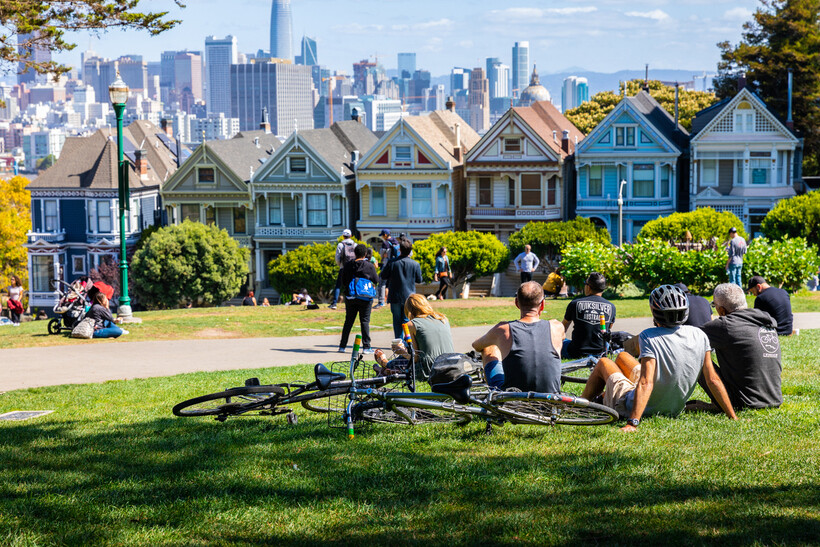 The iconic Painted Ladies at Alamo Square (Source: iStock)
Once the boxes are unpacked, the real work of settling in begins. Living in San Francisco requires preparation, and taking care of the essentials early will help you feel at home faster while avoiding last-minute scrambles.
Connect your utilities
It’s best to arrange utilities before move-in day so everything’s up and running when you arrive. If you’re renting, your landlord or property manager will usually let you know what’s already set up.
Below are common utilities to organize. Most services can be transferred or activated online, often with same-week availability:
Utility Type |
Example Providers |
|---|---|
Electricity |
Pacific Gas & Electric (PG&E) |
Water and Wastewater |
San Francisco Public Utilities Commission |
Natural Gas |
PG&E |
Waste Collection |
Recology |
Internet |
Xfinity, AT&T, Sonic |
It’s advisable to schedule connections at least seven to 10 days before move-in, especially during peak moving seasons.
Update your licenses and documents
When relocating to San Francisco, updating your official details is a must, especially if you’re coming from out of state. Start with this checklist:
Update your driver’s license with the California DMV. New residents are generally required to update their license within 10 days of establishing residency.
Register your vehicle with the DMV if you’re bringing a car from out of state. This typically goes hand in hand with updating your license.
Update voter registration. California’s Motor Voter program makes this easier by allowing you to register or update your voter information when you update your DMV records.
Secure local permits
Depending on where you live in San Francisco, you may need to sort out a few local permits. In many neighborhoods, street parking is limited to residents with a Residential Parking Permit (RPP), which lets you park beyond posted time limits in your zone. If you’re still in the process of moving or have friends helping you out, you can snag temporary permits for up to eight weeks.
You may also need permits for waste or recycling if you’re disposing of large items, as well as building permits for any renovation or improvement work. SF enforces strict rules around public space use, so always check city guidelines before placing bins, storage containers, or other equipment on the street or sidewalk.
Ensure your family’s welfare
If you’re moving with kids, settling into family life early can make the transition much smoother. San Francisco offers public, charter, and private schools, along with plenty of community and extracurricular programs.
Make sure you’ve covered the following essentials for the benefit of your kids:
Local school enrollment and zoning: Public school placement is handled by the San Francisco Unified School District (SFUSD), which manages enrollment timelines and assignments.
Childcare or preschool waitlists: Childcare and early education spots often fill quickly, so it helps to explore options and join waitlists early.
Nearby parks and playgrounds: The city has a wide range of parks and playgrounds for outdoor play and family time.
Pediatric healthcare providers: Finding a local pediatrician early helps ensure access to routine checkups and care when you need it.
Sort out your pet essentials
San Francisco is a surprisingly pet-friendly city once you know the rules. If you’re moving with a furry friend, you’ll need to license them with the city within 30 days of arrival. This applies to all dogs over four months old and confirms that your pet is up to date on their rabies vaccination.
Aside from licensing, there are a few other essentials worth sorting out early, including:
Local vet clinics and emergency services, so you know where to go for routine care or unexpected issues
Non-emergency pet care services, such as boarding, grooming, and pet sitting, are especially useful if you travel or work long hours
Off-leash dog parks and walking areas, which give your pet space to exercise and socialize
Popular off-leash areas include Fort Funston, Duboce Park, and parts of Ocean Beach, all of which are well known among local dog owners.
How do you get around in San Francisco?
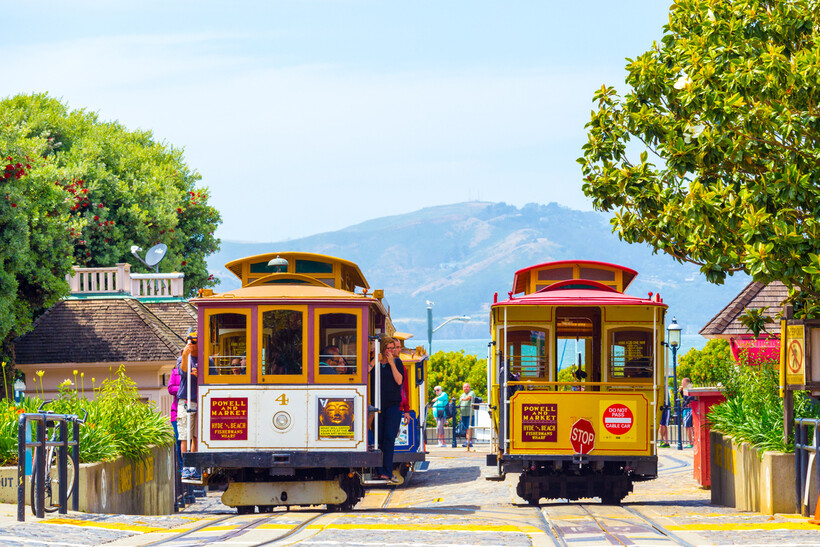 Passengers boarding the Hyde Street cable car (Source: iStock)
For a lot of people, efficient public transportation is a big consideration when choosing where to live in San Francisco. The city is one of the most walkable cities in the US, and car-free living is not just possible, but often preferable.
It’s generally accessible outside of train stations, though hills can be challenging for older residents and people with disabilities. Still, transport options are varied and well-integrated.
By bus
MUNI operates an extensive bus network covering nearly every part of the city. It serves as the backbone of daily transportation for many residents, especially in neighborhoods without nearby rail access.
Bus network: Citywide coverage
Common routes: Market Street, Mission Street, Geary Boulevard, Van Ness Avenue
Operating hours: Early morning to late night
Fares: Flat fare per ride
Payment methods: Clipper Card, credit/debit card, cash, Muni Ticket
Helpful apps: Transit, Google Maps, MUNI Mobile
By train
San Francisco’s rail system supports longer-distance travel, including cross-bay trips, airport access, and commutes around the Bay Area. There are two main services: BART and Caltrain.
BART (Bay Area Rapid Transit)
BART connects San Francisco with the East Bay, Peninsula, and major airports.
Main lines: Red, Yellow, Blue, Green, Orange
Operating hours: Early morning to midnight (hours vary by line and day)
Fares: Distance-based
Payment method: Clipper Card (physical or digital)
Helpful apps: Official BART App, Transit
Accessibility: Elevators and priority seating available
Caltrain
Caltrain links San Francisco with Silicon Valley and the South Bay.
Main lines: Local, Limited, Baby Bullet (express)
Operating hours: Weekday commuter-focused schedules
Fares: Zone-based
Payment method: Clipper Card
Helpful apps: Caltrain App
Accessibility: Wheelchair-accessible cars and platforms at most stations
By cable car
San Francisco’s iconic cable cars are part of the MUNI system and still function as public transit, though they’re used more often by visitors than daily commuters due to cost and crowding.
Main lines: Powell–Hyde, Powell–Mason, California Street
Operating hours: Daytime to early evening (hours vary seasonally)
Fares: Higher than standard MUNI rides
Payment method: Clipper Card, MUNI Mobile, cash
Helpful apps: MUNI Mobile
By ferry
Ferries provide a scenic and reliable alternative to driving or rail for Bay Area commuters traveling across the water.
Main routes: Sausalito, Oakland, Alameda, Vallejo
Operating hours: Peak commuter schedules
Fares: Route-dependent
Payment method: Clipper Card
By bike or bike-share
Despite the hills, cycling in SF is popular and improving every year.
Popular routes: Embarcadero, Golden Gate Park, Market Street, Valencia Street
Where to rent: Bay Wheels bike-share (stations throughout the city)
Fares: Single rides, day passes, or monthly memberships
Parking rules: Use bike racks and designated areas
By taxi or ride-share
Taxi and ride-share services are also widely available throughout the city. They’re commonly used for door-to-door convenience, late-night trips, or areas with limited public transit.
Services: Uber, Lyft, traditional taxis
Typical costs: Higher during peak hours or events
What are the best things to do as a new San Franciscan?
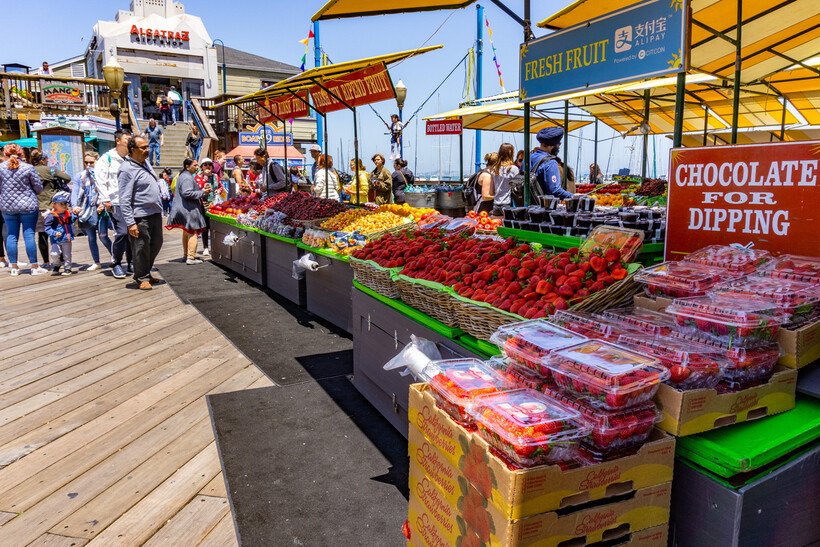 Exploring the market stalls at Pier 39 (Source: iStock)
Once you’re settled, it’s time to enjoy what makes life in San Francisco so special.
Explore your new neighborhoods
One of the best parts of becoming a San Franciscan is discovering how different each neighborhood feels, sometimes just a few blocks apart. So, spend your first weekends wandering without an agenda.
Grab a coffee in the Mission District and admire the colorful murals, get lost among the vintage shops and music history of Haight-Ashbury, and enjoy a slow afternoon meal in North Beach where European-style cafés spill onto the sidewalks.
Chinatown offers a completely different rhythm again, full of hidden alleys, bakeries, and buzzing markets. These everyday explorations are how San Francisco starts to feel less like a destination and more like home.
Visit cultural landmarks and attractions
Living in San Francisco means having world-famous landmarks woven into your everyday routine and not just reserved for visiting friends and family.
You might walk across the Golden Gate Bridge spanning the San Francisco Bay on a sunny afternoon, or learn the history of Alcatraz Island on a weekend. You could spend a rainy day wandering through the San Francisco Museum of Modern Art (SFMOMA), or just take a stroll along Lombard Street to admire its winding curves.
These places are part of the city’s shared identity, offering constant reminders of San Francisco’s rich history, creative spirit, and architectural beauty.
Enjoy the outdoors
Few cities make it this easy to step outside and reset. San Francisco’s outdoor spaces are deeply ingrained in daily life, whether it’s a morning jog through Golden Gate Park, a surfing session at Ocean Beach, or catching sunset views from Twin Peaks after a long day.
Sports fans can also catch a San Francisco Giants home baseball game at Oracle Park, widely considered one of the most beautiful ballparks in the country.
The Presidio and Lands End trails feel worlds away from city life, yet they’re right on your doorstep. Even on busy weeks, the city encourages you to slow down, breathe in the sea air, and make time for the outdoors.
Check out the local market scene
San Francisco’s markets are where food, culture, and community come together, and they’re a great way to feel like a local fast. The Ferry Building Marketplace is perfect for discovering artisanal food and grabbing lunch with a waterfront view, while neighborhood farmers’ markets offer fresh produce, street food, and live music.
Beyond shopping, these markets are social spaces where you’ll start recognizing faces, chatting with vendors, and building small routines that make living in San Francisco feel grounded and familiar.
Move to San Francisco with ease
So, is San Francisco a good place to live? If you value opportunity, diversity, creativity, and access to both career growth and natural beauty, the answer for many is yes. While the costs are high, the lifestyle, earning potential, and cultural depth make it worthwhile for people who plan carefully.
Whether you’re moving locally or moving from NYC to San Francisco, getting the right help can make all the difference. With Airtasker, you can find trusted local movers, packing help, cleaners, declutterers, furniture assemblers, and more. Simply post a task, get quotes from verified Taskers, compare reviews, and hire the pro that best suits your needs.
Helpful resources for those moving to San Francisco
Moving to a new city comes with a lot of admin, and San Francisco is no exception. Bookmark these official resources so you can get answers quickly when questions pop up:
City and County of San Francisco: Your go-to source for official city services, including permits, parking regulations, local laws, and resident information you’ll need when settling into daily life.
San Francisco Public Utilities Commission: Provides information on water, wastewater, and power services, including how to start, transfer, or manage utility accounts at your new address.
US Census Bureau: Offers reliable data on population trends, housing, and demographics, which can be helpful when researching neighborhoods and understanding broader city trends.
Learn more about our contributors
Written by Ma. Donna Dane B.
Contributor
Donna is an experienced writer and editor with expertise in web content, help guides, documentation, and academic research. She's written professionally for companies and nonprofit organizations in the elearning, agriculture, food, and beauty. Outside of work, Donna explores small business baking, AI governance research, and long-distance running, which influence her writing.
FAQs about moving to San Francisco
Yes. While both cities have a high cost of living, San Francisco generally has higher rent prices and overall living expenses than Los Angeles, particularly for housing.
Safety varies by neighborhood. Like any large city, some areas are safer than others, so it’s worth researching neighborhoods, understanding local conditions, and choosing housing that fits your comfort level.
That depends on your lifestyle and budget. Living in the city offers walkability, public transit, and easy access to jobs and amenities, while nearby suburbs often provide more space, quieter neighborhoods, and lower rents.
Many newcomers choose to rent first. Buying in San Francisco is expensive and highly competitive, so renting gives you flexibility while you get familiar with neighborhoods, commute options, and the local housing market.
Find movers, fast
Find a mover
Related price guides

How much do packers cost?
Read more






Related guides
How to move gym equipment safely
Read more
Where to get moving boxes for free
Read more
Moving to San Diego Guide
Read more
Moving to Atlanta Guide
Read more
Moving Checklist
Read more

A guide to becoming a mover
Read more
How much do movers make?
Read more

Tips for moving house with kids
Read more

How to pack kitchen items
Read more

How to pack artwork for moving
Read more

How to pack books for moving
Read more

How to move a pool table
Read more
How to move a shed
Read more
How to move a washing machine
Read more
How to move a vending machine
Read more
How to move a refrigerator
Read more

How to pack bedding for moving
Read more

How to move a pinball machine
Read more

What movers won’t move
Read more

The ultimate packing and moving list
Read more

Moving interstate checklist
Read more

Moving out of state checklist
Read more

How to wrap furniture for moving
Read more