From boxes to brownstones: Everything you need for moving to NYC
Your practical guide to costs, culture, and commute in The Big Apple
Last Updated on

Written by Ma. Donna Dane B.
Contributor
Read more about our contributor
Moving to NYC Highlights
The city is home to approximately 8.8 million residents. With over 40% of the population foreign-born, it’s highly diverse and rich in arts, food, music, and history.
Living expenses are notoriously high. Rents for a one-bedroom often average between $3,000 and $4,000+, so a comfortable lifestyle requires an above-average salary.
The best time to move varies by goal. Spring is popular for pleasant weather but tends to be busier, while late fall and winter are usually less competitive and offer more flexibility.
So you’re thinking about moving to New York City—awesome choice. Maybe you’ve felt that thrill when the subway pulls into Times Square, or you’ve dreamt about walking through Central Park in the fall. NYC has this magnetic pull of big opportunities, nonstop energy, and experiences you won’t get anywhere else.
Still, figuring out how to move to New York takes some groundwork and can feel a little intimidating. From choosing where to live and how much to save to navigating your first subway ride, there’s a lot to consider. This guide covers the whys and hows of a big-city move, including how to pick the right neighborhood and settle into life after you’ve made the leap.
Why are people moving to NYC?
 Nighttime crowds and billboards in Times Square (Source: iStock)
Even with a high cost of living, New York continues to attract people from around the world. Here are some of the best reasons to move to the Big Apple:
Lifestyle and culture
Living in New York is a dream for a lot of people. The city streets hum 24/7, and there’s always something happening. From world-class museums and Broadway shows to corner bodegas open at 3 am, New Yorkers get used to a rhythm unlike anywhere else.
NYC lifestyle and culture thrives on the diversity of languages, food, festivals, and accents, which blend in a way that makes every neighborhood feel like its own little world. It’s equal parts exhilarating and overwhelming in the best way possible.
Career and job opportunities
In 2025, NYC saw growth in private sector jobs like education and health services, information, and hospitality. The unemployment rate hovered around 4.9%, and opportunities spanned everything from finance and tech to arts and entertainment.
Average hourly earnings in the city are also competitive. Data shows that average hourly earnings for private employees is approximately $43.90 per hour. For many sectors, NYC offers wages that can help offset city life costs if paired with smart budgeting and planning.
Weather and climate
NYC doesn’t do lukewarm. You’ll experience all four seasons:
Winter (December to January): Expect chilly weather, occasional snow, and biting winds. If you’re moving from Boston, the season will feel familiar, though NYC’s coastal humidity can add a damp chill.
Spring (March to May): The weather is fair and mild, sometimes rainy, with parks and green spaces blossoming.
Summer (June to August): New York gets hot and humid in the summer, which is perfect for rooftop hangs.
Fall (September to November): This season is crisp, colorful, and arguably the best time of year, especially around green spaces.
Average highs range from about the low 40s°F in winter to the mid-80s°F in summer. If you’re from a mild climate, expect a bit of a shock, but most New Yorkers embrace it.
What should you research before moving to New York City?
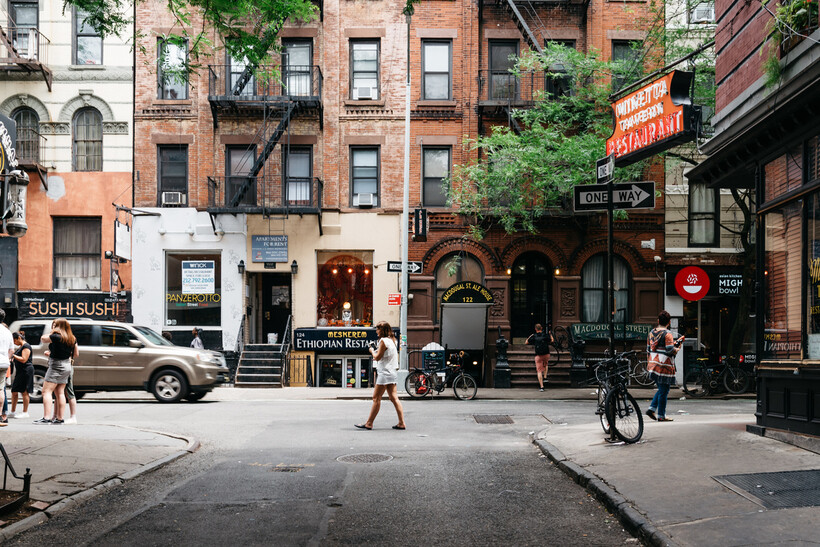 Exploring the streets of Greenwich Village (Source: iStock)
Before moving in the city, there are a few big pieces to think through to avoid surprises.
Cost of living
The cost of living in NYC is famously high, and for most newcomers, the biggest day-to-day challenge. Overall living costs in NYC sit around 75% higher than the national average, with housing consistently being the top expense, pretty much like in San Francisco.
To make things clearer, here’s a snapshot of typical monthly costs you might expect:
Area of Expense |
Estimated Cost |
|---|---|
Rent (1BR, citywide avg.) |
~$3,000 to $4,000+ |
Groceries |
~$400 to $700 |
Utilities |
~$200 to $300 |
Transportation (MTA monthly pass) |
~$132 |
Dining Out (1 to 2 meals per week) |
~$200 to $400 |
Healthcare |
Varies widely |
So, what salary do you need to live in NYC? It depends on your lifestyle, but many financial planners recommend that no more than 30% of your gross income goes to housing. In practical terms, a salary that supports that ratio in NYC often starts well above the national median.
Neighborhood options
Choosing the best places to live in NYC really comes down to lifestyle, budget, and the kind of day-to-day vibe you want. Below are five popular options to help you get a feel for what life might look like in each one.
Manhattan
Manhattan is the heart of the action, offering iconic city views, world-class dining, endless entertainment, and unbeatable access to public transport. It’s fast-paced, high-energy, and perfect for those who want to be at the center of everything.
Apartments here tend to be smaller, and rents are generally among the highest in the city (around $5,500 a month for a one-bedroom). But if you’re after convenience and constant excitement, moving to Manhattan delivers it in spades.
Brooklyn
Brooklyn strikes a balance between creative neighborhood charm and big-city living. Areas like Williamsburg, Bushwick, and Crown Heights are known for their thriving arts scenes, great cafés, and more space than you’ll typically find in Manhattan.
The vibe is more relaxed and community-oriented, though rent can still be on the higher side, with many one-bedroom units falling between $3,000 and $4,300.
Queens
Queens offers some of the best value in NYC, with diverse neighborhoods such as Astoria and Long Island City attracting people who want more space without straying too far from Manhattan. It’s known for incredible food, multicultural communities, and convenient transit links.
One-bedroom apartments are often more affordable than those in Brooklyn or Manhattan, typically ranging from $2,500 to $3,500. If you’re after quieter nights and a more residential feel, Queens is an excellent starting point.
The Bronx (Riverdale, Fordham)
The Bronx provides a more budget-friendly option while still offering plenty of character. Neighborhoods like Riverdale and Fordham feature larger apartments, leafy parks, and a strong sense of community.
Rent is generally lower compared to most other boroughs, often around the $1,630 mark for a one-bedroom. While some areas may come with longer commutes, the borough appeals to families and anyone wanting more space without the Manhattan price tag.
Staten Island
Staten Island, on the other hand, feels almost suburban compared to the rest of New York City. It’s ideal for those seeking a quieter pace and already thinking about owning a house or apartment.
With some of the lowest rental prices in NYC and easy ferry access to Manhattan, this borough is a practical choice for families and car owners. It’s quite removed from the hustle and bustle, and its peaceful streets, parks, and community-focused lifestyle make it an appealing option if you want a calmer home base.
Best time to move
Among the many things to know before moving to NYC, timing is one of the most crucial. When you move can affect availability, pricing, and how smooth your relocation feels overall.
The table below is based on New York state-wide moving demand, which reflects seasonal trends commonly seen in NYC.
Season |
Pros |
Cons |
|---|---|---|
Spring (March to May) |
Highest demand period, with activity running around 45% above the annual average on Airtasker, driven by April and May. Mild, fair weather makes for a more comfortable moving day. |
Competition for top-rated movers is high, and booking several weeks in advance is often necessary. |
Summer (June to August) |
Lower overall demand, particularly in June and July, which can make booking easier. High apartment turnover provides more housing options. |
NYC heat and humidity can make moving physically demanding. Rental prices and building restrictions may also be higher during peak housing season. |
Fall (September to November) |
Cooler weather makes early fall a pleasant time to move. Demand continues to ease, with November dropping to roughly 45% below the average on Airtasker, offering increased availability. |
Daylight hours shorten, and late fall may bring early cold snaps or rain. |
Winter (December to February) |
Overall activity is mixed, with December and January below average, sometimes leading to better availability or concessions. |
Weather-related risks can complicate logistics. February is notably more active than other winter months, which can limit flexibility. |
Moving costs
How much does it cost to move in NYC? Well, hiring professional movers typically costs between $100 and $160 per hour, but total project fees vary significantly by distance. For example, while a small local relocation might start around $400, a move from Philadelphia or Washington, DC to NYC will generally require a higher budget due to longer travel and interstate logistics.
Service Type |
Estimated Cost Range |
|---|---|
Local Move |
$400–$2,800+ |
Regional Move |
$1,000–$4,000+ |
Interstate Move |
$2,600–$8,100+ |
These are estimates, as rates can change with seasonality, demand, home size, building access (including stairs), and whether you hire pros or DIY. If you’re hiring local moving help, plan for weather-related challenges, as movers may charge more for working in difficult conditions.
Out-of-state or international considerations
When moving to New York, your long-distance moving path differs depending on whether you’re already in the US or coming from abroad.
Interstate moving
If you’re moving to New York from California or any other US state, there are several practical details to sort out beyond packing:
Driver’s license and vehicle registration: These need to be updated within a set timeframe after establishing residency.
Insurance: Providers may also need to be notified of your move.
Taxes: These are another important consideration, especially if you’re relocating from lower-tax states like Alaska and New Hampshire.
Income, residency status, and filing obligations: These may change once you’re living in New York.
Logistics: This can also be more complex for interstate moves, particularly when entering dense areas like Manhattan.
International moving
International moves require even more preparation, as immigration and documentation come into play. Avoid the moving mistake of underpreparation and make sure you have everything you need:
Visa and work authorization: Make sure these documents allow you to live and work in the US, as this will impact everything from employment to housing applications.
Shipping belongings: This can take weeks or even months, so many newcomers choose to arrive with essentials and arrange additional furniture moving shipments later.
Key documents: It’s also important to carry both physical and digital copies of passports, visas, academic records, and insurance paperwork.
What should you do on your New York City moving day?
 Getting ready to enter a new apartment (Source: iStock)
Alright, it’s the big day. Here are tips for moving to NYC, so you can make the transition as smooth as possible.
Coordinate movers and services
Confirm arrival times in advance, clear building access, secure elevator reservations (if needed), and build in extra time for traffic or delays. Check if your street requires a moving permit or no-parking signs. Generally, NYC only requires a moving permit when large trucks are used or temporary street space is needed, in which case you’ll need to apply through the Department of Transportation (DOT).
Remember, NYC logistics can be tricky, so patience and planning go a long way. Don’t forget to also book move-in cleaning services, as this will help you rest easy in your new home later on.
Transport your belongings carefully
Tight hallways and narrow doorways mean careful packing and labeling matter. Measure your biggest furniture pieces beforehand because you might need to take things apart or hoist them through windows.
Weather can also slow things down, so protect items (fragile or not) from rain or extreme heat during transit. If needed, arrange for people to help you with decluttering and furniture assembly.
Double-check everything
Before you leave your old residence, here’s a helpful checklist of the last things to do:
Do a final walkthrough.
Take utility readings.
Confirm keys and access codes.
Ensure movers have your new address and directions.
Leave your old place broom-clean to avoid cleaning fees from your security deposit. If you’re moving mid-month, take photos showing the condition and date to protect yourself in case of disputes.
How do you get settled in NYC after moving?
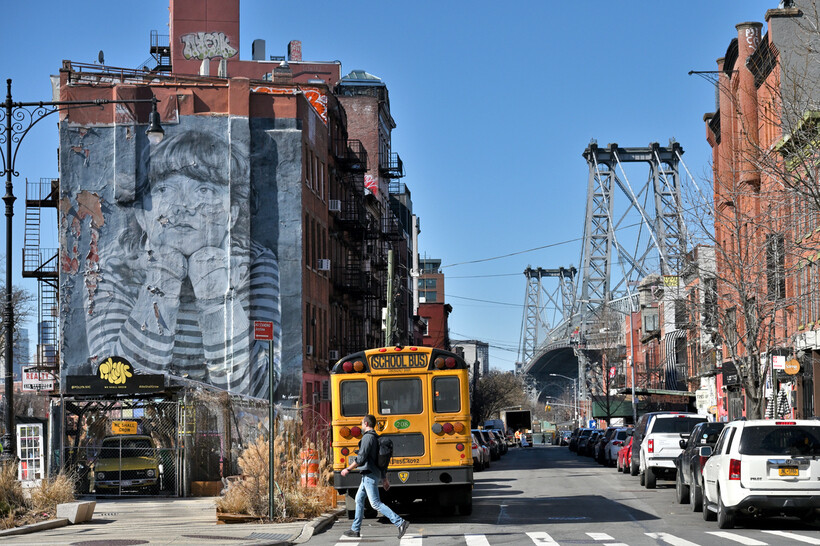 A quiet street scene in Brooklyn (Source: iStock)
Once your boxes are (mostly) unpacked and the dust has settled, there are still a few important steps to help your new place feel like home. Taking care of these early can save you time, stress, and last-minute scrambling later on.
Connect your utilities
In NYC, electricity and gas are usually handled separately from water and waste services, which are often managed by the building or city. Internet and cable services will typically require scheduling an installation or transfer, so it’s best to arrange these utilities ahead of your move-in date if possible.
Utility Type |
Example Providers |
|---|---|
Electricity |
Con Edison (ConEd) |
Natural Gas |
National Grid, ConEd |
Water and Sewer |
|
Internet or Cable |
Verizon Fios (fiber), Spectrum (cable/fiber), Optimum (cable/fiber) |
To get started, your landlord or building management can usually tell you which utility services apply to your unit and how to set them up. Many providers allow you to schedule connections or transfers online, often letting you choose a specific start date so everything is active when you arrive.
Booking early is especially helpful in busy buildings or during peak moving seasons, when appointment slots can fill up quickly.
Update your licenses and documents
Once you’re officially living in NYC, you’ll need to update your personal records. Essential tasks include:
Address change with the US Postal Service (USPS) to ensure mail forwarding
Account updates with banks, employers, and healthcare providers
Notification to any relevant insurance companies
Driver’s license exchange if you’ve moved from out of state
Vehicle registration and car insurance updates to reflect your new address
Healthcare record transfers
These admin tasks may not be exciting, but handling them early helps avoid complications down the line.
Secure local permits
Some buildings require move-in or move-out reservations for elevators, while others may require temporary parking permissions for moving trucks.
If you’re planning any renovations or home improvements, permits may also be required before work can begin. It’s worth checking with your building management or city agency to understand what applies to avoid fines, delays, or unexpected fees.
Ensure your family’s welfare
If you’re moving with kids, helping them settle in is just as important as setting up your home. New York City offers a wide range of schooling and childcare options, including public schools, private schools, and early education programs. Parents can explore local education portals to understand enrollment timelines, zoning rules, and school performance data.
Beyond education, take time to visit nearby playgrounds, parks, and family-friendly community spaces; they’re great for helping children adjust and make new friends. Also, identify nearby healthcare facilities, including pediatricians, urgent care clinics, and hospitals, so you know where to go if you need support quickly.
Sort out your pet essentials
For those moving with pets, a few extra steps will help your furry companions settle in comfortably. In NYC, all dogs must be licensed and wear their collar in public. You can easily apply online or by mail, for which licenses are valid for one to five years.
Many neighborhoods also have designated dog parks or off-leash hours, giving pets a chance to burn off energy and socialize. If you work long hours or travel frequently, you may want to research pet grooming, boarding, or walking services in your area in advance.
How do you get around in New York City?
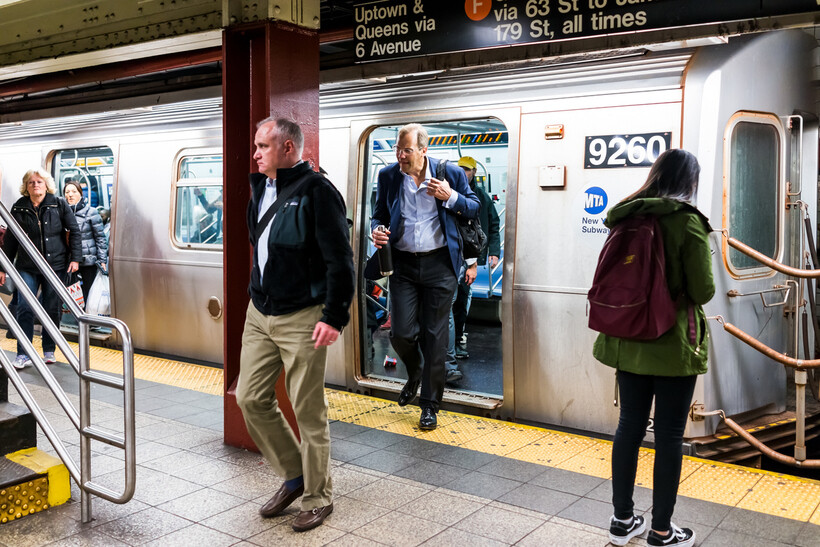 Commuters at an NYC subway station during rush hour (Source: iStock)
New York City is highly walkable, particularly in central neighborhoods, and its transport network makes traveling between boroughs fast and affordable.
By subway
The NYC subway is the backbone of daily travel, serving millions of riders across Manhattan, Brooklyn, Queens, and the Bronx. The system operates both underground and above ground, across multiple main lines, including numbered lines (1 to 7) and lettered lines (A to Z), many of which run 24 hours a day.
Fares are fixed at $2.90 regardless of distance traveled. Both MetroCard and One Metro New York (OMNY) are accepted, with OMNY allowing contactless payments using a smartphone, credit card, or smart device. Accessibility varies by station, but many key hubs offer elevators, ramps, and accessible turnstiles.
By bus
MTA buses complement the subway by serving neighborhoods and streets that trains don’t reach directly. They’re particularly useful in areas such as eastern Queens, parts of Staten Island, and residential zones where subway access may be limited or distant.
The bus network spans all five boroughs, with local, limited, and express routes available. Fares match subway pricing ($2.90), and both MetroCard and OMNY payments are accepted. Most buses operate 24 hours a day, although overnight services may run less frequently.
By commuter rail
Major lines connect New York City to nearby regions in New York State and neighboring states, with terminals located at major stations such as Grand Central and Penn Station. Fares vary based on distance and travel zones, and tickets are typically purchased separately from subway fares.
Operating hours generally focus on peak commuter times, with reduced service overnight. Accessibility features are available on many trains and stations, though assistance may need to be requested in advance for some routes.
By ferry
The NYC Ferry offers both a practical and scenic way to travel across New York’s waterways. Routes operate between Manhattan, Brooklyn, Queens, and Staten Island, serving areas not directly connected by subway. They run on set schedules, with more frequent service during peak hours.
Fares are generally affordable at $4.50 for a one-way trip, though savvy locals often opt for the $29.00 10-Trip Pass. Payment methods vary by operator, with some accepting transit cards or mobile ticketing options. Ferries are wheelchair accessible and provide a comfortable alternative to crowded trains during rush hour.
By bike or scooter
Cycling and electric scooters are popular for short trips, especially during warmer months. New York City has an expanding network of bike lanes, making it easier and safer to travel between neighborhoods without relying on public transport.
You can rent scooters and bikes via docking stations or NYC’s official bike-sharing system, Citi Bike, which starts at $4.99 for 30 minutes, plus $0.38 per additional minute. Parking rules require bikes and scooters to be secured at designated racks or permitted areas, as blocking sidewalks or entrances can result in fines.
By ride-share or taxi
Taxis and ride-share services remain a convenient option, particularly for late-night travel, airport runs, or trips involving luggage.
Ride-sharing apps like Uber and Lyft allow users to request trips on demand, with pricing that varies based on distance, time of day, and demand. While costs can be higher during peak hours or bad weather, they offer door-to-door convenience that public transport can’t always provide.
By car
Despite being a global city, New York has one of the lowest car ownership rates among major US cities, and for good reason. Most residents advise against bringing a car as heavy traffic, limited street parking, and high ongoing costs make driving impractical.
On top of that, toll roads and bridges can significantly increase expenses, especially for daily commuters. Street parking is divided into zones and paid for via the ParkNYC app:
Manhattan core: Expect to pay $5.50 for the first hour in Midtown Core and Lower Manhattan. The rate sharply increases to $9.00 for the second hour.
Outer boroughs: Metered parking in neighborhood retail districts (Queens, Brooklyn, or the Bronx) is more affordable, typically costing $2.00 to $2.50 for the first hour.
What are the best things to do as a New Yorker?
 Enjoying the outdoors in Central Park (Source: iStock)
With endless opportunities to explore on the horizon, you can discover things to do alone in NYC or with friends.
Explore your new neighborhoods
Areas like Greenwich Village and the West Village are known for their tree-lined streets, historic townhouses, cozy cafés, and live music venues. South of Houston Street (SoHo) and North of Little Italy (Nolita) blend high-end shopping with cast-iron architecture and independent boutiques, making them ideal for leisurely strolls.
Across the river, Williamsburg and Dumbo showcase Brooklyn’s creative side, with waterfront parks, converted warehouses, and sweeping skyline views. Astoria, in Queens, stands out for its cultural diversity, vibrant food scene, and relaxed residential feel.
Visit cultural landmarks and attractions
World-class museums like The Metropolitan Museum of Art (The Met) and The Museum of Modern Art (MoMA) house collections that span centuries and continents. Plus, the American Museum of Natural History brings science and discovery to life for all ages.
Historic sites such as the Statue of Liberty and Ellis Island tell powerful stories of immigration and identity, making them essential visits for new residents. Meanwhile, the Empire State Building remains an enduring symbol of the city’s ambition and architectural heritage.
Enjoy the outdoors
Parks, riverwalks, and piers provide space to relax, exercise, or simply take in the views. Waterfront parks along the Hudson and East River offer stunning perspectives of the Manhattan skyline and are perfect for walking, cycling, or unwinding after work.
During warmer months, the city comes alive with free outdoor movies, concerts, and cultural events in places like Bryant Park and Central Park.
Check out the local market scene
Many of New York’s markets operate year-round, while others pop up seasonally, offering everything from fresh produce to handmade goods:
Union Square Greenmarket: A staple for fresh local produce, baked goods, and flowers. Open multiple days per week, with peak activity on market days.
Smorgasburg: A popular outdoor food market showcasing local vendors and emerging chefs, seasonally open on weekends during warmer months.
Chelsea Market: An indoor market known for diverse food stalls and specialty shops, open daily.
Brooklyn Flea: A mix of vintage items, handmade products, and local food vendors, usually open on weekends.
Start your NYC move today with Airtasker
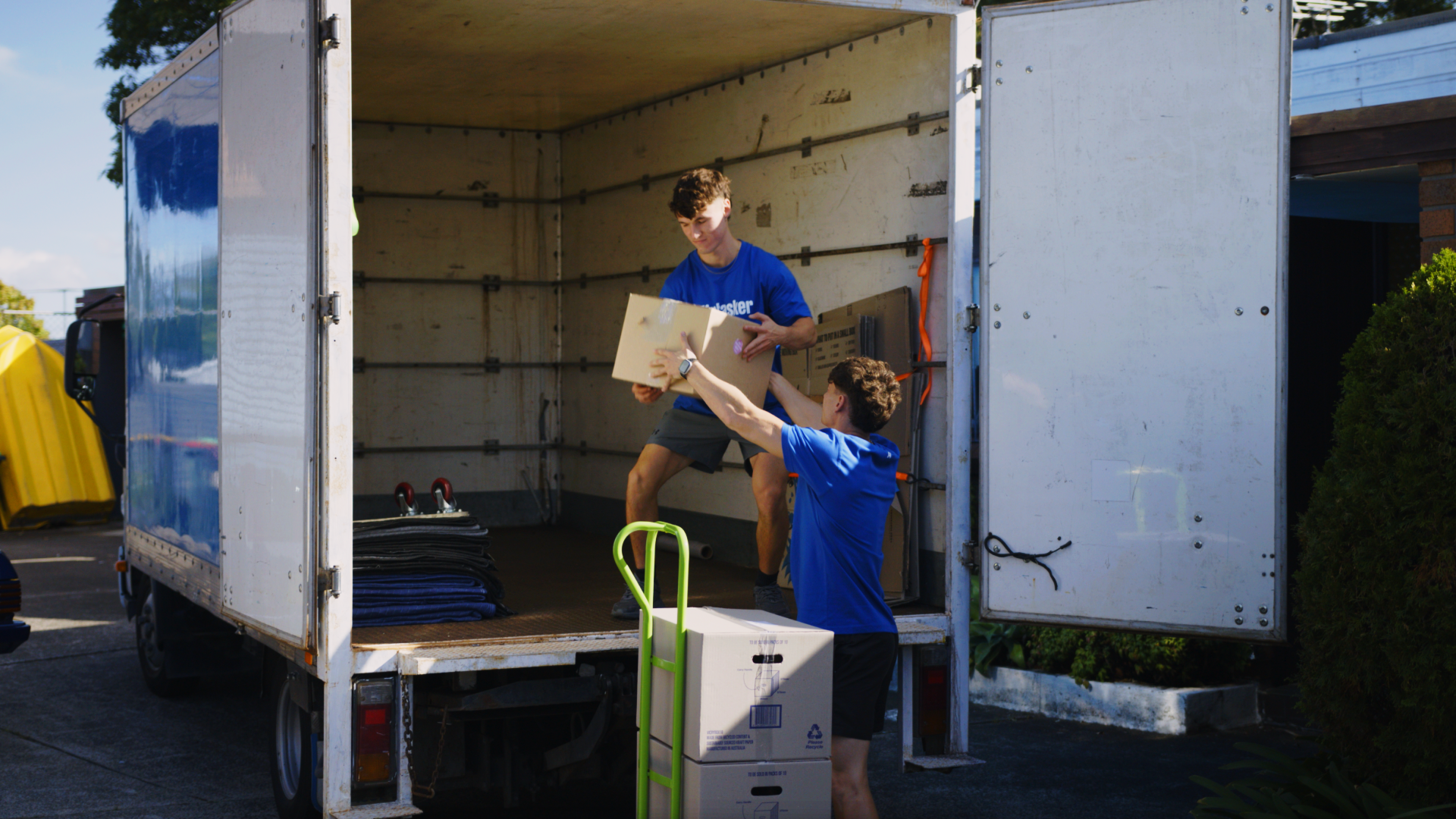
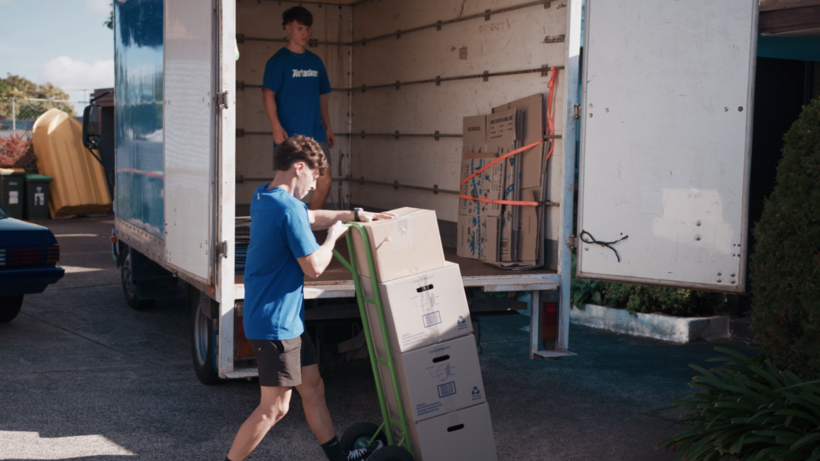 Airtasker movers loading belongings safely onto the truck
So, is living in New York worth it? Well, New York’s job opportunities, cultural richness, and the thrill of being in one of the world’s most dynamic cities are hard to beat. If you plan well and align expectations with reality, you can make sure that living in New York is worth all the effort you put into moving.
When you’re ready, find trusted local movers and get started with your exciting new adventure with Airtasker. Simply post a task, get quotes from verified Taskers, compare their reviews, and hire the pro that best suits your budget and schedule. Big moves get easier when you have reliable help!
Helpful resources for those moving to NYC
New York City runs on paperwork, portals, and processes. These official resources will save you time, confusion, and at least a few unnecessary phone calls:
City of New York Official Site: You’ll find guidance on housing, taxes, public services, permits, utilities, sanitation schedules, and resident programs.
NYC Department of City Planning: The Department of City Planning provides detailed community profiles, demographic data, zoning information, and local development insights.
NYC 311: This portal covers a wide range of services, including reporting noise complaints, requesting bulk trash pickup, finding local services, and checking regulations.
NYC Public Schools: For families, this is the go-to resource for public school enrollment, zoning, admissions timelines, and program options.
The New York Public Library (NYPL): NYPL gives free access to books, research materials, educational programs, and cultural events, plus a ton of online resources you can use from anywhere.
Learn more about our contributors
Written by Ma. Donna Dane B.
Contributor
Donna is an experienced writer and editor with expertise in web content, help guides, documentation, and academic research. She's written professionally for companies and nonprofit organizations in the elearning, agriculture, food, and beauty. Outside of work, Donna explores small business baking, AI governance research, and long-distance running, which influence her writing.
FAQs about moving to NYC
Usually, yes, but it depends on housing and lifestyle plans. Most movers use this for NYC apartment security deposits, first month’s rent, and initial costs, but you’ll still need a solid monthly budget.
Moving to NYC without a job is possible, but it’s also risky. Many lenders and landlords require proof of income before renting, and winter moves can be particularly challenging without a steady income, making budgeting tight.
Most newcomers rent first, given high buying prices and competitiveness, while owning can make sense long-term, especially outside Manhattan.
The city center is convenient but pricey and compact with noisy, busy streets. Suburbs offer more space and affordability, but you’ll trade commute time.
It can be fast and intense, but many locals say the energy, opportunity, and diversity make it worth it.
Find movers, fast
Find a mover
Related price guides

How much do packers cost?
Read more





Related articles
How to move gym equipment safely
Read more

Where to get moving boxes for free
Read more
Moving to San Diego Guide
Read more
Moving to Atlanta Guide
Read more
Moving Checklist
Read more

A guide to becoming a mover
Read more

How much do movers make?
Read more

Tips for moving house with kids
Read more

How to pack kitchen items
Read more

How to pack artwork for moving
Read more

How to pack books for moving
Read more

How to move a pool table
Read more

How to move a shed
Read more
How to move a washing machine
Read more
How to move a vending machine
Read more
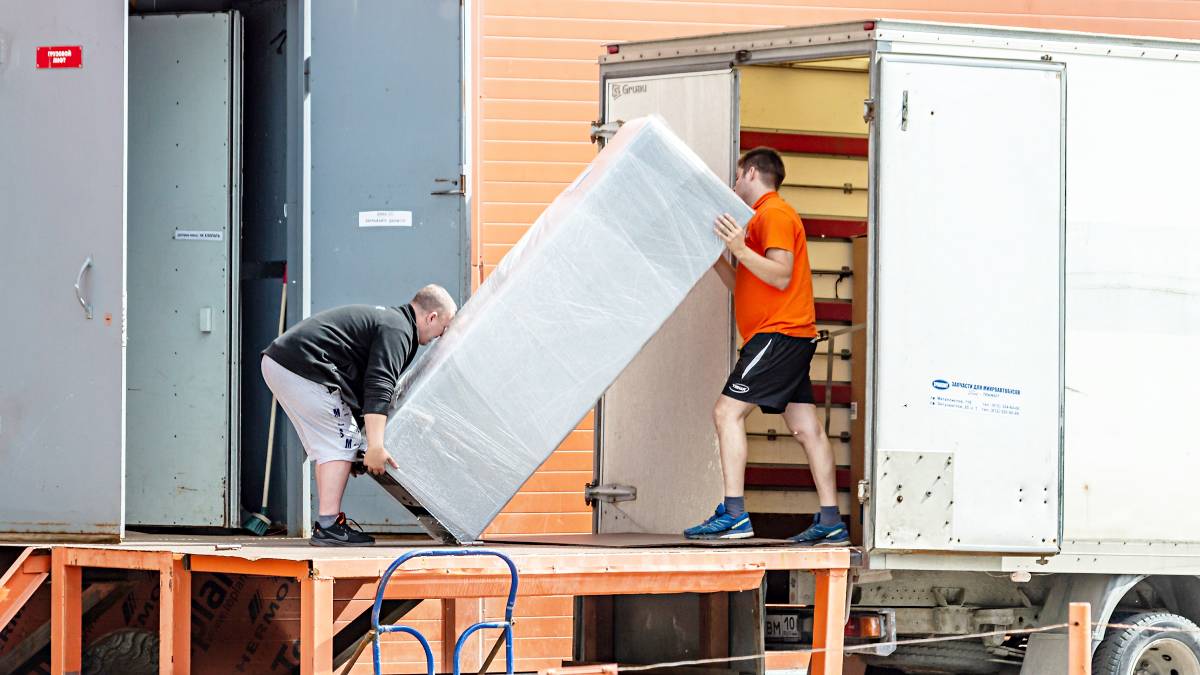
How to move a refrigerator
Read more

How to pack bedding for moving
Read more

How to move a pinball machine
Read more

How to wrap furniture for moving
Read more

What movers won’t move
Read more

The ultimate packing and moving list
Read more

Moving interstate checklist
Read more

Moving out of state checklist
Read more