Moving to Los Angeles: How to start fresh in the City of Angels
Pick the right neighborhood, handle the move, and settle into LA life with less stress
Last Updated on

Written by Cielo B.
Staff Writer
Read more about our contributor
Moving to LA Highlights
Living expenses are high, so plan your budget carefully. Monthly costs for essentials (not including rent) average around $1,400. A comfortable and healthy lifestyle typically requires an annual income of approximately $140,000.
Cars are still the main mode of transport, despite public options. While areas like DTLA and NoHo have reliable public transit, most residents rely on driving due to the city’s large and spread-out layout.
Timing your move can help lower costs. November and late spring often balance decent weather with moderate rates. January usually has the lowest demand and prices, while summer and early fall are the busiest and tend to be more expensive.
With year-round sunshine and beachfront living combined with a mix of urban energy, Los Angeles is ideal for those dreaming of an outdoorsy lifestyle while enjoying stunning coastline views. Plus, it’s known to be the home of Hollywood, so if you’re into film and creative ventures, you’ll love living in the city.
However, with a high cost of living and a sprawling car-dependent layout, moving to Los Angeles requires navigating a couple of challenges that can catch newcomers off guard. Read through this guide as it’ll walk you through how to move to LA, from initial research to your first weeks as a new Angeleno.
Why are people moving to Los Angeles?
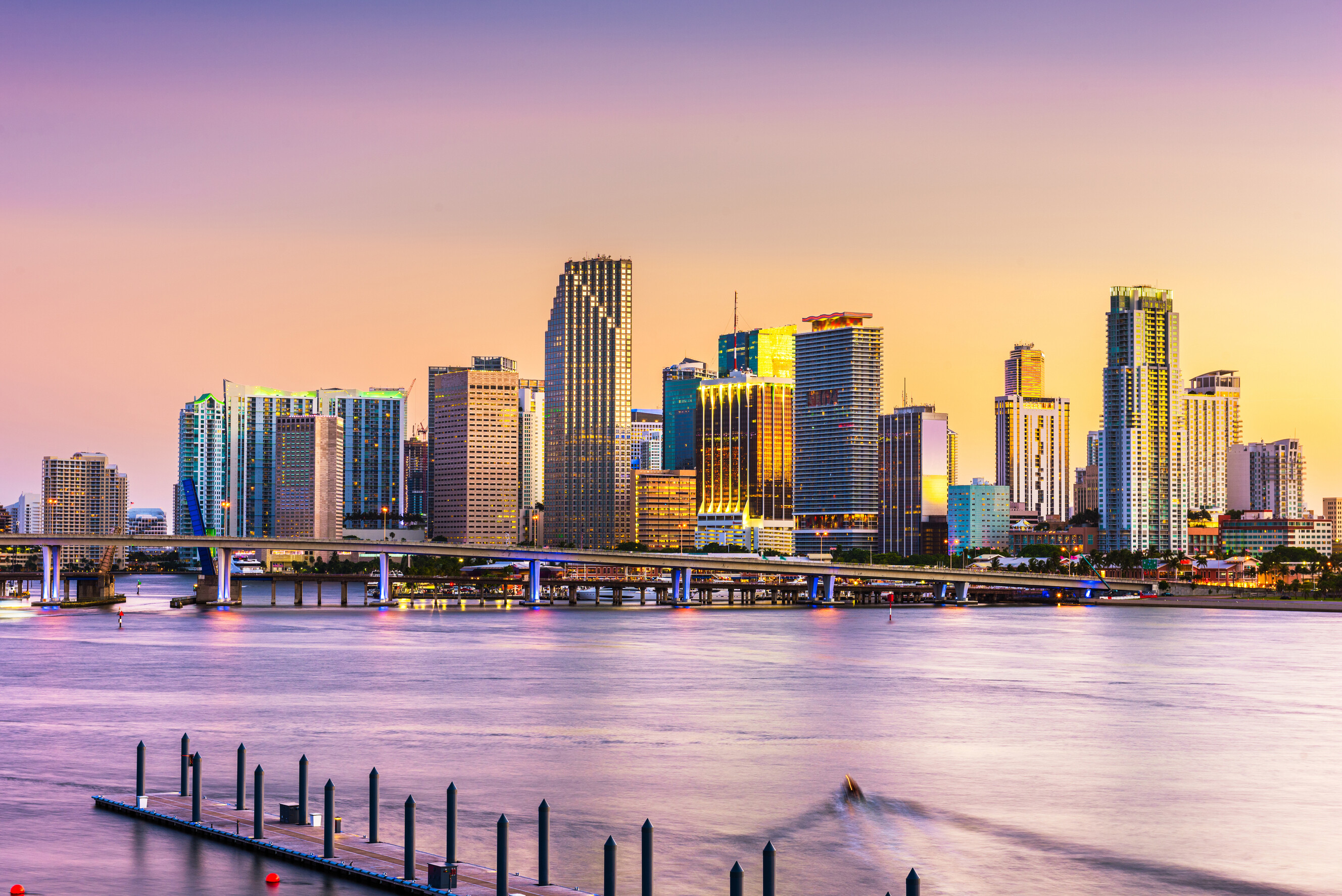
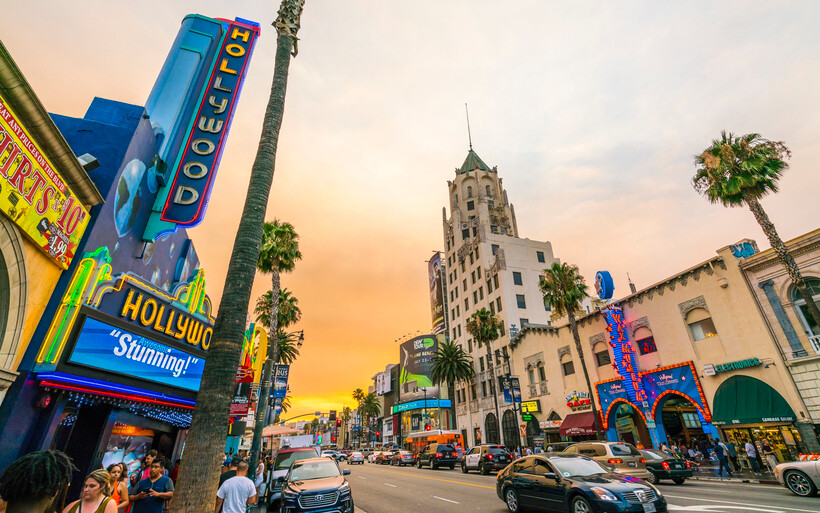 A classic Los Angeles sunset view (Source: iStock)
Moving to a new city is a huge step that calls for considerable changes in your life, so it’s natural to be nervous about it. If you’re still on the fence, learning more about life in LA could help you see if it’s the right place for you.
Lifestyle and culture
Living in Los Angeles means enjoying sunny skies with scenic beach views. Locals often take morning beach strolls and afternoon hikes, as the weather is warm all year round. Beyond a laid-back coastal life, people live a different lifestyle depending on where they settle. The city comprises various neighborhoods: from busy urban central hubs to artsy enclaves and quaint suburban areas.
Career and job opportunities
Jobs in the entertainment industry always dominate the local job market. Hollywood alone supports over 326,000 roles in film, TV, and digital production, so wages in this industry are approximately 20% higher.
Healthcare and education are the next industries expected to continue growing. LA has a large and aging population, so hospitals, clinics, universities, and research centers are often hiring. In fact, radiologists and surgeons are among the top earners, with annual salaries of $444,501 and $389,260, respectively.
The technology industry is also booming, with most startups and big tech firms developing products in AI, biotech, clean tech, gaming, and digital media.
Weather and climate
Think of Los Angeles as having two primary climate seasons: a long, sun-drenched dry period and a mild, rain-ready winter.
Dry season: Long, sunny, and rain-free
Since it’s mostly sunny, LA residents often joke that people could jog outside every day—literally. The dry season typically stretches from April to October. During these months, the city enjoys clear skies and very little precipitation; in fact, July is often the driest month with almost no recorded rainfall.
Expect temperatures to reach 90°F (32°C) or higher, especially in inland neighborhoods. But not to worry, because the coastal breeze from the Pacific Ocean keeps the air significantly cooler.
Wet season: Mild, cooler, and rain-ready
Los Angeles’ wet season runs from November through March. If you’re planning a Chicago to LA move, even the rainiest months will feel mild compared to a typical Midwestern winter.
While it rarely feels “frozen,” this period brings most of the city’s annual rainfall, with showers most common in January and February. Still, temperatures remain gentle, usually in the low 60s to low 70s°F (16–22°C) during the day. You may still experience snow if you live near the mountains.
What should you research before moving to LA?
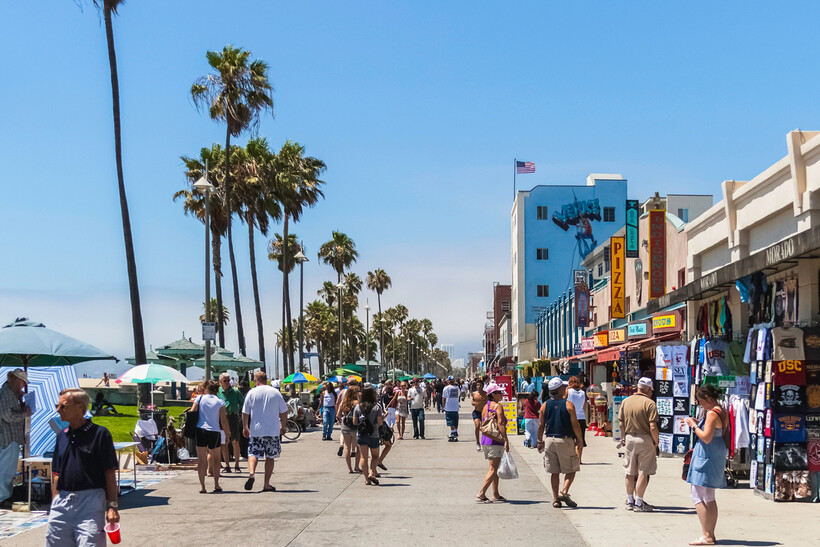 Sunny skies at the Venice Beach boardwalk (Source: iStock)
Now that you know what it’s like to live in this sunny coastal city, it’s time to get practical. Here are some things to know before moving to Los Angeles to help you settle in comfortably.
Cost of living
LA is one of the most expensive cities in the US, with an overall cost of living that’s around 50% higher than the national average. It’s a coastal area where millions of people want to live, so housing prices and rental rates are high.
Moreover, the city’s layout is spread out, so the neighborhoods are far apart. You’ll likely need to own a car, for which the estimated total cost of ownership is around $1,199 per month (this includes fuel, insurance, maintenance, and depreciation).
Taxes are also steeper, with the income tax ranging from 1% to 12.3%, as LA is situated in California, which provides a wide range of public services.
While daily essentials like groceries and utilities are pretty mild for a coastal city, leisure activities such as dining out and entertainment can be expensive. Here’s a breakdown of the overall monthly expense for a single person in LA:
Area of Expense |
Estimated Cost |
|---|---|
Groceries and Food |
$300 to $486 |
Utilities |
$235 to $320 |
Transportation |
$1,199 |
Dining Out and Entertainment |
$13 to $100 |
Healthcare |
$480 |
If we take into account all the expenses, your monthly needs total roughly $1,400 (take note that this doesn’t include your rent yet). So, how much is it to live in LA? To live comfortably, you’ll need at least an annual income hovering around $140,000.
Neighborhood options
As the soon-to-be new kid in town, you’re probably wondering where to live in Los Angeles and whether an apartment or a house is the right choice. We’ve narrowed down the list to the six standout LA neighborhoods to help you choose the one that matches your lifestyle and budget.
Downtown Los Angeles (DTLA)
Even though LA is a car-dependent city, you can still go around the town without owning a car if you choose to settle in DTLA. The area has an extensive public transit network, like the Metro Bus and Rail system.
Additionally, it has an urban core vibe with high-rise buildings and lots of people on the move.
North Hollywood (NoHo)
NoHo is another great alternative to movers who don’t own a car. Like DTLA, NoHo has good transportation connections. You can go to LA’s main hubs (business and government centers, as well as entertainment places) riding the Metro Rail.
Aside from the convenient commute, NoHo also offers a unique and artistic vibe, with numerous cafes and studios located around the area. And the best part is that the rent rates are affordable.
Westwood
If you’re planning to study at the University of California, Los Angeles (UCLA), Westwood is the best place to choose. It’s near the campus, so you’ll easily find student housing around the area. However, rents are high because of the upscale lifestyle. Fortunately, UCLA students can take advantage of free shuttles or discounted passes when commuting to school.
Downtown Santa Monica
Downtown Santa Monica is considered a premium location, with beaches, shopping districts, and nightlife venues nearby. Although the city is walkable and easy to live in car-free, housing comes at a premium price, with average rent reaching $5,000 or more.
Marina del Rey
Marina del Rey is ideal for the affluent. It offers waterfront luxury with peaceful views and a marina lifestyle, so apartment rents have the highest average among all the neighborhoods.
You’ll also need a car if you decide to live here because there’s no direct rail service. Everyday essentials like groceries and clinics aren’t clustered near the homes, so getting around without a car can be tricky.
Beverly Hills
Beverly Hills is for ultra-luxury living. It’s in a prestigious location, so it’s a high-cost area, with rent averaging $4,590.
Best time to move
While LA weather is often described as dry or wet, moving activity follows a more familiar seasonal pattern. Lease timing, school schedules, and pricing all influence when people move.
The data below shows California-wide moving demand, where clear seasonal shifts can significantly influence major metro areas, such as LA.
Moving Season (Demand-Based) |
Pros |
Cons |
|---|---|---|
Winter (December to February) |
More affordable time to move in early winter, with demand at its lowest in January—about 30% below average on Airtasker. Cooler temperatures make heavy lifting manageable. |
December is a surprise secondary peak, with demand nearly 17% above average. Rain is more frequent from January to February, which can complicate loading and unloading. |
Spring (March to May) |
Mild temperatures make for a comfortable moving day. Moving prices remain reasonable before the summer spike. |
March and April see a steady uptick in activity as people begin planning for the summer rush. |
Summer (June to August) |
Ideal for families and students relocating between school terms. High daylight hours allow more time to complete long-distance moves. |
Incredibly hot temperatures can reach 90°F+. Busy weekends may see spiked prices and limited truck availability. |
Fall (September to November) |
September is the busiest moving month in California, with demand nearly 40% above the yearly average on Airtasker. Reliable, experienced movers are still available even in peak season. |
High competition for top-rated movers in early fall can limit scheduling flexibility and increase labor rates. |
Moving costs
For simple local moves requiring two movers and a truck, the average cost of relocating to Los Angeles is around $77 to $123 per hour. Rates can vary based on factors such as home size, accessibility, and distance. For example, a regional move like San Diego to LA may follow a different pricing structure than a short cross-town move.
Additional fees may also apply for stairs, long carries, or longer distances, as these require extra time and resources. So, be sure to confirm the full pricing breakdown with your chosen moving provider before booking.
Out-of-state or international considerations
Whether you’re coming from another US state or another country, you have to make sure your paperwork, tax status, and legal documents move with you.
Interstate moving
Moving interstate (New York City to Los Angeles, for instance) means updating critical documentation and understanding residency rules that affect your taxes and legal status.
Since you’re a new resident, you must obtain a California driver’s license within 10 days of establishing residency and register vehicles within 30 days. You’ll need proof of identity and residency documents like leases or utility bills.
California determines residency based on your primary connections (where you work, bank, and vote) and generally considers you a resident after spending over nine months in the state. As a resident, you’ll pay California tax on all income, including earnings from other states, though credits may apply to avoid double taxation.
Lastly, be sure to transfer your voter registration, notify financial institutions of your address change, and consider opening a local bank account for easier ID verification and bill management.
International moving
Moving to a city in California from another country adds extra layers to your relocation. Here’s what you need to know.
Work authorization: To work legally in the US, you need the right visa. Your employer typically handles this by filing Form I-129. If you’re already in the country, you may need an Employment Authorization Document (EAD) through Form I-765.
Shipping your belongings: When shipping household items, use CBP Form 3299 to declare goods arriving separately from you. Items you’ve used for at least a year abroad can enter duty-free, but you must declare restricted items like alcohol and firearms.
Document requirements: Foreign documents, like birth certificates or diplomas, need authentication to be valid in California. If your country is part of the Hague Convention, you’ll need an apostille, which is a special certificate proving the document is legitimate.
What should you do on your Los Angeles moving day?
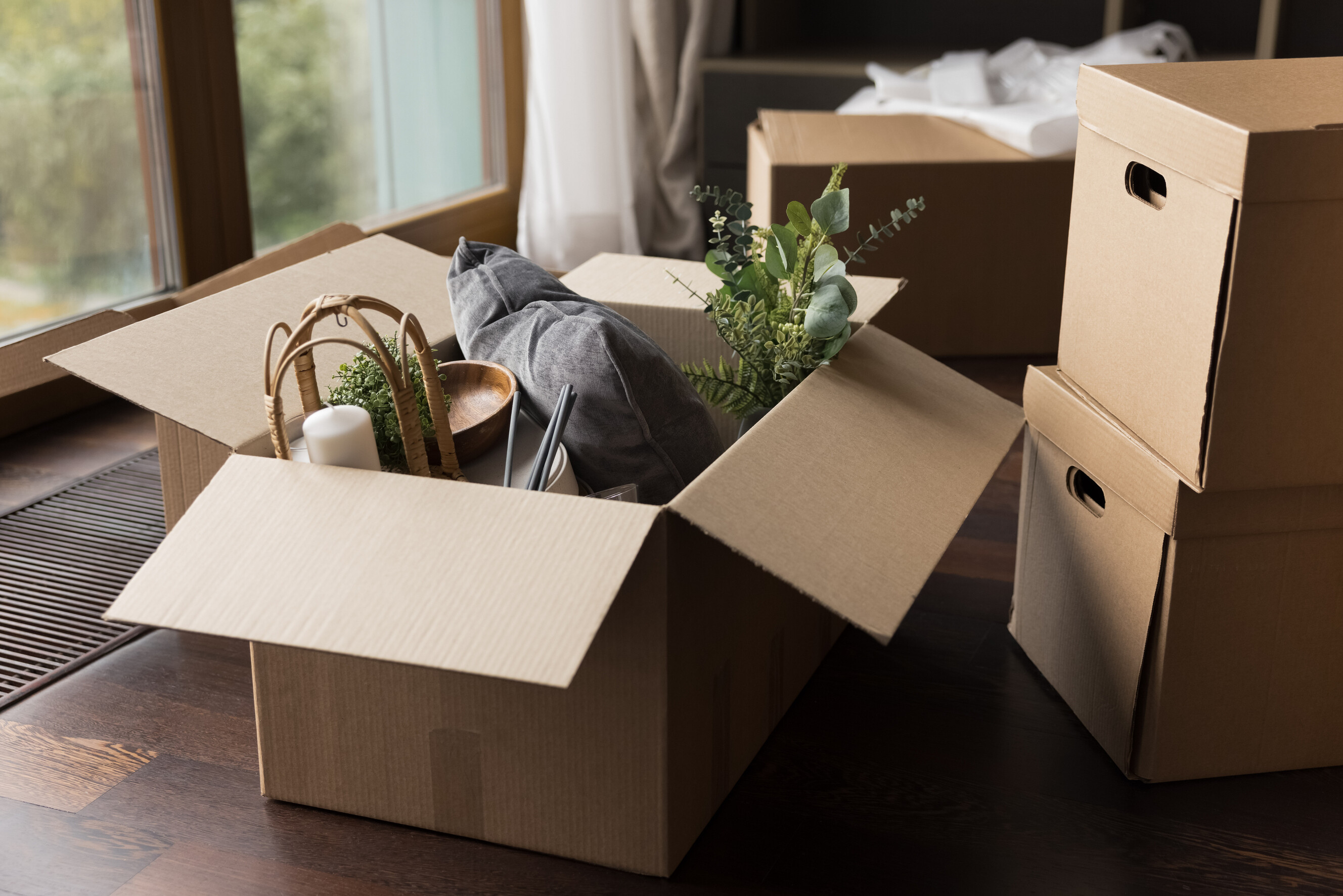
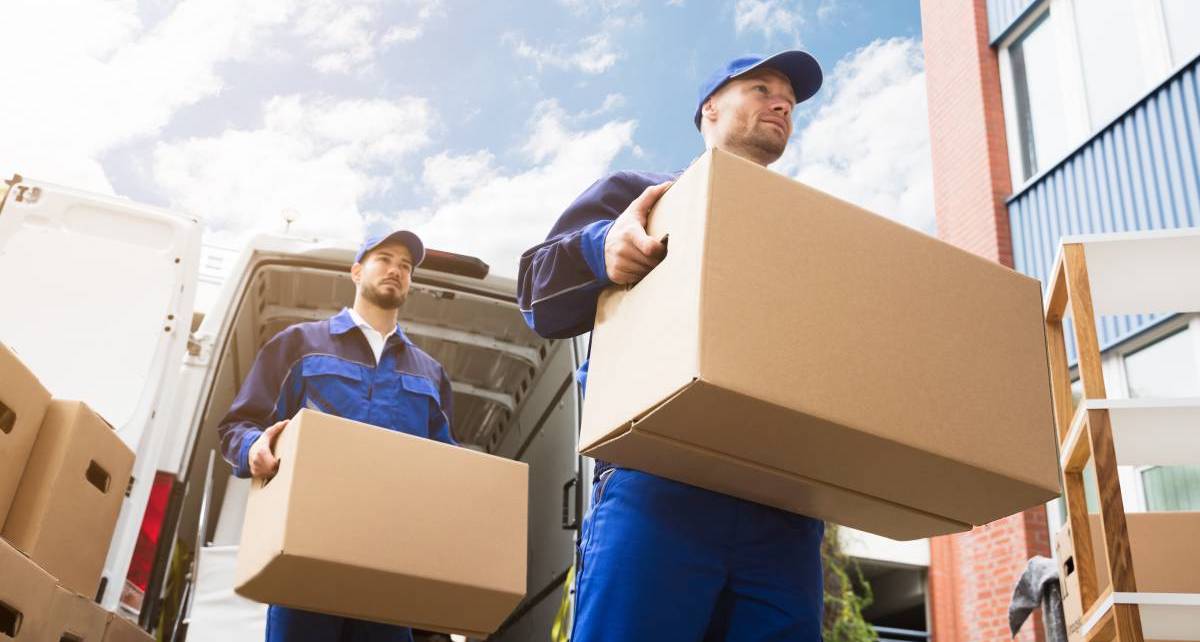
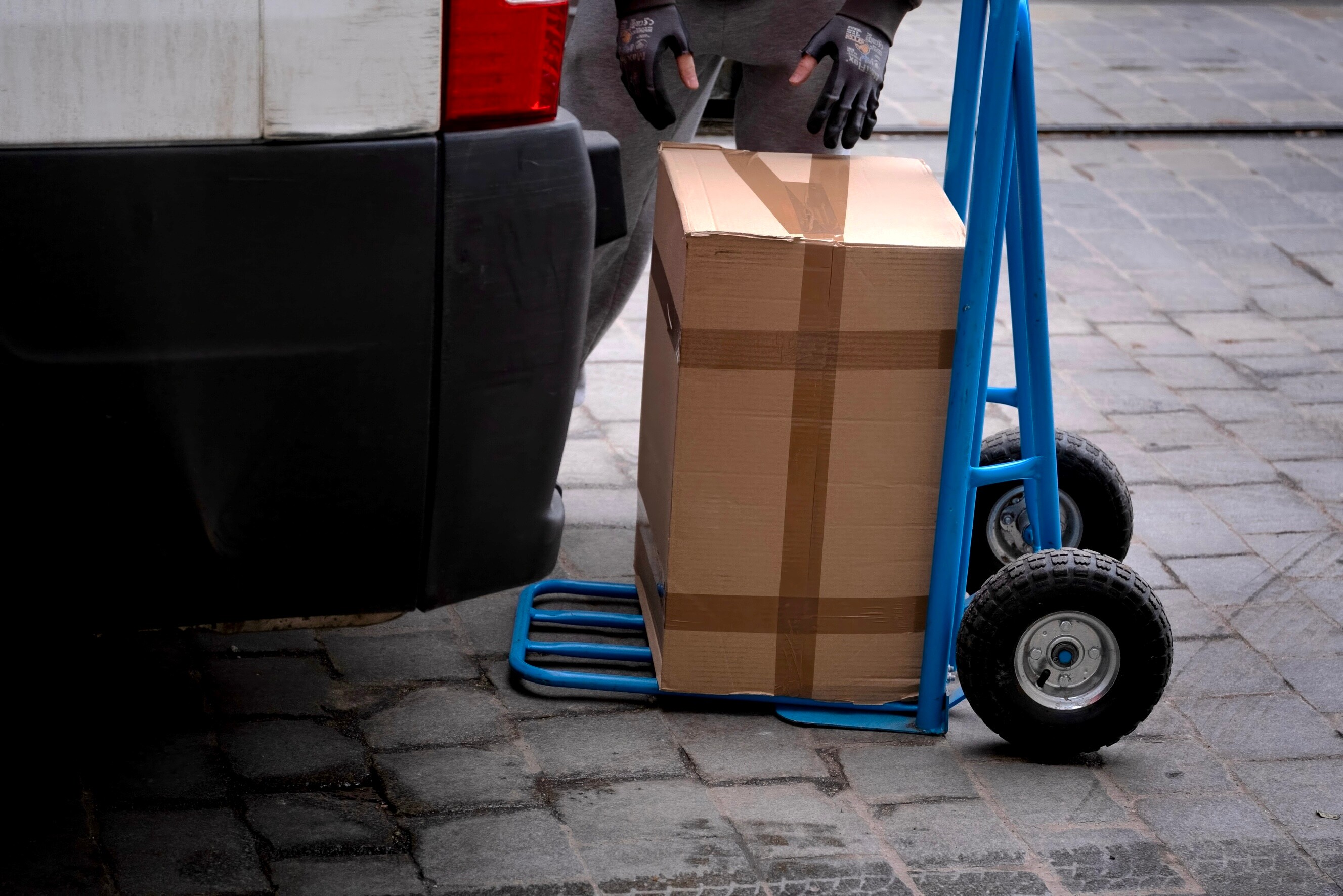
 Carrying boxes on moving day (Source: iStock)
Whether you’re relocating across neighborhoods or across the county, these tips for moving to Los Angeles will help you handle the day with less stress and avoid moving mistakes.
Coordinate movers and services
Schedule the moving day early and confirm the movers’ availability, as LA roads can get quite busy in the afternoon. Movers should also be informed about furniture moving requirements (specifically regarding bulky pieces or disassembly needs) because these typically need special handling.
Parking is also crucial, especially in dense areas like DTLA or West Hollywood. Parking fills up quickly, so consider a Temporary No-Parking Permit from the Los Angeles Department of Transportation (LADOT) to reserve truck space. For high-rises, confirm elevator access in advance, as buildings often require early booking.
Lastly, before the movers arrive, understand your coverage, which is a standard step when researching how to move to California:
Valuation coverage is the mover’s basic liability (typically around $0.60 per pound), which usually doesn’t cover significant losses if an item breaks.
Consider separate moving insurance to cover your valuable items at full replacement value.
Transport your belongings
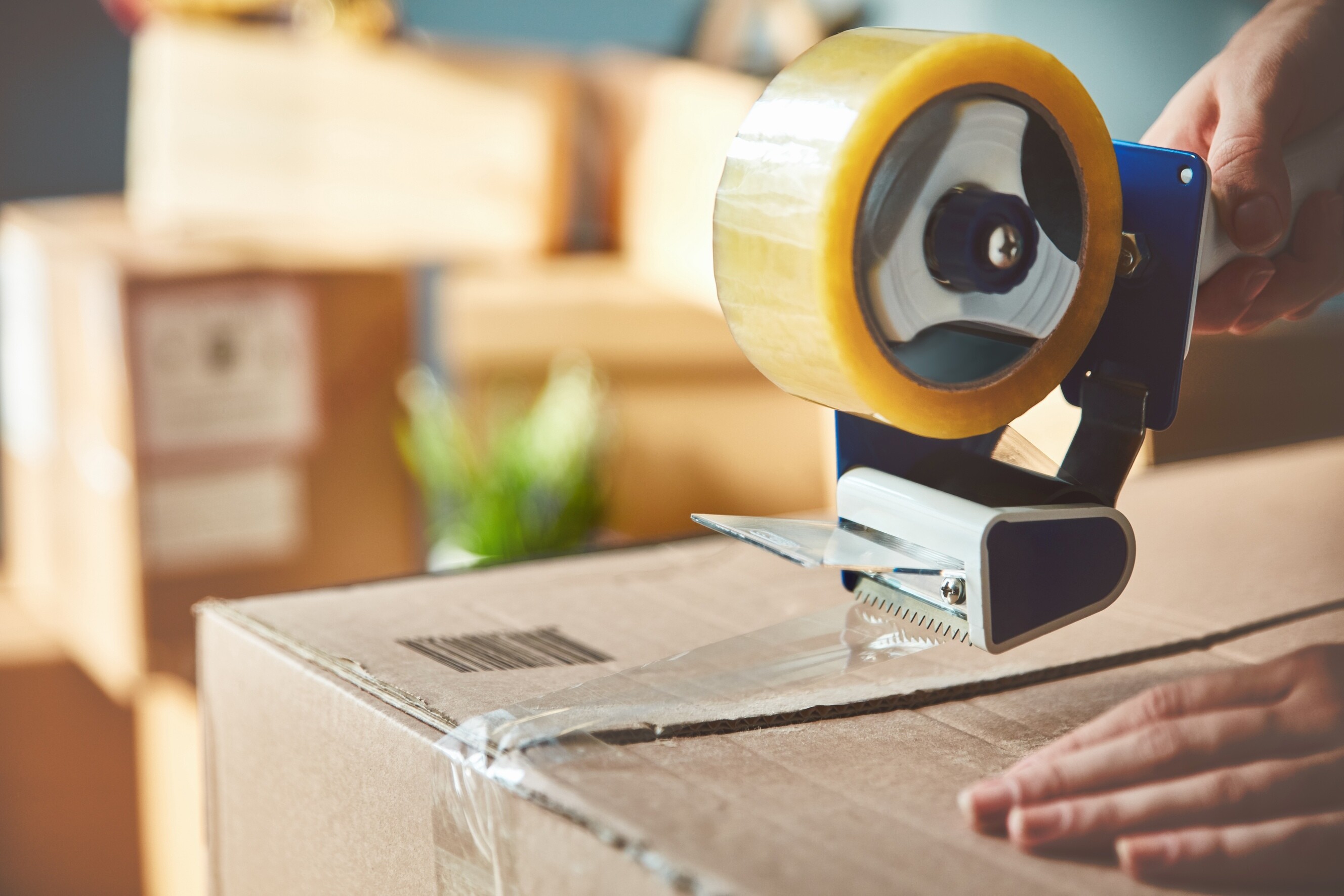
Use sturdy boxes, quality packing tape, and plenty of cushioning materials like bubble wrap and packing paper for fragile items. Label every box clearly, mark which room it goes to, and note if it’s fragile or needs to be kept upright.
Next, leave heavy lifting to the pros. Movers have the right equipment for pianos, large appliances, oversized furniture, and artwork. But know what they won’t transport: hazardous materials (propane, gasoline, paints, chemicals), perishables, live plants and valuables like jewelry, cash, or passports. You’ll need to move those yourself.
Double-check everything
Before you hand over the keys, check everything in your cabinet, closet, and drawer to make sure nothing’s left behind. Next, take photos of your empty space to document its condition, as this will help prevent landlord disputes and make deposit returns easier. Don’t forget to also snap photos of your final utility meter readings (gas, water, electric) to provide proof of your move-out date.
How do you get settled in LA after moving?
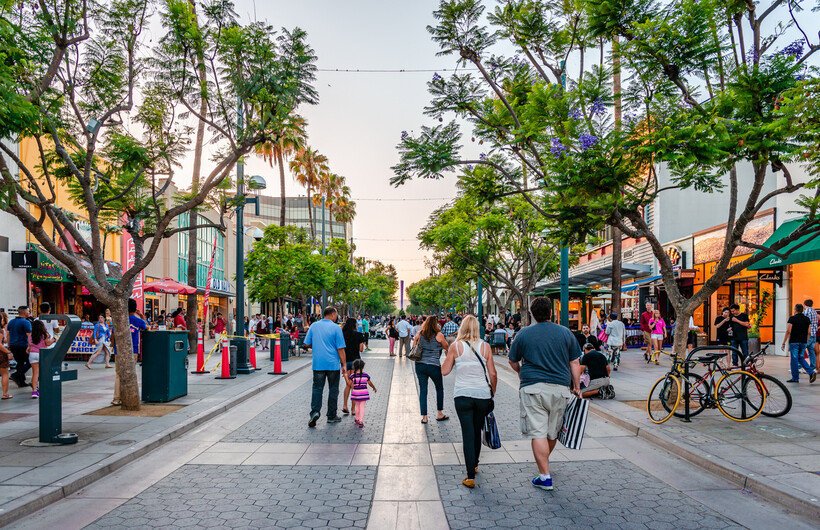 Walking around the shops at the Third Street Promenade (Source: iStock)
Your first few weeks in LA will be the busiest with all the move-in cleaning, unpacking and document processing. Cross out these essential things first to make the transition less overwhelming.
Connect your utilities
Setting up utilities should be at the top of your to-do list when relocating to Los Angeles. The main services you’ll need to connect are electricity, gas, water, internet/cable, and waste management.
Here’s the best approach: arrange disconnection dates a month in advance for your current home to avoid paying for services you’re not using. As for your new home in LA, ideally, schedule your utility activations approximately two to three weeks prior to your move-in date.
If you’re unsure which providers you should reach out to, here’s a quick list:
Utility Type |
Example Providers |
|---|---|
Electricity and Water |
|
Natural Gas |
Southern California Gas Company (SoCalGas) |
Waste Collection |
LA Sanitation (LASAN), Athens Services, or Republic Services |
Internet |
AT&T (fiber/DSL), T-Mobile (5G home internet), and Viasat (satellite) |
Update your licenses and documents
Paperwork might be tedious, but processing these important documents is a must for all residents in LA:
Address changes and mail
First things first, submit a permanent change of address request with the US Postal Service (USPS). You can do this online (with a $1.25 fee) or in person at a post office. Wait for at least two weeks for processing. After that, update your address with your employer, banks, credit card companies, and insurance providers.
Driver’s license and vehicle registration
If you plan to drive, you’ll need to apply for a California driver’s license (DL) through the Department of Motor Vehicles (DMV). There are many types of DLs, but the most important one is the Real ID Compliant DL, which complies with federal requirements allowing you to board domestic flights, enter military bases, and enter most federal facilities.
So, how do you apply for a DL? You just need to make a DMV appointment or walk in (though wait times are longer). If you’re bringing a vehicle from out of state, register it in California within 20 days.
Other important documents
Being a registered voter is one of the key considerations for LA residency, so it’s important to update your voter registration. Additionally, consider obtaining insurance policies with your new address within your first month.
Secure local permit
Assuming you own a vehicle, one of the local permits you’ll need to apply for is parking. Most residential neighborhoods require a parking permit, and they’re usually available online. However, remember that even with a permit, you must move your vehicle every 72 hours to avoid being ticketed and towed.
Ensure your family’s welfare
Moving with kids requires careful planning. Here are some things to keep in mind:
Schools and childcare
If you’ve got young children, start by checking childcare and preschool options early. However, if your children are of school age, the next step is to arrange for their records to be transferred ahead of your move and register them with the Los Angeles Unified School District (LAUSD). In addition to enrollment, LAUSD offers student and safety programs like:
Safe Routes to School
Student Parent Resources
City-led Bike, Walk, and Roll Weeks
Healthcare and medical support
Sort out your family’s healthcare network by finding new doctors, dentists, and specialists, as well as transferring medical records and prescriptions. Check out programs like Medi-Cal, which can help eligible families access low-cost or subsidized care. Lastly, make sure you know the location of your nearest clinic or hospital when establishing California residency.
Parks, recreation, and community spaces
LA has plenty of parks, trails, and community spaces, so your kids can enjoy plenty of playtime outdoors. Some well-known spots include Griffith Park and Venice Beach, but most neighborhoods also have their own small community playgrounds.
Sort out your pet essentials
Pets are also family, so prioritize their safety and comfort by hiring a trustworthy pet transport service. Once they arrive safely and you’ve settled down in town, make sure to do these essential things within your first 30 days:
Research new veterinarians and transportation/boarding options in advance.
Update pet registrations and licenses.
Scout out nearby pet parks and off-leash areas.
Identify pet grooming services before you need them.
Having these connections established early makes life with your furry friends much easier down the road.
How do you get around in Los Angeles?
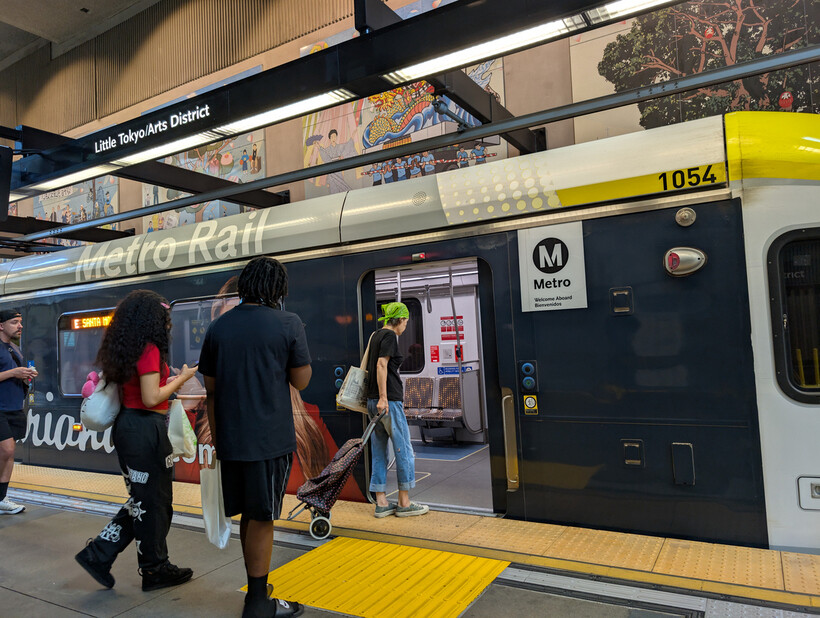 Commuting via the LA Metro Rail (Source: iStock)
Living in Los Angeles means navigating the vast, sprawling city. Typically, you’ll need a car, but trains, buses, bikes and ride-share apps are also available to help you in spots where walking isn’t practical.
By car
Cars are king, with 71% of trips in Los Angeles made by solo drivers. It’s still the best mode of transportation, especially when living in the suburbs where there are few bus and train options.
Parking is another aspect to consider. Most areas allow street parking, but the rules shift from block to block. For instance, some residential areas require a permit (approx. $33 to $55 per month), while central neighborhoods like Chinatown implement metered parking.
Traffic and peak hours
Since LA is a car-centric city, expect heavy traffic on the freeways. Be especially mindful of the San Diego Freeway, which is the busiest road in the city:
Weekdays: Typically from 7 to 9 am and 3 to 7 pm or 7 to 10 am and 4 to 7 pm
Weekends: Often around lunchtime
By Metro Rail
The Metro Rail system is one of the fastest ways to avoid traffic, as long as your route lines up with a train line. LA currently has two subway lines and four light-rail lines, covering major areas:
Downtown
North Hollywood
Koreatown
Santa Monica
Long Beach
Pasadena
East LA
Norwalk
Redondo Beach
Aside from offering convenience, the Metro Rail is an affordable transportation option, as a single ride costs $1.75. Once you reach $18 in a week, any additional rides are free. Like many rail systems, you’ll only need a reusable TAP card for payment.
By Metro Bus
If you’re headed somewhere the trains don’t reach, riding the bus is the best alternative. With over 200 bus lines, Metro Buses are available almost everywhere in the city, including neighborhoods and attractions such as Griffith Park, Melrose, Westwood, and many other residential areas.
LA has categorized these buses into different types:
Metro Local (orange) for standard stops
Metro Rapid (red) for faster service
Metro Express (blue) for long-distance commuters
DASH buses for short loops around hotspots like Chinatown, Little Tokyo, and The Grove
The Metro Bus is also payable using the TAP card. Bus fares cost $1.75, while DASH services range from $0.25 to $0.50. Just keep in mind that schedules vary by line, but you can check real-time arrival updates through Metro’s Trip Planner.
By bike or scooter
If the weather’s good, biking or scootering is a fun way to travel short distances. Popular routes include Santa Monica to Venice Beach, with more bikeways appearing around DTLA and along the coast.
However, if you don’t have a bike, you can rent one from beachside shops or Metro Bike Share stations, with options ranging from a $5 day pass to a $25 monthly membership.
Now, how about e-scooters? Although these aren’t considered motor vehicles, certain rules still need to be followed:
Riding on sidewalks is not allowed.
Normal road rules apply.
You must yield to pedestrians.
Helmets are recommended.
By ride-share or taxi
For nights out, airport trips, or days when public transportation isn’t convenient, ride-share services are a go-to for many locals. You can use popular apps like Uber and Lyft, or book traditional taxis through Curb.
Short rides usually cost $15 to $30, while taxi fares start at $3.10 plus $3.00 per mile. Keep in mind that ride-shares can only use High-Occupancy (HOV) lanes when they meet the passenger minimum of two to three people.
What are the best things to do as a new Angeleno?
 The bustling Grand Central Market interior (Source: iStock)
If you’re still asking yourself, “Should I move to LA?”, check out these fun activities. They might help you decide if the city is your place to settle.
Explore your new neighborhoods
People often cite sunshine and beaches as reasons to move to LA. What truly makes it special, though, is the vibrant communities.
Eastside gems
Seeking creative, charming, and walkable neighborhoods? Los Feliz and Echo Park are lined with cafes, vintage shops, diners, and boutiques.
Silver Lake, another eastside gem, offers a youthful, artsy vibe. Known as LA’s bohemian hub, it features record stores, designer shops, and craft coffee spots. There’s also the Silver Lake Reservoir, which is a popular destination for walks, jogs, and community gatherings.
Central LA hotspots
Central hubs like DTLA are bustling with a high-energy urban core filled with rooftop bars, landmark restaurants, and live events.
West Hollywood (WeHo) is another hotspot that offers great options for sidewalk dining and nightlife. This is where the WeHo Design District is located, packed with high-end fashion and interior design showrooms.
Westwide classics
The neighborhoods in the west offer a classic picture of LA coastal living. Here, you can find the Santa Monica Pier, featuring wide beaches and a lively shopping and dining scene.
Venice is also part of the West, where you can find an eclectic, bold, and totally unique vibe. Street performers and skaters flock around the Venice Boardwalk, making it the perfect place for people-watching. There are also quiet residential canals where you can enjoy scenic walks around the coastline.
Visit cultural landmarks and attractions
If you’re into history and culture, be sure to check out some of these infamous spots when visiting Los Angeles. These are places that highlight the city’s artistic evolution and capture its identity.
Griffith Observatory: Perched atop Mount Hollywood, this iconic observatory not only offers sweeping city views but also serves as a dramatic backdrop for classic films like Rebel Without a Cause and La La Land.
The Getty Center: A huge hilltop complex with its sunlit travertine walls, spectacular gardens, and galleries filled with European masterpieces.
Olvera Street: A lively Mexican marketplace, where historic adobe buildings, festive plazas, and traditional artisan vendors showcase the vibrant roots of early Los Angeles.
The Walt Disney Concert Hall: A modern cultural icon designed by world-famous architect Frank Gehry. Inside, the halls are celebrated for their world-class acoustics and serve as the home of the LA Philharmonic.
LA Brea Tar Pits: One of the world’s most important Ice Age fossil sites in the middle of the city.
Enjoy the outdoors
Outdoor activities are truly the embodiment of the Los Angeles lifestyle. The city is lined with beaches and coastal paths, so you can enjoy surfing, paddleboarding, and even biking along the shoreline for miles.
There are also hiking trails for the adventurous. Griffith Park gives you miles of trails plus a climb up, and you can even get sweeping views of the skyline and the Hollywood Sign.
If you prefer a relaxed pace, enjoy the city’s parks and green spaces. Arlington Garden in Pasadena offers scenic strolls through a community garden filled with native plants.
Check out the local market scene
Now, for the foodies, it’s best to check out the Grand Central Market in DTLA. It’s called the city’s historic melting pot of flavors, since there are over 40 different vendors offering everything from tacos and ramen to fresh produce and pastries.
Smorgasburg LA is another local market to visit for fans of open-air food markets with artisanal pop-ups. This is a go-to place when you want to try something new, support small makers, or just hang out in a lively, creative atmosphere.
Move to Los Angeles with Airtasker
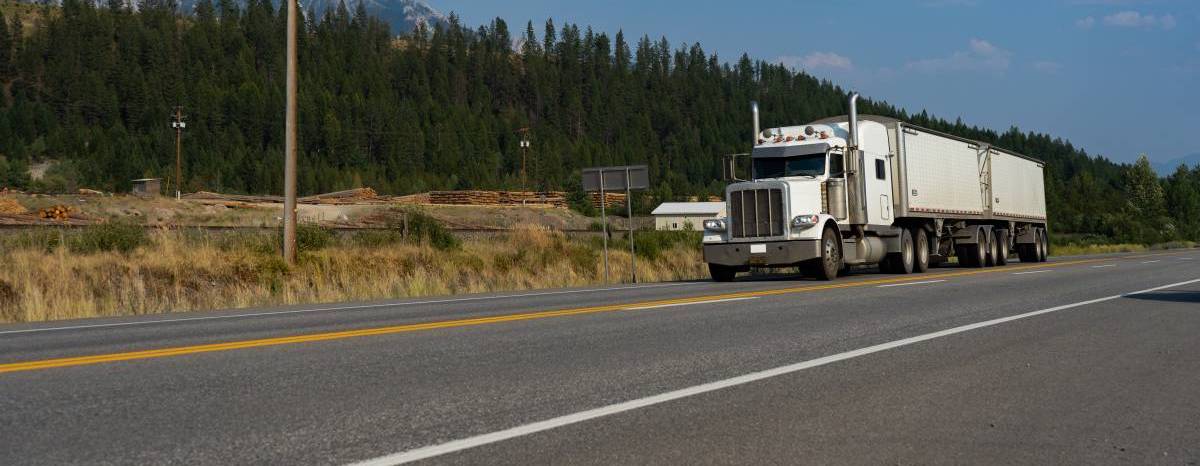
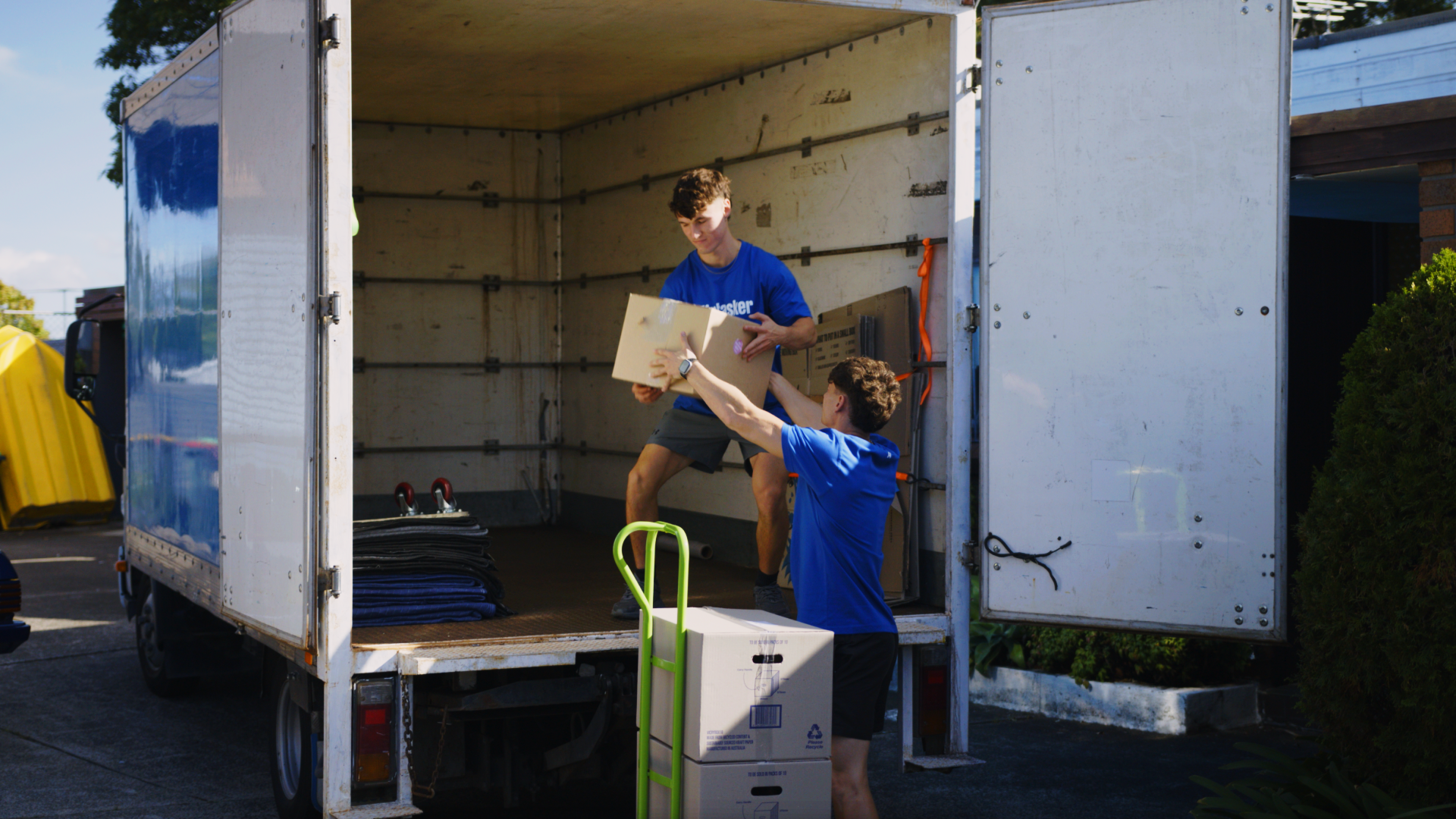
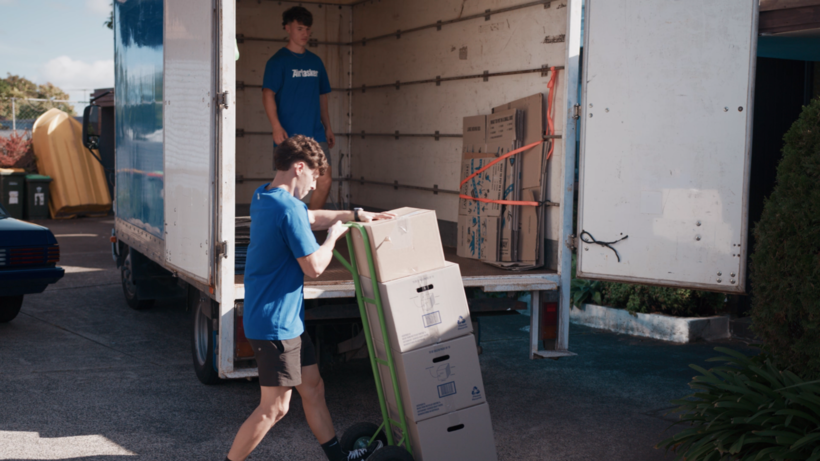 Airtasker movers loading belongings safely onto the truck
Moving to a new city can feel overwhelming and stressful. Not only do you have to tackle the tedious packing, but you’ll also have to deal with LA’s infamous traffic and the hassle of coordinating parking permits.
Hire moving experts to make your relocation smooth and stress-free. Simply post a task on Airtasker with the details of your move, receive quotes from verified Taskers, compare reviews and ratings, and select the mover that suits your budget and schedule.
Let Taskers manage the heavy lifting, so you can focus on starting your new life in LA.
Helpful resources for those moving to LA
Here are some additional resources to help you settle in smoothly:
California Franchise Tax Board (FTB): California determines your residency status for tax purposes based on factors like your primary residence, driver’s license, and voter registration. Your residency status impacts which income the state can tax, so it’s important to review these guidelines.
Los Angeles Department of Transportation (LADOT): Reserve street space for moving trucks with Temporary No-Parking Permits, which is essential in busy neighborhoods. LADOT also manages DASH buses, a convenient way to navigate LA and avoid peak traffic hours.
LA Housing Department (LAHD): Learn about tenant protections like the Rent Stabilization Ordinance (RSO) for older properties and the Just Cause Ordinance (JCO) for newer ones. These resources can help you understand your rights as a renter.
LA Public Library (LAPL): Get a free library card to access books, technology, and community events at 72 branches citywide. It’s a great way to connect with your new community.
Learn more about our contributors
Written by Cielo B.
Staff Writer
Cielo is an experienced content writer who has explored various industries throughout her career. Her expertise, founded on a degree in journalism, includes writing about automotive and home maintenance. Cielo also covers topics like dressmaking, tailoring, and photography since she is a passionate cosplayer who enjoys dressing up as her beloved anime characters.
FAQs about moving to Los Angeles
You can move to LA without a job, but you’ll need substantial savings since the city has high living costs. Additionally, housing can be challenging without a job, as not only are rent rates high, but most landlords require proof of income. Ideally, you’ll need to save at least three to six months’ worth of expenses and build your network.
With LA’s high housing costs and job uncertainty, renting is often a better option for a newcomer, as it has lower upfront costs and greater flexibility. But, if you’re planning to stay long-term (let’s say around six to 10 years), buying a home is a better investment as it builds home equity.
The choice depends on the lifestyle you prefer. If you value walkable access to shops, restaurants, nightlife, and public transit, the city center is ideal. However, if you prefer a quieter setting with easy access to parks, the suburbs are a better option.
While Los Angeles has seen a decline in overall crime rates, some areas may require extra caution. For example, Skid Row faces challenges with homelessness and safety concerns, particularly at night. It’s also best to be extra cautious and stay vigilant in busy areas like DTLA, Westlake/MacArthur Park, and the Fashion District, as these are common targets for petty theft and scams.
Find movers, fast
Find a mover
Related price guides

How much do packers cost?
Read more





Related articles
How to move gym equipment safely
Read more
Where to get moving boxes for free
Read more
Moving to San Diego Guide
Read more
Moving to Atlanta Guide
Read more
Moving Checklist
Read more

A guide to becoming a mover
Read more

How much do movers make?
Read more

Tips for moving house with kids
Read more

How to pack kitchen items
Read more

How to pack artwork for moving
Read more

How to pack books for moving
Read more

How to move a pool table
Read more

How to move a shed
Read more
How to move a washing machine
Read more
How to move a vending machine
Read more
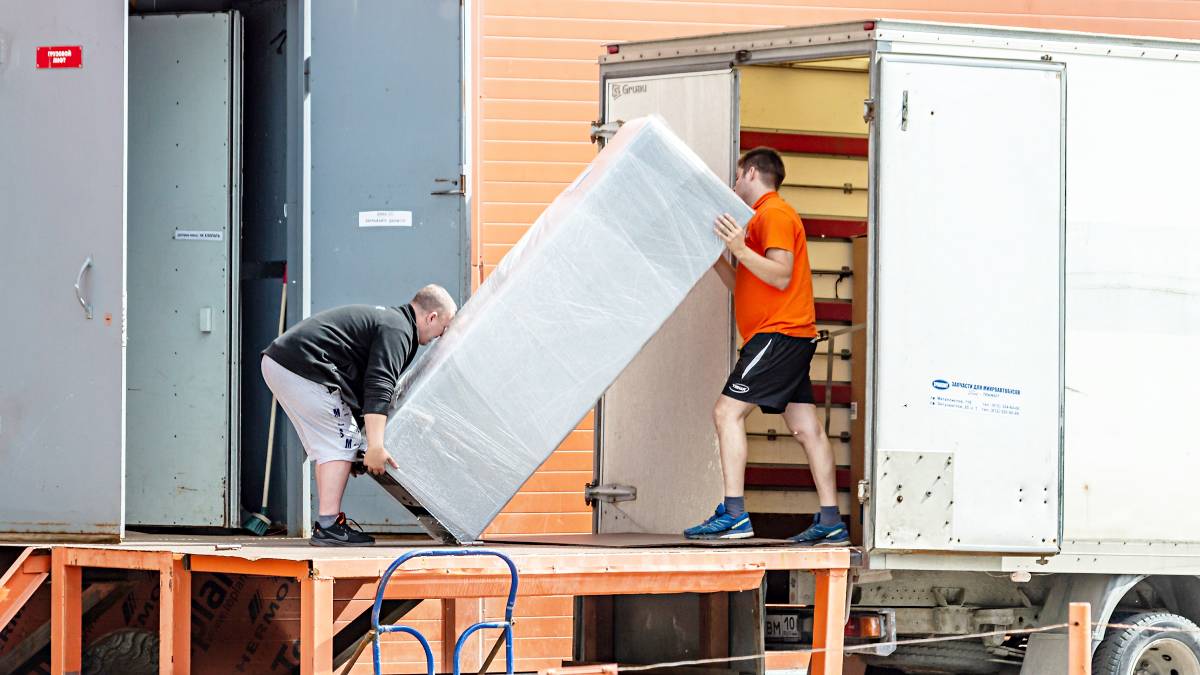
How to move a refrigerator
Read more

How to pack bedding for moving
Read more

How to move a pinball machine
Read more

How to wrap furniture for moving
Read more

What movers won’t move
Read more

The ultimate packing and moving list
Read more

Moving interstate checklist
Read more

Moving out of state checklist
Read more