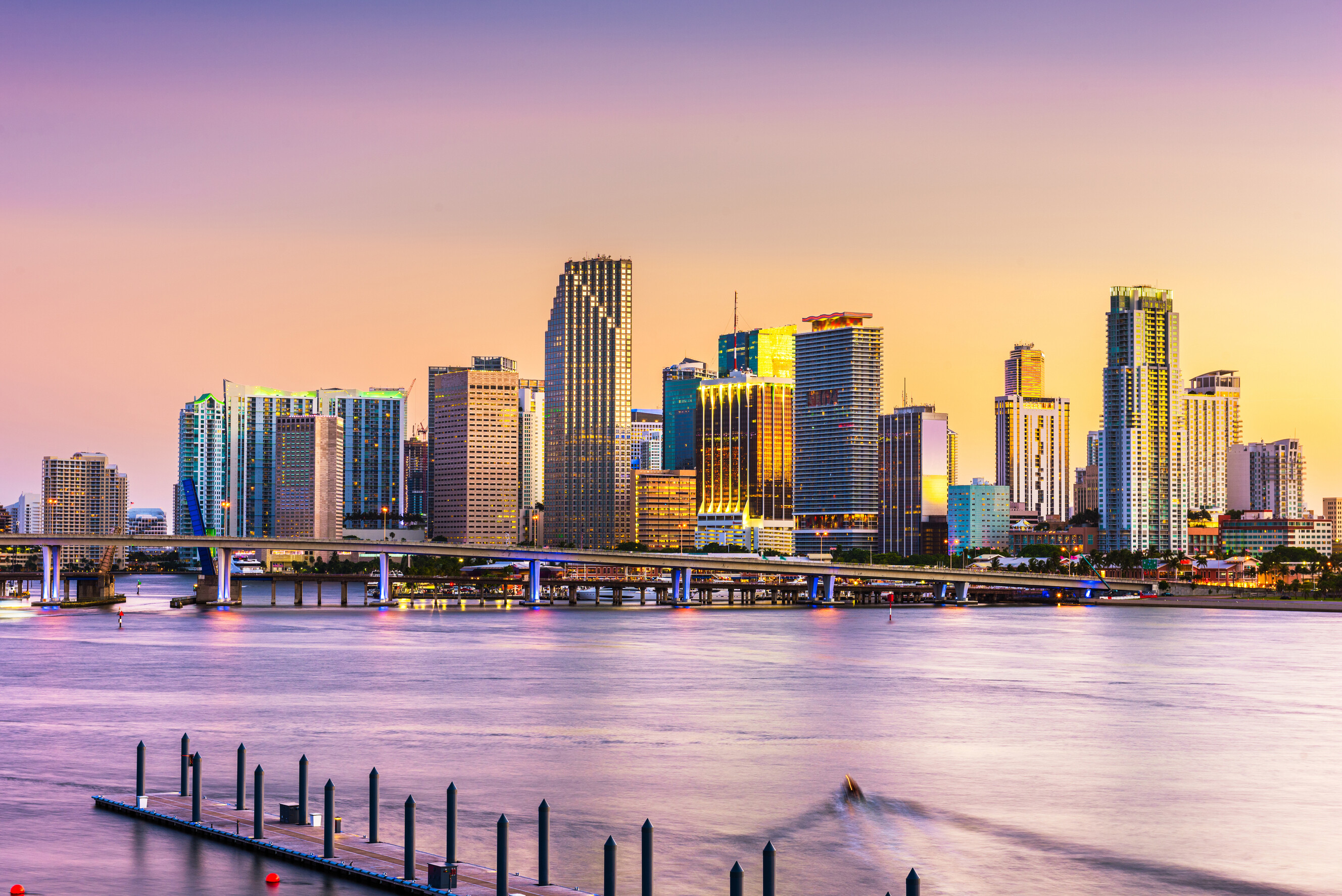
Moving to Chicago: A fresh start in the Windy City
Discover the best neighborhoods and plan your move smartly to make the most of what Chicago has to offer
Last Updated on

Written by Cielo B.
Staff Writer
Read more about our contributor
Moving to Chicago Highlights
Public transportation is robust, with the CTA’s “L” train and bus networks covering most areas, while rideshares, bike trails, and walkable neighborhoods support car-free living.
Housing is typically the largest expense, with one-bedroom apartments ranging from $1,450 to $2,400 depending on the neighborhood. A comfortable living wage in Chicago is generally around $80,000 to $100,000 annually.
Spring (April to May) and November are the best months to move, offering mild weather and greater mover availability.
Chicago offers much to new residents, from world-class museums and scenic lakefront views to vibrant, diverse communities. If you’re wondering what Chicago is like for newcomers, you’ll also find a city that’s exciting but complex, with many neighborhoods and an extensive train system that can make moving feel overwhelming.
This guide will help you plan how to move to Chicago and ensure a smooth transition. We’ll cover current job opportunities, cost of living, top neighborhoods, practical moving tips, and what to expect when you arrive, so you’re well-prepared for every step of relocating.
Why are people moving to Chicago?
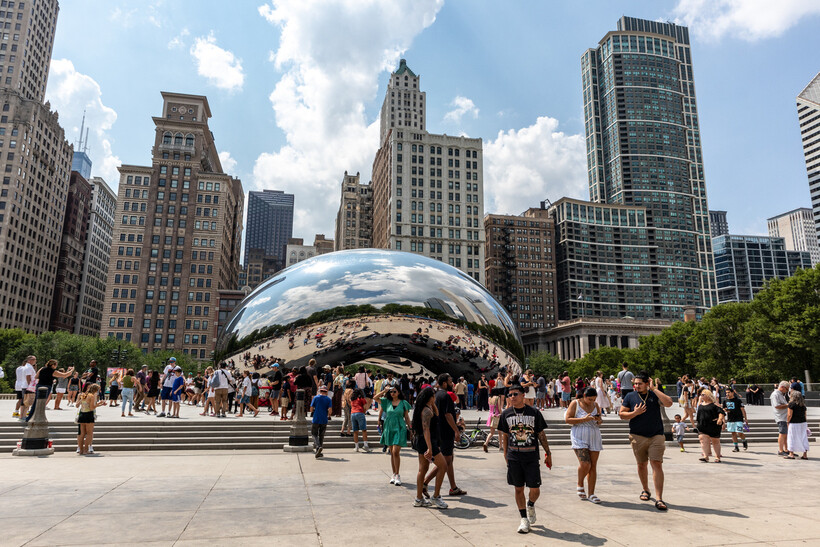 The iconic Cloud Gate sculpture in Millennium Park (Source: iStock)
If you’re still wondering, “Should I move to Chicago?” getting a quick glimpse of what the city offers can help. Here’s a snapshot of why so many choose to call Chicago home.
Lifestyle and culture
With its world-class architecture, incredible food scene, and global airport connections, Chicago gives off a big-city vibe. Despite these urban developments, Chicago is much more affordable to live in than other cities like New York and San Francisco. You can dine in a Michelin-starred restaurant and enjoy the Second City comedy clubs at a fraction of what the coastal cities charge.
Moreover, Chicago has a green space advantage, with a 26-mile-long lakefront called Lake Michigan accessible to the public. All 24 beaches here are free, unlike in other coastal cities, where most waterfront spots are exclusive. Residents can also enjoy kayaking through a canyon of skyscrapers, made possible by engineering that reversed the river’s flow to protect Lake Michigan.
Due to its lakefront location, living in Chicago means experiencing strong and blustery winds, earning it the nickname “Windy City”. The winds are more brutal during winter, which we’ll talk more about later.
Career and job opportunities
When considering the city’s professional landscape, it’s clear why people move to Chicago: the economy is built on diversity rather than relying on a single industry.
The city has over 5 million workers across industries such as finance, healthcare, food manufacturing, and logistics. This is largely due to Fortune 500 companies (owning well-known businesses like McDonald’s, Kraft Heinz, United Airlines, and Walgreens) building 32 headquarters in Chicago.
What’s hiring right now? Among all industries, healthcare and education remain the strongest, so you’ll likely get hired if you’re in nursing, medical tech, or academia.
In addition, transportation and logistics offer strong employment opportunities. Chicago sits at the center of the country’s railway network, making it the perfect distribution hub (think of it as America’s shipping crossroads). So, if you’ve got skills in transportation and distribution, you’re tapping into one of the city’s most stable top industries.
If you’re seeking an even higher income, consider jobs in legal work, management roles, and tech, as their salaries average at $65 per hour.
Weather and climate
Chicago experiences all four seasons: winter, spring, summer, and fall. Each season brings distinct weather patterns shaped largely by Lake Michigan.
Here’s how: The water in the lake changes temperature more slowly than land, keeping areas along the shoreline about 5–10°F cooler during summer and warmer during winter. However, during spring and fall, the lake makes the atmosphere more humid and foggy because it releases more moisture.
Below is an overview of Chicago’s four seasons so you know what to expect year-round:
Season |
Months |
What the Weather is Like |
What You Need to Know |
|---|---|---|---|
Winter |
Late October to March |
Below-freezing temperatures, frequent snow, and occasional Polar Vortex conditions |
Waterproof snow boots, a heavy insulated coat, and thermal face coverings are essential |
Spring |
Late March to May |
Short, rainy, and highly unpredictable |
Temperatures swing quickly, so always dress in layers |
Summer |
June to Mid-September |
Warm to hot (78°F–92°F), humid, but moderated by lake breezes |
Air conditioning is a must; best time for beaches and lakefront activities |
Fall |
Mid-September to Late October |
Crisp air and mild temperatures, but short-lived |
By Halloween, expect cold or rain. Plan outfits that can fit layers |
What should you research before moving to Chicago?
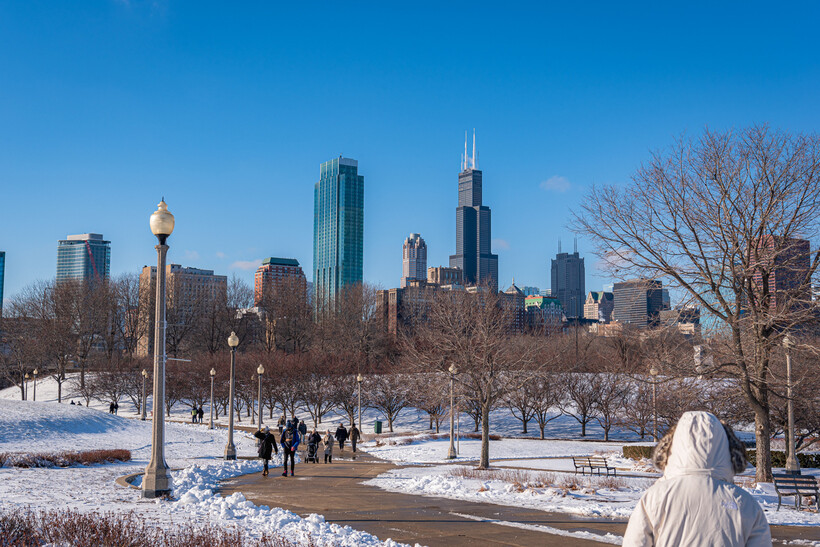 Experiencing a snowy winter in the city (Source: iStock)
There’s so much more to Chicago beyond its unique culture, progressive job market, and seasonal weather. If you’re curious about the various pros and cons of living in Chicago, here are some vital things to know first about day-to-day life in the city.
Cost of living
Chicago’s cost of living is about 6-17% above the national average, though it remains more affordable than many coastal cities. If you’re planning a move from NYC to Chicago, you may find your housing budget stretches further in the Windy City.
Housing is typically the largest expense, but prices are still relatively moderate for a major metro area. Depending on your neighborhood, you can find one-bedroom apartments at around $1,700 to $2,400 per month.
Below is a breakdown of what other everyday expenses might look like for a single person living in Chicago:
Area of Expense |
Average Cost |
|---|---|
Rent |
$1,688 to $2,364 |
Groceries |
$388 per month |
Utilities |
$181 to $182 per month |
Transportation |
$411 per month |
Dining Out |
$4,401 annually |
Entertainment |
$4,433 annually |
Aside from your daily expenses, you’ll have to prepare for Chicago’s tax situation. It’s among the highest in the country, with a sales tax of 10.25% and an income tax of 4.95%.
Property tax in Illinois also ranks second-highest nationally at 1.83-2.27% of your home’s value. That means a $350,000 home costs you an extra $6,400 to $7,900 annually just in property taxes alone. It’s a high long-term cost that catches many first-time buyers off guard.
Given the expenses and tax burden, how much does it cost to move to Chicago? You’ll want to earn $80,000 to $100,000 annually to cover more than just survival basics.
Chicago neighborhoods
With more than 77 community areas in Chicago, searching through endless rental and property listings to find the perfect place can feel overwhelming. We’ve highlighted some of the best places to live in Chicago to help streamline your search.
Lincoln Park
Lincoln Park gives you that postcard-perfect Chicago life with Victorian row houses and tree-lined streets. The historic charm of this area often appeals to residents relocating from Boston to Chicago who appreciate traditional architecture.
One-bedrooms cost $2,300 to $2,400 monthly, and you’re looking at a 15 to 20 minute commute downtown. Think of Lincoln Park as a peaceful suburb dropped into the city, minus the long drive.
West Loop
West Loop is home to former meatpacking warehouses that now house tech startups and Michelin-starred restaurants along “Restaurant Row” on Randolph Street.
Rents are among the highest in the city, averaging $2,278 for one-bedrooms (though luxury buildings cost more). But the good news is that you can save on transportation costs since commuting is easy. The neighborhood is within walking distance to the Loop (Chicago’s downtown central business district) and major train hubs.
Logan Square
Logan Square gives off a creative, slightly rebellious energy you’d find in Brooklyn or Portland. It’s packed with art galleries, craft cocktail bars, and independent music venues. Housing costs here are mid-range compared to other areas, with one-bedroom apartments averaging $1,800 to $2,258 per month.
In addition to its vibrant atmosphere, Logan Square benefits from seamless access to the Blue Line of Chicago’s “L” train, providing direct, reliable service to downtown and O’Hare International Airport.
Hyde Park
Hyde Park is on the South Side, home to the University of Chicago and the massive Museum of Science and Industry. Residents here enjoy a serene atmosphere, a vibrant array of dining choices, and instant access to the scenic lakefront. Rents are also far more reasonable here, ranging from $1,600 to $1,803 for spacious one-bedrooms.
While Hyde Park offers many amenities, one downside is that there are fewer “L” stations nearby. However, the Metra Electric District line helps residents reach downtown and business districts (like the Loop) within 15 minutes.
Rogers Park
Rogers Park is Chicago’s most diverse neighborhood, with residents speaking 40 to 80 languages and serving up everything from authentic Mexican to Ethiopian food. When people ask, “Is Chicago a nice place to live?” neighborhoods like this, with actual beaches like Loyola Beach, provide a compelling answer.
It’s also one of the areas with affordable housing, with one-bedrooms averaging $1,450 to $1,600. As a bonus, you’ll enjoy convenient access to both the “L” train and the Metra commuter rail.
Best time to move
Moving demand changes a lot throughout the year, mainly because of weather and school schedules. If you’re planning on moving to Chicago, you’ll find that some months are much busier (and harder to book), while others offer more flexibility and better availability if you know what to expect.
To help you plan, the table below highlights the best and worst times to move to Illinois and summarizes key pros and cons for each season.
Season |
Pros |
Cons |
|---|---|---|
Winter (December to February) |
February demand runs around 70% above average on Airtasker, meaning strong mover availability. December is typically quieter, making it easier to secure preferred dates. |
Cold weather can complicate loading and increase the risk of delays. Higher February demand may reduce date flexibility. |
Spring (March to May) |
Demand is usually around or slightly below average, improving availability. Temperatures are generally comfortable for physical work. |
Demand can fluctuate across the season. Occasional storms may affect timing and outdoor furniture transport. |
Summer (June to August) |
Early summer is often less competitive, offering better availability. Popular timing for family relocations. |
Late summer demand increases, especially in August. Higher competition for top-rated service providers. |
Fall (September to November) |
September activity trends around 40% above average on Airtasker, indicating a strong moving market. Demand typically eases in November, improving flexibility. |
Popular early-fall dates can book quickly. Holidays and colder weather may disrupt November timing. |
Moving costs
Here’s some data from moving service offers posted on Airtasker to give you a clearer idea of what to expect when relocating to Chicago:
General moving services: These average around $560 for household moves in Chicago and similar metros, highlighting the importance of budgeting appropriately.
Piano moving: Specialized piano transport averages about $190, which is notably lower than general moving services due to the task’s focused nature.
Budget-friendly alternatives: If you’re relocating from cities like Los Angeles ($285 average) or Austin ($240 average), expect pricing to be higher.
That said, moving costs can still vary significantly depending on factors such as the volume of belongings, job complexity, and accessibility. For example, Chicago’s high-rise apartments often require elevator reservations and insurance certificates, which can increase your final bill. Always consult your chosen service provider for detailed quotes that address your moving needs.
Out-of-state or international considerations
Relocating from another state or country requires extra steps. To make the process smoother and avoid common moving mistakes, be sure to follow these tips.
Interstate moving
If you’re handling an interstate move to Chicago, there are three things you’ll have to process right away:
Mail redirection: Set this up with the United States Postal Service (USPS) about two to four weeks before your move to avoid delivery gaps. You can file online for $1.10 at the official USPS website or visit any post office to complete the free paper form.
Driver’s license: You’ll need to exchange your current license for an Illinois one at a Secretary of State (SOS) facility. When applying, you must pass a vision test and a written exam covering Illinois traffic laws.
Vehicle registration: This requires submitting a VSD 190 form (Application for Vehicle Transaction) and paying a registration fee of approximately $151 to $164.
International moving
If you’re moving from another country, visa requirements are one of the things you should arrange first. There are different types:
H-1B visa: This is for specialized jobs like tech or finance and requires employer sponsorship.
L-1 visa: Allows multinational companies to transfer managers to their US office.
Once you’ve sorted your visa, consider arranging international shipping requirements early. This process can take longer since Chicago is inland, so your belongings would be typically travelled by ship, then transferred to rail.
Finally, after shipping, obtain document authentication via an apostille if you plan to use foreign diplomas or marriage certificates in the US. An apostille is a special certification stamp that serves as an international notary.
What should you do before your Chicago moving day?
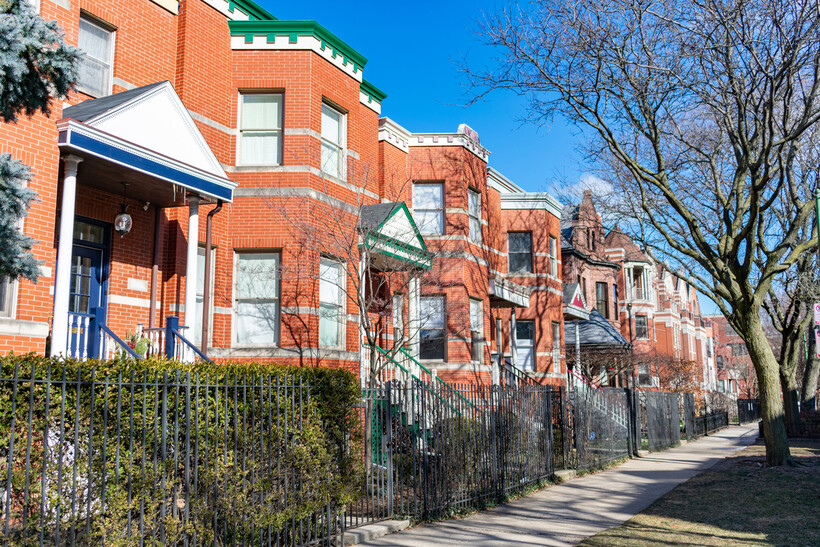 Historic red brick homes in Wicker Park (Source: iStock)
Decluttering and scheduling a move-in cleaning are just a few of the many tasks to tackle before relocating to Chicago. Here are other essential steps to help ensure a smooth move.
Arrange necessary moving permits
You’ll need to deal with Chicago’s parking permits if you want a legal spot for your moving truck. The city offers two options:
Enforceable permit: Get this through the Chicago Department of Transportation (CDOT) for $25 to reserve curb space. You must apply three to four days in advance and post signs 48 to 72 hours before your move.
Courtesy signs: Get these for free from a local ward office. They’ll request your neighbors to keep a parking spot open, but they aren’t enforceable by the police and provide no guarantee.
Plus, if you’re moving into a high-rise, you’ll need to contact the building management to reserve the freight elevator two to three weeks in advance. Make sure to also request a Certificate of Insurance (COI) from your moving company and submit it to management several days before your move.
Hire the right movers and services
Hiring the right movers should be at the top of your checklist for moving to Chicago. To ensure this, check if they have proper credentials, like an Illinois Commerce Commission license.
It’ll also help to find furniture movers who can handle heavy belongings while navigating the city’s narrow alleys, vintage walk-up staircases, and strict high-rise elevator rules. If you find that your items were disassembled for the trek, you may want to hire furniture assembly experts to help set up your new home quickly.
However, if your furniture won’t fit up the stairs, allot extra budget for hoisting services, which involves movers using ropes and pulleys to lift items through windows.
Double-check housing paperwork
One thing you’ll need to review is the housing paperwork. If you’re buying a home in Chicago, make sure to secure a Full Payment Certificate before closing day. This document proves the previous owner paid all their water and sewer bills, so you won’t have to deal with old utility debts.
Meanwhile, if you’re renting, check that your lease includes a summary of the Chicago Residential Landlord and Tenant Ordinance (RLTO). This local law gives you specific protections, including requiring your landlord to keep your security deposit in an interest-bearing account and clearly spelling out your rights on repairs.
Start your search for housing and employment roughly 60 days before your planned move date. Since many Chicago tenants must give notice two months in advance, this is the peak time for new apartment listings and roommate opportunities to hit the market.
How do you get settled in Chicago after moving?
 Enjoying the annual Chicago Christkindlmarket (Source: iStock)
Successfully moving to your new home after preparing what you need is just the tip of the iceberg. There are a couple more things to do to obtain residency, starting with these helpful tips for moving to Chicago.
Connect your utilities
Electricity, gas, and internet are among the first things to set up the week before you arrive at your new place. Here’s a list of providers you’ll need to coordinate to connect your utilities:
Utilities |
Example Providers |
|---|---|
Electricity |
ComEd (Commonwealth Edison) |
Natural Gas |
Peoples Gas, Nicor Gas, North Shore Gas |
Internet |
Xfinity, AT&T Fiber, and Astound Broadband |
As for water and waste collection services, they stay under your landlord’s name if you’re renting or leasing a place. They’ll receive a “Unified Utility Bill” every two months that bundles water, sewer, and garbage collection. Ask your landlord whether these charges are billed directly to you or already included in your rent.
Update your licenses and documents
We previously highlighted the importance of redirecting your mail, getting your Illinois driver’s license, and registering your car, especially when relocating from out of state. In addition to these steps, you’ll also need to update the following after moving into the city:
Voter registration: After updating your driver’s license, you’ll register to vote automatically. If you opt out, register online up to 16 days before an election or same-day at your polling place with two IDs.
Healthcare information transfer: Contact your former doctors to transfer your records. Use patient portals like MyChart, common in Chicago systems such as Rush and UChicago Medicine, or call their offices directly.
Ensure your family’s welfare
Understanding how the education system operates, which healthcare facilities are accessible, and where the parks and playgrounds are located helps you prepare for your new life in Chicago, especially if you’re moving with kids.
Schools and childcare
If you have kids under five, use the Chicago Early Learning portal to apply to preschool programs across the city. When your child turns five and is ready for kindergarten, you’ll transition from preschool to enrolling them in Chicago Public Schools (CPS).
To enroll, prepare your child’s birth certificate, two residency documents like a lease and a utility bill, and up-to-date medical records. CPS students receive free breakfast and lunch all year, plus free CTA rides on the first day of school.
Parks and playgrounds
Chicago has numerous outdoor spaces for your family to enjoy. This includes the parks, beaches, and playlots operated by the Chicago Park District. There’s also a Parks and Playlots committee in local wards that you can join to get involved in community activities, such as improving local green spaces.
Healthcare facilities
Keeping track of your family’s health is just as vital as fostering their education and overall well-being. For your convenience, here are some of the popular healthcare facilities in Chicago:
Care Type |
Healthcare Institutions |
|---|---|
Major Hospital Systems |
Northwestern Medicine; Rush University; UChicago Medicine; Advocate Health Care |
Children’s Hospitals |
Comer Children’s Hospital; Ann & Robert H. Lurie Children’s Hospital |
Community Health Clinics |
Sort out your pet essentials
If you have a dog over four months old, pet registration is mandatory in Chicago. You’ll have to register with the City Clerk and provide proof of a current rabies vaccination. However, if you have a cat, you don’t need a city license, but your cat must be vaccinated against rabies by a licensed vet.
It’s also important to keep your dog leashed whenever you’re off your property. Violators are fined $300, and if an unleashed dog causes injury or property damage, the fine can reach $10,000.
Dog parks
For pet leisure activities, Chicago has many Dog-Friendly Areas (DFAs), such as Montrose Beach and Wicker Park. But before you get to access these areas, you should purchase a separate DFA permit and tag from a participating vet.
Pet care services
Aside from pet transport services, access to veterinary care is just as important. When your regular vet is closed, facilities like MedVet Chicago and Paws and Feathers Clinic offer 24-hour emergency care year-round.
For non-emergency needs, it helps to line up trusted pet care services ahead of time, such as grooming, boarding, training, and pet sitting.
How do you get around in Chicago?
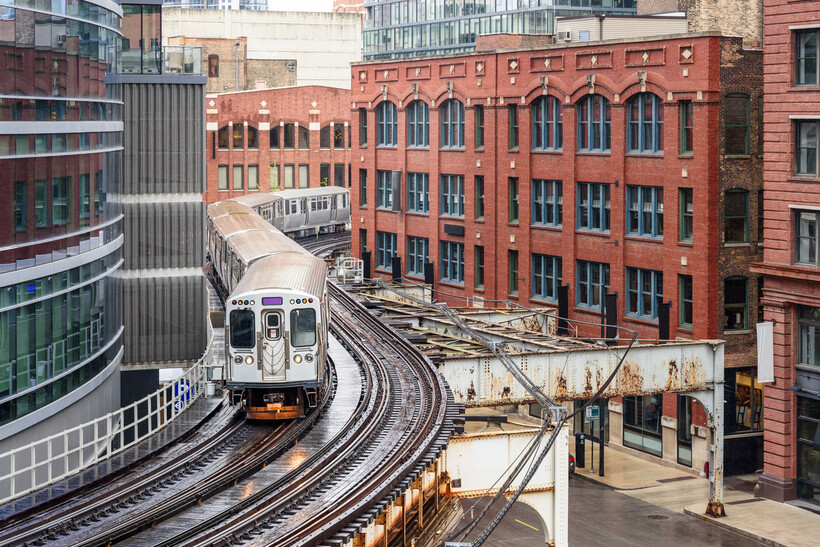 Chicago “L” train navigating the downtown Loop (Source: iStock)
Knowing which transportation options are available is among the things to know before moving to Chicago and even after you’ve settled in. Here’s how to navigate the city.
By CTA train (“L” - elevated and subway)
Chicago’s “L” train system is the city’s main transportation network, run by the Chicago Transit Authority (CTA). It’s designed like a wheel with eight color-coded train lines extending from downtown’s Loop (the hub) out to neighborhoods and nearby suburbs (the spokes).
Here’s a table of the main “L” train lines and routes:
Train Line |
Route Overview |
Key Purpose |
|---|---|---|
Red Line |
Runs from Howard to 95th Street via downtown |
24/7 service; main north–south line |
Blue Line |
Connects O’Hare Airport to Forest Park via downtown |
24/7 airport access; serves Northwest and West sides |
Brown Line |
Circles the Loop and runs northwest to Kimball |
Good for Lincoln Square and Ravenswood |
Green Line |
Runs from Oak Park and branches through the South Side |
Serves West and South Side neighbourhoods |
Orange Line |
Runs from Midway Airport to downtown |
Direct Midway Airport connection |
Pink Line |
Runs from 54th/Cermak to the Loop |
Serves Pilsen and Little Village |
Purple Line |
Connects Wilmette to Howard with weekday express service |
Suburban access; rush-hour downtown service |
Yellow Line |
Shuttle from Dempster-Skokie to Howard |
Quick transfer to the Red Line |
How much does it cost? A standard ride on the “L” train costs $2.50, but they offer unlimited-ride passes for frequent riders. You can use rechargeable Ventra cards, contactless credit or debit cards, or mobile wallets to pay for your ride.
By CTA bus
The CTA bus network fills in the gaps where the “L” trains don’t reach. Operating over 120 routes, it connects neighborhoods like West Englewood, West Garfield Park, and South Shore. You’ll only need to pay $2.25 with a Ventra Card or any contactless payment method, but cash costs $2.50 and doesn’t include transfers.
Most buses operate from early morning to late evening, but the 18 designated “Night Owl” routes run 24/7 to ensure round-the-clock service. To identify these 24/7 buses, look for an ‘N’ at the start of the route number (such as N4 or N66).
By Metra (commuter rail)
While CTA trains are designed for inner-city travel, the Metra commuter rail helps you reach the suburbs within just a few minutes. It has over 243 stations, connecting downtown with suburbs across six counties in northeastern Illinois.
Fares are based on how far you’re traveling, ranging from $3.75 for short trips to $6.75 for the longest journeys. Unlike in CTA trains and buses, you can’t tap your physical Ventra card to pay. Instead, you’ll have to use the Ventra app to buy mobile tickets, then show them to the conductor when they come by.
By car
South and West Side areas like West Englewood and Chicago Lawn are difficult to reach since these neighborhoods have less transit access. Using a car is your best bet, but you’ll need to budget for tolls on major highways. Getting an I-PASS transponder is also highly recommended, since it works like an EZ-Pass that lets you automatically pay tolls as you drive through.
Just make sure to plan and schedule your trip to avoid getting stuck in traffic. Best to avoid traveling on Thursdays and Fridays as they’re the most congested days. Also, keep in mind the typical rush hours:
Mornings from 6:00 to 10:00 am (worst between 7:00 to 9:00 am)
Evenings from 3:00 to 7:00 pm (peak gridlock at 4:00 to 5:00 pm)
By bike or scooter
Chicago has a growing network of bike lanes that covers 400 miles across the city:
The Lakefront Trail runs 18.5 miles along Lake Michigan from Edgewater to South Shore, with separate lanes for bikes and pedestrians.
The 606 is a 2.7-mile elevated path built on old train tracks, connecting four neighborhoods without a single stoplight or car crossing your path.
The North Branch Trail stretches 20 miles from the city to Glencoe’s Botanic Garden, winding through forest preserves along the Chicago River.
The Major Taylor Trail serves the South Side with 8.1 miles of path through wooded areas.
The Boulevard System offers tree-lined alternatives to busy roads, especially useful for West Side commuters.
How to rent a bike or scooter? You can use Divvy, Chicago’s official bike and scooter-sharing system, with hundreds of stations across all 50 city wards.
By taxi or ride-share
If you need a quick transport late at night, a taxi or ride-share is a solid option. In Chicago, Uber and Lyft dominate the ride-share scene, offering standard cars, larger vehicles, and even luxury options. However, if you prefer traditional cabs, Curb is Chicago’s official taxi app that connects you with licensed drivers.
What are the best things to do as a new Chicagoan?
 Relaxing along the scenic Chicago Riverwalk (Source: iStock)
Beyond the usual Chicago stereotypes, there are countless places to discover and fun activities to enjoy once you’ve settled into the city.
Visit cultural landmarks and attractions
Chicago is full of cultural landmarks that reveal the city’s origins. For example, the Historic Water Tower stands as a symbol of recovery after the Great Chicago Fire of 1871, being among the few structures to survive.
There’s also the Pullman National Historical Park, which is known as America’s first planned industrial community. It’s a company town where factory owner George Pullman built homes for his railroad car workers in the 1880s.
Aside from popular landmarks, Chicago has museums for you to visit and learn more about the city’s roots:
A. Philip Randolph Pullman Porter Museum: It honors African American railroad porters who organized the first successful Black-led labor union, connecting workplace rights to the broader civil rights movement.
DuSable Black History Museum: America’s oldest independent museum dedicated to African American history, named after Jean Baptiste Point du Sable, a Haitian fur trader who was Chicago’s first permanent non-Indigenous settler.
National Museum of Mexican Art: It houses everything from ancient pre-Columbian artifacts to modern prints, showcasing how Mexican culture has evolved across centuries and borders.
Enjoy the outdoors
The stunning landscape is one of the top reasons to move to Chicago. It’s built to keep you moving, with a lakefront trail that connects beaches, parks, and cultural landmarks. Elevated paths also allow you to cycle safely above street traffic.
If you somehow end up on one of the beaches while biking around the lakefront trail, you can stop over to enjoy paddleboarding at the calm waters in Montrose Beach. Consider visiting the North Avenue Beach, too, if you crave some beach volleyball.
But if you aren’t much of a fan of beaches, Chicago has numerous parks for you to explore:
Millennium Park hosts free outdoor yoga and fitness classes in summer (yes, near the famous Bean sculpture).
Maggie Daley Park has climbing walls and a skating ribbon that keeps you moving even when it’s freezing.
Jackson Park on the South Side now features Japanese gardens and lagoons, with the Obama Presidential Center adding new trails when it opens.
Ping Tom Memorial Park in Chinatown provides kayak launches and water taxi connections.
Check out the local market scene
Exploring Chicago’s markets is one way you get to taste the unique flavors the city has to offer. Among them, the Green City Market in Lincoln Park is a must-visit since it’s Chicago’s largest sustainable farmers’ market. Plus, it’s where local chefs shop and do live cooking demos.
However, if you’re on Chicago’s South Side, head over to the 61st Street Farmers Market on the border of the Hyde Park and Woodlawn neighborhoods. It’s an award-winning market focused on local, sustainable food, such as pasture-raised meats and handmade spice blends.
Move to Chicago with ease
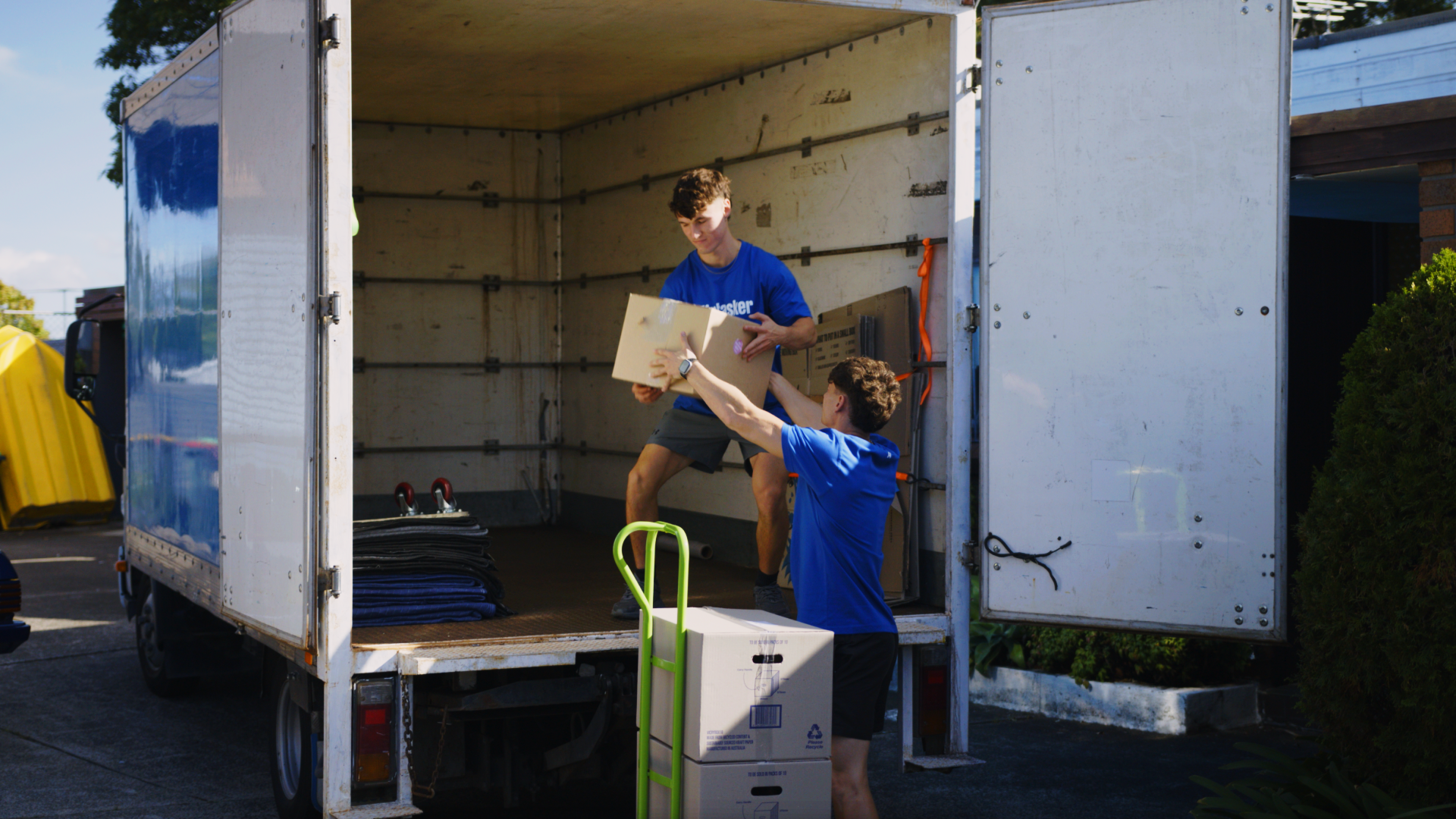
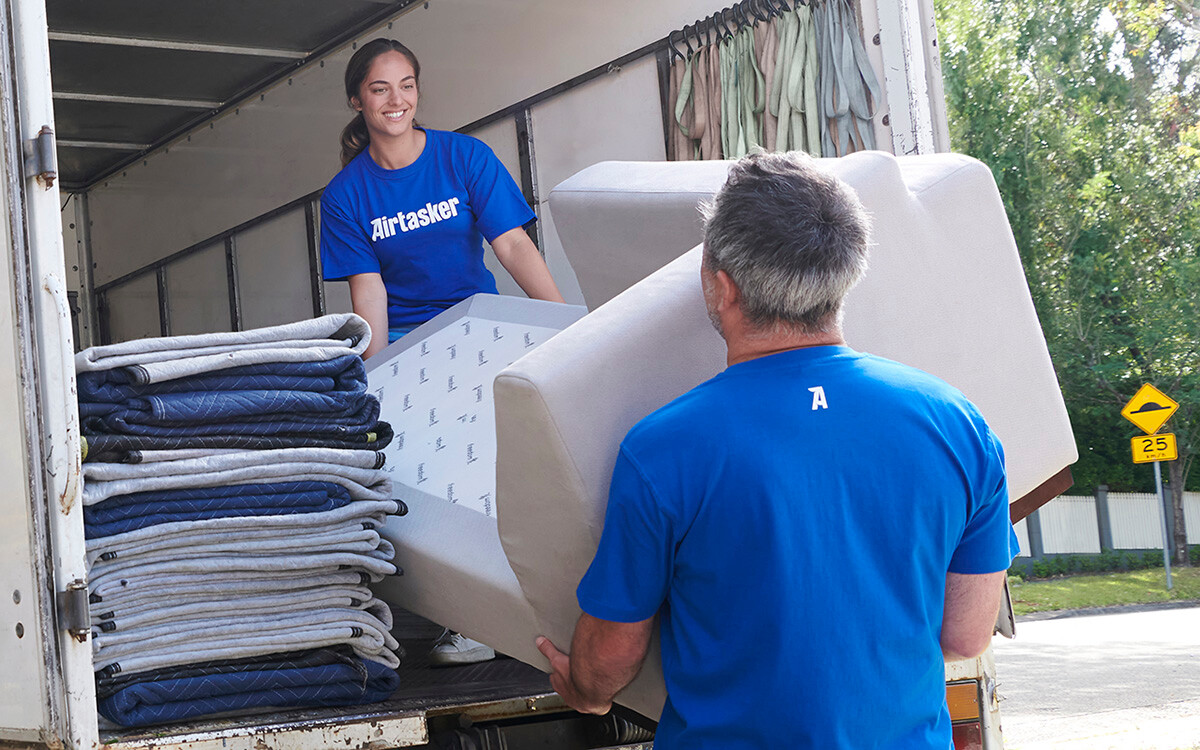
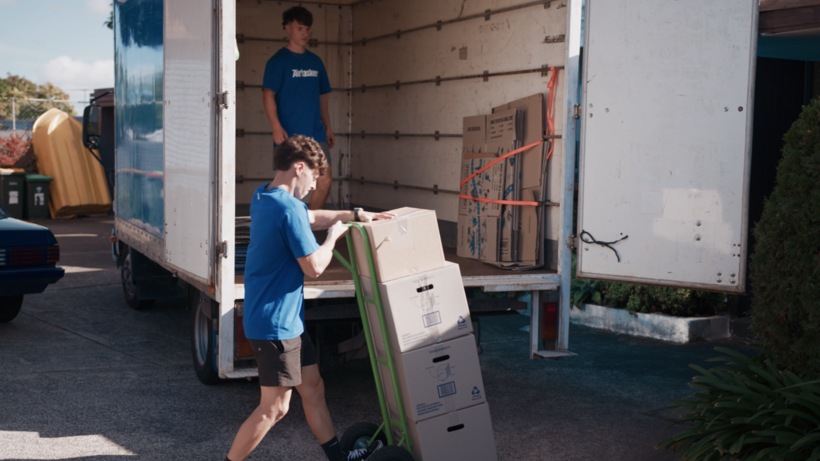 Airtasker movers loading belongings safely onto the truck
Moving to the Windy City is an exciting venture, with scenic lakefront views to greet you every day. However, the relocation process can be challenging due to the city’s tight street parking and other logistical hurdles.
Simplify your move by hiring experienced professionals. On Airtasker, you can easily post a task and connect with reliable movers who understand Chicago’s unique quirks. They’ll ensure your belongings arrive safely, so you can focus on settling into your new home.
Helpful resources for those moving to Chicago
Here are some essential guides that’ll help make your transition smoother and more enjoyable:
Illinois Department of Revenue (IDOR): The central hub for state tax compliance and individual income tax. Provides access to essential forms like the IL-1040 and handles the state’s flat 4.95% income tax rate.
Choose Chicago: The official destination marketing organization that explores the city’s 77 neighborhoods. Offers a “Chicago Like a Local” blog, cultural guides, and a comprehensive calendar of major city festivals and events.
Chicago Park District: Oversees 8,800+ acres of green space, including the Lakefront Trail and The 606. Provides real-time trail alerts, permits for organized events, and community recreation programs.
Learn more about our contributors
Written by Cielo B.
Staff Writer
Cielo is an experienced content writer who has explored various industries throughout her career. Her expertise, founded on a degree in journalism, includes writing about automotive and home maintenance. Cielo also covers topics like dressmaking, tailoring, and photography since she is a passionate cosplayer who enjoys dressing up as her beloved anime characters.
FAQs about moving to Chicago
Technically, yes, but you’ll need substantial savings as landlords typically require new residents to have proof of income at least three times the monthly rent. This could be a mix of your pay stubs, tax returns, or bank statements.
Renting is often the better and more affordable short-term option. Here’s a tip: Before buying a house, you can try renting first for the first three years to see which neighborhood you feel has the most compatible lifestyle.
Choosing whether to live in the city center or the suburbs depends on the lifestyle you want. If you’d like an urban setting with walkable access to dining, nightlife, and entertainment, choose the city center. However, if you prefer a quieter vibe, more space, and community events, choose the suburbs.
Find movers, fast
Find a mover
Related price guides

How much do packers cost?
Read more






Related articles
How to move gym equipment safely
Read more

Where to get moving boxes for free
Read more
Moving to San Diego Guide
Read more
Moving to Atlanta Guide
Read more
Moving Checklist
Read more

A guide to becoming a mover
Read more
How much do movers make?
Read more

Tips for moving house with kids
Read more

How to pack kitchen items
Read more

How to pack artwork for moving
Read more

How to pack books for moving
Read more

How to move a pool table
Read more

How to move a shed
Read more
How to move a washing machine
Read more
How to move a vending machine
Read more

How to move a refrigerator
Read more

How to pack bedding for moving
Read more

How to move a pinball machine
Read more

How to wrap furniture for moving
Read more

What movers won’t move
Read more

The ultimate packing and moving list
Read more

Moving interstate checklist
Read more

Moving out of state checklist
Read more