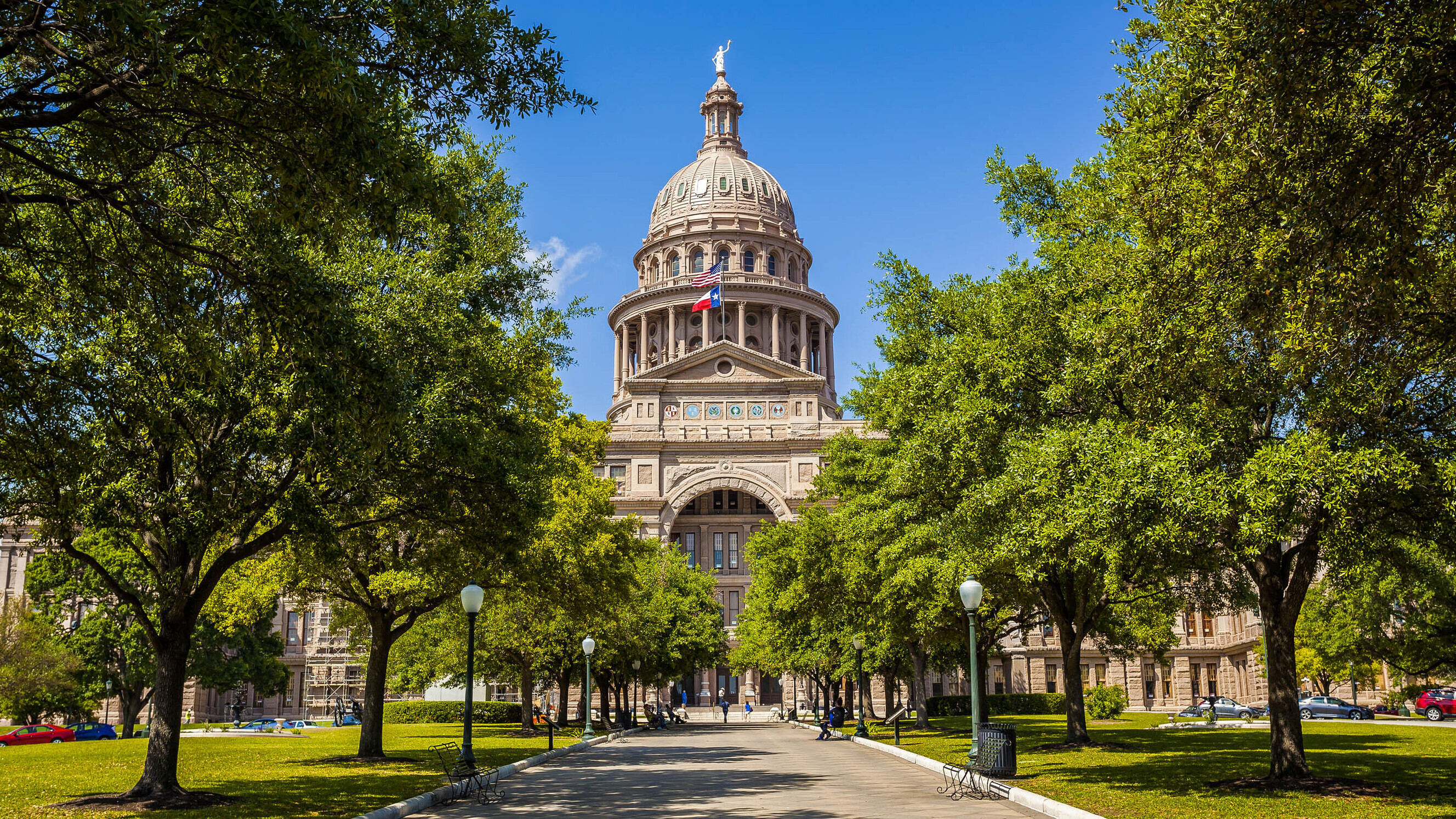
What to expect, where to go, and how to settle in when moving to Austin
Your no-nonsense guide to starting fresh in the Texas capital
Last Updated on

Written by Ma. Donna Dane B.
Contributor
Read more about our contributor
Moving to Austin Highlights
A comfortable lifestyle in Austin typically requires a household income of at least $120,000, as housing costs remain well above the national average.
Although public transit like the CapMetro Rail exists, most residents rely on cars for daily commuting due to the city’s car-dependent layout.
Early spring is the recommended time for relocating to avoid extreme summer heat and peak moving season prices.
So, you’re thinking about moving to Austin. From remote workers chasing warmer weather to families seeking more space, Austin continues to pull people in from across the US and beyond.
This guide breaks down what you actually need to know about how to move to Austin, Texas. We’ll walk through job opportunities, cost of living, neighborhood options, moving costs, and what everyday life looks like once you arrive.
Whether you’re relocating from across town, moving from Houston to Austin, or planning a cross-country leap, consider this your practical roadmap.
Why are people moving to Austin?
 A modern view of downtown Austin (Source: iStock)
Is Austin, Texas a good place to live? Well, the city’s growth isn’t accidental. It’s the result of a rare mix: strong job creation, lifestyle appeal, and long-term economic momentum.
Below are the biggest drivers behind why so many people are still packing up and heading to Central Texas.
Lifestyle and culture
If you ask locals what Austin, Texas is like, you’ll probably hear the same phrases repeated: relaxed, creative, outdoorsy, with just enough weirdness to keep things interesting. Living in Austin means live music on a Tuesday night and food trucks that rival brick-and-mortar restaurants.
The “Keep Austin Weird” spirit still exists, and the live music scene is extraordinary, even as the city grows more polished and tech-forward. You’ll find popular activities in Austin everywhere: yoga studios are next to dive bars, startup founders paddleboard before work, and families picnic along the trail at Lady Bird Lake after school.
People in Austin also tend to protect their time. Compared to bigger metros, this city in the Texas Hill Country region feels less rushed and easier to settle into, especially if you’re coming from somewhere like New York or San Francisco.
Career and job opportunities
One of the biggest reasons to move to Austin, Texas is its booming job market. Over the past decade, the city has become a major employment hub, particularly for tech, engineering, and creative roles.
Several high-profile tech companies moving to Austin (or expanding operations here) have reshaped the job market. Apple, Tesla, Google, Oracle, Meta, and countless startups now have a strong local presence. Beyond Austin’s Silicon Hills, healthcare, education, construction, and professional services also employ large portions of the workforce.
Austin also consistently ranks high among the fastest-growing job markets in the US, with salaries that go much further locally. For remote workers, Austin offers something even more appealing: access to big-city opportunities with a comparatively lower cost of entry.
Weather and climate
Austin has a classic Central Texas climate of hot summers, mild winters, and a whole lot of sunshine. Here’s the general weather mood per season:
Winter (December to February): Mild overall, with occasional cold snaps and very little snow.
Spring (March to May): Warm, green, and popular, though it’s also peak allergy season.
Summer (June to August): Long, hot, and humid, with temperatures often pushing into the 90s°F (32–38°C).
Fall (September to November): Short but pleasant, with cooler evenings and lower humidity.
So, is Austin, Texas humid or dry heat? It’s mostly humid heat, especially in summer. Air conditioning isn’t optional here. That said, many people adjust quickly and enjoy being outdoors year-round. Just be sure to plan ahead when moving furniture in the heat.
What should you research before moving to Austin?
 Residential homes near Lake Austin (Source: iStock)
Before you commit to moving to Austin, TX, it’s worth digging into the practical side of daily life. Austin can be an incredible place to live, but like any fast-growing city, it comes with trade-offs, and underpreparation is a common moving mistake. These are the big areas to research before signing a lease or booking movers.
Cost of living
Let’s be upfront: Austin is no longer a “cheap Texas city.” While the cost of living in Austin, Texas is roughly 4% lower than the national average, expenses such as rent, groceries, and dining out have all climbed in recent years, and competition for well-located homes can be intense. On the flip side, Texas has no state income tax, which helps offset higher expenses for many households.
So, how expensive is it to live in Austin? A comfortable lifestyle typically requires a household income of around $120,000+, depending on rent, lifestyle, and family size.
Below are the average monthly costs of certain expenses in Austin:
Area of Expense |
Estimated Cost |
|---|---|
Rent (One-bedroom apartment) |
$1,150 to $2,000+ |
Groceries |
$350 to $500+ |
Utilities |
$150 to $350+ |
Transportation |
$100 to $300+ |
Dining Out |
$250 to $400+ |
Entertainment |
$150 to $400+ |
Healthcare |
$100 to $500+ |
These numbers vary by neighborhood and lifestyle, but they give a realistic snapshot of what to expect.
Neighborhood options
Choosing the best places to live in Austin really comes down to your lifestyle, budget, and how you want your everyday life to feel. Some neighborhoods buzz with nightlife and walkability, while others offer quieter streets and easier parking.
Below are five popular options in the housing market to help you picture what life might look like once you’ve settled into Austin:
Downtown Austin
Downtown Austin puts you right in the middle of the city’s energy. High-rise apartments overlook Lady Bird Lake, offices and co-working spaces are within walking distance, and live music, restaurants, and nightlife are never more than a few blocks away. It’s polished and ideal if you like being able to step outside and instantly feel plugged in.
Apartments here are among the most expensive in the city, with one-bedroom rents often ranging from $1,400 to $3,500+ per month. In return, you get unbeatable convenience, walkability, and minimal commute times, especially if you work centrally. And when life gets too busy, you can always seek decluttering help anytime it’s needed.
South Congress (SoCo)
South Congress is one of Austin’s most iconic neighborhoods, known for its vibrant food scene and laid-back charm. It blends old-school Austin character with a stylish, modern edge—think vintage shops, rooftop bars, and some of the city’s most Instagram-famous spots.
Rental options include low-rise apartments, renovated older buildings, and newer developments. One-bedroom apartments typically fall between $1,100 and $1,800+. Living here feels social and walkable, with downtown just minutes away.
East Austin
East Austin has become one of the city’s most dynamic and sought-after areas. Once primarily residential, it’s now a hotspot for artists and food lovers, with colorful homes, trendy cafés, breweries, and galleries lining its streets. The neighborhood feels evolving and full of personality.
Housing is a mix of older bungalows, duplexes, and modern apartment complexes. Rents vary widely, but one-bedrooms generally range from $1,100 to $2,100+. Its close proximity to downtown makes commuting easy while still offering a strong neighborhood feel.
The Domain (North Austin)
The Domain feels like Austin’s answer to a live-work-play district. Located in North Austin, it combines modern apartments, major office campuses, shopping, dining, and entertainment all in one area. It’s sleek and especially popular with people working for nearby tech companies.
Apartments here are newer and more spacious, with one-bedroom rents typically between $1,000 and $1,900. While it’s less historic than central Austin neighborhoods, it offers easy access, newer buildings, and a more suburban-meets-urban lifestyle.
Cedar Park & Round Rock
Just north of the city, Cedar Park and Round Rock offer a calmer, more suburban alternative to central Austin. These areas are known for larger homes, good schools, family-friendly neighborhoods, and more breathing room, both indoors and out.
Rent is generally more affordable, with one-bedroom apartments often ranging from $1,000 to $1,700, and houses providing better value per square foot. The trade-off is a longer commute, but many families and remote workers find the extra space well worth it.
Best time to move
When you move to Austin matters more than you might expect. Understanding local moving seasons, from the summer rush to slower winter months, can help you manage costs while staying comfortable.
Here’s a table showing how each season compares in terms of moving activity:
Moving Season |
Pros |
Cons |
|---|---|---|
Winter (November to February) |
Demand is about 70% below the annual average on Airtasker, which generally leads to lower prices and greater scheduling flexibility. Cooler temperatures can make the physical work of moving more manageable. |
Fewer movers operate at full capacity, and holidays can limit preferred dates. Occasional cold snaps or icy conditions may disrupt plans. |
Spring (March to May) |
Moving activity offers a strong balance between cost and availability. Mild temperatures and longer daylight hours usually make moves easier. |
Demand builds through the season, and prices often rise by late spring. Storms or sudden weather shifts can create scheduling uncertainty. |
Summer (June to July) |
Demand is about 70% above the annual average on Airtasker, making this the most active moving season with the widest range of service options. Longer days support extended moving hours. |
This is typically the most expensive and competitive time to move. Extreme heat can add stress and logistical challenges. |
Fall (September to October) |
Activity runs about 12% above average, creating a brief secondary window after summer. Cooler, less humid conditions improve comfort compared to peak season. |
The season is short, and demand drops quickly after October. Weather can be unpredictable, with occasional rain or early cold fronts affecting timing. |
Moving costs
Moving costs can vary widely based on distance, timing, and how much help you need. Here’s what movers typically cost:
Move Type |
Estimated Cost Range |
|---|---|
Small local move |
$400 to $2,800+ |
Larger local move |
$1,000 to $4,000 |
Interstate move |
$2,600 to $8,100 |
Factors that affect your price include the size of your home, distance traveled, parking and building access, packing or unpacking help, and storage needs.
If you’re packing for a cross-country move or relocating from another state, comparing quotes early can help you lock in better rates, especially during peak moving season.
Out-of-state or international considerations
Interstate moving
If you’re moving to Texas from another state, there are a few things to line up early:
Update your driver’s license and vehicle registration after establishing Texas residency.
Review tax changes; having no state income tax is a big shift for many people.
Transfer insurance policies and professional licenses.
And if you’re moving from California to Austin, you may prepare for cultural adjustments. After all, Austin has its own character, customs, and everyday rhythms.
International moving
International movers should plan well ahead. Key steps include:
Securing the appropriate visa and work authorization
Arranging international shipping and customs clearance
Authenticating important documents (birth certificates, academic records, etc.)
Setting up US banking and healthcare access
Starting these processes early can save months of stress later on for long-distance moving.
What should you do on your Austin moving day?
 Walking along Austin’s waterfront (Source: iStock)
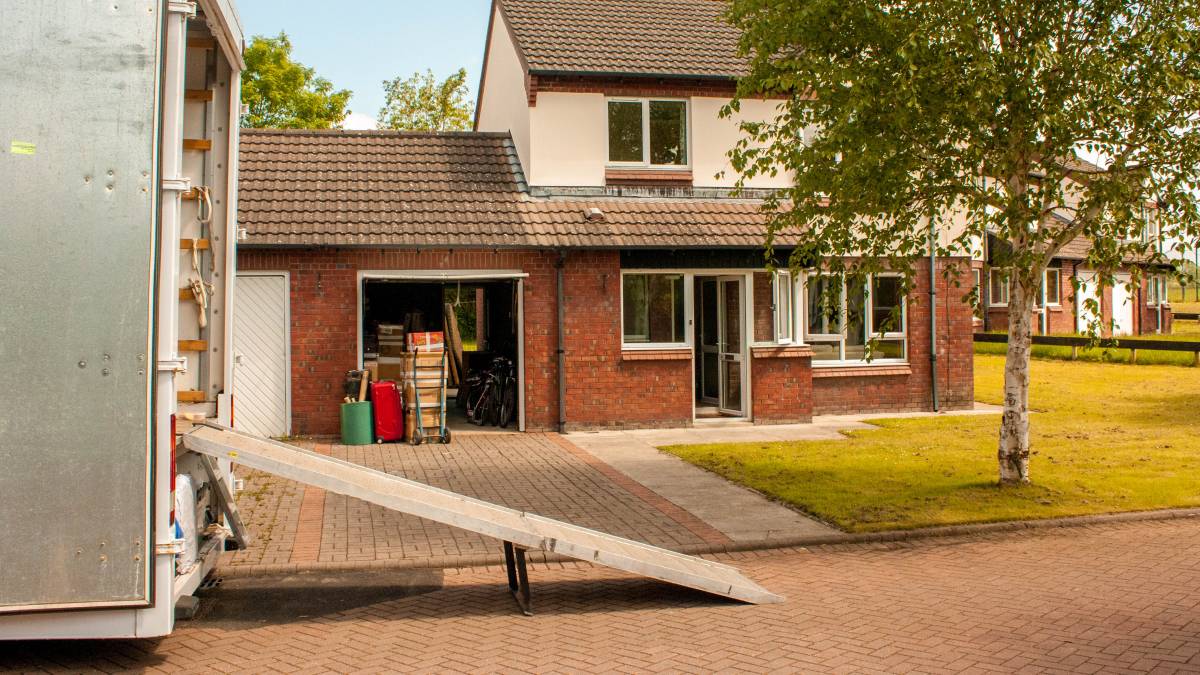
Moving day can feel chaotic, especially if you’re new to the city or arriving from out of state. A little structure goes a long way in keeping things calm and on schedule.
Coordinate movers and services strategically
Start the day by confirming arrival times with your movers and any other services you’ve booked. Austin traffic can be unpredictable, especially during weekday peak hours, so build in buffer time where possible.
If you’re moving into an apartment or condo, double-check:
Building access rules and move-in windows
Elevator reservations (if required)
Designated loading or parking areas
Insurance requirements set by the building
It’s also smart to keep a contact list of property managers, movers, and utility providers, in case plans shift at the last minute.
Transport your belongings carefully
Austin’s heat is no joke, particularly from late spring through early fall. Protect heat-sensitive items like electronics, candles, artwork, and plants by loading them last or transporting them separately in an air-conditioned vehicle.
If you’re moving into an older home or a walk-up apartment:
Measure doorways and stairwells in advance.
Use furniture blankets and corner protectors.
Break down bulky furniture where possible.
For items you no longer need, Austin has a strong donation culture. Local charities, thrift stores, and reuse centers often accept furniture, clothing, and household goods. These are great options if you’re downsizing before moving to Austin, Texas.
Double-check everything before finalizing
Before leaving your old place:
Do a final walkthrough of every room, closet, and storage space.
Take photos for your records.
Record utility meter readings if required.
Confirm keys, fobs, and parking passes are accounted for.
At your new home, direct movers on unloading order: essentials first, furniture next, and boxes last. If needed, consider hiring a furniture assembly pro and scheduling a move-in cleaning so everything’s ready. This will lessen your frustration and wasted time.
How do you get settled in Austin after moving?
 Vibrant music scene branding in Austin (Source: iStock)
Once the boxes are inside, the real transition begins. Getting settled quickly helps Austin feel like home, and not just a temporary stop in your life.
Connect your utilities
Austin utilities are fairly straightforward, though setup can take time during peak moving seasons. Ideally, you should schedule connections at least one week before move-in. Here are some common utilities to have in place:
Utility Type |
Example Providers |
|---|---|
Electricity |
Austin Energy |
Water and Wastewater |
Austin Water |
Natural Gas |
Texas Gas Service, Atmos Energy, Amigo Energy |
Waste Collection |
Texas Disposal Systems (TDS) |
Internet |
AT&T, Spectrum (internet, cable TV), Google Fiber, T-Mobile Home Internet, EarthLink |
Most providers allow online scheduling, and some may require proof of address or a deposit. If you’re renting, your landlord or property manager can usually help point you in the right direction.
Update your licenses and documents
After moving to Austin, you’ll need to update your personal records. Key tasks include:
Changing your address with the United States Postal Service (USPS)
Updating your driver’s license and vehicle registration
Transferring car insurance
Updating healthcare providers and insurance details
Texas has specific timelines for new residents, so try not to delay. You’ll need to get a Texas driver’s license through the Department of Public Safety (DPS) within 90 days, register your vehicle within 30 days, and complete voter registration at least 30 days before the next election.
Secure local permits
Most residents won’t need special permits for everyday living, but there are a few exceptions. For example, temporary parking permits may be required for moving trucks or storage containers that use public street space. Building or renovation permits are also often necessary for construction or home improvement projects.
If you’re planning upgrades or construction, check city guidelines early to avoid fines or delays.
Ensure your family’s welfare
If you’re moving with kids, Austin offers a wide range of family-friendly resources:
Public, private, and charter schools across multiple districts
Childcare centers and early learning programs
Parks, playgrounds, and family-focused community spaces
Pediatric healthcare and specialty clinics
With the city growing quickly, you may encounter wait times when booking your first appointment with a primary care doctor or specialist. Schedule essential check-ups ahead of your move-in date to ensure you have medical support in place when you arrive.
School enrollment timelines can also vary by district and school type, so it’s worth researching attendance zones and application deadlines well in advance of your move.
Sort out your pet essentials
For those moving with pets, Austin is one of the more pet-friendly cities in Texas. Still, there are a few things to organize. In Texas, all dogs and cats three months of age or older must be vaccinated against rabies and be up to date on their shots before crossing state lines.
Beyond vaccinations, be sure to also look into:
Local veterinarians and emergency clinics
Dog parks and off-leash areas
Essential pet care services like grooming, boarding, and dog walking
Many apartment buildings have breed or size restrictions, so have your paperwork ready and double-check lease terms before move-in.
How do you get around in Austin?
 Historic houses in downtown Austin (Source: iStock)
Austin is an easy city to navigate as long as you understand its limits. While central areas are walkable and bike-friendly, most residents rely on cars for everyday life. Accessibility varies by neighborhood, and some older areas may be less accommodating for people with disabilities or mobility challenges outside of major transit routes.
By car
Public transportation is available, but for most people living in Austin, driving is the default. Owning a car offers flexibility, but budgeting for fuel, tolls, and parking is essential. Here’s what you need to know as a car owner:
Toll roads: Several major highways (MoPac, SH 130, SH 45N, and SH 45SE) are toll-based. Rates vary depending on distance and vehicle type.
Parking: Street parking is common, with on-street rates starting at $2 for the first hour and increasing over time. Payment is easy through the Park ATX app.
Peak congestion: Morning (7:00 to 9:00 am) and evening rush hours (4:00 to 6:00 pm) can slow things down, particularly near downtown and major tech corridors.
By Capital Metro Rail
The CapMetro Rail is limited but can be very convenient for certain commutes. It’s best suited for residents who live along the rail corridor rather than for citywide travel.
Main line: Red Line, running from Downtown Austin through North Austin to Leander
Operating hours: Early morning to late night on major routes
Fares: $3.50 per ride or $7 for a day pass, with reduced fares for qualifying riders
Payment methods: CapMetro Reloadable Fare Card or the Umo app
Helpful apps: The Transit app for real-time route planning, and the Umo app for fare management
Accessibility: Stations are ADA-compliant
For commuters, the train can be a great way to reclaim travel time as it offers free Wi-Fi onboard. Plus, if you’re a cyclist, each train has four bike racks, so it’s easier to pair your rail trip with a quick ride to your new office or home.
By Capital Metro Bus
CapMetro’s bus service provides broader coverage than rail and is organized into several tiers. MetroBus handles local neighborhood and frequent-stop routes, MetroRapid offers faster buses with fewer stops on major corridors, and MetroExpress provides limited-stop commuter service from outlying areas into the city.
Bus network: Extensive, with around 70 bus lines serving more than 2,300 stops across Austin and nearby areas
Common routes: Key destinations include Downtown, UT Austin, and East and South Austin
Operating hours: Early morning through evening, with schedules varying by route
Fares: $1.25 to $3.50 per ride or $2.50 to $7 for a day pass, with reduced fares for qualifying riders
Payment methods: CapMetro Reloadable Fare Card or the Umo app
Helpful apps: Transit and Umo
By bike or scooter
Austin’s mild winters and growing bike infrastructure make cycling a solid option for short trips. CapMetro Bikeshare is the city’s public electric bike-share program, operated in partnership with the City of Austin.
Popular routes: Downtown and Rainey Street, UT Austin and West Campus, Downtown and South Congress
Where to rent: Any Bikeshare docking station across central Austin
Typical costs: Around $2.50 to start plus per-minute fees, or discounted day, monthly, and annual passes
Parking rules: Bikes must be returned to an official Bikeshare docking station to avoid extra fees
By ride-share or taxi
Taxis and ride-sharing services are widely used and generally reliable throughout the city, especially in central areas. They’re ideal when you’re heading out at night or catching a flight.
Services: Uber, Lyft, local taxi operators
Typical costs: Moderate, with surge pricing during events and weekends
Many locals mix driving, biking, and ride-sharing depending on the day, destination, and traffic conditions.
What are the best things to do as a new Austinite?
 Outdoor activities on Lady Bird Lake (Source: iStock)
With so much happening across the city, you’ll never be short on things to do in Austin. Through walkable neighborhoods with live music and outdoor escapes, the city makes it easy to ease into local life and start feeling at home.
Explore your new neighborhoods
Austin’s neighborhoods are a big part of its personality, each offering a slightly different rhythm of daily life. South Congress (SoCo) is a favorite for first-time explorations, with its mix of cafés, live music venues, and people-watching spots. It’s lively without feeling overwhelming and gives a great snapshot of Austin’s creative spirit.
Head east and you’ll find East 6th Street, where colorful murals, laid-back bars, and food trucks reflect the area’s artistic roots. Rainey Street, with its bungalow-style bars and skyline views, offers a uniquely Austin take on nightlife, while The Domain provides a more polished, walkable district filled with shops and modern apartments.
For something quieter, Clarksville and Tarrytown offer leafy streets, historic homes, and easy access to downtown.
Visit cultural landmarks and attractions
Austin’s culture is deeply tied to music, creativity, and Texas history. The Sixth Street Entertainment District is a rite of passage for newcomers, packed with live music venues that showcase everything from blues and rock to indie and country.
For iconic performances, Austin City Limits Live at the Moody Theater hosts nationally and internationally recognized artists, making Austin the live music capital of the world. Legendary spots like Antone’s Nightclub and The Continental Club also offer a more intimate look at the city’s musical heritage.
To understand Austin beyond the stage, the Bullock Texas State History Museum provides insight into the state’s past and how it shaped the city you’re living in today.
Enjoy the outdoors
One of the biggest perks of living in Austin is how easily outdoor life fits into your routine. Lady Bird Lake is a local favorite for walking, jogging, kayaking, and stand-up paddleboarding, with skyline views that make even a quick workout feel scenic.
When temperatures rise, Barton Springs Pool offers a refreshing escape with its naturally cool spring-fed waters. Beyond the city center, green spaces and trails invite hiking, cycling, and climbing, making it easy to stay active year-round.
Outdoor fitness groups, running clubs, and casual sports meetups also make it easier to connect with others while enjoying the sunshine.
Check out the local market scene
Austin’s markets let you tap into the local food scene and community spirit. Spending a morning at one of these markets is an easy way to support local businesses and start feeling like a true Austinite. Many run year-round, offering a relaxed weekend ritual for new residents:
SFC Farmers Market Downtown: Held Saturdays at Republic Square Park, this market features local produce, prepared foods, artisan goods, and live music.
Texas Farmers’ Market at Mueller: Open Sundays, known for its wide range of Texas-grown produce, specialty vendors, and family-friendly atmosphere.
HOPE Farmers Market: A smaller, neighborhood-focused market offering local food, handmade items, and community events.
All set for Austin? Let’s get you moved with Airtasker
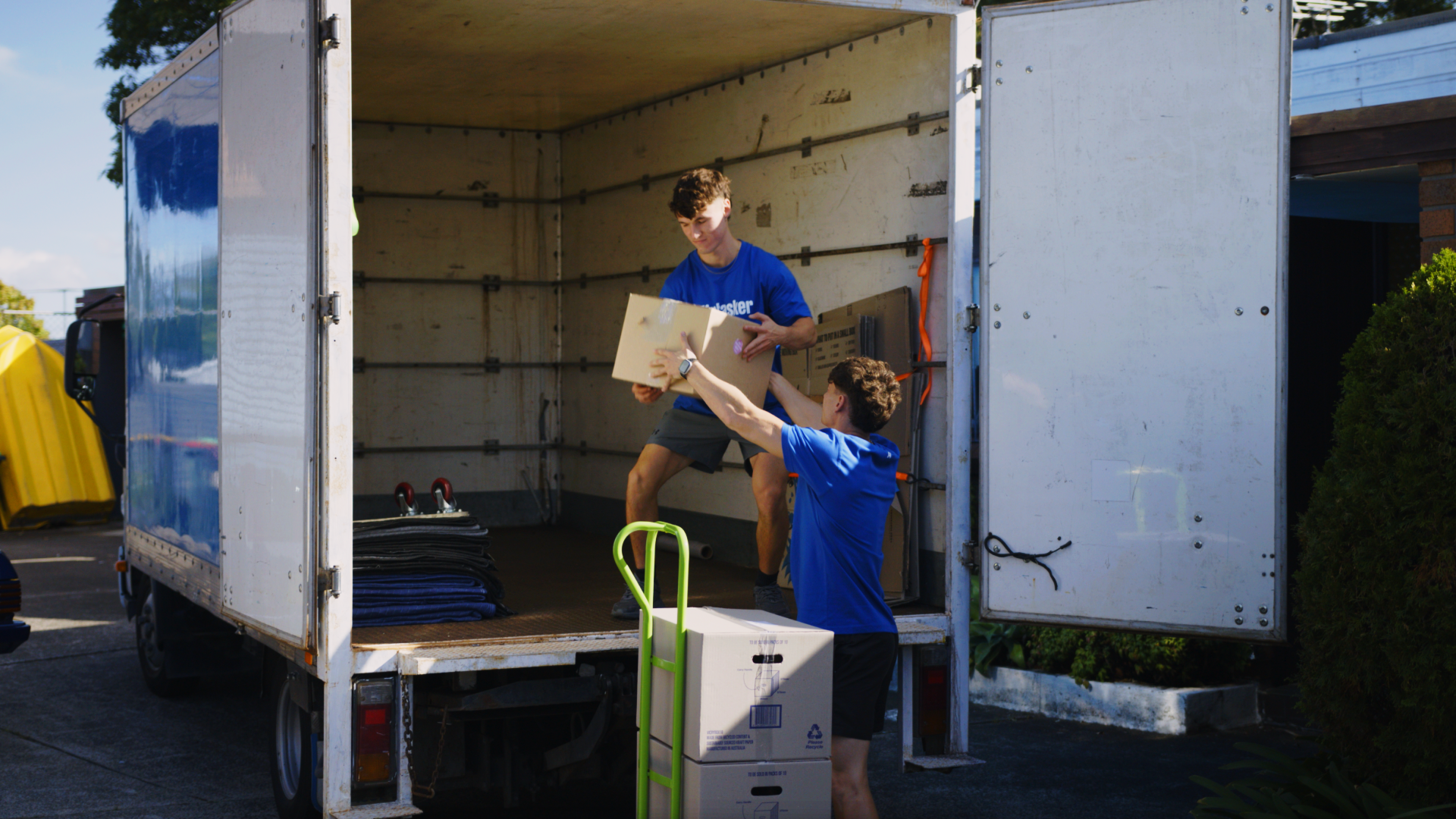
 Airtasker movers loading belongings safely onto the truck
Relocating doesn’t have to be overwhelming. With the right planning, realistic expectations, and local support, moving to Austin, Texas can be an exciting step forward, whether you’re chasing career growth, a better lifestyle, or a fresh start.
When you’re ready, Airtasker makes it easy to find local moving help in Austin, from packing and furniture assembly to pet transport and move-in cleaning. Compare reviews, set your budget, and get help that fits your move.
Find trusted local movers and start your move today.
Helpful resources for those moving to Austin
These resources can help you navigate the practical side of settling in:
City of Austin: Official city services, permits, utilities, and resident information
Austin Independent School District: School enrollment and zoning
Austin Public Library: Library locations, digital resources, events, and community programs
ConnectATX: Local resources for housing, food assistance, healthcare, and social services
Visit Austin: Visitor information, events, attractions, and local guides
Learn more about our contributors
Written by Ma. Donna Dane B.
Contributor
Donna is an experienced writer and editor with expertise in web content, help guides, documentation, and academic research. She's written professionally for companies and nonprofit organizations in the elearning, agriculture, food, and beauty. Outside of work, Donna explores small business baking, AI governance research, and long-distance running, which influence her writing.
FAQs about moving to Austin
Some residents have left due to rising housing costs, but overall population growth remains positive. Austin continues to attract newcomers for jobs, culture, and quality of life.
Local moves typically cost $1,400 to $3,000+, while interstate moves can range from $2,000 to $10,000+. Ongoing costs depend largely on rent and lifestyle.
City living offers walkability and access to entertainment, but comes with higher rent. Suburbs provide more space and lower housing costs, often with longer commutes.
Buying usually requires a higher upfront investment, especially in central neighborhoods. Renting offers flexibility and is often the better option for newcomers exploring where to live in Austin.
Find movers, fast
Find a mover
Related price guides

How much do packers cost?
Read more





Related articles

A guide to becoming a mover
Read more

How much do movers make?
Read more

Tips for moving house with kids
Read more
How to move gym equipment safely
Read more

How to pack artwork for moving
Read more

How to pack books for moving
Read more

How to pack kitchen items
Read more
How to move a washing machine
Read more
How to move a shed
Read more

How to move a pool table
Read more
How to move a vending machine
Read more

How to pack bedding for moving
Read more
How to move a refrigerator
Read more

How to move a pinball machine
Read more

Where to get moving boxes for free
Read more

How to wrap furniture for moving
Read more

What movers won’t move
Read more

The ultimate packing and moving list
Read more

Moving interstate checklist
Read more

Moving out of state checklist
Read more

Moving to San Diego Guide
Read more
Moving Checklist
Read more
Moving to Atlanta Guide
Read more