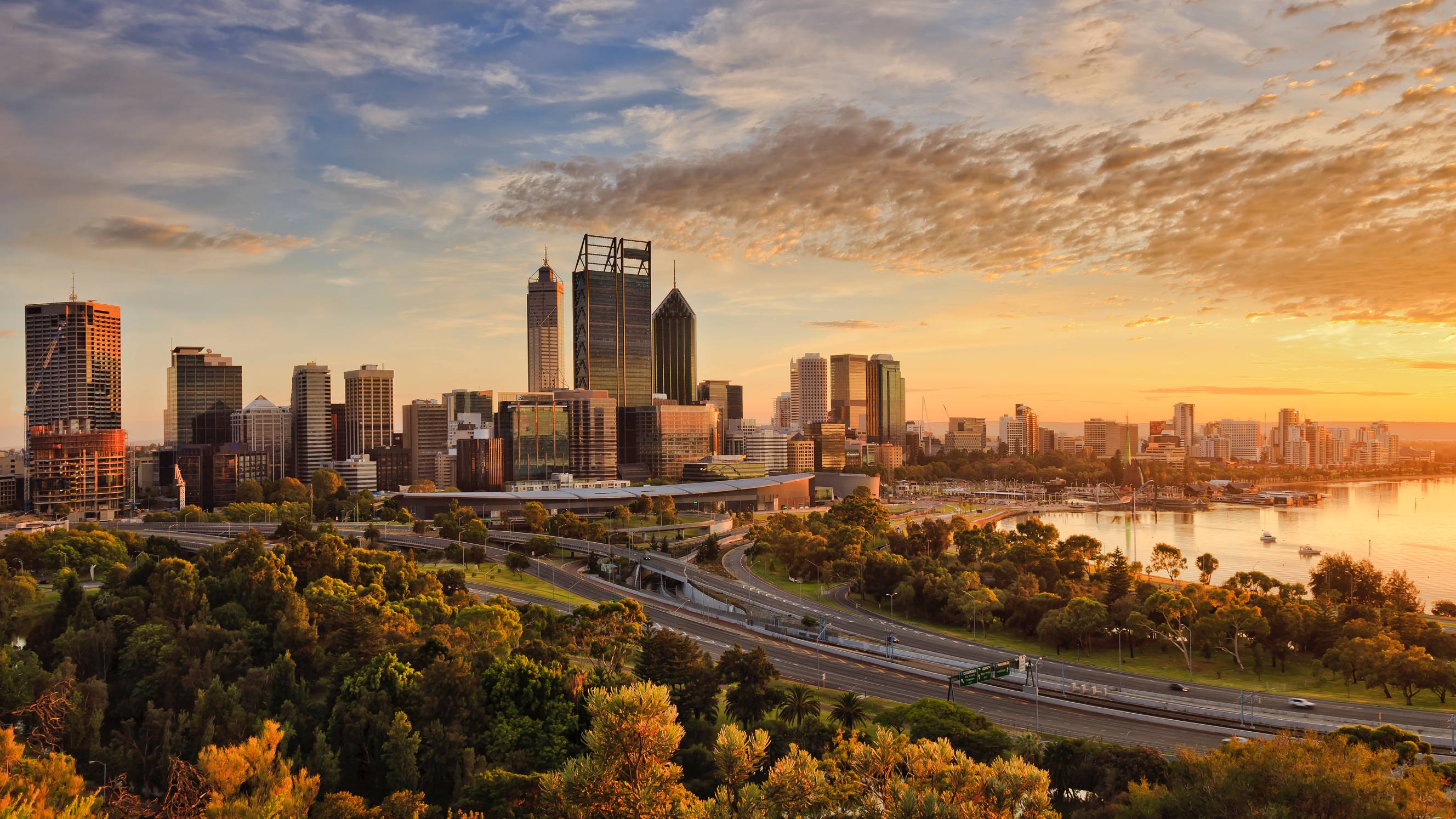
Western Australia bound: A modern guide to Perth moving and living
A local guide to lifestyle, costs, and commuting for new Perthians.
Published on

Written by Genine T.
Staff Writer
Read more about our contributor
Moving to Perth Highlights:
Perth’s population grew 3.1% last year, driven by strong job demand in mining, healthcare and professional services.
The median rent is approximately $738 per week, which is cheaper than in Sydney but higher than the national average.
Perth has lighter traffic and shorter commutes, making it one of the most driveable capital cities in Australia.
Perth is often written off as too quiet, too remote, too disconnected from the rest of Australia. Many fixate on expensive flights east or joke about being closer to Indonesia than Sydney and Melbourne. But if you’re moving to Perth, know that you’re in for a good journey.
What people often overlook is that this Western Australian capital consistently ranks among the best places to live, sitting 4th for quality of life in Oceania and comfortably inside the global top 20 for liveability. This comes from a balance of good jobs, space to breathe, shorter commutes, and a lifestyle that doesn’t feel like a constant sprint.
So if you’re relocating to Perth and the moving nerves are creeping in, this guide covers what you need to know: where the jobs are, what it costs to live here, neighbourhoods worth your time, and what to expect once you touch down.
Why are people moving to Perth?
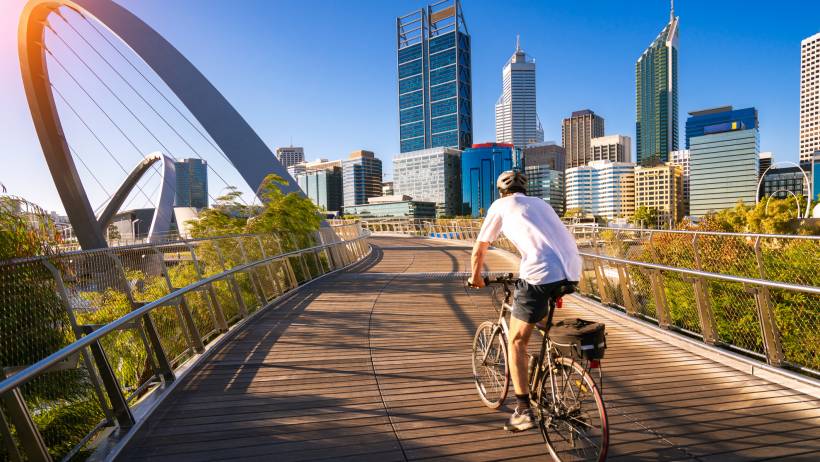 Cycling on Elizabeth Quay Bridge. (Source: iStock)
Perth’s population grew 3.1% last year, with areas like Alkimos–Eglinton expanding rapidly as housing, transport, and services catch up to demand. If someone asks why would you move to Perth? Here are the reasons it’s drawing people in.
Lifestyle and culture
Perth offers a high quality of life because daily living is simpler. Housing comes with more space for less money, the city runs at a calmer pace, and outdoor time happens anytime. For instance, beaches like Cottesloe, Rockingham, and Scarborough are close and uncrowded by capital city standards, with nature hikes always within reach. Even well-known wineries like the Swan Valley sit 30 minutes from the CBD.
The city is also culturally diverse, with strong Indian, Vietnamese, Malaysian, and other migrant communities shaping neighbourhoods, workplaces, and local food scenes. For anyone migrating to Perth, this means arriving in a place that’s welcoming, familiar, and easy to settle into.
Career and job opportunities
One of the key things to know about moving to Perth, Australia, is that work opportunities aren’t limited to one sector or one corner of the city. The Western Australia Government portal regularly lists over 400 public sector vacancies within the metropolitan area alone, and that’s before accounting for private employers or regional opportunities.
Based on Industry Profiles across Perth’s regions, the resource and service sectors lead employment, driven by Western Australia’s abundance of natural resources. Major multinational companies like Chevron and Rio Tinto operate here, but other major industries include:
- Health care and social assistance
- Construction
- Retail trade
- Professional, scientific, and technical services
- Education and training
Average salaries also stack up well against the eastern capitals. For example, a mid-level mechanical engineer in Perth can earn an average of $88,800 compared to $84,000 in Melbourne. On the other hand, project engineers may earn an average of $106,800, surpassing Sydney’s average of $97,700.
When you factor in the cost of living in Perth, which is lower than in other major Australian cities, it’s easy to see why the numbers work for anyone making an interstate move.
Weather and climate
Perth is widely known as the sunniest capital city in Australia, averaging around 8.8 hours of sunshine per day. The city has a Mediterranean climate, with summer heat tempered by the afternoon sea breeze, locally known as the Fremantle Doctor. As for winters, there is rarely prolonged cold weather in southern cities.
For most of the year, outdoorsy adventures, commuting, and home projects are rarely disrupted by extreme weather. Here’s what to expect:
| Season | Average temperature | What to expect |
|---|---|---|
Summer (Dec–Feb) |
16.6°C to 31.4°C |
Hot, dry days with cooling afternoon sea breezes |
Autumn (Mar–May) |
10.6°C to 29.7°C |
Cooler nights, mild days, occasional showers |
Winter (Jun–Aug) |
8.1°C to 19.5°C |
Cool, wetter conditions with some storms |
Spring (Sep–Nov) |
9.7°C to 26.8°C |
Warm sunny days, low rainfall, seasonal blooms |
Because the climate is consistent, everyday home and lifestyle services remain accessible year-round. Whether booking home maintenance, gardening, cleaning, or outdoor projects, weather-related delays are less common than in other Australian cities.
For people settling into life in Perth, this reliability makes it easier to plan routines, manage homes, and enjoy the outdoors without constantly working around the forecast.
What should you research before moving to Perth?
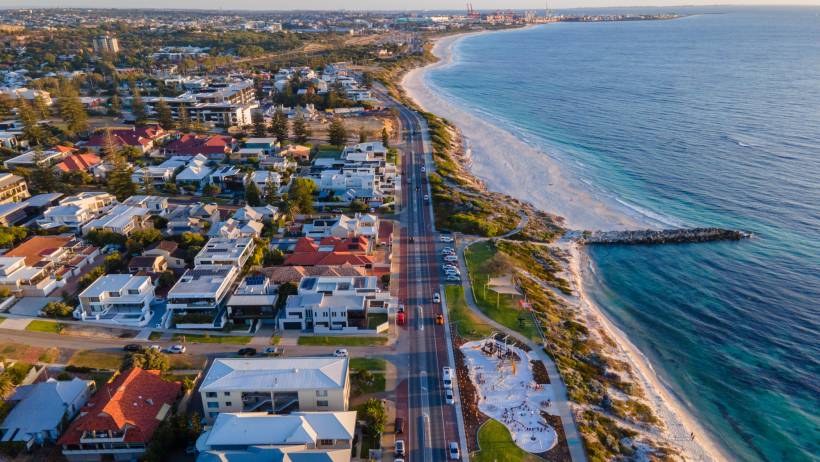 High-angle cityscape of Cottesloe. (Source: iStock)
If you’re asking, “Is Perth a good place to live?”, it often comes down to how much homework you do before taking the plunge. Costs, neighbourhood fit, timing, and logistics can all shape your experience, especially once practical decisions like house removal and school enrolments come into play. This section covers the essentials to check before you move, helping you avoid surprises and arrive prepared.
Cost of living
The average full-time salary in Perth is approximately $84,000 per year, or around $7,100 per month before tax. The biggest contributor to the cost of living in Perth is accommodation, with a median rent of approximately $738 per week. This might sound higher than the national median of $681, but it is still lower than Sydney’s median of $817.
As for the total budget, here’s what you’re realistically looking at each month:
| Expense | Typical cost |
|---|---|
Rent (per week) |
$473 to $900+ |
Basic utilities |
$250 to $400 |
Groceries (monthly) |
$220 to $720 |
Transportation |
$140 to $300 |
Beyond rent and utilities, day-to-day expenses can catch newcomers off guard. Eating out in Perth typically ranges from $16 for a casual meal to $130 or more at higher-end restaurants, depending on location and dining style. Fitness costs can also add up, with casual gym visits such as those at Perth HPC priced at around $23.90 per visit.
Neighbourhood options
If budget isn’t your main concern, Cottesloe and Fremantle deliver beachfront living with strong café and dining scenes. Property prices run higher here. Both sit within 15 to 30 minutes of the CBD by train and offer coastal access without the crowds you’d find in major eastern capitals.
For an inner-city vibe with a premium price tag, Subiaco sits just 5 minutes from the CBD with boutique shopping, the iconic Regal Theatre, and direct access to Kings Park.
If value is your priority, Morley and Joondalup consistently rank among the best places to live in Western Australia for affordability. Both offer major shopping centres (Galleria and Lakeside), reliable transport, and family-friendly infrastructure within 15 to 30 minutes of the CBD.
For inner-city energy on a budget, Mount Lawley and Victoria Park sit minutes from food strips, universities, and the cultural buzz that makes them popular choices when deciding where to live in Perth.
Best time to move
Timing your move to Perth can save you hundreds of dollars and considerable stress. Most rental leases end on the last few days of the month, creating a surge in demand for moving help around weekends and the first and last few days of each month. If you can move your schedule to mid-month and midweek, you’ll find better availability, lower rates, and less competition for trucks and movers.
| Season | Months | What it means |
|---|---|---|
Peak |
Nov – Mar |
Highest prices, full schedules, most stress |
Off-peak |
Apr – Sep |
Cheaper, more flexible, easier moves |
Best value |
Apr, May, Aug, Sep |
Sweet spot between price and conditions |
Beyond monthly patterns, factor in public holidays and school holidays when booking house removal services. Western Australia Day (first Monday in June) and other long weekends see reduced availability as movers take time off or prioritise premium bookings. School holidays in April, July, September, and December also drive up demand as families coordinate moves around term breaks.
Moving costs
Local removalists in Perth charge between $133 and $178 per hour, covering the truck, fuel, and crew. On the other hand, interstate moves run significantly higher, typically ranging from $2,500 to $9,500+, depending on distance and volume.
However, your final bill climbs based on what removalists encounter on moving day. Narrow access ways, stairs without lifts, or tight parking add time and labour costs. Additional services, such as heavy lifting (pianos, pool tables) or specialty packing for fragile items (refrigerators, antiques, glassware), increase prices further, as they require extra care, specialised equipment, or additional crew members.
To cut costs, declutter before you move, book midweek during an off-peak month (April to September), and ensure easy truck access. These adjustments alone can save you hundreds off your final bill.
Out-of-state or international considerations
Interstate moving
If you’re moving to Perth from another Australian state, the admin work starts as soon as you arrive. Your long-distance move to Perth means updating your driver’s license, registering your address with government services, and handling vehicle registration if you’re bringing a car.
| What to update | Deadline |
|---|---|
Western Australian driver’s licence |
Within 3 months of arrival |
Address with Services Australia (via myGov) |
Within 14 days of arrival |
Vehicle registration |
Within 3 months of arrival |
For families moving to Perth with school-aged kids, arrange enrollment documents before you arrive. Most schools require proof of address, immunisation records, and previous school reports. Getting these sorted early means your kids can start without delays once you’re settled.
International moving
If you’re moving to Perth from overseas, the process begins with understanding visa requirements and the associated legal and administrative requirements. Australian migration operates through three main streams, and each requires different documents and processing steps.
Here’s what you’ll typically need:
Visa grant notice
Professional licenses and skills assessments (if applicable to your occupation)
Proof of employment history
Bank statements (usually covering 3–6 months)
Private health insurance documentation
Make sure to check the official requirements for the visa type you’ll be applying for. Once your visa and documents are sorted, you can arrange international shipping for your belongings. If you have bulk items, sea freight is the most cost-effective option, with delivery times ranging from 4 to 8 weeks, depending on your country of origin.
What should you do on your Perth moving day?
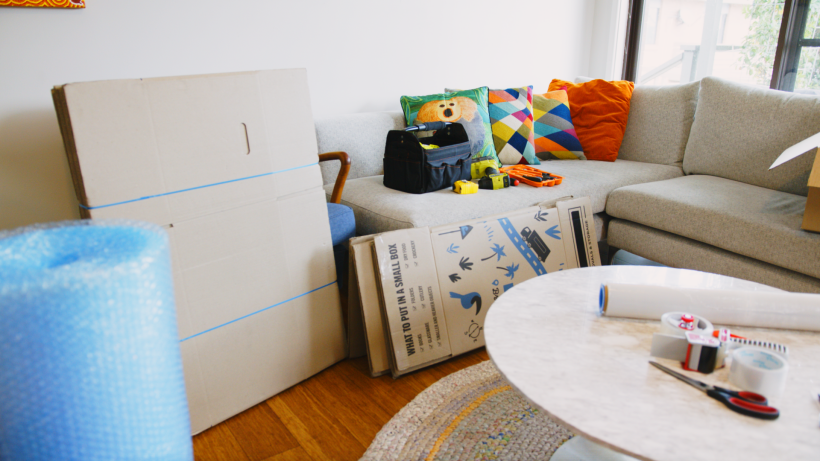 The early stages of planning moving.
If you’re figuring out how to move to Perth efficiently, coordination is everything. These tips will help you work smoothly with your removalists, protect your belongings, and make a clean exit from your old place.
Strategically coordinate movers and services
Nail down your exact moving date as early as possible, ideally 6 months ahead if you’re planning on moving to Western Australia during peak season. This gives you the first pick of removalists, cleaners, and other services before schedules fill up. Once your date is locked in, book your removalist, move-in cleaning service, and any specialty movers (piano, pool table) in one sweep.
| Service/Task | When to handle |
|---|---|
Book removalists and cleaners |
6 months before |
Apply for parking bay reservation (CBD, Subiaco, South Perth) |
At least 2 working days before move ($77/day Mon-Sat, $38.50 Sunday) |
Confirm arrival times with the removalist |
1 week before |
Book lift access and loading dock |
2-4 weeks before |
Review insurance coverage |
1 month before |
Create a floor plan for movers |
1-2 weeks before |
If you’re vacating a rental property, schedule house clearance and final cleaning for the day after your removalist leaves. This gives you breathing room to handle forgotten items or last-minute touch-ups without rushing your bond inspection.
Carefully transport your belongings
Before you start packing, get your space sorted. Schedule house cleaning and decluttering at least 6 months before your move so you’re not hauling items you don’t need across the country. Once everything’s cleaned and organised, start sorting room by room.
It’s recommended to go through one room per week, dividing items into three categories: keep, donate, or dispose.
- Donate: Clothes, books, and household items can be donated to local op shops or charities, such as Vinnies or Save the Children. Many offer free pickup if you’re donating in bulk.
- Dispose: Check your local council for hard rubbish collection. Most offer one or two free pickups per year, or you can book a paid one if you need it gone fast.
- Keep: Wrap fragile items yourself using bubble wrap, paper, or towels.
For bulky or high-value items that you can’t safely wrap yourself (such as antiques, artwork, and large mirrors), consider booking professional packing services. Removalists offer this as an add-on, with packing service costs typically ranging from $75 to $580 per hour per packer.
On moving day, create a clear labelling system for every box. Mark each with the destination room, a brief contents list, and whether it’s fragile. Use a permanent marker on at least two sides of each box so movers can see it no matter how the boxes are stacked.
Critically double-check everything
Before you hand over the keys, take at least 10 minutes to walk through your old property with your phone and photograph every room from multiple angles. Capture the condition of walls, floors, carpets, and appliances, so you have proof if any bond disputes come up later. Also, don’t forget to check that all utility meters are switched off to avoid getting billed for usage after you’ve left.
One of the most practical moving to Perth tips is counting boxes as they come off the truck against your inventory list. If a box is missing, alert the removalist immediately before they drive away.
If movers have left scuff marks, mud, or dust from the move, call house cleaning services immediately while the mess is fresh and easier to clean. Once the space is sorted, start unpacking room by room. Overwhelmed by the volume? Consider booking organising help from professionals who can sort, shelve, and arrange your belongings efficiently.
How do you get settled in Perth after moving?
 Unpacking moving boxes one by one.
Just moved to Perth, now what? This section covers what to sort in your first week so your power stays on, your mail arrives at the right address, and you’re not scrambling to fix things later.
Connect your utilities
Setting up utilities in Perth should happen at least a week before your move-in date. If you’re moving into an established apartment or house, contact suppliers to arrange disconnection at your old address and reconnection at your new Perth property. Some providers can transfer your account, while others require you to close one account and open a new one.
| Utility type | Providers |
|---|---|
Electricity |
Synergy |
Gas |
Alinta Energy, Kleenheat, AGL |
Water |
Water Corporation |
Internet |
Aussie Broadband, Pentanet, Telstra, Optus |
For water, ask the landlord or agent to request a special meter reading. This resets the billing, so you start in the lowest price tier, which can make your water bills cheaper for your first few months, rather than paying the previous tenant’s higher rate.
Update your licences and documents
Relocating to Perth means updating your address across every service and account to avoid missed bills, voting notices, or important mail going to your old address. Start with myGov, which automatically updates linked services, such as Medicare, Centrelink, and the Australian Taxation Office, when you change your address once.
What else to update with your new Perth address:
- Australia Post (for redirection)
- Australian Electoral Commission (AEC)
- Insurance policies
- Pet registration
- Bank accounts and credit cards
- Subscriptions and online shopping
If you’re moving from a non-registered country, you must pass theory, hazard, and driving tests to get a WA license. Check the WA Department of Transport for the complete list of registered countries and required documents.
Secure council-related permits
Perth is divided into multiple local government areas, each of which manages different services and permits. Find your council through the WA Local Government Association portal, then register your address on their website. This provides access to rate information, bin collection schedules, resident parking permits, and approvals for renovations, fences, and tree removal.
If you’re planning renovations or construction, apply for permits well in advance. Most councils take several weeks to process applications, and starting work without approval can result in fines or forced removal of unapproved changes.
Ensure your family’s welfare
Living in Perth with kids? Use the Australian Schools Directory to map nearby schools based on your suburb and compare catchment zones. For childcare and kindy, search the Starting Blocks portal and filter by “Perth” to find available centres in your area. Just note that popular centres have waitlists, so register as soon as you know your address.
Aside from schools, you and your family may also consider Perth’s green spaces for staying active and enjoying outdoor time year-round. Top parks and botanical gardens include:
JH Abrahams Reserve
Queens Garden
May Drive Parkland
For healthcare, register with a local GP as soon as possible. Bulk-billing clinics are also available across Perth suburbs, making routine care affordable.
Also think of your pet
If you’re moving with a pet, Western Australia requires all dogs and cats to be microchipped and registered with your local council. Dogs must be registered from three months of age, while cats must be registered from six months of age.
Transferring from another Australian council? Some councils, like South Perth, allow transfer of registration, so check with your new local government to see if you can carry over your existing details.
If you’re bringing a pet from overseas, be prepared for strict Australian biosecurity and quarantine requirements that can take months to clear.
How do you get around in Perth?
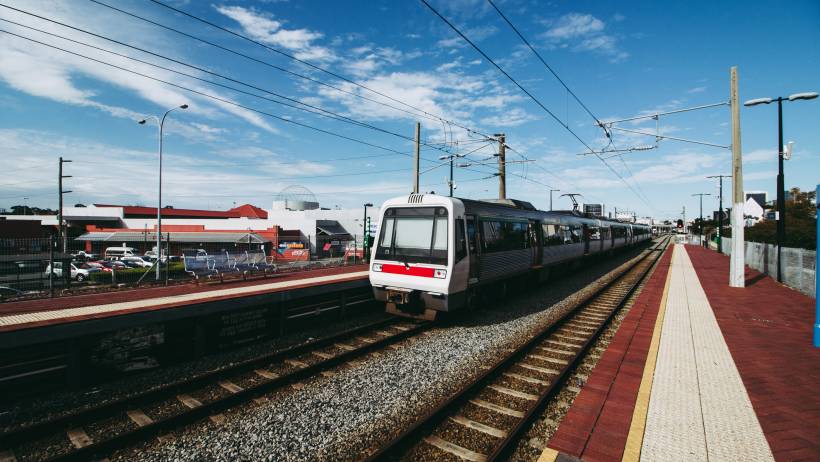 A reliable public transport option in Perth. (Source: iStock)
Perth’s inner suburbs are surprisingly walkable. Areas like Subiaco and South Perth are designed for pedestrian access, and most train stations include ramps, lifts, and tactile paving for accessibility. Outer suburbs do require a car for convenience, but if you choose inner-city living, you can manage daily life without one.
In this section, let’s go over the ways of getting around Perth, whether you’re driving, catching the train, or both.
What is Perth’s SmartRider Card?
Perth relies on SmartRider, a tap-on, tap-off card used for buses, trains, and ferries throughout the city. It also simplifies parking payments at train stations, saving you from searching for coins when you’re in a hurry.
To get one, you can order online through Transperth before you arrive. Online orders take about a week to arrive, so if you’re moving to Perth soon and want transport sorted from day one, order ahead. You can also pick one up from Transperth InfoCentres or retail sales outlets once you’re in Perth.
Here’s what you’ll pay upfront and the minimum amount you’ll need to load based on card type:
| Card type | Card cost | Minimum initial value |
|---|---|---|
Standard |
$10 |
$10 |
Concession |
$5 |
$5 |
Seniors |
Free |
$10 |
Pensioner |
Free |
$5 |
Veteran |
Free |
$10 |
Student |
$5 |
No minimum |
Seniors and veterans travel free before 6:00 a.m., between 9:00 a.m. and 3:30 p.m., after 7:00 p.m., and all day on weekends and public holidays. Concession fares apply outside those windows.
By car
If you are driving, be ready for the usual weekday peak hours. The good news is that Perth is still far less brutal than the gridlock in Sydney or Melbourne.
In terms of metered parking, it varies by council area, so check your local suburb’s rules once you’ve settled. In Perth’s CBD, for example, you’ll find free three-hour parking spots at:
- Cultural Centre Car Park, 2 Roe Street, Northbridge
- His Majesty’s Car Park, 377 Murray Street, Perth
- Pier Street Car Park, 87-89 Pier Street, Perth
These fill up fast on weekdays, so arrive early if you are heading into the city. In residential areas, most suburbs use permit parking, which you can apply for through your local council after you move in.
By train
Accepts SmartRider card
Perth’s train network runs eight main suburban lines, including Airport, Armadale, Ellenbrook, Fremantle, Mandurah, Midland, Thornlie-Cockburn and Yanchep. Below are the expected fares by type:
| Fare type | What it covers |
|---|---|
2 Sections |
One-way trips under 3.2km on a single service. |
Go Anywhere |
Unlimited travel for three hours across the entire network. |
DayRider |
Unlimited travel all day – your fare caps automatically. |
FamilyRider |
Up to seven people (max two full-fare) travel unlimited for the day; cash ticket only, available weekends and select weekday times. |
Travelling on a Sunday? Transperth offers free train travel for SmartRider holders and contactless payment users. Just note that the free travel doesn’t apply to late-night services after midnight on Saturday. Your SmartRider also needs a positive balance to qualify for this day.
By bus
Buses are handy for reaching spots like The Old Mill in South Perth or the Perth Mint, especially when the nearest train station requires a long walk. To find out which bus to catch, visit the Transperth Journey Planner and view real-time arrival estimates. You can also download the Transperth app on Android and iOS to get notifications if your selected bus route changes or there’s a delay.
Perth runs three main free CAT services that loop through key areas without charging a fare. This means you don’t need to own a SmartRider to tap on. In addition to these, regular buses operate on fixed routes throughout the city and its suburbs.
By ferry
Want a scenic shortcut to spots like Perth Zoo or the Elizabeth Quay precinct? The Transperth Ferry is your quickest route between Perth CBD and South Perth, cutting out the drive or bus trip around the river. Ferries run every 15 to 30 minutes from Elizabeth Quay to Mends Street Jetty, taking just 8 to 10 minutes with views of the city skyline along the way.
You can use your SmartRider or purchase a standard Transperth ticket at either jetty using cash or card. For live ferry timetables, visit the Transperth website.
What are fun things to do as a new resident in Perth?
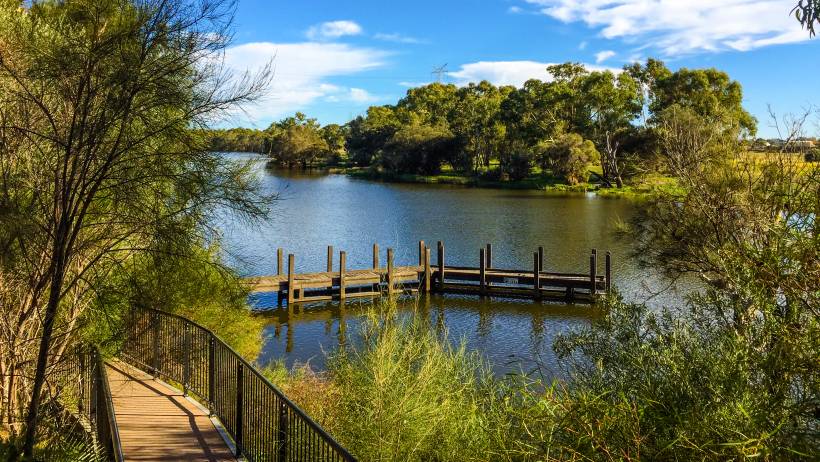 Visiting a vineyard for a midday tasting. (Source: iStock)
Once you’ve sorted transport and utilities, it’s time to actually enjoy living in Perth. Here’s what to explore once you’re settled in.
Explore your new neighbourhoods
The Perth CBD alone offers plenty to keep you busy with riverside walks at Kings Park, waterfront dining at Elizabeth Quay, and the Swan River right on your doorstep. But if you want to venture further and get a real feel for Perth’s different personalities, spend a few weekends exploring these areas:
- Mandurah, Rockingham & Peel: Best for water activities like dolphin watching, snorkelling and kayaking with classic beach-town vibes.
- Perth Hills: Best for John Forrest and Beelu parks, Lesmurdie Falls, bushwalking trails and historic towns like Kalamunda and Mundaring.
Visit historical and heritage sites
Perth’s historic buildings showcase colonial-era architecture, featuring sandstone facades, Gothic Revival details, and convict-built structures. Here are the key sites worth visiting:
- Perth Town Hall: Built by convict labour in the 1870s with grand arches and a Jacobean-style clock tower.
- Government House: Gothic turrets and riverside gardens along the Swan River.
- St George’s Cathedral: English perpendicular Gothic architecture with stained glass and vaulted ceilings.
- The Bell Tower: Modern structure housing historic bells from London, with river views from the observation deck.
Enjoy the outdoors
Ready to walk? Start with the Sunset Coast Walking Trails if you want oceanfront views across the Indian Ocean, or head south to the Kwinana Walking Trails for wetlands and nature reserves.
For island scenery, Rottnest Island has coastal loops past turquoise bays with plenty of quokka sightings. Prefer inland trails? The Avon Valley Walking Trails deliver rugged escarpments and river views.
Once you’ve worked up an appetite, Perth’s food and wine trails turn a scenic drive into a tasting tour. Here are some must-try routes:
- Bickley Valley Wine Trail: Boutique wineries tucked into the Perth Hills.
- Toodyay Food and Picnic Trail: Farm gates, bakeries and riverside picnic spots inland.
- Peel Craft Beer and Wine Trail: Coastal breweries and vineyards south of the city.
- Swan Valley Sweet Temptations Trail: Chocolates, nougat, ice cream and honey straight from the source.
Check out the local market scene
Perth’s markets are a great way to see the local community in action, whether you are shopping for fresh produce or grabbing street food at night. Here are a few popular ones to try:
- Subi Farmers Market: Shop for fresh produce, gourmet food and breakfast on Saturdays from 8 am to 12 pm at Subiaco Primary School.
- Twilight Food Markets: Enjoy street food and live music at Forrest Place on Fridays from 4.30 pm to 9.30 pm (Oct–Apr).
- South Perth StrEATs: Grab food truck favourites by the river with city views at Sir James Mitchell Park from Thursday–Sunday, 5 pm to 8.30 pm (Nov–Apr).
Move to Perth with ease
You’ve got the city sussed, now it’s time actually to make the move happen. Sign up at Airtasker, post your task, and let local Taskers handle the logistics today!
Whether you need Perth removalists to move your furniture across town or interstate, help to declutter before moving so you’re not packing things you don’t need, or a pro to deep clean your old place and get your bond back, Airtasker connects you with experienced locals who can knock it out fast. Post a task today to get custom quotes!
Helpful resources for those moving to Perth
If you’re looking for extra guidance on getting around or staying informed, here are some resources to check out:
Journey Planner
The Transperth Journey Planner maps out your trips across Perth’s bus, train and ferry network with real-time arrival times. It’s the quickest way to figure out which route gets you where you need to go.
Emergency WA
Emergency WA is your official source for bushfire warnings, storm updates, road closures and incidents across Perth and WA. Check it before heading out if the weather looks dodgy.
WA Local Government Association
Need council information, training courses or local government details? The WA Local Government Association website covers everything from waste collection schedules to community programs in your area.
Department of Health
Find immunisation schedules, health service locations and public health updates on the WA Department of Health website. Use the service finder to locate GPs, clinics and vaccination centres near your new place.
Learn more about our contributors
Written by Genine T.
Staff Writer
Genine is a writer and educator with over seven years of experience. She has published peer-reviewed research papers, worked in academia, and created educational content for thousands of language learners. She discovered her passion for turning complex ideas into practical advice through writing about DIY topics like home improvement, furniture assembly, and household fixes. When she’s not writing, Genine enjoys curling up with her dogs and a good book.
FAQs about moving to Perth
The average salary in Perth is approximately $84,000 per year, or around $1,615 per week before tax, making it one of the highest-earning capital cities in Australia.
For Perth living, the city centre suits people who want walkability, nightlife, and shorter commutes, while the suburbs offer more space, quieter streets, and better value for money. The better choice depends on whether you prioritise convenience, lifestyle, or affordability.
The main challenges are distance and rising costs. Perth is a long way from the rest of Australia, which makes travel slower and more expensive. Housing is also getting pricier, especially in popular inner suburbs.
Based on the road rules of Western Australia, you are not allowed to do a U-turn at traffic lights unless there is a sign saying you can. This is the same rule used in most East Coast states, such as New South Wales and Queensland.
Perth has a more relaxed, outdoors-focused lifestyle than the East Coast, with people putting work-life balance, beaches and space first. Locals are friendly and laid-back, and social plans usually revolve around good weather, weekends away, and early nights rather than late city life.
Perth is the most drivable capital city in Australia, with lighter traffic and shorter commute times compared to Sydney or Melbourne. Even at peak hour, getting around is far less stressful than in the East Coast capitals.
Find removalists, fast
Find a removalist
Related price guides

How much does it cost to move house?
Read more

How much do packers cost?
Read more





Related articles

Moving Checklist
Read more

A guide to becoming a removalist
Read more

How much do removalists make?
Read more

Tips for moving house with kids
Read more
How to move gym equipment safely
Read more

How to pack books for moving
Read more

How to pack artwork for moving
Read more

How to pack kitchen items
Read more
How to move a washing machine
Read more

How to move a shed
Read more

How to move a pool table
Read more
How to move a vending machine
Read more
Moving a fridge: How to do it right
Read more

How to pack bedding for moving
Read more

How to move a pinball machine
Read more

How to wrap furniture for moving
Read more

What removalists won’t move
Read more

Moving interstate checklist
Read more