Moving to Newcastle? Your Guide to Making the Switch from Any Aussie City
Check out this guide before you start packing
Published on

Written by Genine T.
Staff Writer
Read more about our contributor
Moving to Newcastle highlights:
Newcastle’s average annual salary is around $75,000, giving many residents solid earning power without the capital city’s living costs.
Most locals live by the “15-minute rule”, where work, beaches, cafés, and major shopping hubs are rarely more than a short drive away.
January to March is Newcastle’s busiest moving period, with higher rental competition and removalist rates due to summer demand and job transfers.
Did you know Australia’s second-oldest city has been quietly sitting 162km north of Sydney this whole time? Newcastle is a vibrant coastal city, known for iconic spots such as the Merewether Ocean Baths and Nobbys Lighthouse. It also has beaches, café culture, and affordable housing, motivating Sydneysiders to move in.
What’s changed is that it’s no longer coasting on its industrial past. Moving to Newcastle now means tapping into a competitive lifestyle destination where most residents can reach work, shops, cafes, and the beach in under 15 minutes without touching a motorway.
So if you’re relocating to Newcastle and want to know what you’re actually signing up for, this guide is for you. We’ll cover job opportunities, living costs, neighbourhoods worth considering, and what life honestly looks like once you’ve unpacked.
Why are people moving to Newcastle?
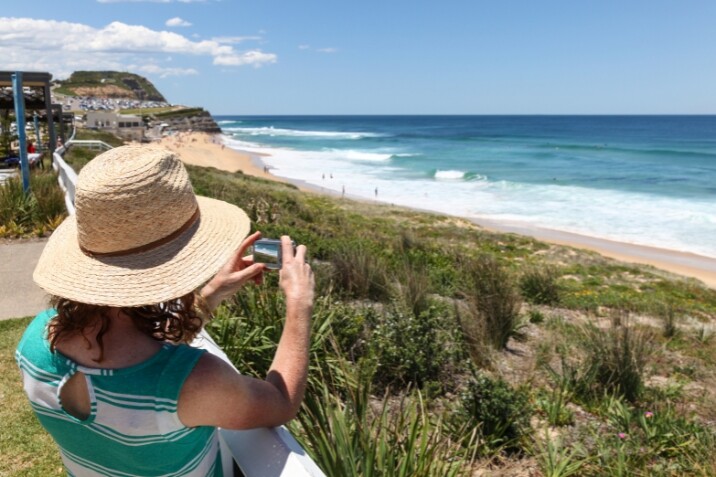 Overlooking Newcastle’s Bar Beach (Source: iStock)
Is it worth moving to Newcastle? For most people weighing up stable work, shorter commutes and a beach that’s genuinely five minutes from the CBD, the answer is a pretty clear yes. Living in Newcastle, NSW, means you’re not choosing between a career and a life you actually enjoy outside of work hours.
Need more convincing? Here’s exactly why people are picking Newie over Sydney and other major Australian cities, and what’s making them stay.
Lifestyle and culture
Newcastle is recognised as one of Australia’s economic powerhouse cities, with major strength across health care, construction, education, energy and professional services. Ongoing investment in infrastructure and CBD renewal continues to attract new businesses in hubs like Hamilton and the Junction.
For residents, that means steady employment, expanding industries and career growth without the intensity of a capital city.
Newcastle’s community also reflects strong cultural diversity, with many residents born overseas in England, New Zealand, India, China, and the Philippines. That diversity shapes the local food scene, community groups and annual cultural festivals.
The Visit Newcastle website regularly lists international events hosted by private and multicultural organisations, giving newcomers clear ways to meet people and get involved.
Career and job opportunities
If you’re asking why move to Newcastle, job availability is a strong starting point. The NSW Government jobs portal alone lists more than 400 roles across the Central and North Coast region, which includes Newcastle, and that’s only the public sector. Within the Hunter Region industry profile, the strongest hiring sectors are:
Health Care and Social Assistance
Retail Trade
Construction
Education and Training
Professional, Scientific and Technical Services
Another reason is the balance between earnings and the cost of living in Newcastle, Australia. The average annual salary sits at around $75,000, which works out to roughly $1,442 per week or about $29.19 per hour. And if you factor in that weekly figure, Newcastle’s average sits approximately 8% to 11% above the state averages for South Australia and Tasmania.
Weather and climate
Living in Newcastle, NSW, means settling into a warm, temperate climate that supports an active outdoor lifestyle year-round. The annual average temperature ranges between 14.3°C and 21.8°C, with mild winters and warm summers. For most of the year, you can plan beach walks, barbecues and weekend sports without worrying about extreme swings.
Season |
Months |
Average Temperature (°C) |
|---|---|---|
Summer |
December to February |
18.1 to 25.6 |
Autumn |
March to May |
12.0 to 18.4 |
Winter |
June to August |
8.5 to 18.1 |
Spring |
September to November |
11.6 to 26.6 |
Moving from interstate or overseas? It’s smart to plan for sudden showers, particularly during summer storm season. One of the best techniques here is to set up an indoor outdoor relay on moving day, with a dry team inside and a wet team in ponchos managing the runs to and from the removal truck.
What should you research before moving to Newcastle?
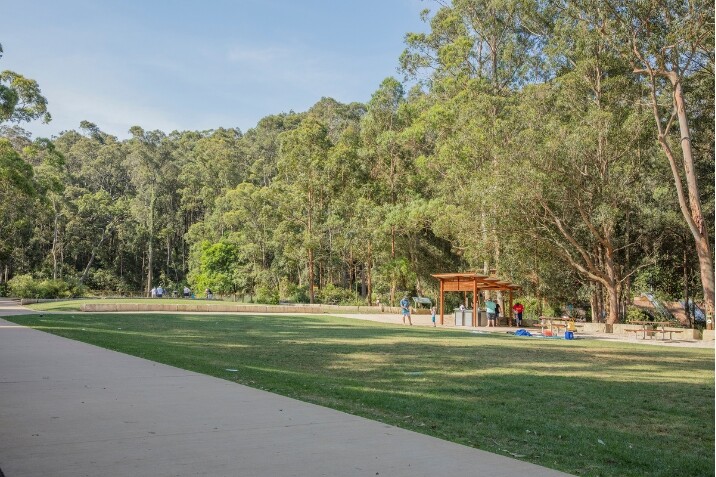 Local weekend activities in Blackbutt Nature Reserve (Source: iStock)
For anyone asking if Newcastle is a good city to move to, the answer is often found in how well you handle the transition. Planning transport, timing and logistics early helps you avoid delays and unnecessary expenses.
Cost of living
The cost of living in Newcastle is approximately 4.9% lower than in Sydney, which can make a meaningful difference over time. A major factor behind that gap is rent: the median weekly rental price in Newcastle is around $713, compared to roughly $1,000 in Sydney. That difference adds up to more than $14,000 per year.
Expense type |
Average monthly cost |
|---|---|
Utilities (electricity, water, gas) |
$200 to $318 |
Groceries (single person) |
$400 to $550 |
Public Transport (Adult Opal cap) |
Up to $200 |
Internet |
$70 to $83 |
Dining Out |
$250 to $400 |
If you work from home or travel off-peak, your transport costs may fall below the cap. Dining out also varies depending on how often you’re eating in pricier pockets like Darby Street, Honeysuckle, or the CBD.
Neighbourhood options
New South Wales ranked as the second most exciting state for Aussie travellers in 2026, and Newcastle is a big reason why. If you’re ready to do more than just visit and actually start putting down roots, finding the best place to live in Newcastle matters more than most people realise before they move.
For families after a quieter base, a few suburbs away from the CBD worth looking at include:
New Lambton: Strong community facilities, local schools and multiple Newcastle Transport bus routes.
Adamstown Heights: Close to Westfield Kotara, with convenient road access and nearby train stations.
Wallsend: More affordable housing options with parks, recreation areas and direct bus links into the city.
If you’d rather be closer to the water, Merewether, Bar Beach and Newcastle East offer some of the best beach access and ocean views in the city, though you’ll pay a premium for the postcode.
Want to take it up a notch? The Hill and Cooks Hill round out the best suburbs in Newcastle for a luxury lifestyle, combining heritage streetscapes with seriously good cafes and restaurants right outside your front door.
Best time to move
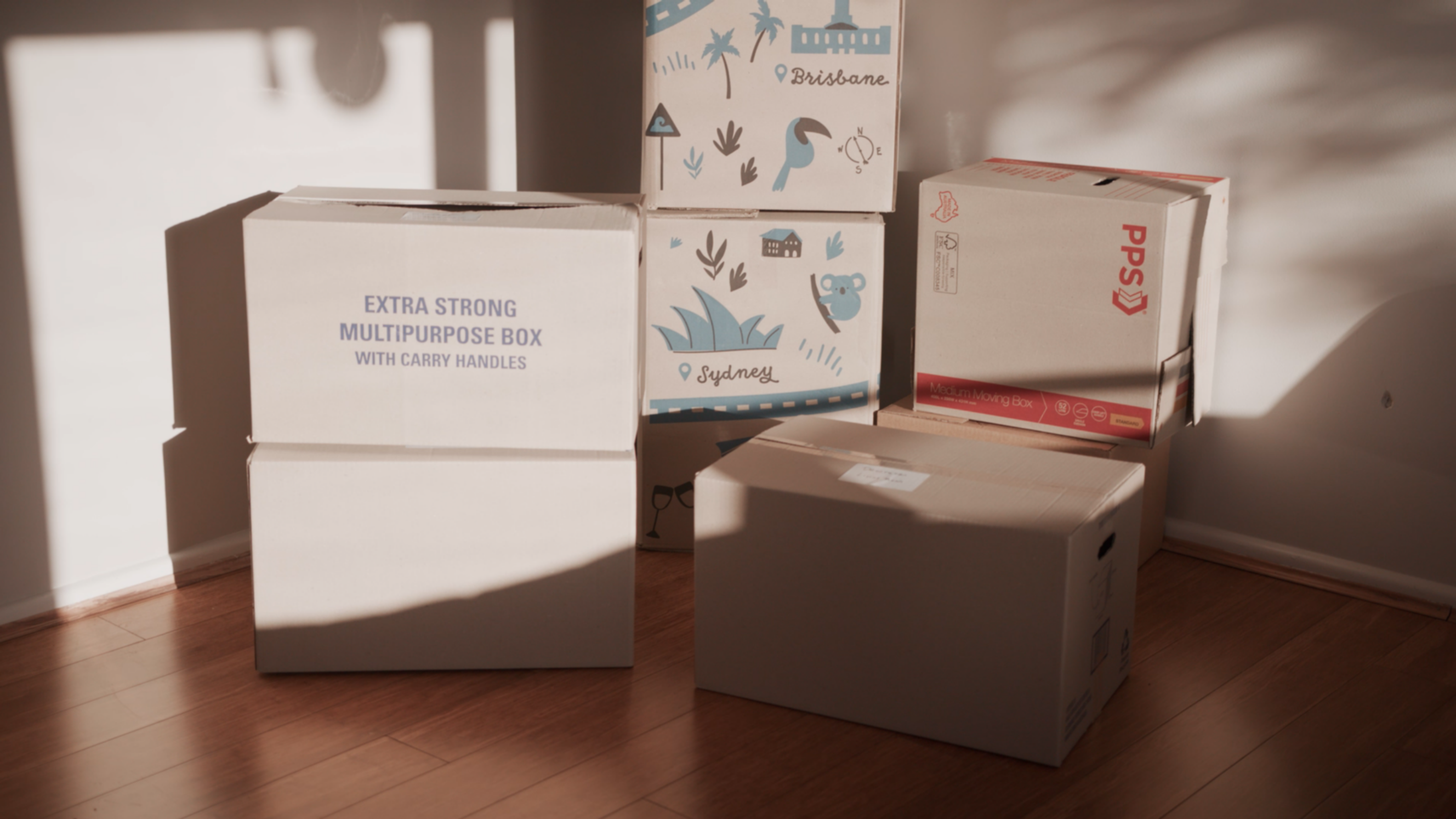
 Man carrying boxes into a new apartment (Source: iStock)
Should I move to Newcastle in January? Well, it depends on how comfortable you are with competition. January is one of the busiest moving months, driven by summer holidays and New Year job transfers. March is also active due to high property sales, which increases rental demand and removalist bookings.
To give you an idea, check out the moving season comparison below.
Season |
Months |
Pros |
Cons |
|---|---|---|---|
Peak Season |
January to March |
More properties listed, easier school transitions, warmer weather |
Higher rental competition, higher removalist rates, and limited booking slots |
Off Peak Season |
April to September |
Lower removalist demand, less rental pressure, more negotiating room |
Cooler weather, fewer new listings |
If your schedule allows, April through September is often more practical. Rental competition typically cools after the summer rush, removalist rates stabilise, and booking windows open up. That breathing room makes it easier to lock in services like house cleaning, utility connections and truck hire without paying peak premiums.
Moving costs
Removalist rates in Newcastle typically range from $111 to $200 per hour, depending on the provider and crew size. The final bill, however, depends on distance. For example, a long-distance move from Perth to Newcastle will involve additional fuel and travel charges. Timing, property access, staircases, lift availability and the total number of boxes or large items will also influence the overall cost.
Your budget should also allow for add-ons. Heavy lifting for oversized furniture, piano moves, dismantling and reassembly, or full packing services all increase the total. Booking during peak months will also push rates higher due to demand.
Out-of-state or international considerations
If you’re planning a move from another state, such as moving from Melbourne to Newcastle, factor in setup tasks like schools, healthcare providers and local lifestyle services. Here’s what to consider for both interstate and international moves.
Interstate moving
One of the first administrative steps to sort out if you’re moving to Newcastle from another state is transferring your driver’s licence. You’ll need to visit a Service NSW Centre to apply for a licence transfer. Transferring a current unrestricted or provisional licence is free, but fees apply if your licence has expired or is close to expiry.
To transfer your licence, you’ll need:
Your current interstate or territory driver’s licence
Proof of identity documents
A medical report, if applicable
A completed licence application form
Once your licence is transferred, update your address with essential services and accounts. This includes Services Australia, the Australian Tax Office, the Australian Electoral Commission and your Linkt account for toll roads.
International moving
When migrating to Newcastle, visa and work requirements should be your top priority. Before your move, confirm that you hold the correct visa in your ImmiAccount and keep certified true copies of essential documents in both digital and physical form.
Bring copies of:
Your visa grant notice
Professional licences or skills assessments
Recent bank statements
Birth and marriage certificates
Once you arrive in Newcastle, apply for a Tax File Number through the Australian Taxation Office, open an Australian bank account and transfer or apply for a driver’s licence if you plan to drive. Completing these early makes it easier to secure employment, sign a lease and access local services without delays.
What should you do on your Newcastle moving day?
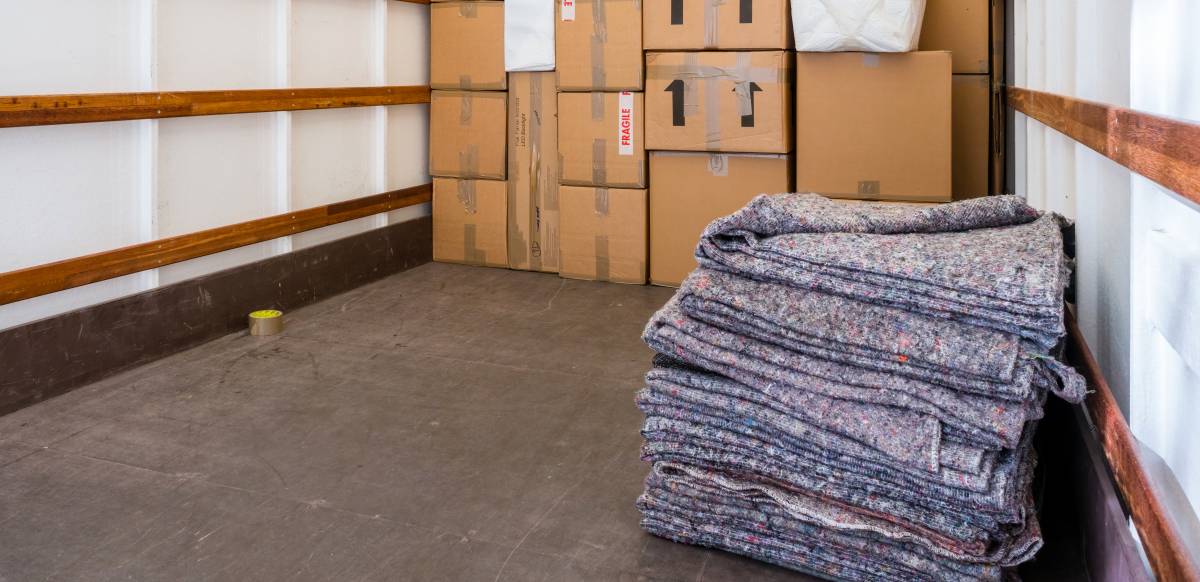
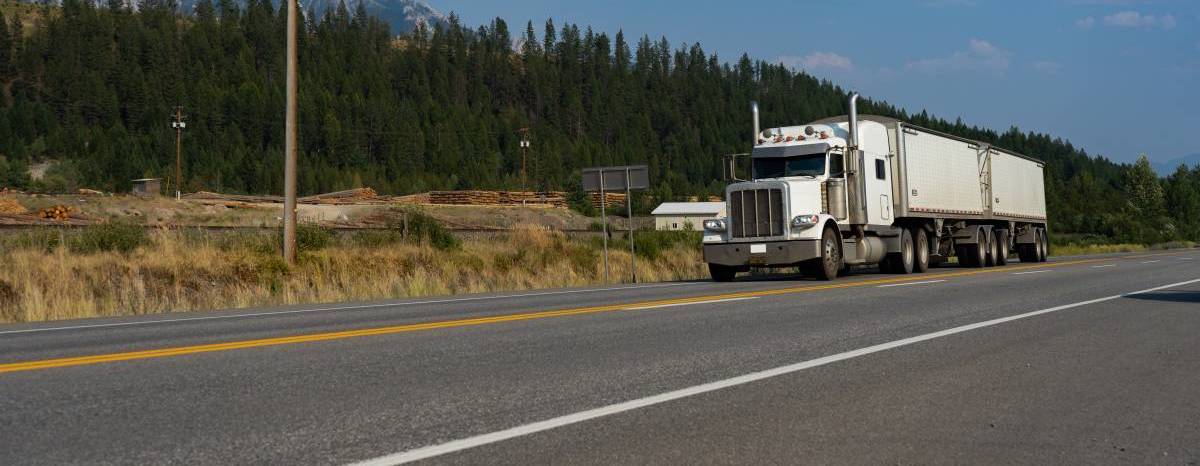
 The back of a moving truck carrying goods (Source: iStock)
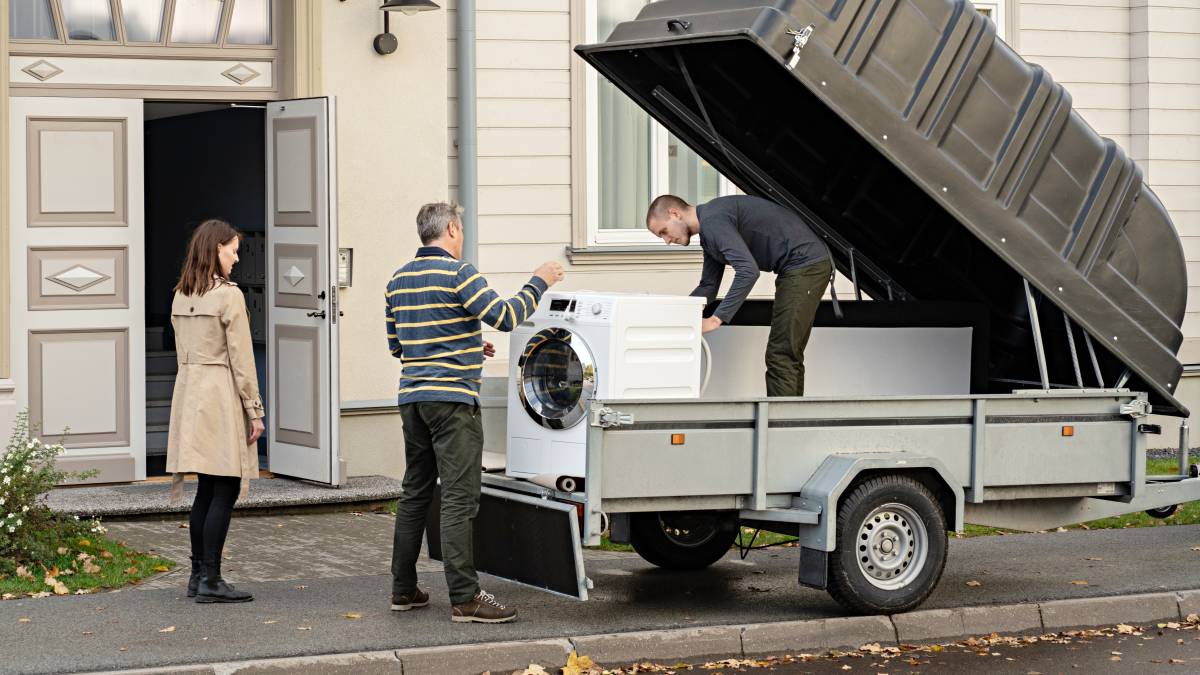
A smooth move starts with confirmed moving help and clearly defined organising needs. When timelines, access and responsibilities are settled ahead of time, the day runs with fewer surprises. Here’s how to stay ahead from the first hour to the final handover.
Strategically coordinate movers and services
Newcastle residential streets are among the steepest in Australia, particularly around The Hill, New Lambton Heights and Merewether Heights. The Inner West and harbour areas are comparatively flat, but up in those elevated suburbs, streets are narrow and regularly lined with parked cars on both sides.
To make the move smoother, book your removalist early so they can assess access conditions and advise whether a temporary work zone or parking permit from Newcastle City Council is required. This is especially important if you’re relocating to the CBD or near Darby Street, where loading zones are limited, and restrictions are enforced.
On moving day, reassess street conditions before unloading begins. Assign a family member or friend to coordinate with the movers, manage traffic flow and help reduce loading time to avoid unnecessary hourly charges or parking fines.
Book cleaning services
If you’re coordinating multiple services on the same day, confirm exact arrival windows and stagger them so no one is waiting. For your new home, book move-in cleaning at least four hours before the truck arrives.
In most cases, the property should already be reasonably clean, especially if the previous tenant handled their exit properly, so this window is usually enough for a refresh.
For your old property, schedule end-of-lease cleaning in advance and arrange for the cleaners to start as soon as the removalists finish loading. That timing prevents overlap charges and allows the property to be inspected sooner.
Carefully transport your belongings
Before your moving month begins, create a checklist of everything you’re taking with you. By this stage, you should have finished boxing most items, so you know exactly how many boxes, large furniture pieces and fragile items you’re hauling. Clear inventory reduces loading time and prevents items from being left behind.
Consider professional packing services, especially if you’re working against a tight deadline. The added cost can be practical when weighed against last-minute stress or potential damage. You should also take the opportunity to donate, sell or dispose of items you genuinely do not plan to use in your new home.
Critically double-check everything
Before handing over the keys, confirm that all utility accounts are finalised and that inspections are scheduled. Call your electricity and gas providers to request a final meter read on your move-out date so you’re not billed for any usage beyond your occupancy.
To protect yourself further as you end your tenancy, take clear photos of all meters on your way out the door as proof of the final readings.
Electricity meter: Photograph the digital display or dial reading clearly.
Gas meter: Capture a sharp image of the number reading.
Water meter: Even if the landlord is handling it, take a photo for your records.
If your move involves house clearance, ensure all unwanted items are removed before you walk out the door so you’re not charged for disposal.
How do you get settled in Newcastle after moving?
 Hiring a handyman for your new place (Source: iStock)
Once the boxes are inside and the keys are officially yours, your next job is making sure your new place is properly livable.
Connect your utilities
Sorting your moving utilities early is one of the easiest ways to avoid a stressful first night in your new Newcastle home. The general rule is to notify providers at least one to two weeks before moving day, and disconnect services at your current address at the same time, so both happen in one organised sweep rather than two separate headaches.
Here are common providers servicing Newcastle and the surrounding areas:
Service |
Example providers |
|---|---|
Electricity and Gas |
ActewAGL, Alinta Energy, EnergyAustralia |
Water |
Hunter Water |
Internet |
Superloop, Exetel, Leaptel |
If you are moving into a rental property, utilities may already be physically connected. The landlord or real estate agent can confirm what is active and what needs to be transferred into your name.
Update your licences and documents
One of the simplest ways to update your personal records after moving to Newcastle is by creating a MyServiceNSW account. From there, you can update your address details, manage your driver’s licence, pay for government services, and lodge or track applications online without lining up in person.
If you are new to Australia, understand that many services operate under their own identification or points system. For example, a National Police Check requires specific combinations of identity documents to meet a minimum points threshold before your application is processed.
The same point system applies when renting a home, opening a bank account, or applying for certain jobs. This is why it’s recommended to have several copies of your original, valid, and properly certified documents, so you’re not delayed at a critical step.
Secure council-related permits
You can manage most council-related permits online if you already have your MyServiceNSW account. It is the fastest way to apply, make enquiries, and track approvals without visiting an office.
Through the portal, you can handle things like:
Building approvals for renovations or structural changes
Resident and visitor parking permits
Temporary permits linked to a house removal, such as road occupancy or skip bin placement
Accessing waste collection schedules and recycling rules specific to your suburb
Do not assume something is allowed just because others are doing it. Council rules vary by location, and penalties are enforced. If you are unsure, lodge an online enquiry first.
Ensure your family’s welfare
Once you’ve settled in, prioritise getting your family familiar with the area. Explore local outdoor spaces early so everyone feels connected to the community. The good news is that Newcastle makes this easy, with stunning beaches, parks, and sports facilities spread across the city, so you are rarely far from somewhere active, social, or relaxing.
Category |
Popular spots |
|---|---|
Beaches and baths |
Nobbys Beach, Stockton Beach, Merewether Ocean Baths |
Skate parks and tennis courts |
Elermore Vale Bowl, Islington Bowl, Mayfield Skate Park |
Outdoor fitness stations |
Camp Shortland, Maryville, Wallsend |
Sportsgrounds |
Adamstown Mandalong, Ballast Oval, Federal Park |
Swimming centres |
Beresfield, Mayfield, Lambton Park War Memorial |
Playgrounds and parks |
Avon Street Reserve, Blackbutt Reserve, Centennial Park |
In terms of schooling, Newcastle has a strong spread of public and private primary and high schools across its suburbs. Rather than guessing what’s closest to your new address, the NSW Government’s official schools map lets you search by location and filter by school type, which saves a lot of back and forth before enrolment season hits.
Also think of your pet
If you are bringing pets with you, note that all dogs and cats in NSW must be registered on the NSW Pet Registry. In Newcastle, the one-off lifetime registration fee is approximately $70 for cats and $80 for dogs and covers your pet for life in any NSW council area, even if ownership changes later on. To register your pet:
Create a profile on the NSW Pet Registry.
Link your pet using its microchip number.
Select your pet’s profile and click Register to pay the one-off lifetime fee online.
When it comes to daily walkies, do not assume every park is off-leash. Newcastle has designated off-leash areas, and some parks are time-restricted, commonly between 9 am and 5 pm. For a complete, up-to-date list of leash-free locations, visit the official City of Newcastle website before heading out.
How do you get around in Newcastle?
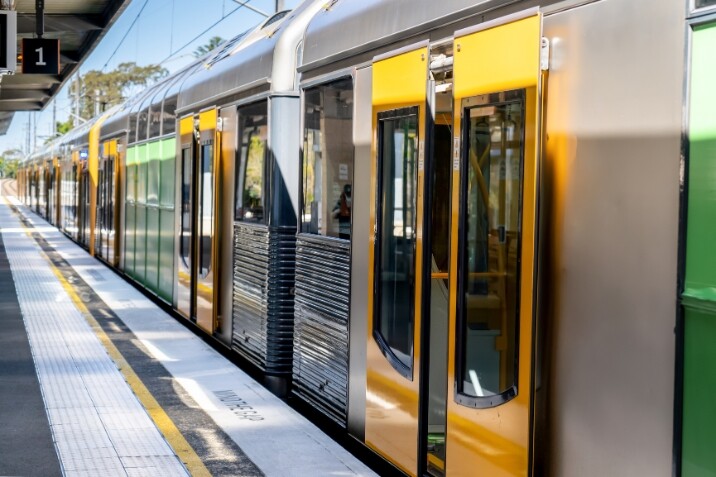 The iconic NSW TrainLink with operations in Newcastle (Source: iStock)
According to the latest TomTom Traffic Index, Newcastle ranks fifth for congestion in Australia, behind Melbourne, Adelaide, and Sydney. Traffic builds along Maitland Road and the Inner City Bypass at peak hour, but it rarely paralyses the whole city.
What is Newcastle’s Opal card?
Newcastle runs under the Opal network, the same contactless system used across Sydney and wider NSW. You can order an Opal card online or pick one up at participating retailers such as newsagents and convenience stores.
The card itself is free, but you’ll need to load value before you travel. Once activated, you tap on and off across trains, buses, light rail and ferries.
There are four Opal card types based on age and eligibility, each with a weekly travel cap. Once you reach your daily or weekly cap, the rest of your travel is free for that period.
Card type |
Eligibility |
Weekly cap |
|---|---|---|
Adult |
16 years or older |
$50 |
Child |
4 to 15 years old |
$25 |
Concession |
Tertiary and TAFE students, apprentices, trainees, and approved Centrelink customers |
$25 |
Pensioner |
Eligible seniors, pensioners, asylum seekers |
$17.50 |
Newcastle Transport operates the city’s buses, light rail and the Stockton Ferry, all of which accept Opal. NSW TrainLink runs regional and intercity trains from Newcastle Interchange to Sydney and across the Hunter.
By car
Opal card accepted? Yes
Many residents still rely on their cars, and for good reason. Newcastle sits in a strategic spot, making it a natural gateway to Sydney, the Central Coast, the Hunter Valley, and regional NSW. If you are driving to Sydney, you will take the M1 Pacific Motorway using Linkt for a direct southbound run.
Unlike larger cities, there are no toll roads within Newcastle itself, and you will not encounter tolls on the major highways heading west or north, either. That means fewer surprise charges and simpler budgeting if you commute or travel regularly.
By light rail
Opal card accepted? Yes
The Newcastle Light Rail is a convenient option if you’re living or working near the CBD. It runs 6 stops from Wickham Interchange to Newcastle Beach, linking the train station to the foreshore. Services operate from around 5 am to 1 am every day, which makes late dinners or early starts manageable.
Some of the notable stops near key attractions include:
Civic Light Rail: Newcastle Museum and Civic Theatre
Newcastle Beach Light Rail: The Bogey Hole and Fort Scratchley
If you use mobility aids, the carriages also offer level boarding, ramps and staff support when needed. Newcastle Transport also supports the Hidden Disabilities Sunflower program, which lets staff know you may need extra time or assistance.
By bus
Opal card accepted? Yes
Newcastle Transport operates 21 bus routes connecting major facilities, shopping centres, schools and key suburbs across the city. Routes link hubs like Charlestown Square, Westfield Kotara, John Hunter Hospital and the CBD, making buses a practical option if you’re not driving. For full timetable details, visit Transport for NSW.
To work out which bus to catch, use the government’s official Trip Planner. Enter your starting point and destination, and it maps out the available routes, transfers and estimated arrival times.
By ferry
Opal card accepted? Yes
The Stockton Ferry operates as a short shuttle across the Hunter River, linking the Newcastle CBD at Queens Wharf with Stockton. The crossing takes about 5 minutes, with services running every 15 minutes during peak and every 20 to 30 minutes off-peak.
Day |
Operating Hours |
|---|---|
Monday to Thursday |
5:00 am to 11:00 pm |
Friday and Saturday |
5:00 am to 12:00 am |
Sunday |
8:30 am to 10:00 am |
Just visiting before moving to Newcastle? Take the Stockton Ferry for a quick five-minute harbour crossing and a front row view of the working port. From Stockton Wharf, you’re a short walk to Griffiths Park, the Shipwreck Walk and the Stockton bike path, making it both a practical transport and an easy family outing.
What are fun things to do as a new Newcastle resident?
Is it possible to feel local within your first few weeks? Yes, if you step out and experience what residents actually do.
Explore your new neighbourhoods
If you want to start with one of Newcastle’s most recognised suburbs, look at Merewether. It’s the city’s most populous suburb, but that does not diminish its appeal. Known for Merewether Beach, Glenrock State Conservation Area, and the iconic Merewether Ocean Baths, it’s a magnet for beach lovers, retirees, and families who want coastal access without leaving the city.
Looking for a more exclusive vibe? You can enjoy the same beach access at the Hill. This neighbourhood offers elevated views, heritage homes, and a quieter residential feel just minutes from the CBD.
For first home buyers and growing families, Mayfield and New Lambton are worth serious consideration. Both suburbs are generally more affordable than the beachfront pockets. They are established communities with leafy streets, sporting fields, and access to green spaces, making them practical choices if you want room to grow without disconnecting from the heart of Newcastle.
Visit historical and heritage sites
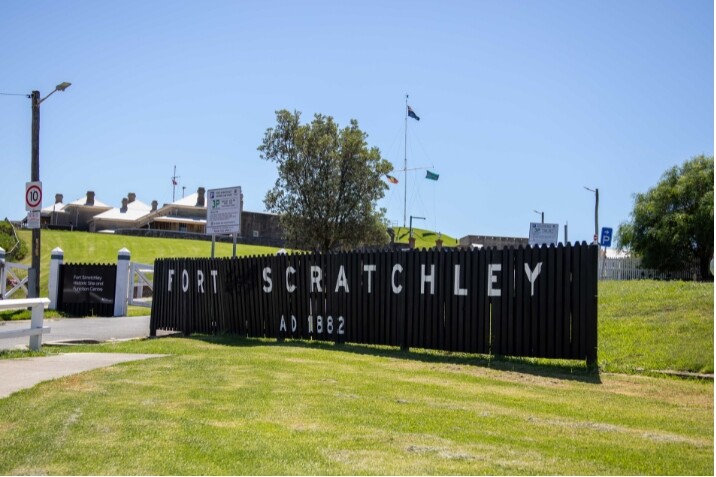 Entrance sign at Fort Scratchley Historical Site (Source: iStock)
For a city this size, the depth of history you can actually walk through on a single afternoon is genuinely hard to match anywhere else in regional Australia.
You’ve got Fort Scratchley, located on the headland overlooking Newcastle Beach. Built in the late 1800s, it’s now a heritage site where you can explore restored gun emplacements, underground tunnels, and learn how it returned fire during a Japanese submarine attack.
Just a short walk away is the Bogey Hole, a convict-carved ocean bath from 1819 that still draws swimmers today. If you want the bigger picture, Newcastle Museum pulls together the city’s coal, steel, and maritime story in one place.
Enjoy the outdoors
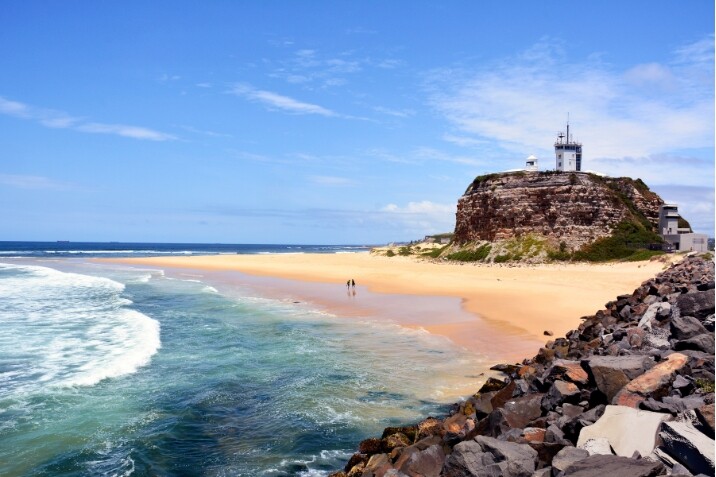 View from Nobbys Head waterfront in Newcastle (Source: iStock)
One of the best ways to enjoy the great outdoors is the Bathers Way, a scenic coastal walk stretching from Nobbys Beach to Merewether. The path links beaches, ocean baths, lookouts, and cafés, making it ideal for a morning run or a slow weekend stroll with ocean views the whole way.
Along the route, you will pass the ANZAC Memorial Walk, often called the steel bridge by locals. Suspended above the cliffs, it offers panoramic views of the coastline and serves as a tribute to the region’s ANZAC soldiers and steelmaking history.
For something more bushland than beachfront, head to Blackbutt Reserve. This large nature reserve features walking trails, picnic areas, and native wildlife exhibits where you can see kangaroos, emus, and other Australian animals up close.
Check out the local market scene
One of the quickest ways to understand a place’s identity is to visit its markets. You see what locals buy, what makers create, and what the community values. Here are some of the most popular ones with pencilling in your calendar:
Market |
Best for |
When and where |
|---|---|---|
Olive Tree Market |
Handmade goods, local art, fashion, and small batch design |
Every first Saturday of the month |
True Vintage Markets |
Vintage clothing, retro homewares, collectables |
Every Saturday morning at Adamstown Uniting Church Memorial Hall |
Newcastle City Farmers Market |
Fresh produce, artisan bread, local meats, gourmet treats |
Every Sunday at Newcastle Showground |
Homegrown Markets |
Emerging designers, creative brands, lifestyle stalls |
Every second Saturday of each month at The Station, Watt Street |
Ready to make the move?
As you can see, Newcastle doesn’t need much of a sell once you’ve spent a weekend there. It’s the kind of city that does the convincing on its own, whether that’s a morning swim at the Bogey Hole, a flat white on Darby Street, or realising your commute now takes 20 minutes instead of an hour.
Ready to make your postcode change official? Airtasker connects you with trusted local movers, cleaners, and tradespeople across Newcastle so you can get settled without the usual stress. Simply post your task, compare quotes, and book the help you need today!
Helpful resources for those moving to Newcastle
What separates a chaotic move from a smooth one? Preparation backed by reliable sources. This section pulls together the key tools and official links you can use to stay organised, avoid penalties, and make confident decisions.
MyService
The City of Newcastle website is worth setting up an account on before you’ve even unpacked. You can pay rates, apply for permits, check waste collection schedules and lodge enquiries all in one place, without sitting on hold or making a trip to the council office.
Newcastle Transport
For getting around locally, visit the Newcastle Transport website. This is the most reliable source for up-to-date bus, ferry, and light rail timetables specific to the Newcastle area. The site also publishes service alerts and transport news, such as temporary route changes, planned maintenance, and the resumption of suspended bus services.
What’s On in Newcastle
The city is always buzzing with something happening, so make sure you check What’s On in Newcastle regularly. This local events website lists upcoming festivals, markets, live music, community events, and family-friendly activities happening across the region.
Hazards Near Me
For real-time updates during emergencies, download the Hazards Near Me NSW app on Android and iOS. It provides current information about bushfires, floods, storms, and other incidents that may affect your area.
Learn more about our contributors
Written by Genine T.
Staff Writer
Genine is a writer and educator with over seven years of experience. She has published peer-reviewed research papers, worked in academia, and created educational content for thousands of language learners. She discovered her passion for turning complex ideas into practical advice through writing about DIY topics like home improvement, furniture assembly, and household fixes. When she’s not writing, Genine enjoys curling up with her dogs and a good book.
Frequently Asked Questions
Yes. Rent, property prices, parking, and everyday living costs are significantly lower than in Sydney, while still offering strong job opportunities and coastal lifestyle perks.
By car it’s around 2 hours, and the direct train takes roughly 2.5 hours to Central Station. Many residents commute a few days a week or work hybrid.
Yes, if you want coastal living without big-city chaos. It offers beaches, solid infrastructure, growing industries, and a strong community feel.
Newcastle runs on the “15-minute rule”, where you’re rarely more than 15 minutes from a beach, a quality café, or major shopping hubs like Kotara or Charlestown.
Both Newcastle CBD and Lake Macquarie are great places to live, and the better choice simply depends on whether you prefer city energy or a quieter lakeside lifestyle.
In some industries, yes, but the lower cost of living often balances it out. Many professionals find their money stretches further than in Sydney or Melbourne.
Find removalists, fast
Find a removalist
Related articles
 How-to Guide