- Home/
- Costs/
- Moving to Storage/
- Self-storage Cost Guide
How much does a self-storage unit cost in Australia? [2026]
Post to find a price. It's free and only takes a minute.
Price guide
$50 - $800
low
$50
median
$425
high
$800

Published on

Written by Angela A.
Staff Writer
Read more about our contributor
Key Facts
Storage unit prices in Australia run from around $50/month for a small locker to $800+/month for a large unit.
The median price for a medium-sized unit (5–10 sqm), the most commonly rented size, is around $280/month nationally.
Sydney is the most expensive city for storage; Adelaide and Perth offer better value.
Whether you need moving storage between leases, mid-renovation, or just need somewhere to put the stuff you can’t quite let go of, a self-storage unit is one of the most practical options out there. But how much does a storage unit cost, and what are you actually paying for?
In Australia, storage unit prices range from around $50 per month for a basic locker to $800 or more for a large unit. The median price for a medium-sized unit sits at around $280/month nationally, though that shifts quite a bit depending on where you are and what features you need. This guide breaks it all down.
What is a self-storage unit?
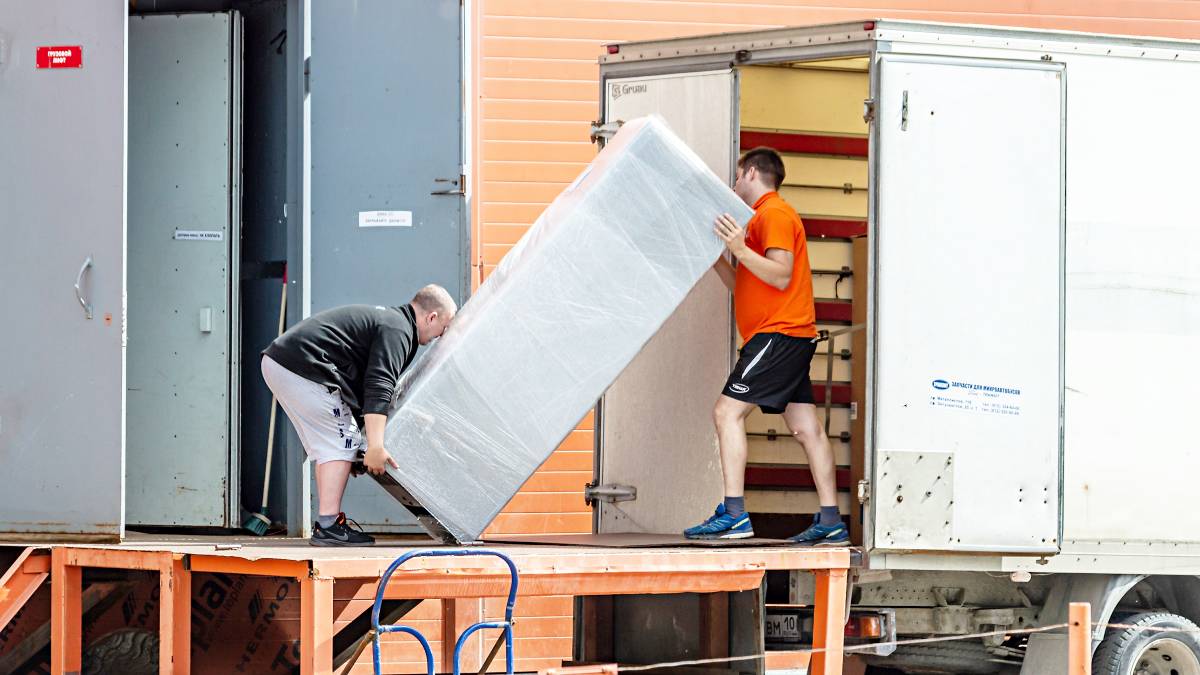
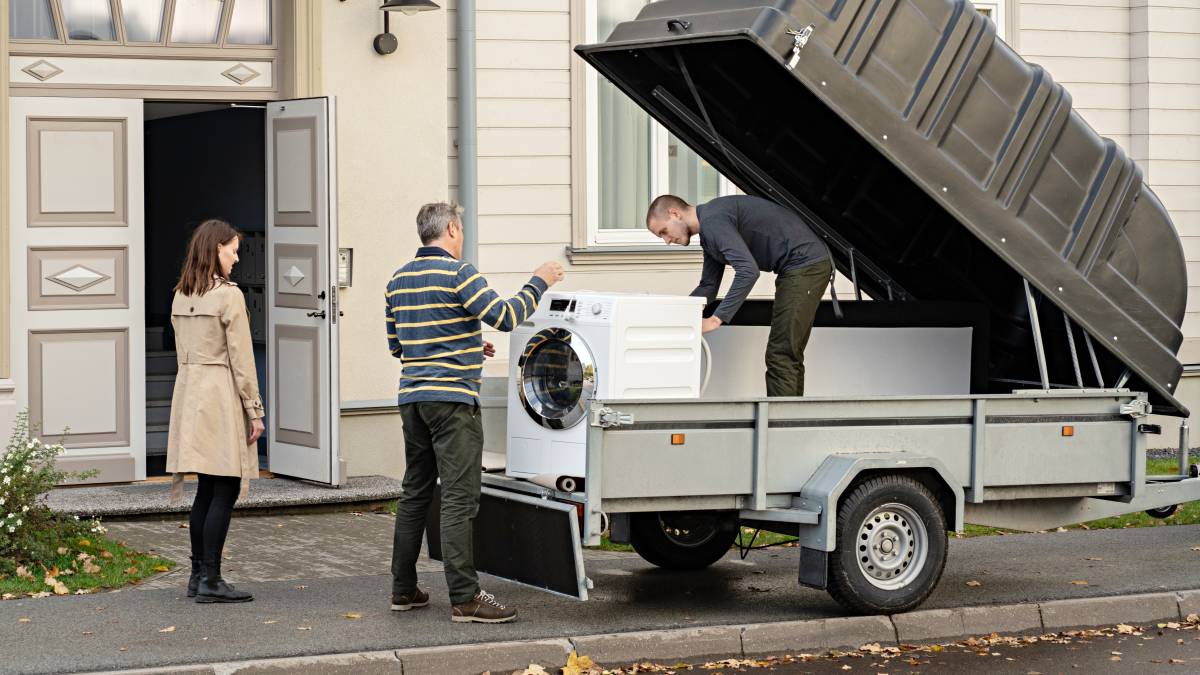
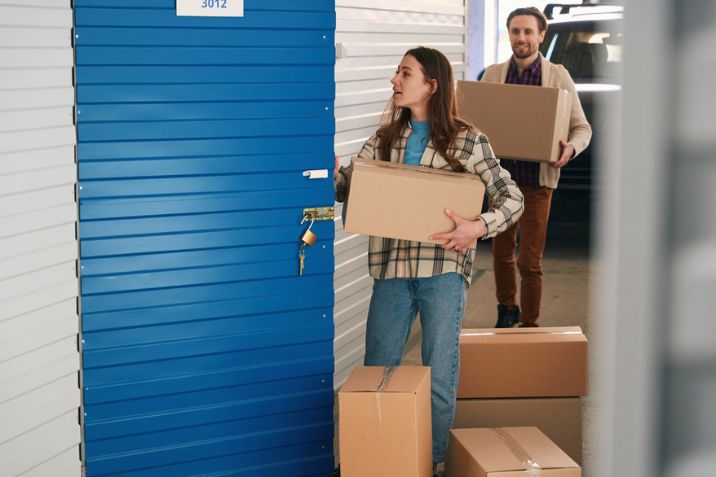 A couple moving their belongings into a self-storage (Source: iStock)
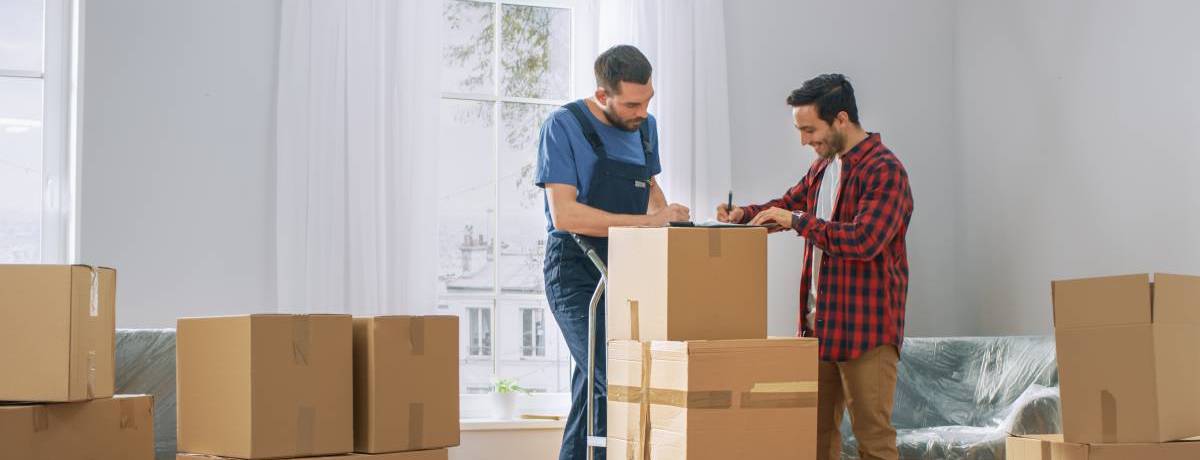
Self-storage units are private, lockable spaces you rent to keep your belongings safe, short-term or long-term. These are helpful for people who are moving, downsizing, or undergoing a home renovation and need a temporary holding space for their things without the pressure to unpack straight away. They come in a range of sizes and types, so whether you’re storing a few boxes or the full contents of a three-bedroom home, there’s an option that fits.
Most self-storage facilities offer flexible month-to-month terms, so you can scale up, downsize, or move out without a lot of fuss.
How much does a self-storage unit cost per month?
For a small to medium unit, you’re typically looking at $140 to $500 per month. Larger units can push past $800 per month. Self-storage costs shift based on where you are, how big the unit is, and what extras you need, like climate control or 24/7 access. More on all of that below.
How much does a self-storage unit cost per week?
Some facilities offer weekly billing at around $60 to $100 per week for a standard unit. It’s a handy option for short stretches, but most places require at least one month’s rental upfront, so even with weekly billing, you’ll often be charged for four weeks from the start.
How much is a storage unit per city
Understanding how different rental periods impact your costs can help you choose the best plan for your needs. Here’s a breakdown of typical pricing structures for short-term and long-term storage:
Rental period |
Typical cost |
Notes |
|---|---|---|
Per week |
$60 to $100 |
Not all facilities offer weekly billing; most require a one-month minimum |
Per month |
$50 to $500+ |
Most common billing cycle; small lockers at the lower end, large units at the top |
Per year |
~$2,000 to $4,000 for a medium unit |
Some facilities offer discounts for annual agreements; always ask |
How much is a storage unit per city
Where you are in Australia makes a real difference to what you'll pay. Inner-city facilities in Sydney and Melbourne sit at the top end, while Adelaide and Perth tend to be noticeably more affordable. The figures below reflect the typical storage unit cost per month for a medium unit (5–10 sqm) across major cities, based on 2026 live pricing data.
City |
Average cost of self-storage in Australia |
|---|---|
Sydney |
$200 to $550 |
Melbourne |
$170 to $400 |
Brisbane |
$150 to $350 |
Perth |
$130 to $320 |
Adelaide |
$120 to $300 |
Canberra |
$130 to $350 |
It’s worth knowing that prices for the same unit size can vary 30–50% between providers in the same suburb. A facility 10–20 km outside the CBD can cost up to 40% less than one in an inner-city location, so if you don’t need frequent access, it’s worth looking a little further out.
Benefits of using a self-storage unit
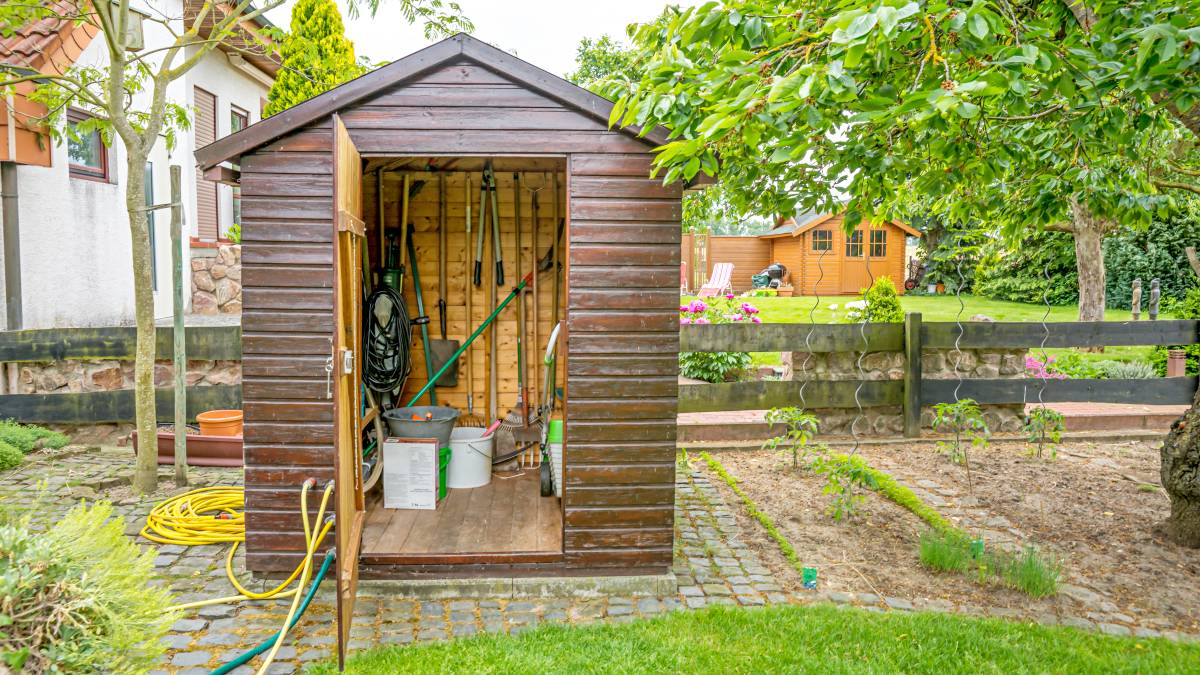
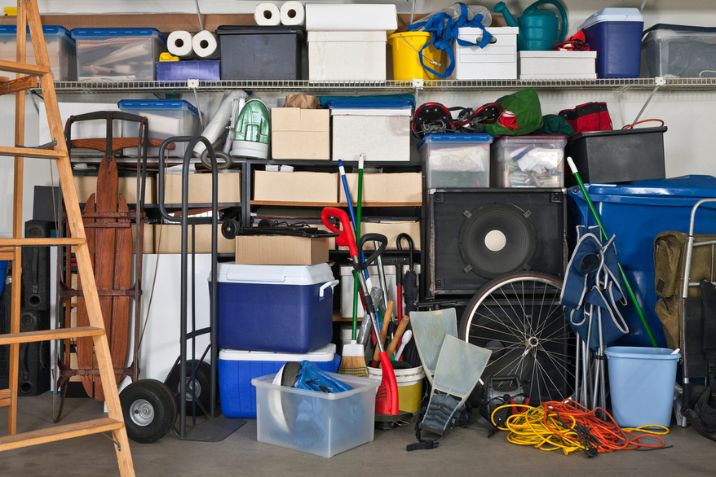 Household items and seasonal equipment neatly organized inside a self-storage unit (Source: iStock)
Less clutter, more space
Tucking rarely used items into storage frees up room at home without having to get rid of things you might actually want later. It's a simple way to reclaim your garage, spare room, or office.
Downsizing made easier
Storage gives you the breathing room to keep valued possessions while you figure out what fits in your new space, without having to make snap decisions about what to keep or donate.
Better security
Most facilities offer locked units, CCTV, and on-site monitoring, so your belongings stay safe whether you're visiting daily or leaving things untouched for months.
Flexible pricing and terms
Facilities typically offer a range of storage unit sizes, prices, and contract lengths. You can start small, scale up if you need more space, and move out when you're done, without being locked into more than you need.
Protection from external elements
A decent storage unit keeps your things dry and sheltered. Go for a climate-controlled storage unit, and your items should be protected from temperature swings and humidity.
What affects the cost of self-storage unit rentals?
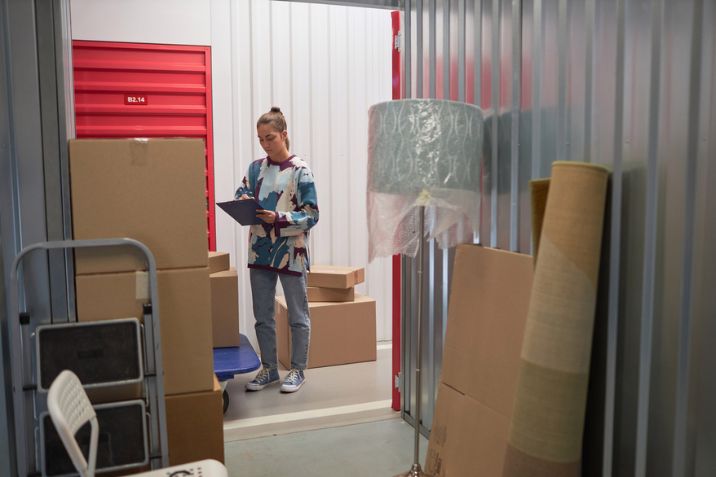 Young woman checking list on clipboard when putting belongings in rented self-storage (Source: iStock)
Location
Storage in major cities costs more than in outer suburbs or regional areas. Higher real estate prices flow straight through to what you're charged. If you can manage the extra travel, a facility a little further out can save you a meaningful amount each month.
Rental period
Short-term storage generally costs more per week than a longer commitment. If you're in the middle of an interstate move and need storage to bridge the gap between homes, locking in a longer agreement upfront usually works out cheaper than rolling month-to-month.
Climate control
Electronics, timber furniture, leather, artwork, and books can all deteriorate in extreme heat or humidity. Climate-controlled storage maintains a steady temperature and moisture level year-round. It costs more, but it's worth it for anything sensitive, particularly if you’re in Queensland or the Northern Territory, where summers are punishing.
Security
Basic lock-and-key facilities are the most affordable. Units with CCTV, individual alarms, and security patrols cost more but offer more peace of mind, particularly for high-value items.
Unit size
Bigger units cost more, and the jump between sizes can be significant. Going from a medium to a large unit can add $80 to $150/month, so it’s worth measuring what you're actually storing before you commit to a bigger space. A 5 x 3m unit can hold the contents of a two-to-three-bedroom home. A 3 x 3m unit suits a one-bedroom apartment's worth of boxes and furniture.
Seasonality
Demand spikes around Australia’s busiest moving periods: Christmas, January, and over the summer. If you’ve got some flexibility on timing, booking in autumn or mid-year often means better rates and more availability.
Hidden fees to watch for
The advertised rate isn’t always the full cost. Security deposits, admin fees, insurance premiums, and late payment penalties can all add to your bill. Always ask for a full cost breakdown before signing up, and ask specifically whether the first-month rate is promotional or ongoing.
Types of self-storage units and what they cost
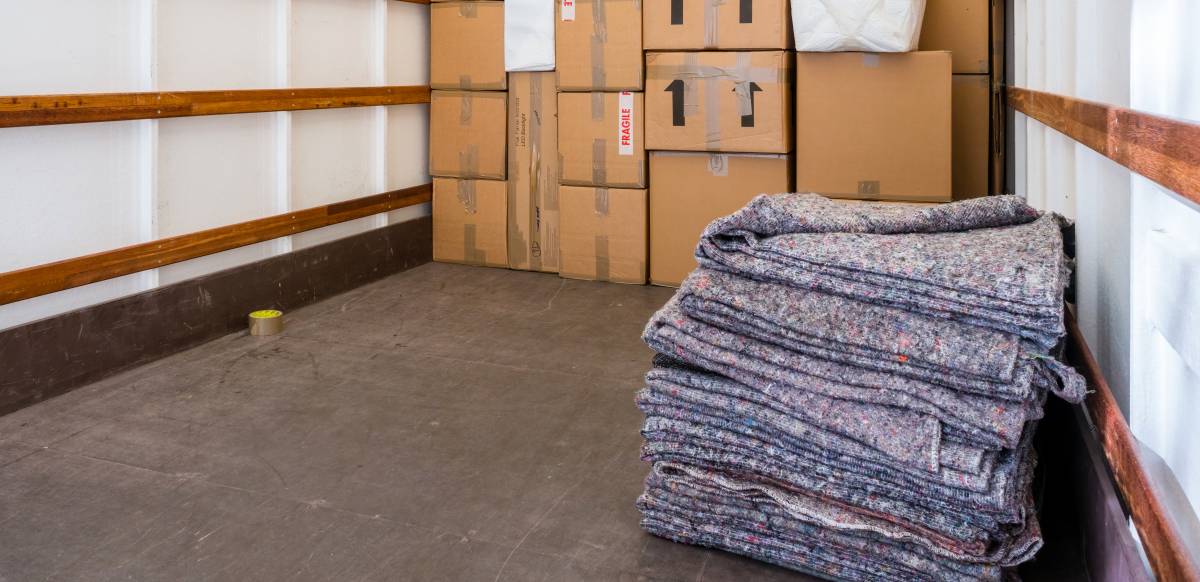
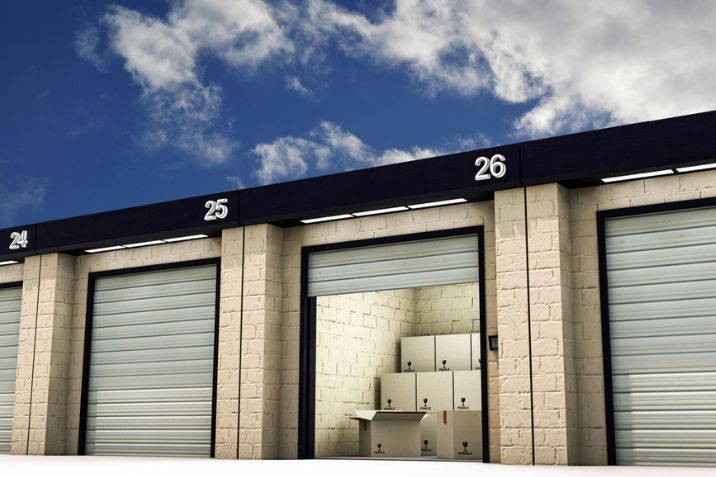 A self-storage with cardboard boxes inside (Source: iStock)
The type of unit you go for is one of the bigger drivers of price. Here's what's typically on offer:
Standard units
Standard units are the most common option. These are suitable for general household items, furniture, and boxes. They're also the most affordable, typically ranging from $50 to $300 per month, depending on size and location.
Climate-controlled units
If you're storing anything sensitive to heat, cold, or moisture, climate control is worth the extra cost. Prices generally start around $150 per month for a small unit and can reach $500 or more for larger, premium spaces.
Drive-up and outdoor units
Accessible directly from the car park and ideal for vehicles, boats, caravans, or bulky gear you need to get to regularly. Expect to pay around $80 to $250 per month, depending on the size and facility.
Portable and mobile units
A portable storage unit gets delivered to your door, you fill it up, and it's taken to a facility or your next location. No need to hire a truck or make multiple trips. Prices start from around $100 to $200 per month, though delivery and pickup fees may apply on top.
Commercial units
Larger spaces designed for businesses storing inventory, documents, or equipment. Monthly rates range from $150 to $600 or more, depending on size and features. Business pricing tends to reflect longer-term contracts and bulk agreements.
Tips for choosing a storage facility
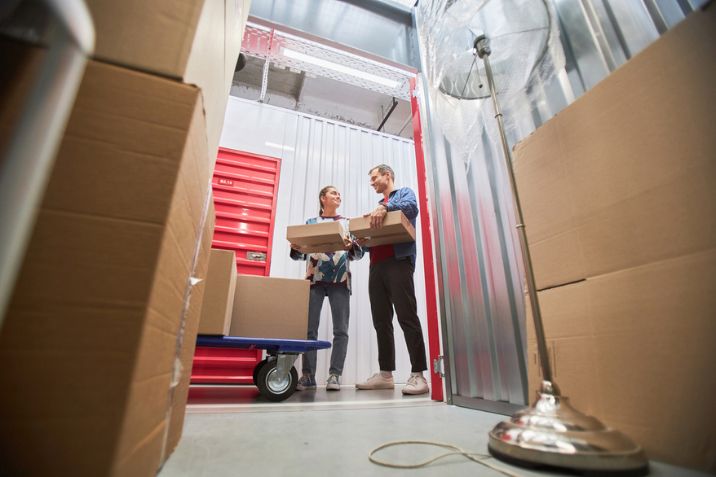 Customers renting a self-storage unit (Source: iStock)
Looking for cheap storage units without compromising on security or access? A few simple steps can help you find better value without the guesswork.
Shop around. Rates vary significantly between facilities, even in the same suburb. Get two or three quotes before committing, and compare price per square metre rather than just the headline monthly rate.
Ask about deals. Many facilities offer first-month discounts, online booking rates, or promotional pricing. It’s always worth asking before you sign up as some offers often aren’t advertised.
Pack smart. The more efficiently you organise your items, the smaller (and cheaper) the unit you’ll need. Disassemble large furniture where possible and use uniform-sized boxes to maximise vertical space.
Time it right. Avoid peak periods like summer and the Christmas–January window if you can. Booking in autumn or mid-year often means better availability and more competitive pricing.
Read the fine print. Ask for a full breakdown of fees upfront: deposits, insurance, access charges, and any rate-increase clauses in the contract.
Factor in the full moving cost. Storage is just one part of the equation. Don't forget to budget for getting your things there. There are also hidden DIY moving costs worth knowing about before you go it alone.
Store your things safely
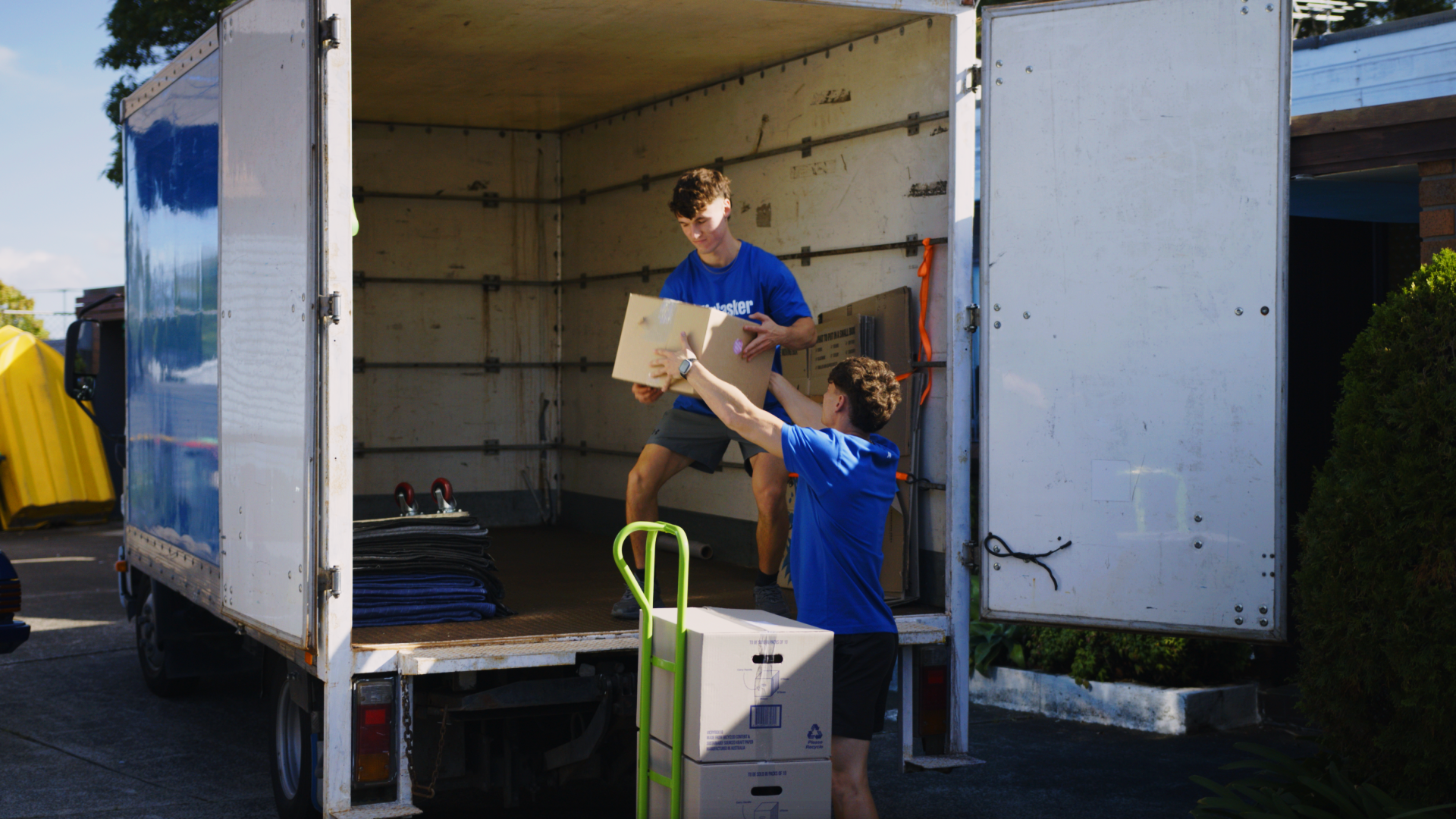
Finding the right unit is one part of the puzzle. Getting your things there is another. Whether you're moving to storage after a house move, a renovation, or a declutter, you don't have to do the heavy lifting yourself.
Airtasker connects you with trusted local removalists who can pack, load, and transport your belongings straight to your chosen facility. Post a task today and connect with Taskers who'll get your stuff there safely.
Learn more about our contributors
Written by Angela A.
Staff Writer
Angela Apolonio is an experienced writer with a Biology background. She writes about home tips, car upkeep, gardening hacks, and food facts, bringing a unique blend of science and practicality to her work. As a wife and a mother, she knows the value of iron-clad routines, so she's passionate about sharing what works for her with everyone else. She loves making everyday life simpler and helping readers find fresh ideas to bring more joy into their spaces.
Frequently Asked Questions
A small locker starts from around$50/month, while a medium unit has a national median of around$280/month. Large units run $500 to $800 or more. Sydney is the priciest city, while Adelaide and Perth tend to be more affordable.
A small locker (1–2 sqm) suits boxes and seasonal gear. A medium unit (5–10 sqm) fits the contents of a one-to-two-bedroom apartment. A large unit (15–20 sqm) can hold a three-bedroom home's worth of furniture or a vehicle. When in doubt, go slightly bigger. Cramming things in can cause damage.
For general items, a standard unit is fine. If you're storing electronics, timber furniture, leather, books, or artwork, climate control is worth the extra $50 to $150 per month, especially in warmer states like Queensland, WA, and the NT.
You can hire a van and do it yourself, or book removalists to handle the loading and transport. If you're also clearing things out beforehand, a rubbish removal service can help you declutter so you're only storing what's worth keeping.
Find storage removalists, fast
Post a task
Related articles
 How-to Guide