Relocating to the Gold Coast: A Practical Guide for Families and Profession
Your guide to making the move to Australia's favourite coastal hub.
Published on

Written by Genine T.
Staff Writer
Read more about our contributor
Moving to Gold Coast Highlights:
The Gold Coast is one of Australia’s most in-demand regions, attracting strong interstate and overseas migration.
High demand has pushed rents and property prices up, making it cheaper than Sydney but still one of Australia’s pricier lifestyle cities.
Daily life revolves around beaches, sunshine and year-round outdoor activity rather than traditional CBD culture.
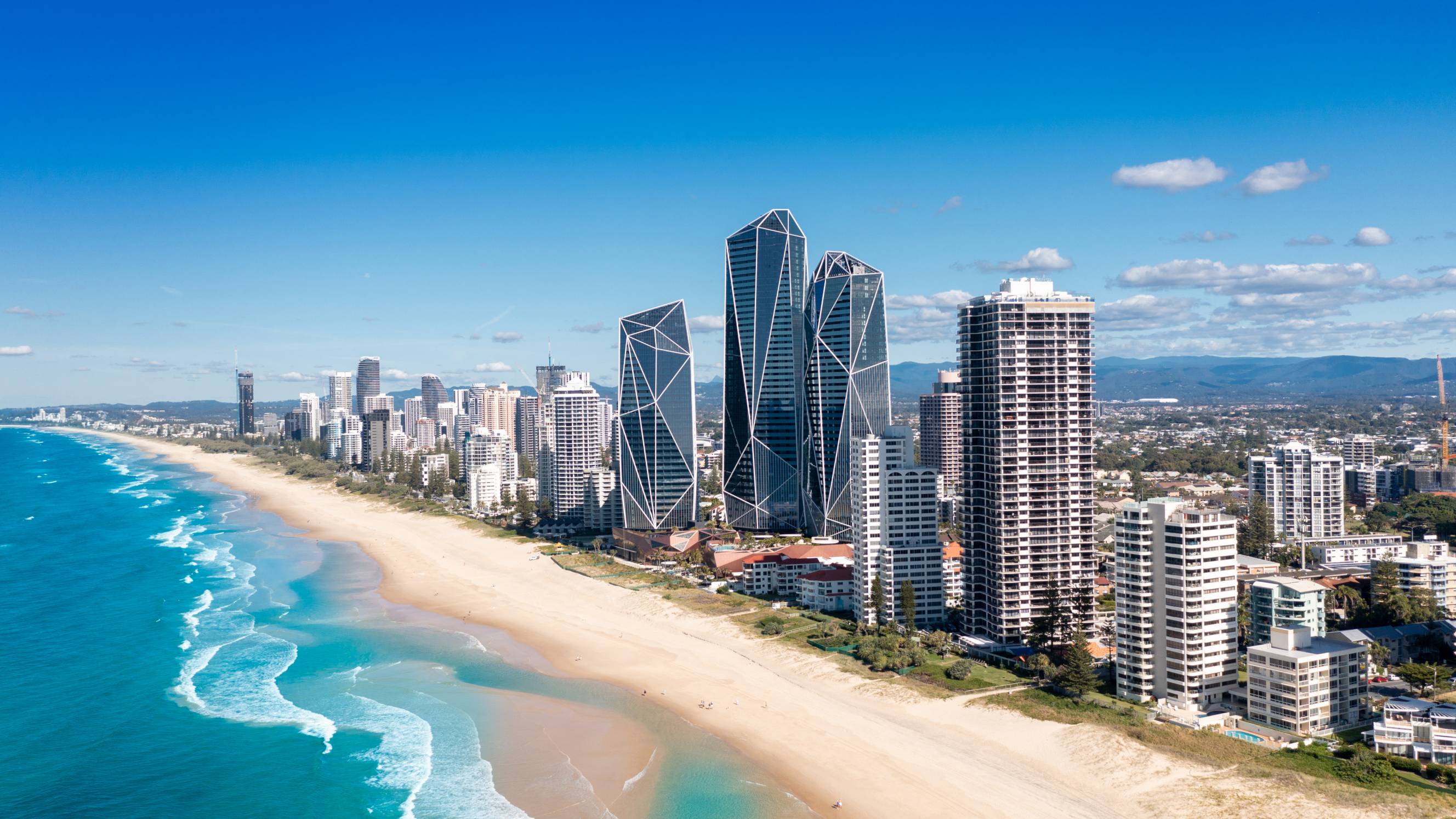
Thinking about relocating to the Gold Coast? It’s got Surfers Paradise with its high-rise buzz, Burleigh Heads with its laid-back café scene, big-kid thrills at Dreamworld, and golden beachfront right on your doorstep. Add a growing jobs market and year-round sunshine, and it’s no surprise the Goldie is on track to hit one million residents by 2040.
While all that sounds exciting, moving to the Gold Coast only works if you can land decent work, keep rent from eating your savings, and find a suburb that suits you. To help you figure it out, this guide covers jobs, living costs, where to settle, and what to expect once you arrive.
Why are people moving to Gold Coast?
 Burleigh Heads beach remains a favorite destination for locals and tourists alike. (Source: iStock)
Queensland continues to attract some of the highest interstate migration in Australia, and the Gold Coast sits right behind Sunshine Coast as a top relocation hotspot. But before you pack the boardies, remember that this move is about more than beachside living. It comes down to job prospects, housing realities, and whether the subtropical climate truly fits your lifestyle.
Lifestyle and culture
If you’re wondering why people move to the Gold Coast, the environment is the obvious draw. You can be at a surf beach in minutes, yet still have access to calm waterways and family-friendly parks close to home. It's also a linear city with no single dominant centre, which means where you choose to live completely shapes your day-to-day. For example:
Robina: Best for families and remote workers who want Queensland's largest shopping precinct, HOTA art gallery, and cultural events without city crowds.
Coomera: Best for starting families and Brisbane commuters who need affordable housing near theme parks and the M1 motorway.
Southport: Best for students attending Southport State High, St Hilda's School, or Griffith University, plus young professionals craving laptop-to-beach convenience.
Living in Gold Coast also means joining one of Australia’s most diverse communities. Among the top countries of birth for overseas-born residents are New Zealand, the UK, and China. You’ll notice it in major celebrations such as Lunar New Year and in the range of authentic Thai, Lebanese, and Vietnamese restaurants across the region.
Career and job opportunities
The Gold Coast is no longer just a leisure and retirement hub, but a growing, diversified economy where you can build a long-term career. According to Australian Bureau of Statistics (ABS) data, the top occupations in the region include professionals, trades workers, managers, community and personal service workers, and administrative staff. These roles align closely with the Coast’s leading industries:
Health Care and Social Assistance
Construction
Retail Trade
Professional, Scientific and Technical Services
Accommodation and Food Services
Living in Gold Coast, Australia means earning an average annual salary of around $71,000, or roughly $5,900 per month before tax. That's below Brisbane's $80,000 average but in line with other Queensland cities such as Toowoomba, Maroochydore, and Rockhampton.
Weather and climate
If you’re asking, “is Gold Coast a good place to live?”, the climate is often the first thing locals mention. The region enjoys around 300 days of sunshine each year, which makes outdoor living part of everyday life. Winters are mild, summers are warm and humid, and beach days are possible for most of the year.
That said, the sun here is strong. The UV index often reaches the “Very High” category (10 or above), so sun protection is absolutely essential.
Season |
Months |
Average temperature |
|---|---|---|
Summer |
December to February |
20.6°C to 28.9°C |
Autumn |
March to May |
15.4°C to 28°C |
Winter |
June to August |
12°C to 22.2°C |
Spring |
September to November |
14.9°C to 26.8°C |
One detail that surprises many newcomers from Sydney, Melbourne, or overseas is that Queensland does not observe daylight savings. The clocks do not change during the year. In summer, this means earlier sunrises and earlier sunsets compared to southern states, something many residents quickly adapt to once they settle in.
What should you research before moving to Gold Coast?
 An expansive view of the Southport skyline. (Source: iStock)
Before you make the move, it pays to get clear on the cost of living in Gold Coast, Queensland, Australia. This section outlines what to research, from typical household expenses and choosing the right suburb to key considerations if you’re relocating from interstate or overseas.
Cost of living
The cost of living in Gold Coast Queensland Australia ranks around 105th globally, placing it close to cities such as Southampton in the United Kingdom and Nashville in the United States. Within Australia, it sits among the highest, second only to Sydney and ahead of Melbourne.
That positioning reflects its popularity, lifestyle appeal, and steady population growth. Here’s what you’re realistically looking at each month:
Type of expense |
Average monthly spend |
|---|---|
Rent |
$3,160 to $3,800 |
Basic utilities including electricity, gas, water and internet |
$255 to $425 |
Groceries |
$340 to $650 |
Transportation |
$22 to $35 |
Beyond these essentials, discretionary spending can vary widely. For instance, eating out can range from around $17 for a casual meal to $200 at higher-end restaurants. Babysitters typically charge between $25 and $35 per hour.
Neighbourhood options
The Gold Coast is packed with strong neighbourhoods, each offering a different pace, price point and lifestyle. Here are three that represent the premium, mid-range and entry levels of today’s market:
Suburb |
Market position |
Why it stands out |
|---|---|---|
Mermaid Beach (Hedges Avenue) |
Premium |
Known as “millionaire’s row,” offering beachfront prestige homes and luxury apartments |
Robina |
Mid range |
Often called the second CBD, with major shopping, hospital access and strong transport links |
Pacific Pines |
Entry level |
Family-friendly northern suburb with parks, schools and more accessible pricing |
Best time to move
Peak moving season on the Gold Coast runs from October to March. This period coincides with warmer weather, the end of the school year, university intakes and higher interstate migration, which means removalist demand and rental competition are at their highest. If you plan to move during these months, book services early and expect prices to reflect the increased demand.
On the other hand, the off-peak season runs from April to September. Cooler temperatures and fewer relocations generally make it easier to secure removalists and sometimes negotiate better rates. If flexibility is on your side, this window can offer smoother logistics and less pressure on moving day.
Moving costs
Removalist rates on the Gold Coast typically range from $111 to $186 per hour, but the final price depends on factors like the date of your move, the number of movers required, and the size of the truck. Prices can also rise during peak periods, particularly in January and February, when demand is higher, and surcharges may apply.
Beyond hourly removal rates, there are other expenses you may consider. If you prefer professionals to box and wrap your belongings, packing services will add to your budget. If you’re arranging full furniture removal, it’s also wise to factor in transit insurance to protect larger or high-value items during the move.
Out-of-state or international considerations
Interstate moving
If you’re planning an interstate migration to Gold Coast, there are a few legal requirements to handle early. You must transfer your driver’s licence to Queensland within three months of becoming a resident. To do this, you’ll need appropriate identification, a completed medical declaration if required, and payment of the licence transfer fee.
You’re also required to register your car in Queensland within 14 days of moving by visiting the Queensland Department of Transport and Main Roads (TMR) office. To complete the transfer, you’ll need:
Your interstate number plates
A Queensland safety certificate
Proof of identity and a Queensland residential address
For those planning a family relocation to Gold Coast, arranging school records early will help avoid enrolment delays. Beyond these state requirements, everything else works much like a standard change-of-address move.
International moving
If you’re planning to migrate to Gold Coast, the first step is securing a valid Australian visa that matches your purpose, whether that’s work, study, business, or family migration. Beyond visa approval, it helps to arrive prepared with key documents, including:
Foreign driver’s licence
Birth certificate
Employment letter or job contract
Passport
Copies of academic transcripts, CV, and any prescription letters
Once those are sorted, plan your international shipping. Sea freight is cheaper but slower, while air freight is faster at a higher cost. In either case, check Australia’s customs and biosecurity rules, as certain household goods and wooden items may be inspected on arrival.
What should you do on your Gold Coast moving day?
A moving day meltdown on the Goldie often comes down to the details. For example, coastal apartments usually require lift bookings and tight loading zone coordination. Moving north? Then it is all about driveway space and proper truck access.
Strategically coordinate movers and services
Once your moving date is confirmed, start locking in the services you’ll need. This includes essentials such as house cleaning for your current place and move-in cleaning for your new home.
Task |
When to arrange |
|---|---|
Check eligibility and apply for a resident parking permit |
As soon as you have your address, tenancy details, and vehicle registration |
Book lift access or loading bay |
2 to 4 weeks before moving day |
Confirm arrival times with removalists |
1 to 2 days before the move |
Lastly, aim to complete your end-of-lease obligations at least a week before moving day. This gives you time to address minor repairs, touch-ups, or inspection issues that could affect the return of your bond.
Carefully transport your belongings
Before packing, take time to declutter your belongings so you’re not paying to move items you no longer need. Ideally, start at least three months ahead by donating usable goods to local charities or selling larger pieces online.
As for packing, use sturdy boxes, stretch plastic wrap, and proper furniture wrappings to prevent scratches and moisture damage. Fragile items should be well cushioned, and oversized or awkwardly shaped pieces may require specialised packing support to ensure they arrive safely.
If you’re living near the beach, factor in sand. Ask your removalists to lay protective floor coverings before bringing items inside, and consider setting up simple foot-rinse or shoe-off stations at entry points to keep sand from being tracked through the home.
Critically double-check everything
As moving day approaches, build in time for final inspections and confirmations. If you’re moving to Gold Coast, Australia, make sure utility accounts are set up in advance and confirm your move-in date with the retailer, as they will usually arrange a special meter read. This protects you from being billed for the previous tenant’s electricity or water usage.
Once you arrive, think carefully about your unloading order. Following a clear moving guide can help you prioritise essentials first, such as beds, major appliances, and key furniture, before unpacking smaller boxes. Directing movers room by room reduces confusion, prevents damage, and helps you settle in more efficiently.
How do you get settled in Gold Coast after moving?
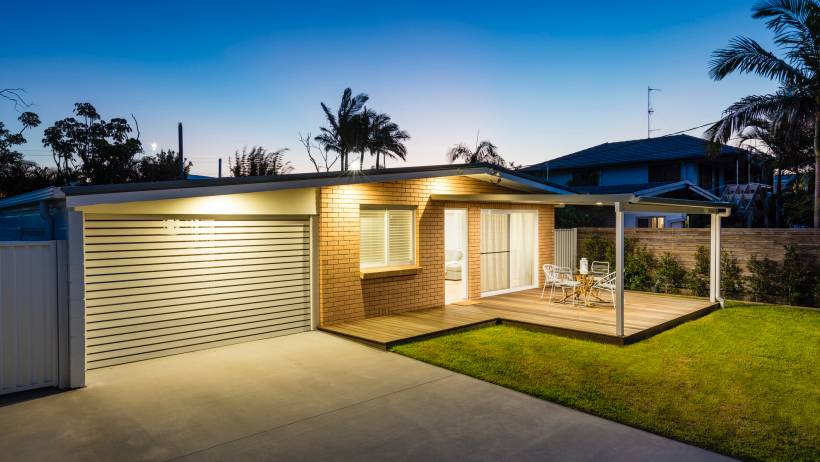 A modern suburban home. (Source: iStock)
With the right moving help and a clear plan, the first few weeks can feel organised rather than overwhelming. In this section, we’ll cover the key steps to help you adjust quickly and start feeling at home on the Gold Coast.
Connect your utilities
Once your address is confirmed, arrange your moving utilities so that electricity, gas, water, and internet are ready when you arrive. In Queensland, energy contracts also include a 10-day cooling-off period, giving you enough time to review the terms and switch providers if necessary.
Utility type |
Common providers |
|---|---|
Electricity and Gas |
Origin Energy, AGL, Alinta Energy |
Water and Sewerage |
City of Gold Coast Council |
Internet |
Aussie Broadband, Dodo, Exetel |
Before committing, compare more than just the advertised rate. For instance, check daily supply charges, contract terms, and any exit fees. Remember, taking a few extra minutes to check the fine print can prevent higher long-term costs.
Update your licences and documents
Once you’ve relocated, update your address across key government services to avoid missed notices or payment issues. Log in to myGov to change your details for Medicare, the Australian Taxation Office, and Centrelink if relevant. Update your enrolment with the Australian Electoral Commission and redirect or change your address with Australia Post to keep important mail on track.
If you’ve moved from interstate, you can process your driver’s licence transfer online via the Queensland Government website to manage future updates.
Secure council-related permits (if any)
Before you get too comfortable in your new postcode, jump online and create a My Account through the City of Gold Coast website. This portal is where you lodge and renew local licences and permits, and it quickly becomes your go-to dashboard for staying on top of council matters.
Once you’re set up, you’ll be able to:
View, manage and pay your rates and water bills
Pay for services like dog registration
Settle fines and infringement notices
Check your bin collection day
Submit and track applications or service requests
It’s also recommended to check the council website in the weeks leading up to your move for any road closures or traffic restrictions near your new address. Doing so allows you to plan for needed permits or alternative routes with your removalist.
Ensure your family’s welfare
If you are still weighing up whether you should move to the Gold Coast, this section can help you decide. The region offers reputable universities, well-maintained parks and open spaces, and access to established healthcare services. For many families, that level of support makes the decision feel less risky and more future-focused.
Schools and childcare
If you are enrolling your child in a state school, check first whether the school operates under an Enrolment Eligibility Plan or a School Enrolment Management Plan. Eligibility to enrol may depend on the school catchment area or specific entry criteria, so confirming your residential address early is important.
Looking at private schools and independent colleges? They usually follow their own admissions processes, which often include interviews, waiting lists, and application fees.
Generally, enrolment requirements include:
Your child’s birth certificate or passport
Proof of your residential address
Immunisation records
Previous school reports if transferring
Visa documentation (if applicable)
For families seeking well-regarded schools on the Gold Coast, consider All Saints Anglican School, The Southport School, St Hilda’s School, and Somerset College. For state education, suburbs like Robina, Varsity Lakes and Helensvale are known for strong local primary and secondary school options.
Playgrounds, parks, and outdoor living
With such a long-distance move, giving your kids something to be excited about makes the transition easier. On the Gold Coast, that usually means playgrounds to explore, parklands to run free in, and coastal reserves just minutes from home.
You’ll also find community gardens such as Ashmore Community Garden and Joan Park Community Garden, where locals grow produce, share skills, and build real neighbourhood connections. For bushwalks, cycling or relaxed weekends outdoors, consider:
Location |
Best for |
|---|---|
Glossy Black Reserve |
Mountain biking |
Lower Beechmont Conservation Area |
Walking trails |
Tchoobey Reserve |
Picnics and open space |
The Gold Coast also runs an Active and Healthy Program, offering residents regular free and low-cost fitness activities across different suburbs. You can expect activities like outdoor yoga, group walks, and even family-friendly sessions that’ll keep you active and meeting people. You can view the latest schedules and programs directly on the council website before or after your move.
Community and healthcare facilities
If you’re ready to get involved, you can join Citizen Science programs that help monitor and protect the local environment. For example, teens can take part through CoastSnap, a project that tracks coastline changes by asking participants to snap a photo at designated beach locations and upload it via the free app.
When it comes to healthcare, the Gold Coast provides comprehensive coverage across the region. It operates several hospitals, major allied health precincts and community-based facilities. There are also emergency departments at Gold Coast University Hospital and Robina Hospital, both open 24 hours a day.
Also think of your pet
If you are moving with a dog, it must be registered from 12 weeks of age or within 14 days of arriving in the city. Registration can be completed online through your Gold Coast account or in person at a council customer service centre. Dogs must wear their registration tag at all times when in public, including at dedicated dog exercise areas such as:
Galapagos Park
Bayview Park
Glenmore Park
For cat owners, registration is not required. However, cats must be microchipped, and you’ll need to apply for a permit if you plan to keep more than two cats on your property.
How do you get around on the Gold Coast?
 The Sundale Bridge Southport. (Source: iStock)
The Gold Coast is not the most walkable city, especially outside the beachside hubs, so most residents rely on transport to get around efficiently. The good news is that it offers reliable public transport options, including buses, trains, trams, and even ferry services, that connect key suburbs and coastal areas.
What is Gold Coast’s Translink Go Card?
A Go Card is a reusable public transport card that lets you tap on and off across the Translink network, with fares currently capped at 50 cents per journey. You can buy and top up your card online, at selected retailers, or by calling 13 12 30.
Prefer to skip the physical card? Simply use contactless payment in the Translink app on your device, then tap to travel. Here are the main types of go cards available:
Card type |
Who should use it |
|---|---|
Adult |
Anyone aged 15 and over |
Child |
Children aged 5 to 14, with free weekend travel |
Seniors |
Eligible Australian Seniors Card holders |
Before you book house removal services, it is worth spending a few days travelling around the Gold Coast to explore different suburbs and see which area suits your lifestyle. In that case, grab a Go Explore card, which offers unlimited travel for just $1.50 per day across the same network.
By car
Go card accepted? Yes
The Gold Coast has no local toll roads within the city itself. However, tolls apply if you travel north toward Brisbane via the Gateway Motorway or use other Brisbane toll roads such as the Logan Motorway, Clem7 or Legacy Way. These are managed by Linkt, so setting up an electronic tag or account in advance can make trips smoother and help you avoid additional fees.
For parking, it is recommended to use the EasyPark app to locate nearby metered spaces and pay directly from your phone. The council website also lists city carparks by suburb, making it easier to plan ahead before heading into busy areas.
By G:link tram
Go card accepted? Yes
Getting around the Gold Coast is easy thanks to the G:link tram, one of the city’s most reliable transport options. It runs through 19 stations from Helensvale to Broadbeach South, linking hubs such as Southport, Surfers Paradise and Griffith University. Services operate every 15 minutes or better on weekdays and from 5 am to midnight on weekends.
Stations offer ramps, level boarding and allocated spaces for passengers using mobility aids, making it accessible for families and older residents. With reliability around 99% and strong punctuality, the G:link is a dependable backbone for daily travel.
By train
Go card accepted? Ye
The Gold Coast train line runs north to Brisbane and connects seamlessly with the G:link at Helensvale Station. This interchange makes it easy to move between the coast and the wider Queensland Rail network, whether you are commuting for work or heading into the city for the day. Some of the main stations along the Gold Coast line include:
Helensvale
Nerang
Robina
Varsity Lakes
Coomera
Ormeau
To plan your trip, use the Translink Journey Planner. It lets you map your route, check platform numbers, and view live departure times, so you can travel with confidence.
By bus
Go card accepted? Yes
Buses on the Gold Coast also operate under Translink, so you can use the same website or official app to plan routes, check timetables and view stop information. The network links coastal suburbs, inland areas and major stations, making it a practical option if you are not located along the tram corridor. Popular Gold Coast bus routes include:
Route 740, connecting Surfers Paradise to Nerang Station
Route 750, linking Burleigh Heads to Broadbeach South
Route 700, running from Tweed Heads to Gold Coast University Hospital, with extended evening services
Beyond regular Translink routes, tourist shuttles and private charter buses are also available. If you are visiting before committing to the move, these options make it easier to explore multiple suburbs in a short time.
By ferry
Go card accepted? No
The Gold Coast does not operate public commuter ferries like Brisbane’s CityCats. Instead, ferry services are provided by HOPO Gold Coast Ferry, which operates as a licensed private service. Fares differ from standard Translink pricing and depend on the type of pass or experience you choose. Sample adult prices include:
Experience |
Adult price |
|---|---|
2hr Gold Coast Sightseeing Cruise |
$39 |
Hop-on Hop-off Day Pass |
$45 |
GC Aqua Park and HOPO Ferry Pass |
$48 |
Prices may change, so it is best to check the official HOPO website for updated rates before booking.
Keep in mind that HOPO is designed for sightseeing rather than daily commuting. It stops at major attractions such as Sea World and waterfront destinations, not residential hubs or major transport interchanges.
What are fun things to do as a new Gold Coast resident?
 Beach access point at Rainbow Bay beach. (Source: iStock)
Done unpacking? Now it is time to explore! The sections below cover neighbourhood highlights, heritage landmarks and outdoor experiences that define life on the Gold Coast.
Explore your new neighbourhoods
Now that you have settled into one of the best places to live in Gold Coast, set aside a weekend to explore neighbouring suburbs properly. Visit at different times of the day, test the commute, try a local café and see how busy the area feels after dark. This gives you a clearer sense of lifestyle, traffic flow and everyday convenience beyond your immediate street.
Here are some of the most popular neighbourhoods to check out:
Suburb |
Best for |
Popular spots |
|---|---|---|
Surfers Paradise |
Nightlife and attractions |
Cavill Avenue, SkyPoint Observation Deck |
Burleigh Heads |
Surf and brunch |
Burleigh Head National Park, Burleigh Hill |
Broadbeach |
Dining and luxury shopping |
Pacific Fair Shopping Centre, The Star Gold Coast |
Coolangatta |
Surfing and relaxation |
Snapper Rocks, Kirra Point |
Visit historical and heritage sites
Beyond beaches and high rises, the Gold Coast also has a layered history worth exploring. For instance, you can spend a morning at Jellurgal Aboriginal Cultural Centre to learn about the 60,000-year history of the Yugambeh people. From there, head to Point Danger to see the Captain Cook Memorial, marking the 1770 voyage and the border between Queensland and New South Wales.
For a taste of the city’s 1960s motel era, stop by the Pink Poodle Sign near Kinkabool, the coast’s first high-rise. If you prefer pioneer history, the Gold Coast Hinterland Heritage Museum showcases 19th-century slab huts and a restored railway station that reflect life before tourism shaped the region.
Enjoy the outdoors
If you want a simple way to stay active and get your bearings, start with the 36-kilometre Oceanway. This coastal path links major beaches, parks and waterfront suburbs, making it a practical reference point for morning runs, bike rides or weekend walks while you learn the layout of the city.
From there, branch inland to Springbrook National Park for rainforest hikes and waterfall lookouts, or head to Tallebudgera Creek for calm water swimming and paddleboarding. Between June and October, beach walks may even reward you with migrating humpback whales offshore.
Check out the local market scene
One of the quickest ways to feel part of the community is to shop where locals shop. To stay updated on upcoming events and seasonal markets, subscribe to the council’s official updates on its events website so you don’t miss special pop-ups or community gatherings.
Market |
Location and time |
Known for |
|---|---|---|
Carrara Markets |
Carrara, Saturday and Sunday, 8 am to 3 pm |
Largest permanent market for fashion and lifestyle |
Currumbin Community Markets |
Currumbin, Thursday, 7 am to 11 am |
Fresh local produce |
HOTA Farmers Market |
Bundall, Sunday, 6 am to 11:30 am |
Gourmet food and local crafts |
Jack Evans Boat Harbour Market |
Tweed Heads, First Saturday, 8 am to 2 pm |
Culinary delights and food trucks |
Move to Gold Coast for a good work-life balance
Now that you know what Goldie has to offer, it is time to make the move real. Start by booking a house clearance service to set a clear timeline and create momentum. Having an end date pushes you to declutter faster, sort what stays and what goes, and move forward with purpose instead of hesitation.
Ready to take action? Post your task on Airtasker today to find trusted locals who can help with clearance, removals, cleaning or furniture assembly. The sooner you line up the right support, the sooner you can start enjoying life on the Gold Coast.
Helpful resources for those moving to Gold Coast
Need more help with your move? Check out these useful resources:
City Disaster and Emergency Dashboard
The City Disaster and Emergency Dashboard provides real-time updates on road closures, power outages and severe weather warnings. It is a reliable source to check before travel, during storm season or whenever conditions may affect your area.
Translink Journey Planner
The Translink Journey Planner is the official website for planning public transport across the Gold Coast and wider Queensland network. It lets you enter your start and end points to compare bus, train, and tram routes, check platform numbers, and view live departure times, so you can travel easily.
Queensland Schools Map
The Queensland Schools Map is an official online tool that helps you locate state schools across the Gold Coast and check their catchment boundaries. It allows you to search by address to confirm enrolment eligibility and explore nearby primary and secondary school options.
Gold Coast Community Directory
The Gold Coast Community Directory is an online resource that lists local support services, community groups and non-profit organisations across the region. You can search by suburb or service type to find assistance, programs and community connections near your new home.
Learn more about our contributors
Written by Genine T.
Staff Writer
Genine is a writer and educator with over seven years of experience. She has published peer-reviewed research papers, worked in academia, and created educational content for thousands of language learners. She discovered her passion for turning complex ideas into practical advice through writing about DIY topics like home improvement, furniture assembly, and household fixes. When she’s not writing, Genine enjoys curling up with her dogs and a good book.
FAQs about moving to Gold Coast
The Gold Coast is generally slightly cheaper than Brisbane for housing, though rental competition can push prices up in coastal suburbs. Everyday expenses such as groceries and utilities are comparable between the two cities.
Rental demand is strong, particularly in coastal and well-connected suburbs. You can find options, but be prepared for rising prices and have your application documents ready to move quickly.
You can transfer your interstate licence through the Queensland Transport Authority once you become a resident. You will need to visit a service centre with proof of identity and residency, and your current licence.
While tourism is a major industry, the Gold Coast is home to established residential communities, schools and business districts. Many residents live and work here year-round beyond the holiday areas.
The northern suburbs are well connected by train stations such as Helensvale and Coomera, along with bus routes linking to the tram network.
Average salaries can be slightly lower than in larger capital cities. That said, overall living costs are still generally below Sydney levels, even though housing prices have risen in recent years.
Find removalists, fast
Find a removalist
Related articles
 How-to Guide