- Home/
- Comparisons/
- Packers & Movers/
- Duct Tape vs. Packing Tape
Duct tape vs. packing tape: Your guide to sealing moving boxes
See how they stack up in adhesion strength, durability, and more.
Published on

Written by Genine T.
Staff Writer
Read more about our contributor
Key Facts
Duct tape is a commonly used, flexible tape that’s great for quick fixes, bundling, and odd surfaces, but not ideal for sealing boxes or completing a move smoothly.
Packing tape is the best choice for sealing cardboard boxes during a move. It offers strong hold, clean removal, and better value.
Renting a storage unit while you figure out your next move? Millions of Americans use self-storage facilities, and the choice of duct tape vs. packing tape becomes even more critical when your belongings sit in a unit for months or years. In fact, factors like temperature swings, humidity, and time can turn the wrong tape choice into a peeling, sticky mess.
So, which should you use? To answer this, this guide compares packing tape vs. duct tape in terms of durability, strength, best use cases, and more. Plus, we’ll tackle the top questions movers ask to help you prep with confidence.
What is duct tape?
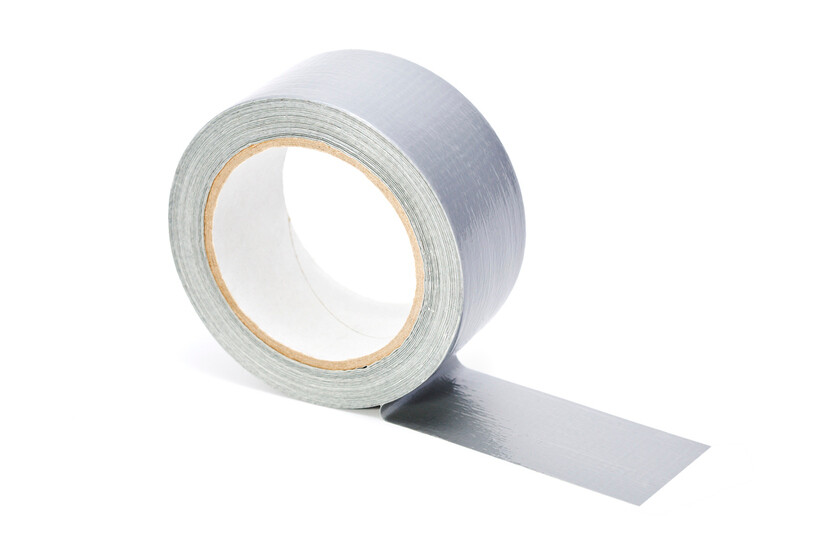 A roll of silver duct tape (Source: iStock)
Duct tape is a tough, cloth-backed tape made from a cotton or polyester mesh backing and coated with a rubber-based adhesive. It was first made for sealing air ducts (hence the name), but now it’s a go-to fix-it tool for DIYers, handymen, and quick household repairs.
While they stick firmly, duct tapes are only meant for emergency repairs and temporary solutions. If you use them for heavy boxes during a house move, they can easily tear under strain and may peel off on their own. However, you can still use them to reinforce corners or seams and secure odd-shaped packages.
What is packing tape?
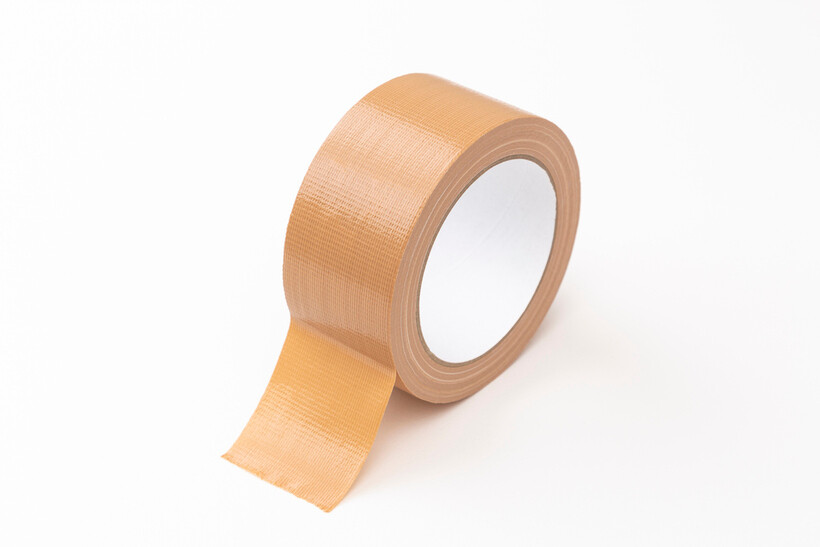 A roll of clear packing tape (Source: iStock)
Packing tape is lightweight, pressure-sensitive tape made from plastic film like polypropylene or polyester. It uses either hot melt rubber adhesive or acrylic glue, both designed to create a strong bond with porous cardboard and plastic.
As the name suggests, this tape is purpose-built for one job: sealing boxes securely. That’s why you’ll often see it used for lightweight parcels, standard cartons, warehouse cardboard boxes, retail shipments, and even securing packaging during appliance moves. Remember also to choose the right types of tape, such as clear tape for a neat finish or paper tape for an eco-friendly option.
Packing tape vs. duct tape: How do they differ?
When learning how to tape moving boxes properly, choosing the right sealing material is important for a successful move. Let’s explore the key differences between these two tapes below.
In terms of adhesion strength
Which is stronger, packaging tape or duct tape? Between the two, packing tape is generally the best tape for cardboard boxes. Most quality rolls have a tensile strength of 30 pounds or more per inch of width, which is more than enough to hold boxes shut during a move. It sticks cleanly, holds firm during transit, and doesn’t leave a sticky mess when it’s time to unpack.
Stronger, industrial-grade packing tapes are also available today. These may include polyester or fibreglass reinforcement, making them ideal for packing big furniture, fragile gear, or heavy appliances during house moves.
On the other hand, duct tape delivers an initial grab and aggressive bonding, with some top brands rated at over 300 pounds per inch. However, it can only stick to cardboard to some degree, so it’s not recommended for sealing boxes. This is because its rubber-based adhesive doesn’t grip well to cardboard fibers, so the bond tends to be weaker and more likely to fail, especially if the box is moved around a lot.
In terms of durability
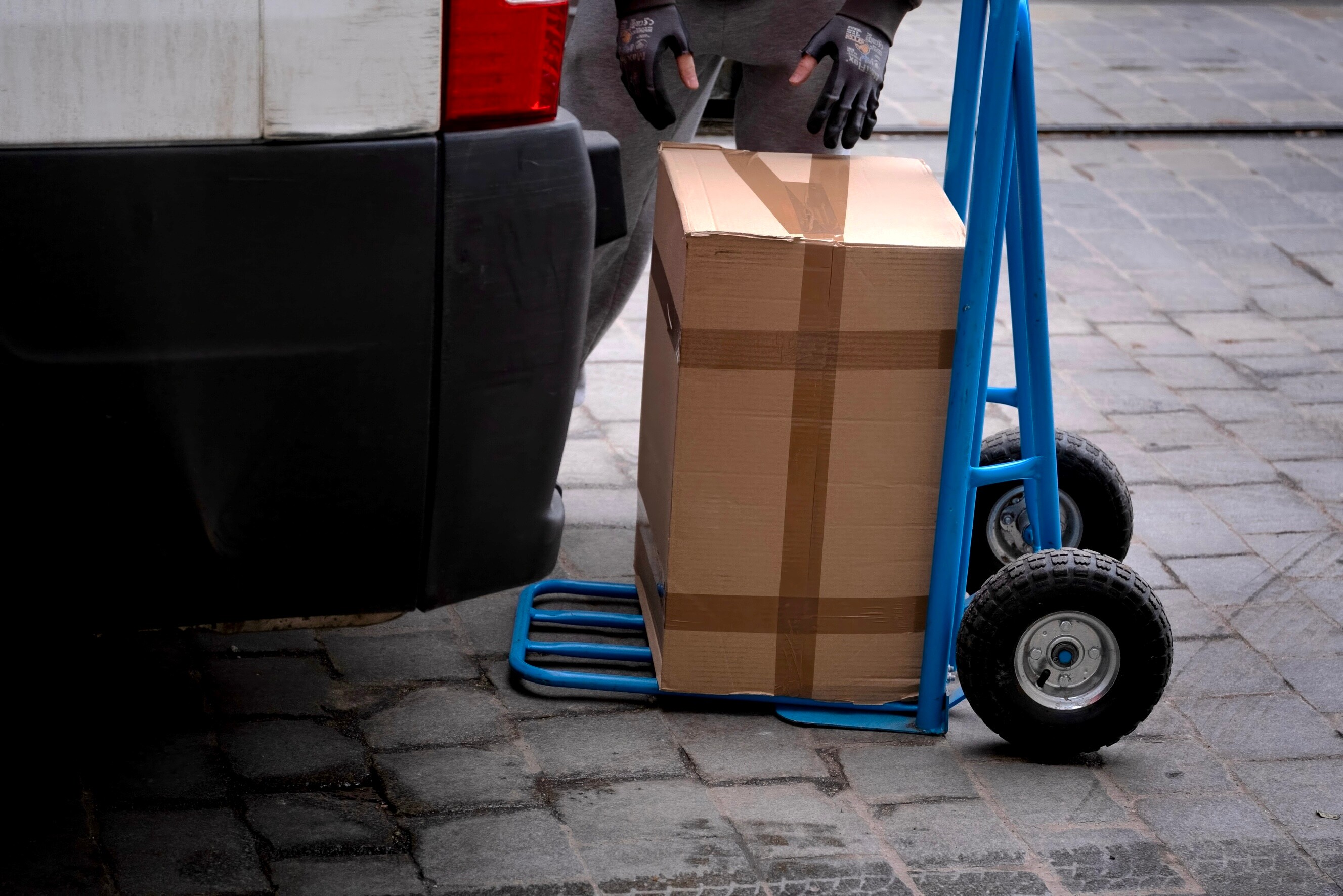
 Boxes being delivered outdoors (Source: iStock)
You might ask yourself, “Is packing tape waterproof enough for long-distance moves or storage?” The good news is that acrylic and rubber-based packing tapes are water-resistant and hold strong through humidity, moisture exposure, and a wider range of conditions. In fact, they can withstand temperatures from -25°F to 150°F and maintain strong performance in high humidity conditions, direct sunlight, and harsh environments.
Unfortunately, duct tapes show mixed performance regarding long-term durability, particularly in extreme conditions. While it’s rated for temperatures up to 200°F, anything beyond that can cause rapid degradation, and the adhesive can start to soften and lose strength at temperatures over 140°F.
In extreme cold (below freezing), the rubber-based adhesive can harden and lose its sticking power, while prolonged exposure to UV light can cause it to dry out, becoming brittle and flaky over time. It’s also prone to oxidation, which can cause yellowing and degradation during extended storage or transit.
So, whether you’re storing boxes for the long term or packing bedding and soft furnishings, packing tape is the more stable and dependable option.
In terms of purpose
Duct tape is designed for flexibility and general repairs across various surfaces. Its fabric backing gives it stretch and strength, allowing it to wrap around different shapes or grip uneven surfaces like wood, metal, or fabric. Among the different kinds of tape, duct tape is ideal for bundling cords, patching a cracked storage tub, or holding furniture covers in place during a move or decluttering session.
Professional packers highly recommend packing tape because it’s purpose-built to bond with cardboard, stay sealed under pressure, and resist stretching. This matters when boxes are stacked, stored in hot or cold conditions, or handled repeatedly by movers.
In terms of surface compatibility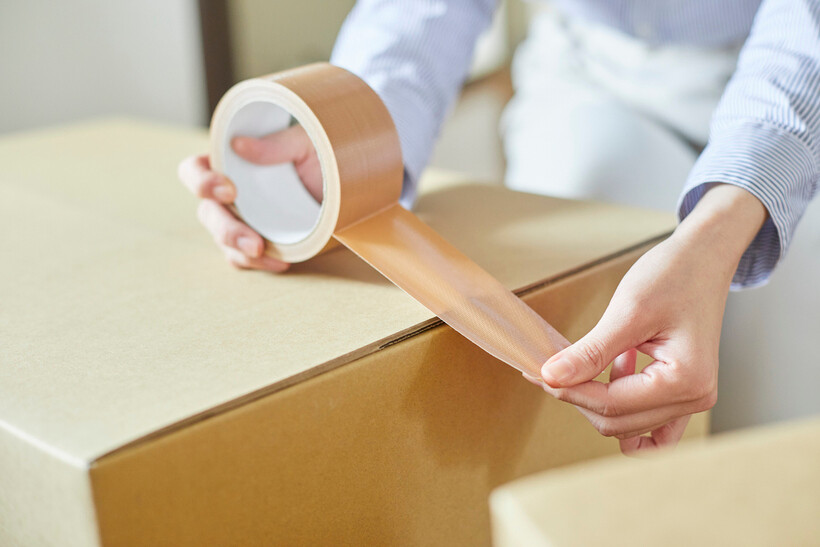 Securely sealing cardboard boxes (Source: iStock)
Packing tape is made specifically to bond with boxes, using an adhesive that forms a strong bond at a microscopic level. When storing items long-term, packing tape stays sealed because the adhesive sinks into the cardboard rather than sitting on top.
Duct tape, by contrast, is designed to work best on smooth, non-porous surfaces where its rubber-based adhesive can spread evenly and form a solid grip. It’s ideal for tasks like wrapping a couch in plastic or securing bubble wrap around fragile items, where the tape sticks cleanly to plastic, metal, or glass.
On corrugated cardboard boxes, though, duct tape can only make contact with the raised parts of the rough surface. This leaves gaps in the seal and reduces holding strength, which is why boxes sealed with duct tape often pop open during a move.
In terms of ease of use
Duct tape is quick and easy to use because you can tear it by hand, which is helpful when you’re packing in a hurry. It also stretches to fit around corners and uneven surfaces. But that same flexibility can make it bunch up or wrinkle when trying to apply it neatly. It can also stick to itself by accident, and if you place it wrong, it’s hard to fix without making a mess.
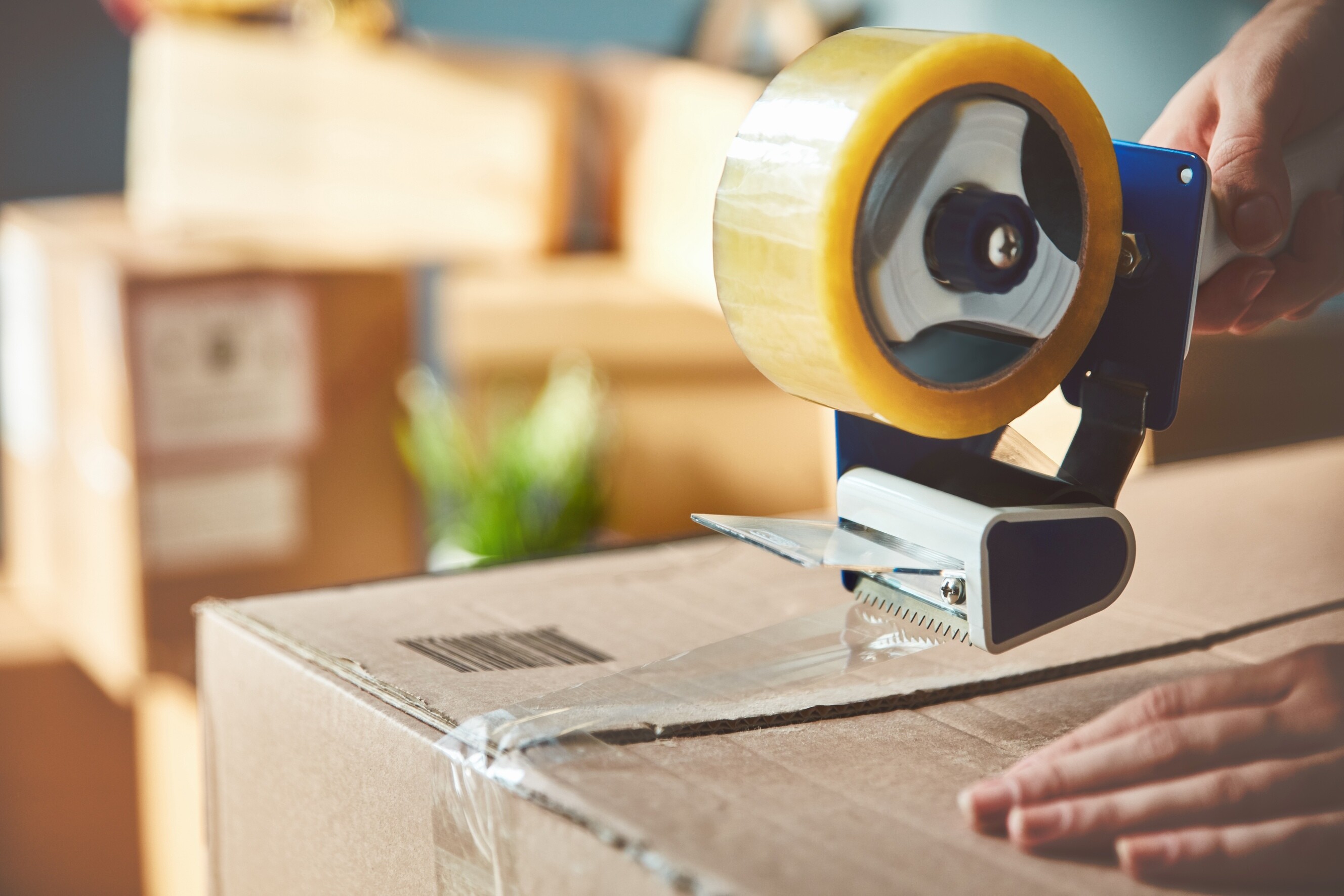
Packing tape takes a little more setup, but makes it easier to pack boxes cleanly. You’ll need scissors or a tape dispenser to cut it, but most people find a tape dispenser actually speeds up the box-sealing process. The tape applies smoothly without stretching or bunching, giving you straight, professional-looking seals.
When sealing lots of boxes, packing tape is the most efficient moving tape to use. One standard roll usually seals 15 to 20 medium boxes. In comparison, duct tape might only manage eight to 10 because it’s thicker and often needs extra layers to hold properly.
In terms of removability
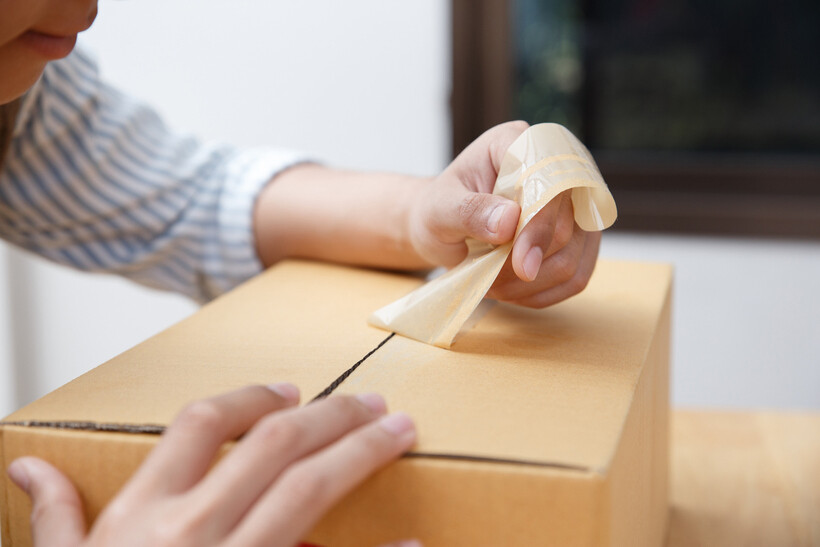 Peeling tape off a cardboard box (Source: iStock)
Duct tape is hard to remove and often leaves behind a sticky mess. Its strong rubber adhesive can pull off paint or even damage surfaces when peeled away. It also frequently tears the material or leaves behind thick, stubborn residue on cardboard boxes and plastic bins. Cleaning it up usually takes several steps, like using a hair dryer to loosen the glue, scraping with a plastic tool, and applying rubbing alcohol or adhesive remover. Even then, some sticky bits often remain.
Packing tape is much easier to remove, especially when used as tape for boxes. It’s made to peel off smoothly from cardboard boxes and plastic bins without tearing or leaving heavy residue. If there’s any leftover stickiness, it usually comes off with warm, soapy water or a bit of heat from a hair dryer.
In terms of cost
Duct tape appears cheaper upfront, starting at $1.00 per roll, but you’re getting much less tape, typically only 30 meters (~98 feet), compared to packing tape’s 75 meters (~246 feet). This means you’re paying roughly the same price for less than half the length. When you factor in that duct tape’s thickness, you often need longer strips to secure items properly, and its tendency to bunch or tear during application means you’ll burn through rolls much faster than expected during a move.
Packing tape prices start at around $3 per roll, but deliver much better value. You get 75 meters (~246 feet) of tape that applies smoothly without waste, and because it’s designed for box sealing, you use less per application.
Get packing help on Airtasker
You’ve mastered the tape choice, but looking at rooms full of belongings can overwhelm anyone. Whether it’s safely disconnecting and moving your office equipment or carefully wrapping granny’s china, some jobs are best left to the experts.
Our advice? Find skilled movers and packers on Airtasker who know exactly how to handle fridge movers, delicate items, and everything in between. Post your moving task today and transform a stressful DIY nightmare into a smooth, professional experience.
Learn more about our contributors
Written by Genine T.
Staff Writer
Genine is a writer and educator with over seven years of experience. She has published peer-reviewed research papers, worked in academia, and created educational content for thousands of language learners. She discovered her passion for turning complex ideas into practical advice through writing about DIY topics like home improvement, furniture assembly, and household fixes. When she’s not writing, Genine enjoys curling up with her dogs and a good book.
Duct Tape vs. Packing Tape
Duct Tape |
Packing Tape |
|
|---|---|---|
Adhesion Strength |
Grips rough surfaces but is weak on cardboard |
Bonds strongly with cardboard; ideal for box sealing |
Durability |
Short-term use |
Holds up in varied conditions |
Purpose |
Made for general repairs and bundling items |
Specifically designed as tape for boxes |
Surface Compatibility |
Sticks well to plastic, metal, wood, and fabric |
Best for cardboard; not suited to non-porous or uneven surfaces |
Ease of Use |
May bunch, stick to itself, or need reapplying |
Needs a dispenser, but applies cleanly in one layer |
Removability |
Leaves sticky residue |
Peels off cleanly |
Cost |
Cheaper per roll, but shorter and less efficient |
Better value per meter; lasts longer and wastes less |
FAQs on duct tape and packing tape
Packing tape and packaging tape are two names for the same product. Both terms refer to the clear or brown tape designed for sealing cardboard boxes during shipping, moving, and storage.
The main difference is coverage and strength. For instance, a 3-inch tape provides better adhesion and security for heavy or large boxes, while 2-inch tape is perfect for standard-sized boxes and lighter items. Most household moves work fine with 2-inch tape, but upgrade to 3-inch for boxes over 24 inches wide or when packing heavy items like books or appliances.
Duct tape shouldn’t be used to seal boxes as it doesn’t bond well with cardboard fibers and can fail during transport. However, it’s excellent for securing bubble wrap, plastic sheeting, and protective materials around belongings.
Avoid duct tape on cardboard boxes, painted surfaces, or anywhere you need clean removal later. Its rubber-based adhesive leaves stubborn residue and can damage surfaces when removed, making it unsuitable for finished furniture or walls.
Find packers and movers, fast
Post a task
Related price guides
How much do packers cost?
Read more







Related articles
How to move gym equipment safely
Read more

How to pack artwork for moving
Read more

How to pack books for moving
Read more

How to pack kitchen items
Read more
How to move a washing machine
Read more

How to move a shed
Read more

How to move a pool table
Read more
How to move a vending machine
Read more
How to pack bedding for moving
Read more
How to move a refrigerator
Read more

How to move a pinball machine
Read more

Where to get moving boxes for free
Read more

How to wrap furniture for moving
Read more

What movers won’t move
Read more

The ultimate packing and moving list
Read more

Moving interstate checklist
Read more

Moving out of state checklist
Read more
Moving to San Diego Guide
Read more
Moving Checklist
Read more
Moving to Atlanta Guide
Read more

Tips for moving house with kids
Read more

A guide to becoming a mover
Read more

How much do movers make?
Read more