- Home/
- Guides/
- Packing & Unpacking/
- How to Pack Fragile Items
The best way to pack fragile items in 5 easy steps
Learn the best ways to pack fragile items or hire help on Airtasker for all your removal needs.
Published on

Written by Chin S.
Staff Writer


Reviewed by Theo T.
Expert Removalist
Read more about our contributors
Key takeaways:
Use small, double-walled boxes, bubble wrap, and biodegradable packing peanuts to protect fragile items and minimise environmental impact.
Always label boxes as ‘Fragile’ and limit their weight to 14 kg to avoid mishandling and breakage.
Avoid last-minute packing, overloading boxes, and using old cartons to prevent costly moving accidents.
It’s tough to orchestrate a successful move without knowing how to pack fragile items. If you don’t do the job properly, the first guest to your new home could be a heap of broken dishes! Read through this handy guide if you need help packing fragile items for moving.
What do I need when packing fragile items for moving?
- Moving boxes (Double-walled, size small)
- Marker
- Scissors
- Bubble wrap
- Packing tape
- Packing peanuts
- Packing paper
- Old newspapers
- Box dividers (Optional)
- Hard, reusable plastic boxes (for rent—they’re cheaper than cardboard boxes and safer due to their rigidity.)
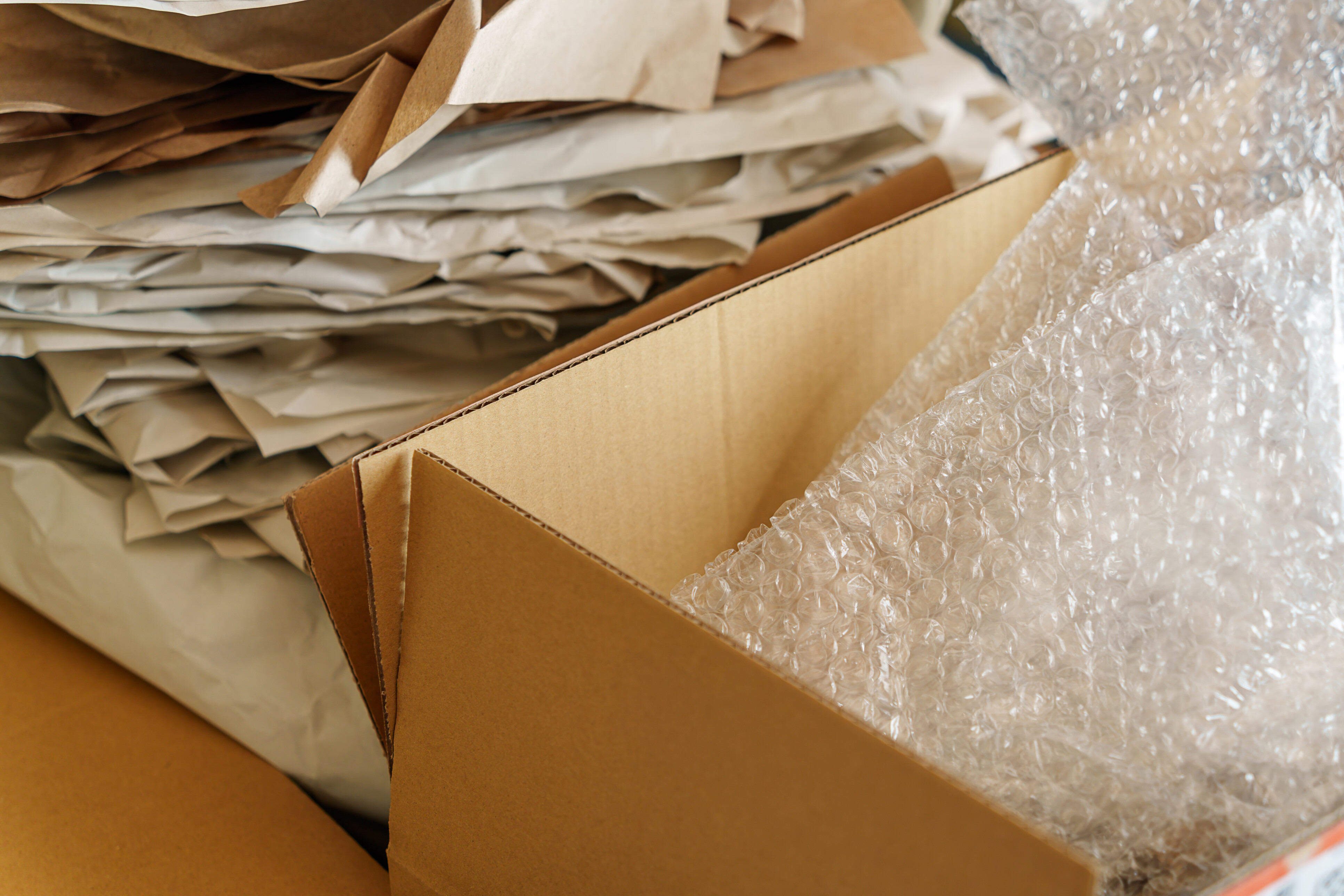
The most important thing is the packing paper—you can use it to wrap everything. Bubble wrap is mainly for extremely fragile items that need double protection.
Also, one last thing: Don’t forget about the ‘Fragile’ labels. Labelling items as fragile helps ensure delicate items like mirrors, frames, and TVs are handled with extra care to prevent mishandling and breakage.
How to pack fragile items for moving
Step 1: Prepare your box
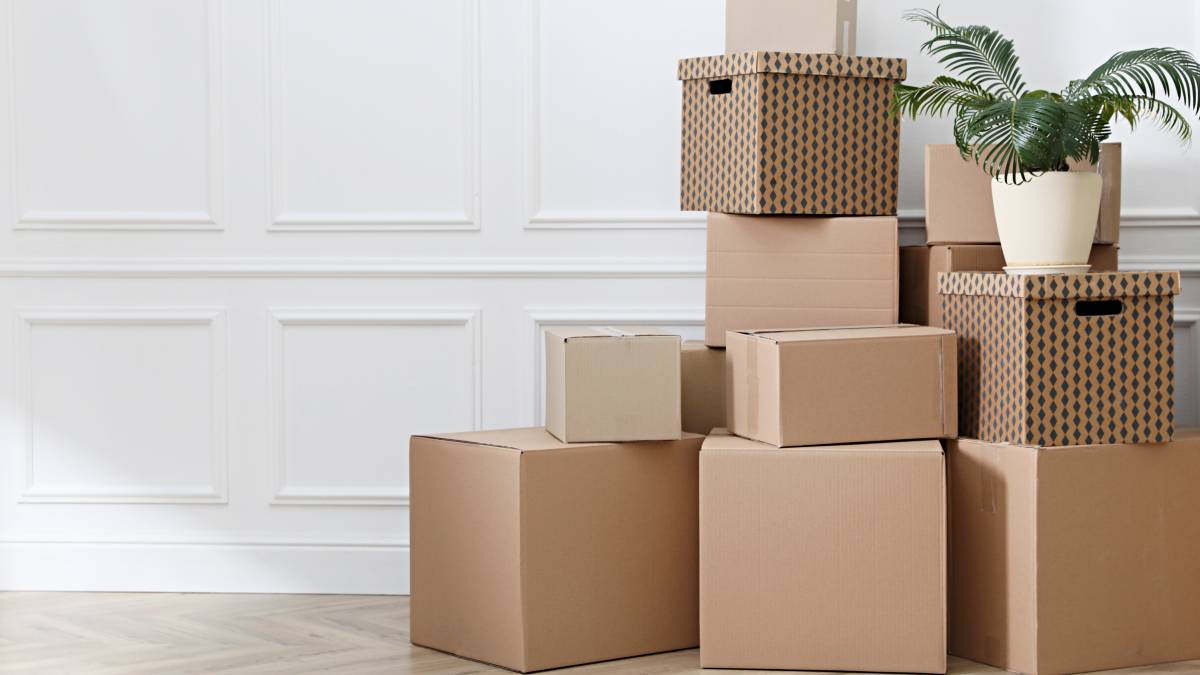
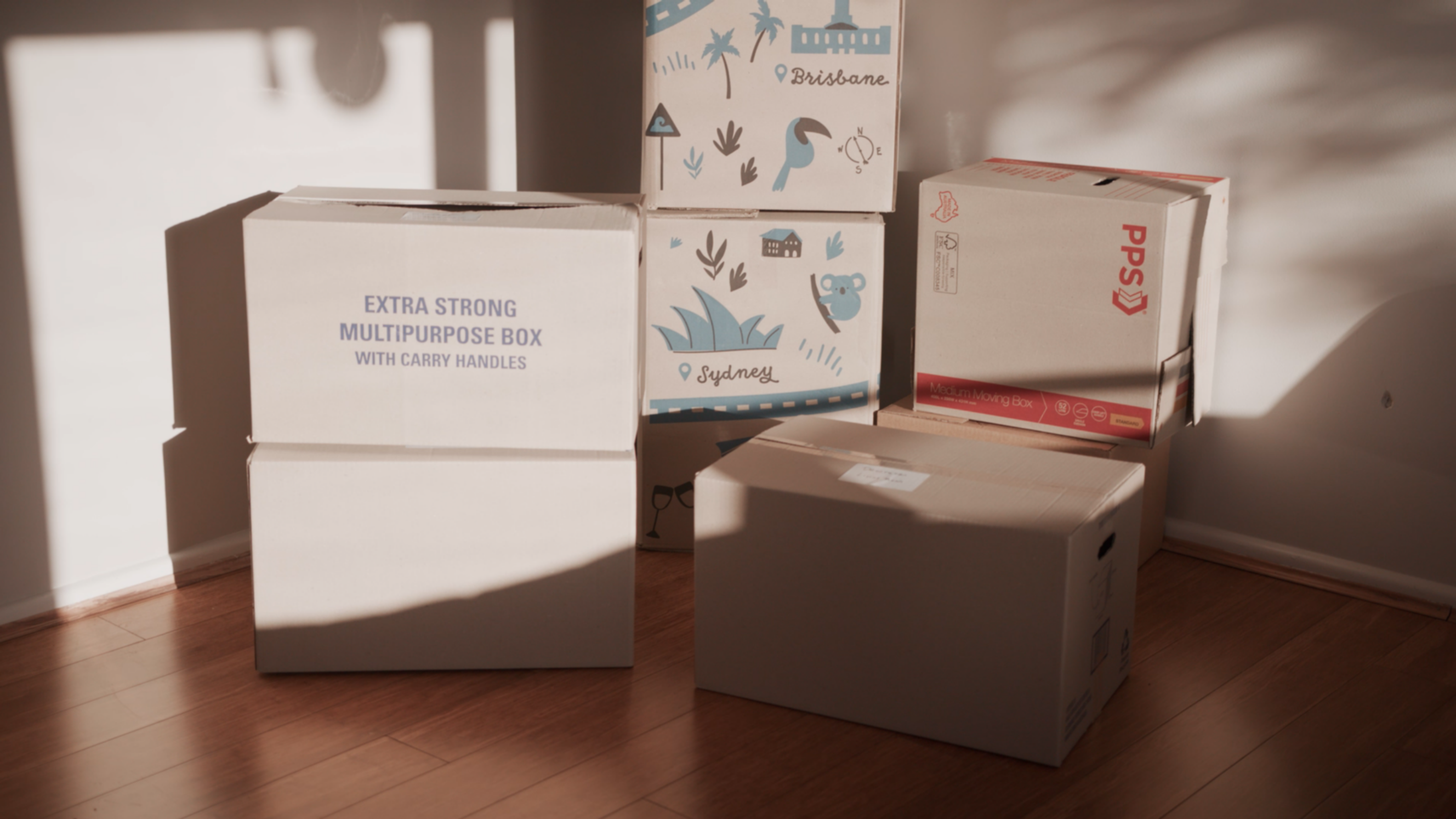
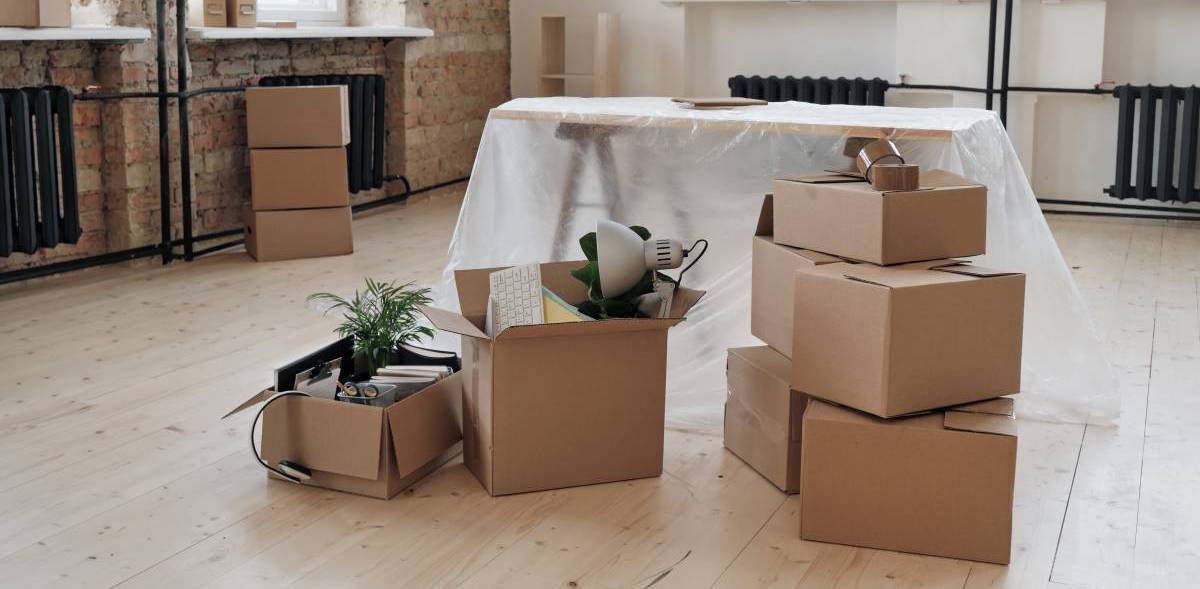
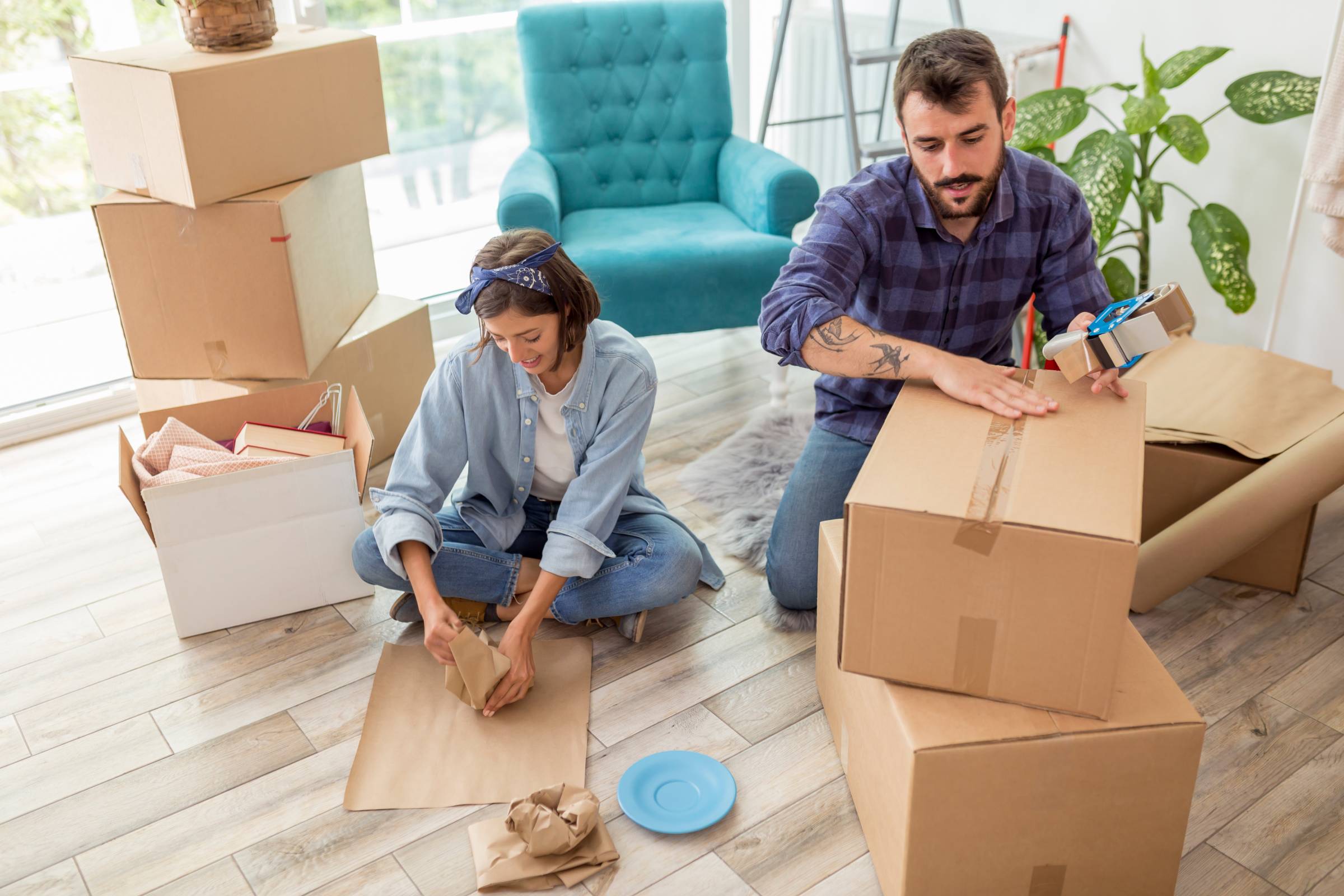
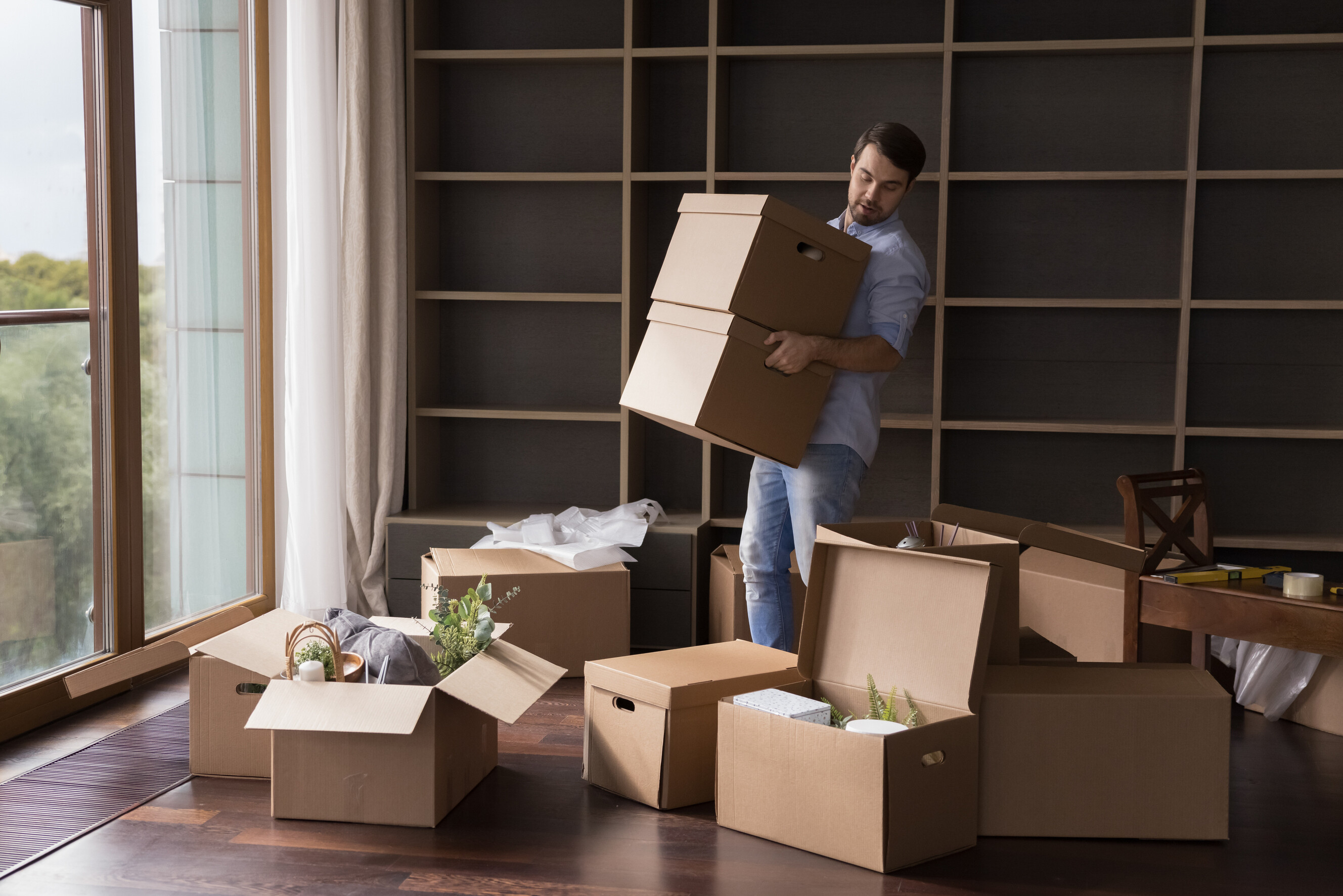
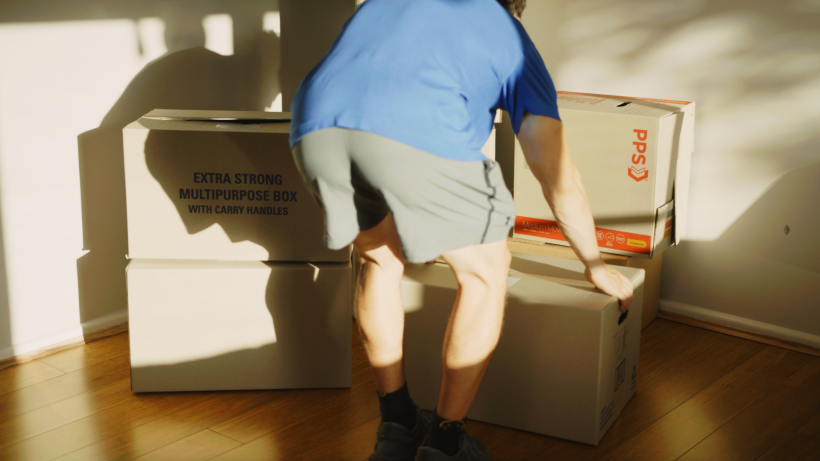 Packing and preparing large moving boxes.
The first thing you need to pack any item is the correct box. Use a newly bought or lightly used moving box. A small-sized box is recommended for fragile packing, as medium or large ones will add too much free space.
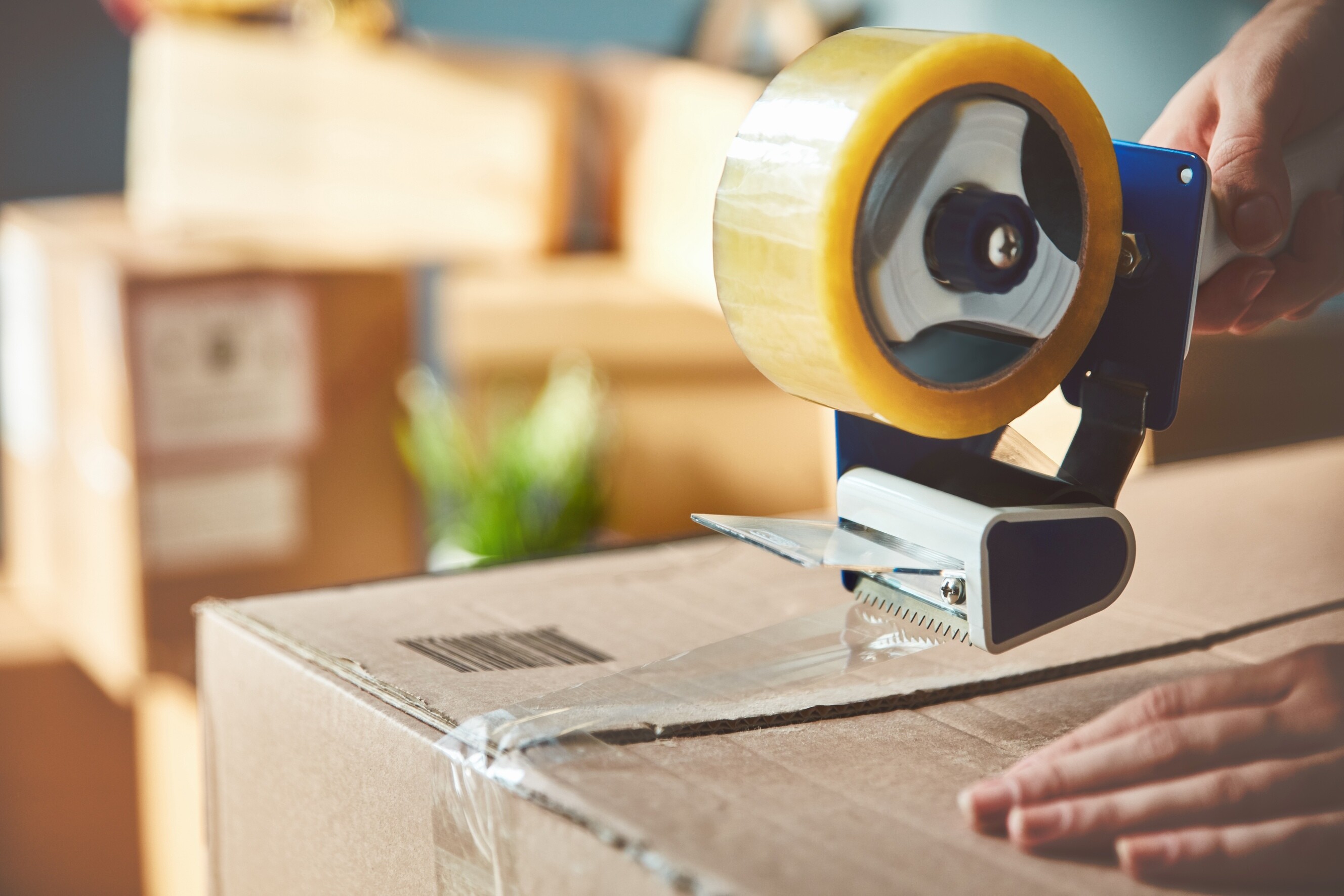
Next, you’ll have to assemble it. Seal its bottom side, then use the packaging tape to secure the seams, flaps, and corners. Use multiple strips of tape to ensure the bottom doesn’t accidentally open later.
After taping the box, line the base with either bubble wrap, packing peanuts, or crumpled balls of old newspapers. Ensure the lining is at least a couple of inches thick to soften the blow in case the box is accidentally dropped.
Rent plastic boxes for moving. They’re sturdier and safer, and you’ll save on the cost of cardboard boxes since you only have to pay the rental fee, which is much cheaper.
Step 2: Wrap each item with protective material
Each item below requires specific packing materials and techniques:
Glasses
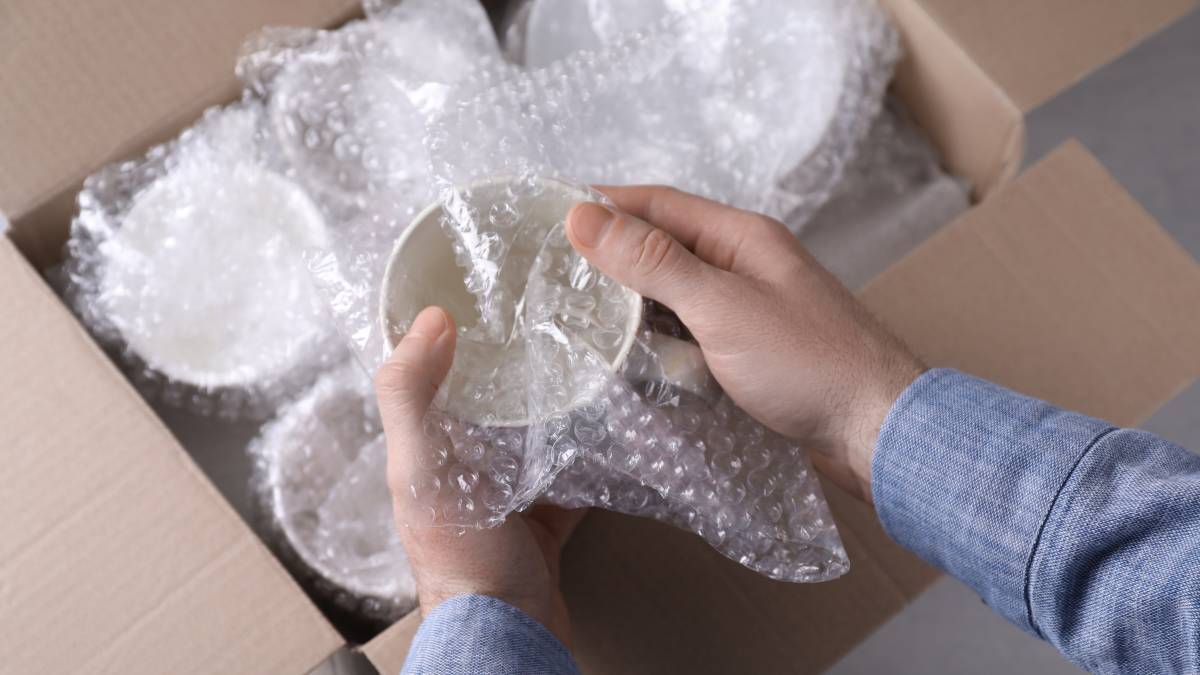
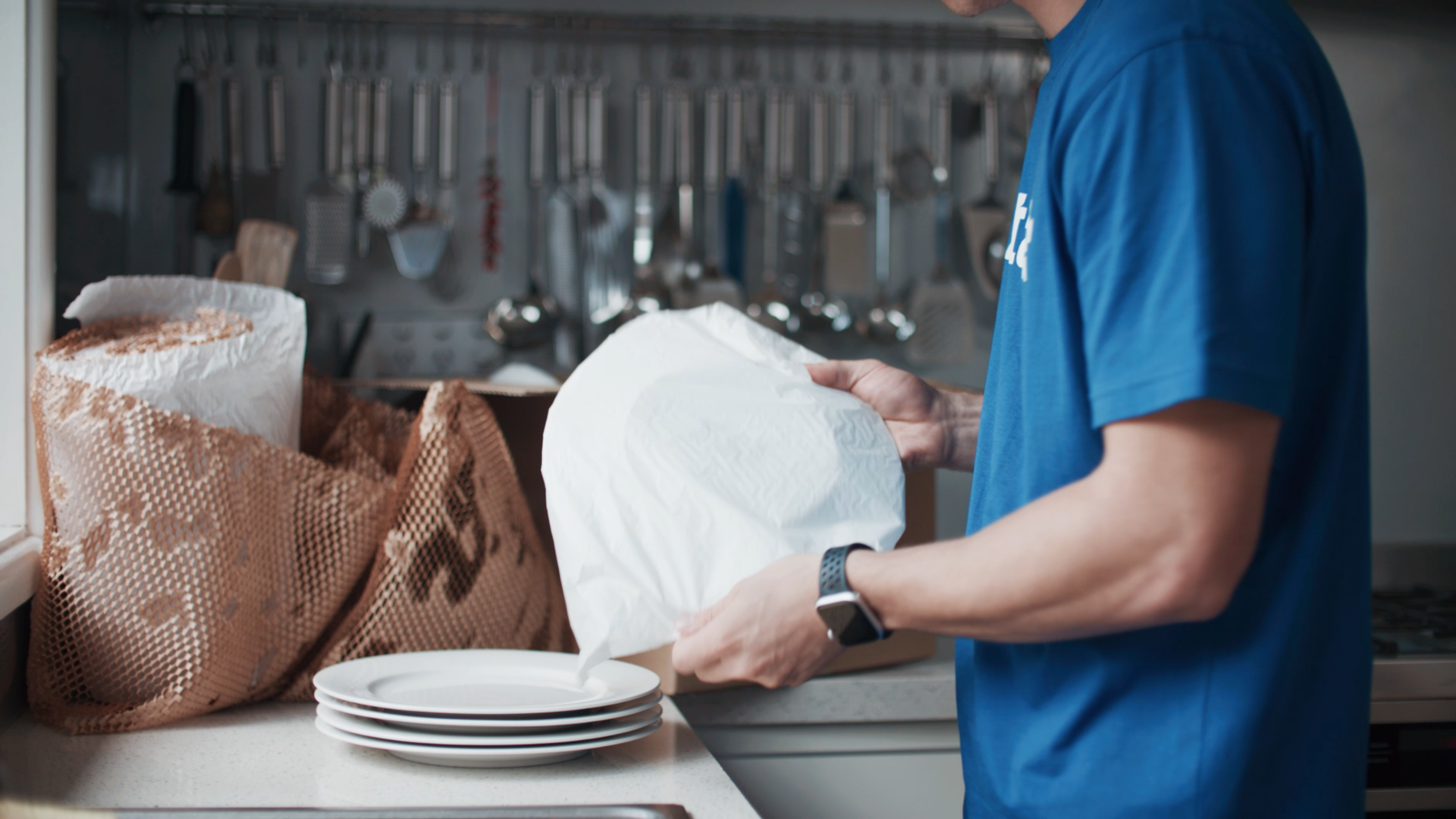
The best way to pack glasses for moving is to wrap them in bubble or packing paper. First, place the glass in the centre of a square sheet of either material. Cover everything by tucking the corners of the sheet into the glass. Finally, insert a crumpled ball of newspaper inside.
If you’re packing wine glasses, carefully wrap the stems with a few layers of bubble wrap. Then, tape the padding into place. After, cover the rest of the glass with packing paper using the same method as with ordinary glass.
Mugs and cups
First, use bubble wrap or packing paper to wrap around the handles and tape them down. Then, cover the rest of the mug with the same material by placing it on a square sheet and tucking the corners into it. After, place a crumpled ball of newspaper inside.
Vases
Similar to packing a glass, you’ll want to wrap your vase in either bubble wrap or packing paper. Place it in the centre of a large square sheet of the material and tuck the corners inside. Once done, fill the vase up to the brim with crumpled balls of newspaper or packing peanuts.
Mirrors and glass picture frames
When packing mirrors and glass picture frames, you must completely cover them with bubble wrap. Place the item in the middle of a sheet and fold it inside several layers. After, tape the loose ends of the bubble wrap and the item’s edges so the padding doesn’t come undone.
Glass furniture
To pack glass furniture, you must first detach the glass components from each piece. Then, wrap the glass components with several layers of packing tape, using both crosswise and lengthwise rows. Finally, place the glass between two pieces of cardboard and apply tape around the entire thing until firmly in place.
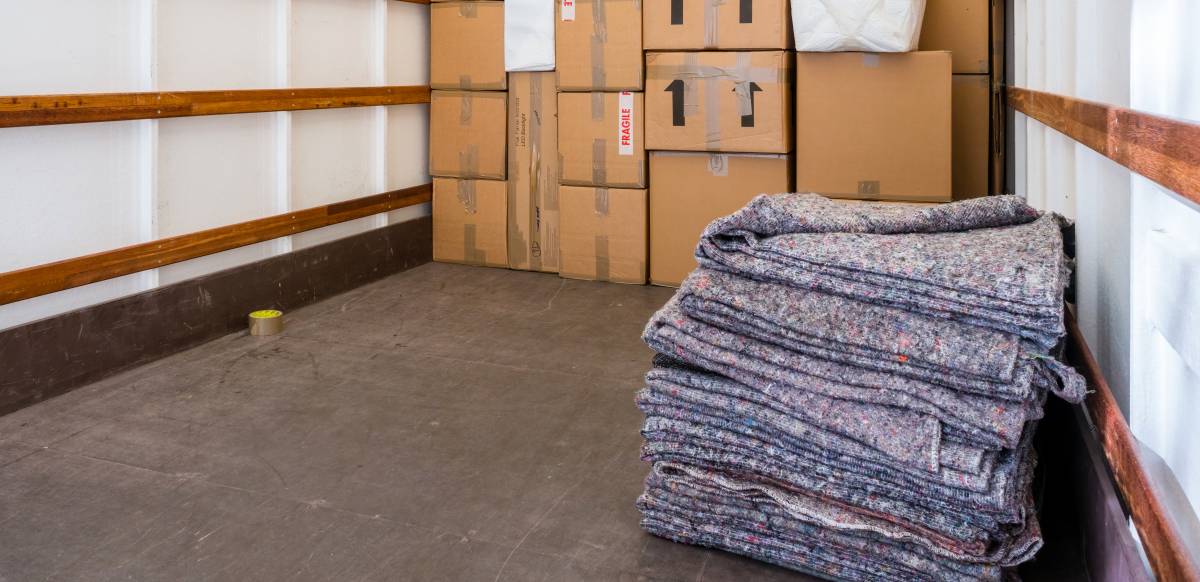
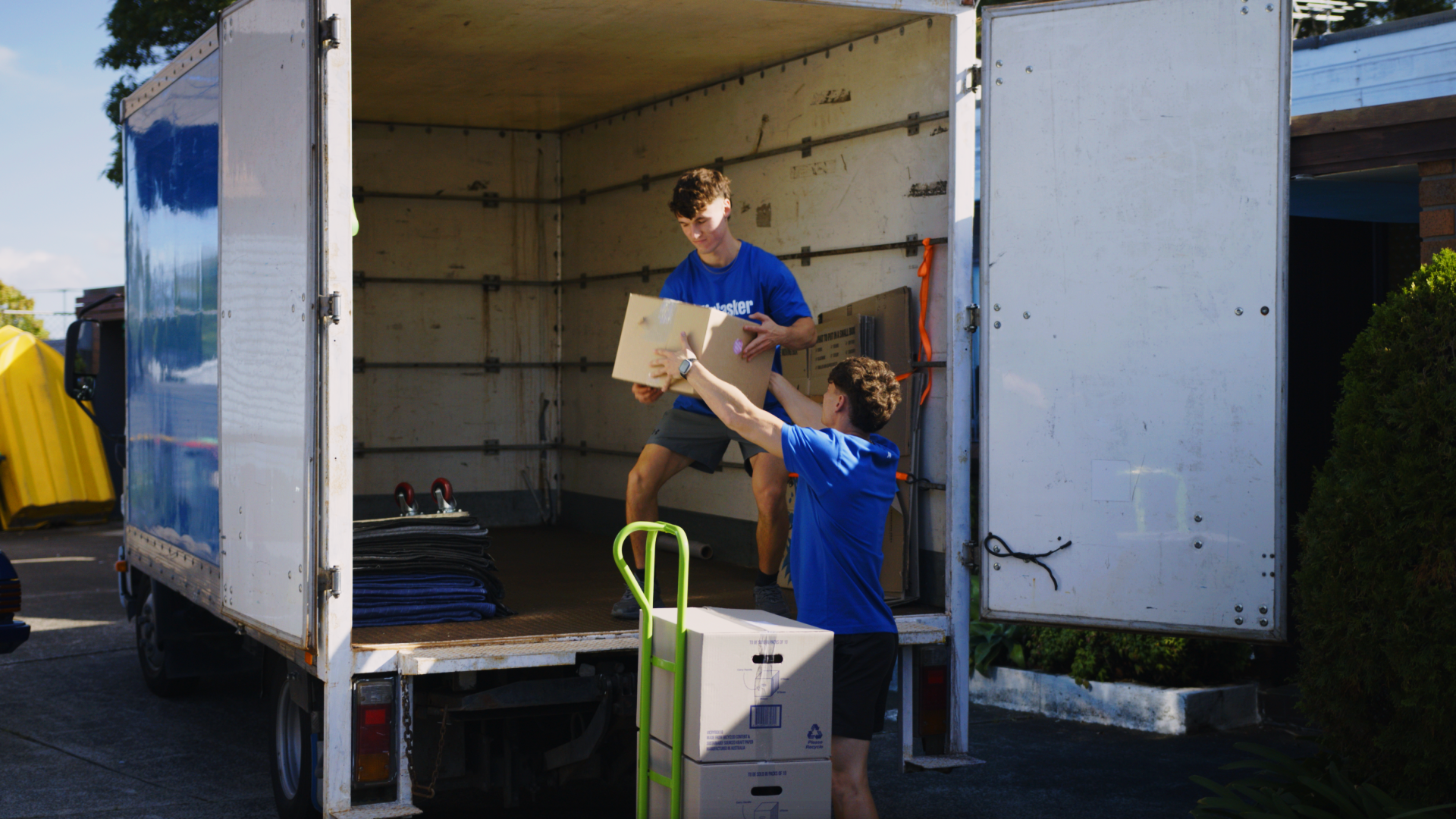
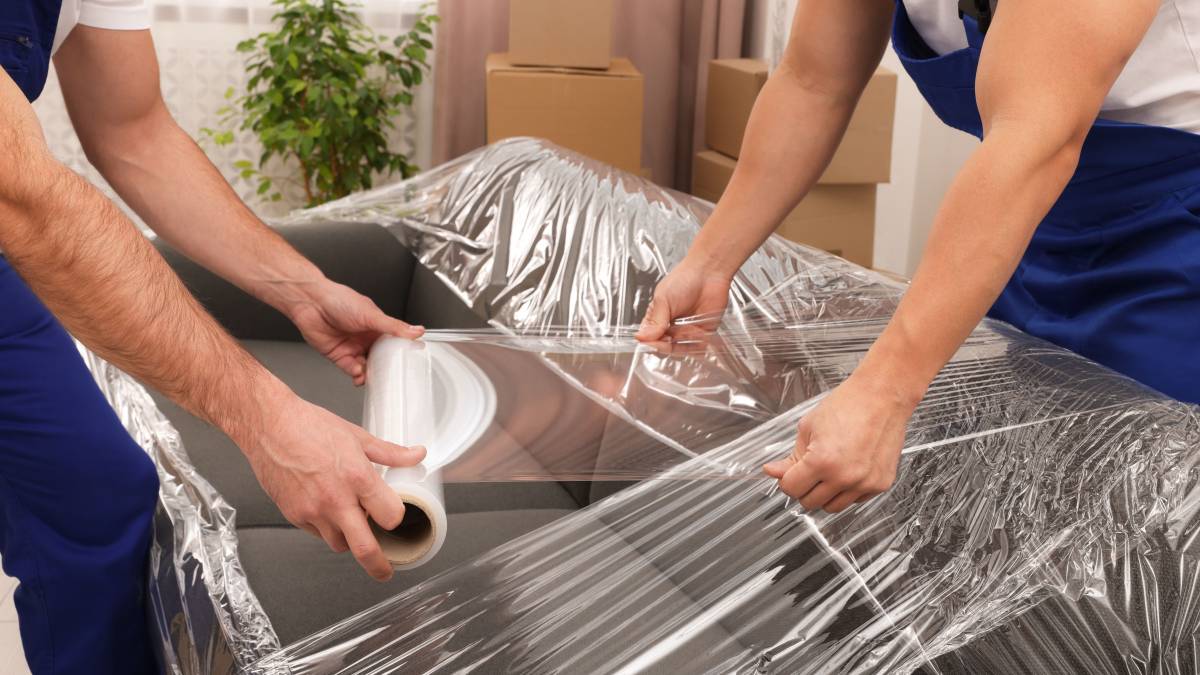
If you hire a moving team, they’ll take care of covering all fragile furniture with blankets and plastic wrap to ensure everything travels safely.
Art prints/paintings
Avoid using newspaper, as it contains inks and acids that can ruin the artwork. Instead, use packing paper or craft paper as a wrapper, but do this after dusting off the art prints and paintings to keep them in good condition. Don’t forget to also use foam or cardboard corners for added protection.
Alternatively, you can use bubble wrap, but make sure to add a fabric roll or tissue paper in between because the bubble wrap can leave imprints or cause corrosion on the artwork.
Jewellery
Keeping your jewellery in its original box is best, but if you’ve already thrown them away, you can use jewellery rolls as an alternative. These boxes are lined with foam and felt to help protect your accessories from scratches and dents. They also feature separate pockets or zipped compartments for each piece, minimising tangling and rubbing.
Important: Always keep your jewellery in a handbag or purse with you, especially for high-value items. But if you have an extensive collection, you can pack them in a small moving box labelled ‘fragile’.
Step 3: Place items inside the box
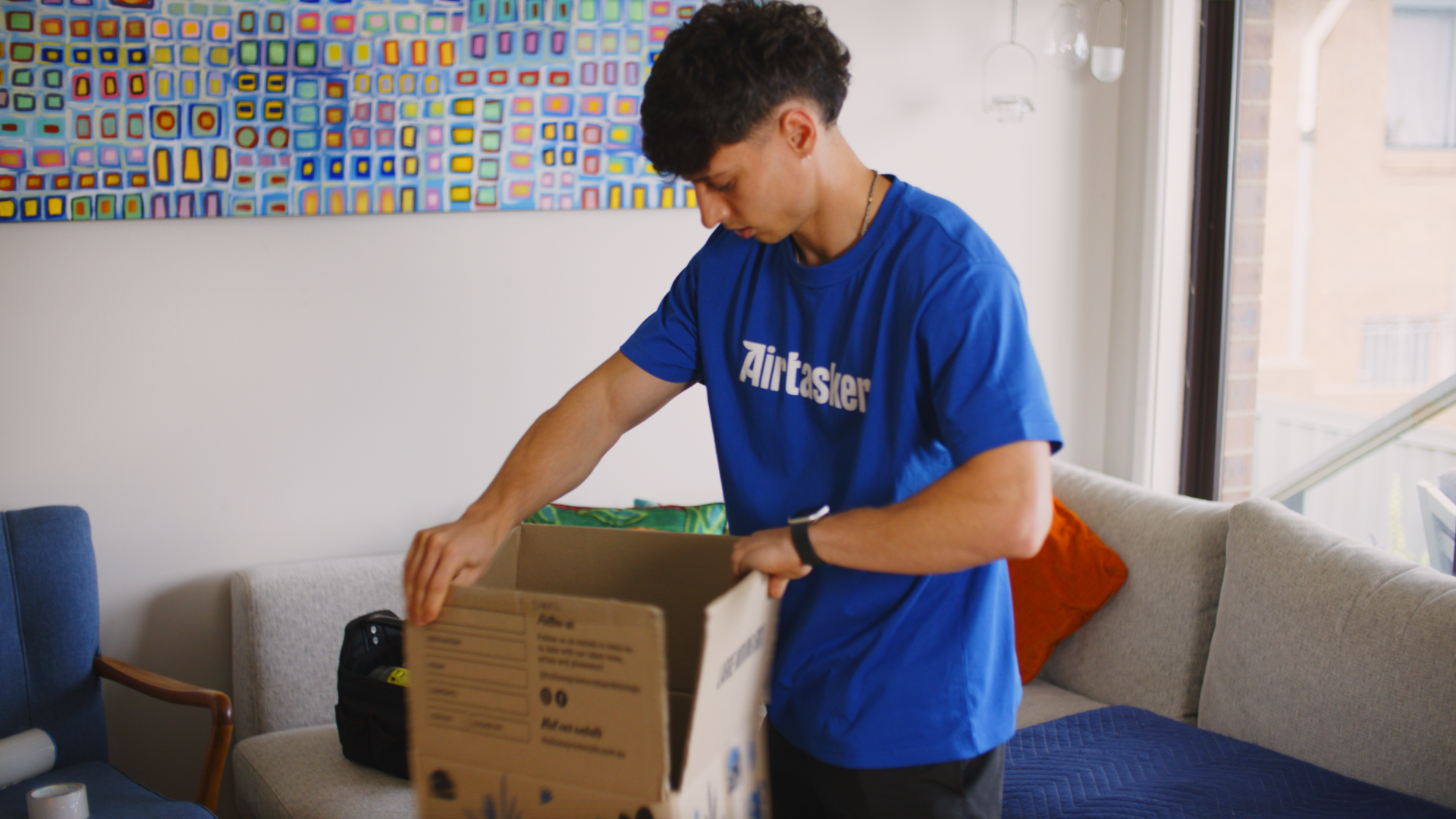
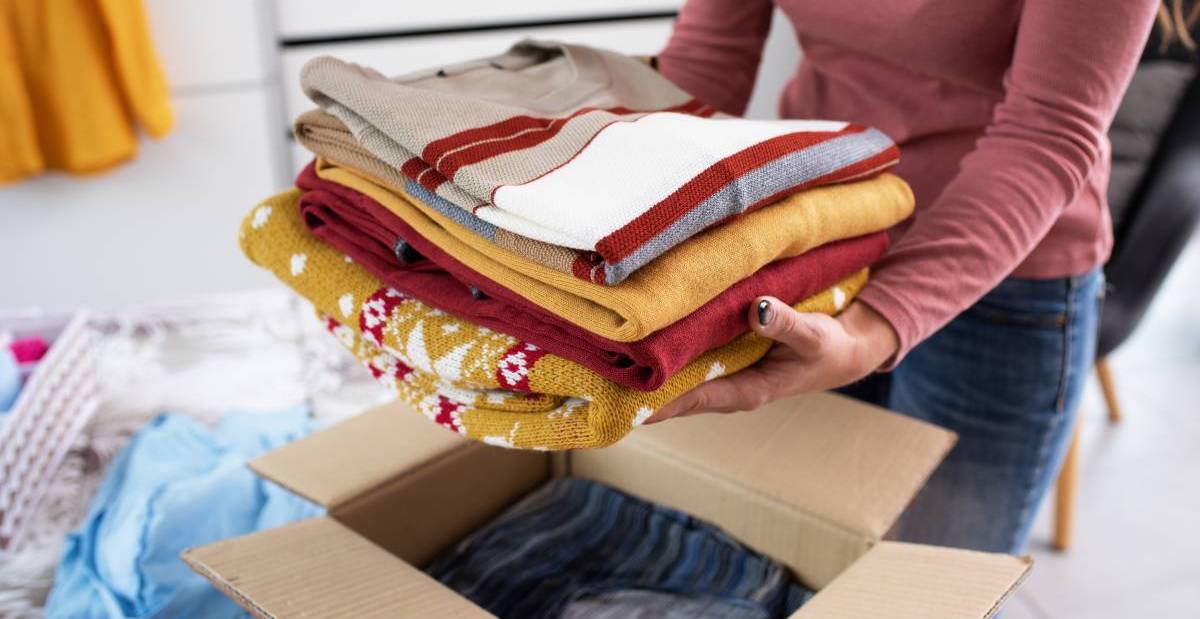
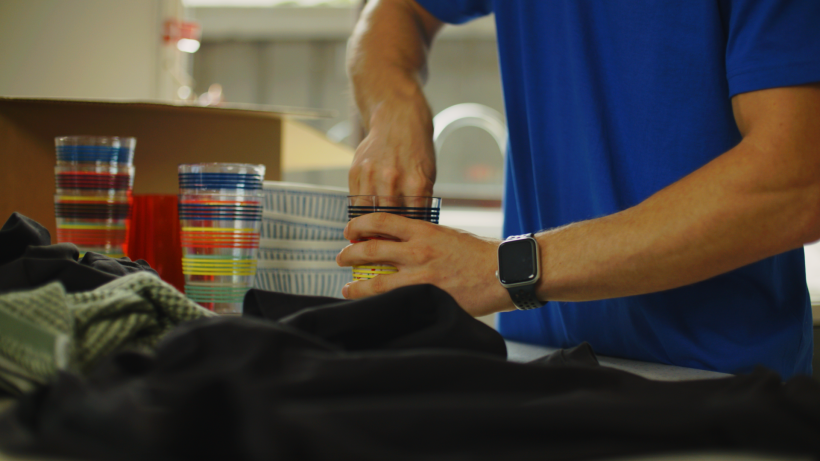 Use towels or fabric for extra cushioning and protection.
After wrapping your items with protective material, it’s finally time to pack them up. Pack the items from heaviest to lightest while limiting the weight of the box to no more than 14 kg. Mugs and glasses should be placed rim-side down and, if possible, within box dividers. Use cardboard sheets between each layer to avoid stacking them directly atop one another.
For flat items (e.g., mirrors and glass frames), place them inside the box vertically. This ensures they won’t slide off each other when carried or in transit. Insert crumpled paper or packing peanuts between rows of items, so they don’t move around. Additionally, leave some extra space on top of the items.
Use “packing nests.” Place smaller items inside larger ones, e.g., a mug inside a bowl, separated by crumpled paper or foam. This way, you can make the most of the box space and add double cushioning for your fragile items.
Step 4: Fill in the extra space
With your items firmly in place, look for areas in the box with extra space. Use crumpled paper or packing peanuts to fill these spaces. Lastly, add a few layers of bubble wrap on top of the items to cushion the upper side of the box.
Step 5: Close and seal the box
Once no free space is left in the box, it’s time to seal it. Using the packaging tape, close the box and tape over the seams, flaps, and corners. After, use a marker to label the box as “Fragile.” This lets you and the movers know to handle the package carefully.
Common mistakes to avoid when packing fragile items
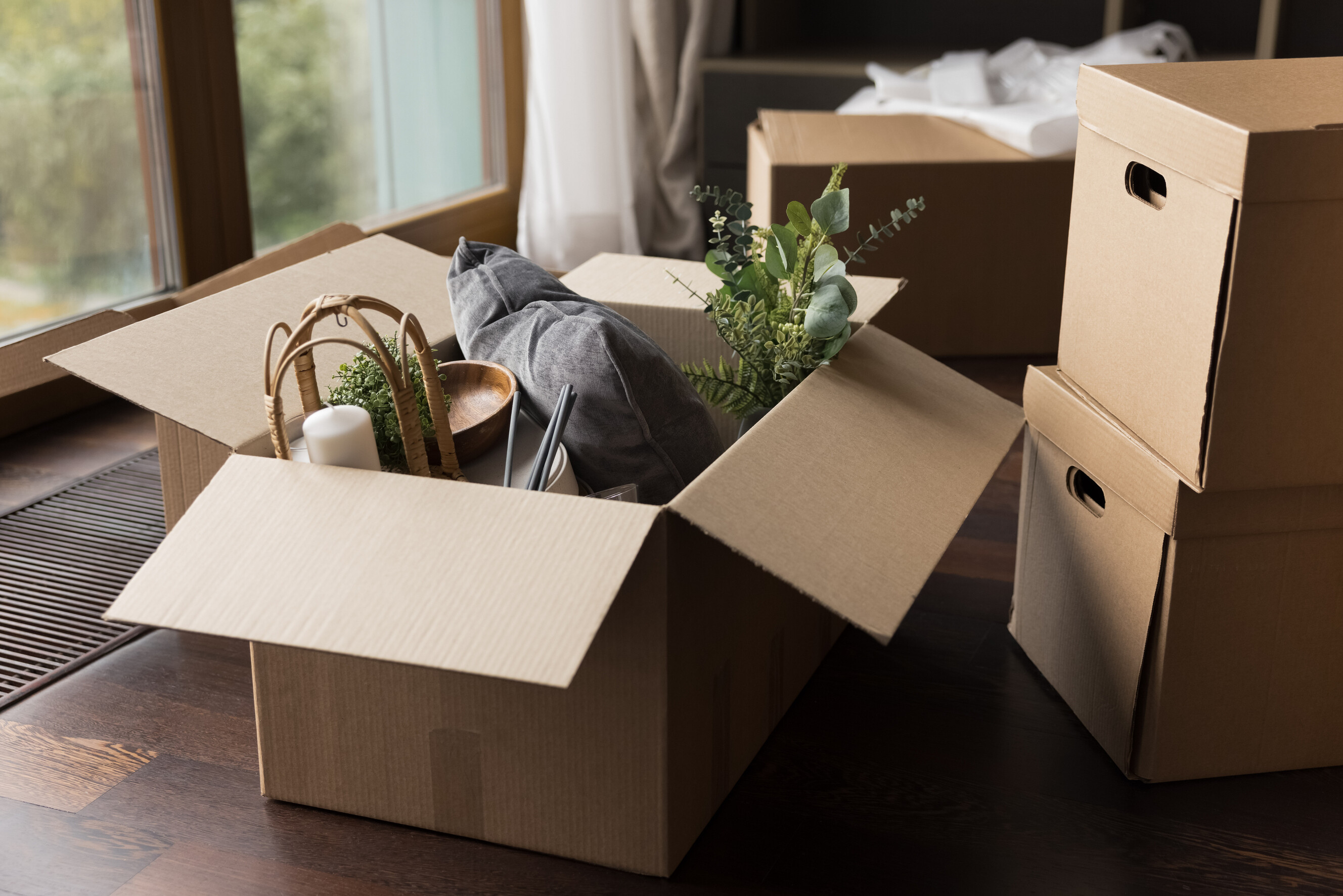
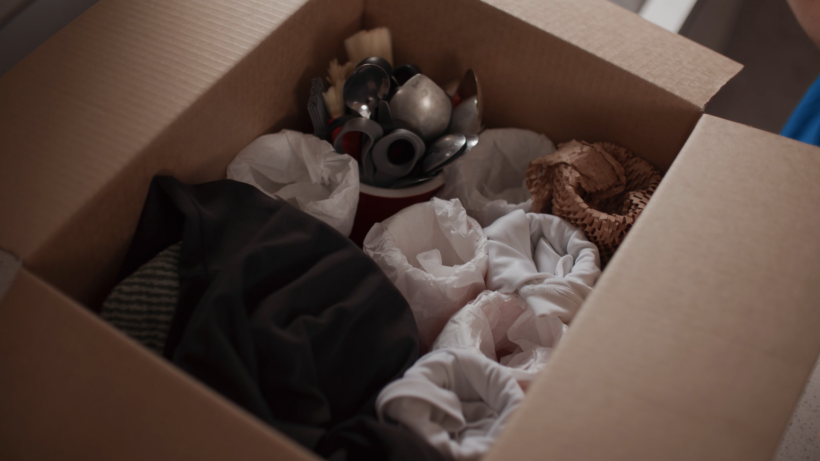 A moving box with silverware and kitchen tools.
Be mindful of these errors to ensure a safe relocation of your precious belongings:
- Overpacking boxes: If a box contains too many heavy items, damage and delays are likely. Fill the boxes correctly and distribute the weight to prevent accidents and ensure an efficient move.
- Using old, weak cartons: They lack the rigidity and strength to protect your items against crushing. Ideally, high-quality moving cartons should be used, but you can use and repurpose old cardboard boxes, as long as they’re sturdy enough to carry and protect your items.
- Leaving gaps or empty spaces in boxes: If a box is too big, the items inside can shift and break easily. Fill every spot in a box with pillows, blankets, towels, or crumpled packing paper to cushion the items inside.
- Incorrect item orientation: Stacking framed artwork horizontally can cause glass to crack and frames to warp. Always pack fragile items, especially artwork, vertically standing up in the box, rather than laying them flat.
- Overlooking temperature and humidity damage: Oil paintings can crack if exposed to cold temperatures. Likewise, high humidity can cause them to blend or split, so it’s crucial to use humidity control packets and temperature monitoring devices to avoid this during the move.
- Leaving packing until the last moment: Mistakes can happen if you rush packing, so plan and prepare in advance to safeguard your belongings.
- Seal liquid products properly: Anything containing liquid should be sealed tightly to prevent leakage. If there’s an already opened bottle, secure it with plastic wrap to minimise liquid loss in case it tips over.
Move with ease, even with fragile items
Now that you know how to pack fragile items for moving, your wine glasses will stay intact in the moving van. That said, moving can still get stressful if you handle everything alone.
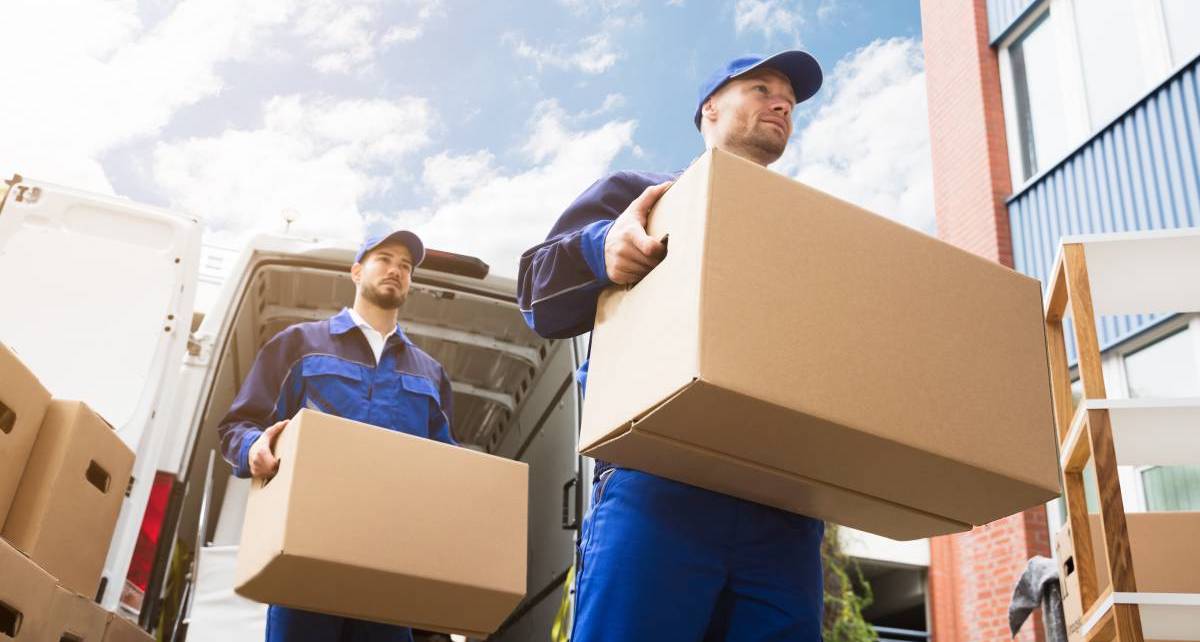
Do you need help transporting appliances or even packing up your things? You can always hire a professional removalist on Airtasker to get the job done! Post a task and get a fair quote on your needed moving help.
Learn more about our contributors
Written by Chin S.
Staff Writer
Chin is a passionate hobbyist writer with a love for gardening, home improvement and beauty. She enjoys nurturing her small indoor plant collection, redecorating her space and exploring all things beauty. Through her writing, she shares her journey and tips for fellow enthusiasts.
Reviewed by Theo T.
Expert Removalist
Theo is the co-founder of KangPack Removals. He owns this business with his brother, and now it is one of the most trusted moving services in Sydney. With extensive experience in the field, he has helped hundreds of families with local and interstate relocations, ensuring each move is efficient and safe. His knowledge and commitment to quality service have established him as a true expert in the Australian moving industry.
The Reviewer Badge is awarded to individuals who are experts in their respective fields and evaluate the content to ensure its accuracy and relevance to the task at hand.
FAQs on packing fragile items
The best material is packing paper—it can be used for everything. You can crumple it into a denser ball for greater protection or make it looser for items that aren’t as fragile.
Though it’s recommended that you use bubble wrap for fragile packages, you can also use other packing materials. Packing peanuts, old newspapers, and even towels are readily available substitutes. Foam and honeycomb kraft paper can also be used but may be harder to find.
Find packing and unpacking services, fast
Find a packing and unpacking service
Related price guides
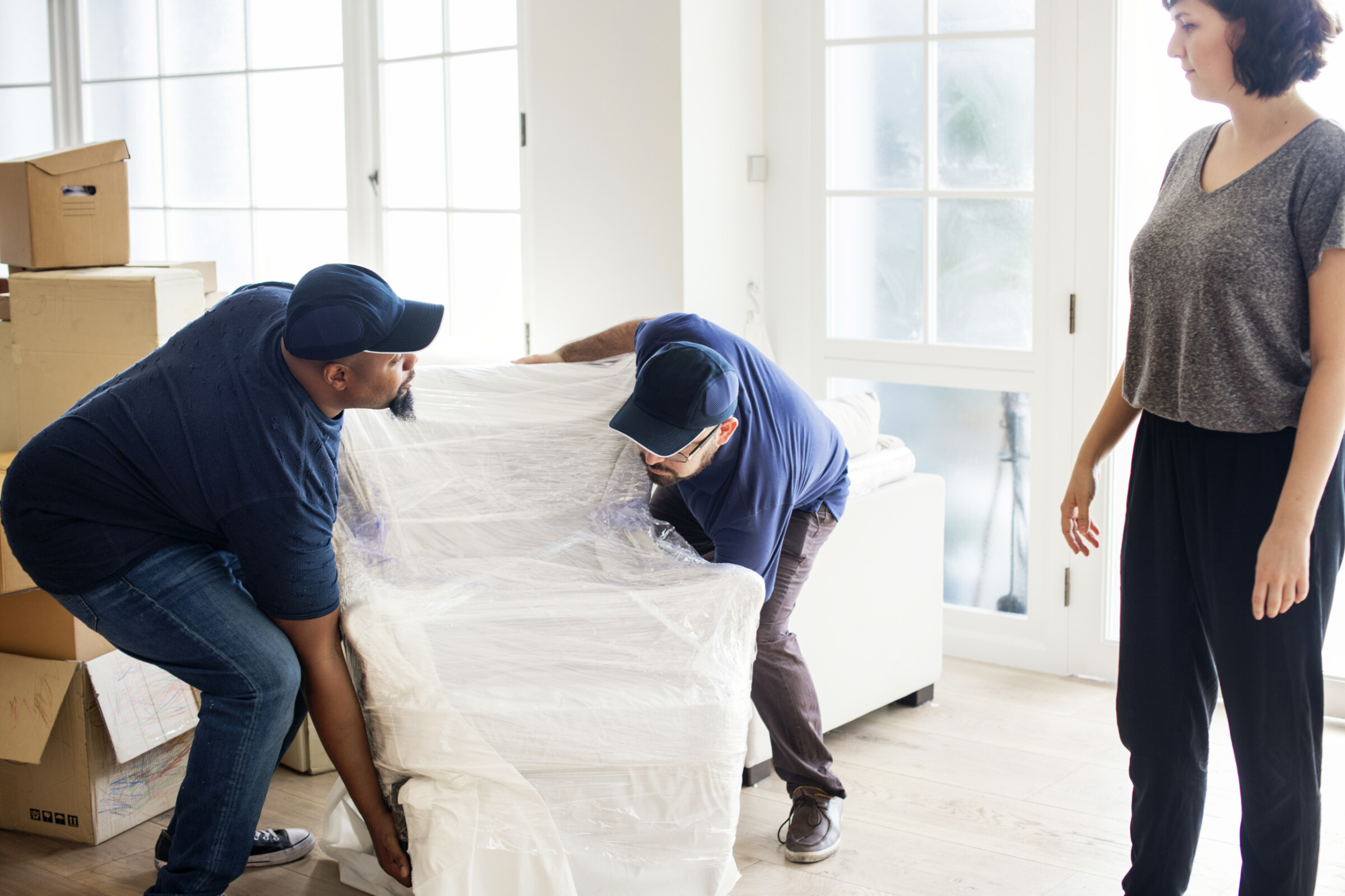
How much does it cost to move house?
Read more
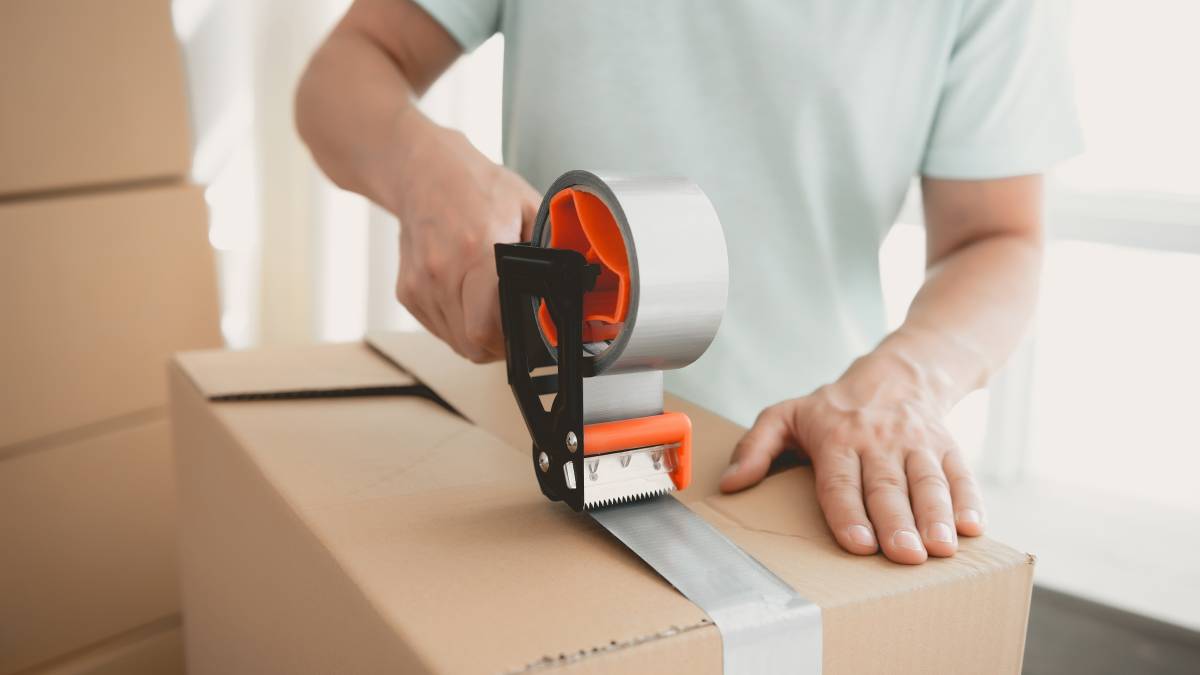
How much do packers cost?
Read more


Related articles
How much do removalists make?
Read more
How to move gym equipment safely
Read more

Moving interstate checklist
Read more
Moving to Brisbane
Read more
A guide to becoming a removalist
Read more
Moving Checklist
Read more
How to pack books for moving
Read more
How to pack kitchen items
Read more
How to pack artwork for moving
Read more
How to move a washing machine
Read more
How to move a shed
Read more

How to move a pool table
Read more
How to move a vending machine
Read more
How to pack bedding for moving
Read more
Moving a fridge: How to do it right
Read more
How to move a pinball machine
Read more
What removalists won’t move
Read more
How to wrap furniture for moving
Read more

Tips for moving house with kids
Read more