- Home/
- Guides/
- Packing & Unpacking/
- How to Pack Boxes for Moving
Make moving a breeze: Learn how to pack boxes like a pro
Don’t let the move scare you! Use this guide to help you make packing boxes as easy as pie!
Last Updated on

Written by Chin S.
Staff Writer


Reviewed by Theo T.
Expert Removalist
Read more about our contributors
Key takeaways:
- Packing efficiently starts with having the right tools, such as boxes, tape, butchers paper, bubble wrap, labels, and markers, to keep belongings safe and organised.
- Sorting and decluttering before packing helps reduce workload and makes unpacking smoother.
- Avoid overfilling or underfilling boxes to ensure safety, easier handling, and better protection for your items.
Moving day can be a bit of a hassle for many. It’s a time-consuming and stressful process, especially if you’re not getting the help of professional removalists. But don’t stress, as proper packing can make things a lot more efficient and less of a headache.
That’s why we’ve put together this guide on how to pack your boxes for moving. With this guide, you can rest easy knowing your belongings will be safe and protected during the journey. Whether you’re moving just down the road or across the country, our guide will help you pack like a pro and make your move a breeze.
Tools you’ll need to pack your boxes properly
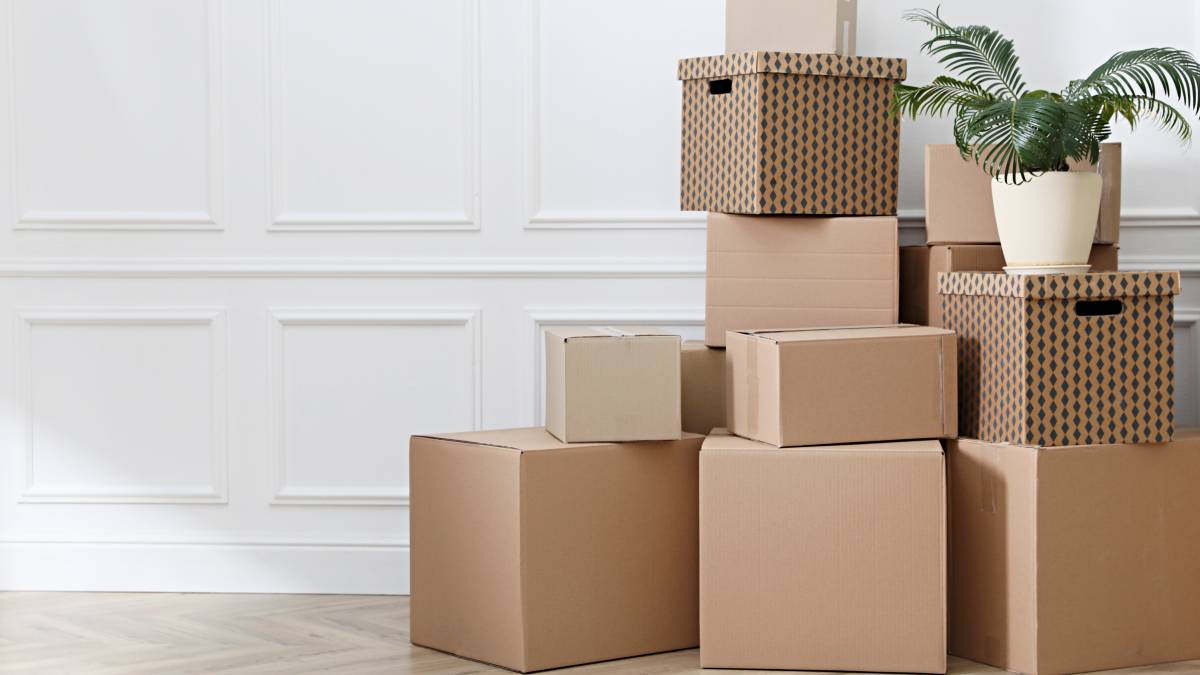
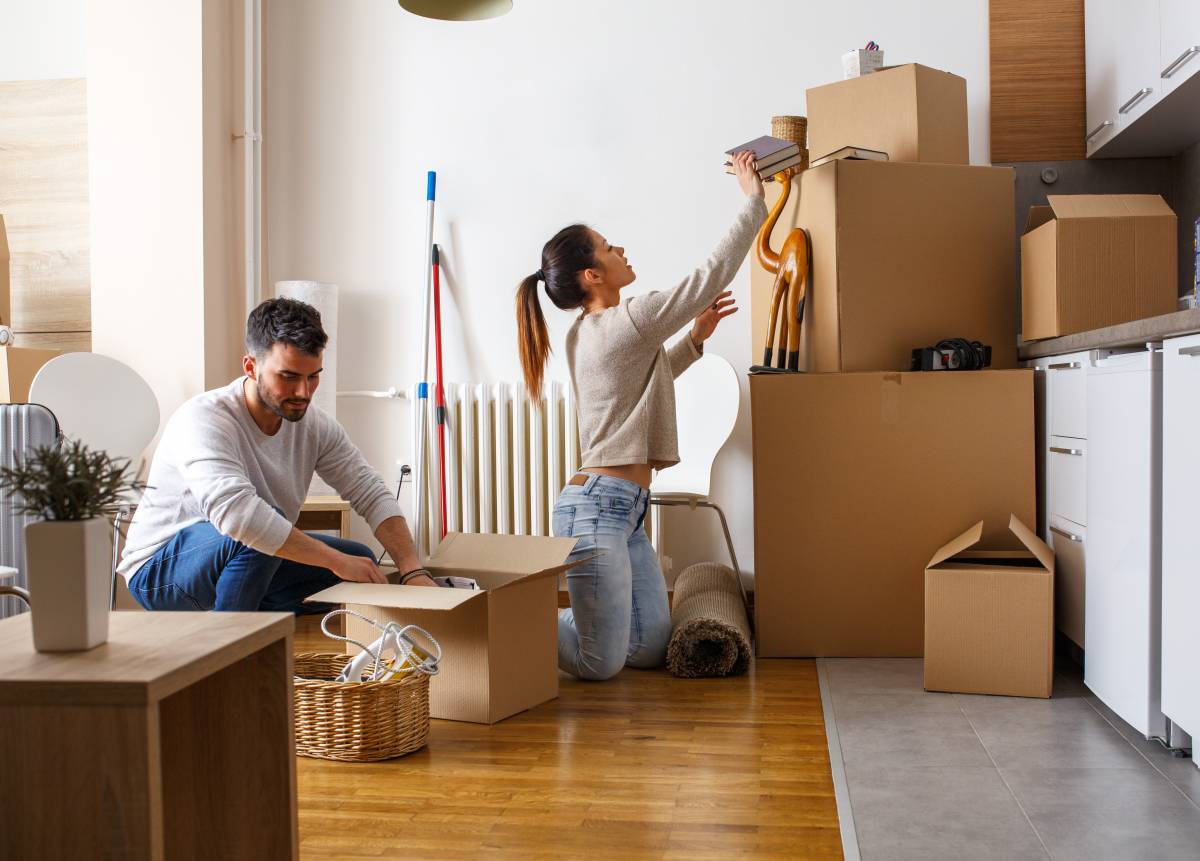
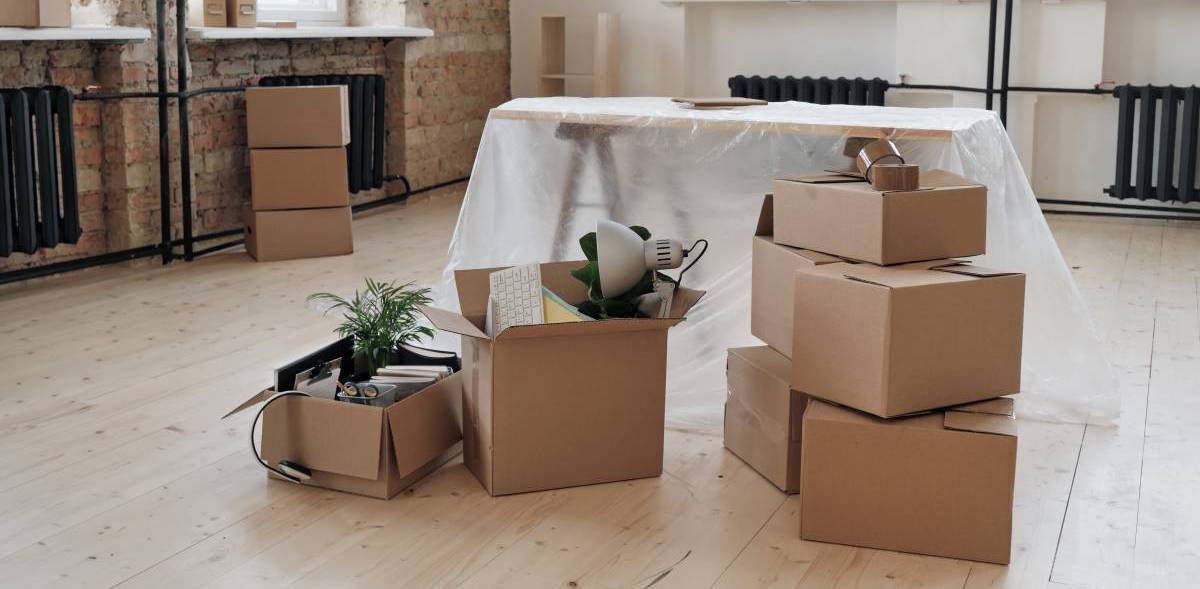
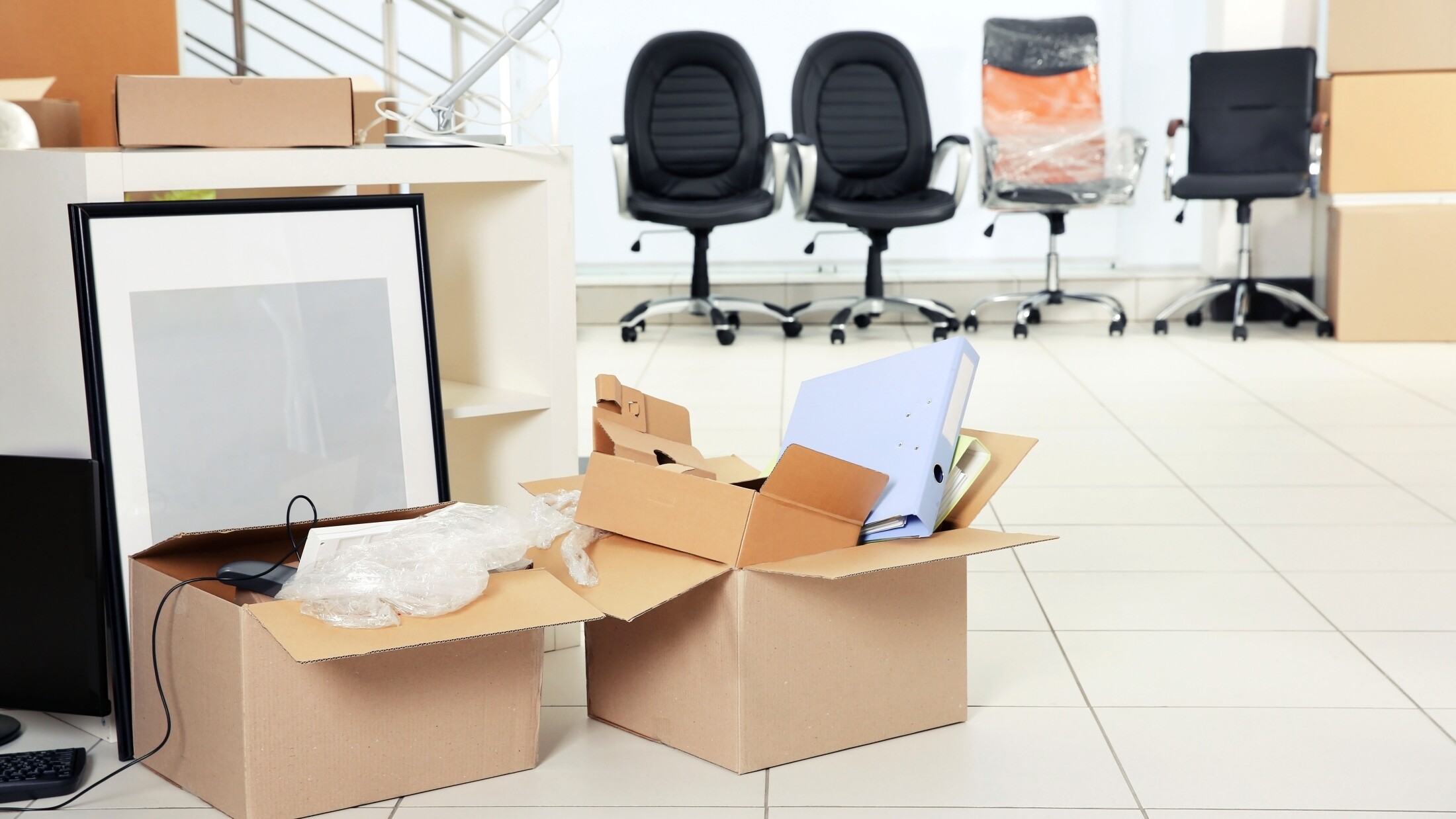
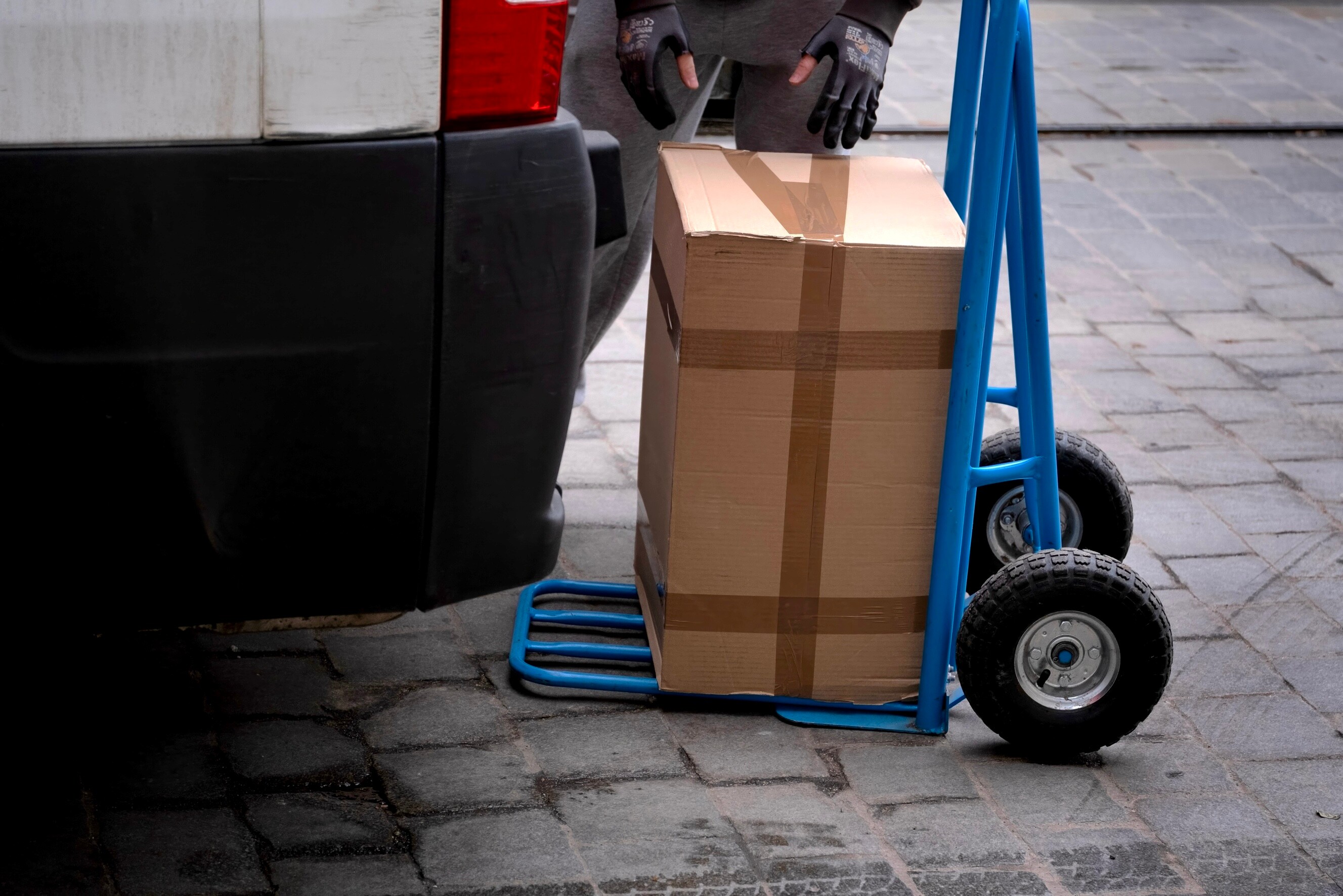
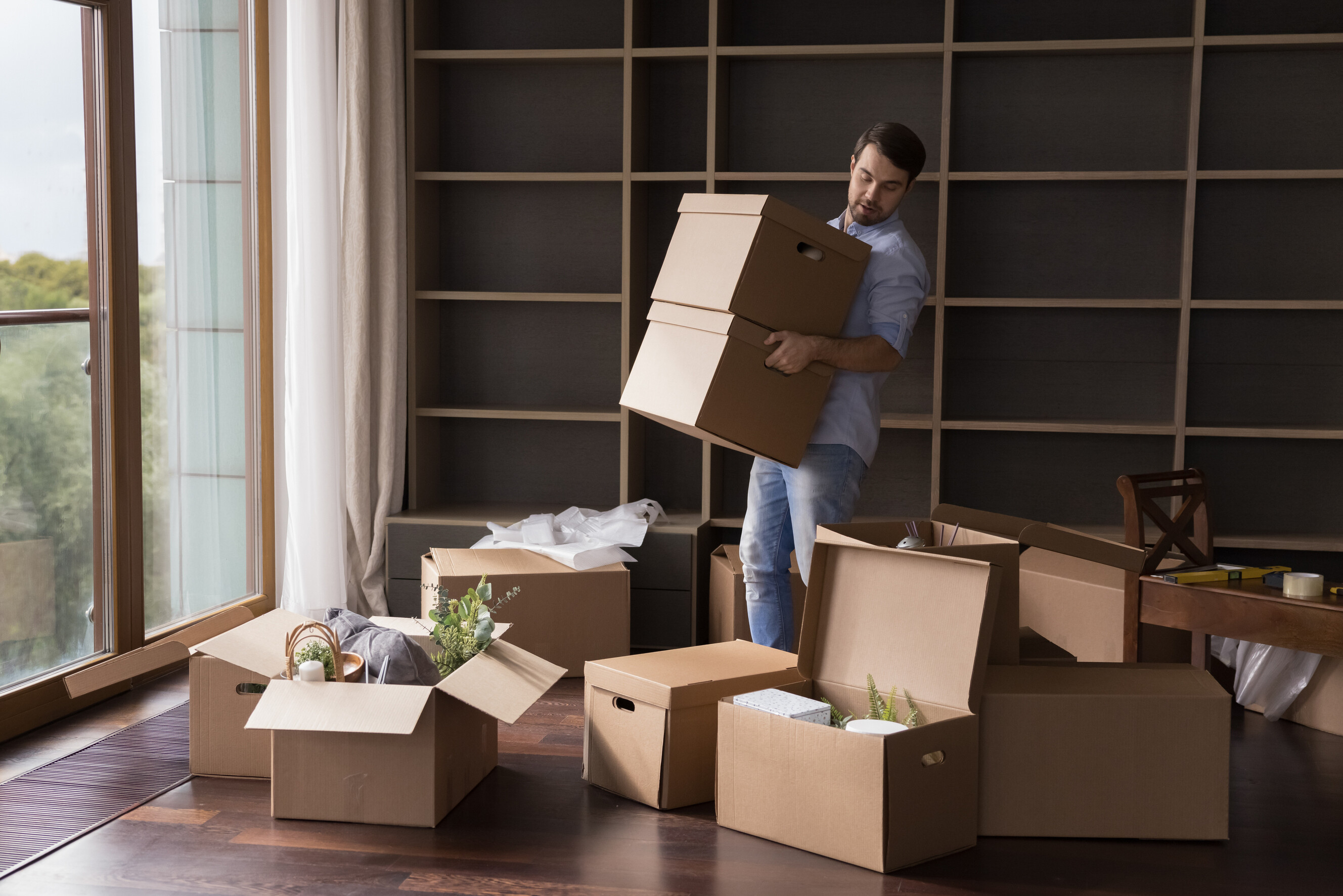
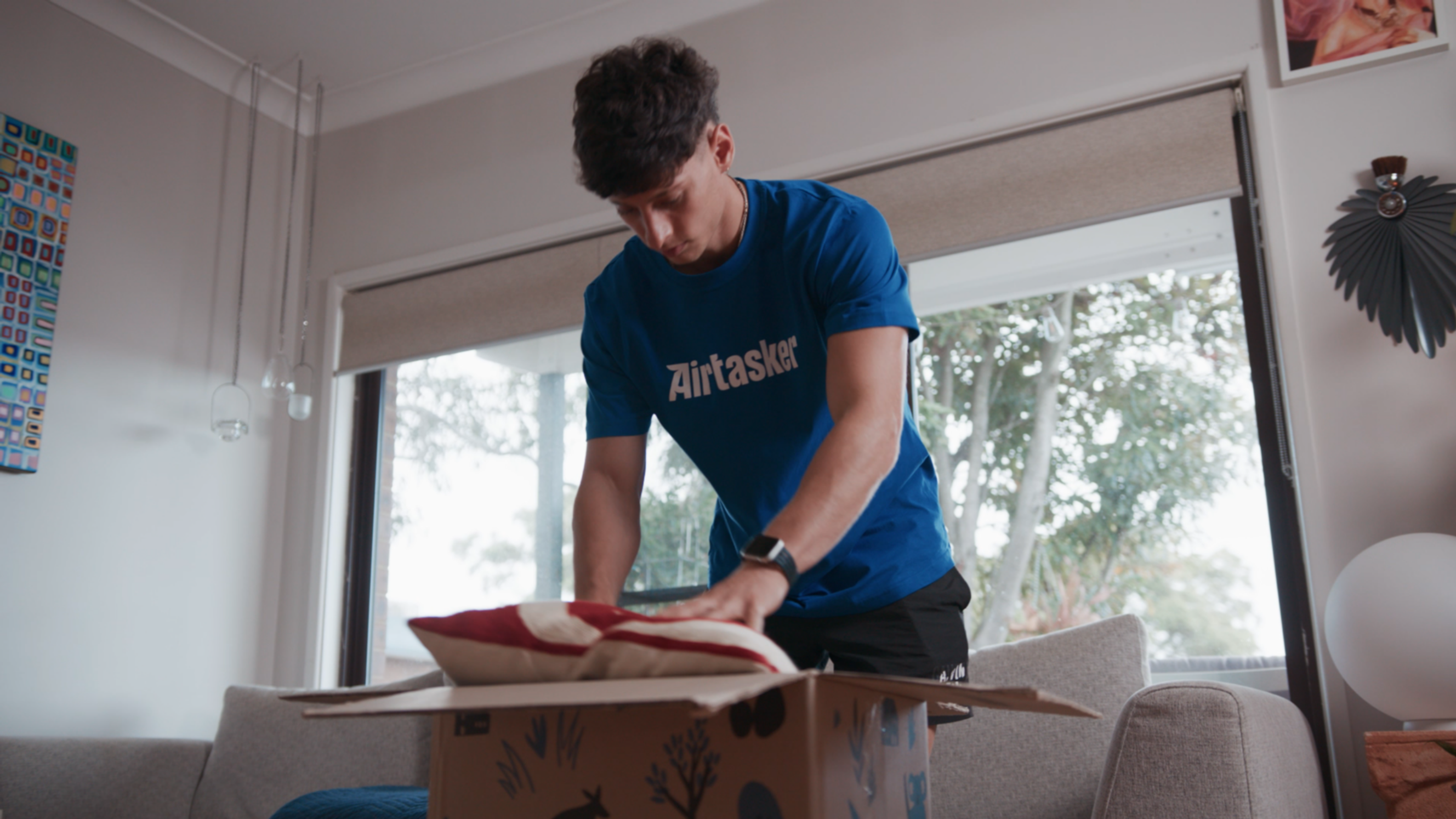
 Preparing items for packing.
Before you begin, gather these materials for a sturdy, damage-free move.
Boxes of different sizes
Packing tape
Packing paper
Bubble wrap
Markers
Labels
Scissors
Box cutter
Dolly
Gloves
When buying packing material, it’s important to know what to get based on how much stuff you have.
For an average 2-bedroom apartment, you’ll need approximately 20 large boxes, 20 medium boxes, and 1,000 sheets of packing paper. For a 3-bedroom apartment, it would be around 30 large boxes, 30 medium boxes, and 1,500 sheets.
How long does it take to pack moving boxes
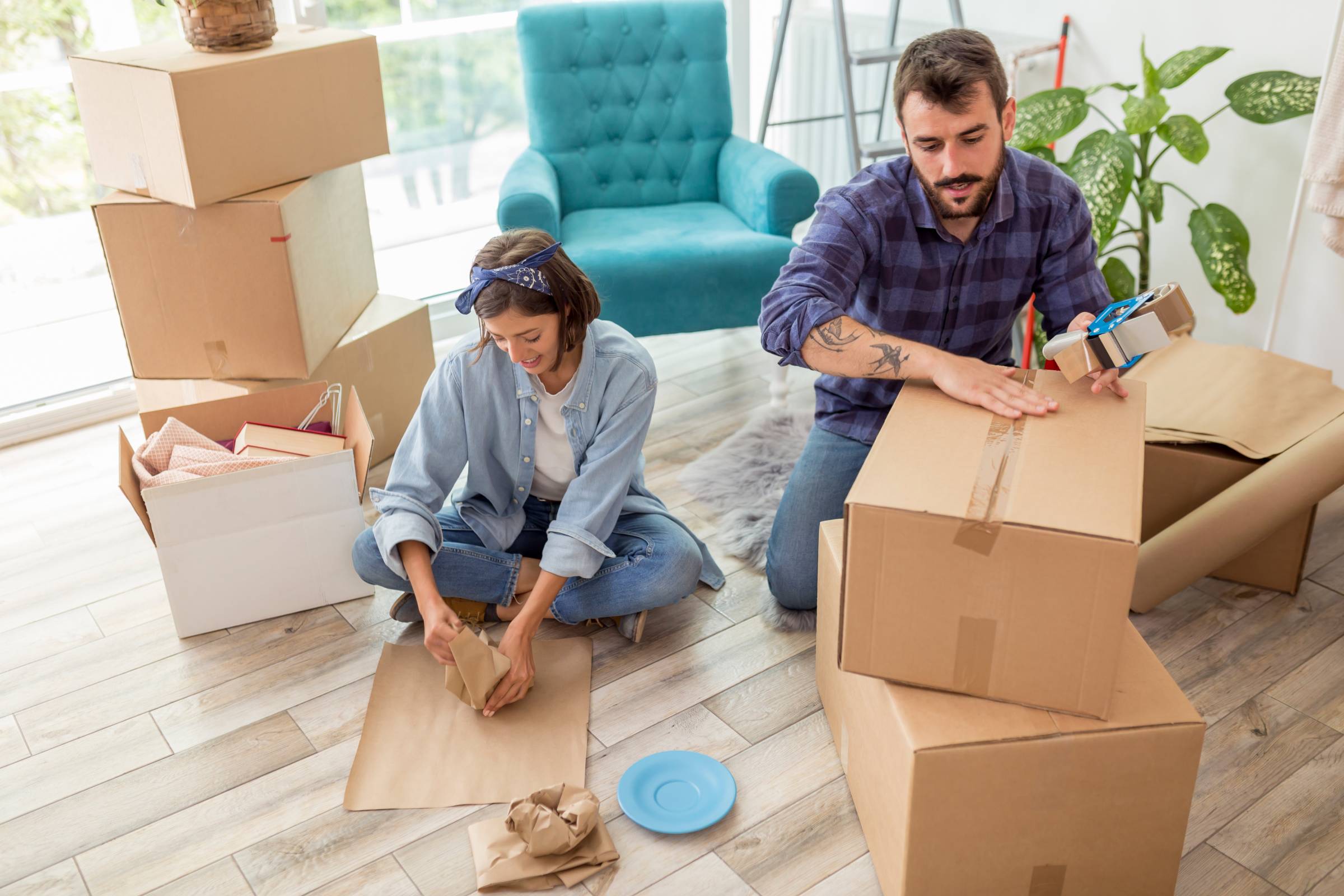
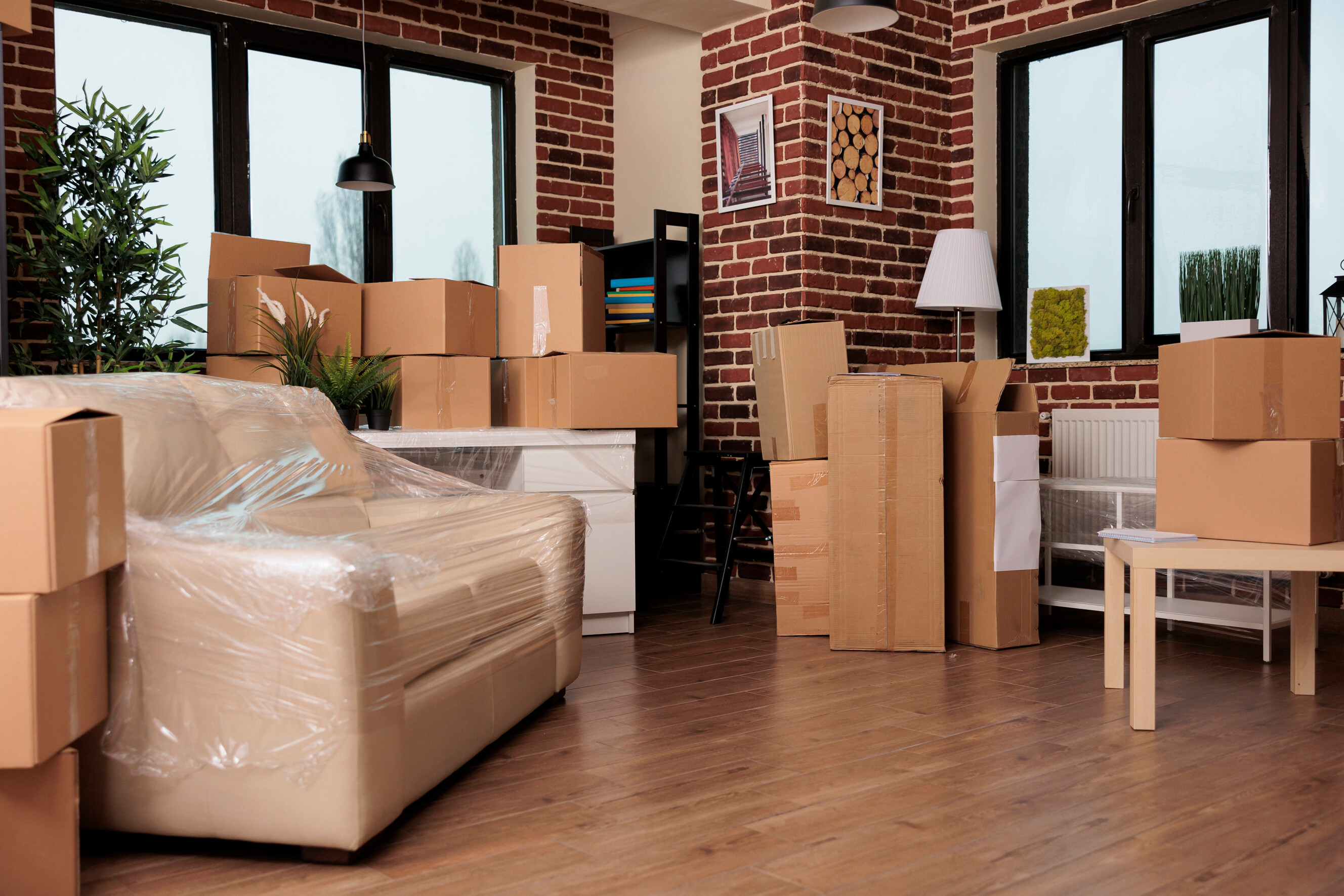
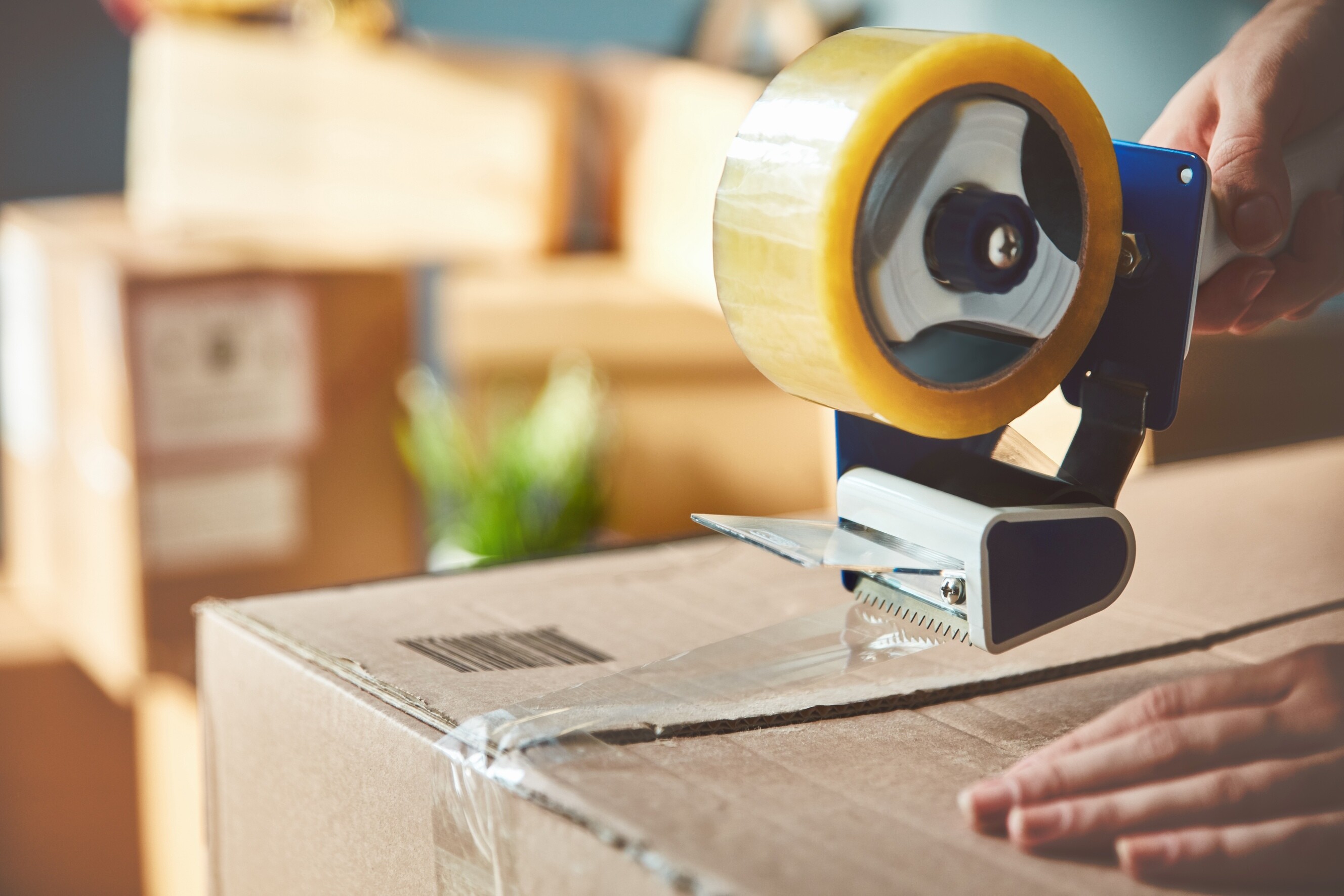
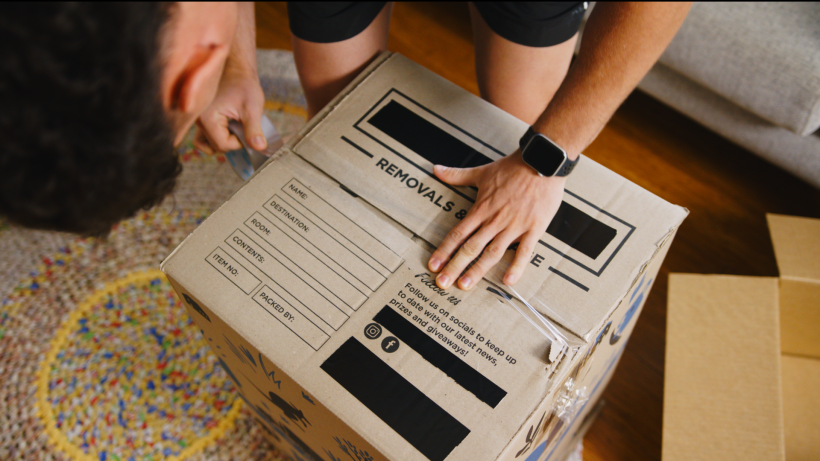 Taping up a moving box.
Packing can take days, especially for households with multiple bedrooms. For instance, packing a two-bedroom house takes three full days doing it alone and without help. Double that amount of work if you have a larger four-bedroom house.
That’s why it's best to do it with more people, with each person taking charge of their own room. This will make unpacking easier since they’ll know where everything is later.
If you don’t have enough time to pack by yourself, the best thing would be to hire removalists to do the packing the day before the move, so that everything is well-organised and ready to load onto the truck the next day.
A step-by-step guide to packing moving boxes
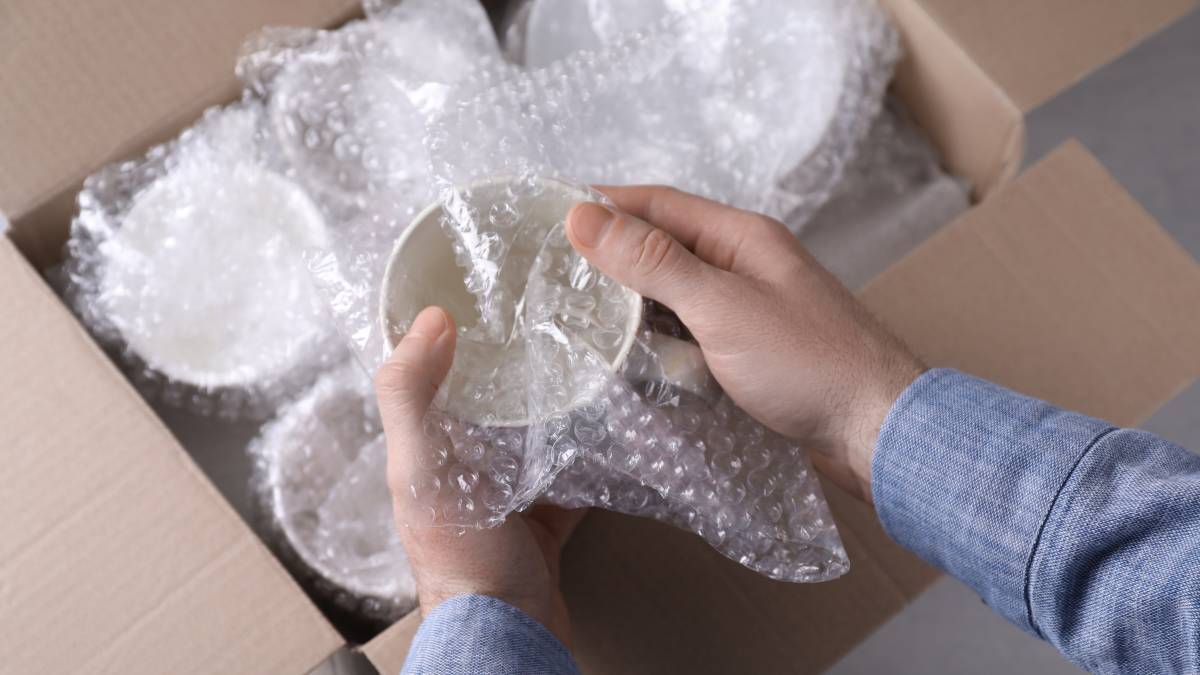
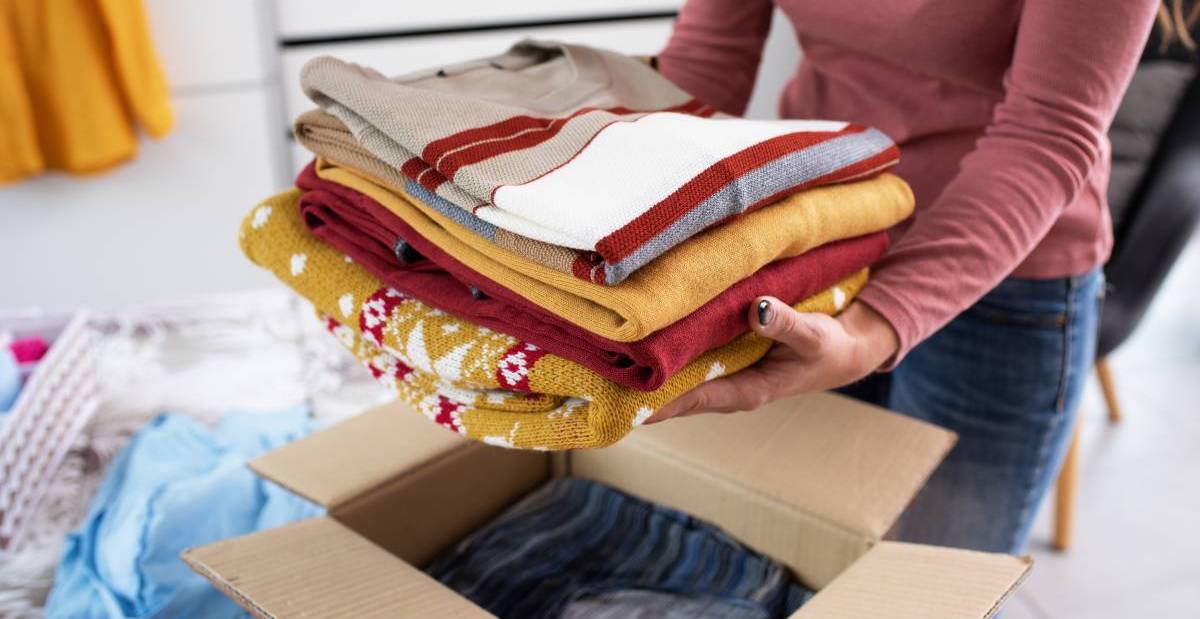
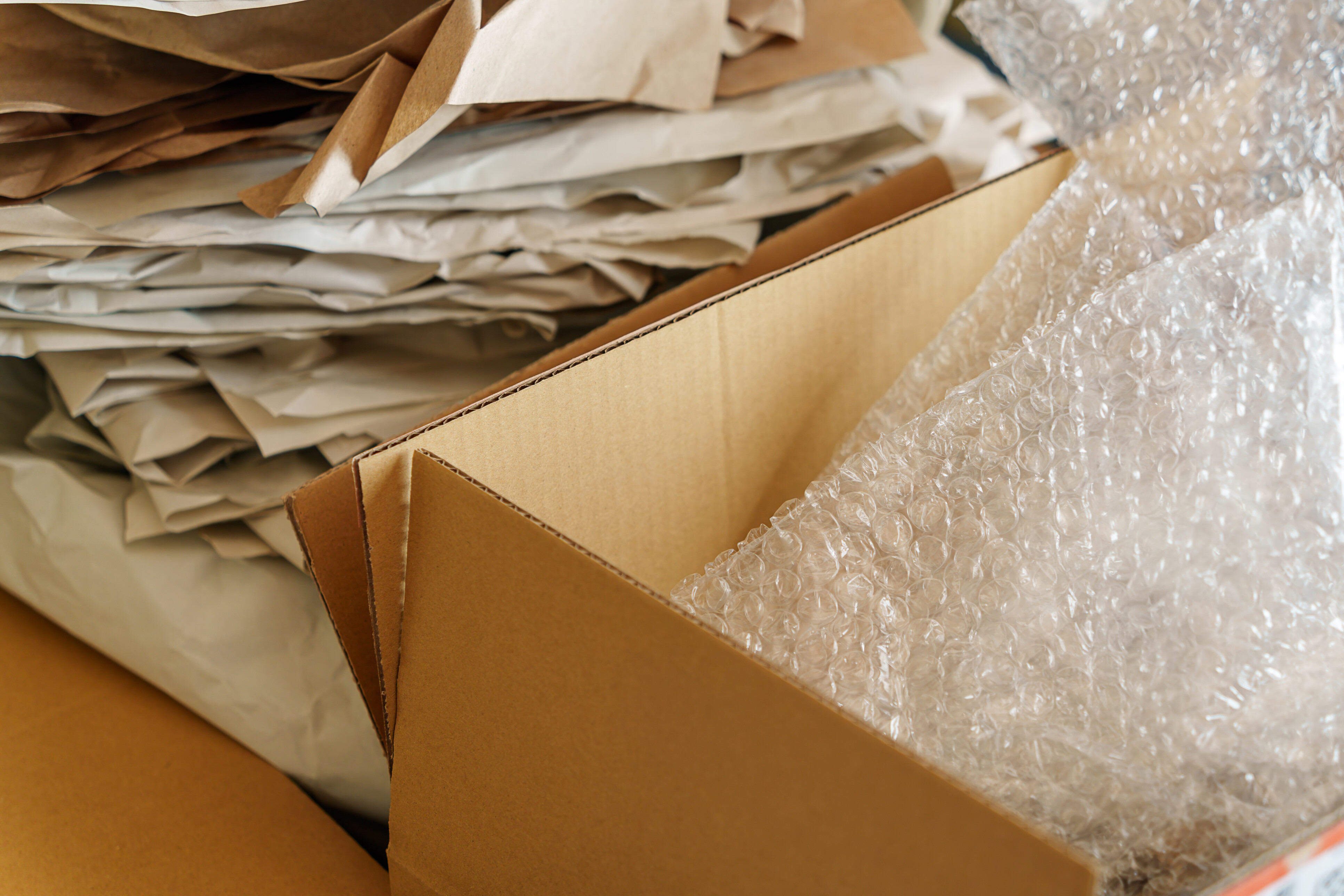
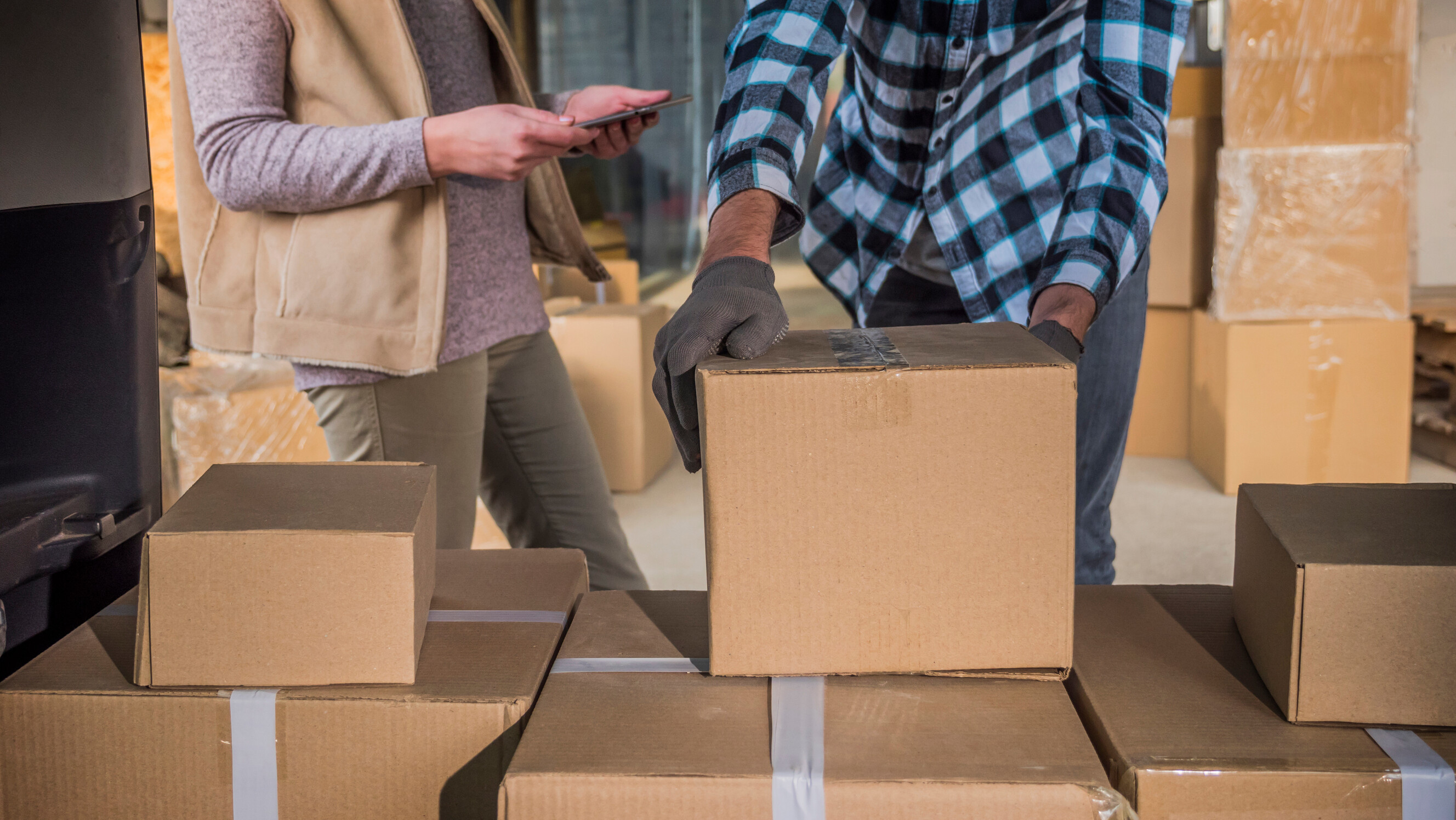
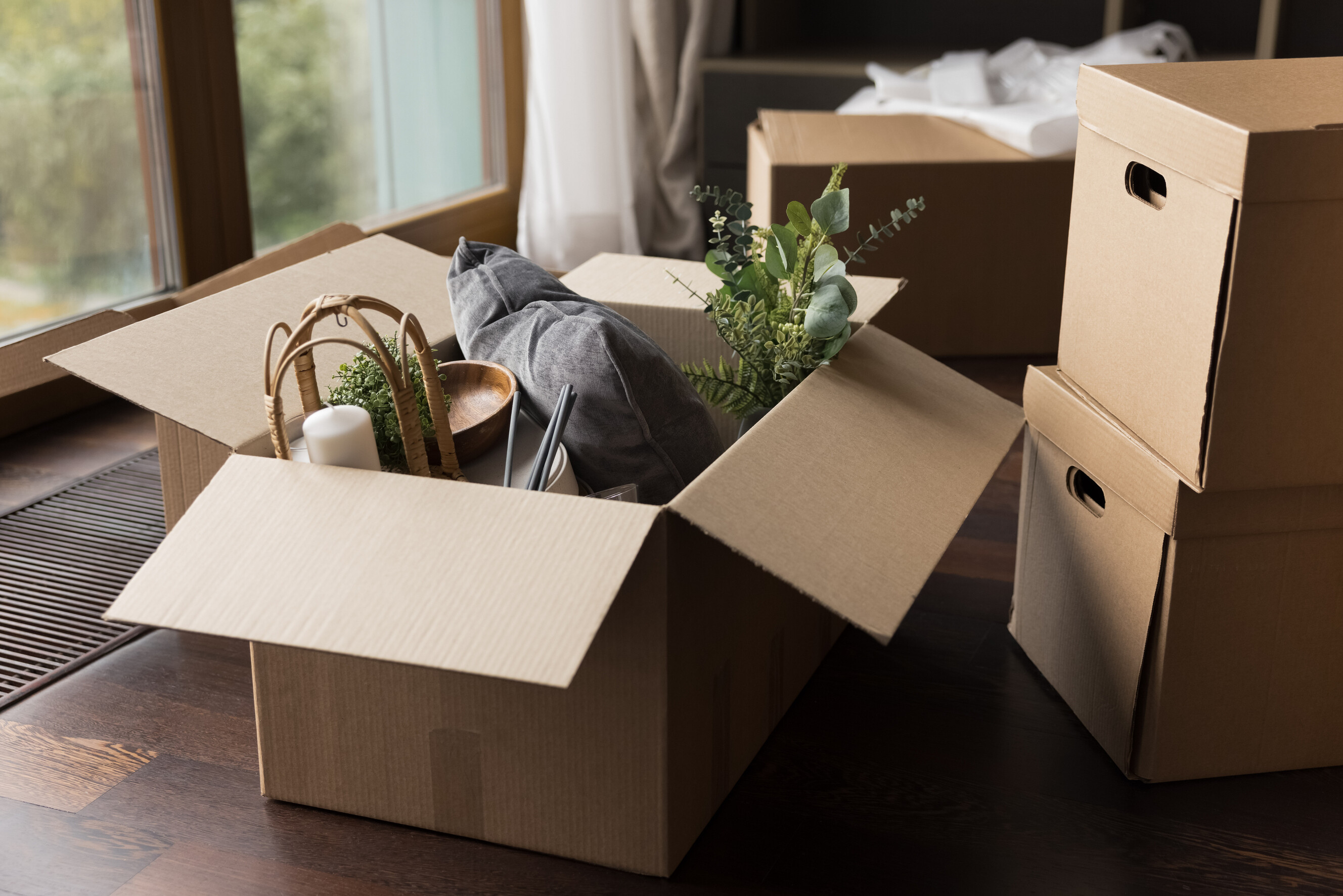
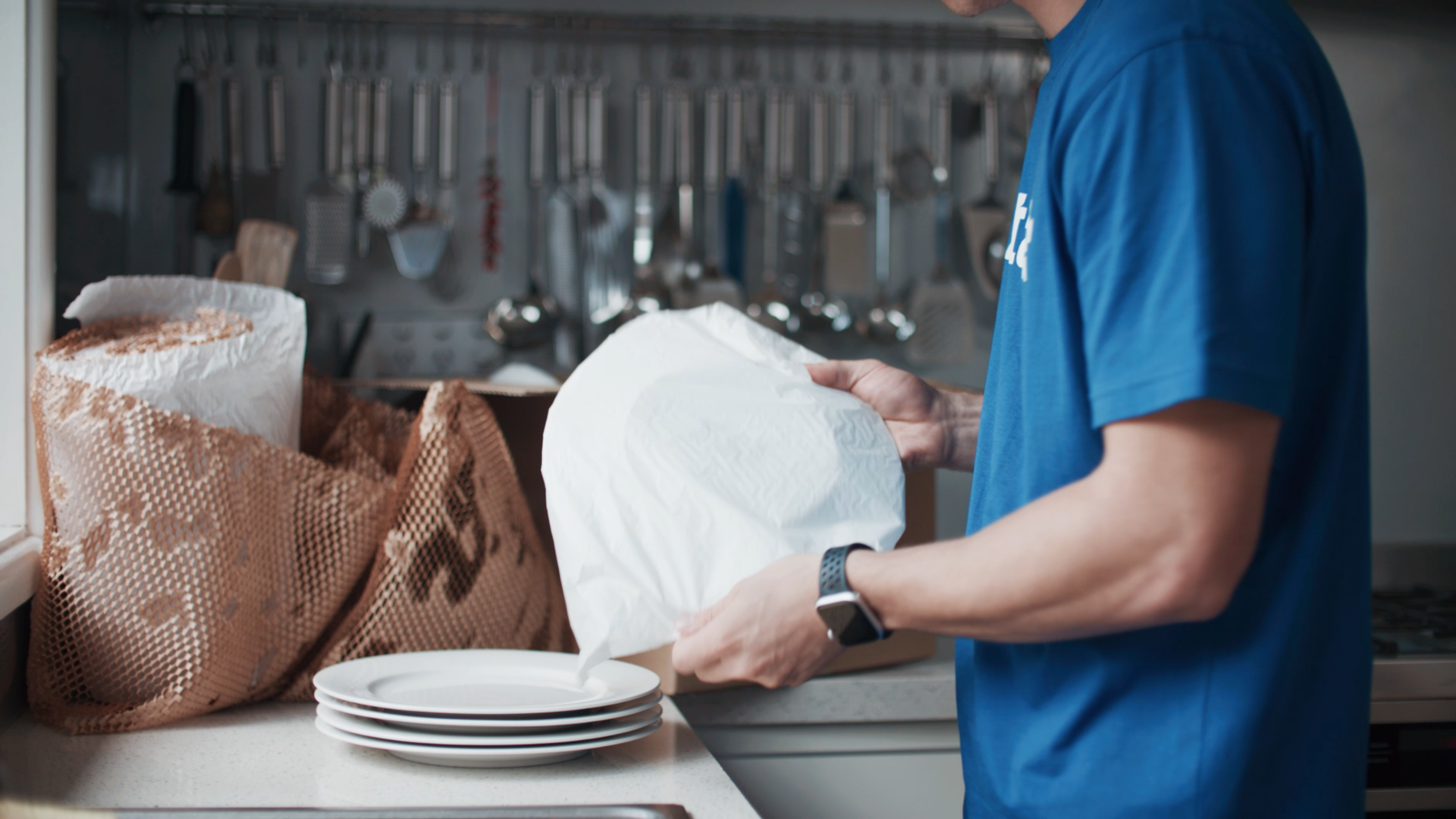
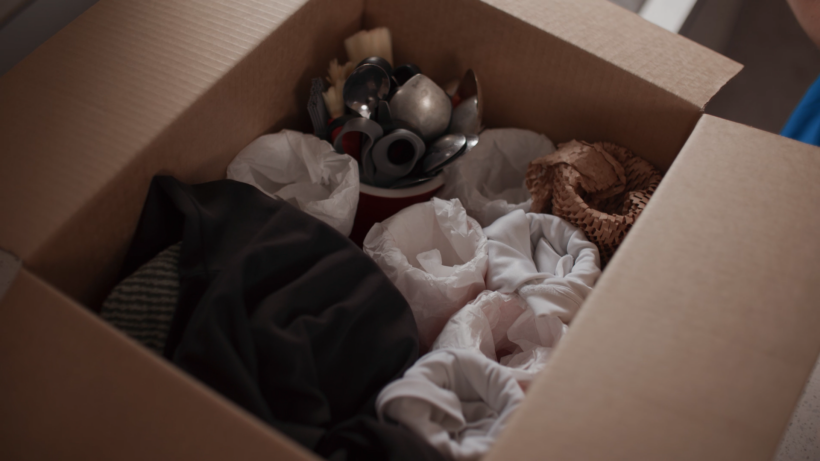 Belongings inside a moving box.
Step 1: Make sure you have the right packing materials
Don't leave it to the last minute to run to a store for supplies. Check out the list above to see what you need to pack your boxes properly. It's essential to use quality packing materials to keep your belongings safe during transportation.
Step 2: Sort your belongings
Decluttering before the move helps reduce the amount of packing you need to do. Take a good look around each room in your house and decide which items you’ll keep, donate, or throw away.
Get your label makers or markers ready for this step. As early as now, you can take out some boxes and label them with “Keep,” “Donate,” or “Throw”. This will help keep things organised from the very beginning.
Once you’ve done that, you’ll have a better idea of which valuables you’ll take to your new place and the quantity and sizes of boxes you’ll need for the task. Getting organised is important before you start grouping the boxes for loading.
Step 3: Reinforce and pad your boxes
To reinforce the bottom, apply a strip of tape across the centre seam and then one strip on each side perpendicular to it, forming an ‘H’. Next, add extra cushioning at the bottom using crumpled paper or bubble wrap to help protect the items inside from damage.
Whenever a box is heavy, make sure it’s in good condition and rated for heavy-duty. You don’t want the bottom to break when someone lifts it.
Step 4: Pack room by room
Packing one room at a time is simpler and more logical to avoid items mixing in boxes. This will help you easily arrange your belongings and quickly settle into your new home.
Here are some other helpful tips for a more efficient and stress-free packing:
Label boxes: Create labels to tag each box with its respective room. A brief description of its contents can also help with unpacking later.
Save essentials for last: Pack the items you least frequently use first before the essentials. This way, you can easily access your daily necessities, reducing clutter during unpacking.
Keep valuables with you: Pack documents, jewellery, and other valuables separately, and bring them with you (ideally, in your car) to avoid losing or damaging them during the move.
The clearer the labels you put on the boxes, the easier it will be for the movers to know where to place them. This saves you the time of having to tell them where each box goes, which can be a very tedious process.
Step 5: Pack heavy items in the bottom
Place heavier items at the bottom of your moving boxes to distribute the weight evenly. This makes carrying the boxes easier and reduces the risk of them breaking or collapsing during the move.
Then, place lighter items on top. This way, you make good use of the box’s space without making it too heavy to carry. If you put heavy items on top, they would crush the ones underneath.
If you’re still not quite sure about what to do, you may contact reliable packers and movers to help you box up your things, especially fragile items.
Step 6: Avoid overfilling or underfilling
The most important thing is to make good use of the box’s space without making it too heavy. Boxes should not weigh more than 25 kilos.
Overfilling boxes can cause them to deform and collapse, potentially damaging the items inside. Plus, overstuffed boxes are more difficult to lift and fit into moving trucks and storage units, increasing the likelihood of accidents and injuries.
Underfilling boxes isn’t good either because if a box is half-full, the items will shift and break inside during the move. You’ll need to add extra padding like bubble wrap, packing peanuts, blankets, and towels to fill the empty space.
As a rule of thumb, a properly filled box should allow you to close the lids of a container freely without applying extra pressure from the top. This ensures stability when stacked inside a moving vehicle.
For the kitchen, it’s best to use medium-sized boxes, as fragile items can be stacked well inside without leaving empty space. If you have a lot of books, use medium or small boxes. Large boxes filled with books are very heavy.
Step 7: Seal your boxes properly
Ensuring your boxes are properly sealed is essential for protecting and securing your belongings. It also helps maintain their structural integrity, preventing them from unexpectedly opening and collapsing during the move.
To seal a moving box properly, use high-quality packing tape along all the seams, applying the ‘H’-pattern method we mentioned earlier. Adding an extra layer of tape also helps secure your boxes better.
☞ You might also like: How much do packers cost?
Step 8: Label your boxes
After packing your boxes, use a marker or label maker to label each box with the room it belongs to and a brief description of its contents. Be sure to label the top and at least one side of each box so that both you and your movers can easily identify its contents.
Make sure to mark boxes that contain fragile items so the movers handle them with extra care, and also mark boxes that need to stay upright, such as boxes with bottles.
Once your boxes are labelled, ready your boxes for loading. Are you sensing your hands will be full on the big day? You can contact professional house removal experts to assist on your moving day!
Make packing (and unpacking) easier!
A smooth move starts with one crucial step: properly packing your belongings. However, if your schedule is already packed, you can always hire an expert to do the packing for you. Just post a task to connect with a professional removalist Tasker who can handle it all.
Learn more about our contributors
Written by Chin S.
Staff Writer
Chin is a passionate hobbyist writer with a love for gardening, home improvement and beauty. She enjoys nurturing her small indoor plant collection, redecorating her space and exploring all things beauty. Through her writing, she shares her journey and tips for fellow enthusiasts.
Reviewed by Theo T.
Expert Removalist
Theo is the co-founder of KangPack Removals. He owns this business with his brother, and now it is one of the most trusted moving services in Sydney. With extensive experience in the field, he has helped hundreds of families with local and interstate relocations, ensuring each move is efficient and safe. His knowledge and commitment to quality service have established him as a true expert in the Australian moving industry.
The Reviewer Badge is awarded to individuals who are experts in their respective fields and evaluate the content to ensure its accuracy and relevance to the task at hand.
FAQs about packing boxes for moving
It’s always good to pack boxes in categories. This can be done according to the room and the type of items inside them.
Anything can be packed in moving boxes as long as it’s done properly and everything is secured. It’s always better to have everything in boxes and not loose, as loose items will slow down the moving process and can get lost or broken.
Packing items that you rarely use should come first, such as those already stored in a container, as it makes packing more straightforward. This could entail items out of season, non-essential items, or items kept in storage areas. For example, you can pack out of season clothes in boxes for moving first before your frequently used clothes or other items.
Find packing and unpacking services, fast
Find a packing and unpacking service
Related price guides
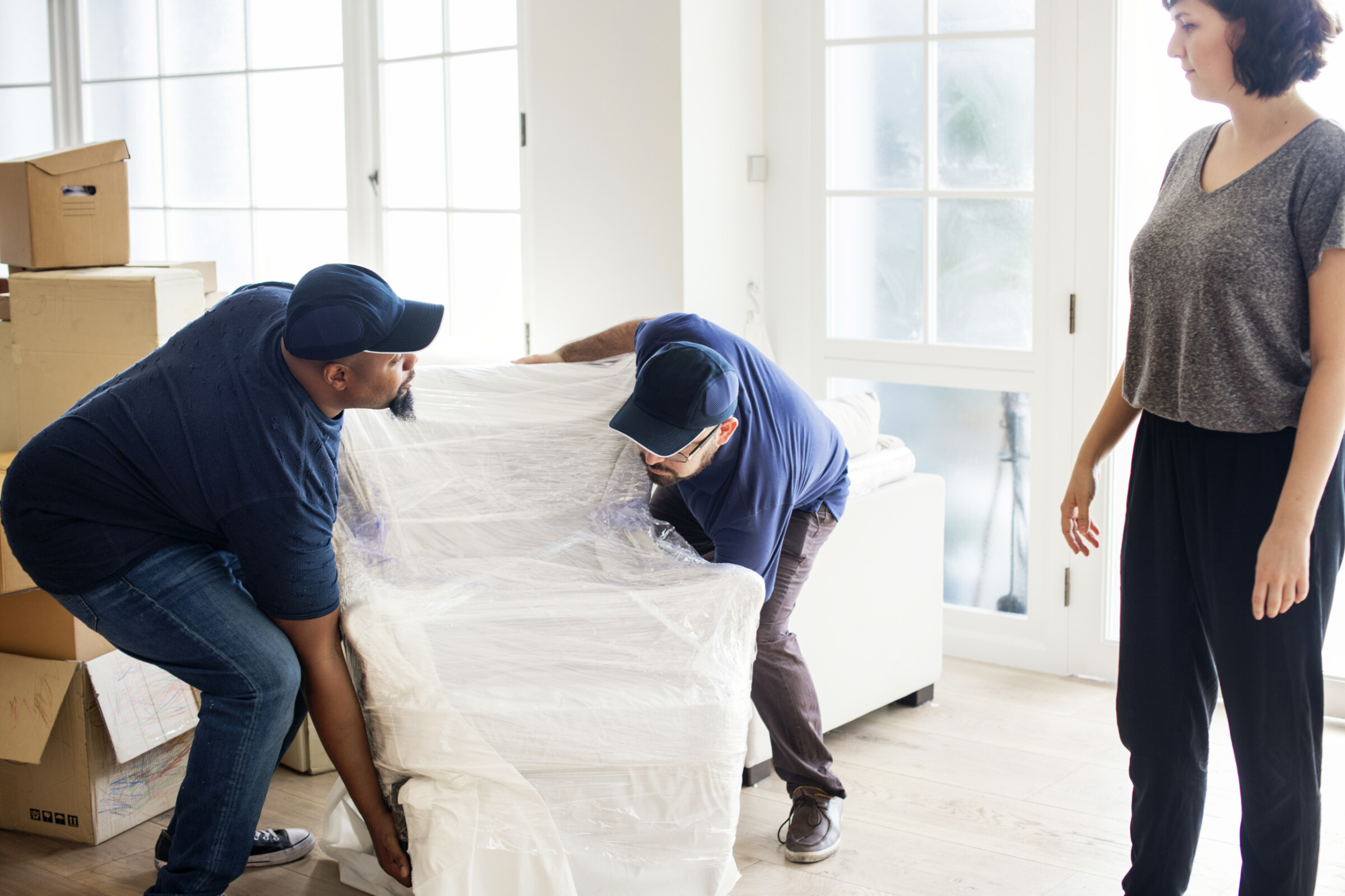
How much does it cost to move house?
Read more
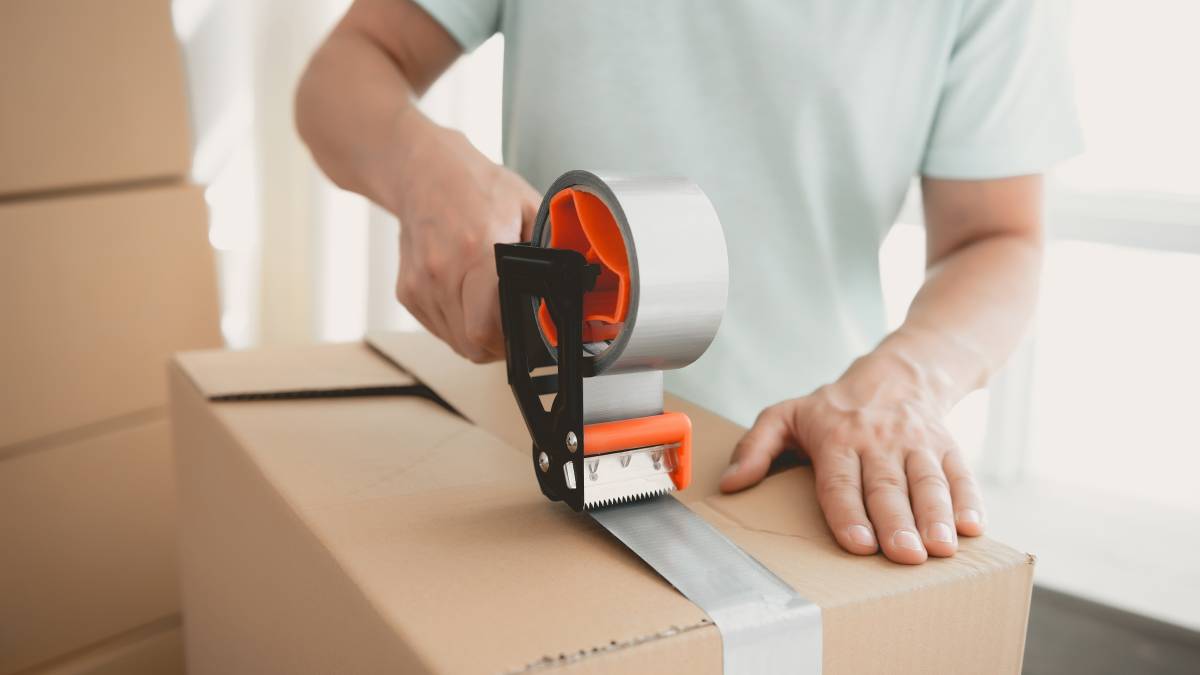
How much do packers cost?
Read more


Related articles
How much do removalists make?
Read more
How to move gym equipment safely
Read more

Moving interstate checklist
Read more
Moving to Brisbane
Read more
A guide to becoming a removalist
Read more
Moving Checklist
Read more
How to pack artwork for moving
Read more
How to move a washing machine
Read more
How to move a shed
Read more

How to move a pool table
Read more
How to move a vending machine
Read more
How to pack bedding for moving
Read more
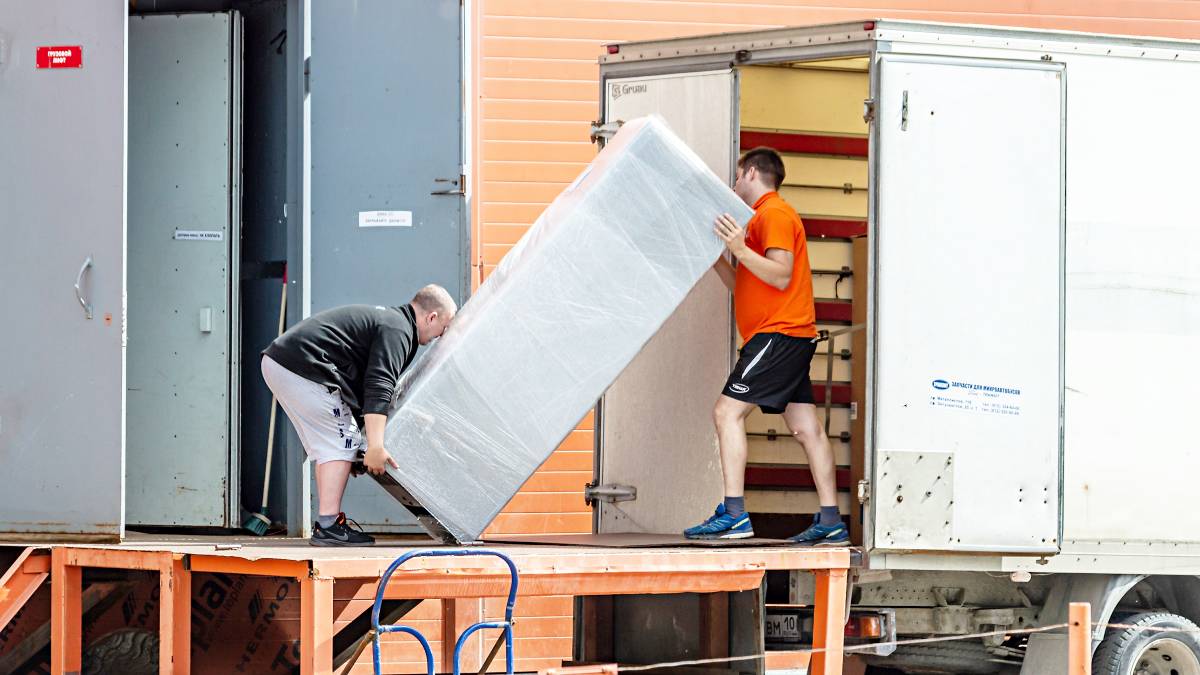
Moving a fridge: How to do it right
Read more

How to move a pinball machine
Read more
What removalists won’t move
Read more
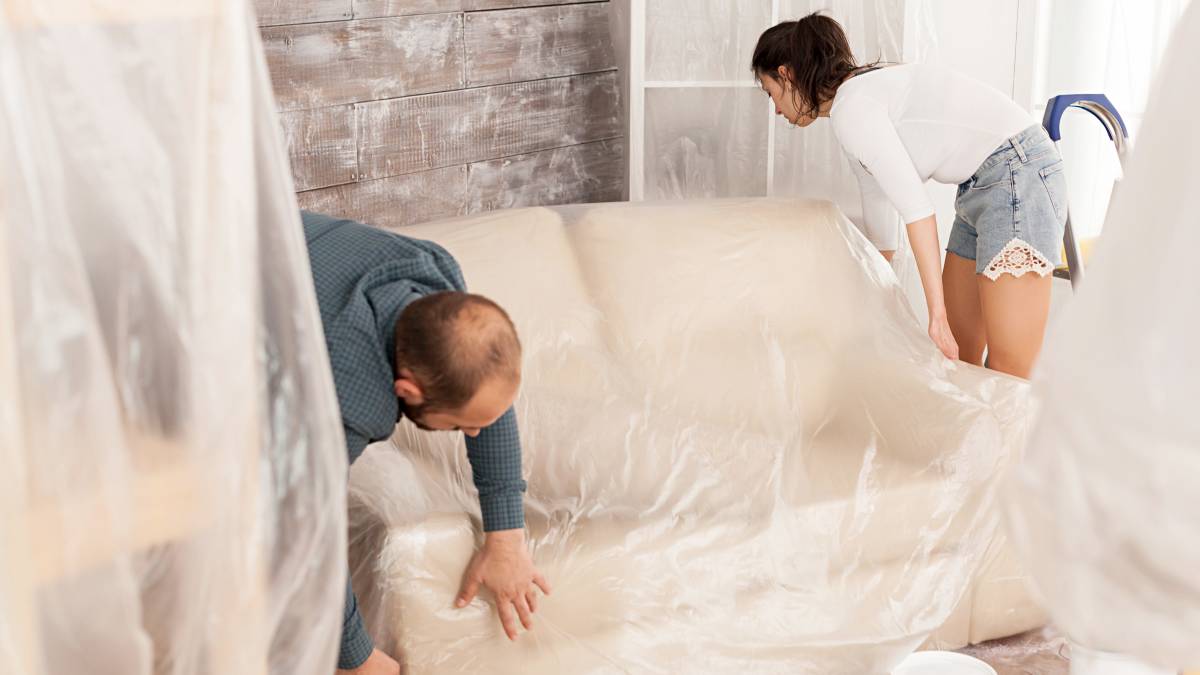
How to wrap furniture for moving
Read more
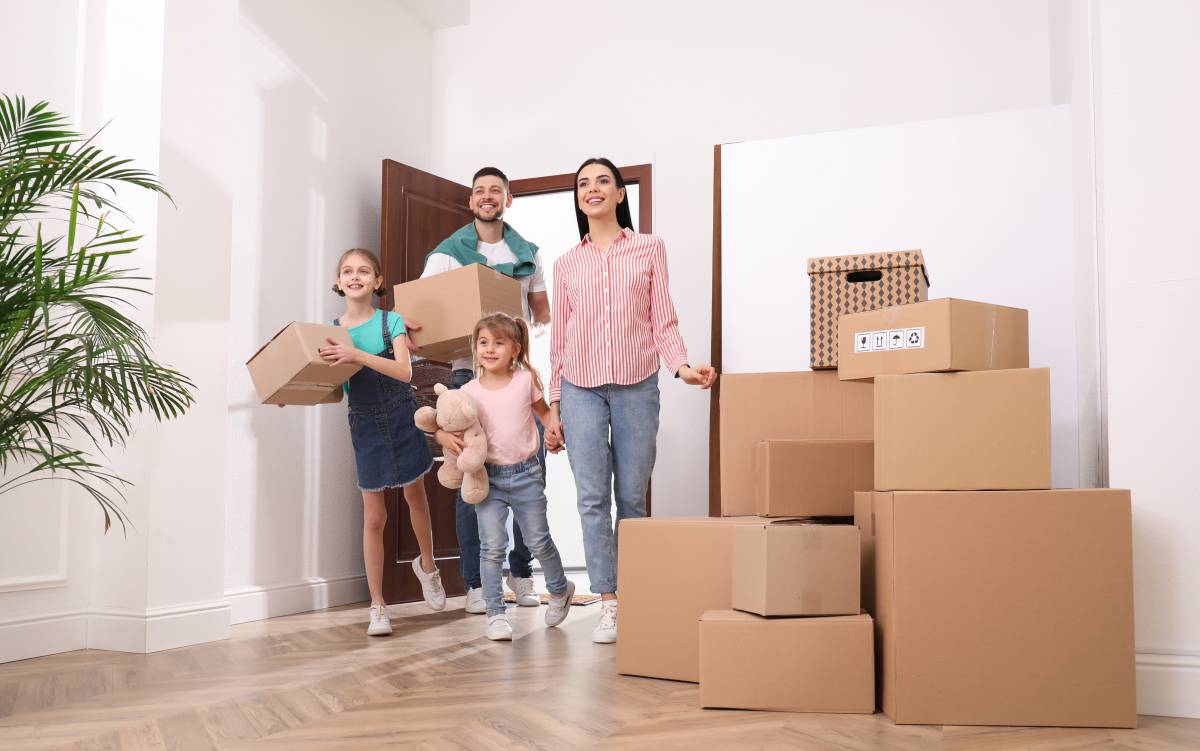
Tips for moving house with kids
Read more
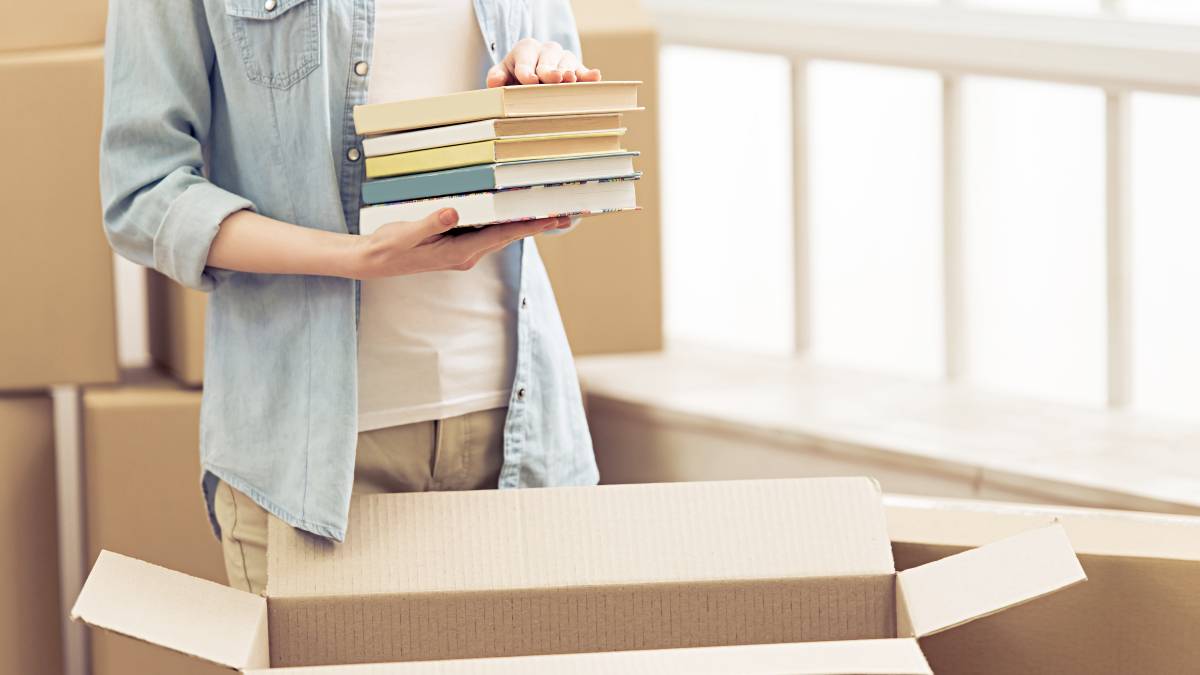
How to pack books for moving
Read more
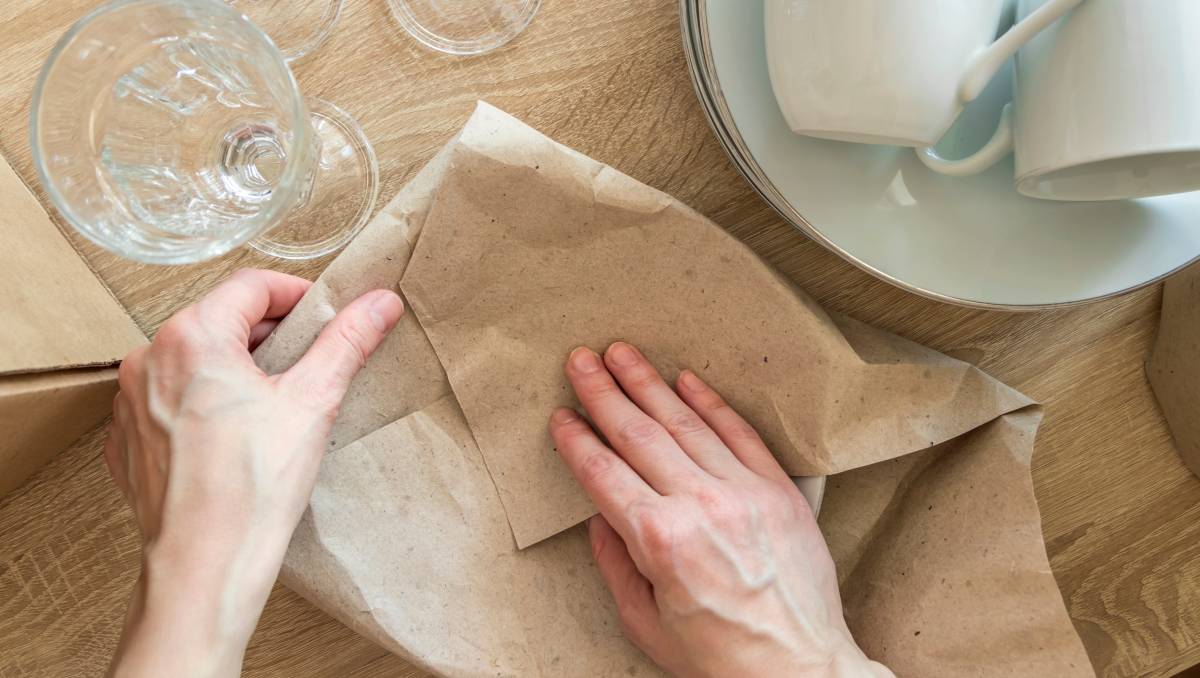
How to pack kitchen items
Read more