The no-nonsense guide to moving to Melbourne
A step-by-step look at costs, neighbourhoods, jobs, and getting settled for your Melbourne move.
Published on

Written by Genine T.
Staff Writer
Read more about our contributor
Moving to Melbourne highlights:
Melbourne offers an average salary of $81,000, with rent typically ranging from $1,900 to $3,500 per month, making it more affordable than Sydney.
Moving between April and September is the most strategic choice to secure lower moving costs and avoid peak rental competition.
Melbourne offers diverse neighbourhoods, green spaces, and major events.all within easy reach.
People move to Melbourne for a lot of reasons, but most of them boil down to quality of life. In fact, the city’s ranked 4th globally for livability, which translates to strong healthcare, solid education, and infrastructure you can actually rely on. That foundation also supports a competitive job market, a world-class coffee culture, and enough events to keep your weekends sorted.
If you’re considering relocating to Melbourne and feeling the pre-move jitters, this guide’s for you. We’ll walk you through moving to Melbourne, including the typical costs involved, neighbourhoods worth considering, and what life’s actually like once you’re here.
Why are people moving to Melbourne?
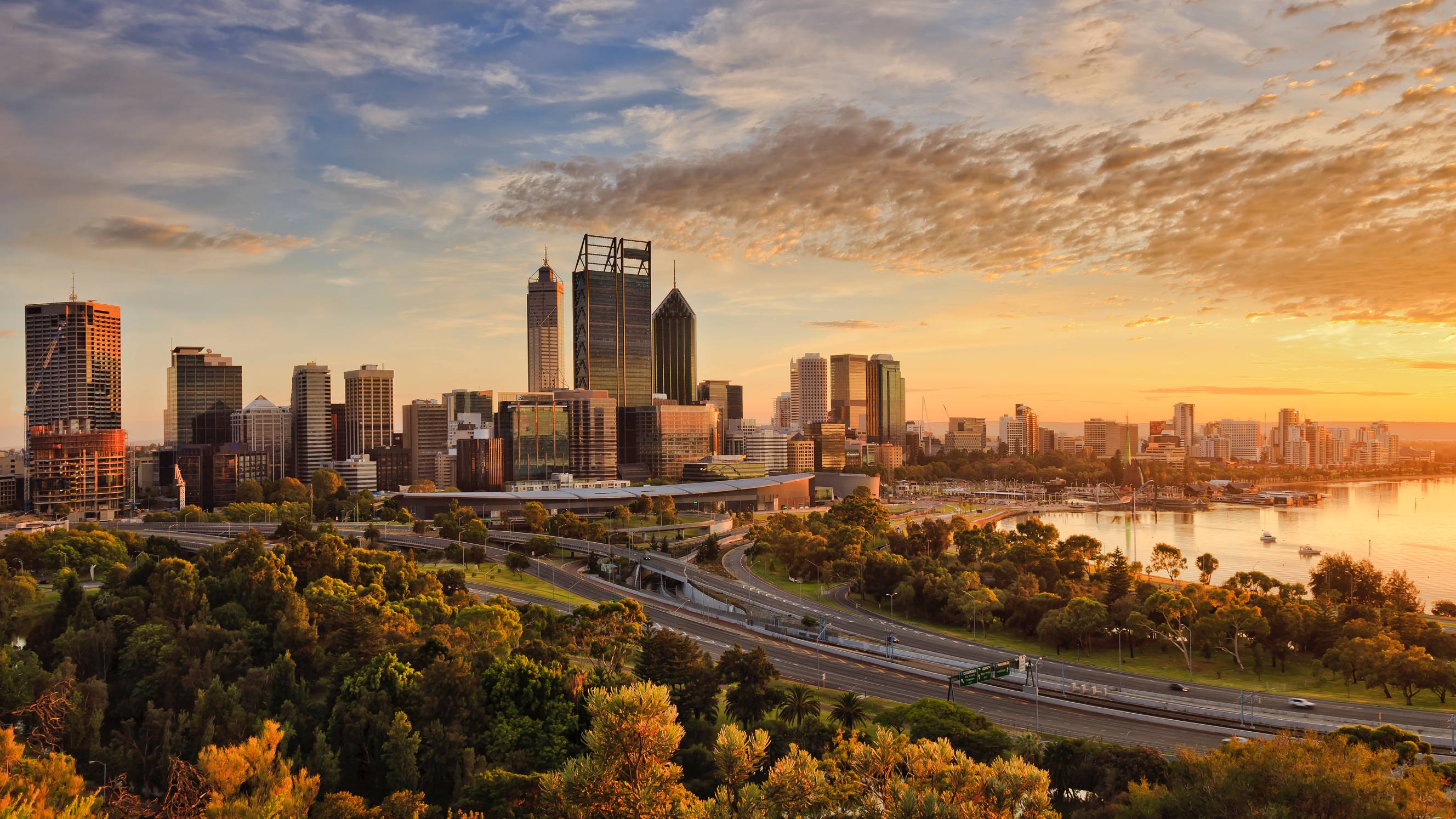
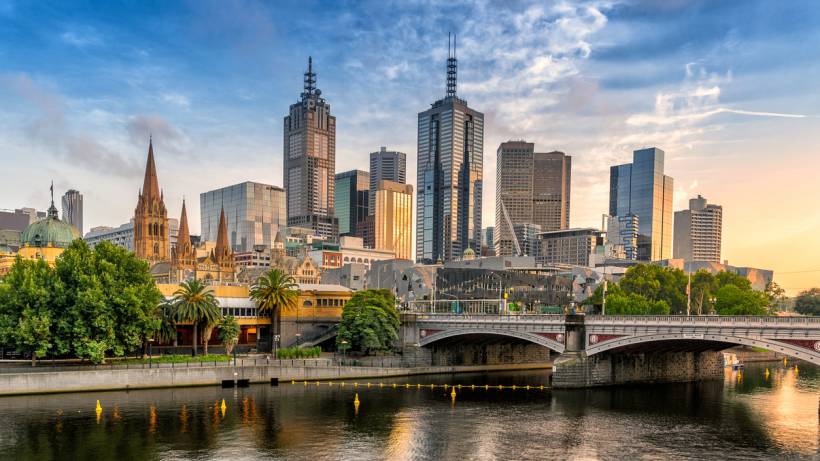 Sunset views over the Yarra River Melbourne. (Source: iStock)
Before you look up removalists’ costs and commit to the move, you need to get a clear picture of what the Melbourne lifestyle actually offers. In this section, we’ll cover the top reasons people are relocating to this city and why some are even choosing it over Sydney and other major Australian cities.
Lifestyle and culture
It’s easy to put down roots in Melbourne because the city balances work opportunities with quality of life. The steady job market backs that up, with the Health Care and Social Assistance industry leading the growth. In South Eastern Melbourne, for instance, roles jumped 14.3%, which means more vacancies and demand for workers.
When work gets busy, though, you also have plenty of ways to switch off. Green spaces like the Royal Botanic Gardens and Dandenong Ranges are close by, or you can head to Melbourne Zoo for a weekend escape.
If you live in Melbourne, you’ll also notice the cultural diversity everywhere. Around 140 cultures call the city home, with long-established communities from China, Italy, and Greece. You’ll see it in Chinatown, at events like the Lygon Street Festa, and in every suburb’s food scene.
Want to destress and catch a game? Melbourne is Australia’s sporting capital, hosting tennis tournaments, horse racing, and football games, such as the Australian Open, Melbourne Cup, and AFL Grand Final
Career and job opportunities
Melbourne’s job market varies by region, so where you live affects what work is available. Health Care and Social Assistance dominates across nearly every area, with salaries for professionals ranging from $80,000 to $100,000 annually.
Other sectors that consistently show up in the top 5 industries include:
- Professional, Scientific, and Technical Services leads employment in Inner Metropolitan areas and ranks top 5 everywhere else.
- Construction appears in every region’s top five due to ongoing infrastructure and residential development.
- Retail Trade employs over 20% of young workers, making it the main workforce entry point.
If you’re migrating to Melbourne with specific skills, regional job clusters may also determine where you’ll find the most opportunities. For example, if you’re an educator, Northern regions offer consistent openings thanks to the high concentration of schools, TAFEs, and universities.
Weather and climate
Is Melbourne a good place to live if you’re particular about the weather? Well, that depends on whether you can handle a bit of chaos. The city has a temperate climate overall, but the daily swings catch people off guard. You may even end up starting your morning at 10°C, enjoying a sunny 22°C lunch, only to need a jumper by dinner when it drops again.
Despite the unpredictability of the weather, what’s good is that Melbourne actually gets less annual rainfall than Sydney or Brisbane. Most fall in spring, with October being the wettest month, but it’s usually short bursts rather than all-day downpours.
| Season | Average temperature |
|---|---|
Summer (December to February) |
13°C to 25°C |
Autumn (March to May) |
11°C to 16°C |
Winter (June to August) |
6°C to 14°C |
Spring (September to November) |
9°C to 21°C |
Some moving guides might not mention this, but Melbourne’s fickle weather means packing smart. Bring winter clothes for the cooler months, a solid waterproof jacket, and plenty of layers. The heavy parkas and extreme cold-weather gear can stay behind unless you’re heading to the snow regularly.
What should you research before moving to Melbourne?
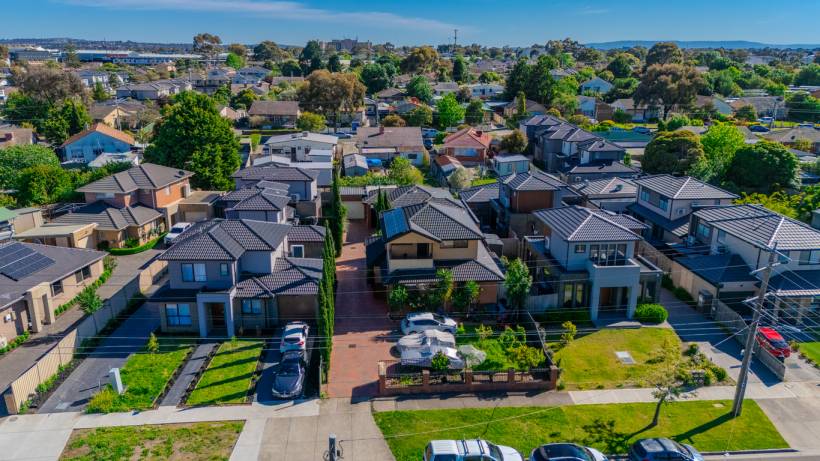 Row of contemporary townhouses in Melbourne. (Source: iStock)
The average cost of living in Melbourne, Australia, can blow your budget fast if you’re not prepared. Rent alone varies by thousands depending on location, and daily expenses add up quickly. Here, we’ll explain what things actually cost, which areas fit different budgets, and how to time your move to dodge the expensive periods.
Cost of living
The average base salary in Melbourne sits at $81,000 a year ($6,750/month pre-tax). That’s well above other Victorian cities like Ballarat ($69k), Wodonga ($70k), and Geelong ($72k).
While pricier than regional Victoria, your money stretches further in Melbourne than in Sydney or Canberra. Rent is cheaper, home prices are lower if you’re buying, and daily costs won’t bleed your paycheck dry. Here’s what you’re realistically looking at each month:
| Type of expense | Average monthly amount |
|---|---|
Rent |
$1,900 to $3500 |
Basic utilities (electricity, heating, water) |
$100 to $350 |
Groceries |
$450 to $550 |
Transportation |
$184 to $220 |
The transport figures above are based on using a Myki pass for public transport. If you’re planning to drive instead, fuel costs range between $1.74 and $1.92 per litre, which can add $150 to $200 to your monthly expenses, depending on your commute.
Neighbourhood options
Looking for the best places to live in Melbourne as a family? Camberwell, Hawthorn, and Carlton top the list. You’ll find highly rated schools like Camberwell Grammar and Scotch College, plus parks such as Fritsch Holzer Park and Carlton Gardens for weekend activities. These areas are walkable, well-served by trams and trains, and offer cafes, shopping, and services without needing to drive constantly.
For young professionals, South Yarra and Fitzroy are popular picks. Both sit close to the CBD with strong transport links and plenty of bars, restaurants, and nightlife. If you’re after coastal living, Brighton and St Kilda are nice suburbs in Melbourne to live by the water. Brighton offers a quieter, more residential feel, while St Kilda markets water sports and a livelier esplanade scene.
Best time to move
According to the Australian Bureau of Statistics, Melbourne is hot on the heels of Sydney for population growth. So if you’re planning to relocate, timing your move right can prevent any chaos. Choosing a good month could save you extra dollars in moving help.
Peak moving season runs from December to March, when school holidays, public holidays, and mass lease renewals all coincide. There are also major events like the Australian Open in January that bring thousands of visitors, resulting in congested traffic, road closures, and barely any removalists or packing services available.
| Season | Months | Pros | Cons |
|---|---|---|---|
Peak moving season |
December - March |
Warm, dry weather ideal for moves; school holidays align with relocation timing |
Fierce rental competition; house removal costs peak; fewer available properties; premium service rates |
Off-peak (Best value) |
April - September |
Cheaper removalist rates; more rental stock; easier lease negotiations; less competition |
Cooler, wetter months; potential weather delays |
The best time to move? April to September wins hands down. Services are quieter during these months, so you’ll snag competitive prices and there would be less traffic. The weather’s mild rather than scorching, and there’ll be more rental properties to choose from. Sure, there’s some rain and cooler temps, but the reduced service costs and better availability more than make up for it.
Moving costs
Hiring removalists in Melbourne typically costs between $114 and $190 per hour for two movers and a truck. However, interstate moves jump significantly higher, ranging from $2,500 to $9,500+, depending on the distance. Your total will still depend on the size of your property, the items you’re hauling, and whether you require additional services, such as packing or storage.
If you’re relocating from overseas or interstate, note that Melbourne rentals rarely come furnished for long-term leases. You’ll need to either ship your furniture or purchase it locally upon arrival. A basic setup can easily add $3,000 to $8,000 to your budget for moving to Melbourne, so factor this in early on.
Out-of-state or international considerations
If Melbourne’s your next stop and you’re coming from interstate or overseas, these long-distance moving tips will help make the move a smoother one.
Interstate moving
Beyond the physical move, you also need to update your address through myGov within 14 days so Medicare, the ATO, and Centrelink stay up to date. If you’re bringing a car, you’ll also need to update your driver’s licence within three months and transfer your vehicle registration to Victoria.
For families, budget for Ambulance Victoria membership at $27.49 quarterly (or $109.93 annually) since Medicare doesn’t cover emergency services. You’ll also need school documents ready for enrolment and pet registrations updated with your local council.
International moving
If this is your first time moving to Melbourne, consider visiting your target neighbourhood before committing to a lease. Temporary accommodations, such as caravan parks, private houses, or short-stay apartments, give you time to explore different areas and find the right fit without rushing into a 12-month contract.
Already decided where to live in Melbourne? Once your visa and work permit are approved, organise these before you arrive:
- Finalise visa conditions and ensure your work rights are clearly documented
- Arrange international shipping for your belongings (delivery can take 6–12 weeks, depending on your home country)
- Book short-term or self-storage if you won’t have permanent housing straight away
- Prepare certified copies of key documents (birth and marriage certificates, qualifications) for banking, work, and government services
- Organise temporary internet and mobile service so you’re connected from day one
- Set up access to funds through an Australian bank account or an international account that works in Australia
What should you do on your Melbourne moving day?
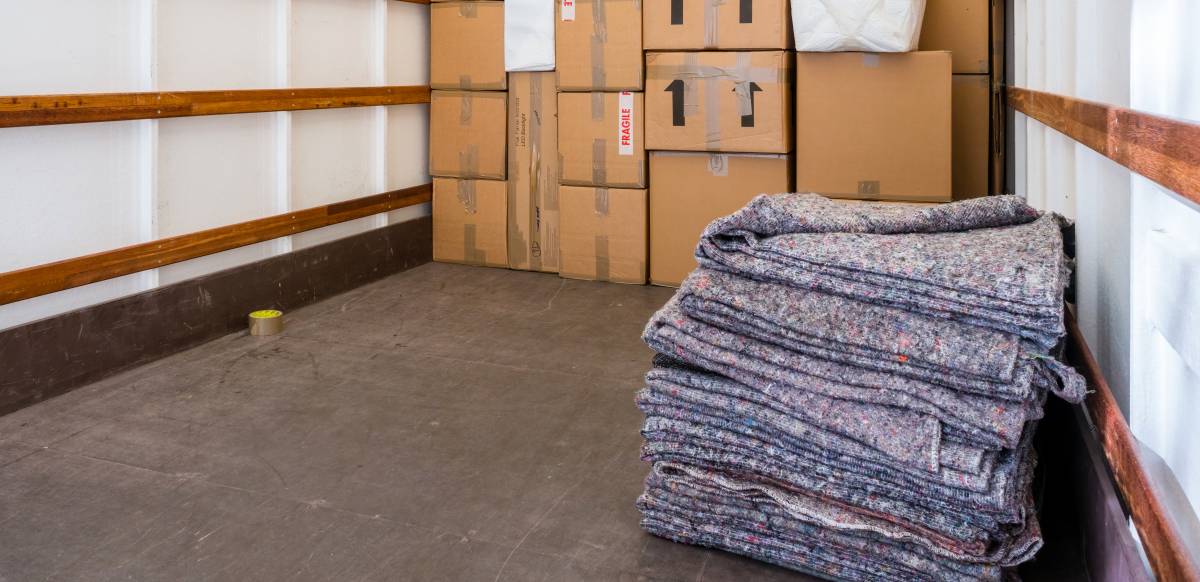
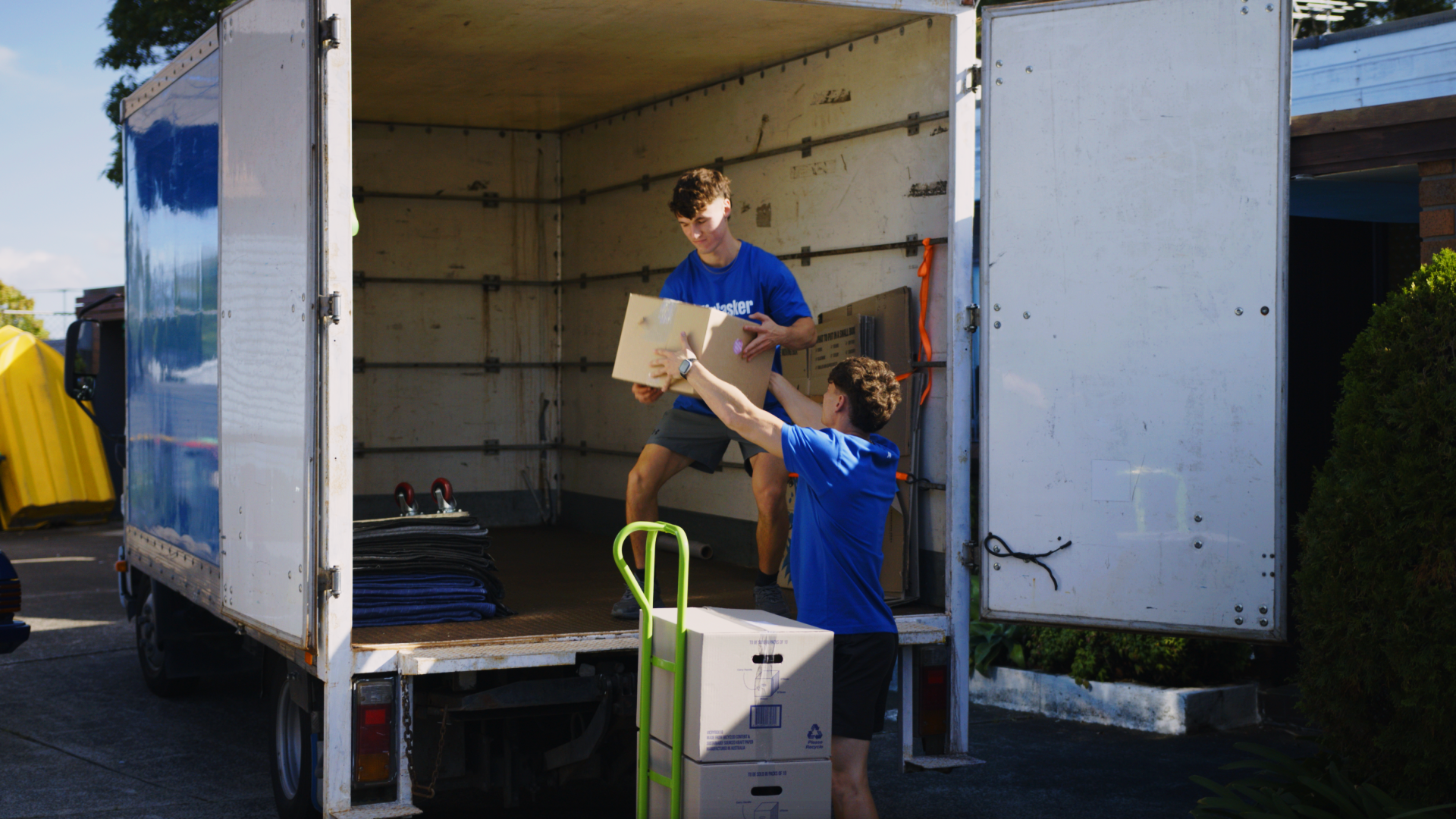
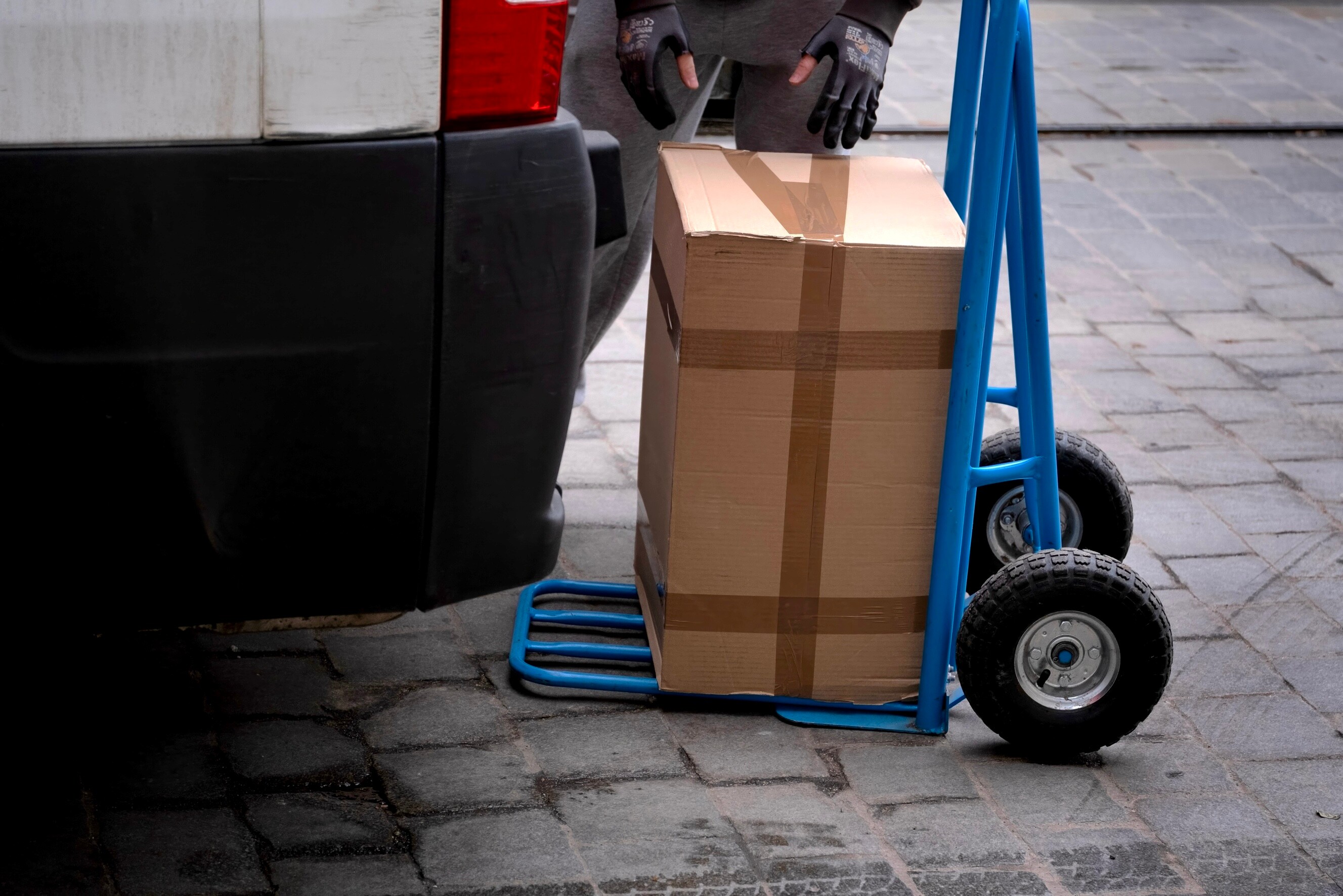
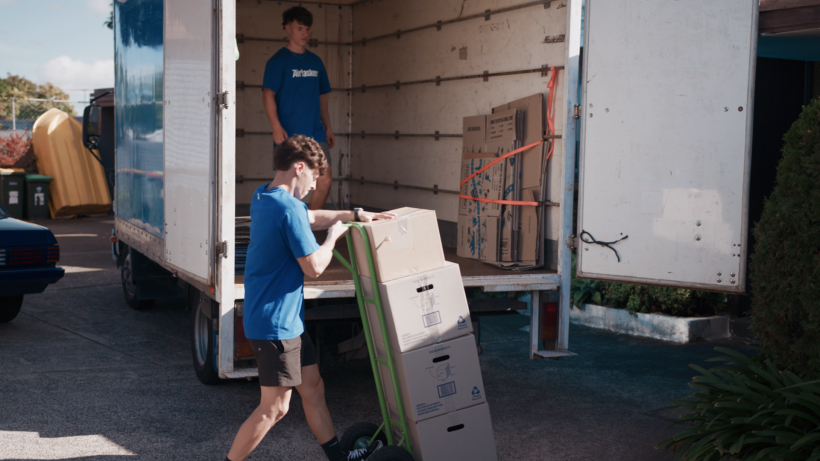 Experienced removalists Melbourne simplify the moving process. (Source: iStock)
With living expenses in Melbourne adding up quickly, staying organised helps avoid costly delays, missing items, or last-minute fixes. In this section, we’ll cover how to coordinate transport, manage logistics, and double-check your belongings on the day.
Strategically coordinate movers and services
Your first and most important booking is your removalist, as availability is limited and peak dates fill quickly. Book at least 4 weeks in advance for local Melbourne moves and 2 months in advance for long-distance or interstate relocations.
Once your mover is confirmed, verify arrival times, parking arrangements, lift access, and backup plans in case of delays. Then, arrange for additional services, such as move-in cleaning or handyman support, to handle tasks like TV mounting.
Carefully transport your belongings
Before moving day, create a checklist of everything you’re taking so you know exactly what needs to fit. This helps you spot potential problems early, like whether you’ll need help with heavy lifting, a larger truck, or multiple trips. Just be realistic about the number of items you’re hauling and how you plan to stack them.
Got too many boxes? Downsize before you move. Donate usable items to local charities or list them on Facebook Marketplace and Gumtree as early as possible. The fewer things you move, the cheaper your removalist quote and the less time you’ll spend unpacking at the other end.
Critically double-check everything
Before you leave your old place, document its condition with photos or videos of every room, including walls, floors, and fixtures. This proof protects your bond and prevents disputes with landlords over pre-existing damage.
When your house removalist arrives at your new home, check off every box against your inventory list as it’s unloaded. Share this list with your removalist beforehand so they know exactly how many boxes to move and which room each one belongs in.
How do you get settled in Melbourne after moving?
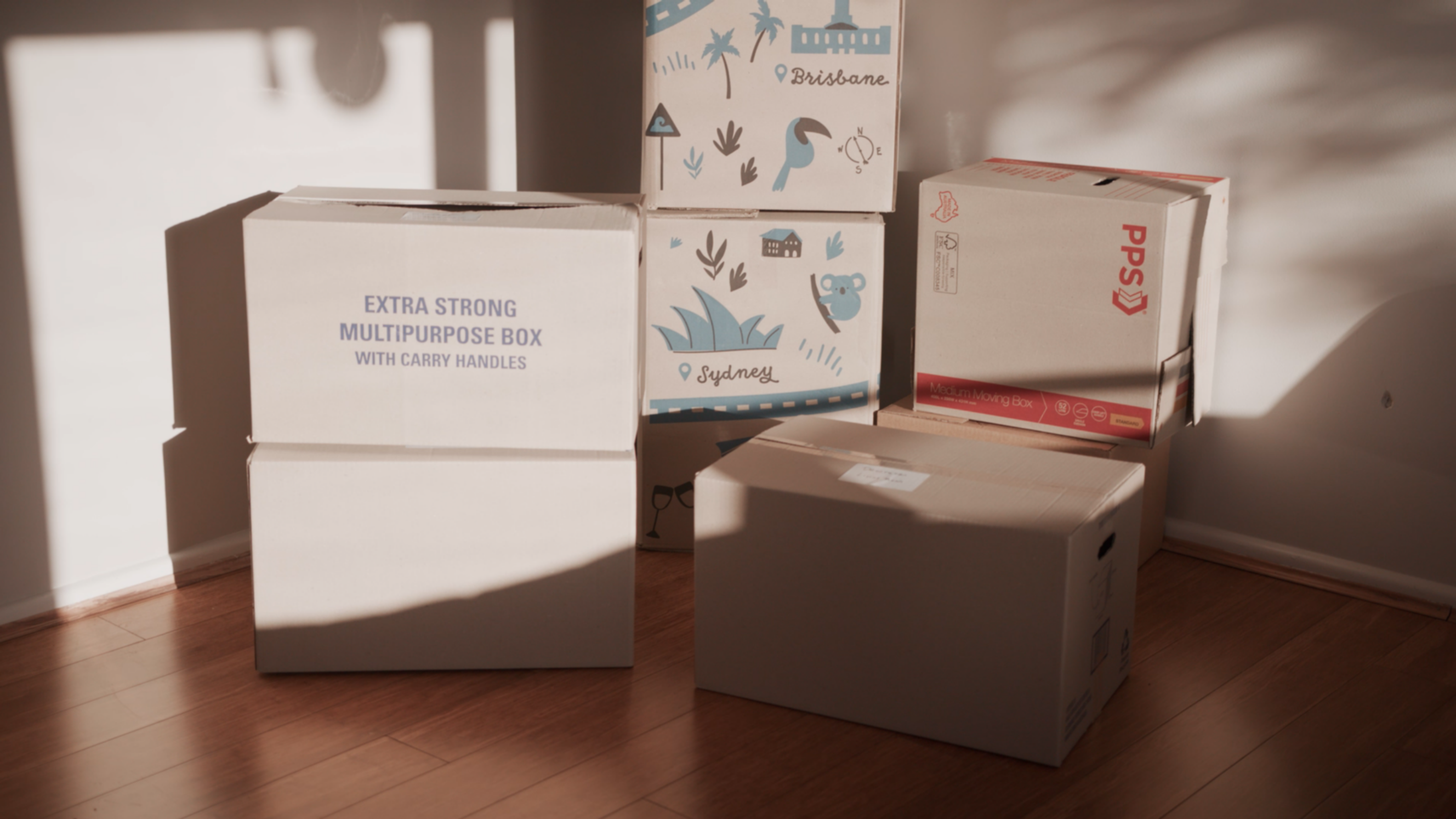
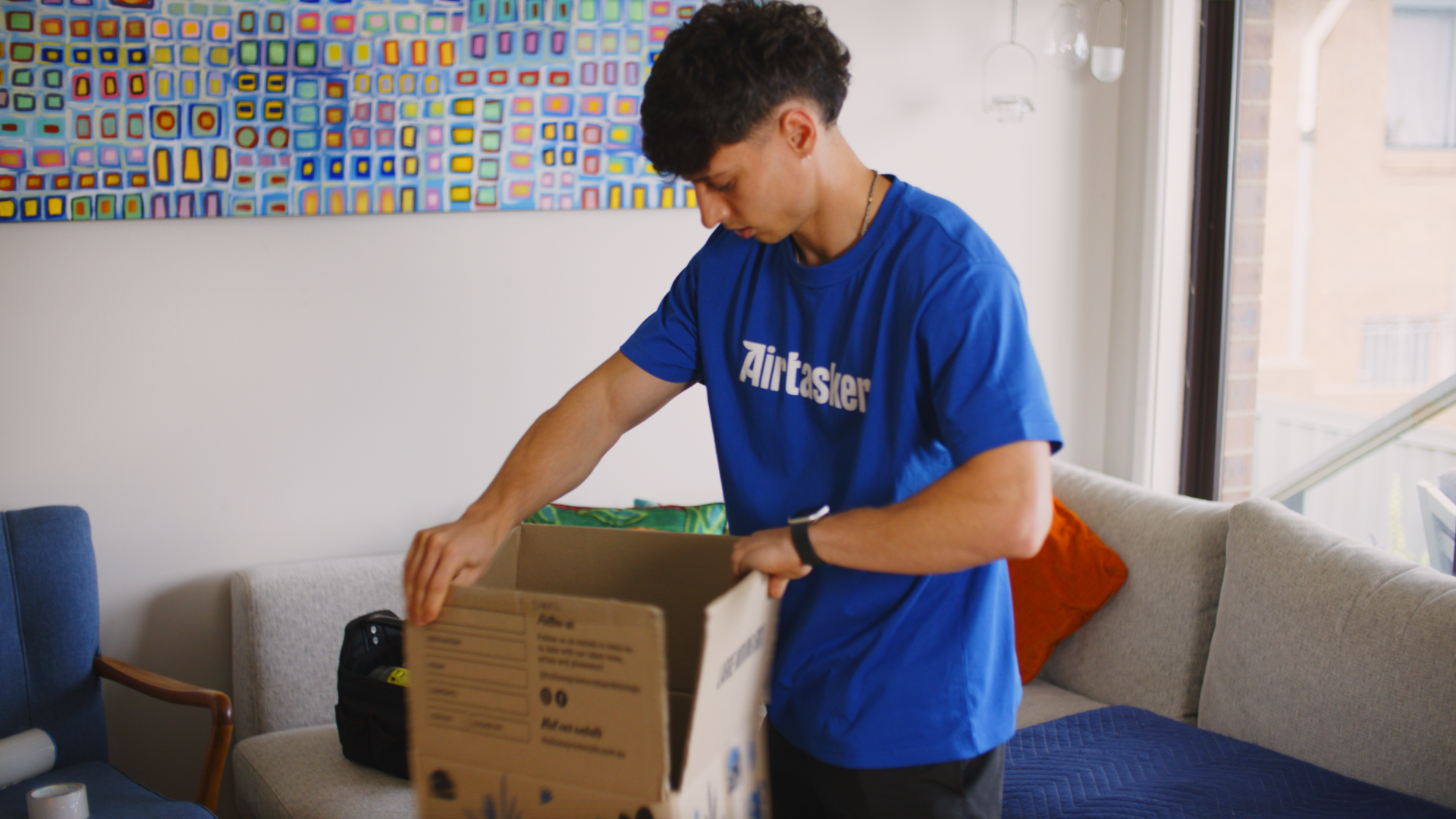
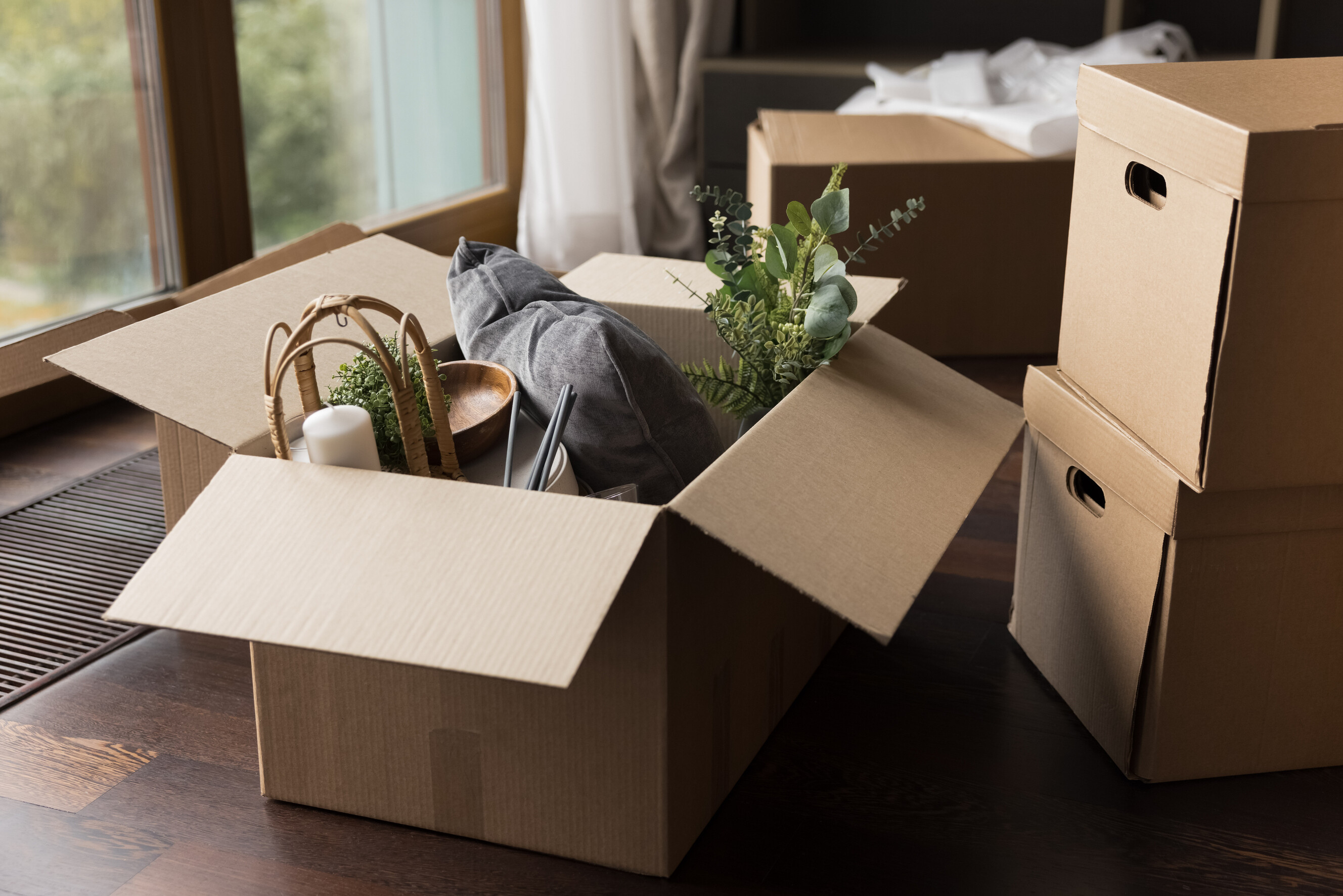
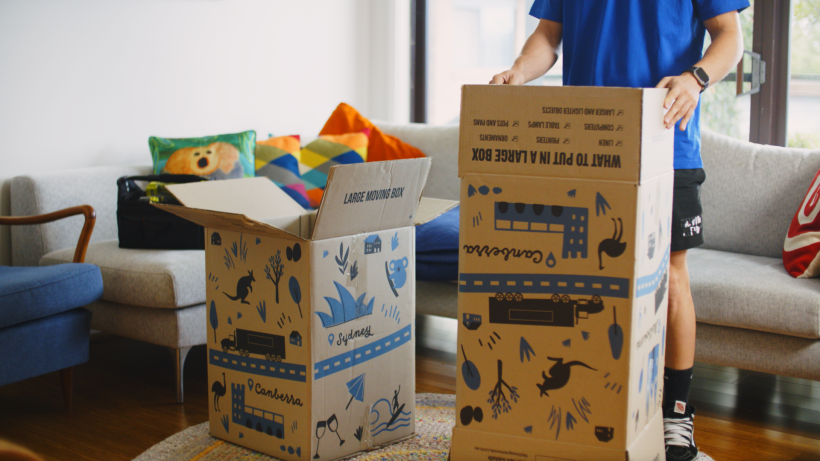 Unpacking at a new space. (Source: iStock)
You won’t fully settle into life in Melbourne until the boring but necessary admin is out of the way. Below, we cover how to handle utilities and address changes so you can get on with enjoying your new place.
Connect your utilities
Book your utility connections the moment your lease is signed. Moving utilities requires calling each provider to schedule disconnection at your old address and activation at your new one. For newly built properties, request meter installation 10 to 20 days before move-in to avoid delays.
| Utility type | Melbourne providers |
|---|---|
Electricity and gas |
Flow Power, Alinta Energy, Sumo |
Water |
Yarra Valley Water, South East Water, Greater Western Water |
Internet |
Superloop, Aussie Broadband, Spintel |
For the internet, ask your provider what type of connection your new address has and whether a technician needs to visit for installation. If so, book a technician at least 10 days in advance to account for modem delivery and any required setup appointments. If you work from home, it’s smart to have a prepaid mobile hotspot as a backup in case your main connection takes longer than expected to activate.
Update your licences and documents
Sort out your address updates within 14 days of moving to Melbourne, or you’ll end up missing bills, government notices, and critical deadlines. Start with the government requirements first, as they have strict timeframes, and then work through everything else systematically.
- myGov for Medicare, ATO, and Centrelink updates
- VicRoads for driver’s licence and vehicle registration
- Electoral roll for voter registration at your new address
Got subscriptions and memberships? Go through your email and banking statements to catch recurring payments you’ve forgotten about. You should also set up mail redirection immediately as a safety net while updating each service over the first month.
Secure council-related permits
Start by finding your council using Victoria’s local council finder so you know exactly which municipality you’re in. From there, you’ll get contact details and access to everything you need for rates, permits, and local services.
Your council handles:
- Rates, fines, and property taxes (rates vary significantly between municipalities, so check yours early)
- Planning, building, and occupancy permits for renovations or modifications
- Bin collection schedules and waste environment levy
- Other local services like parking permits, pet registration, and community facilities
Most of these can be sorted through your council’s website once you create an account. To get started, you’ll need proof of identity and address, such as a lease agreement, driver’s license, and utility bills. Some services like pet registration or specific permit applications may still require you to visit the council office in person, so check their requirements before assuming everything’s online.
Ensure your family’s welfare
When you’ve finished settling into your Melbourne home, focus on finding nearby schools, recreational areas, and healthcare providers that suit your family’s needs.
Schools and childcare
Melbourne ranks 5th in the Best Student Cities rankings worldwide, which is understandable given it’s home to top universities such as Monash University and the University of Melbourne. If you have kids and want to find the nearest school, browse the complete list on My School to compare options in your area. Add your suburb or postcode, then filter by school type to find available options near you.
Children across Victoria can also access two years of free kindergarten before school at participating services. Visit the Victorian Government’s Kinder Tick to find approved centres in your area and check eligibility requirements. Spots fill up fast, so apply as early as possible once you’ve confirmed your Melbourne address.
Playgrounds and parks
Melbourne held the title of most liveable city for 8 consecutive years, partly because of its great outdoors. You’ve got coastal drives, mountain trails, and national parks all within a few hours of the CBD, plus several local parks and gardens scattered throughout inner suburbs.
| Destination | Distance from CBD | What to do |
|---|---|---|
Wilsons Promontory |
2-3 hours |
Pristine beaches, bushwalking tracks, wildlife spotting |
Bright |
3 hours |
Rock climbing, paragliding, swimming, mountain biking in the Victorian Alps |
Great Ocean Road |
2 hours |
Scenic coastal drive to the Twelve Apostles, Loch Ard Gorge, Great Otway National Park |
Yarra Valley |
1 hour |
Chocolateries, vineyards, family-friendly farms |
These are weekend trip options, but Melbourne’s suburbs also pack in local parks, botanical gardens, and playgrounds for daily use. Most neighbourhoods have at least one major park within walking distance, so outdoor time is built into daily life rather than requiring a drive.
Community and healthcare facilities
Melbourne’s local councils run public libraries, recreation centres, and community hubs throughout the metro area. Many also offer free or subsidised programs, such as swimming lessons, storytimes, fitness classes, and workshops.
When it comes to healthcare, Melbourne has both private and public hospitals across the metro area:
- The Royal Children’s Hospital Melbourne
- The Royal Melbourne Hospital
- The Melbourne Eastern Private Hospital
- Sandringham Hospital
Most suburbs also have medical centres, GP clinics, and specialist practices within a few kilometres. Medicare covers bulk-billing GPs and public hospital services, but you’ll need private health insurance for faster access to elective procedures and private hospitals.
Also think of your pet
If you’re bringing pets to Melbourne, get your pet microchipped first, then register your dog once it’s three months old through your local council. Once registered, the council will provide an identification tag that your pet must wear whenever it’s outside your property. Renew your registration annually to stay compliant.
Other important pet rules to know:
- Keep dogs on a leash in all public places except designated off-leash parks
- Councils can restrict dogs from certain public areas at specific times, so check your local regulations
- Letting your dog wander outside your property unsupervised is illegal
Animal-related fines range from $102 to $509 for offences such as unregistered pets, failing to pick up after your dog, or allowing them to roam off-leash. If your dog rushes at, chases, attacks, or injures a person or animal, the council can also declare it menacing or dangerous, which means mandatory muzzling and secure enclosures
How do you get around in Melbourne?
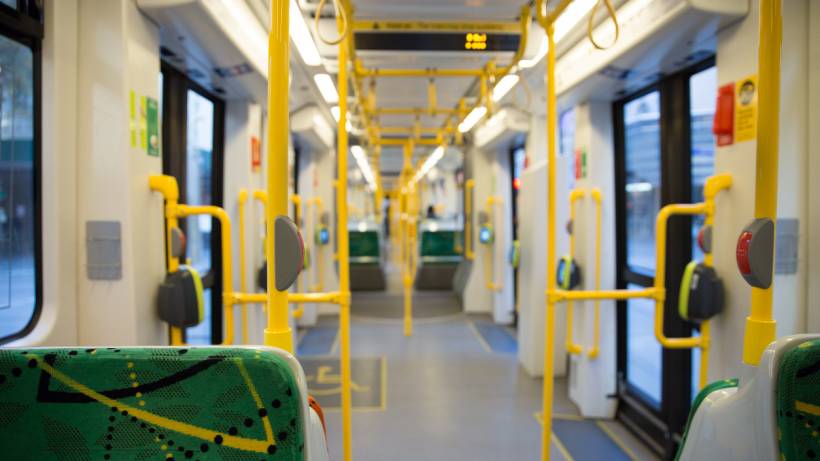 The iconic tram network, a core component of Melbourne public transport. (Source: iStock)
Getting around in Melbourne is a key consideration for anyone moving to the city. Compared to other cities like London or Singapore, Melbourne offers a good balance of public transport options and walkability. However, it may not match the seamless connectivity or pedestrian-friendly environments found in some of these global hubs.
What is Melbourne’s Myki Card?
A Myki card is a rechargeable smartcard you need for travel on Melbourne’s trains, trams, and buses, as well as some regional Victoria services. The physical card costs $6, but you can also use Mobile Myki on Android phones through Google Wallet at no extra cost.
For Apple users, Myki is not currently available on iPhone, so you’ll need a physical card, which can be topped up online, at stations, retail outlets, or via the official Public Transport Victoria (PTV) app.
To use it, simply hover your card over the reader before entering a train station or boarding a bus or tram, then touch off when you reach your destination.
| Myki type | Who can use it | Daily cap (Zone 1+2) | Weekly cap (Zone 1+2) |
|---|---|---|---|
Full Fare |
Adults and children 5+ |
$10.60 |
$55.00 |
Concession |
Students, seniors, pensioners |
$5.30 |
$27.50 |
Mobile Myki |
Android users (digital card) |
Same as Full Fare |
Same as Full Fare |
The best thing about the Myki card is that you can top up online, at outlets near you, station machines, or through the Mobile Myki app. There’s also no minimum top-up amount for online or app reloads, but station machines require a minimum of $1.
Once loaded, your Myki works across all Melbourne public transport, making it the only card you need to get around the city.
By car
Melbourne has walkable neighbourhoods, but many residents still drive for convenience and flexibility. If you’re parking on the street where you live, you’ll need a residential parking permit in most suburbs.
Apply for your residential permit online through your local council. The process takes approximately 15 minutes to complete, followed by up to 15 business days for approval. Once approved, you’ll receive a payment link via email, and your permit will be mailed to you after payment is made.
Melbourne has three toll roads you’ll want to know about before planning your daily commute:
- CityLink: Links the airport (Tullamarine) to the West Gate and Monash Freeways
- EastLink: Connects eastern and southeastern suburbs via Eastern, Monash, Frankston, and Peninsula Link Freeways
- West Gate Tunnel: Alternative to West Gate Bridge with direct access to Docklands, CBD, and northern suburbs
To estimate your exact costs, you can use the Linkt toll calculator, which allows you to enter your route and see the expected tolls before you travel.
By train
Accepts Myki card; fares are based on zones
Melbourne’s train network connects the CBD to surrounding suburbs with multiple lines running through the city centre.
Some key stations that connect you to major attractions and hubs include:
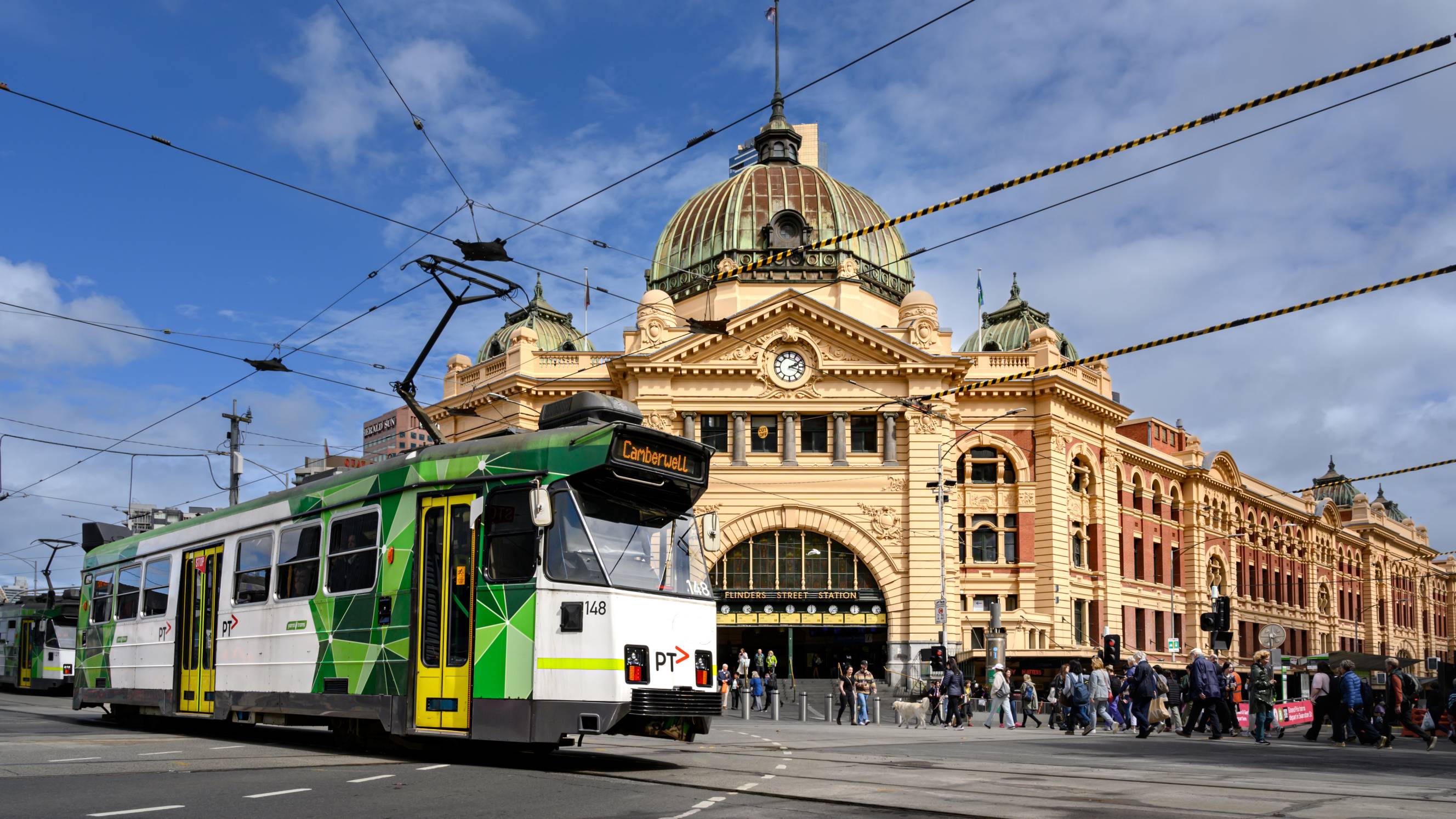
- Flinders Street Station: Melbourne’s main transport hub, close to Federation Square, the Yarra River, and the Arts Precinct
- Southern Cross Station: The gateway to regional Victoria and airport buses, located near Docklands and Marvel Stadium
- Melbourne Central: Convenient for shopping, universities, and access to the northern CBD
By bus
Buses fill the gaps where trains don’t go, connecting you to spots like St Kilda Beach, Fitzroy Gardens, and Luna Park. They cover fixed routes across the city and suburbs, making them handy for short local trips.
Ready to travel? Check Transport Victoria’s Journey Planner to see which bus goes where and when it’s arriving. If you need real-time traffic updates to decide whether to switch routes, visit VicTraffic for current road conditions that might affect your bus schedule.
By ferry
Melbourne has three ferry services that offer scenic water travel and commuter alternatives.
| Ferry service | Route | Key details |
|---|---|---|
Western Port Ferry |
Stony Point ↔ French Island ↔ Phillip Island (Cowes) |
Short walk from Stony Point Station. Ideal for weekend island trips. |
Westgate Punt |
Spotswood Jetty ↔ Port Melbourne (Westgate Landing) |
$3 weekdays, $5 weekends. Near Spotswood Station and Bus Route 237. Bikes welcome. |
Port Phillip Ferries |
Geelong ↔ Portarlington ↔ Melbourne (Docklands) |
Onboard café, free Wi-Fi, bike racks, and charging stations. Docks across from Marvel Stadium. |
By tram
Myki required beyond the Free Tram Zone.
Melbourne’s trams are one of the city’s most iconic features, and the best part is the Free Tram Zone in the CBD. To ticket or transport card is needed—just hop on. If you’re travelling outside the Free Tram Zone, that’s when you’ll need your myki card.
Fares are based on zones, just like trains and buses:
| Fare type | Cost |
|---|---|
Full fare |
$5.50 |
Concession |
$2.75 |
Remember to touch on when boarding if your trip starts or ends outside the Free Tram Zone, but skip it if you’re staying within the zone the entire time.
What are fun things to do as a new resident in Melbourne?
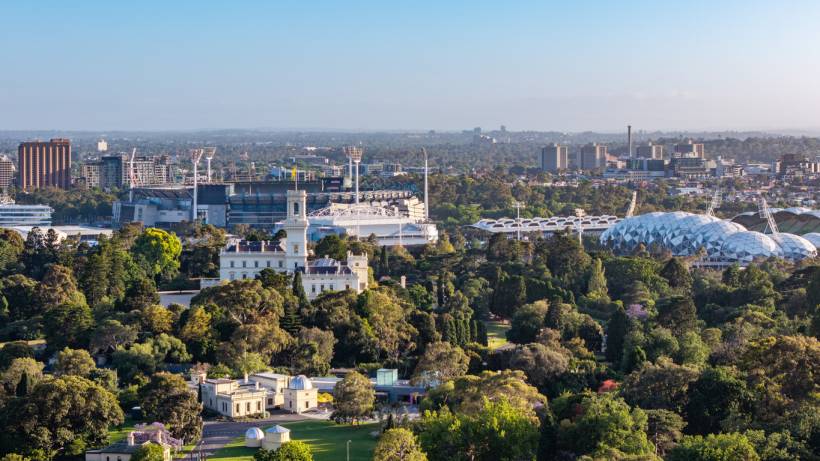 The blend of historic architecture and modern sporting arenas within the Melbourne city skyline. (Source: iStock)
Settling into Melbourne is only the first step. This section covers the things to do, places to visit, and experiences worth trying once you are set up.
Explore your new neighbourhoods
Why move to Melbourne if you’re not going to explore outside? Spend your first few weekends checking the different parts of the city to see what clicks. Here are some spots worth checking out:
- Fitzroy & Collingwood:Street art everywhere, mural-covered laneways, indie theatres, and lively nightlife in converted red-brick warehouses.
- South Yarra & Windsor: Upscale shopping along Chapel Street with boutiques, high-end fashion, and fancy galleries.
- Carlton & Carlton North: Historic charm meets cafe culture with leafy streets and beautiful heritage buildings.
Visit historical and heritage sites
Melbourne’s packed with heritage spots that show you how the city went from colonial outpost to multicultural hub. Start with the Royal Exhibition Building, a UNESCO site that’s pure Victorian grandeur, then head to Old Melbourne Gaol to walk through the cells where Australia’s most infamous criminals were held.
Then wander through Queen Victoria Market, a Melbourne institution since 1878, where history meets fresh produce. If you want to see how Melbourne’s wealthy lived, you can also check out Rippon Lea Estate and Werribee Mansion, which showcase the colonial mansion lifestyle with sprawling gardens.
Enjoy the outdoors
Melbourne keeps you active year-round without needing a gym membership. Runners gravitate to the Tan Track, a 3.8-kilometre loop winding through the Royal Botanic Gardens, while cyclists and joggers circle the flat 5-kilometre circuit at Albert Park Lake.
Prefer the water? Paddle beneath the glow of the Bolte Bridge after dark or cast a line for snapper in Port Phillip Bay.
For dirt and elevation, mountain biking reveals a different side of the city. The You Yangs Mountain Bike Park offers more than 50 kilometres of trails, from easy-going loops to technical descents. Closer to the city, Quarry Park in Nunawading delivers fast, playful riding with purpose-built jumps and flowing lines.
Check out the local market scene
When you have just moved to Melbourne, the city can feel exciting and overwhelming in equal measure. There is a lot to see, eat, and explore, and it is not always obvious where to start. Here are some of the best markets worth checking out:
- Grazeland Melbourne is a street food hub with local vendors, craft beer, and live music, open Friday to Sunday from late morning to late evening, with $4 entry.
- South Melbourne Market is a long-running local favourite for fresh produce, deli goods, specialty cheeses, and takeaway meals, open Wednesday to Sunday during daytime hours, with free entry.
- Boroondara Farmers Market focuses on seasonal produce direct from growers, alongside artisan bread and local honey, and is held on Saturday mornings from January to June, with a $2 entry fee.
Ready to move to Melbourne?
Before you can explore Melbourne, you’re stuck with move-in cleaning, cardboard removal, and finding local removalists you can actually trust. It’s necessary work, but it shouldn’t eat up your first few weeks here.
Post your task on Airtasker to compare quotes and read reviews from other Melburnians who’ve used the same services. Book someone who’s done it before, skip the phone calls and reference chasing, and get your place sorted so you can focus on settling in properly. Try it today!
Helpful resources for those moving to Melbourne
If you are still finding your feet, these resources can help make the move and settling-in process easier.
Vic Emergency
Vic Emergency offers real-time alerts and trusted information on fires, storms, floods, and extreme weather, helping you stay informed as conditions change. It is a smart resource to have on hand, particularly when you are still getting to know how quickly the environment can change beyond the city.
Vic Councils
The Vic Council directory brings together phone numbers, email addresses, and official websites for all 79 Victorian councils, making it easy to find the right contact once you know where you are living.
Transport Victoria
Getting around Melbourne and the wider state is easier when you know how the network fits together. Transport Victoria is the go-to resource for planning journeys across trains, trams, buses, and regional services, helping you move confidently through the city as you settle into daily life.
Visit Melbourne
Visit Melbourne keeps you across what’s happening in the city, with an up-to-date calendar of festivals, exhibitions, live shows, and major events. It is a practical starting point when you want to see what’s on and plan your time around Melbourne.
Learn more about our contributors
Written by Genine T.
Staff Writer
Genine is a writer and educator with over seven years of experience. She has published peer-reviewed research papers, worked in academia, and created educational content for thousands of language learners. She discovered her passion for turning complex ideas into practical advice through writing about DIY topics like home improvement, furniture assembly, and household fixes. When she’s not writing, Genine enjoys curling up with her dogs and a good book.
FAQs about moving to Melbourne
It depends on your long-term plans and finances. Renting is usually the better option if you’re new to Melbourne or want flexibility, while buying makes more sense if you plan to stay long-term and can afford the upfront costs.
Choose the city centre if you want walkability and nightlife at your doorstep, despite higher rent and smaller apartments. Go for the suburbs if you prioritise space and affordability over convenience and are okay with longer commutes.
Melbourne stands out as a better place to live for many people thanks to its lower living costs, more affordable housing, and vibrant arts and food culture, offering a high quality of life without Sydney’s price tag.
Toorak is one of the parts of Melbourne to live in, especially if you’re looking for prestige, safety, and convenience. It offers leafy streets, large homes, high-end shopping, and easy access to the CBD.
There’s no single “safest city” in Melbourne. Still, the Crime Statistics Victoria generally considers North Melbourne to be quieter and safer than high-traffic areas like the Melbourne CBD and Southbank. The CBD and Southbank tend to have higher reported incidents due to crowds, nightlife, and tourism.
Find removalists, fast
Find a removalist
Related price guides

How much does it cost to move house?
Read more

How much do packers cost?
Read more




Related articles

Moving Checklist
Read more

A guide to becoming a removalist
Read more

How much do removalists make?
Read more

Tips for moving house with kids
Read more
How to move gym equipment safely
Read more

How to pack books for moving
Read more

How to pack artwork for moving
Read more

How to pack kitchen items
Read more
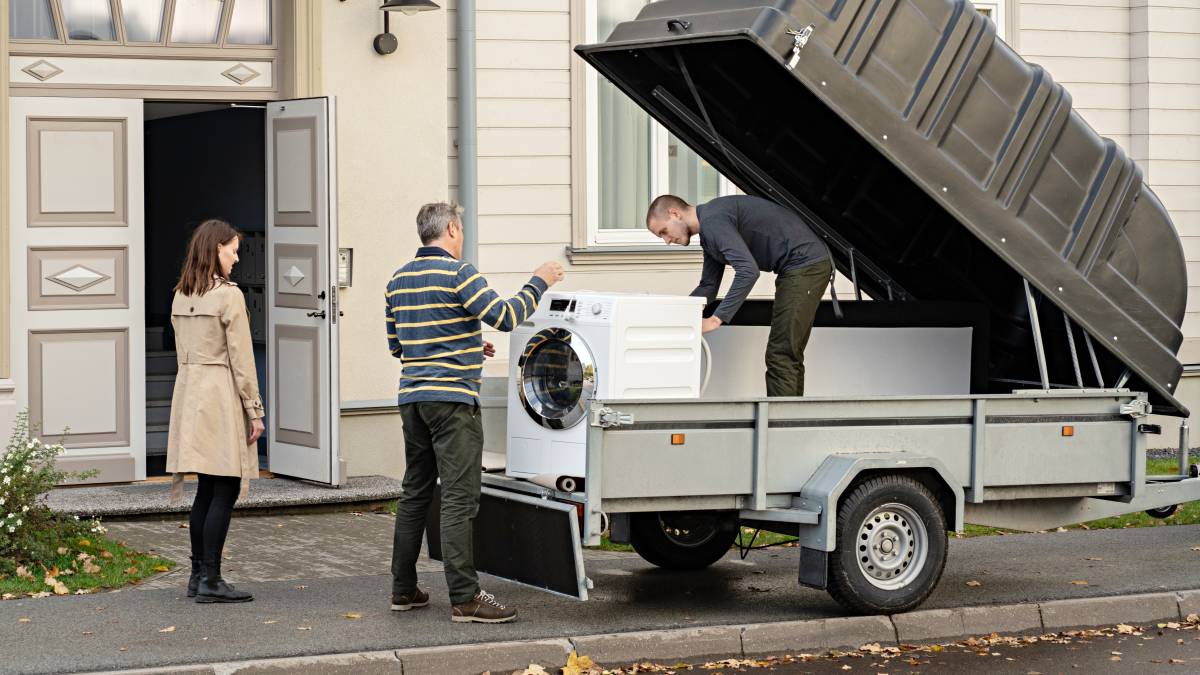
How to move a washing machine
Read more
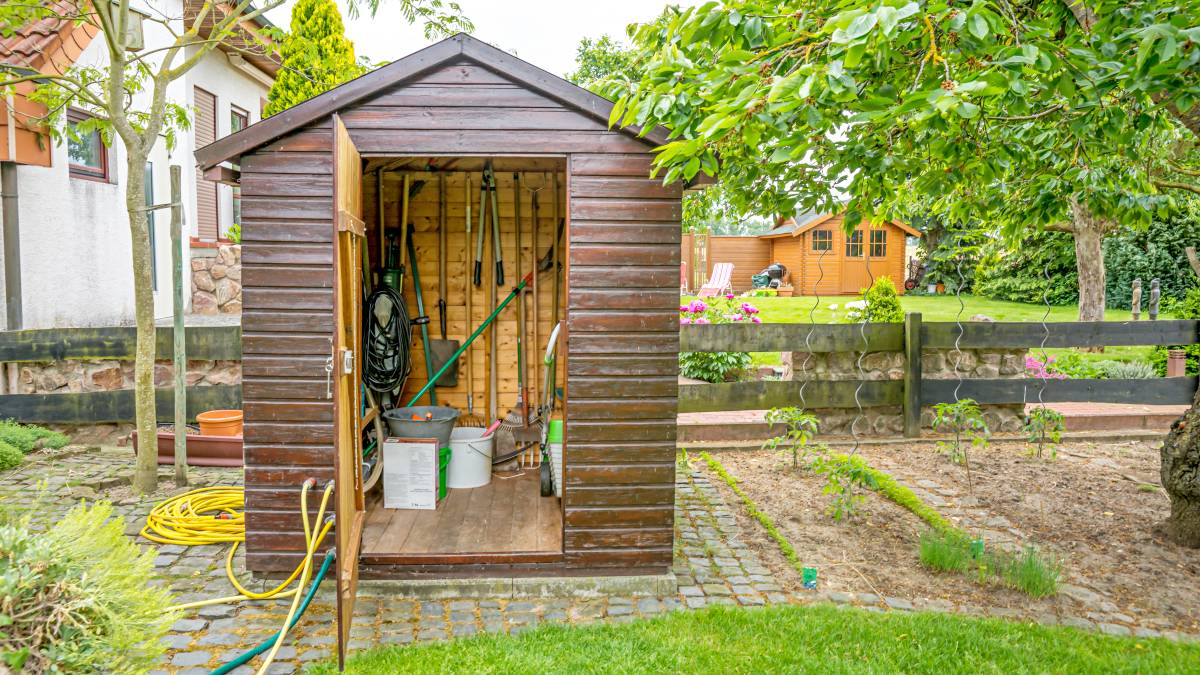
How to move a shed
Read more

How to move a pool table
Read more
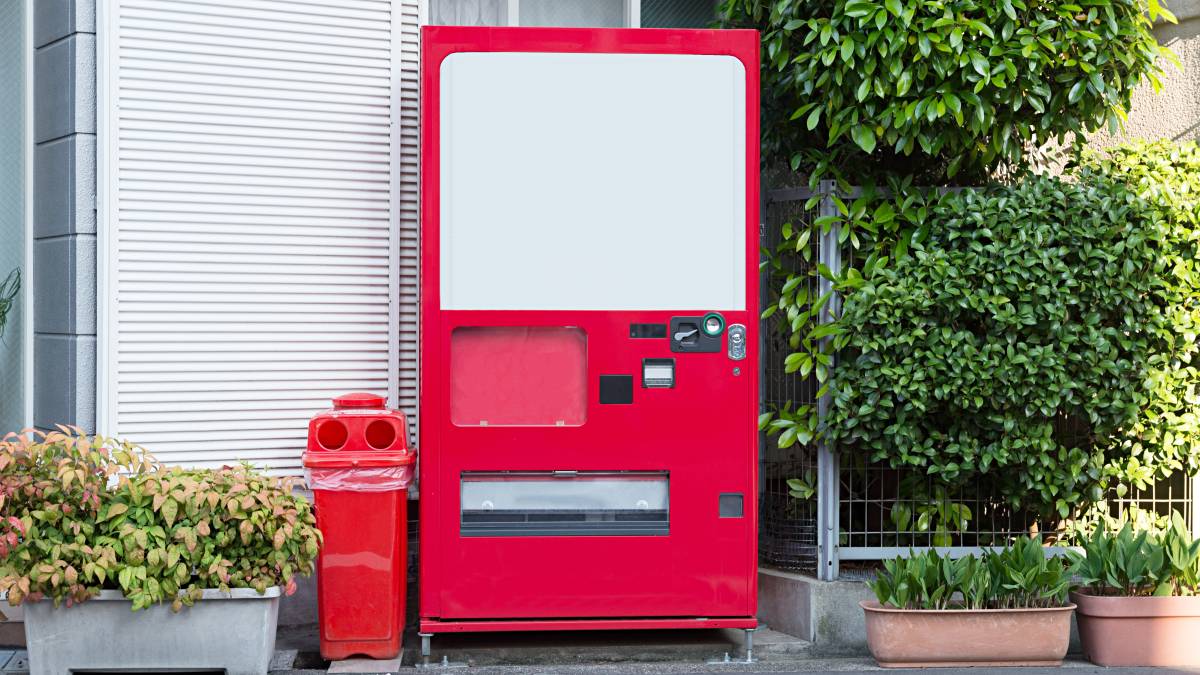
How to move a vending machine
Read more
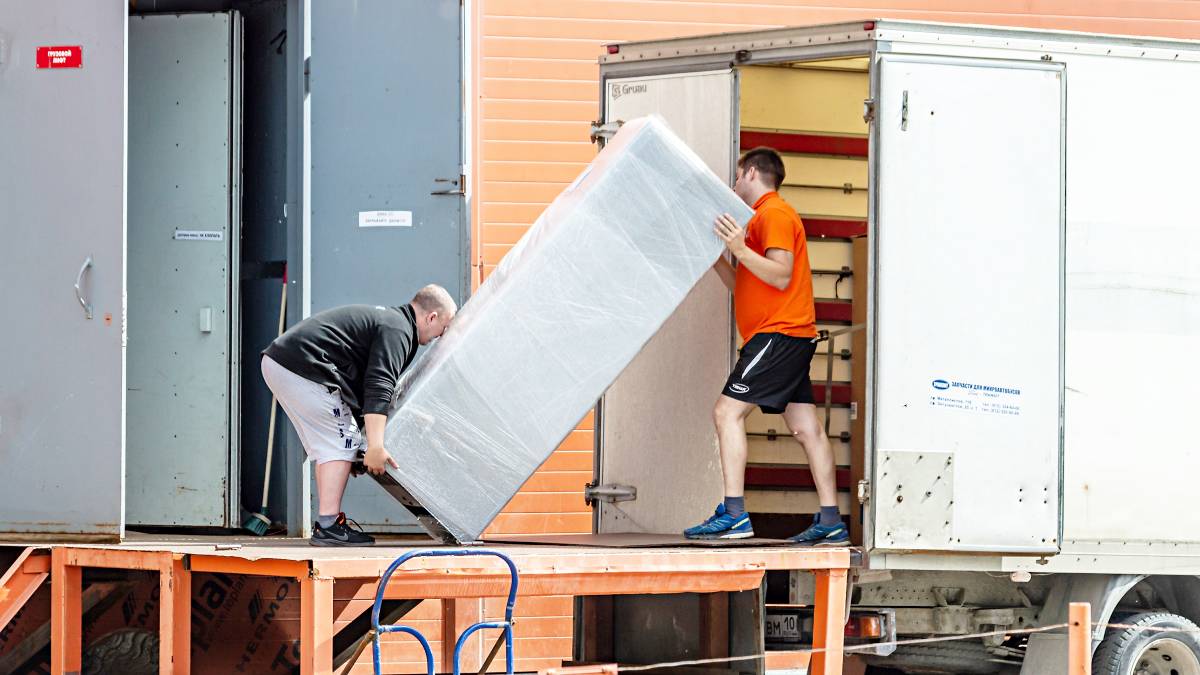
Moving a fridge: How to do it right
Read more

How to pack bedding for moving
Read more

How to move a pinball machine
Read more

How to wrap furniture for moving
Read more

What removalists won’t move
Read more

Moving interstate checklist
Read more