Moving to Brisbane in 2026? What You Need to Know Before You
Navigate your life in the new city.
Published on

Written by Genine T.
Staff Writer
Read more about our contributor
Moving to Brisbane highlights:
Brisbane’s average salary is about $79,000, with strong jobs in healthcare, construction, and professional services.
Two-bedroom rents average about $615 per week, and 50-cent public transport fares keep daily expenses lower than Sydney’s $751 weekly average.
Brisbane offers family-friendly riverside suburbs and lively inner-city areas, most within 20 minutes of the CBD.
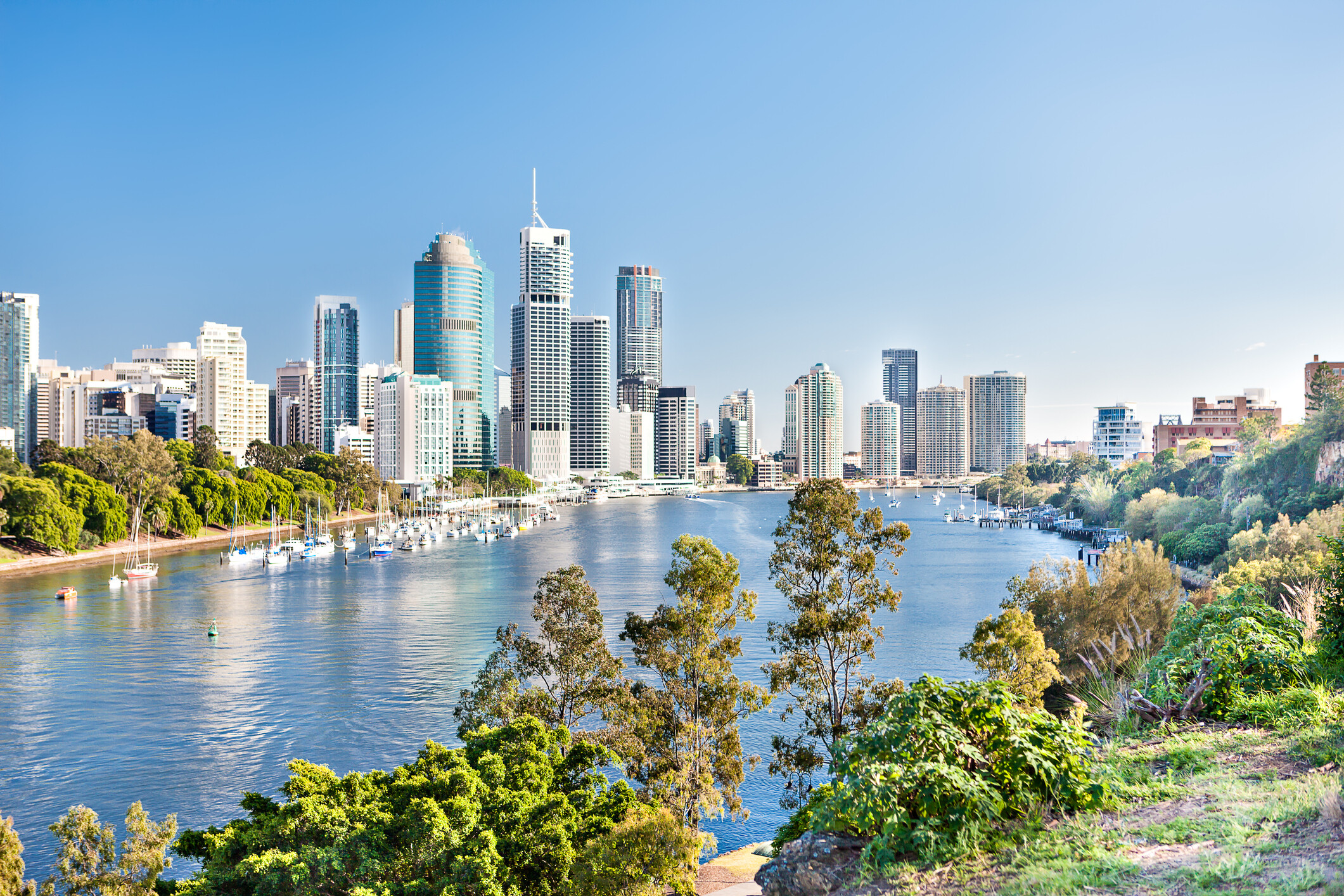
What happens when you get big-city perks without the big-city rush? You get Brisbane, Australia’s third-largest city. With a walkable riverfront, sprawling parklands, wildlife encounters, and a diverse food scene, it’s no surprise that more people are moving to Brisbane every year.
Unlike its southern rivals, Brisbane also ranks among the world’s most affordable major cities. This means you’ll have more room in your budget for weekends away, dining out with your family, or even cracking into the property market.
If all these factors excite you, relocating to Brisbane might be exactly what you need. To get started, this guide covers everything you need to know, including job opportunities, living costs, the best neighbourhoods, and what to expect once you arrive.
Why are people moving to Brisbane?
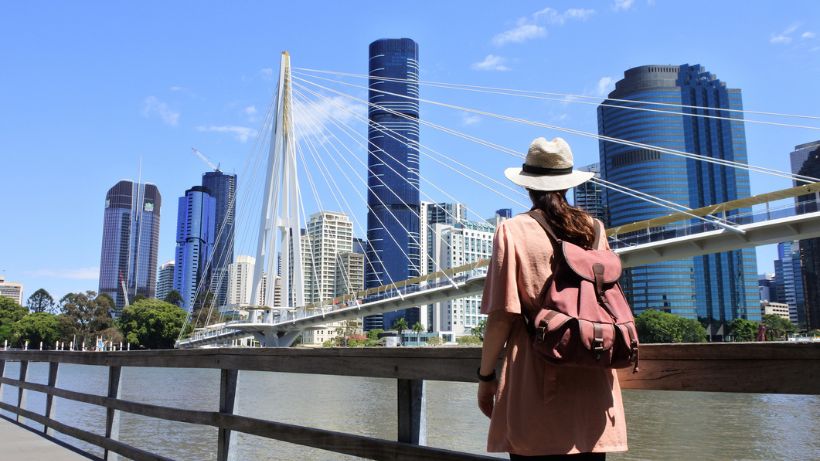 Overlooking Kangaroo Point Bridge. (Source: iStock)
For those wondering, “Should I move to Brisbane?”, its subtropical climate and great work-life balance are often the deciding factors. In this section, we’ll cover the top reasons people are relocating to Queensland’s capital and why many are choosing it over other major Australian cities.
Lifestyle and culture
One of the biggest advantages of living in Brisbane, Australia is the strength of its job market and the lifestyle it supports. For example, Greater Brisbane employs around 50% of Queensland’s healthcare workers, creating more vacancies and stronger demand for skilled professionals across the region.
Brisbane also offers plenty of ways to relax and enjoy the outdoors. You can visit well-loved attractions like Australia Zoo or the Lone Pine Koala Sanctuary, or spend an afternoon at South Bank’s famous man-made beach. Evenings often continue with open-air dining, riverside walks, or a relaxed ferry ride along the Brisbane River, making it easy to unwind and enjoy the city.
Another highlight of living in Brisbane is its diversity and strong community feel. According to the Australian Bureau of Statistics, the most common ancestries in the city include English, Australian, Irish, Scottish, and Chinese. This mix shapes the neighbourhoods, food scene, and festivals, making it easy to find your community or try something new.
Career and job opportunities
Brisbane offers a unique, fast-growing economy appealing to professionals at every stage of their careers. As Queensland’s economic centre, the city continues to attract new businesses and major infrastructure projects, creating steady demand across a wide range of roles and skill levels.
The 5 largest employing industries in Brisbane include:
Health Care and Social Assistance
Construction
Retail Trade
Professional, Scientific and Technical Services
Transport, Postal and Warehousing
Another reason for moving to Brisbane, Australia, is that salaries remain competitive while offering a cheaper cost of living. The average annual salary sits at around $79,000, with higher earnings in technical and engineering roles. Mechanical engineers earn an average of $83,000 per year, while civil engineers earn around $86,000 annually.
Weather and climate
Brisbane is a favourite destination for sunseekers, thanks to its inviting subtropical climate. However, the warmer months can also bring heavy rain, so it’s best to plan your move on days with a clear forecast and allow extra time for loading and transport.
| Season | Average temperature |
|---|---|
Summer (December to February) |
19.8°C to 29.1°C |
Autumn (March to May) |
13.3°C to 28°C |
Winter (June to August) |
9.5°C to 21.8°C |
Spring (September to November) |
12.9°C to 27.8°C |
If you plan to move to Brisbane during a wetter period, it’s worth taking extra care to protect your belongings. Professional packing services can supply weather-resistant materials and wrap your items securely so everything arrives dry and in good condition.
What should you research before moving to Brisbane?
If you are wondering, “Is Brisbane a nice place to live?”, the answer depends on how well you prepare. Rent prices vary widely by suburb, everyday expenses can add up quickly, and timing your move can affect how much you pay.
Cost of living
One of the biggest perks of living in Brisbane is the transport costs. While Australia ranks among the most expensive countries in the world, Queensland’s 50-cent public transport fares make getting around remarkably affordable. This means that whether you’re commuting to work or heading out for the weekend, a single trip costs just 50 cents with a Go Card. That’s a fraction of what you’d pay in Sydney or Melbourne!
Weekly rents are also lower in Brisbane compared to Sydney. For instance, a two-bedroom unit in Sydney averages around $751 per week, while the same unit in Brisbane averages roughly $615 per week. That’s a saving of over $130 per week, or nearly $7,000 a year. Keep in mind though, Brisbane’s rental market has been climbing, so it’s still not as affordable as Darwin or Hobart.
| Type of expense |
Average monthly cost |
|---|---|
Utilities (electricity, water, gas) |
$200 to $210 |
Groceries (single person) |
$400 to $430 |
Public transport (Go Card) |
$22 to $35 |
Internet |
$70 to $90 |
Dining out (occasional) |
$28 to $130 |
Neighbourhood options
Figuring out where to live in Brisbane highly depends on your lifestyle, budget, and priorities. We’ve narrowed down the best places to live in Brisbane by region to help you find the right fit for your future home.
Eastern Suburbs
If riverside walks, leafy streets, and a strong sense of community top your wish list, Brisbane’s east is hard to beat. Top picks like Bulimba and Hawthorne sit just minutes from the CBD with waterfront parks, heritage homes, and lively cafe strips. Prefer a coastal vibe? Wynnum and Manly put Moreton Bay right on your doorstep.
Northern Suburbs
The northern suburbs are ideal for those who want a practical lifestyle without giving up comfort or convenience. One of the top neighbourhoods is Chermside because it’s an all-in-one suburb. It boasts major shopping, hospitals, and excellent transport links. Nearby, Ascot offers an upscale, leafy feel, with larger homes, quiet streets, and good access to schools and the city.
For something a little breezier, Sandgate delivers seaside charm with its foreshore walks and village feel, all while remaining more affordable than many coastal alternatives.
Southern Suburbs
South Brisbane is ideal for people who like walking to cafes, parks, and cultural spots, with South Bank’s markets, galleries, and riverside spaces close by. Further south, Sunnybank is well known for its affordable dining, excellent Asian food, and welcoming multicultural community, making it a practical choice for budget-conscious households who value diversity and convenience.
Western Suburbs
The western suburbs are often considered some of the best places to live in Brisbane for people who want space, value for money, and a balance of lifestyle and practicality. One example is Paddington, which appeals to those who want to live close to the city, with character homes, local shops, and a strong cafe culture.
For those looking to stretch their budget, Corinda offers good value for money, with reliable train access, nearby schools, and daily essentials close at hand.
Best time to move
With Brisbane recording the third-largest population growth in Australia as of 2025, timing your move has become more important than ever. For most people, autumn from March to May is the best time to move. The weather is comfortable, the humidity is lower, and competition for removalists and rentals tends to ease after the summer rush.
As for the actual moving day, it’s recommended to book mid-month and mid-week to secure better availability and potentially lower rates.
| Season |
Moving period |
|---|---|
Peak moving season |
December to March |
Off-peak season |
April to September |
If you need to move during the peak months, make sure to book your removalists at least two months in advance. This period coincides with school holidays and a high number of interstate relocations, which means services book out quickly and prices can rise.
Moving costs
On average, removalist rates range from $103 to $172 per hour, depending on the company, the number of movers, and the truck size. Prices can also vary widely based on factors such as distance, time of year, access to the property, and the overall length of the move.
If you need services beyond the basic move, expect to pay an additional $150 to $310. This may include heavy lifting of large or fragile furniture, moving items through narrow hallways or staircases, or managing limited parking and difficult property access.
Out-of-state or international considerations
If you are migrating to Brisbane from another state or overseas, there are a few additional steps to plan for beyond the physical move.
Interstate moving
An interstate relocation is considered a long-distance move, so there are important admin tasks to complete soon after settling in. One of the first priorities is converting your driver’s licence. If you hold a licence from another Australian state or territory, you are required to transfer it to a Queensland licence within three months of living in Brisbane.
Use the table below to prepare what you need and update key services as soon as possible after your move.
| Item or service |
What to prepare or update |
|---|---|
Driver’s licence transfer |
Current interstate driver’s licence |
Evidence of identity |
|
Medical declaration |
Declare you are medically fit to drive |
Licence transfer fee |
$84.20 as of 2025 |
Once your licence is sorted, remember to update your address with key services and accounts. This includes Services Australia, the Australian Tax Office, the Australian Electoral Commission, and your Linkt account for toll roads.
International moving
When migrating to Queensland, visa and work requirements should be your first priority. Before your move, make sure you have the correct visa type in your ImmiAccount and that all required documents are prepared and easily accessible.
In most cases, you will need:
Your visa grant notice
Professional licences or skills assessments
Bank statements
Private health insurance documentation
It’s also important to prepare certified or authenticated copies of key documents, as you may need them for employment, enrolment, or government processes after arrival. Keep both digital and physical copies with you during your stay, rather than packing them in shipped items.
Once your visa and paperwork are in order, you can arrange international shipping for your belongings. Personal items are usually sent as Unaccompanied Personal Effects, which allows your household goods to arrive separately while you settle in.
What should you do on your Brisbane moving day?
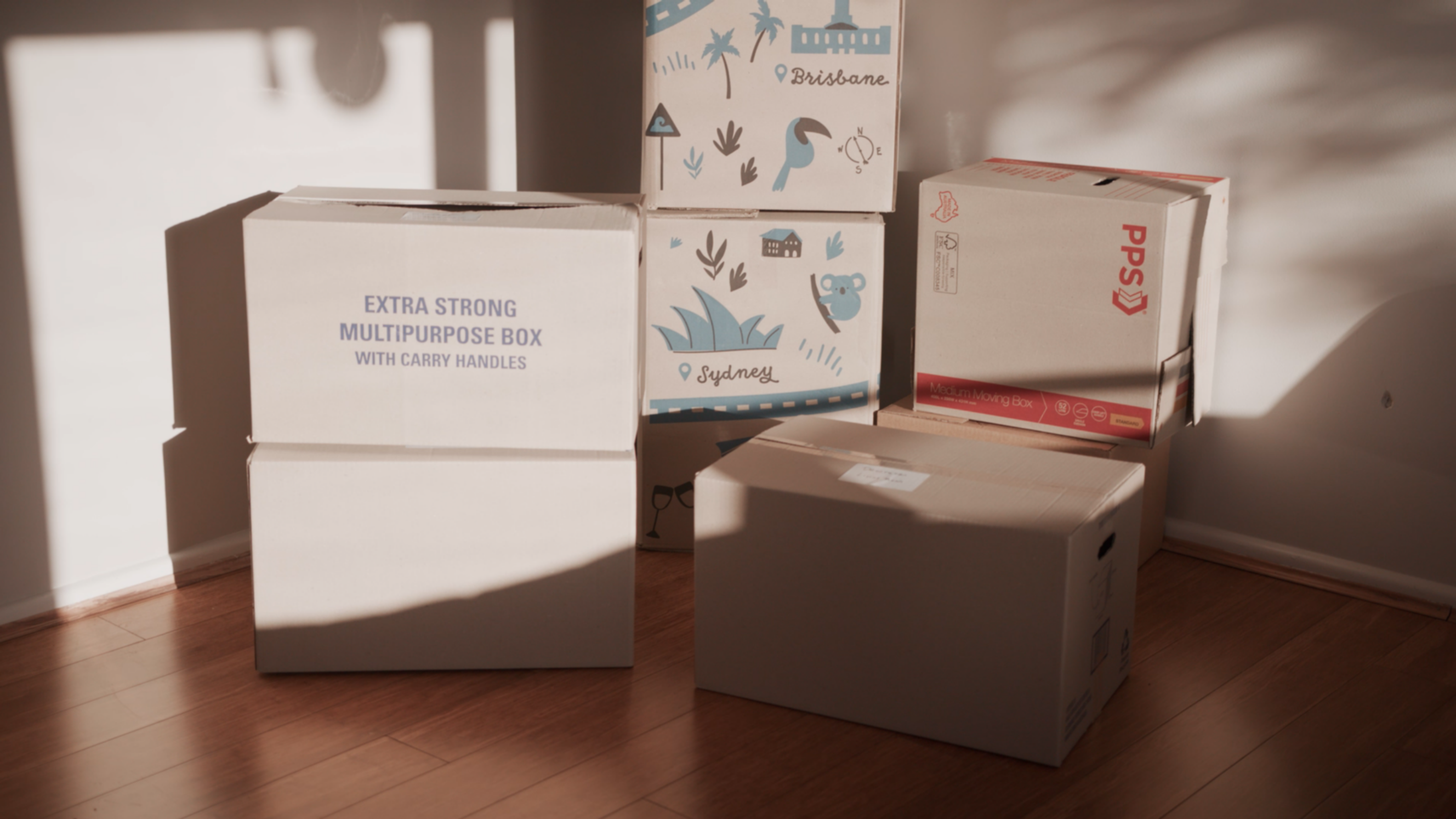
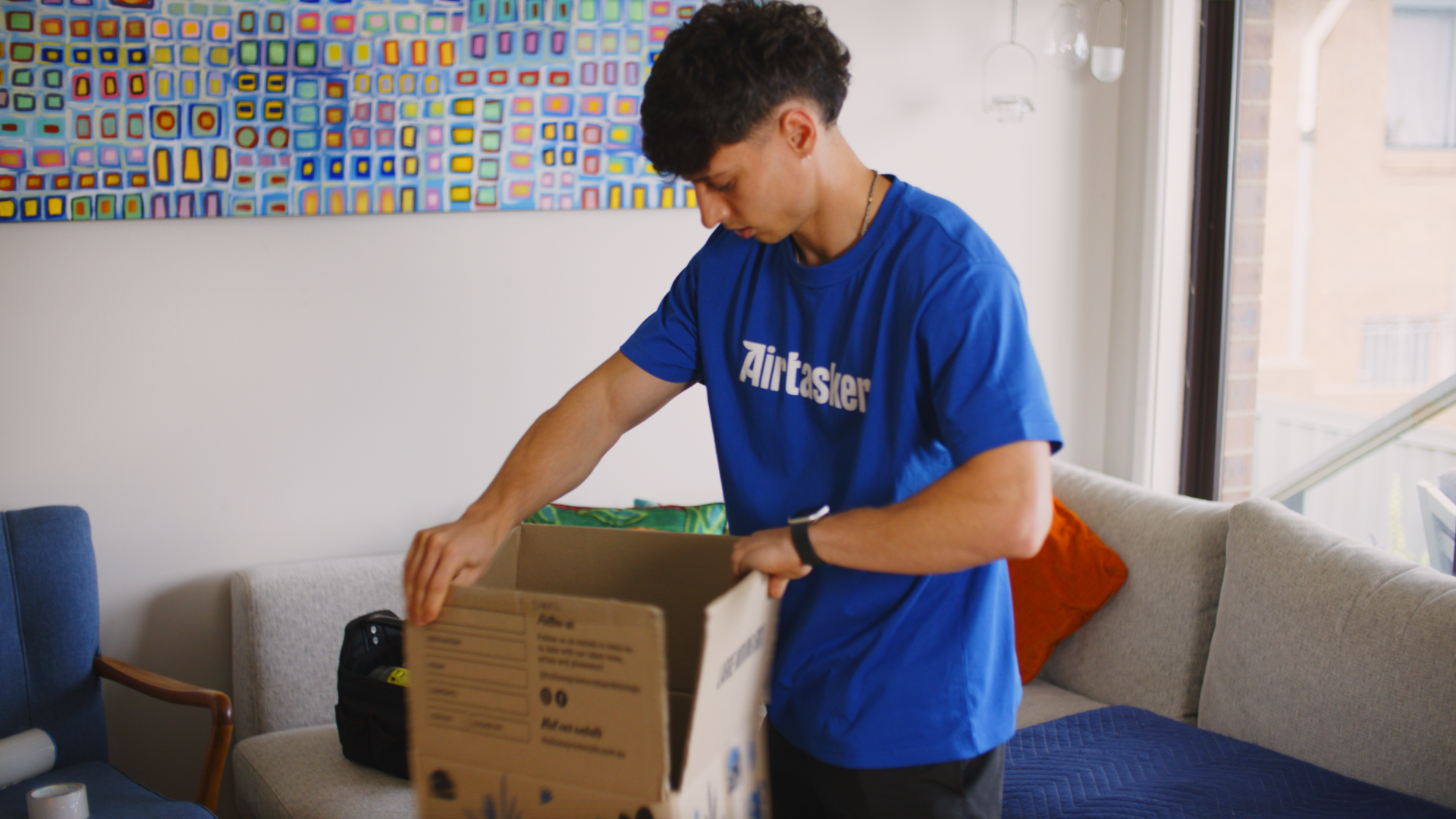
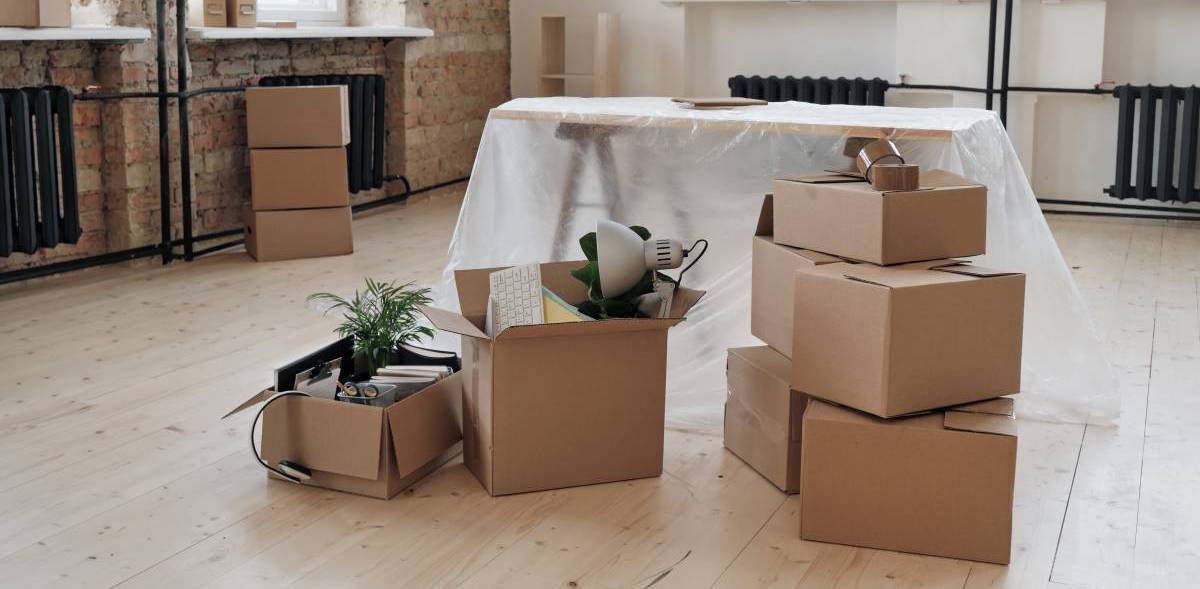
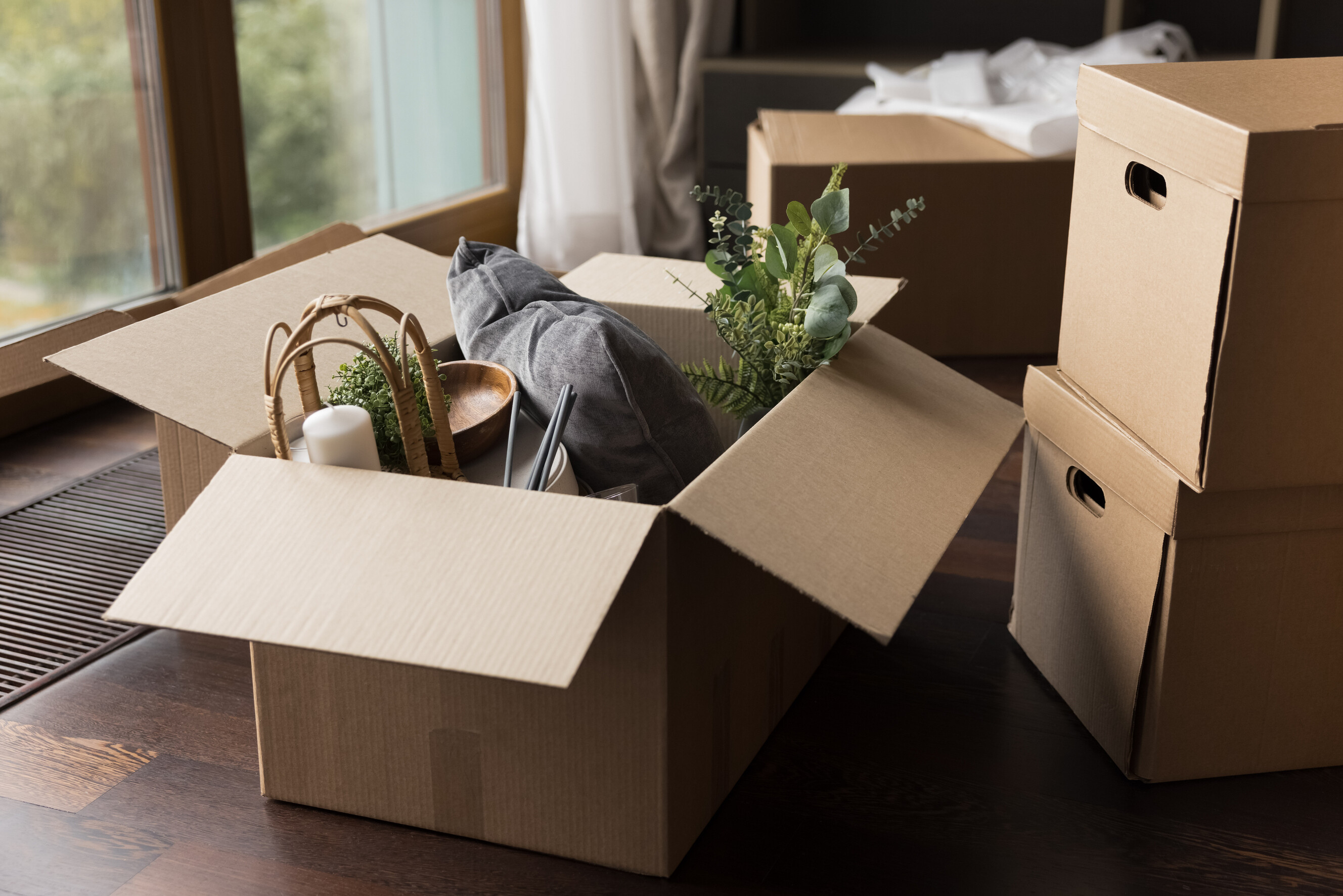
 Packing and decluttering before moving. (Source: iStock)
Moving day can feel overwhelming without a clear plan. These moving to Brisbane tips will help you stay organised, avoid common last-minute issues, and make sure everything runs smoothly from pickup to unpacking.
Strategically coordinate movers and services
Once you have a confirmed moving date, start booking other services that support a smooth move. For example, you can arrange house cleaning for your current home and move-in cleaning for your new place well in advance to avoid last-minute delays. Ideally, book these services at least a month before you move so you have enough time to address any issues or adjust bookings if needed.
Task |
When to Arrange |
Apply for resident parking permits |
As soon as you have your address, tenancy details, and vehicle registration |
Book lift access or loading bay |
2 to 4 weeks before moving day |
Confirm arrival times with removalists |
1 to 2 days before the move |
As a final step, aim to complete your end-of-lease obligations at least one week before moving day. This gives you time to handle minor repairs, touch-ups, or inspection concerns.
Carefully transport your belongings
Before packing, take time to declutter so you are not moving items you no longer use or need. This helps reduce moving costs and keeps your new home clutter-free. Ideally, start about three months before your move. Use the first month to sort items into keep, donate, and dispose. Spend the second month donating or disposing of unwanted items, then use the final month purely for packing.
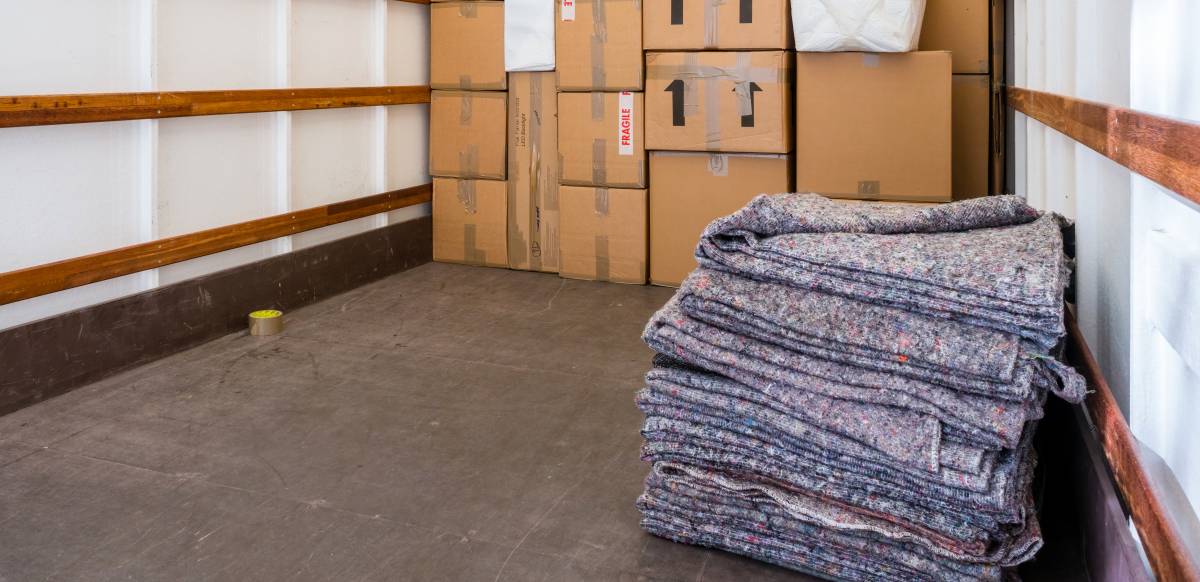
When packing, consider the season you are moving in. During Brisbane’s wetter months, it’s a good idea to use extra stretch plastic or protective furniture wrappings to avoid getting damp if exposed to rain. Fragile items should also be well cushioned and clearly labelled.
Got large or bulky furniture? You may want extra help wrapping these or specialised packing support.
On moving day, guide your removalists clearly. Point out fragile boxes, explain which items should be loaded first, and let them know how you want items stacked. Clear instructions help protect your belongings and make setting up much easier.
Critically double-check everything
During your final clean or house clearance, take time to walk through each room and note the items you will still need right up until moving day. These usually include bathroom essentials, a change of clothes, chargers, hair tools, important documents, and basic kitchen items.
About one week before your move, place these items in a clearly labelled bag or suitcase so they are easy to access and won’t be accidentally packed or left behind.
Before handing over the keys to your old place, do a final check to avoid disputes or forgotten items. Make sure you:
Take clear photos of each room after cleaning
Photograph utility meters if required
Check cupboards, drawers, storage areas, and outdoor spaces
Confirm windows are closed and lights and appliances are turned off
Once your belongings arrive at your new home, unload with intention. Direct your removalists to unload boxes room by room based on your layout, starting with priority areas such as the kitchen or bedrooms. As you work through each room, check off boxes against your inventory.
If anything is missing or damaged, notify your removalist or service provider immediately so it can be addressed as soon as possible. For more practical advice, see our moving guide.
How do you get settled in Brisbane after moving?
With the move behind you, the first weeks in Brisbane are about organising your home and settling into everyday life. Below, we cover the essential tasks, from connecting utilities to setting up services, so nothing gets missed.
Connect your utilities
Ideally, arrange electricity, gas, water, and internet one to two weeks before your move-in date so everything is ready when you arrive. If you’re unsure about a provider or plan, remember that most energy contracts come with a 10-day cooling-off period, giving you time to review the terms and change your mind without penalty if it’s not the right fit.
| Utility Type |
Common Providers |
|---|---|
Electricity and Gas |
GloBird Energy, Alinta Energy, AGL |
Water |
Urban Utilities |
Internet |
Superloop, Aussie Broadband, Kogan Internet |
After moving your utilities, take a few minutes to save account details, reference numbers, and start dates in one place. This makes it easier to track bills, monitor usage, and switch providers later if needed, especially during your first few weeks of settling in.
Update your licences and documents
Moving house is one thing, but settling in properly means updating your licences and personal records. One of the simplest ways to do this in Queensland is by setting up a Queensland Digital Identity (QDI). While not mandatory, it’s strongly recommended because it lets you update your home or postal address online across multiple government services, rather than contacting each one individually.
To create your account, you’ll need to verify your identity using documents such as a birth certificate, passport, or driver’s licence. The full setup process and verification steps are available on the Queensland Government website. It’s also important to update your details with:
Insurance providers
Pet registration
Banks and financial institutions
Memberships and subscriptions
Secure council-related permits
Aside from the QDI account, you also need to create an online account with the Brisbane City Council. This allows you to manage key services in one place, including rates, bin collection schedules, resident parking permits, and permit applications.
Through your Brisbane City Council online account, you can also apply for approvals related to property changes such as parking, renovations, fencing, tree removal, or other building works. If you’re planning any construction or structural updates, apply for the required permits early, as processing times can take several weeks.
Ensure your family’s welfare
If you are moving with children, schools will likely be your first priority. In Queensland, government school enrolment is based on catchment areas. This means your home address determines which state school your child can attend. Before signing a lease or buying a home, check the official Queensland Government catchment map online to confirm eligibility.
Once school plans are in place, explore what makes your neighbourhood truly family-friendly. Below are some of the top spots to bond and get moving.
| Type |
Popular spots |
|---|---|
Parks and Green Spaces |
Barrambin, New Farm Park, Minnippi Parklands |
Bushland and Wetlands |
Brisbane Koala Bushlands, Whites Hill Reserve, Boondall Wetlands |
Botanic Gardens |
City Botanic Gardens, Sherwood Arboretum, Mt Coot-tha Botanic Gardens |
Sports and Leisure |
Warril Parklands, Carole Park Pool, Toohey Forest Park |
In terms of healthcare, Brisbane is well served by public and private hospitals, along with GP clinics, dental practices, and specialist centres across the city. Once you move, register with a local GP through your Medicare Online Account as soon as possible and transfer your family’s medical records so you are not scrambling during an emergency.
Also think of your pet
Once you have organised your move and settled into your new home, do not forget to sort out your pets as well. In Brisbane, no permit is required if you own only one dog or one cat. However, registration is still required, and cats must be microchipped.
If you plan to keep more than one dog or more than one cat, you will need to apply for a permit. You can apply online through the Brisbane City Council website. You may also complete the form and mail it with a cheque to Brisbane City Council, or lodge it in person at a council customer centre.
Responsible ownership also means following local rules in public spaces. If you receive an animal-related fine, you have 28 days from the issue date to either pay or appeal it. Here are a few common offences and their penalties:
| What you must do |
Penalty units |
Fine |
|---|---|---|
Clean up after your pet in public |
2 |
$333 |
Prevent your pet from causing ongoing noise complaints |
2 for the first offence or 5 if a compliance notice is ignored |
$333 or $834 |
Keep your dog under control in public and prevent attacks on other animals |
15 |
$2,503 |
If relocating internationally, allow plenty of time to secure the necessary permits and health certifications, as processing can take several weeks or even months. Be sure to review Australia’s biosecurity and quarantine requirements in advance to understand the specific steps involved.
How do you get around in Brisbane?
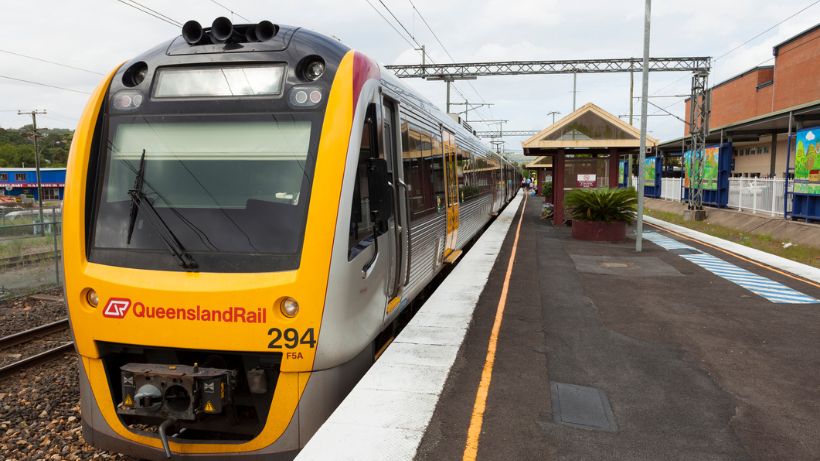 Queensland Rail electric train at Nambour. (Source: iStock)
Often ranked among Australia’s most walkable cities, Brisbane has invested heavily in pedestrian-friendly infrastructure, riverside pathways, and connected urban precincts. Ongoing council strategies continue to prioritise safer footpaths, active transport networks, and greener public spaces, making it simpler for residents to move around on foot.
At the same time, walkability does not mean limited transport options. Brisbane is also supported by a well-integrated public transport system that makes travelling across the city straightforward and affordable. In the sections below, we break down exactly how these systems work and how you can make the most of them.
What is Brisbane’s Go Card?
A Go Card is Brisbane’s reusable public transport card that allows you to tap on and off across buses, trains, ferries, and trams. You can purchase and reload your card online, at selected retailers, or by calling 13-12-30. Online top-ups range from $10 to $200, while phone top-ups start at $5. Just note that payments must be made using an Australian Visa or Mastercard, as international cards are not accepted.
Here are the main types of go cards available:
| Card Type |
Who Should Use It |
|---|---|
Child |
Children aged 5 to 14. Free travel on weekends |
Seniors |
Eligible Australian Seniors Card holders |
No matter which card you use, fares are currently 50 cents per journey across the Translink network. If you prefer not to carry a card, you can also use contactless payment through the Translink app on your Android or iOS device and simply tap to travel.
By car
If you plan to drive in Brisbane, be aware that many major roads are toll roads with electronic payment only. There are no cash booths. Instead, drivers use an electronic tag, a small device fitted to your vehicle that beeps as you pass through a toll point and automatically charges your account.
Brisbane’s toll road network includes:
Airportlink M7
Clem7
Gateway Motorway
Go Between Bridge
Legacy Way
Logan Motorway
Toowoomba Bypass
You can also use the Linkt toll calculator to see your route and view expected toll charges in advance. The same platform also provides information on peak travel periods, helping you plan your trip more efficiently and avoid unexpected expenses.
By train
Brisbane’s train network connects the CBD with suburbs across the city and is fully integrated with the go card system, so you can simply tap on and off at station gates. Central and Roma Street are the two main hub stations, linking most lines and providing easy access to key areas such as South Bank and Fortitude Valley.
To plan your trip, use the Translink Journey Planner to map your route, check platform numbers, and view live departure times. You can also explore Queensland Rail’s Your Station page to see what facilities are available at your stop, including lift access, parking, bike storage, and accessibility features for passengers with mobility needs.
By bus
Brisbane’s bus network is extensive and easy to use, and like trains and ferries, it accepts the go card for seamless tap-on and tap-off travel. Buses connect the CBD with suburbs, major shopping centres, universities, and key attractions.
Depending on where you are heading, you can choose from free city centre loops, high-frequency CityGlider services, or BUZ routes. If you are exploring the inner city, the free city loop services are a convenient option:
| Service |
Route number |
Operating hours |
|---|---|---|
Spring Hill Loop |
Route 30, yellow buses |
6 am to 10 pm Monday to Friday 7 am to 7 pm Saturday and Sunday |
City Loop |
Route 40 clockwise Route 50 anticlockwise |
7 am to 6 pm Monday to Friday for Route 40 7.05 am to 6.05 pm Monday to Friday for Route 50 |
For longer hours and faster connections, CityGlider services operate on routes 60 and 61. These run 24 hours a day on Friday and Saturday, and 18 hours a day from Sunday to Thursday, making them ideal for late-night travel or weekend plans.
BUZ services operate daily from 6 am to 11.30 pm and cover additional high-demand routes across the city. Like other bus services, they accept go cards and offer frequent departures throughout the day.
By ferry
One of Brisbane’s most scenic ways to travel is by ferry along the Brisbane River. All ferry services accept go cards, allowing you to tap on and off with ease. Brisbane City Council operates a fleet of 27 CityCats and 5 KittyCats, connecting riverside suburbs with the CBD, South Bank, and other major precincts across the city.
The CityCat network includes both all stops and express services:
| Service |
Route |
Operating details |
|---|---|---|
CityCat F1 |
UQ St Lucia to Northshore Hamilton |
Daily service, all stops |
Express CityCat F11 |
Apollo Road to Riverside |
Weekday peak periods only |
Express CityCat F12 |
West End to QUT Gardens Point |
Weekday peak periods only |
As for KittyCat ferries, fleets operate the Cross River routes F21 to F24, providing regular all-day services between:
What are fun things to do as a new resident in Brisbane?
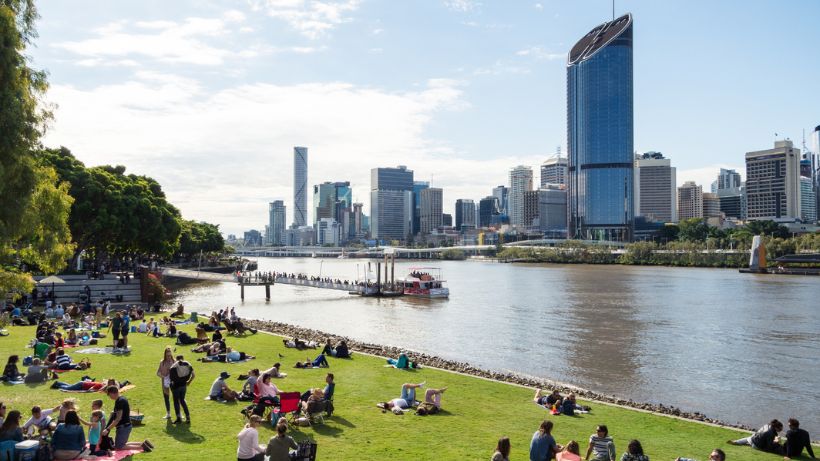 People sitting on the Brisbane River South Bank. (Source: iStock)
Once the paperwork is sorted and the boxes are unpacked, the real fun begins. This section highlights the must-visit spots, weekend ideas, and everyday experiences that help you feel at home in Brisbane.
Explore your new neighbourhoods
Brisbane is a city best understood on foot. Each neighbourhood has its own pace and personality, which can influence where you shop, dine, or spend your weekends. Here are a few neighbourhoods to start with:
Fortitude Valley: Best for nightlife, live music, rooftop bars, and boutique shopping along James Street.
New Farm and Teneriffe: Riverside walking paths, New Farm Park, Brisbane Powerhouse events, and relaxed brunch spots.
South Bank: Cultural institutions like the Queensland Museum and Gallery of Modern Art, riverfront dining, and the popular Streets Beach lagoon.
West End: Multicultural restaurants, Davies Park Market, independent shops, and a creative, community-driven atmosphere.
Visit historical and heritage sites
History buff, or just curious about how Brisbane became what it is today? The city has plenty of heritage landmarks that tell the story of its journey from convict settlement to modern riverside capital. Drop by Brisbane City Hall, wander through Customs House, or take a short walk up to the Old Windmill at Observatory Hill.
If you enjoy quieter discoveries, explore heritage-listed churches, stroll past classic Queenslander homes in suburbs like Paddington, or visit historic riverfront sites that shaped early trade and transport. Many of these places offer guided tours or simple information panels, so you can learn something new without turning it into a full-day commitment.
Enjoy the outdoors
Whether you prefer early morning walks, weekend hikes, or waterfront sunsets, there is always somewhere nearby to stretch your legs. Here are a few outdoor spots worth adding to your list:
Rocks Riverside Park
Kangaroo Point Parks
Tinchi Tamba Wetlands
Keperra Bushland
Milne Reserve
Want to explore with a company? Join a Heart Foundation walking group in your area or book a free Brisbane Greeters walking tour led by knowledgeable locals.
Check out the local market scene
Hunting for vintage finds, browsing local crafts, or simply enjoying breakfast outdoors? Brisbane’s market scene delivers all three. Here are a few to check out:
| Market |
Location |
When |
|---|---|---|
Riverside at the Gardens Market |
City Botanic Gardens |
Every Sunday, 8am to 3pm |
Suitcase Rummage |
Reddacliff Place |
First and third Sunday of each month |
Genki Market |
123 Charlotte Street, The City |
Sundays |
Move to Brisbane with ease
And there you have it! Everything you need to know before making the move to Brisbane. From transport and neighbourhoods to markets and outdoor spaces, you are now better prepared to make informed decisions and settle in with confidence.
The next step? Well, it’s time to quickly get the moving logistics sorted. Post your task on Airtasker, compare quotes from trusted local movers, and book help with confidence. The sooner your move is handled, the sooner you can start living the Brisbane lifestyle.
Helpful resources for those moving to Brisbane
Getting familiar with a new city is easier when you know where to look for reliable information. These local tools can help you plan ahead, stay informed, and manage everyday services more efficiently.
Translink
Use the Translink website or app to plan routes, check live service updates, and monitor delays across buses, trains, and ferries.
Brisbane Severe Weather Alert Service
Sign up to receive storm and severe weather alerts by email, SMS, or voice message so you can respond quickly when conditions change.
BNELibraries App
Download the BNELibraries app via the App Store or Play Store to browse catalogues, reserve books, and manage your library account across Brisbane’s 33 council libraries.
My Services
Create an online council account to manage rates, waste services, permits, and other local matters in one place.
Learn more about our contributors
Written by Genine T.
Staff Writer
Genine is a writer and educator with over seven years of experience. She has published peer-reviewed research papers, worked in academia, and created educational content for thousands of language learners. She discovered her passion for turning complex ideas into practical advice through writing about DIY topics like home improvement, furniture assembly, and household fixes. When she’s not writing, Genine enjoys curling up with her dogs and a good book.
Frequently Asked Questions
For young families, suburbs with good schools, parks, and quieter streets such as Hawthorne, Tarragindi, The Gap, and Ashgrove are popular choices. Young professionals often prefer inner-city areas like New Farm, West End, Teneriffe, and Ascot for shorter commutes and easy access to dining and nightlife.
It depends on your priorities. Living in the inner city usually means shorter commutes and better access to public transport, while outer suburbs often offer more space and lower housing costs but may require longer travel times.
You need to transfer your interstate driver’s licence and register your vehicle in Queensland within 3 months of becoming a Queensland resident.
If you travel frequently, a Go Card is generally the more reliable option, as it works even if your bank experiences temporary service outages. Contactless debit or credit card payments are convenient for occasional trips, but they depend on your bank’s system being available at the time of travel.
Brisbane tends to have a more relaxed, informal culture than larger Australian cities, with people generally valuing work-life balance and outdoor living. You may also notice a strong emphasis on sports and community.
Before signing a lease, check the rental listing and tenancy agreement to confirm the property is pet-friendly and whether approval is required. You should also submit a formal pet request to the landlord or property manager and obtain written approval before moving in with your pet.
Find removalists, fast
Find a removalist
Related Price Guides

How much does it cost to move house?
Read more

How much do packers cost?
Read more




Related Guides

Tips for moving house with kids
Read more

How to pack books for moving
Read more

How to pack kitchen items
Read more
How to move gym equipment safely
Read more

How to pack artwork for moving
Read more
How to move a washing machine
Read more
How to move a shed
Read more
How to move a pool table
Read more
How to move a vending machine
Read more
Moving a fridge: How to do it right
Read more

How to pack bedding for moving
Read more

How to move a pinball machine
Read more

How to wrap furniture for moving
Read more

What removalists won’t move
Read more
Moving Checklist
Read more
How much do removalists make?
Read more

A guide to becoming a removalist
Read more

Moving interstate checklist
Read more