- Home/
- Guides/
- Appliance Removals/
- How to Pack Small Appliances
How to pack small appliances for moving: A step-by-step guide
Not sure how the whole wrapping and packing works? Find out how to pack your home appliances with this guide.
Published on

Written by Chin S.
Staff Writer


Reviewed by Theo T.
Expert Removalist
Read more about our contributors
Key Takeaways
Use protective layers and stable boxes: Bubble wrap, packing paper, towels, and original or sturdy cardboard boxes help prevent dents, cracks, or internal damage during transport.
Label boxes clearly: Include appliance names and destination rooms. Always mark boxes with ‘Fragile’ and ‘Handle With Care’ to reduce the risk of mishandling. Always make it very clear whenever a box needs to remain upright.
- Limit box weight for safety: Keep each box under 40 lbs. (18.14 kg), even if space remains. Overloaded boxes can tear or cause injury.
Knowing a few tricks for packing small appliances will help you have a successful move. It's crucial to know how to pack small appliances properly if you want to make sure they make it through transport and continue to serve you well in your new space.
Here are some important details to be aware of if you’re wondering how to pack small appliances for moving, including some helpful pointers to ensure your valuables will arrive at your new place in one piece.
Tools and materials you’ll need to pack your small appliances
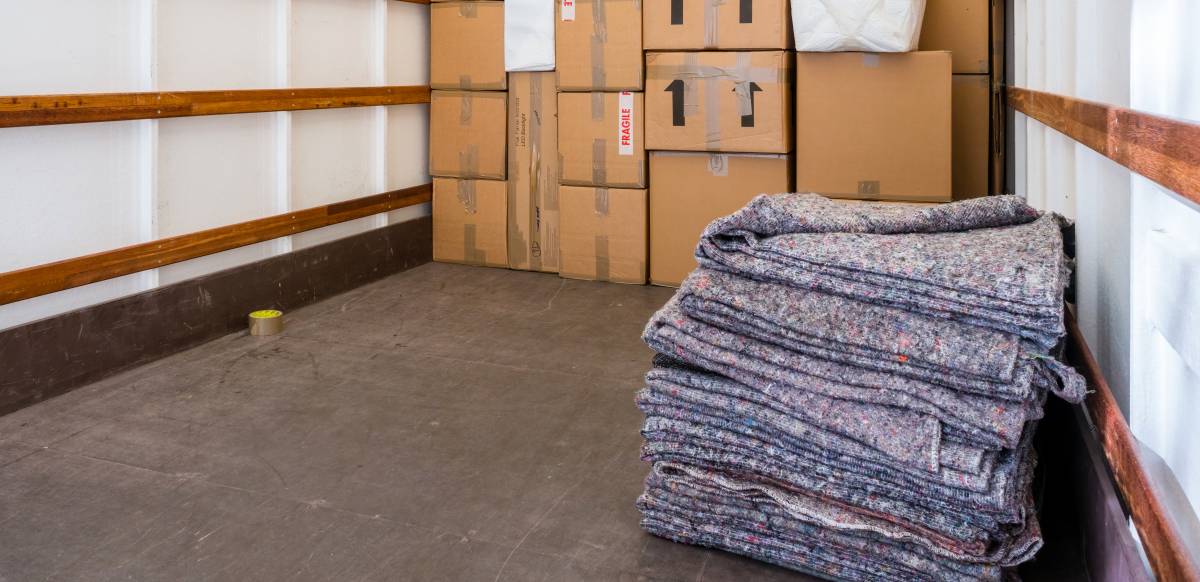
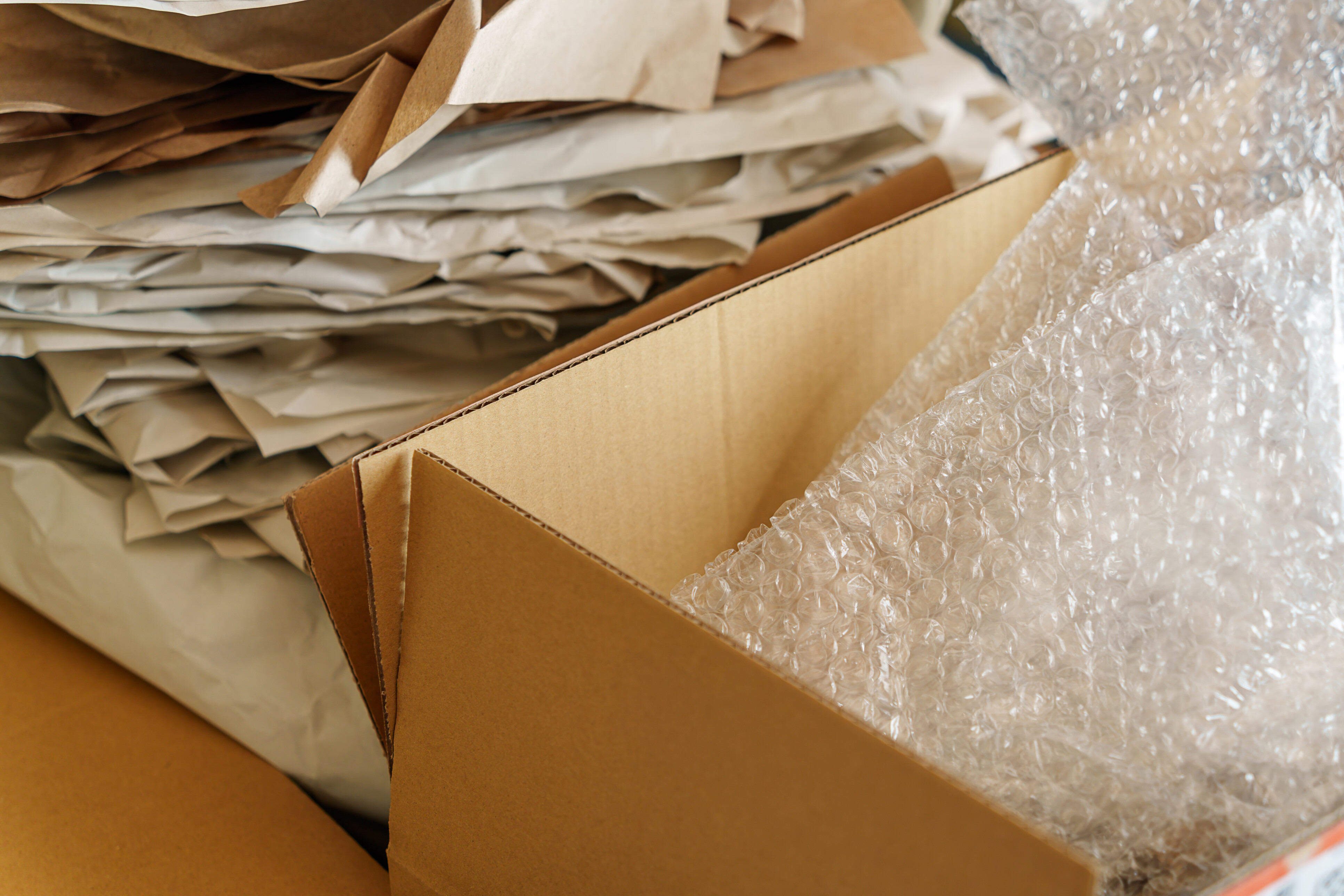
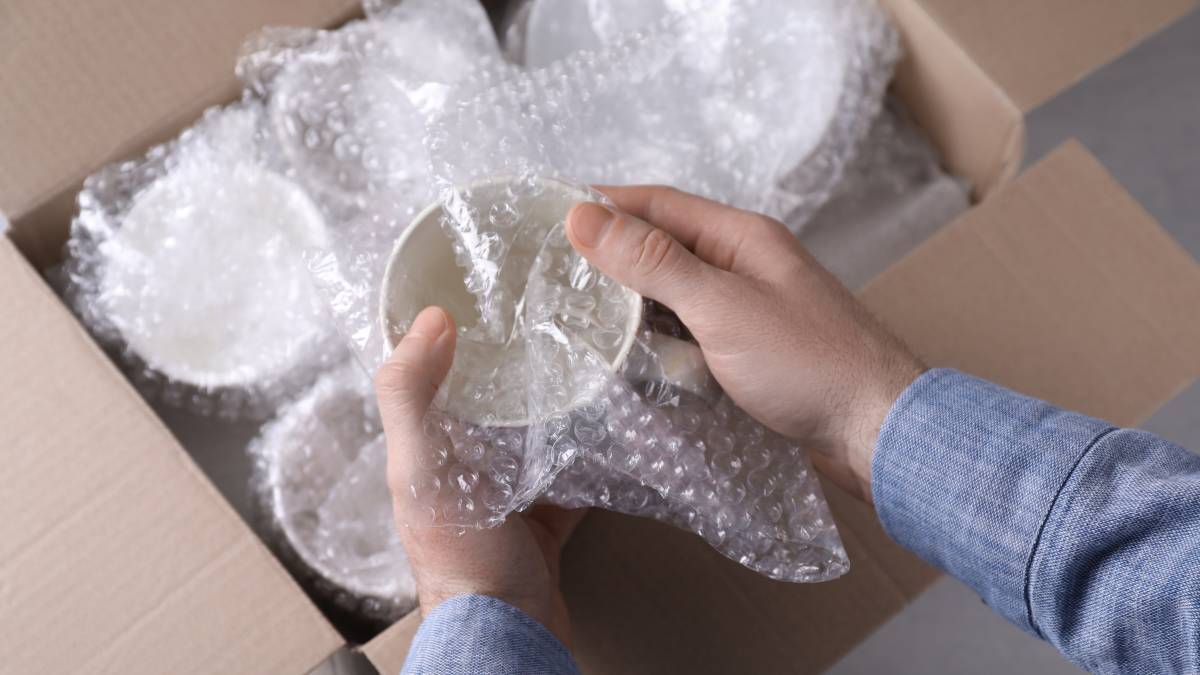
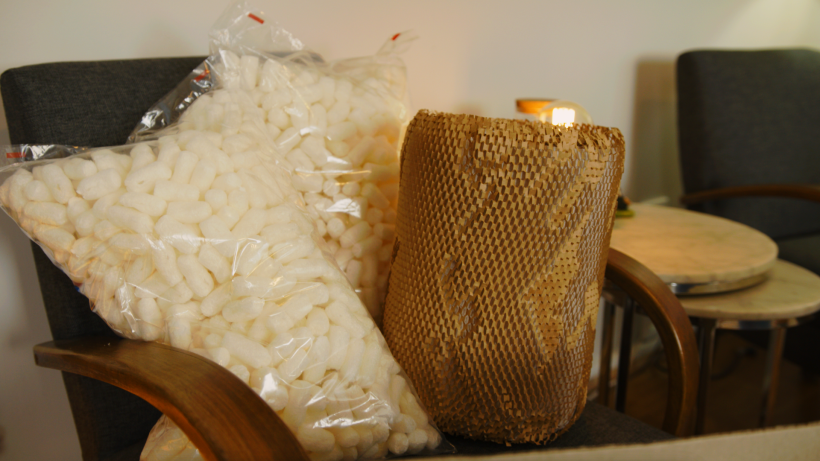 Protective packing supplies for small appliances.
Here are the tools and supplies you need to have on hand to ensure a smooth packing process:
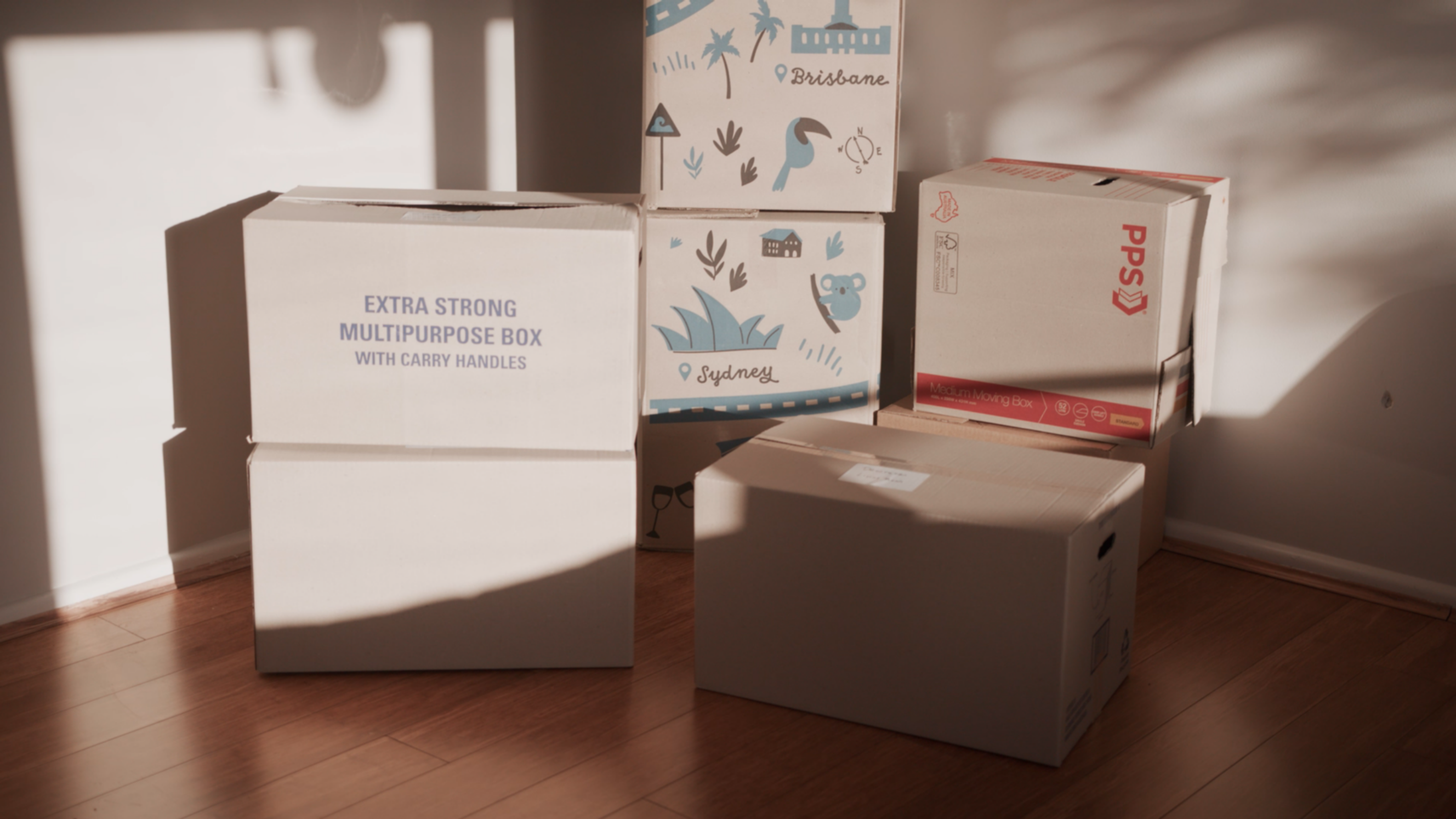
Original appliance boxes or regular moving/cardboard boxes
Packing materials (e.g., bubble wrap, old towels, and other packing support)
Packing tape
Bubble wrap or other packing support
Cable ties
Permanent marker for labelling
Packing paper
Before you start
Wondering about the things you should do before you pack small appliances for moving? Here are a couple of things to remember:
- If you have any small appliances linked to your plumbing or gas line, you may need to call a professional to disconnect the supply line properly.
- Making some plans and preparing for a few days without these appliances would be wise since many of them should be turned off a couple of days before your move.
- Clean and dry your appliances completely to prevent bacteria, mould, and odours from spreading during the move. Doing this also helps avoid soiling your other belongings while inside a moving vehicle.
Unplug your fridge a few hours before moving. Empty it completely, clean it thoroughly, and open the doors slightly to prevent bad odours and mould.
After the move, do not plug it in immediately. Leave it unplugged overnight and reconnect it the next morning. Refrigerators contain refrigerant gas that shifts during transport, and turning it on too soon can damage the compressor.
A step-by-step guide to packing small appliances
Now that your tools and materials are ready, let’s get started. Here’s how to pack small kitchen or home appliances for moving:
Step 1: Gather and organise your appliances
To start, gather all the small appliances you plan to pack ahead of time to avoid forgetting anything. This step also lets you see which devices you haven’t used in a while and can let go of.
Next, organise and group appliances that won’t be needed immediately and pack them in the same boxes. This makes it easier to store them when you move into your new apartment until you need them.
Step 2: Dismantle your appliances and secure the loose parts
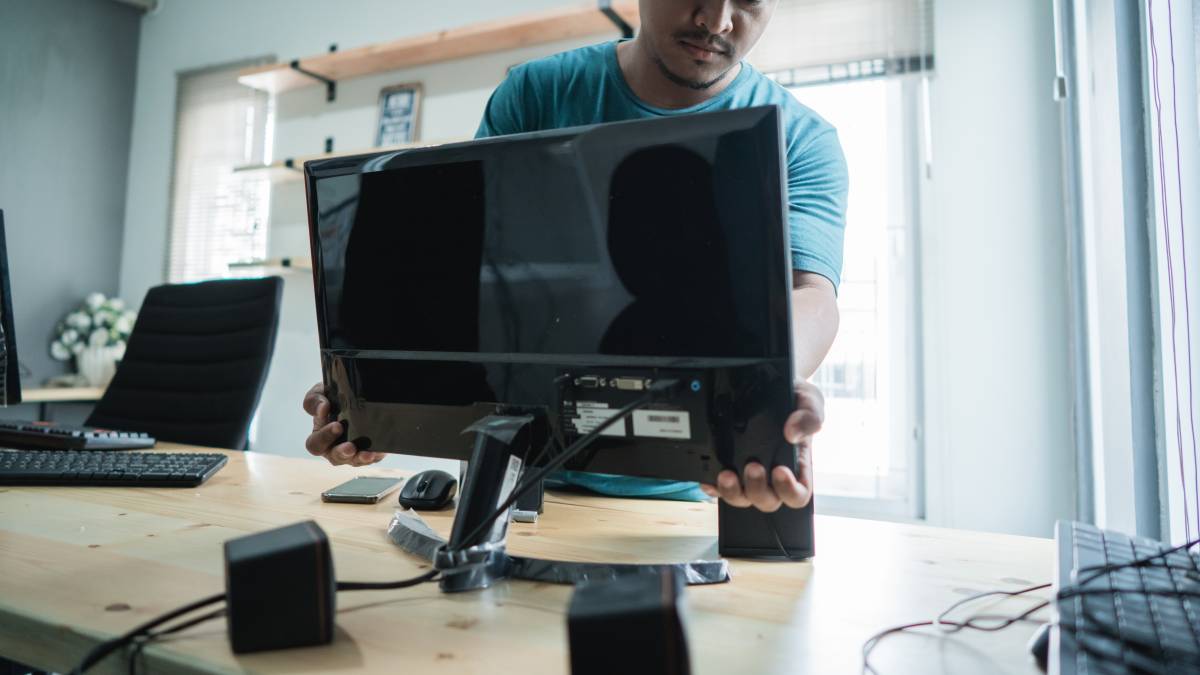
To keep your appliances safe, take apart the pieces, if possible, and unplug or remove any parts to make them easier to pack. This will prevent damage during transportation.
Later, you can pack each appliance’s components in the same box to save time when setting up after moving. Consider adding bubble wrap, towels, or foam to secure these components and other loose parts during transport.
Step 3: Wrap and cushion your appliances
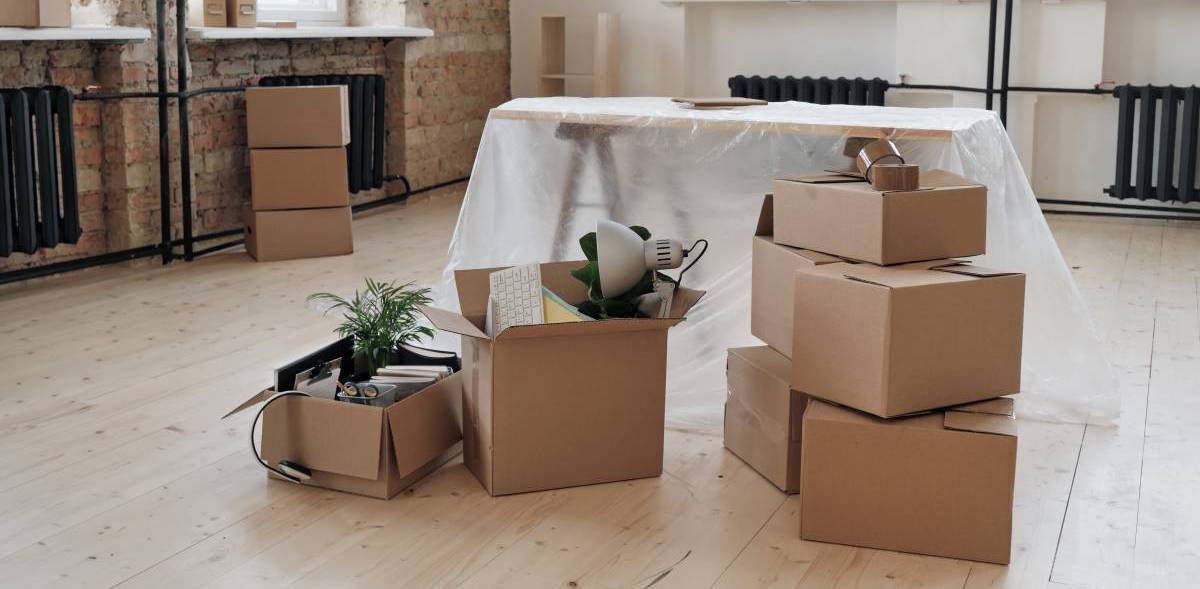
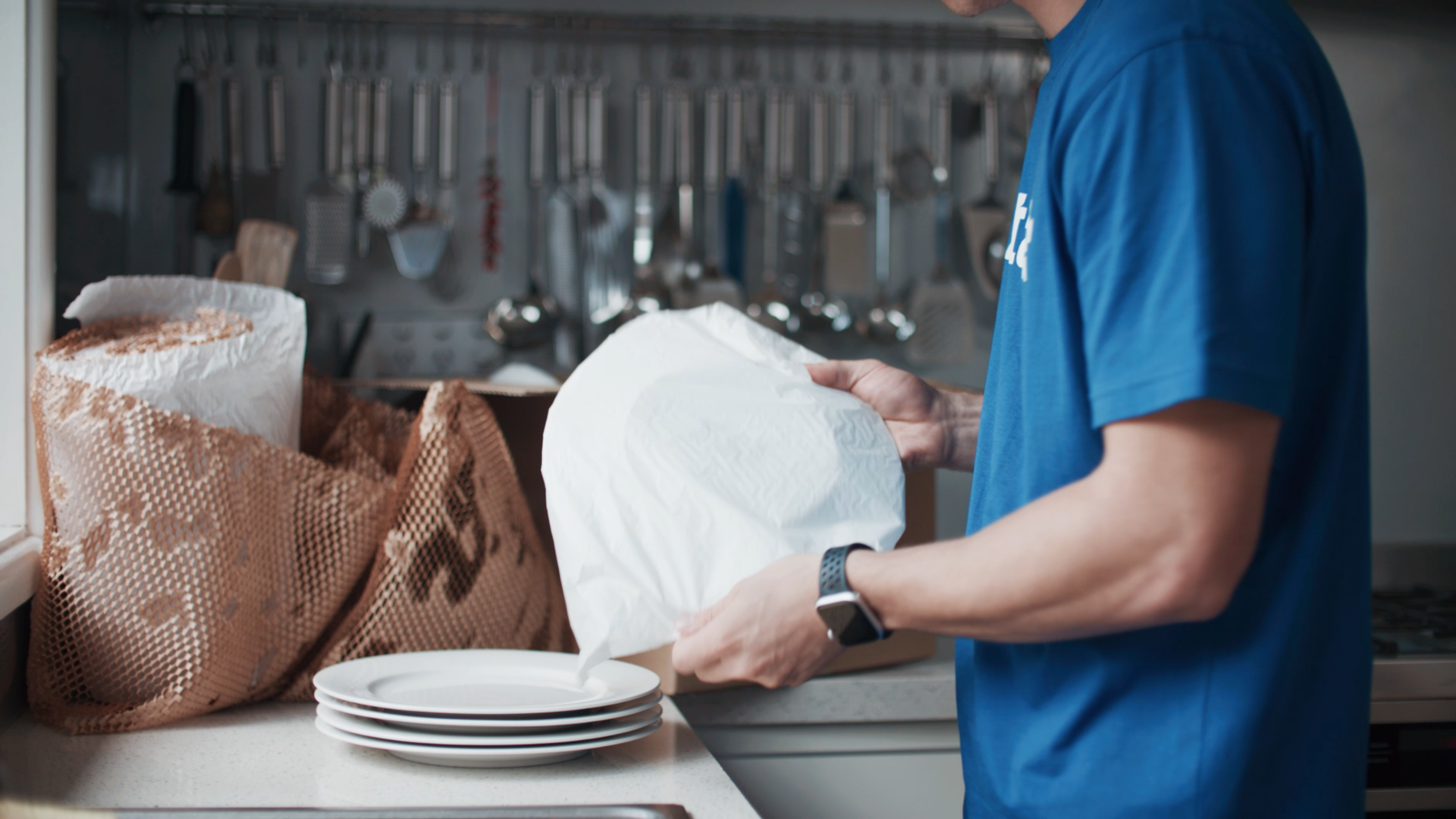
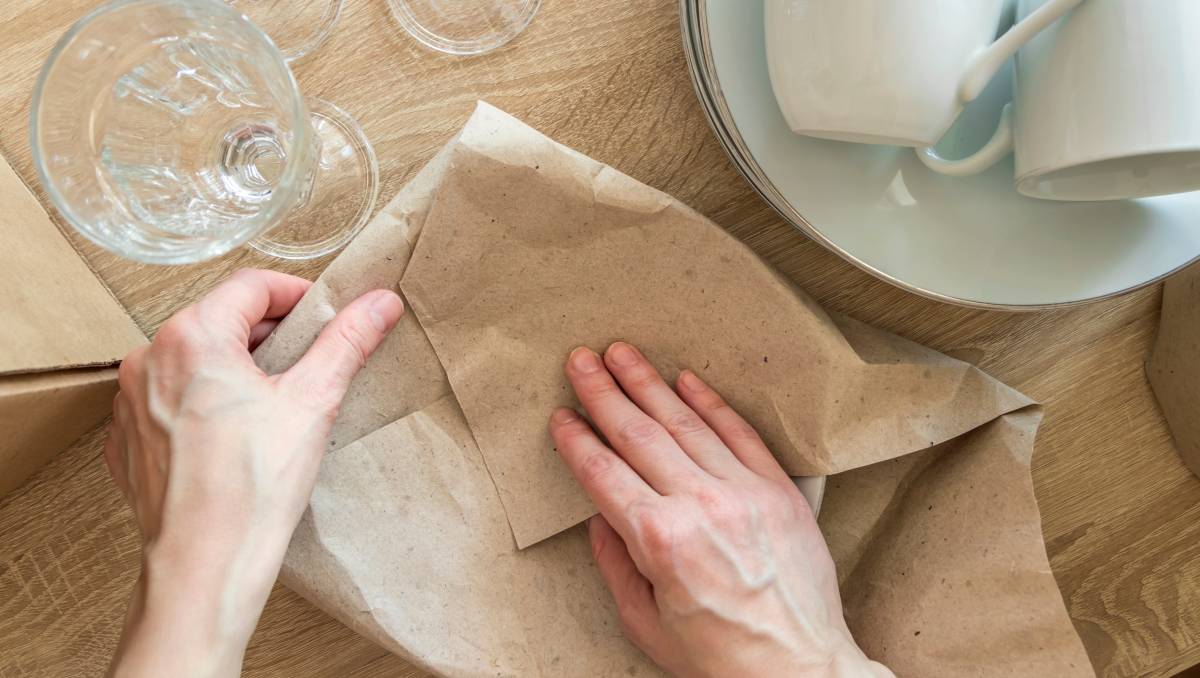
 Essential wrapping supplies at the ready.
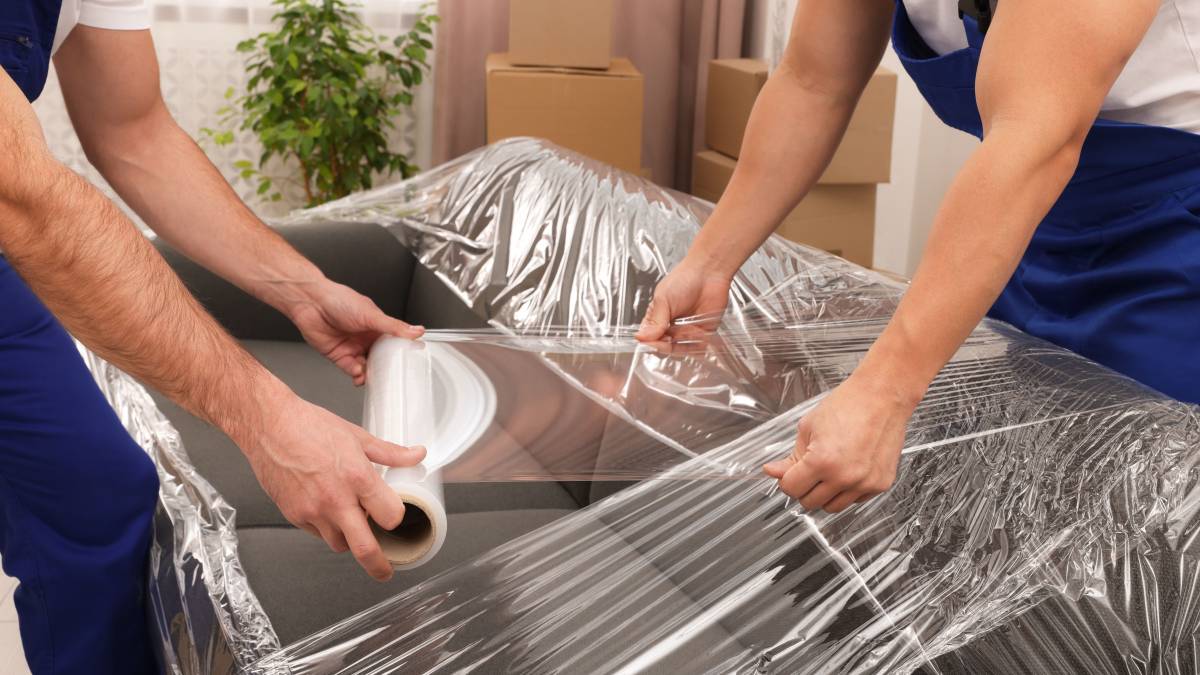
To secure loose parts, wrap the appliance with two to three sheets of wrapping paper or bubble wrap. Use packing tape to secure the wrap, but don’t use it directly on the appliance to avoid damage. You can also use padded moving blankets and cushioning sheets to protect fragile or delicate parts.
Step 4: Secure the wires and cords
Secure the wires and cords of your small appliances to prevent accidents or damage. If the power cable is detachable, fold it a few times, wrap it in soft packing paper, and secure it with tape.
For non-detachable cords, fold and tie them with cable ties or rubber bands. Wrap in packing paper and secure with tape. Label the cords for easy assembly at your new place.
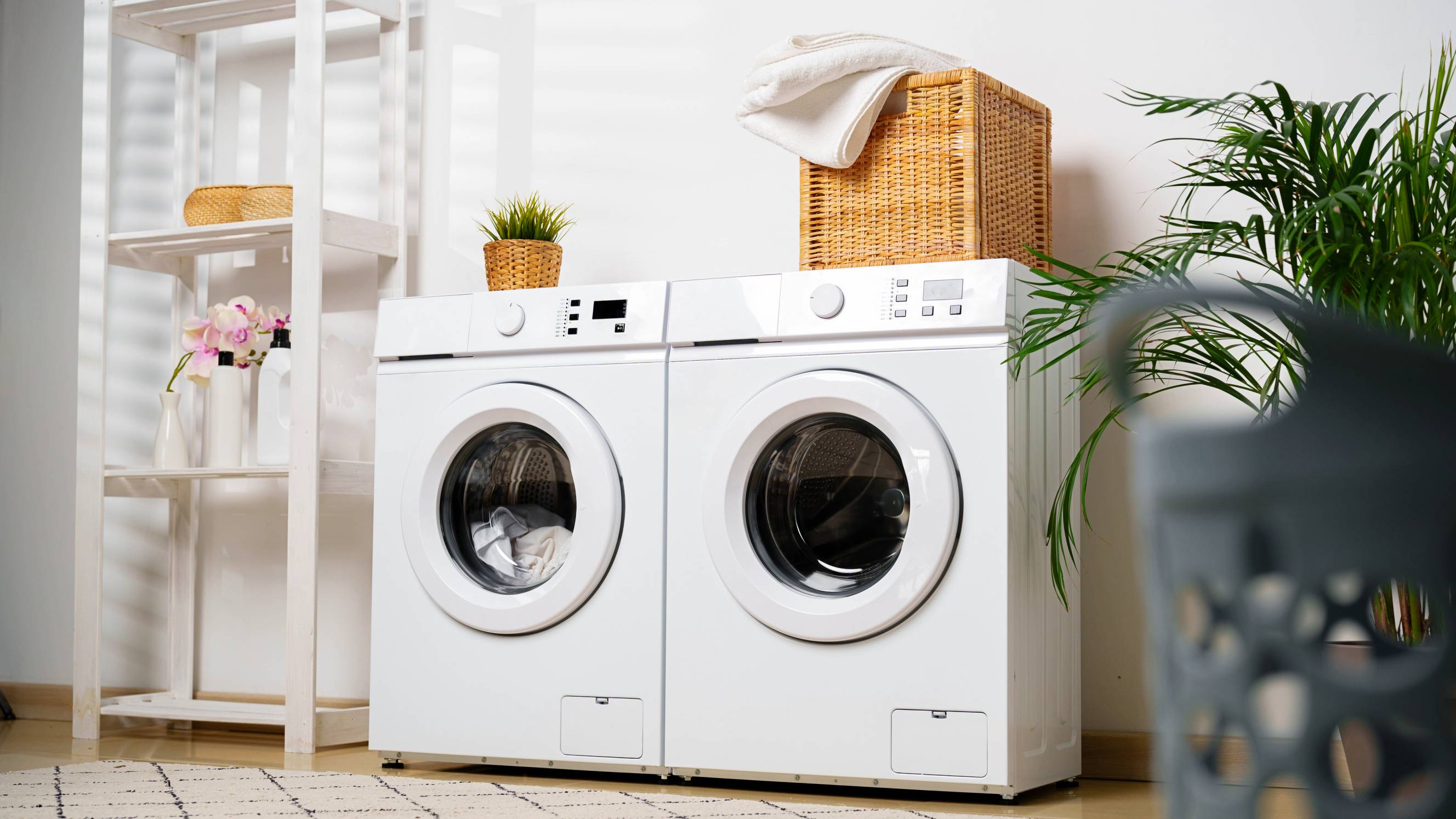
To save time on moving day, disconnect all the hoses in advance and place them inside the washing machine drum. This keeps everything together, prevents water leaks, and makes reinstallation quicker and easier at your new home.
Step 5: Box ‘em up and fill the box
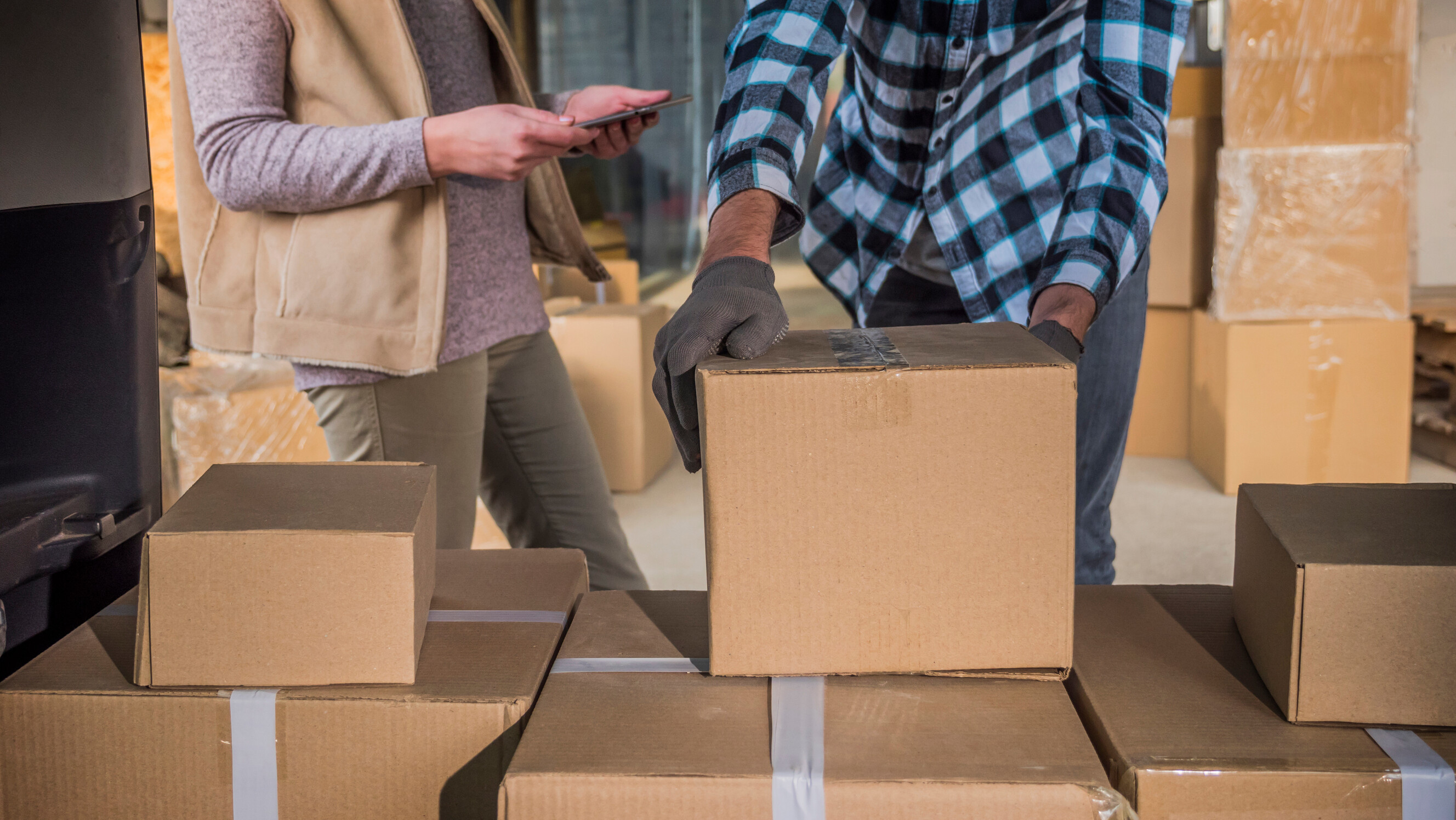
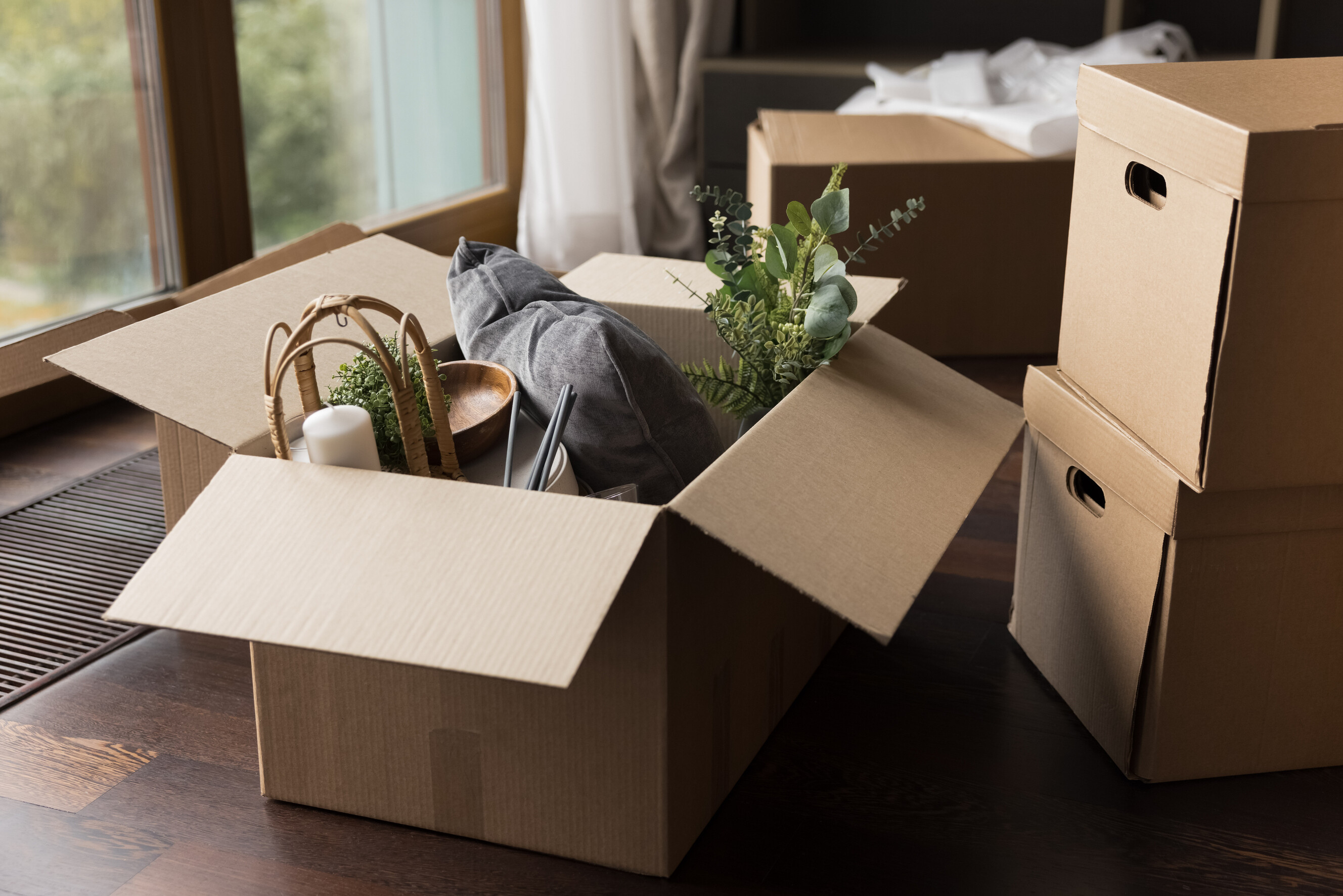
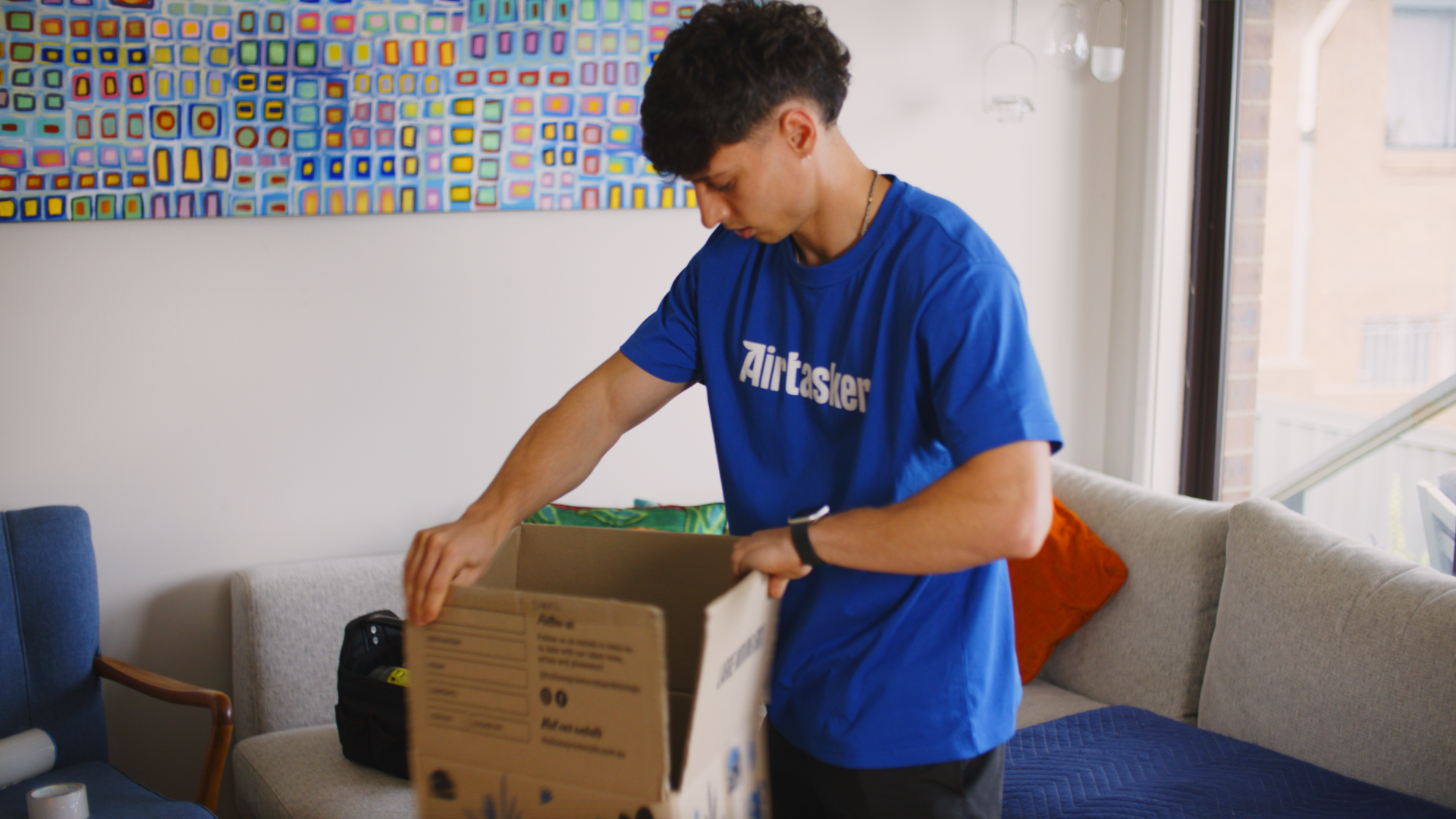
Gently place the packed small appliances into their designated moving boxes and any additional components that were disassembled and packed separately. Make sure that you keep the wrapped appliances upright in the boxes, with heavier devices on the bottom and lighter ones on top.
Fill the empty spaces with crumpled paper or towels to prevent the items from moving around during transport. If you notice any movement, add more paper until they’re snug inside.
If there is still space, add more small appliances to the same box, but stay under 40 lbs (18.14 kgs) per box for safety, regardless of the strength of the appliance cardboard boxes.
Step 6: Seal and label the boxes
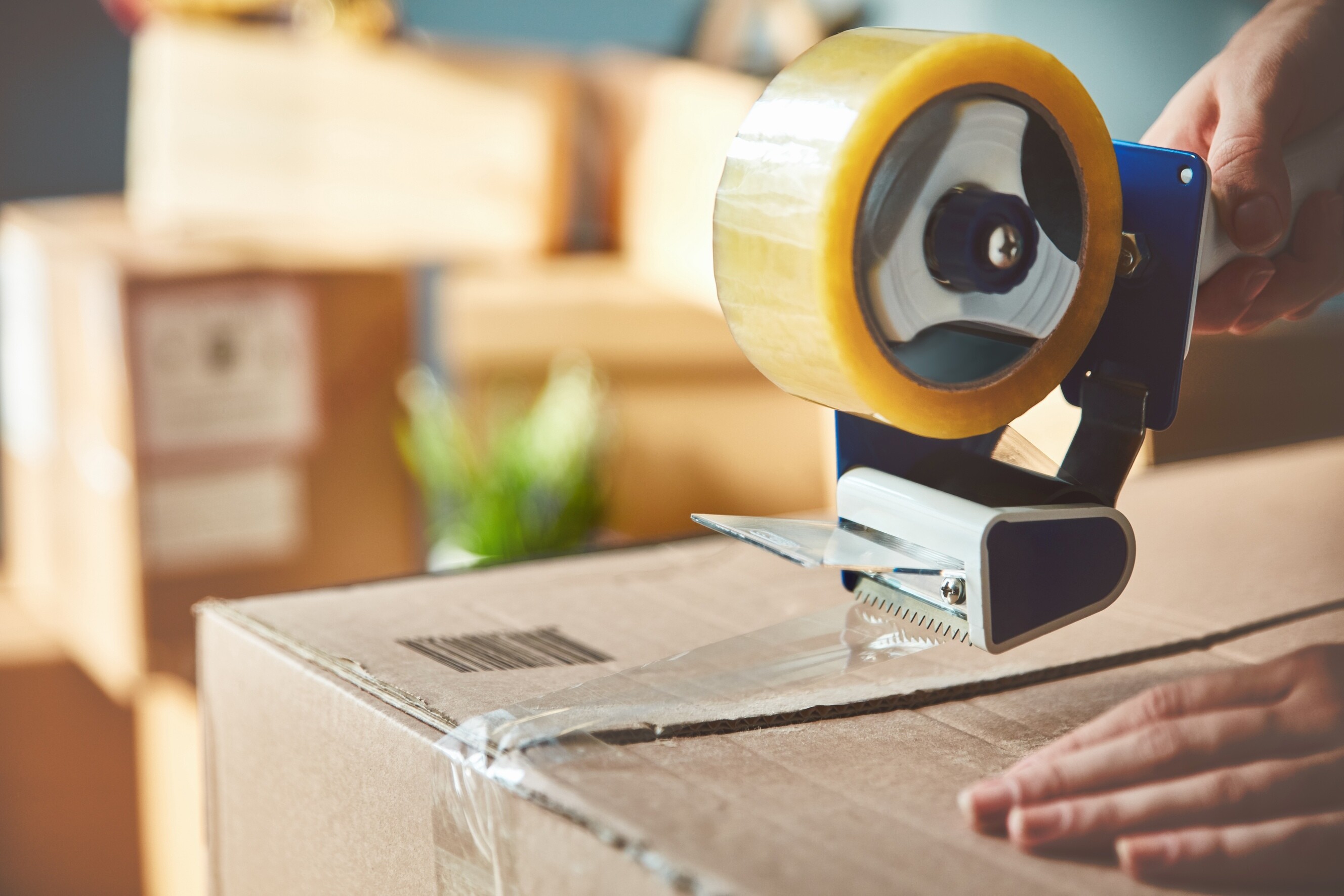
Seal the box by taping the top flaps with packing tape. The flaps should close without bulging upwards. If it does, it means the box is overfilled. Then, label each box with the appliance’s name and destination room, such as the kitchen, bedroom, or living room.
After packing breakable items, don’t forget to write “FRAGILE” and “HANDLE WITH CAUTION” on the box to remind handlers to be careful!
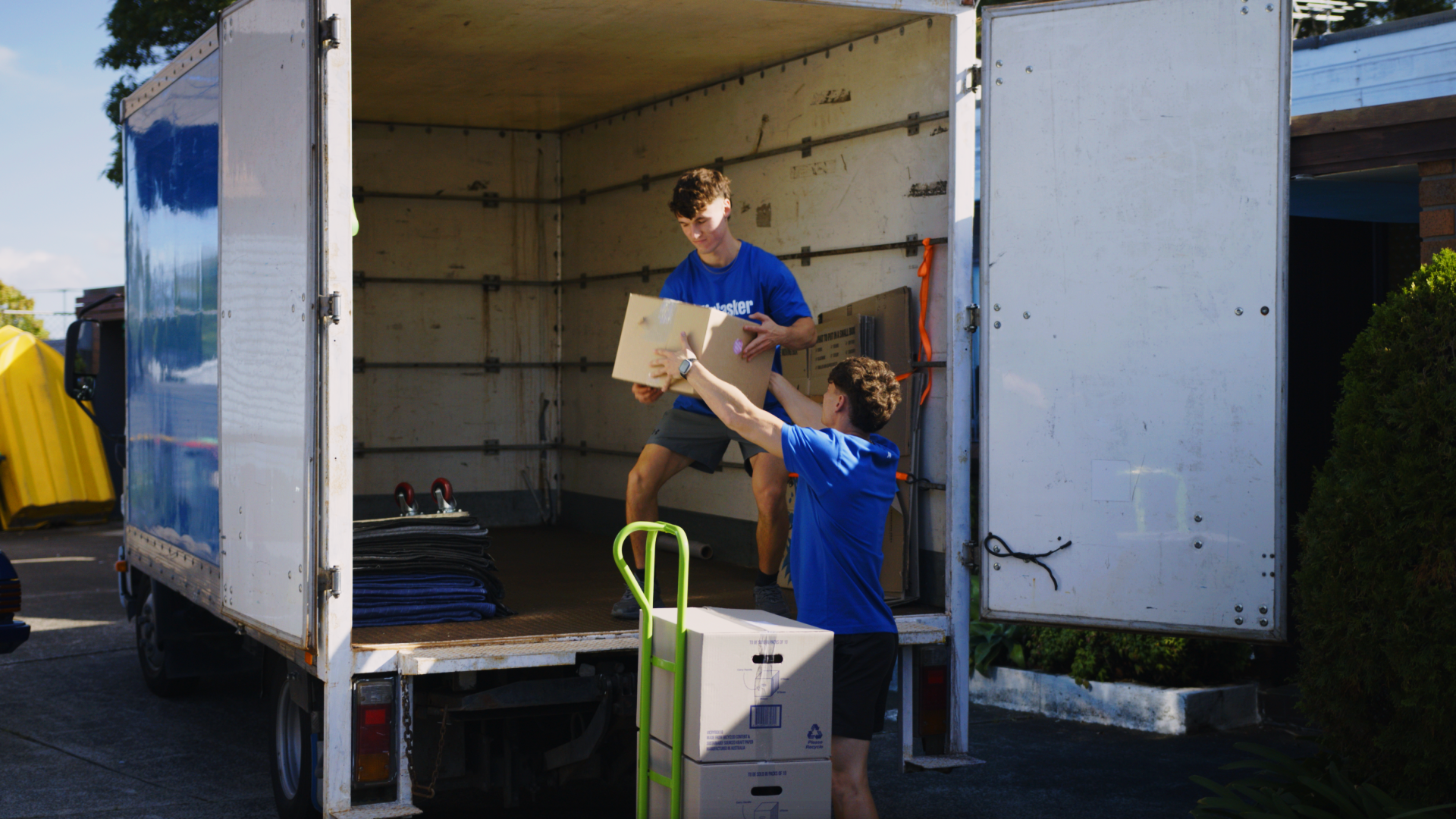
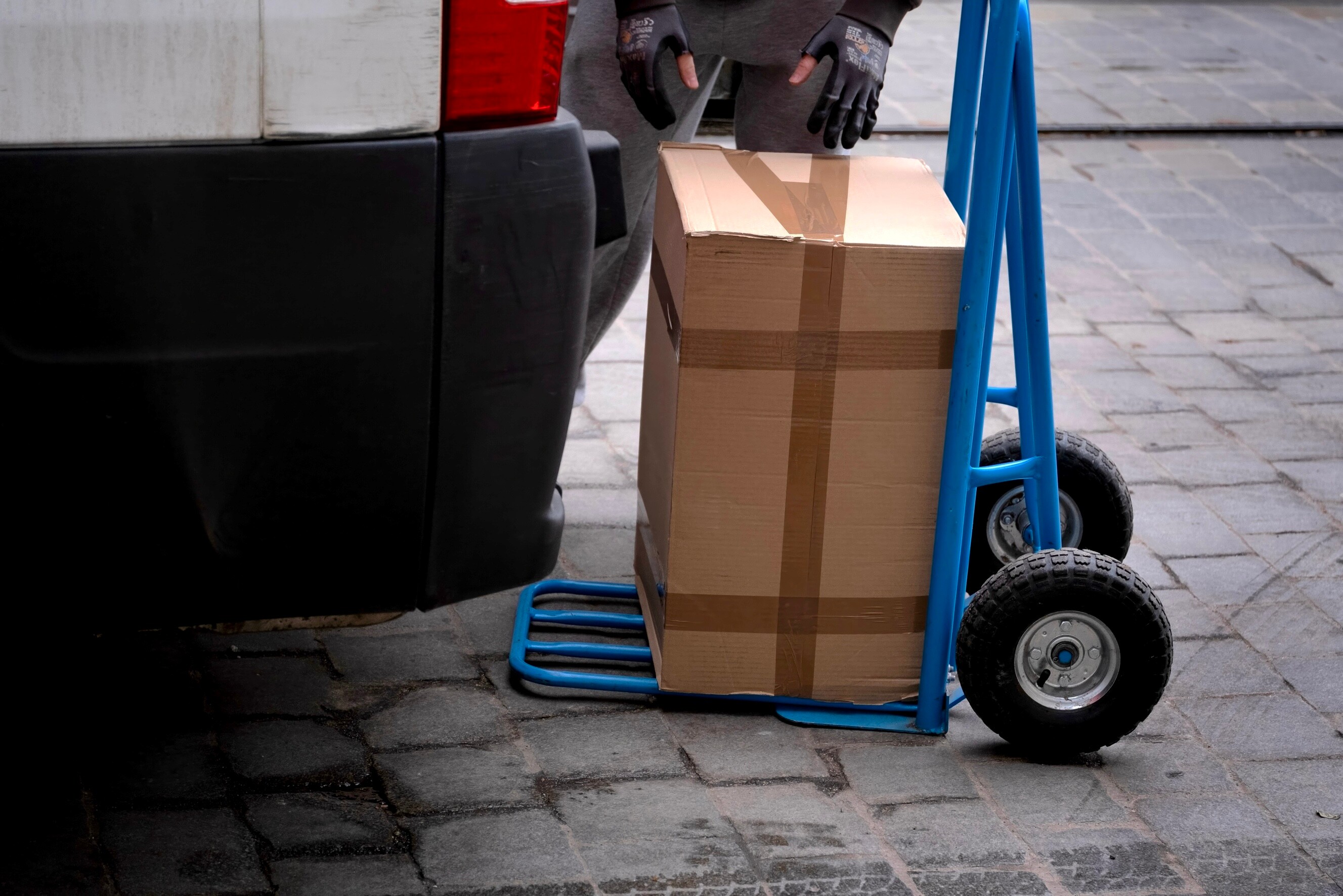
Once done, you can carefully load them onto the vehicle for transport. If you have a dolly or cart around, you can use that to save yourself several trips back and forth.
Pack your small appliances with care
It’s important to pack your small appliances with as much care as you would your large and heavy appliances. The good thing is, doing them up isn’t as difficult as it seems. You’ll have a smooth packing process by following the instructions outlined above.
Alternatively, you can hire a pro to do this job! Taskers in your area can help you pack your small appliances, especially if you’d rather use your time and energy for more critical moving tasks. So, put up a task now and get some packing done!
Learn more about our contributors
Written by Chin S.
Staff Writer
Chin is a passionate hobbyist writer with a love for gardening, home improvement and beauty. She enjoys nurturing her small indoor plant collection, redecorating her space and exploring all things beauty. Through her writing, she shares her journey and tips for fellow enthusiasts.
Reviewed by Theo T.
Expert Removalist
Theo is the co-founder of KangPack Removals. He owns this business with his brother, and now it is one of the most trusted moving services in Sydney. With extensive experience in the field, he has helped hundreds of families with local and interstate relocations, ensuring each move is efficient and safe. His knowledge and commitment to quality service have established him as a true expert in the Australian moving industry.
The Reviewer Badge is awarded to individuals who are experts in their respective fields and evaluate the content to ensure its accuracy and relevance to the task at hand.
FAQs about packing small appliances for moving
Carts on wheels that are specifically designed to transport appliances are extremely useful. Dollies have handles and supportive backs, allowing heavy items to be leaned back. Each cart or dolly can support a certain amount of weight; some can support small appliances and those weighing several hundred pounds.
The easiest way to pack and move kitchen appliances also follows the same process outlined above, especially if they are small. Bigger appliances like refrigerators, stove tops, and washing machines may require additional steps such as heavy-duty cleaning and using appliance-specific tools.
Corrugated paper boxes are frequently used to transport bulkier items like appliances, and electronics. In case they are small items, they are wrapped with packing paper and several are placed inside a box.
Find appliance removalists, fast
Find an appliance removalist
Related price guides
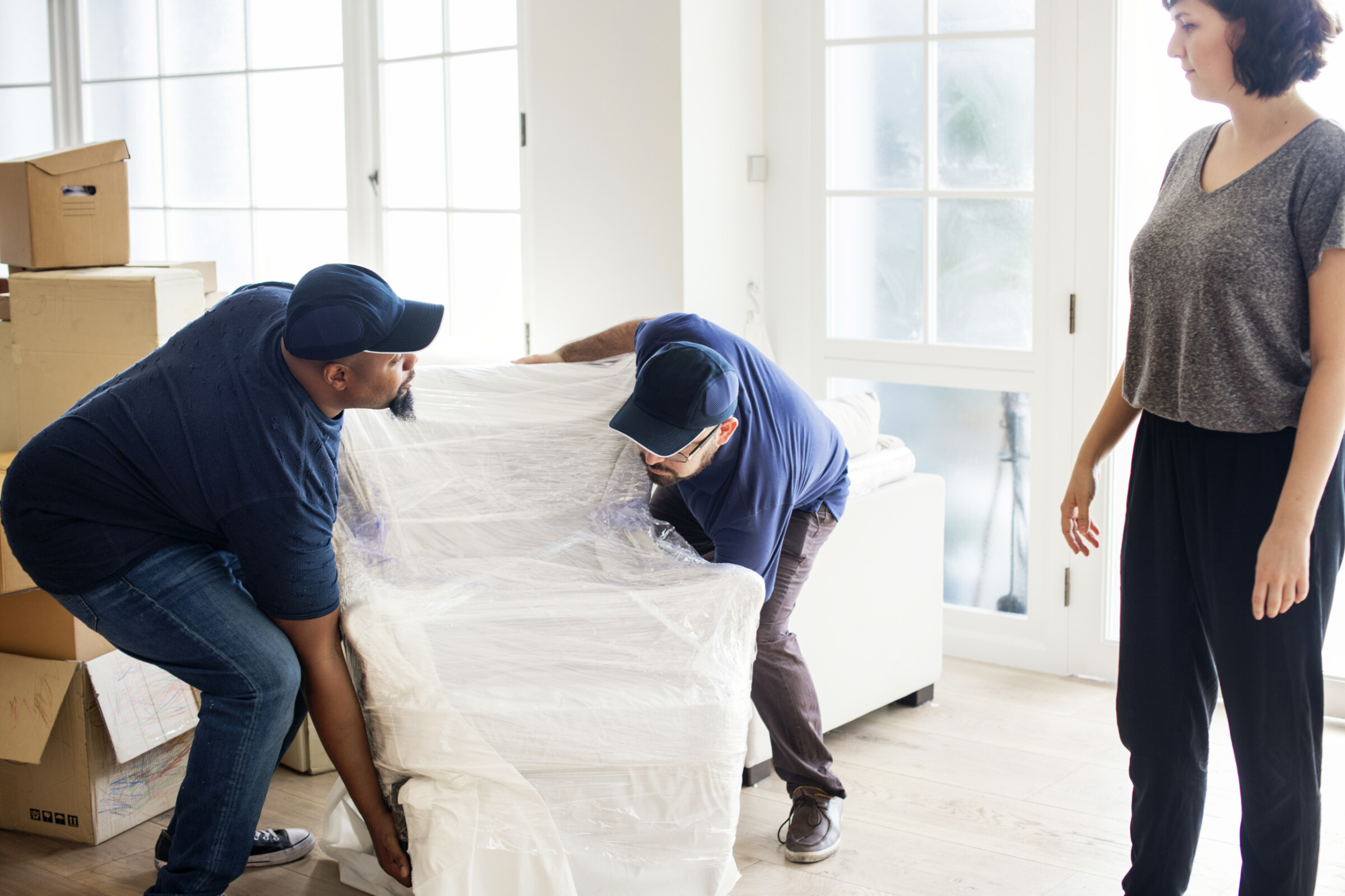
How much does it cost to move house?
Read more
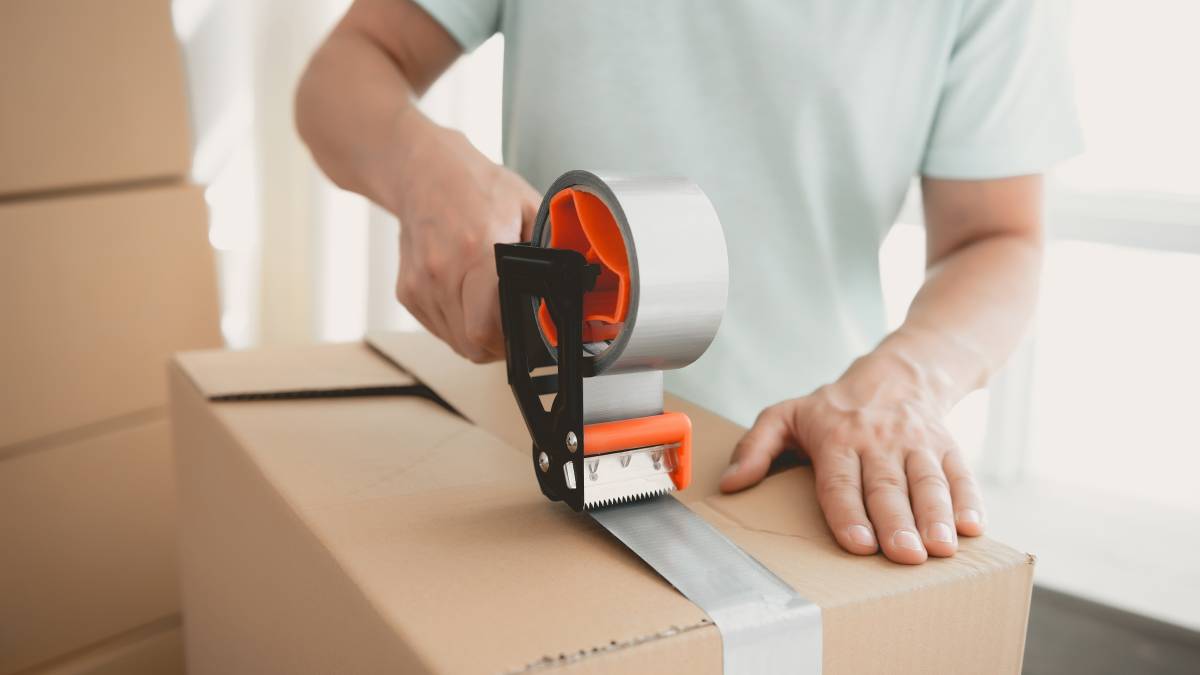
How much do packers cost?
Read more



Related articles
How much do removalists make?
Read more
How to move gym equipment safely
Read more

Moving interstate checklist
Read more
Moving to Brisbane
Read more

A guide to becoming a removalist
Read more
Moving Checklist
Read more
How to move a washing machine
Read more
How to move a shed
Read more

How to move a pool table
Read more
How to move a vending machine
Read more
How to pack bedding for moving
Read more
Moving a fridge: How to do it right
Read more

How to move a pinball machine
Read more

What removalists won’t move
Read more
How to wrap furniture for moving
Read more

Tips for moving house with kids
Read more

How to pack books for moving
Read more
How to pack kitchen items
Read more
How to pack artwork for moving
Read more