- Home/
- Checklists/
- Removals/
- Moving Checklist
The smart mover’s checklist: Lessons from 1,000 Aussies
One move, 60+ tasks to consider. We’ve turned lessons from 1,000 Aussies into your ultimate moving checklist.
Published on

Written by Angela A.
Staff Writer
Read more about our contributor
Moving checklist highlights:
Moving isn’t one job. A typical move involves 60+ tasks across pre-move prep, moving day, and post-move setup.
Australians spend around 4 days off work managing inspections, prep, and moving day alone.
Most people underestimate the effort. More than half of movers who DIY part of the process later wish they’d paid for extra help.
You’ve locked in your move. Now the real countdown begins. Most people don't realise just how much there is to organise until they're in the thick of it, racing against the clock to pack, cancel services, and coordinate removalists.
That's where a solid moving house checklist comes in handy. This checklist for moving houses in Australia is based on real moving data and is designed to help you stay organised through every stage of your move.
What Airtasker's Moving Report says...
Insights from 1,000 Australians reveal that moving pressure builds long before the truck arrives, and not everyone experiences it the same way.
Women face increased levels of emotional (71.5%) and physical (74.5%) stress more than men when moving houses.
Almost every move comes with friction, as 94% of Australians say they encountered at least one emotional or physical challenge along the way.
Packing is the most time-consuming, averaging 14.8 hours on its own, and more than planning, admin, or furniture setup.
Most people underestimate how disruptive moving is, taking an average of 4.45 days off work to get through inspections, prep, and moving day.
DIY often leads to second thoughts, with more than half of Australians (54%) later wishing they’d paid for extra help.
Fully DIY moves are common but risky, as 36.8% handle everything themselves, yet only one in five feel it went smoothly.
Paying for help saves time at scale, cutting total moving time by roughly 80–90% compared to doing it all solo.
Moving ranks among life’s hardest moments, sitting ahead of milestones like getting married or having a child for many Australians.
Pre-move preparation checklist
The choices you make before moving day have a direct impact on your final moving costs, which average $7,676 once pre-move, moving day, and post-move expenses are tallied. Early planning is one of the most effective ways to manage where that total lands.
☐ Create a moving budget and timeline. Think about other services you might need for the move. Many Australians spend around $180 on packing help, as well as roughly $150 on waste removal, and $165 on gardening.
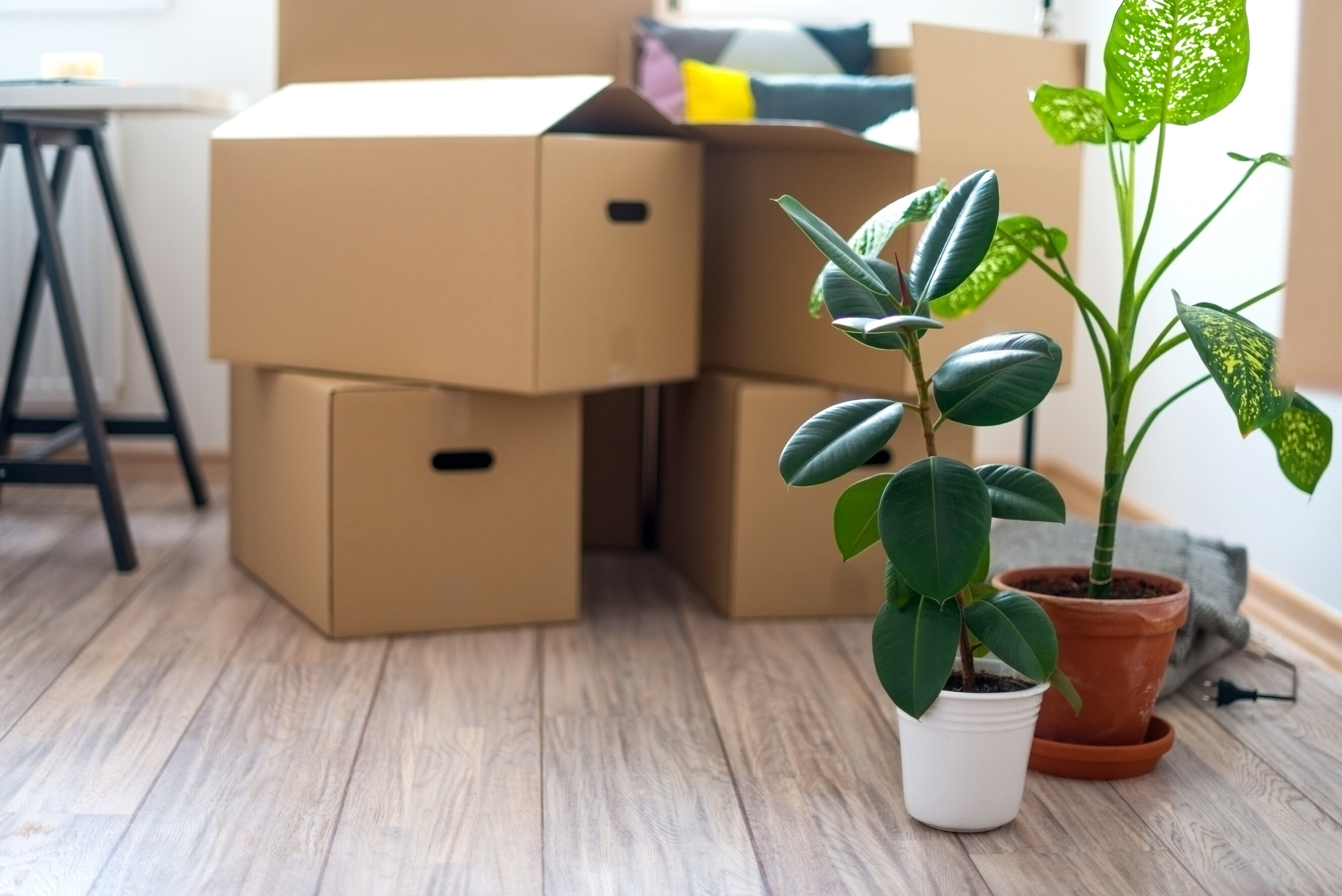
☐ Start collecting moving supplies. Like moving boxes, tape, bubble wrap, markers, and other tools you might need.
☐ Research and book moving providers. Distance and home size drive removal costs. Lock this in early to avoid limited availability and price spikes.
☐ Plan end-of-lease or pre-sale prep. Painting, pest control, and waste removal are common pre-move expenses that are easier to manage when scheduled in advance.
☐ Arrange storage if dates don’t align. Storage is often needed during downsizing or delayed settlements and adds an ongoing monthly cost if left unplanned.
☐ Factor in inspections and property access. Finalising a home purchase and moving involves managing time-consuming logistics, such as travel, taking time off work, and arranging property inspections.
☐ Prepare for overlap costs. Double rent, temporary accommodation, or extended utilities are common when lease or settlement dates don’t line up cleanly.
☐ Confirm what movers won’t transport. Hazardous items, perishables, and certain appliances need separate disposal or handling.
• Planning and organising a move takes up 9 hours on average.
• Australians spend about 6 hours coordinating logistics, movers, service providers, and transport when moving.
Moving day checklist
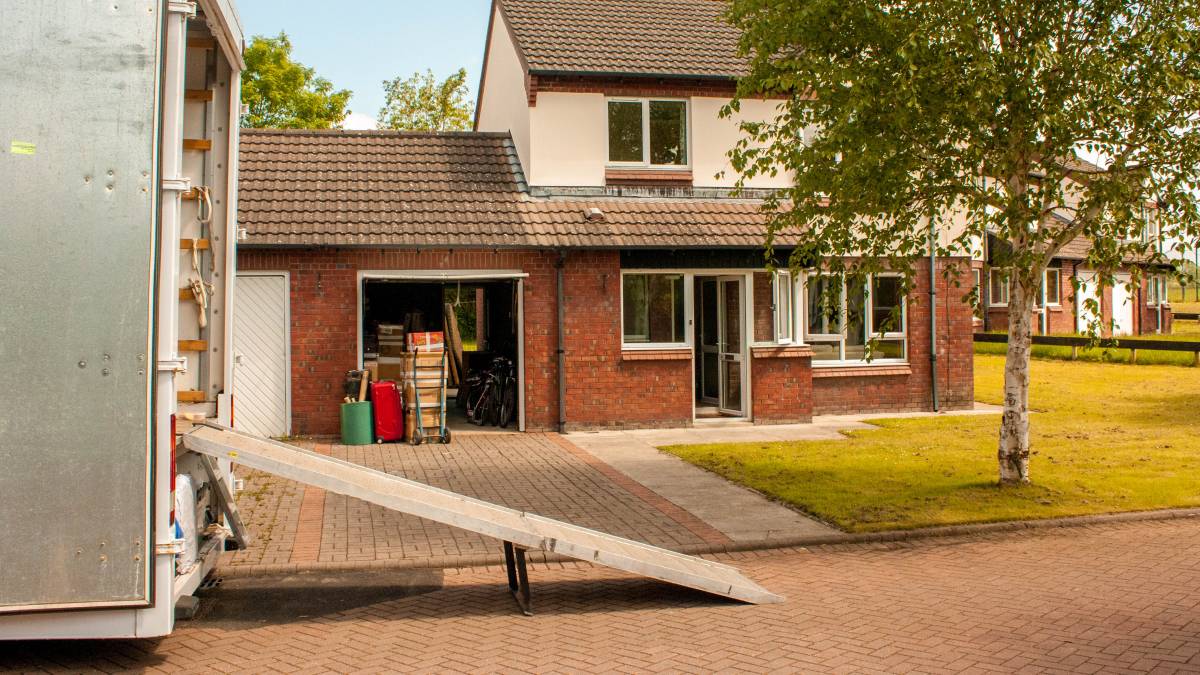
Moving day is where preparation turns into execution. When plans are locked in ahead of time, this stage is easier to manage and far less likely to be disrupted by delays or last-minute issues.
☐ Confirm arrival times and access details. Make sure movers, building managers, and keyholders are aligned to avoid idle time, rescheduling fees, or missed delivery windows.
☐ Prepare a clear path for loading and unloading. Reserve parking, clear hallways, and protect floors or lifts to keep the move efficient and avoid property damage.
☐ Set aside essentials for the day. Keep documents, chargers, medications, snacks, and valuables with you so nothing critical ends up in the truck.
☐ Supervise loading and inventory items. Being present helps prevent misplaced boxes, loading mistakes, or accidental damage.
☐ Disconnect appliances and utilities safely. Fridges, washing machines, and gas appliances often need preparation before transport to avoid leaks or faults.
☐ Do a final walkthrough of the old property. Check cupboards, storage areas, garages, and outdoor spaces before handing over keys.
☐ Keep payment and paperwork ready. Having invoices, ID, and payments sorted avoids delays at drop-off or handover.
Take photos of key items, furniture condition, and utility meters before the move starts. It gives you a quick reference if anything goes missing, arrives damaged, or needs follow-up later.
Post-move checklist
Even after the boxes are inside, there are still practical tasks to tick off before your home feels fully set up and functional.
☐ Unpack priority rooms first. Focus on bedrooms, bathrooms, and the kitchen so daily routines can resume as quickly as possible.
☐ Assemble essential furniture. Beds, desks, storage units, and seating need to be assembled before the space is usable.
☐ Check utilities and internet connections. Make sure electricity, gas, water, and internet are active and working as expected.
☐ Inspect items for damage or missing parts. Identify issues early so follow-ups with movers, insurers, or sellers are easier to resolve.
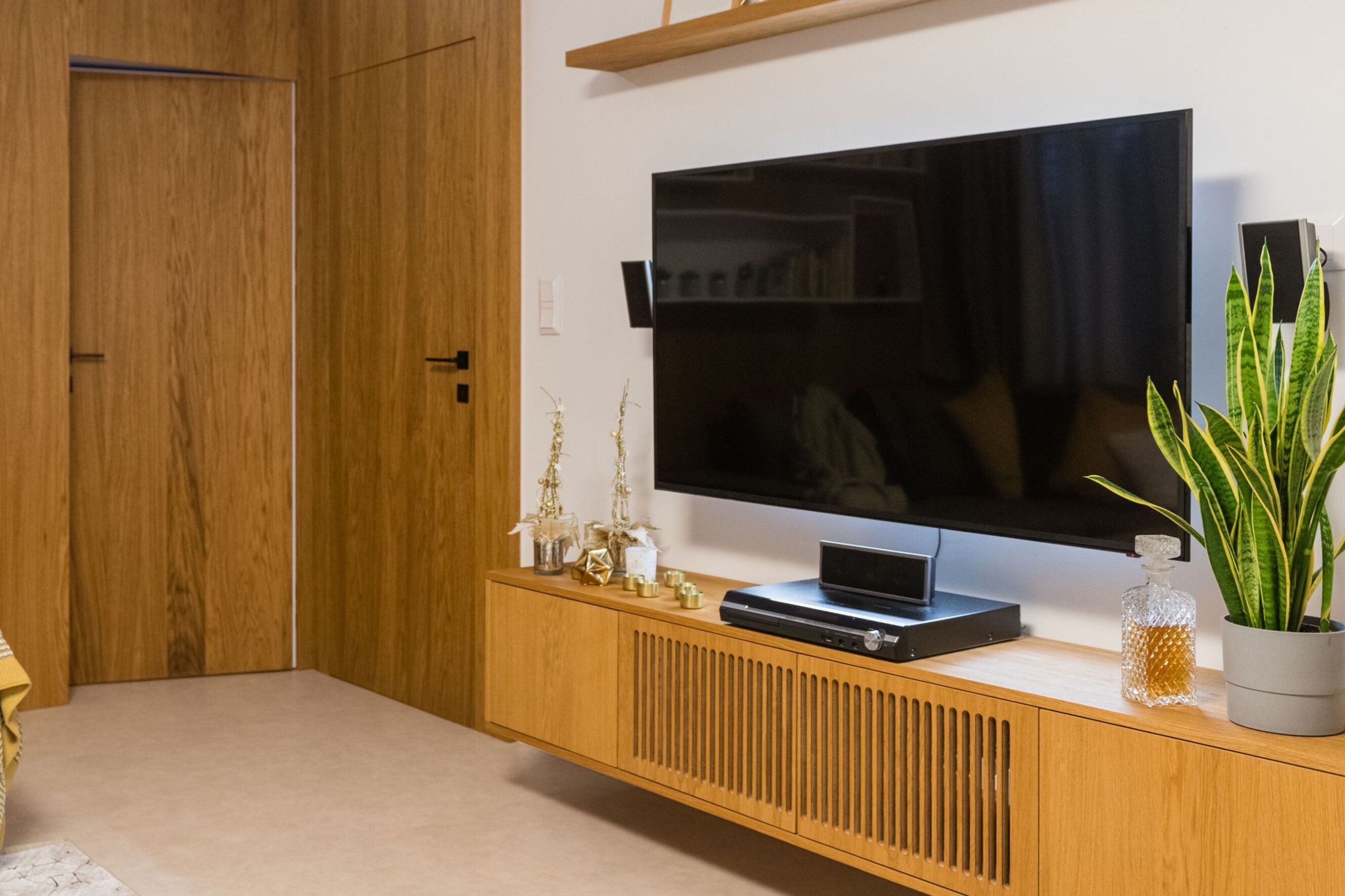
☐ Mount and hang key items. TVs, shelves, mirrors, and artwork help make the space functional and feel settled.
☐ Dispose of packing materials. Break down boxes and remove excess household waste once unpacking is done to free up space.
☐ Update your address everywhere. Notify banks, employers, schools, subscriptions, and service providers to avoid disruptions.
☐ Do a final clean and reset. A post-move clean helps remove dust, packaging debris, and leftover marks from the move itself.
• Electricity and gas connections can cost up to $200+, depending on your state, meter, and provider.
• If your new place needs a professional NBN setup, that installation typically costs around $300.
• Furniture assembly tasks average $122 nationwide, while wall hanging and mounting services average $164, depending on location and scope.
Ready to make your move?
Moving house requires early preparation and good decision-making, as it involves more tasks than you would think. So, the right help can make a real difference when it comes to time, stress, and staying on track.
If you’d rather not do it all yourself, there’s an easier way to get things done. You can hire professional movers and other trusted Taskers to help with packing, cleaning, pet transport, and more. Just post a task on our platform to get as much as you could booked and done.
The data here is based from the Airtasker Moving Report, a desk research and analysis which surveyed 1,000 Australian movers about what they actually spent during their relocations.
Learn more about our contributors
Written by Angela A.
Staff Writer
Angela Apolonio is an experienced writer with a Biology background. She writes about home tips, car upkeep, gardening hacks, and food facts, bringing a unique blend of science and practicality to her work. As a wife and a mother, she knows the value of iron-clad routines, so she's passionate about sharing what works for her with everyone else. She loves making everyday life simpler and helping readers find fresh ideas to bring more joy into their spaces.
FAQs on moving house in Australia
Peak periods usually require around eight weeks’ notice, especially during summer, school holidays, or large relocations. Outside busy seasons, four to six weeks is typical, though smaller local moves may only need two to four weeks.
No, most moving costs are considered private expenses and aren’t tax deductible. If your employer pays you a relocation allowance, it’s still generally treated as taxable income.
Most states require you to update your licence within 14 days of moving. Each state has its own process, usually via an online update or a visit to a service centre.
Removalists, supermarkets, and liquor stores often provide free or low-cost boxes. You can also check online marketplaces, community groups, recycling centres, schools, and friends who’ve recently moved.
Find removalists, fast
Post a task
Related Price Guides

How much does it cost to move house?
Read more

How much do packers cost?
Read more






Related Guides

How much do removalists make?
Read more
How to move gym equipment safely
Read more
Moving to Brisbane
Read more

A guide to becoming a removalist
Read more

Tips for moving house with kids
Read more

How to pack books for moving
Read more

How to pack kitchen items
Read more

How to pack artwork for moving
Read more

How to move a pool table
Read more
How to move a washing machine
Read more

How to move a shed
Read more
How to move a vending machine
Read more
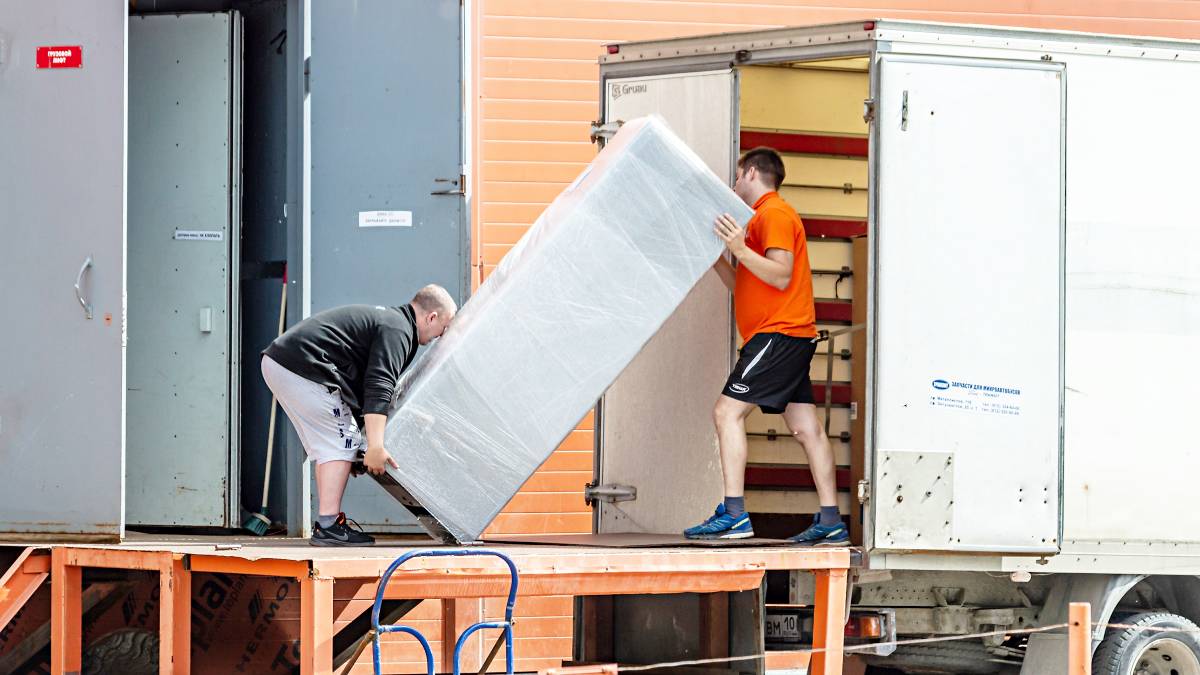
Moving a fridge: How to do it right
Read more

How to pack bedding for moving
Read more

How to move a pinball machine
Read more

What removalists won’t move
Read more

How to wrap furniture for moving
Read more

Moving interstate checklist
Read more