- Home/
- Comparisons/
- Painting/
- Satin vs. Gloss Paint
Satin vs. gloss paint: Your guide to choosing the best home finish
Compare satin and gloss paint in terms of sheen, durability, and more
Published on

Written by Ella M.
Staff Writer
Read more about our contributor
Key Facts
Satin paint is a mid-sheen paint finish that offers a soft, velvety luster, reflecting just enough light to give walls and woodwork a smooth, elegant look. It’s ideal for living spaces where both style and practicality matter.
Gloss paint is a high-sheen finish known for its bright, reflective surface that adds depth, color, and shine to doors, trim, and furniture. It’s ideal for high-traffic areas and spaces that need frequent cleaning.
That subtle sheen in your friend’s living room? It’s no accident. The right paint finish can elevate even the simplest color choice, transforming a plain wall into a polished design statement. Many homeowners stop at picking a shade they love, but the real magic lies in the finish.
When it comes to satin vs gloss paint, the difference goes far beyond shine. It’s about how light interacts with your walls, how durable the surface is, and how your space ultimately feels. Whether you’re aiming for a soft glow or a high-impact look, understanding the nuances of satin or gloss paint can make a difference. Here’s how to decide which one makes better sense for your next home makeover.
What is satin paint?
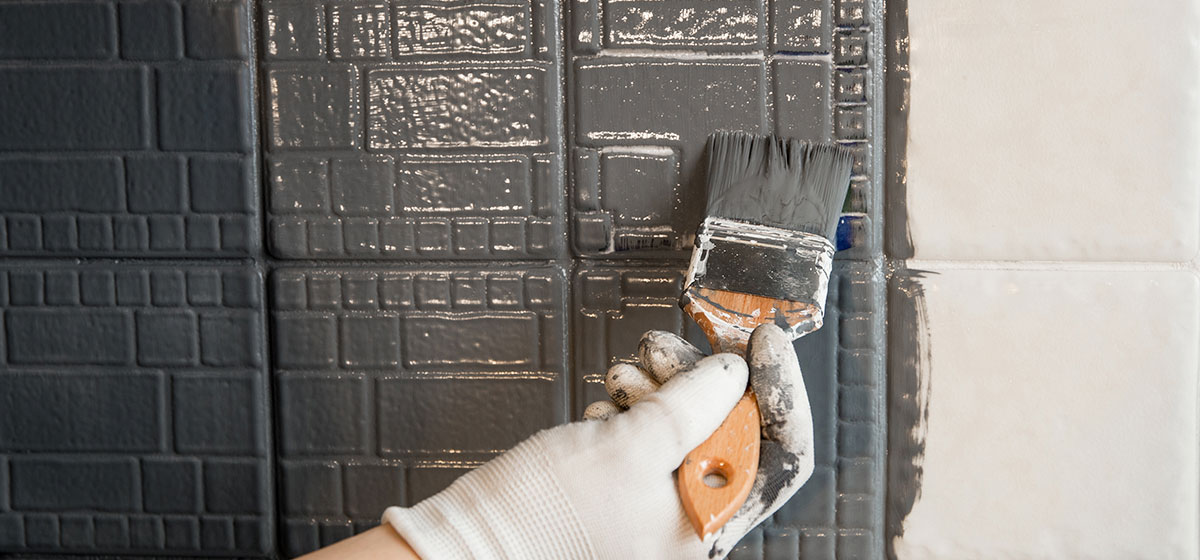
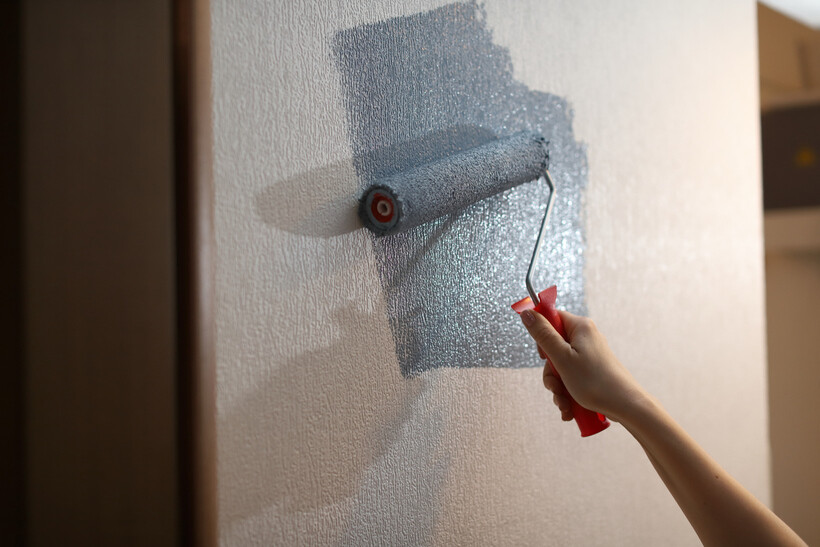 Rolling satin paint onto an interior wall (Source: iStock)
Satin paint is a mid-sheen paint finish known for its smooth, velvety appearance that reflects a gentle amount of light. It offers a subtle satin finish that adds warmth and depth to any room, making it a popular choice for those wanting a balance between elegance and practicality.
The satin finish works well on walls, woodwork, and trim, enhancing color richness while maintaining a soft, welcoming glow. This type of paint is also highly durable and easy to maintain. It resists minor marks and stains, allowing surfaces to be wiped clean without losing their color or sheen.
Because of its long-lasting finish and versatility, satin paint is often recommended for living rooms, hallways, and kids’ rooms. It’s the perfect choice for areas where style and resilience go hand in hand.
What is gloss paint?
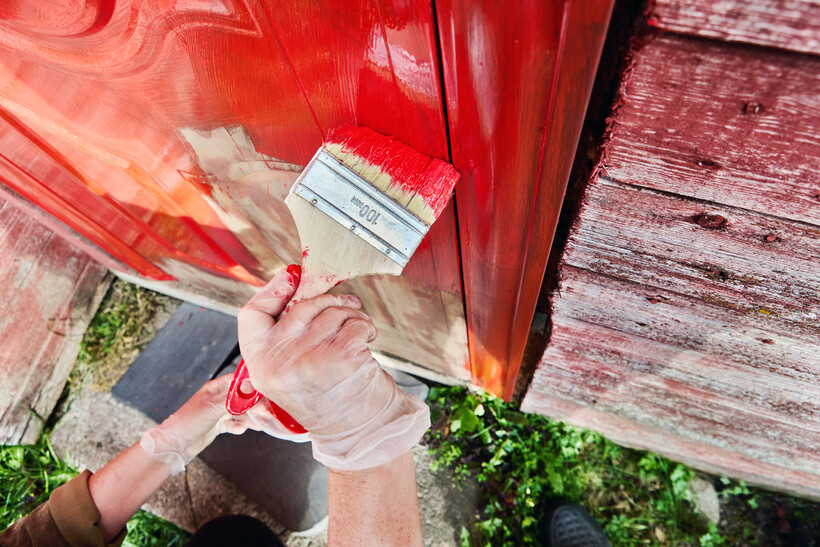 Painting an entrance door with gloss (Source: iStock)
Gloss paint is a high-sheen paint finish known for its bright, reflective surface that adds depth and vibrancy to any space. It produces a smooth, glass-like finish that reflects light, making colors appear richer and more dynamic.
Because of its highly reflective quality, high gloss paint is often used to highlight architectural details such as doors, skirting boards, and wooden trim. It’s especially effective when paired with the same color in matte paint on surrounding walls, creating a stylish contrast that enhances a room’s character.
Beyond its aesthetic appeal, gloss paint offers a durable, hard-wearing surface that resists moisture, stains, and everyday wear. This makes it ideal for high-traffic areas, kitchens, and bathrooms. Available in both oil-based and water-based options, gloss finishes provide long-lasting protection and a polished look.
Satin or gloss paint: Which type of paint should you choose?
Choosing between satin and gloss paint can make a big difference in how your space looks and feels. Each paint finish brings its own character, transforming ordinary surfaces into standout features. Before making your choice, it helps to understand what sets these types of paint apart.
In terms of sheen
The difference in sheen is what most homeowners notice first. A gloss finish has a highly reflective surface that bounces light, giving a bright, glass-like appearance. This makes it ideal for spaces where you want to enhance lighting or highlight architectural details like skirting boards and doors.
On the other hand, a satin finish offers a gentle luster. It’s not as shiny as high gloss paint, yet not as flat as matte paint. A satin finish paint delivers a smooth finish that subtly reflects light, creating a balanced, elegant look. It’s a popular choice for living rooms and walls, where a softer glow complements the room’s natural lighting.
If you’re still undecided, you can explore different wall painting techniques to see how each finish can transform your space.
In terms of durability
 Durable paint finish resisting outdoor moisture (Source: iStock)
Oil-based gloss paint for wood or trim is especially known for its hard-wearing, durable finish, which resists scratches even in high-traffic areas. This makes it a smart investment for longevity. However, water-based gloss options have improved significantly, offering similar resilience with less odor and faster drying times.
Meanwhile, satin paints provide impressive durability while being more flexible and less prone to cracking over time. Although they may not match the toughness of high-gloss varieties, they still hold up well in hallways and living spaces prone to daily activity.
In terms of aesthetic
When it comes to style, a satin or gloss paint can transform the mood of a room. Gloss finishes catch the eye, adding vibrancy and flair. These are perfect for contemporary homes that embrace light and reflection. They pair especially well with the same color in matte paint on surrounding walls, creating texture and depth.
On the other hand, a satin finish exudes understated elegance. Its gentle glow gives a timeless appeal, ideal for both classic and transitional interiors. Satin’s smooth finish enhances color richness without overwhelming the senses, making it suitable for cozy spaces like bedrooms.
In terms of hiding imperfections
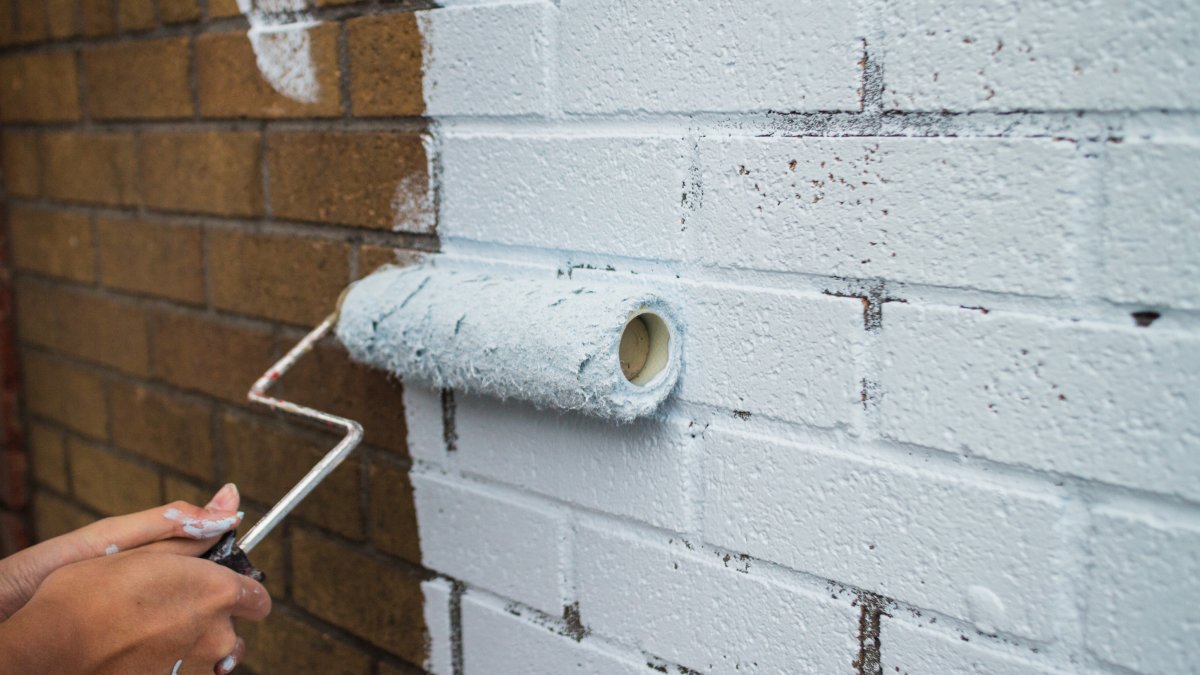
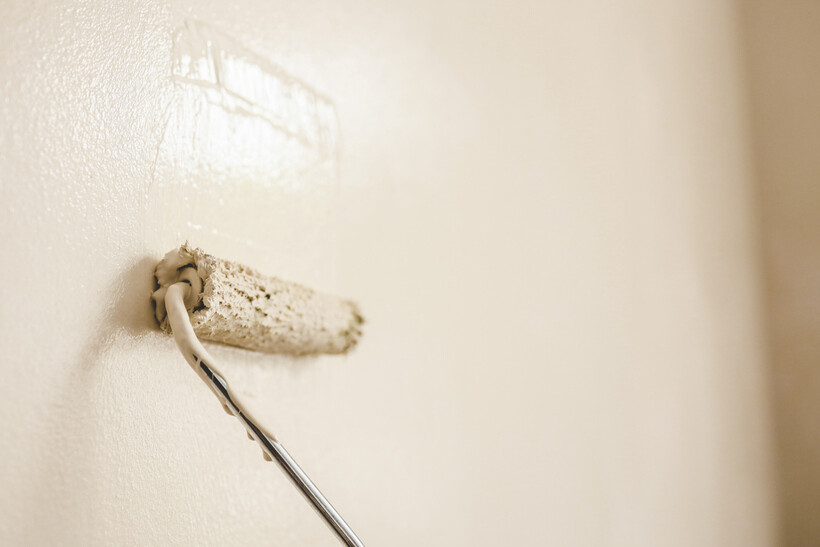 Using a roller for a smooth satin finish (Source: iStock)
Gloss finishes tend to highlight every bump, mark, and brush stroke due to their highly reflective nature. On uneven surfaces, this can actually emphasize flaws rather than hide them. That’s why professional painters often reserve gloss or satin for doors and trim, as these are smaller areas that are easier to perfect.
Satin paint is far more forgiving. Its lower sheen helps blur out small dents or imperfections on walls and woodwork, offering a cleaner overall appearance. If your surfaces aren’t perfectly smooth, a satin finish can make a noticeable difference.
For walls with more severe damage that even satin can’t hide, using wallpaper instead of paint may be a better way to achieve a smooth finish.
In terms of washability
Gloss paint leads the way in maintenance. Its hard-wearing surface is easy to wipe clean, making it ideal for kitchens and bathrooms. Dirt and stains can be removed with a damp cloth without affecting the color or shine. For households with kids or pets, gloss finishes offer lasting practicality.
Satin finishes also provide good washability, especially modern water-based paints formulated for easy cleaning. They’re less likely to show marks from frequent wiping, making them suitable for living rooms and hallways where durability meets aesthetics.
In terms of use cases
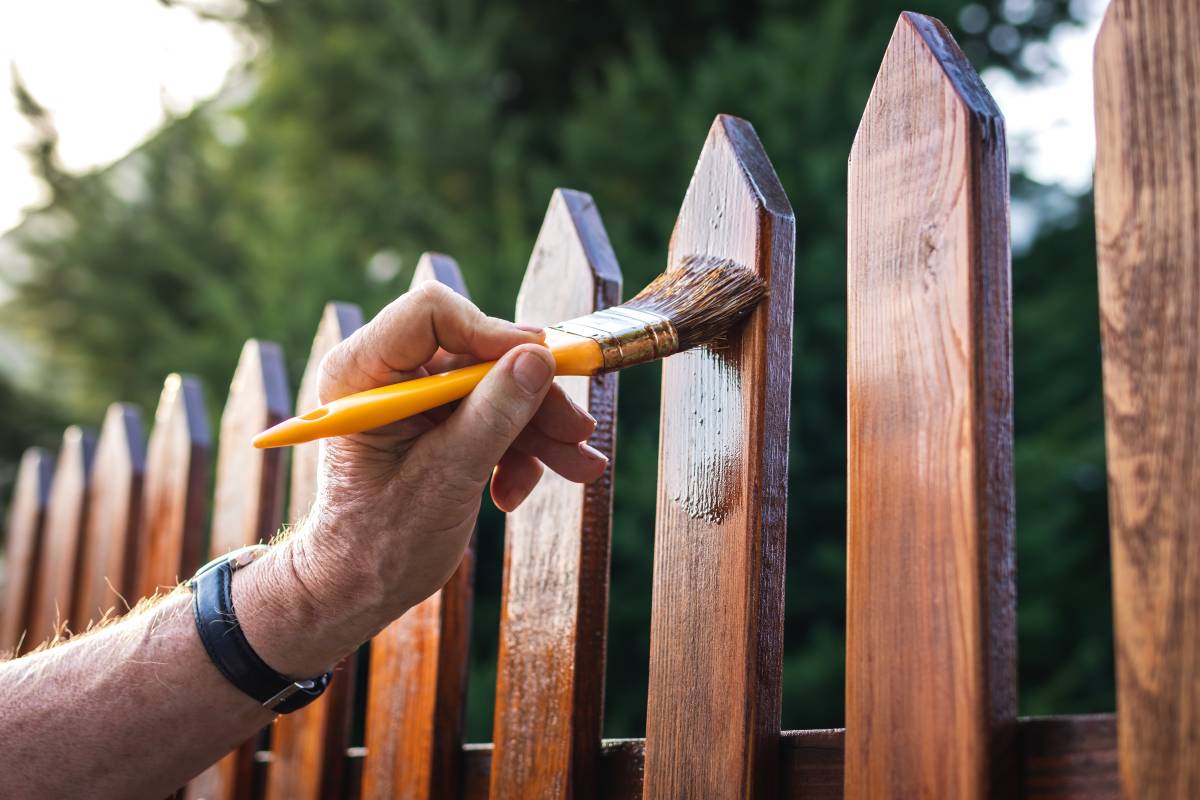
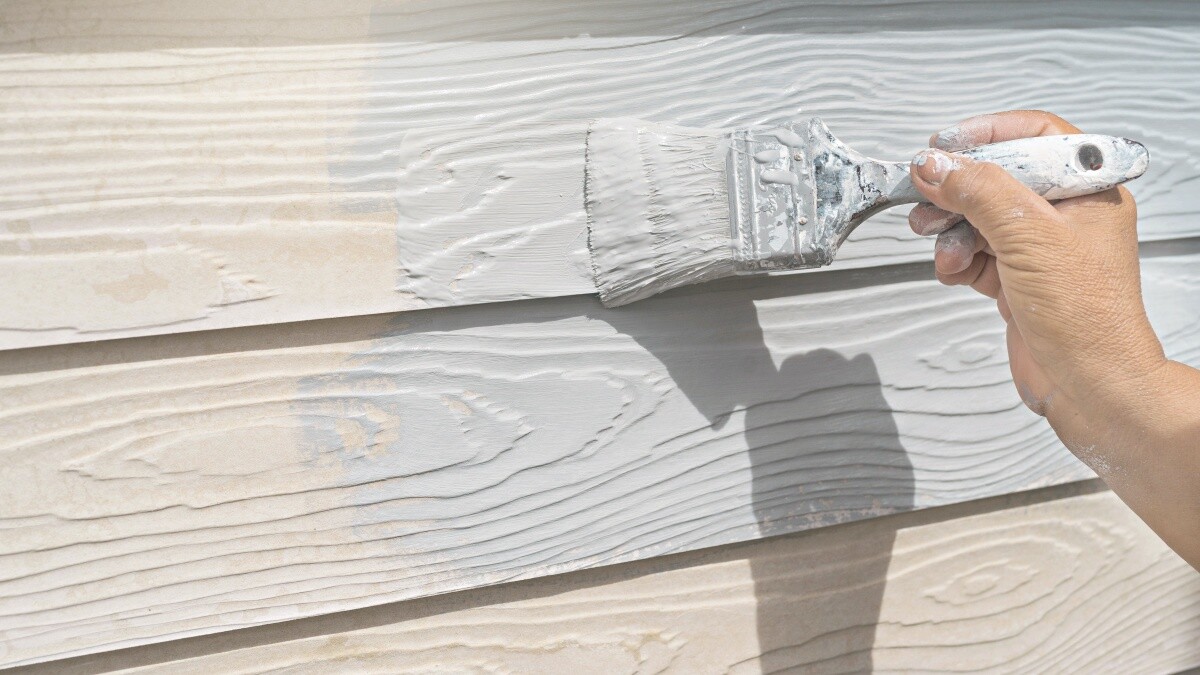
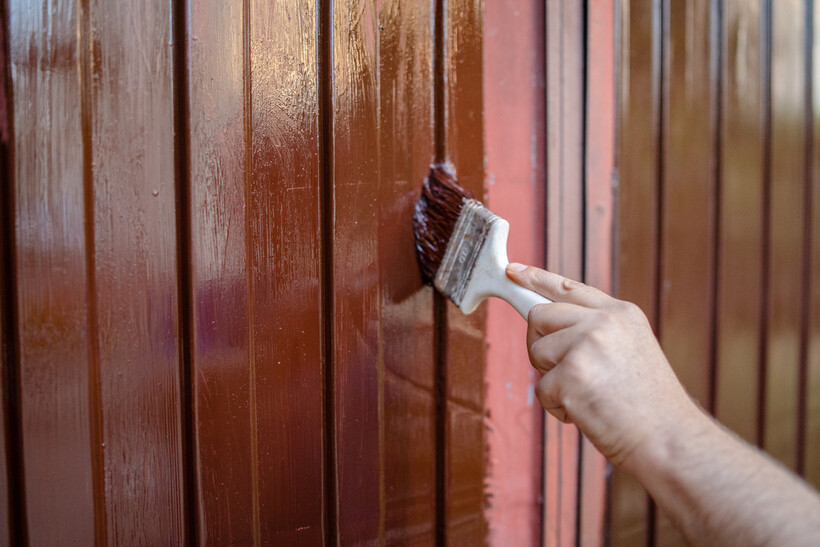 Refreshing exterior woodwork with a brush (Source: iStock)
Different paint finishes shine in different settings. Gloss paints work best for woodwork, trim, and furniture. If you’re wondering what gloss paint is used for, it’s primarily for protecting surfaces while adding a high-impact luster.
Satin finishes are more suitable for walls, living rooms, and kids’ rooms, as they offer a clean, durable finish that maintains warmth. Their soft glow complements both natural and artificial light, making them a popular choice in modern American homes.
In terms of cost
The price difference between satin and gloss paint is generally modest but worth factoring into your painting budget. Gloss finishes, particularly oil-based paints, often cost slightly more because of their durability and highly reflective properties. They also require greater precision in application, which can increase labor and preparation time.
On average, professional interior painting costs between $1.50 and $6 per square foot. If you’re considering satin paint, you’ll find it more affordable and forgiving to apply, making it ideal for achieving a smooth finish with minimal streaks. Satin is typically water-based, so it requires fewer touch-ups and dries faster.
For additional reference, house painting costs range from $150 to $12,000, depending on home size and materials. If it’s commercial painting, then it averages $25 to $50 per gallon of paint, with labor costs between $55 and $65 per hour.
Hire an expert painter for a flawless finish
Whether you prefer satin or gloss paint, achieving a perfect result requires more than just a steady hand. Professional painters know how to handle different paint finishes, prepare various surfaces, and apply coatings evenly for lasting results. Their skill ensures a polished outcome that stands the test of time.
Find expert local painters on Airtasker and take the guesswork out of home improvement. Taskers can recommend the best satin or gloss paint for your space and apply it skillfully, leaving your wall and trim smooth, clean, and professional-looking.
Learn more about our contributors
Written by Ella M.
Staff Writer
Ella M. is a content writer and editor with years of experience helping readers find simple ways to make everyday life easier. She writes about moving, home organisation, and lifestyle improvement, with a focus on clarity, practicality, and a relatable approach. Outside of writing, Ella enjoys exploring new recipes, catching up on lifestyle trends, and unwinding with a good puzzle game.
Satin vs. Gloss Paint
Satin Paint |
Gloss Paint |
|
|---|---|---|
Sheen |
Soft, mid-level sheen with a velvety luster. |
Bright, high-sheen, mirror-like surface. |
Durability |
Durable for moderate wear; ideal for living rooms. |
Extremely hard-wearing; resistant to moisture. |
Aesthetic |
Subtle, modern, and sophisticated. |
Striking, reflective, and bold. |
Hiding Imperfections |
Conceals minor dents and surface flaws. |
Highlights imperfections; needs perfect prep. |
Washability |
Easy to clean without dulling. |
Highly washable and stain-resistant. |
Use Cases |
Best for walls and furniture. |
Best for doors, skirting boards, and trim. |
Cost |
Usually more affordable and easier to apply. |
Slightly more expensive due to prep work. |
FAQs on satin paint and gloss paint
The most popular sheen for interior paint is satin finish, thanks to its soft, subtle glow and easy maintenance. It strikes the perfect balance between durability and style, making it ideal for living rooms, hallways, and kids’ rooms where both aesthetics and practicality matter.
Yes, high gloss paint can be tricky to apply because it highlights every brush stroke and surface flaw. To achieve a smooth finish, ensure proper surface preparation, use high-quality brushes or rollers, and apply thin, even coats with enough drying time between layers.
Using a primer before applying satin paint is recommended, especially on new, glossy, or uneven surfaces. A good primer ensures better paint adhesion, smooth coverage, and long-lasting color. It also helps prevent patchiness and reduces the number of coats needed for a professional-looking finish.
Find painters, fast
Post a task
Related price guides

How much does fence painting cost?
Read more
How much does deck painting cost?
Read more









Related guides

How to estimate a paint job
Read more
How much do painters make?
Read more