How much does diesel particulate filter (DPF) replacement cost in the UK?
Post to find a price. It's free and only takes a minute.
Price per completed task (part + labour)
£800 - £4,000
low
£800
median
£3,500
high
£4,000

Last Updated on

Written by Cielo B.
Staff Writer
Read more about our contributor
Key Facts
DPF replacement in the UK typically costs about £800 to £4,000, depending on the vehicle, location, filter type, and installation complexity.
OEM DPFs are usually the most expensive option, with replacement filters potentially costing £1,500 to £3,500, while aftermarket options may start at around £800.
Professional DPF cleaning may help avoid a full replacement when the filter is clogged but not physically damaged, potentially reducing overall repair costs.
Your diesel vehicle is showing signs of a clogged particulate filter. Maybe your check engine light came on, or your mechanic mentioned it during routine service. Now you’re weighing the decision: fix it now and deal with the upfront cost, or handle it later. The problem is that you’re not sure what the financial impact really is or what happens if you wait too long.
Diesel particulate filter replacement cost varies widely depending on factors such as the vehicle’s make and model, the filter’s condition, and the type of filter you’ll use. In this guide, we’ll help you understand the costs involved in this critical repair.
What is the average DPF replacement cost in the UK?
Mechanics and auto technicians in metropolitan areas like London and Birmingham often charge higher labour rates, so expect the new DPF cost to be higher than at rural shops.
This table shows an overview of how much does it cost to replace a diesel particulate filter in different cities in the UK:
City |
Average Cost of Replacing Diesel Particulate Filters* |
|---|---|
£1,100–£3,700 |
|
£1,000–£3,500 |
|
£1,000–£3,500 |
|
£950–£3,400 |
|
Liverpool |
£950–£3,300 |
Bristol |
£1,000–£3,500 |
Edinburgh |
£1,000–£3,500 |
£950–£3,400 |
|
Southampton |
£1,000–£3,500 |
Leicester |
£950–£3,400 |
Derby |
£900–£3,300 |
Belfast |
£900–£3,300 |
*City figures are indicative estimates based on recent Airtasker UK pricing signals combined with current national DPF replacement benchmarks. Actual costs may vary considerably.
What factors affect DPF change costs?
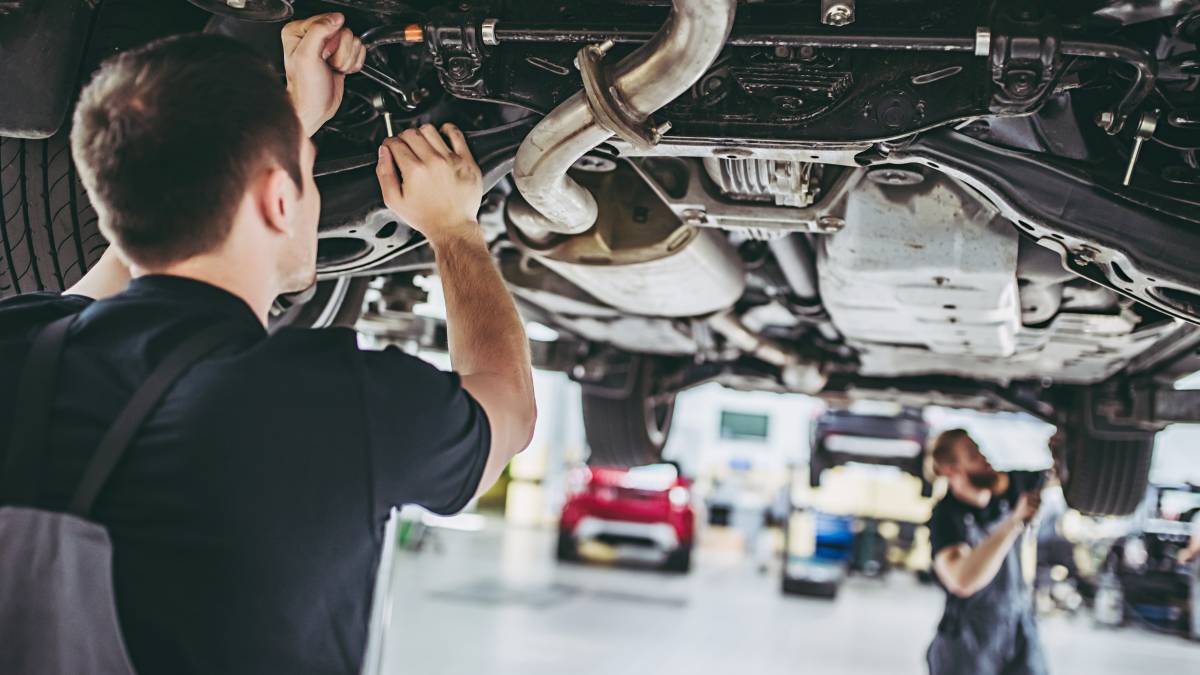
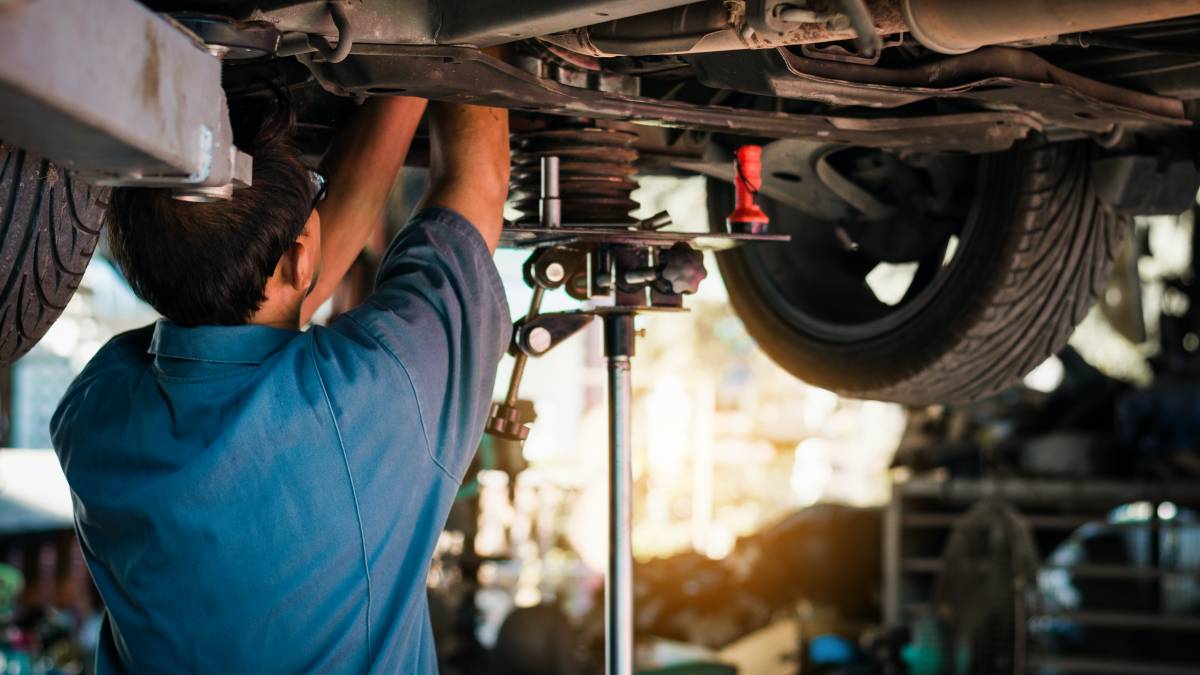
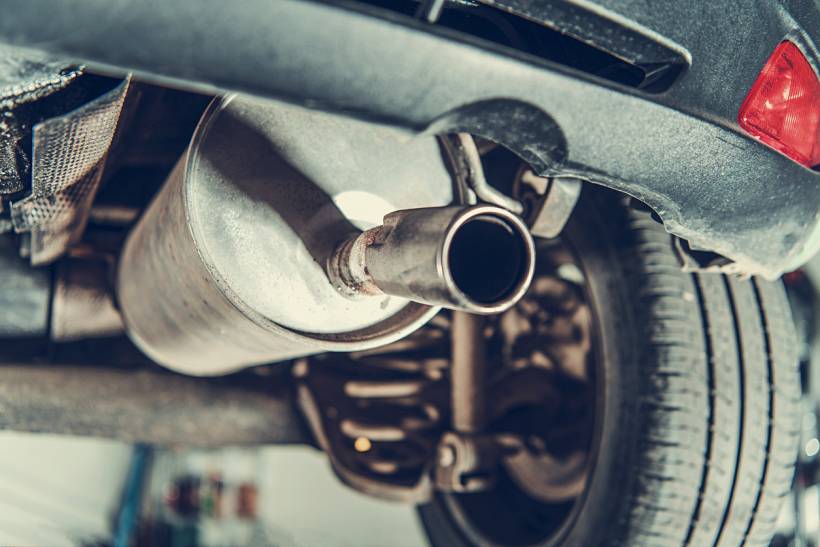 Rear vehicle exhaust components and undercarriage detail (Source: iStock)
Your location is one of the most important factors to consider when evaluating the cost of replacing a diesel particulate filter, but other factors can also affect the final price. These include:
Vehicle make and model
The larger and more complex the engine is, the higher the replacement cost. This is because larger engines produce more soot, so a mechanic has to replace them with bigger diesel particulate traps that have advanced coatings and multiple monitoring sensors. So, it’s natural for a heavy-duty diesel pickup truck like a Ford Ranger to cost more to replace a DPF than a standard diesel sedan.
Prices can further increase for luxury cars like the Mercedes-Benz S-Class 350d because their DPF systems are deeply integrated with the engine management computer. This requires the mechanic to use more advanced diagnostic equipment to ensure proper calibration.
DPF condition, diagnosis, and cause of failure
Your car’s DPF condition can determine the price of having it replaced or repaired. For instance, a soot-clogged DPF is easier to clean than ash-loaded or physically damaged filters, so expect a more affordable quote. How to know the DPF’s condition? Auto technicians use a diagnostic scanner to check for engine codes such as:
P2463: indicates soot accumulation with an intact filter
P2002: indicates more serious damage, such as a cracked or melted DPF, a faulty sensor, or an exhaust leak.
Beyond the standard filter checks, it’s important first to perform a comprehensive car diagnostic test to determine the root cause of the problem. This is because diesel exhaust filters can clog in a few weeks after replacement if underlying engine or emissions issues exist.
Type and quality of replacement DPF
An aftermarket DPF is the most affordable option upfront, but it comes with hidden costs. Most budget aftermarket filters trigger engine codes, clog prematurely, and cause sensor incompatibility. This is why it’s always better to choose Original Equipment Manufacturer (OEM) filters, despite the high price tag, since they come with a warranty and a guarantee of quality.
If you want a more affordable alternative to OEM filters, quality direct-fit aftermarket options can bridge the gap. They’re engineered to meet OEM standards and designed to bolt into the vehicle without modification, reducing extra labour time and costs. Just make sure to choose a reputable supplier and manufacturer, such as a premium specialist brand, to ensure quality.
Check out how much each type of DPF replacement might cost in the table below:
DPF Type |
Typical Cost of DPF Replacement |
|---|---|
Aftermarket DPF |
£800–£1,500 |
Direct-fit aftermarket DPF |
£1,000–£2,000 |
OEM DPF |
£1,500–£3,500 |
Premium or specialist DPF |
£2,500–£4,000+ |
DPF location and installation complexity
If the car’s diesel engine particulate filter is mounted at the rear or near the exhaust, replacing it is easy, as it only requires the technician to slide under the car with basic tools. The labour cost can range from £120 to £250 for an easily accessible DPF like this, as it typically takes only 2 to 3 hours of work.
However, if it requires the mechanic to take apart several engine components to access and replace the DPF, this could add 4 to 6 hours of labour, further increasing costs. The same price increase applies to difficult-to-access DPFs mounted near the turbocharger or under the cab floor (the part of the truck where the driver and passengers sit). Since it’s more labour-intensive, DPF replacement costs can range from £300 to £550.
The table below shows how DPF labour prices can change, depending on how complex the installation is:
Installation Complexity |
Typical Labour Cost |
|---|---|
Easily accessible DPF |
£120–£250 |
Moderate dismantling required |
£200–£400 |
Difficult-to-access DPF |
£300–£550 |
Corroded or seized components |
£350–£650 |
Cutting or welding required |
£400–£750+ |
Additional parts and repairs required
A clogged DPF means that other internal issues are happening in a car’s engine. It could be because the sensors have failed, so the engine can’t read the signals accurately, causing soot to accumulate faster in the filters. This is why many recommend checking and replacing the sensors as well if a car needs a DPF replacement.
Meanwhile, if a clogged or broken DPF hasn’t been removed and replaced for quite some time, the surrounding components (gaskets, seals, exhaust pipes, and other engine parts) are likely to have worn out, cracked, or corroded. It’s important to fix and replace them together to prevent cascading failures.
Here’s a DPF price list for possible additional car repairs:
Extra Part or Repair |
Additional Cost |
|---|---|
DPF pressure sensor |
£150–£450 |
Exhaust temperature sensor |
£100–£300 |
Oxygen sensor |
£110–£300 |
Gaskets, clamps, or mounting hardware |
£30–£150 |
Exhaust pipe repair |
£60–£300 |
EGR or related engine repair |
£150–£900+ |
What are some ways to lower DPF replacement prices?
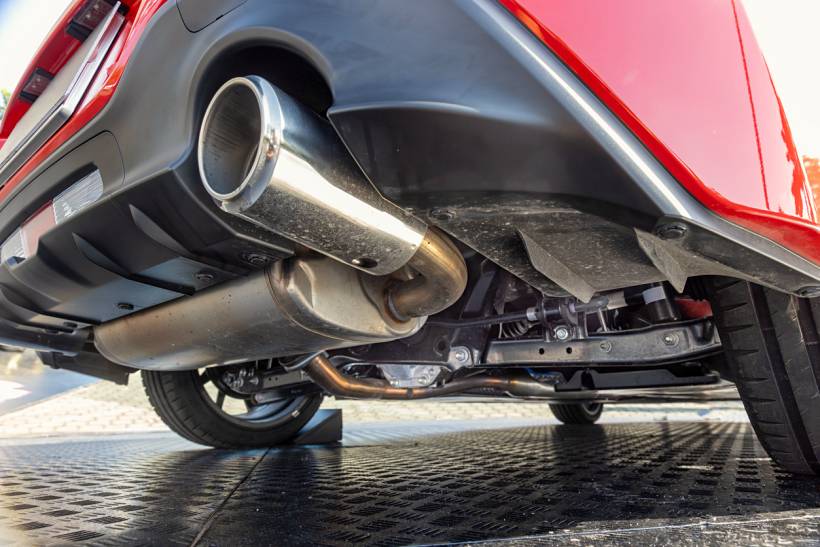 Close-up view of rear exhaust components and vehicle underbody (Source: iStock)
Replacing a DPF can definitely be costly, so here are some tips on how to save money:
Choose an independent mechanic over a dealership
Independent repair shops typically charge less than dealerships, especially for straightforward replacements. Many also have connections with local dealerships, allowing them to source OEM parts without the markup. With this, you’ll be able to replace your DPF at a lower cost without sacrificing repair or installation quality.
Consider professional DPF cleaning before replacement
If your DPF warning light just appeared, don’t assume you need a full replacement. Sometimes, professional cleaning can extend your filter’s life at a much lower cost. If it’s beyond salvage, find a reputable diesel shop to handle the replacement and ensure quality work.
Bundle DPF replacement with other exhaust services
As we mentioned earlier, replacing the DPF might require additional engine and exhaust work, so instead of waiting another week to finish this add-on work, consider bundling it with the DPF replacement. Most shops offer discounts when multiple jobs are completed during a single visit because this allows them to work more efficiently.
What should you look for in a professional mechanic?
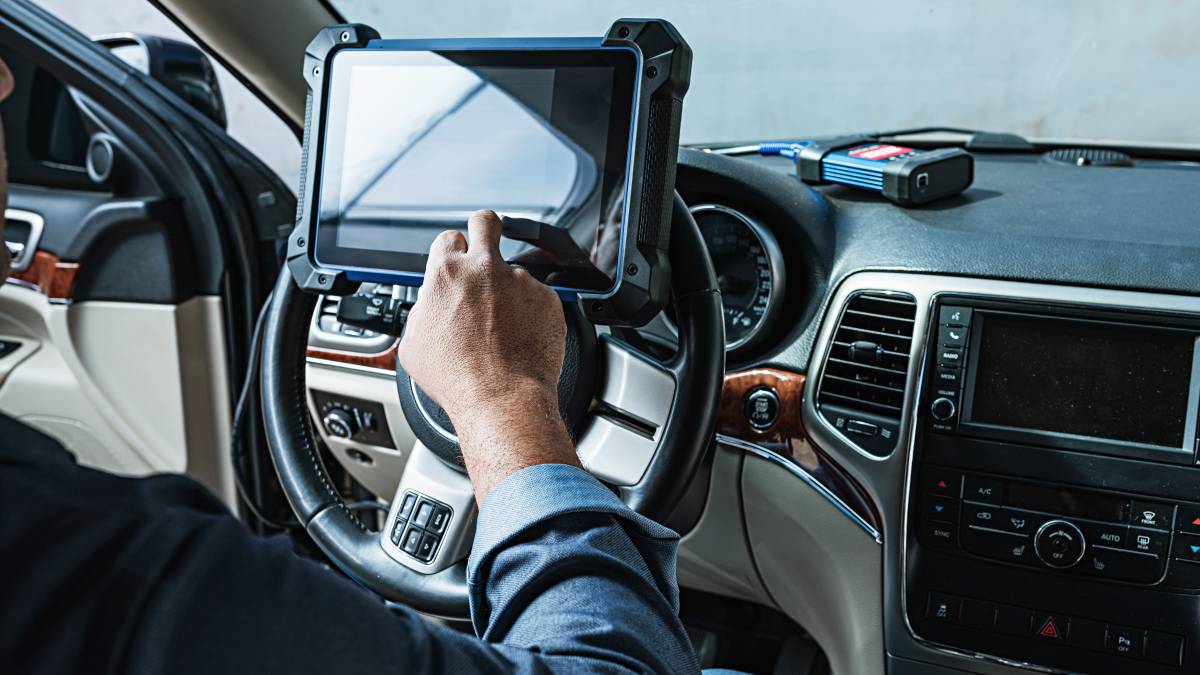
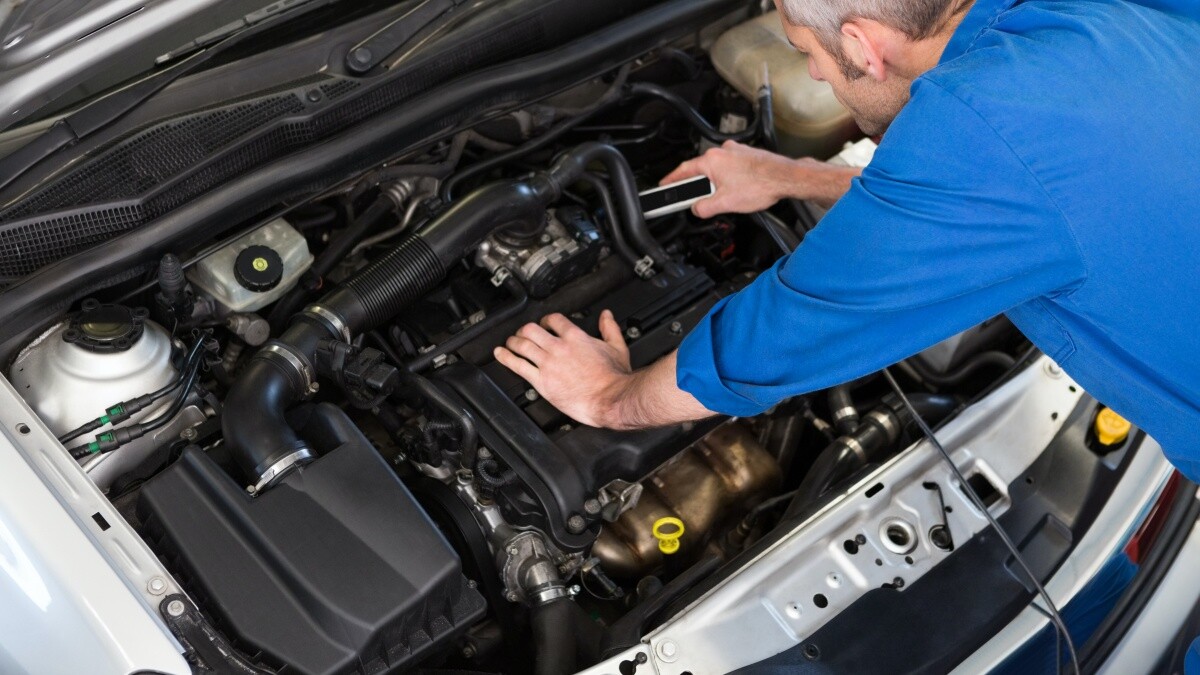
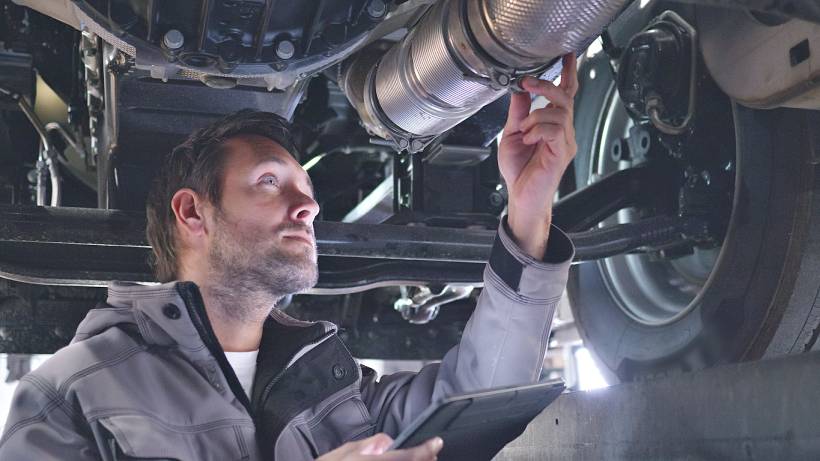 Vehicle exhaust inspection by a mechanic using a diagnostic tablet (Source: iStock)
Below are some tips on how to find the right mechanic for a critical car service like a DPF replacement:
Certifications and specialised training
Look for mechanics who hold an IMI (Institute of the Motor Industry) Level 3 qualification in Heavy Vehicle Maintenance and Repair or are registered as a Heavy Vehicle Service and Maintenance Technician through the IMI professional register. Having these credentials shows that they’ve passed standardised exams and are knowledgeable about the current industry standards.
Full diagnostic work before replacement
A mechanic should investigate the root cause of the DPF issue first before recommending a full replacement. This includes checking critical components such as the fuel injectors and spray valves, examining exhaust leaks, and testing pressure and temperature sensors. Conducting a comprehensive diagnosis first prevents the problem from recurring and saves you money in the long run.
Transparent written estimate
A mechanic needs to provide a detailed written estimate that separately breaks down parts, labour, and any additional fees. This will help you understand why certain repairs are necessary, offer options, and help you evaluate which is better between OEM and aftermarket filters, budget-wise.
DPF damaged beyond repair? Get help on Airtasker
A clogged or damaged DPF shouldn’t be ignored, as it can cause more damage to your exhaust system or the engine itself. To ensure you get your money’s worth without overpaying, find a mechanic who diagnoses the issue and explains your options up front.
With Airtasker, you can connect with mechanics in your area who specialise in DPF replacements and exhaust repairs. Post a task with your vehicle details and the issue you’re facing, then receive quotes from qualified Taskers. You’ll be able to compare prices, review their experience, and choose someone who fits your needs and budget before committing to the work.
Learn more about our contributors
Written by Cielo B.
Staff Writer
Cielo is an experienced content writer who has explored various industries throughout her career. Her expertise, founded on a degree in journalism, includes writing about automotive and home maintenance. Cielo also covers topics like dressmaking, tailoring, and photography since she is a passionate cosplayer who enjoys dressing up as her beloved anime characters.
FAQs
Most particulate filters for diesel engines last quite a while (more than a hundred miles) if you take care of them, but the real lifespan depends a lot on how you drive, whether you stay on top of maintenance, and what fuel quality you’re using.
If you’re doing mostly city driving with short trips, your filter will clog faster. But if you regularly clock highway miles at steady speeds, your DPF will last much longer.
You can technically drive with a clogged DPF, but it’s not a good idea in the long term. The blockage creates pressure in your exhaust system, forcing your engine to work much harder. Eventually, this can trigger limp mode in which your vehicle limits itself to low speed to protect the engine. Keep pushing it, and you risk damaging the engine.
Most shops can finish a DPF replacement in a couple of hours (typically two to three hours of labour). However, if your filter is stuck due to rust, or if the sensors need replacing too, or if the mechanic has to remove other parts just to get to the filter, you could be looking at a full day at the shop.
Yes. After the installation, the engine control unit (ECU) must be reset via a diagnostic scanner to recognise the new filter and recalibrate the ash counter. Skipping this step can cause immediate warning lights and limp mode.
Find mechanic, fast
Post a task