- Home/
- Costs/
- Lawn Mowing/
- Grass Cutting Cost Guide
How much do grass cutting services cost in the UK?
Post to find a price. It's free and only takes a minute.
Average grass cutting cost
£60 - £150
low
£60
median
£100
high
£150

Last Updated on

Written by Cielo B.
Staff Writer


Reviewed by Joe R.
Lawn Mowing Expert
Read more about our contributors
Key Facts
Average mowing labour costs in the UK range from £60 to £150, depending on factors such as lawn size, location, time of year, and more.
Opting for garden maintenance packages, such as mowing contracts or bundled services like weeding and mulching, can help cut costs.
Choosing a knowledgeable, local lawn mowing service provider can make lawn maintenance easier, especially for first-time homeowners.
Like your home interior, your lawn requires regular care to maintain its beauty. That’s why, in this guide, you’ll learn what goes into the pricing of your lawn maintenance bill. You’ll also find tips on caring for your lawn between trims, plus a guide on hiring competent lawn mowing service providers.
What are the average grass mowing prices in the UK?
Depending on where you live and the condition of your garden, lawn mowing typically costs between £60 and £150 in the UK. Smaller, straightforward lawns may cost less, while large, overgrown, or difficult-to-access gardens can cost more. Here’s what you can expect to pay based on lawn size:
Lawn size |
Average labour cost |
|---|---|
Less than 450 sqm |
£115 |
Up to 600 sqm |
£155 |
Up to 1,000 sqm |
£255 |
How much does it cost to cut grass in my region?
Your lawn mowing bill can vary depending on where you live. Based on recent marketplace pricing, costs are generally higher in London and parts of southern England, although the final price will also depend on the size and condition of your lawn. In London, lawn mowing commonly ranges from £65 to £150.
Location |
Average labour cost |
|---|---|
Northern Ireland |
£50 to £200 |
Wales |
£50 to £180 |
England |
£60 to £150 |
Scotland |
£50 to £120 |
London |
£65 to £150 |
Regional price differences can reflect local demand, travel distances, living costs, property size, and the availability of lawn mowing providers. A regularly maintained lawn will also generally cost less than an overgrown or neglected garden that requires additional cutting, strimming, edging, or waste removal.
What factors affect lawn cutting service prices?
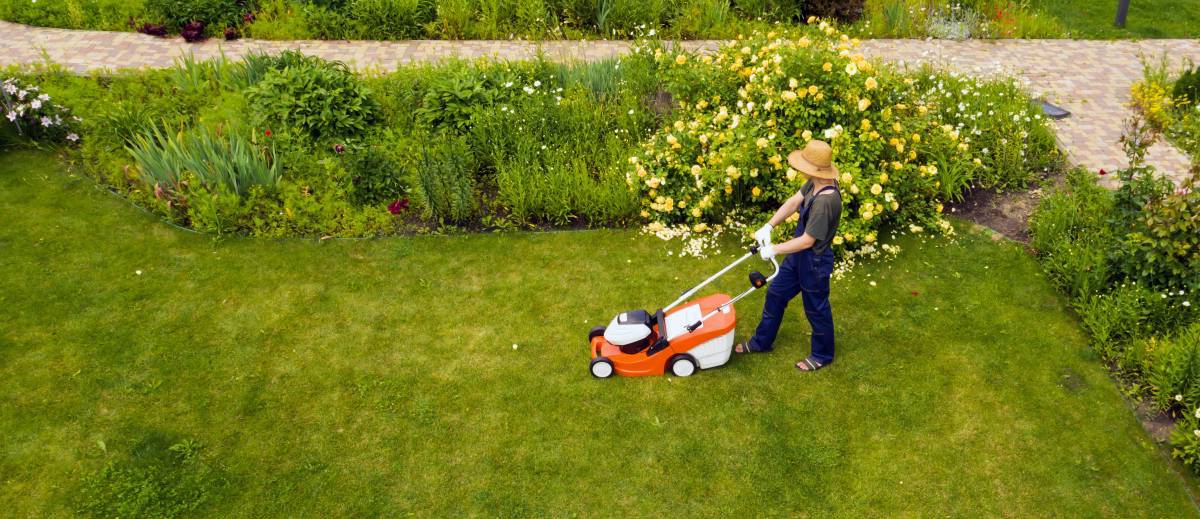
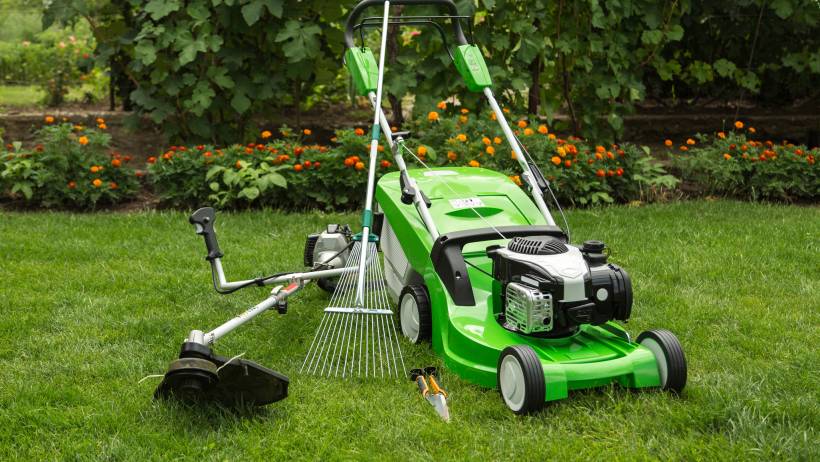 A lawn mower ready to keep any garden or yard looking its best (Source: iStock)
Careful aftercare is essential for your newly laid turf or sown grass. You’ll have to do the first cut once the roots have started to take hold and the grass blades have grown enough after two to three weeks to ensure a lush and healthy lawn.
If you decide to hire lawn mowing services for the first cut, understanding the factors that affect costs can help you prepare your budget.
Grass length
Yard mowing prices are higher for overgrown lawns with grass blades over two inches. This is because they will need weeding and strimming before the actual mowing. Cutting to the ideal grass height also takes some expertise. Gardening experts usually recommend a height of 13-25mm in summer and up to 40mm in spring and autumn.
If your grass is overgrown, you may incur additional fees due to the extra time and effort required to achieve a clean cut. Regular maintenance can prevent grass from becoming too long and unmanageable, allowing for quicker and cheaper mowing sessions.
Time of year
As mentioned, the time of year affects ideal grass height and lawn care costs. Lawn mowing rates can also rise in the spring and summer when gardeners are in high demand.
Seasonal variations can impact lawn mowing prices due to changes in demand. During peak seasons like spring and summer, higher demand may lead to increased rates. Conversely, in off-peak times, some providers might offer discounts to attract customers. Being aware of these seasonal trends can help homeowners better budget for lawn care throughout the year.
Keeping your grass green all summer long? It’s about smart habits, not just more water.
• Deep water, less often: Train your lawn’s roots to be tough. Give it a deep, saturating drink every few days instead of a light daily sprinkle.
• Morning is magic: Water before dawn to let the moisture sink in and avoid evaporation and fungal issues.
• Mow high, mow often: Keep your mower deck high to shade the soil and retain moisture. Consider mulching clippings to feed your lawn as you go
• Skip the summer feast: Don’t fertilise during a heatwave; it can do more harm than good.
• Go easy on the grass: Less foot and paw traffic helps lessen stress on the turf, preventing soil compaction.
Terrain difficulty
The terrain of your yard will impact lawn mowing service prices. For example, hilly or rocky terrain or gardens with many paths require additional labour, fuel/battery power, or specialised equipment. Considering this, homeowners with difficult terrain should expect higher service charges due to the increased complexity of lawn maintenance.
When requesting quotes from service providers, you should communicate any specific challenges related to your yard’s terrain. This transparency helps ensure accurate pricing and allows lawn care companies to prepare adequately for the job at hand.
Equipment used
The cost to mow a lawn will also depend on the equipment used. Each type of lawn mowing equipment has different uses. Here’s a brief overview of the most common options:
Lawn mowing equipment |
Best for |
Advantages or uses |
Disadvantages |
|---|---|---|---|
Push mower |
Smaller lawns and straightforward garden layouts |
Lightweight and easy to transport; lower carbon footprint; suitable for regular lawn maintenance |
Less effective on rough, uneven, or heavily overgrown ground |
Ride-on mower |
Large gardens, estates, and expansive properties |
Covers large areas quickly; adjustable cutting heights; reduces the physical effort required for bigger lawns |
More difficult to transport; requires more storage space and greater skill to manoeuvre safely |
Grass trimmer or strimmer |
Edging, trimming, and hard-to-reach areas |
Creates a neat finish along lawn edges; useful around fences, trees, borders, and garden furniture |
Not suitable as the main tool for cutting large lawn areas |
When hiring a grass-cutting service, most will provide their equipment. But you can check if they can use your own mower to reduce costs. Just make sure your mower’s blades are nice and sharp.
Type of service
If you want to make the most out of the average price of lawn mowing services, you can ask about bundling grass cutting with other lawn care solutions, such as hedge trimming. Since you’ll also need to do this regularly, bundled services can reduce garden maintenance costs.
Service type |
Average price |
|---|---|
£60 to £150 |
|
£70 to £170 |
|
£85 to £200 |
|
£120 to £285 |
|
£155 |
|
£20 to £30 |
|
Patio jet or pressure washing |
£1.50 to £5 per metre |
Choosing a package deal can often lead to discounts compared to purchasing each service individually. Understanding these options helps homeowners get the best value for their lawn care while ensuring thorough maintenance for a healthier lawn.
You may sometimes see grass-cutting services advertising hourly rates of around £12 to £15. However, it is usually more helpful to request a complete quote based on your lawn size, grass condition, access, and the work required.
Business size
Average lawn mowing costs will also vary based on the lawn care provider’s business size. Solopreneurs will generally charge lower rates than big garden maintenance companies. These larger lawn mowing companies usually incur additional costs, such as advertising, employee uniforms, and other operational expenses.
When selecting a lawn care service, consider not only the price but also the level of personalised service you may receive from smaller businesses. Smaller providers can offer more tailored solutions and build closer client relationships.
Travel time
The cost of lawn mowing varies depending on the professionals’ travel time to and from your location. This is because they’ll have to spend their workday driving to your location and pay more for gas to tow heavy mowing equipment.
To minimise travel-related costs, consider hiring local lawn care providers in your area. This will not only help reduce expenses but also support local businesses.
How do you hire a professional lawn mower?
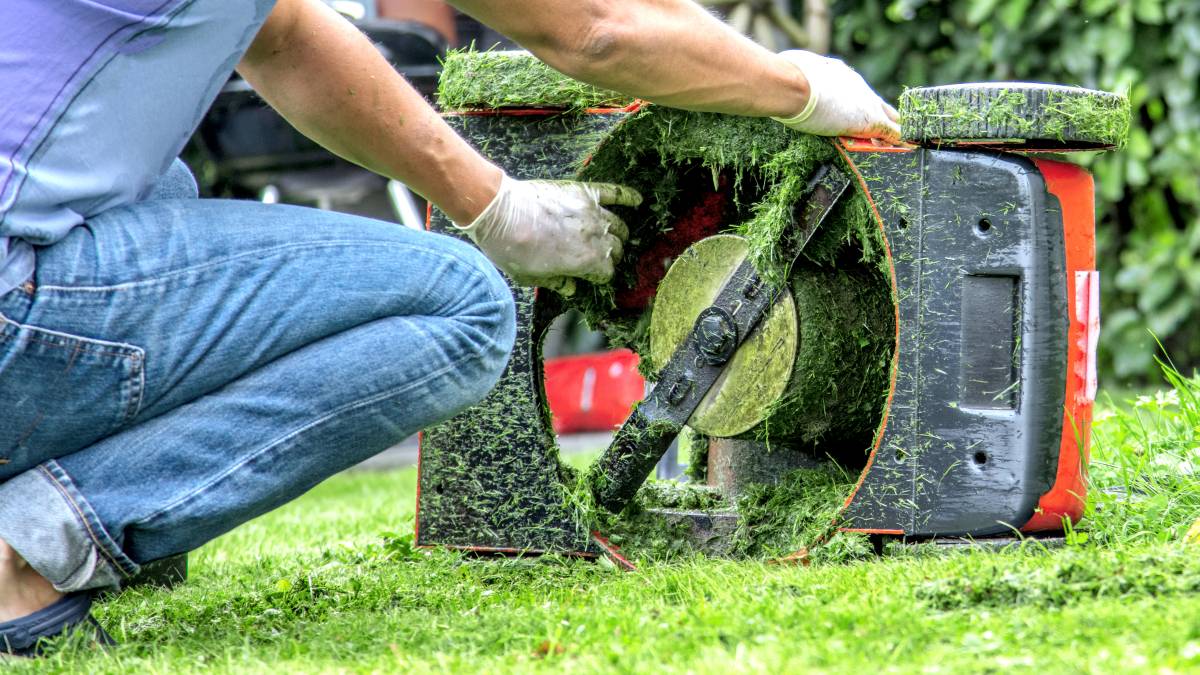
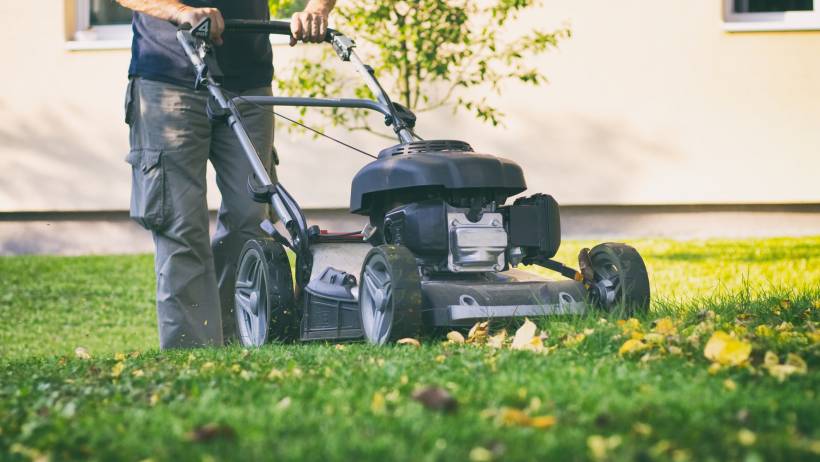 An expert lawn mower at work (Source: iStock)
While mowing your lawn yourself is generally doable, it can be quite a chore when you have a busy schedule and lack the right equipment. That’s why it can be more beneficial to have a professional lawnmower to help you out.
When hiring a professional lawn mower, you should get quotes from more than one service provider to pulse-check the cost to mow your lawn. Just make sure to provide them with pictures of your lawn so you can receive accurate quotes.
Here are some tips to help you find the right one:
Reach out to multiple providers to weigh the pros/cons of each.
Consider hiring a local lawnmower to better reduce travel costs.
Ask whether they offer free quotes based on photos of your lawn.
Check their reviews or ask for references.
Ask about the best type of mowing equipment based on the turf you have, the time of year, and the condition of your lawn.
See whether they offer bundled lawn care services, such as hedge trimming, lawn treatment, weeding, and tree lopping, or contract-based services for regular mowing appointments.
What should you know about lawn care frequency?
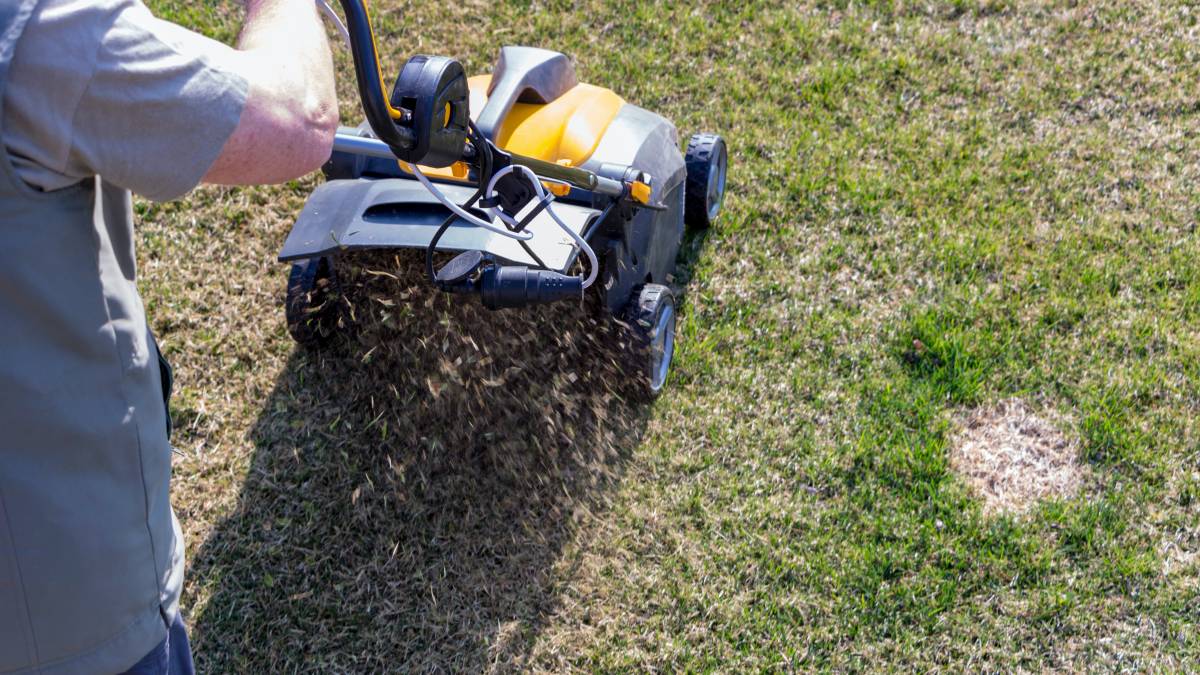
 A day’s worth of lawn mowing work (Source: iStock)
Maintaining your lawn between mows can improve your yard’s appearance and reduce mowing costs. Below are some tips for taking care of your lawn:
Familiarise yourself with the lawn care calendar. This includes when to apply fertiliser and how to care for your yard during droughts or stormy spells.
Practice No Mow May to allow wildflowers to grow and attract valuable pollinators.
Reduce winter mowing to promote strong grass growth in spring.
Make sure your lawn mowing equipment is well-maintained, and have experts repair your mower if needed.
Getting your lawn ready for the colder months? Think of it as your lawn is taking a rest for a few months. Here’s my advice on what to do:
• Clean up: First things first, clear off any leaves, sticks, or random bits that have landed on your lawn.
•Mow it right: Keep mowing, but set your blades a little higher than usual, say around 2-3 inches, until the temperatures start to drop.
•Give it some air: Think of aeration as giving your lawn’s roots some breathing room. It helps with drainage and makes sure air can get down where it needs to be, which is super important when things get cold and wet.
• Weed control: Keep an eye out for any sneaky weeds popping up and deal with them as soon as possible.
•Feet off: Try to stay off the lawn as much as possible, especially when it’s wet or frozen solid. Walking on it then can cause some serious damage that you’ll see in the spring.
Find the green-thumbed expert you need on Airtasker
Just like with the grass on your lawn, there’s more to lawn mowing costs than what’s on the surface. Other factors that impact the quote include your location, grass condition, time of year, terrain, equipment, travel time to your home, additional gardening services, and the provider’s business size.
Now that you know how much it costs to cut grass in the UK, you’re ready to find a lawn mowing specialist. Post a task today and contact a lawn mowing specialist in your area.
Learn more about our contributors
Written by Cielo B.
Staff Writer
Cielo is an experienced content writer who has explored various industries throughout her career. Her expertise, founded on a degree in journalism, includes writing about automotive and home maintenance. Cielo also covers topics like dressmaking, tailoring, and photography since she is a passionate cosplayer who enjoys dressing up as her beloved anime characters.
Reviewed by Joe R.
Lawn Mowing Expert
Joe has run his own property maintenance business since 2021, serving a diverse clientele of residential and commercial building owners. Over the years, he has developed hands-on expertise in gardening, landscaping, lawn care, and exterior property upkeep. His skills extend beyond outdoor maintenance, as he’s also adept at crafting bespoke furniture, painting, and weatherproofing. Known for his versatility and practical approach, Joe is committed to delivering timely, effective solutions on every project he takes on.
The Reviewer Badge is awarded to individuals who are experts in their respective fields and evaluate the content to ensure its accuracy and relevance to the task at hand.
FAQs on lawn mowing
If you’re talking about an average-sized residential lawn, the job lasts around 30-45 minutes. For a large lawn, it can take 60-90 minutes.
To prevent your lawn from overgrowing, book a mowing service every one to two weeks in summer. If you’re not sure whether a weekly or fortnightly service is better, use your judgement based on how fast it grows or ask a professional.
During winter, you can reduce lawn cutting to once every four to five weeks. You might also want to have your lawn aerated. Aeration prevents lawns from looking tired when the soil beneath becomes compacted.
Your lawn grows faster in summer due to better temperatures and increased sun exposure. As part of photosynthesis, your grass depends on plenty of sunlight. Although too much will kill it, too little prevents it from flourishing. Grass growth begins to peak when temperatures rise above 10 degrees Celsius. If they dip to 5 degrees Celsius, the grass won’t grow at all.
It’s worth noting that poor moisture during hot mid-summer months reduces growth. Like sun and heat, your grass depends on a ready supply of water to thrive. If you live in an area where rainfall is poor, consider watering your lawn during hot months.
The average price is around £26 per 100 square metres, although many lawn mowing providers charge a minimum call-out or task fee rather than pricing solely by area. Ask your specialist whether they use lawn-size tiers, an hourly rate, or a flat task price.
As a general rule, you should mow weekly or every two weeks starting late February, adjust frequency during drought or rainy spells, then cut back to a weekly schedule starting November. If you're unsure, leave it to the experts and consult a grass cutting service before you go crazy with the mower.
Find lawn mowing, fast
Post a task