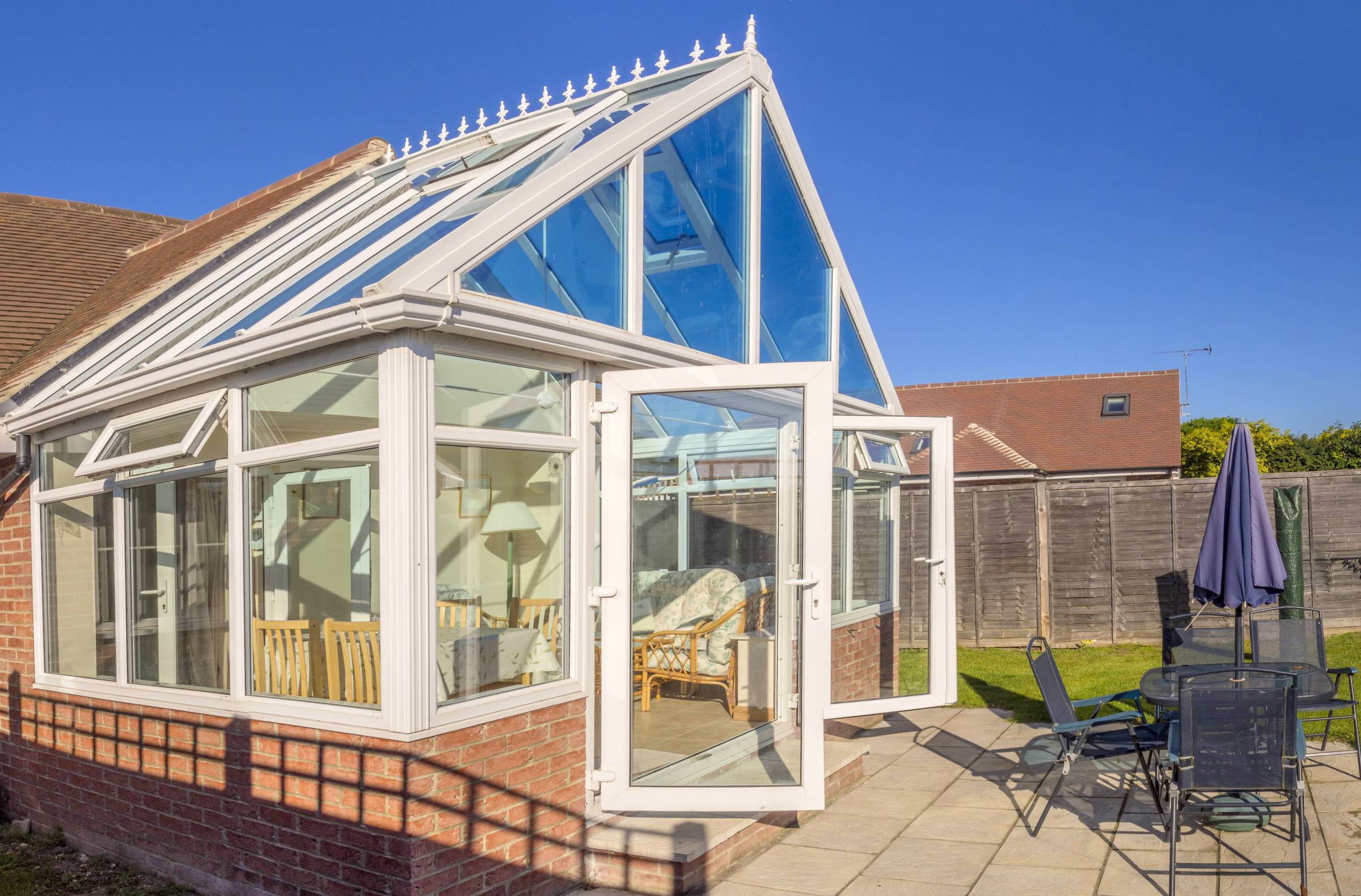
- Home/
- Comparisons/
- House Renovation/
- Orangery vs Conservatory vs Extension
Orangeries, conservatories, and extensions: What are their key differences?
Comparing your house extension options for a well-informed decision
Last Updated on

Written by Milafel D.
Contributor
Read more about our contributor
Key Facts
An orangery is a home extension with a brick wall and a solid flat roof with a glass lantern. It is more challenging and costlier to build but has a longer average lifespan and better energy efficiency.
A conservatory is usually a glazed structure. The simple design makes it easier and quicker to build, while the use of glass means this extension is lighter. However, unless modified, the mostly glass design does not insulate the space well during winter.
An extension is any structure that adds more floor area or living space. It can include an orangery and a conservatory.
Ever stood in your home, gazed at the shifting dance of sunlight and shadows, and yearned for a space that effortlessly blended the cosiness of your living room with the natural brilliance of the outdoors? If you are remodelling your home for extra living space, this orangery vs conservatory vs extension guide is for you.
All are welcome additions to your existing property, but their impacts on your budget and interior design vary significantly. Which brings in more natural light or is easier to maintain? How about the build? Read on to get your answers.
What is an orangery?
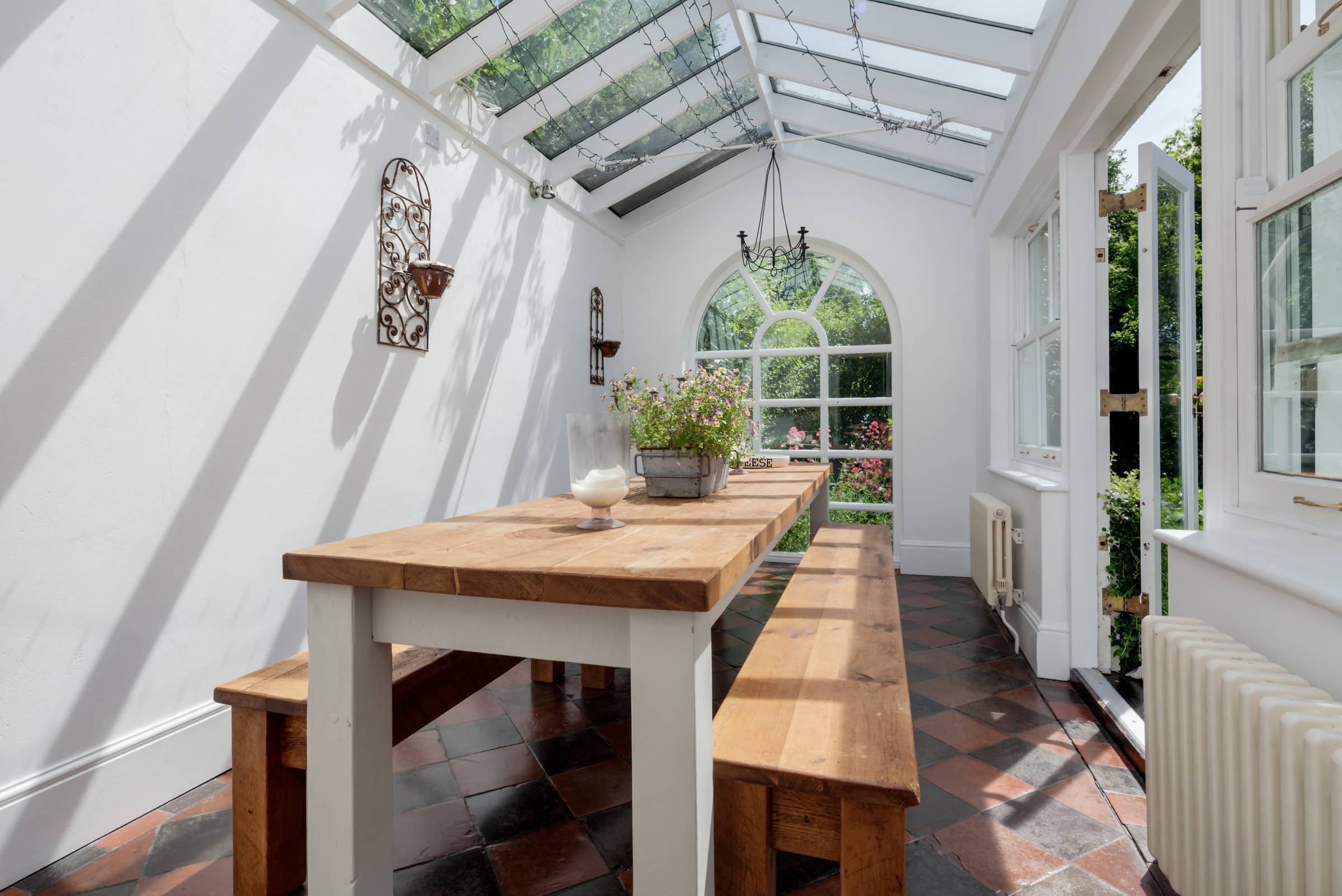 Bright glass-roofed orangery with wooden table, benches, and garden access (Source: iStock)
Generally speaking, an orangery is a brick-based structure with a glazed flat roof. It also usually features a central glass lantern or atrium, which bathes the space in light and serves as a stunning focal point.
Although it is unclear whether orangeries came before conservatories, most historians and architectural experts believe the former were ubiquitous during the 16th and 17th centuries. During this period, citrus fruits, especially sweet oranges, became popular in Europe. To ensure they could cultivate these edibles, the classic orangery was born. With its large expanses of glass, the space could receive enough sunlight to warm the plants.
Because oranges were considered a luxury food at the time, only wealthy owners could afford to build an orangery. These included King Louis XIV of France, who ordered the construction of one of the grandest orangeries in the world in the Palace of Versailles. This also made the structure a status symbol until new technologies and designs lowered production costs, allowing more people to afford it.
What is a conservatory?
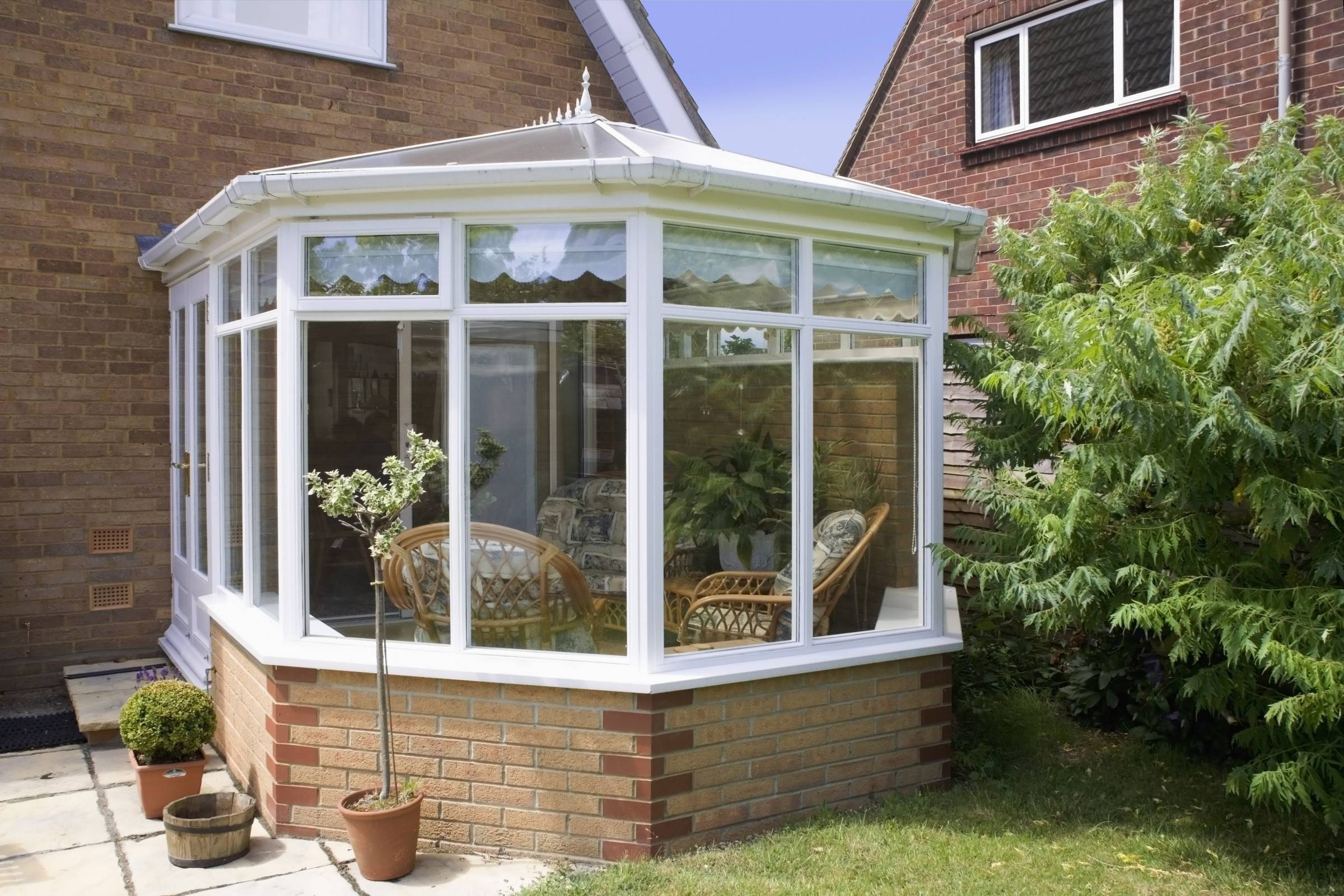 Glass-walled conservatory with brick base, seating, and potted plants (Source: iStock)
Conservatories are fully glazed structures, which means a glazed roof and glass panels throughout the building. Because of their design, they are famously used as garden rooms. This explains why some people call a greenhouse a conservatory (and vice versa).
They became popular during the Victorian Era when Europe could mass-produce glass. Despite this development, only those with grand houses could afford the material, using the structure to grow fruits and exotic plants.
What is an extension?
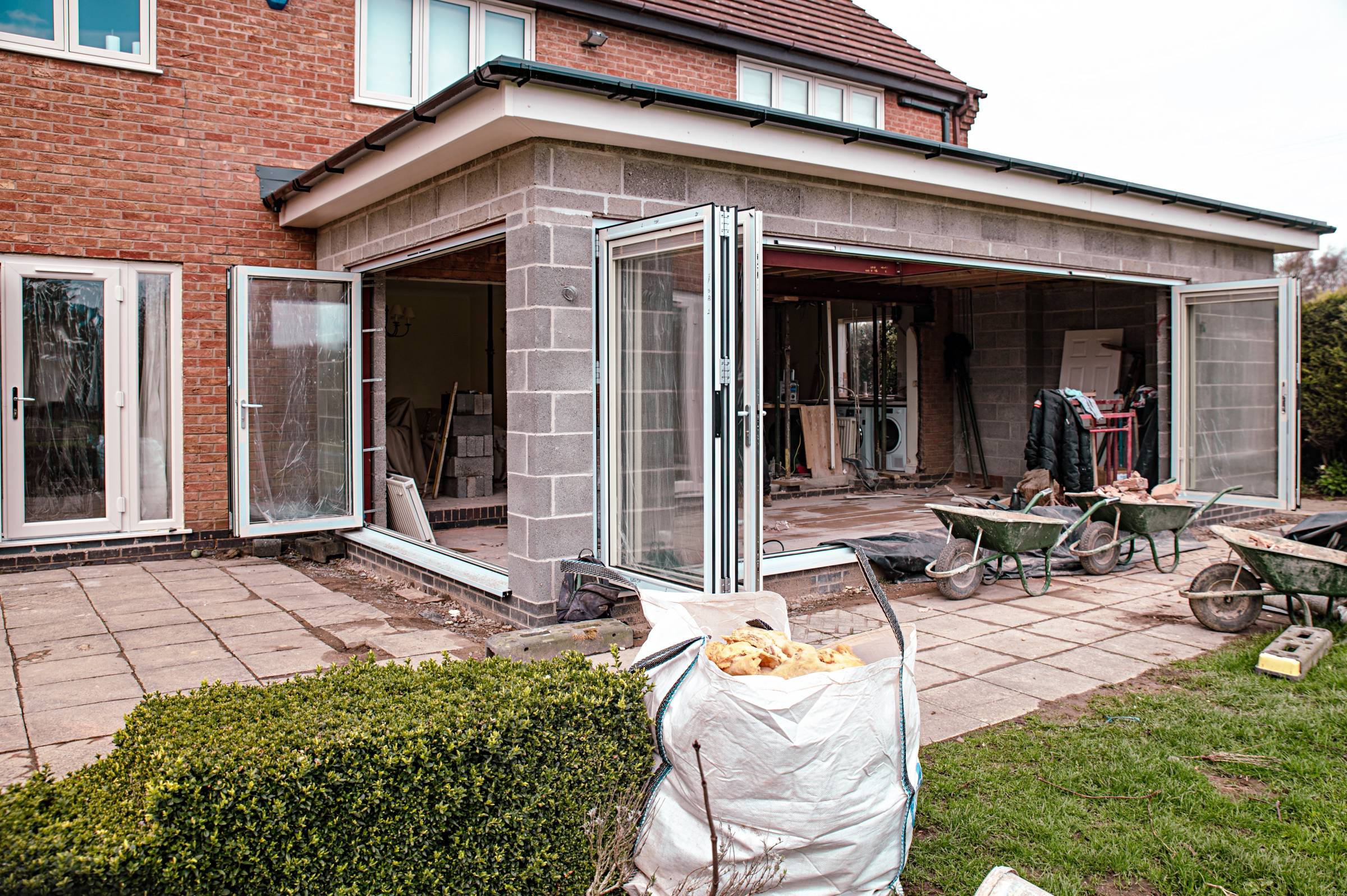 Rear home extension under construction with bifold doors and unfinished blockwork (Source: iStock)
Building a home extension means increasing the property’s floor size or adding extra space for various purposes. These include expanding the kitchen, the living room, or the dining room, creating a home office, and even growing plants. Because of this, both conservatories and orangeries are technically extensions.
This also suggests that an extension can share similar characteristics with an orangery or a conservatory. For example, it can have brick-built pillars paired with a lantern roof. However, it might look entirely different, with insulated walls or a pitched, solid roof.
Orangery vs conservatory vs extension: Which is better?
It would be nice to have an orangery and a conservatory, but most UK yards are too small to have both. If you are building or renovating a home, which is a better choice? Know their main differences to find out.
In terms of cost
Cost is one of the primary factors to consider when choosing between these two popular glazed extensions, especially since most home renovation costs in the UK could reach almost £80,000.
In general, conservatories are more affordable than other options. The lean-to is the cheapest style, with labour costs ranging from £2,000 to £4,000. A no-frills structure, it features a slanted glass roof and the home’s exterior as its fourth wall. If you want something more ornate, a Victorian-inspired conservatory can cost up to £10,000.
Meanwhile, expect to spend £10,000 more for an orangery. Designing it to match your property’s style is challenging due to its flat glass roof. It might also need a more solid, deeper foundation to better support the brick walls.
Depending on the design’s complexity and size, it may also require a planning application, which means additional costs. If you want to scrimp, use uPVC frames, but these may affect the structure’s lifespan and overall look.
The good news is that an orangery usually increases property value by up to 15% due to factors such as energy efficiency. Conservatories typically add at least 5%.
In terms of appearance
The main difference between an orangery and a conservatory is their appearance. First is the amount and the type of glass they use. A traditional conservatory features a low brick base wall with glass covering over 75% of its roof and 50% of its total wall area. On the other hand, an orangery usually has large windows but fewer glass walls.
Orangeries and conservatories can also vary in roof shape. While orangeries have a flat roof with lantern windows overhead, that of conservatories is high-arched. Solid roofs can include additional details, such as eaves, turrets, and gables.
An orangery’s appearance makes it more difficult to work with. A traditional extension can integrate seamlessly with the right brick match, but a flat roof or tiled roof will not. You can opt for a bespoke traditional or contemporary style to ensure the roof complements your home’s exterior.
In terms of building complexity
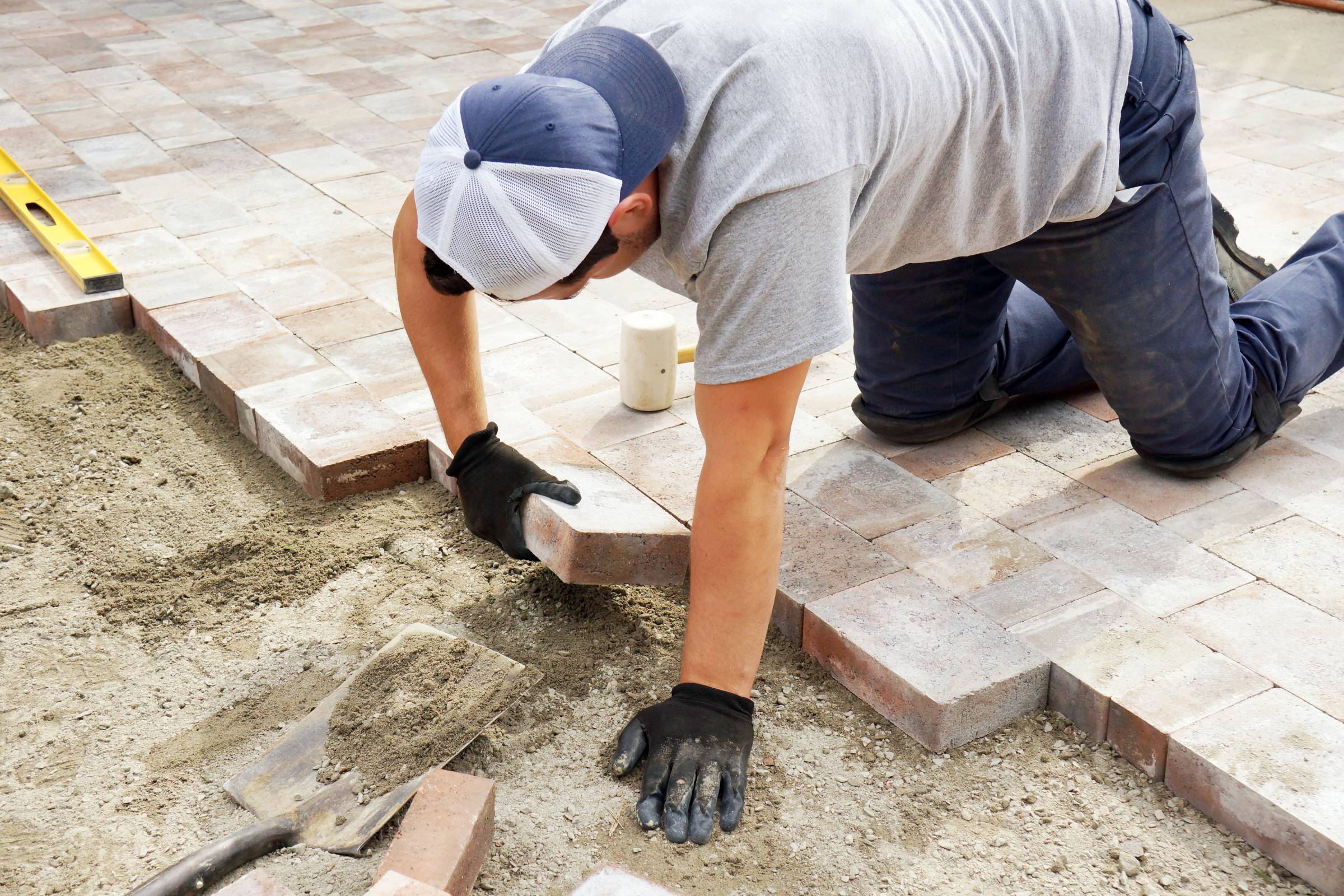 Construction worker aligning patio pavers over compacted sand (Source: iStock)
Conservatories and typical home extensions, to a certain extent, are easier to work with than orangeries. A conservatory, for example, uses mostly glass, which makes it both more lightweight and easier to install. An orangery’s flat roof can also be difficult to match with your home’s design and roof shape.
Do orangeries, conservatories, or extensions require permits? They don’t if they meet certain requirements, which can vary by location. You might be able to skip planning permission for home improvement if your single-storey extensions, orangeries, or conservatories are less than 50% of your total land area around the house, including outbuildings and sheds.
However, you need building regulations approval for orangeries and single-storey extensions because of the heavy brickwork and solid roofing.
In terms of functionality/versatility
Of the three, a single-storey extension is the most versatile. Architects can design them to be multipurpose. For example, a home office can easily transform into a kid’s bedroom or nursery room as the family grows. Depending on the intended use, it can have well-insulated walls to keep you comfortable year-round.
Although their initial role was to grow plants, a conservatory and an orangery can also function as an extension of your living space. Conservatories make great sunrooms, while orangeries are more flexible. With better insulation, they can become extra dining and living rooms.
In terms of durability/maintenance
The difference between a conservatory and an orangery also lies in their durability and maintenance. Conservatories require simpler maintenance, but because they are mostly glass, they may need more frequent cleaning.
However, orangeries can last longer than traditional conservatories because of brick walls and solid roofs. If they use wooden frames, they can last for over 50 years. A conservatory has an average lifespan of 20 years unless you swap the glass roof for solid or tiled roofing.
A typical home extension, meanwhile, usually lasts longer than the rest of the house and needs the same level of maintenance as other rooms.
In terms of eco-friendliness
Orangeries are more energy-efficient than conservatories. The brick walls can provide additional insulation and reduce heat loss. A traditional conservatory is not ideal in colder parts of the UK or during winter.
You can consider modern conservatories with underfloor heating and a double-glazed roof to maximise light while increasing the space’s energy efficiency. However, this might increase the cost.
Achieve your dream home with Airtasker
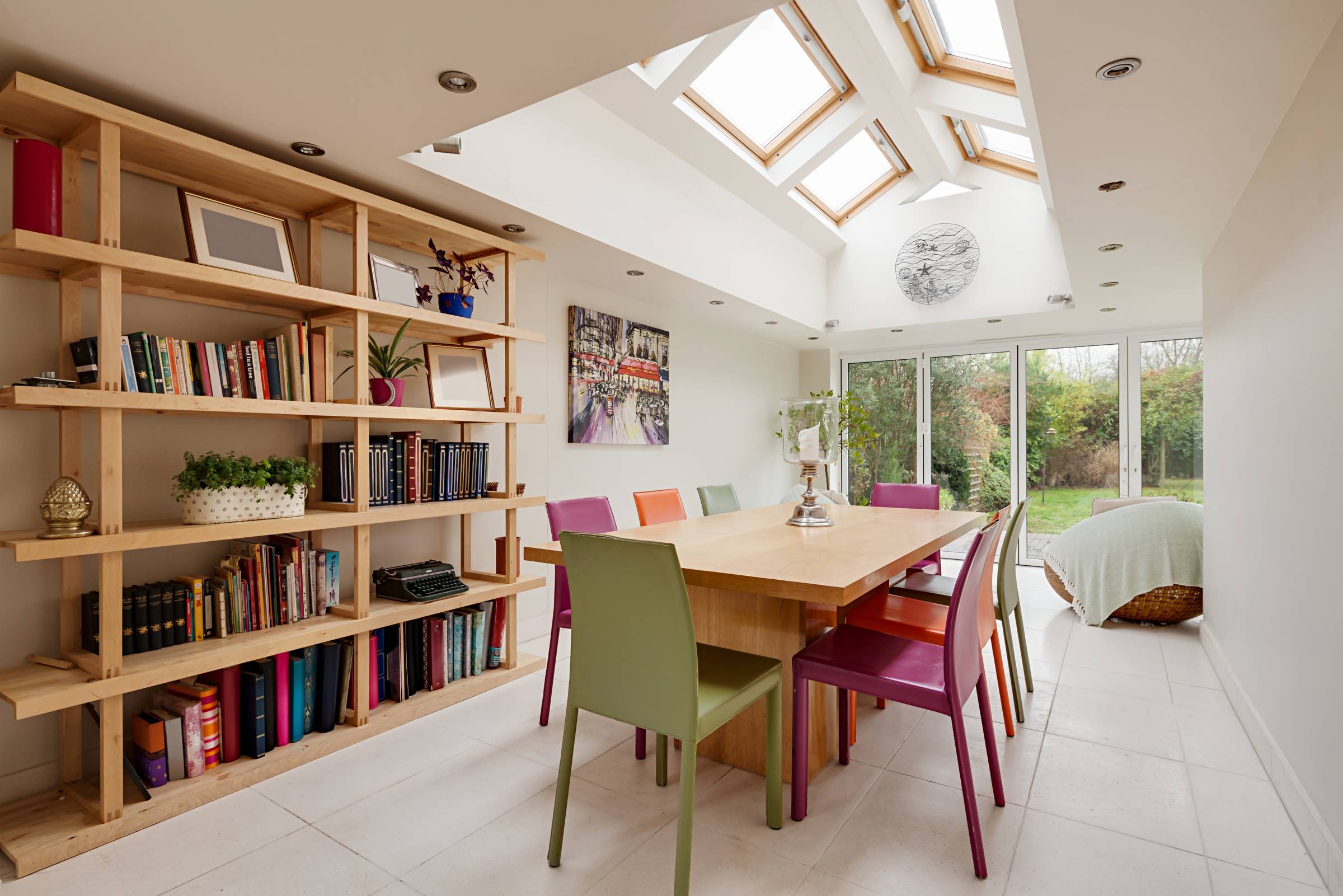 Bright rear orangery with roof windows, colourful dining chairs, and shelving (Source: iStock)
Now that you already know the difference between an orangery and other extension types, you have a better idea of which to pick for your house. The next step is hiring an expert to do it.
Although you can always build a home extension by yourself, DIY is never ideal for many reasons:
Design is only one component of the entire building process. Other considerations are purpose, planning permission, building regulations and codes, soil quality, and materials.
You want your home extension to match your property and its surroundings.
Safety matters.
Although you must spend on architects, DIY mistakes can cost you more.
Airtasker helps you find the right professional for the job in three steps:
Create an account for free.
Post a task. Include essential details, such as your land size, general location, budget, and timeline. You can also indicate related services such as blueprints, planning permission applications, and installation and maintenance.
Wait for proposals and quotes, and select the one that meets your criteria.
Overall, a conservatory, an orangery, or an extension can make your home feel cosy and add more living space while increasing its market value—but only when you build it right. Hire an architect or designer at Airtasker to work on a complicated home improvement project like this and spare yourself from irreparable, costly mistakes.
Learn more about our contributors
Written by Milafel D.
Contributor
Milafel is an editor and writer with over 15 years of experience. As a contributor to Airtasker content, she brings clarity, creativity, and insight to every piece to help homeowners tackle everyday challenges and turn their living spaces into something truly special. When she’s not writing, Milafel is a devoted cat mama and a teacher’s wife who enjoys belting out tunes at karaoke, journalling her thoughts, and pursuing passion projects.
Orangery vs conservatory vs extension
Orangery |
Conservatory |
Extension |
|
|---|---|---|---|
Cost |
More expensive to build but provides a higher property value increase |
Cheaper to make and can increase property value by at least 5% |
Depends on the structure you are trying to build, although most home renovations start at £5,000 |
Appearance |
Composed of a brick wall and a solid flat roof with a glass lantern or atrium |
Usually a glazed structure with 75% glass roof and over 50% glass wall |
Easily matches with the home’s interiors and exteriors and is usually insulated |
Building Complexity |
More challenging to build because of the roof style, mostly requires building regulations approval |
Easier to install and usually does not require building regulations approval |
In the middle; might require building regulations approval based on the structure built |
Versatility |
More versatile than a conservatory |
Ideal as sunrooms, does not warm the space well during winter |
The most multifunctional of the three |
Durability |
Can last for over 50 years and does not require frequent cleaning |
Easier to maintain but often needs cleaning to look its best |
Requires the same level of maintenance as the rest of the house |
Eco-friendliness |
More energy-efficient because bricks can help prevent thermal loss |
Maximises natural light but easily loses heat without underfloor heating and double-glazed glass |
Can be designed to be energy-efficient |
FAQs on orangeries, conservatories, and extensions
Definitely, a single-storey extension integrates best with your existing property. You must consider many factors if you want a conservatory or an orangery as part of your home improvement. These include the amount of glass used, size, and roof style.
An orangery or conservatory is usually considered a home extension because it adds more area to your living space. You can use it as a sunroom, greenhouse, or living and dining room. Since they are extensions, you might need planning permission.
The difference between a conservatory and an extension such as an orangery includes the amount of light they can allow to pass through. Because conservatories are usually glass, they let in more natural light. An orangery can do so with its glass roof lanterns. A single-storey extension, meanwhile, can feature large windows or none at all.
All can increase the property’s value, although orangeries seem to add more. They are more complicated to build, last longer, and are more energy-efficient. With bespoke services, they can match the home’s interior and exterior appearance.
Find house renovation contractors, fast
Post a task