- Home/
- Costs/
- Dress Alterations/
- Dress Alterations Cost Guide
How much do dress alterations cost in the UK?
Post to find a price. It's free and only takes a minute.
Price guide (labour only)
£7 - £120
low
£7
median
£64
high
£120

Published on

Written by Cielo B.
Staff Writer
Read more about our contributor
Key Takeaways
Dress alterations in the UK typically cost £7 to £120, with prices varying by alteration type, fabric, and location. Complex work on bridal gowns or dresses with heavy embellishments can exceed £650.
Simple adjustments (hemming, straps, zippers) cost £10 to £37, while reshaping, adding panels, or replacing linings can reach more than £125.
Book early to avoid rush or seasonal fees; buy shoes after your first fitting to reduce hemming costs; and consider flexible designs like corset or tie-up backs to minimise the need for side adjustments.
Alterations do more than just fix clothes; a tailor or seamstress could help upgrade the style of your dresses so you can wear your beloved pieces again, looking almost brand-new.
Whether you want to give your dresses a new look or fix them, learning about the typical dress alteration cost could help you know what to expect before going to a tailoring or dressmaking shop. This guide also covers the key factors that affect dress alteration prices and offers tips and tricks for saving money on this service.
What are the average costs of dress alterations in the UK?
Dress alterations can cost from £7 to over £120, depending on factors such as the type of alteration, the fabric, and the tailor’s or seamstress’s experience. Your location can also affect pricing. If you live in London, one of the UK’s metropolitan areas, clothing alterations are costlier due to higher demand and higher overhead costs, such as rent and tailors’ salaries.
Here’s a breakdown of the average dress alteration prices in major cities in the UK:
| City |
Average Cost of Dress Alterations (labour only) |
|---|---|
London |
£10 to £120 |
Birmingham |
£7 — £88 |
Manchester |
£8 — £95 |
Leeds |
£7 — £89 |
Liverpool |
£7 — £86 |
Bristol |
£8 — £97 |
Edinburgh |
£8 — £99 |
Nottingham |
£7 — £85 |
Belfast |
£7 — £85 |
What factors affect the alteration cost for a dress?
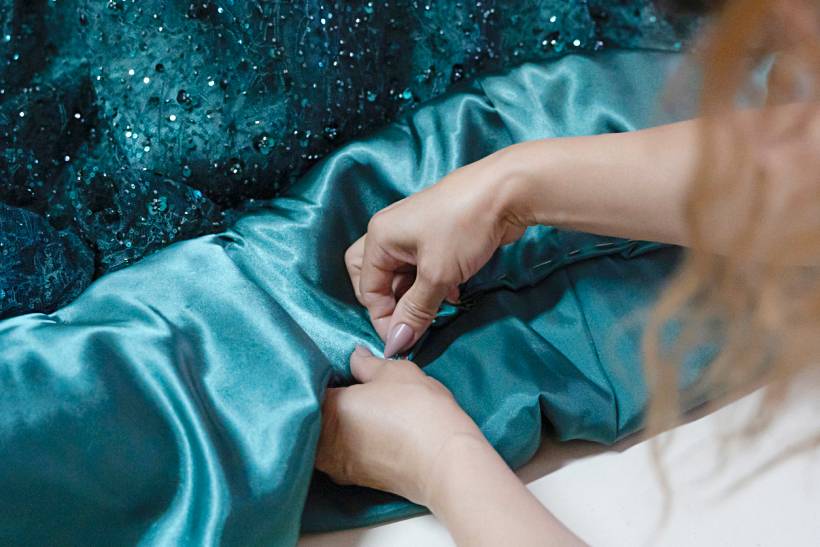 Seamstress adjusting the hem of a teal satin gown during dress alterations (Source: iStock)
Whether it’s a ball gown or a simple sundress, off-the-rack dresses need some tweaking to fit just right. However, alteration costs vary widely because, as mentioned, certain factors can affect the total price. Keep reading to find out how much does it cost to get a dress altered.
Alteration type
Clothing repairs and alterations can range from simple adjustments, like adjusting straps and replacing zippers, to more complex work, like reshaping the dress. As might be expected, the more complex the alterations are, the higher the costs.
Simple alterations
Since these alterations involve less intricate work, their prices are much more affordable. For instance, simple dress hem alterations cost around £10 to £25. Meanwhile, other basic dress adjustments, such as adjusting notions (straps, bra cups, and zippers) and dress length alterations, cost £18 to £30.
Below are some of the most common simple alterations and their average costs:
| Alteration Needed |
Average Cost |
|---|---|
Adjusting straps |
£12 — £21 |
Adding bra cups |
£10 — £37 per pair |
Adding darts |
£20 — £26 |
Replacing or adding zippers |
£18 — £30 |
Basic hemming |
£10 — £25 |
Mid to complex alterations
These alterations require more detailed reconstruction work, so expect prices to range from £17 to over £125. They involve reshaping or tapering the dress so it nicely hugs your body, or doing comprehensive hemming, which could mean adding a blind-stitch hem or a double-fold hem for a neater finish.
Altering dresses with heavy embellishments such as beads, sequins, and embroidery also falls under complex alterations because it requires more careful work. It entails disassembling and reassembling the dress parts without damaging their original structure, and this could cost more than £120.
Here’s a dress alteration price list for mid to complex modifications:
| Alteration Needed |
Average Cost |
|---|---|
Comprehensive hemming |
£20 — £75 |
Waist adjustments |
£25 — £56 |
Shoulder and neckline adjustments |
£17 — £65 |
Full garment reshaping or tapering |
£45 — £75+ |
Back style changes & sleeves |
£60 — £125+ |
Altering with special fabrics and embellishments |
£25 — £120+ |
Fabric type
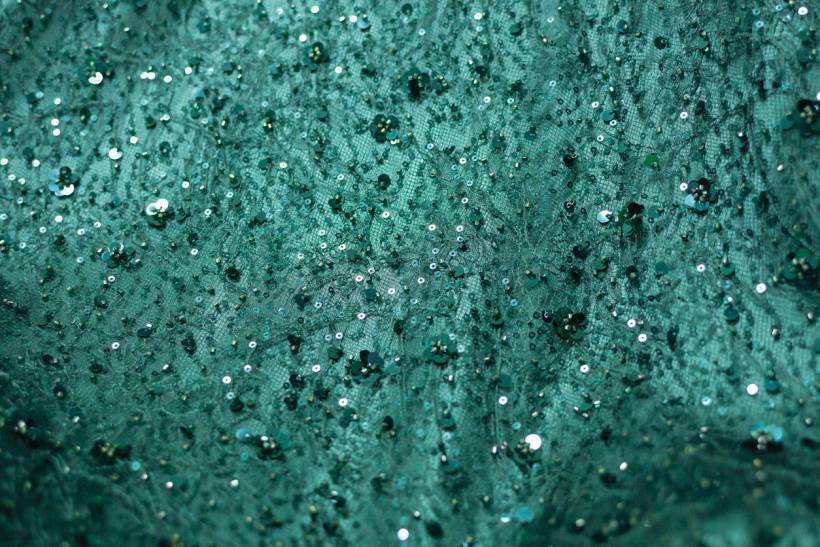 Shimmering teal material with sequins, commonly used in formal dress alterations (Source: iStock)
The type of fabric can also affect the total cost of altering a dress. For instance, casual dresses made from lightweight fabrics such as cotton are easier to alter and, therefore, have lower costs.
Meanwhile, formal dresses made from delicate fabrics such as silk, chiffon, and lace are considered harder to work with. These require special care and handling to avoid damaging the fabric and ensure a clean finish; prices range from around £60 to £160.
You’ll also find some dresses made from satin, velvet, and leather. These are considered the most difficult fabrics because they usually have thicker, denser piles, making them heavy to work with. Alteration services cost more for these fabric types, and the price can reach £160.
Below is a breakdown of dress alteration costs by fabric type:
| Fabric Type | Examples | Average Cost |
|---|---|---|
Standard |
|
£15 — £48 |
Delicate |
|
£60 — £160+ |
Heavy or special |
|
£50 — £160+ |
Dress design
The average price for dress alterations can vary significantly depending on the dress’s design. For instance, bridal dresses cost more than a simple maxi dress because the bridal and bridesmaid dresses often have more complex designs. We’ll break this down further, from low-cost to high-cost dresses to alter.
Low-cost
Simple casual dresses made from lightweight fabrics are the most affordable, priced £10 to £40. They only need minor tweaks and adjustments, such as basic hemming, strap adjustments, and zipper replacements.
Here are some dress designs that fall into the lower price point of alterations:
Dress Type |
Common Features |
|---|---|
Casual |
Simple designs, lightweight fabrics (cotton, jersey) |
Wrap |
Overlapping front, tie, or belt |
Shift |
Straight, loose-fitting design |
Maxi |
Long, flowing design, lightweight fabrics |
Empire waist |
High waistline below bust, flowing skirt |
Mid-cost
Semi-formal dresses like cocktail, sheath, and a-line are considered mid-cost, with prices ranging from £35 to £120. They’re slightly higher because dresses like these tend to be more fitted or layered, making them more difficult to alter.
Below are some of the semi-formal dresses with a mid-range alteration cost:
Dress Type |
Common Features |
|---|---|
Cocktail |
Fitted silhouettes, satin, chiffon, lace |
A-Line |
Fitted bodice with flared skirt |
Sheath |
Straight, slim-fitting design |
Bodycon |
Tight-fitting, stretchy fabrics (e.g., spandex, jersey) |
High-low |
Asymmetrical hemline, shorter in the front and longer in the back |
| Evening gown |
Floor-length, structured bodices, embellishments (sequins, beads) |
High-cost
Altering wedding dresses, bridesmaid dresses, and ball gowns is the most expensive due to their intricate designs. Some are adorned with sequins, beads, and other embellishments, while others have corsets with boning to give the dress more structure and a flattering shape. Since these require careful, precise work, expect costs of £150 or £650 (or more).
| Dress Type | Common Features |
|---|---|
Wedding dress |
Layers of tulle, lace, boning, corsets, long trains |
Ball gown |
Full skirts, multiple layers, heavy fabrics |
Mermaid or trumpet dress |
Fitted through the bodice and hips, flaring out at the knees |
Tailor or seamstress experience
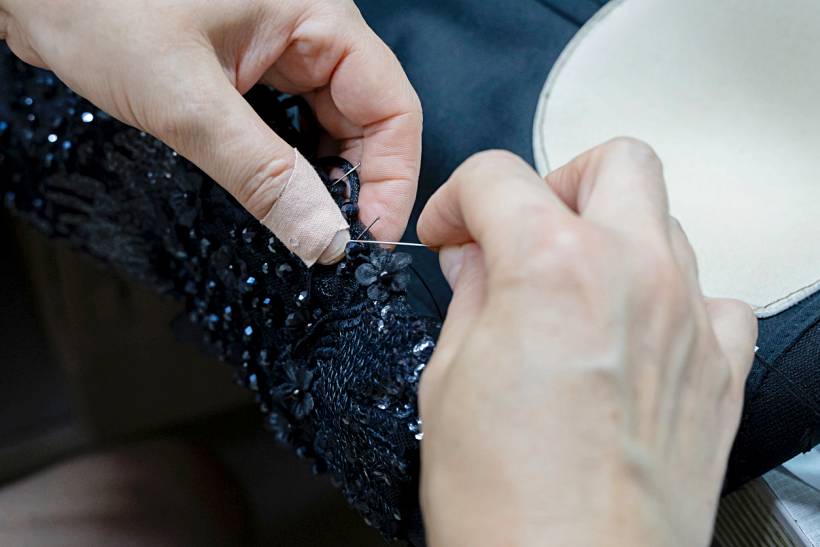 Seamstress hand-stitching black beaded lace during dress alterations (Source: iStock)
Each tailor or seamstress is different. Some specialise in bespoke alterations, while others focus on women’s tailoring and formal wear. Because of their extensive experience and training, their services are quite high for dress alterations, even for simple fixes.
Despite the high cost, hiring a professional is worth investing in. Apart from expertly handling delicate fabrics prone to stretching and shrinking with care, they aim to take all measurements correctly to avoid an uneven hemline, gaping seams, or an unflattering silhouette.
Turnaround time
Notice how the cost of dress alterations is higher when the expected turnaround time is longer? For example, simple fixes that can be completed in about three to five days don’t incur additional charges, unlike complex gown alterations that take about two to four weeks. This is because simple alterations often don’t require multiple fittings, unlike those for formal dresses.
However, rush services are a different matter. Whether it’s a simple or more complex alteration, requesting a rush service that must be completed within 24 to 48 hours incurs an additional charge.
Additional services
 Dress alterations showcasing delicate button stitching on dark fabric (Source: iStock)
Some clothing alteration pros offer additional services beyond your basic fit adjustments. This could range from simple services such as steaming or pressing to prepare the clothes to a more hands-on approach, such as on-site tailoring during an event.
Although these add-ons come at an extra cost, some alteration shops offer them as a comprehensive service package, helping reduce the total cost for dress alterations. It’s like getting a bundled discount for combining multiple services.
Check out some of the most popular add-ons for alteration services below:
| Extra Service | Description | Cost Impact |
|---|---|---|
Steaming/Pressing |
Removing wrinkles and ensuring the dress looks polished after alterations |
Adds a small fee; essential for formal dresses like wedding gowns or evening wear |
Cleaning |
Dry cleaning or spot cleaning the dress before or after alterations |
Increases costs, especially for delicate fabrics or heavily soiled dresses |
Storage Services |
Storing the dress safely after alterations until the event date |
May add a fee, especially for wedding dresses or gowns requiring special care |
Fitting Sessions |
Multiple fittings to ensure the perfect fit |
Costs may increase if additional adjustments are needed after each fitting |
Packaging for Travel |
Preparing the dress for travel (e.g., folding, boxing, or garment bag) |
Adds a fee; especially useful for destination weddings or events |
Colour Matching or Dyeing |
Adjusting the colour of the fabric to match or refresh the dress |
Can be expensive, depending on the fabric type and dyeing process |
Adding Protective Layers |
Adding protective linings or layers to prevent wear and tear (e.g., for delicate fabrics) |
Increases costs slightly; useful for preserving the dress’s longevity |
Custom Accessories |
Creating matching accessories (e.g., sashes, veils, or wraps) to complement the dress |
Adds a fee based on the materials and complexity of the accessory |
Event Day Assistance |
Providing on-site tailoring or last-minute adjustments on the event day |
Premium service; costs depend on the time and travel required |
What are some ways to save on dress alterations?
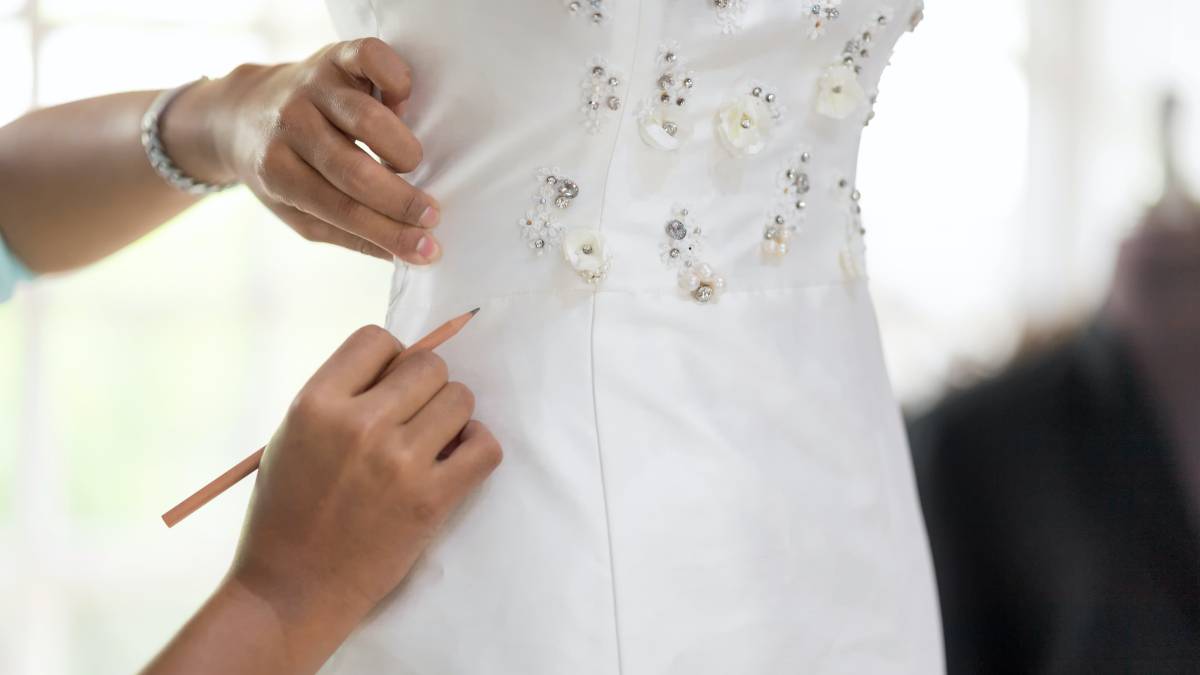
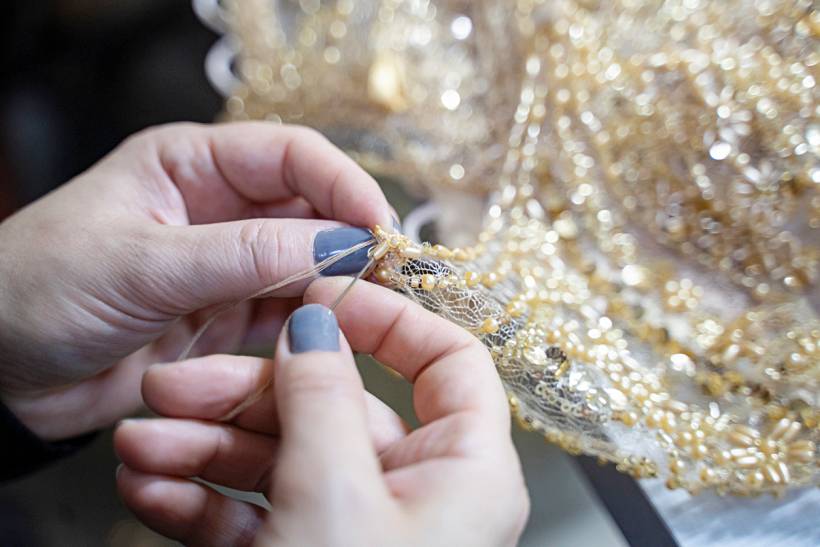 Dress alterations in progress featuring detailed work on pearl-embellished lace (Source: iStock)
Although simple fixes don’t cost much, things can add up and inflate the total price of dress alterations. Avoid falling into this trap by following these simple tips and tricks:
Know exactly what you need
Even though you already have a rough idea of what kind of alterations should be done, doing a little bit of research and learning more about the relevant jargon in alterations could help you save money.
This helps you clarify what exactly you need from a tailor or seamstress, preventing miscommunication and unexpected extra charges. They may even offer more affordable alternatives, such as minor adjustments called a pinch, which can create a curved heart-shaped sweetheart neckline instead of a complex neckline alteration.
Book early
Avoid peak times during these seasons to save on alterations:
Late spring and early summer (May to June): Weddings and graduation balls typically happen during these seasons, so many tailors and seamstresses are fully booked.
Autumn (September to November): As the weather starts to cool down, alteration shops become busier as more people need to have their coats and outerwear altered for a better fit.
Always book early. As a rule of thumb, there should be a window of 1 to 2 weeks for simple alterations and 4 to 8 weeks for alterations to formal wear. This way, you can avoid additional rush fees and seasonal price hikes in dress alterations.
Buy your shoes after your first dress fitting
Shopping for shoes after fitting the dress helps reduce the total price of dress alterations, as it allows you to choose a heel height that complements your height and dress length. You won’t need that extra hemming service, saving you hundreds of dollars.
Consider a dress with a corset or tie-up back
A corset or tie-up-back dress has lacing or ribbons at the back to let you tighten or loosen it. This flexibility helps you save money on alterations, since you no longer need the dress tapered on the sides to ensure a perfect fit.
What should you look for in a tailor or seamstress for dress alterations?
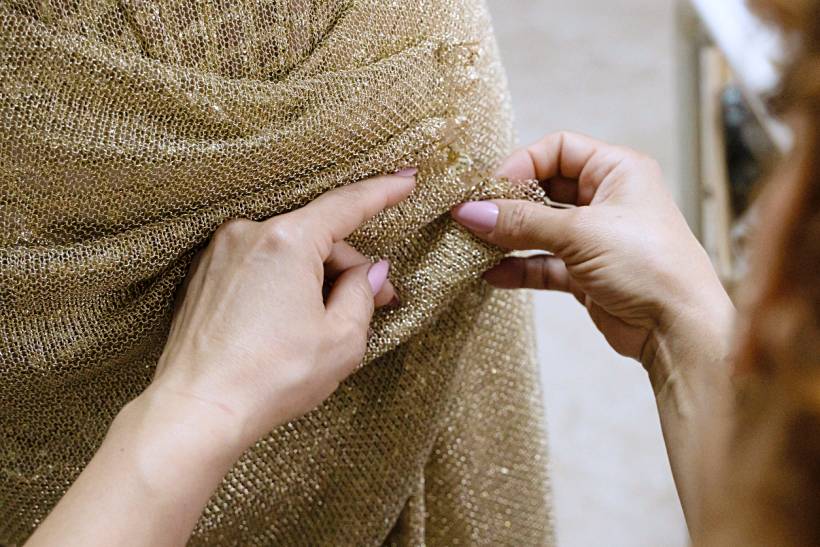 Seamstress working on the draping of a shimmering gold gown (Source: iStock)
With lots of tailoring and dressmaking shops popping up left and right, finding the right tailor or seamstress for dress alterations can be challenging. Here’s a quick guide on the most important things to look out for when hiring an alterations expert:
Familiarity with your specific garment type
First things first, check out their portfolio. Does the dressmaker specialise in the specific dress type you own? It’s also worth checking their work racks to see which dresses they handle most often. Remember that each tailor or seamstress has their own expertise, so choosing someone who specialises in your type of dress ensures that the alterations won’t ruin the garment’s original structure or appearance.
Ability to work without standard patterns
Choosing a versatile tailor or seamstress who can handle alterations for customers with different body types is best. Keep in mind that we each have our own unique build, so look for someone who recognises these differences and knows how to adjust and customise dresses that feel and look like they’re made exactly for you.
Expertise in draping and cut suitability
If possible, go to the tailor’s or seamstress’s shop in person and consult them about the type of dress alterations you need. They should be able to offer advice on whether a specific cut or fabric drape complements your body shape.
For instance, a stiff full skirt might widen your hips more than you like, or a strapless bodice might not sit right on a narrow frame. This way, they can make subtle design tweaks or alterations that greatly improve the fit and appearance of your dress.
Confidence with delicate or ‘difficult’ fabrics
Most formal dresses are made from delicate fabrics such as silk and satin, so if you need to have them altered, make sure you choose someone who’s an expert in these fabric types. Inexperienced tailors might pucker seams or snags since these delicate fabrics can shift easily during sewing.
Dress problems? Be dressed to the nines with Airtasker
Whether it’s a prom, formal gala, or even a simple date, having a reliable tailor or seamstress who could help alter your clothes is a lifesaver, especially if you suddenly have a wardrobe emergency or a last-minute outfit crisis.
Find dress alterations experts at Airtasker. Post a task to connect with pros who can handle everything from tailoring tweaks to full outfit styling.
Say goodbye to ill-fitting clothes. Get them fixed today with Airtasker.
Learn more about our contributors
Written by Cielo B.
Staff Writer
Cielo is an experienced content writer who has explored various industries throughout her career. Her expertise, founded on a degree in journalism, includes writing about automotive and home maintenance. Cielo also covers topics like dressmaking, tailoring, and photography since she is a passionate cosplayer who enjoys dressing up as her beloved anime characters.
FAQs on dress alterations
It depends. The cost to alter a dress is technically cheaper than buying a new one, but only if you need simple alterations such as shortening hems. However, suppose it’s a more complex job like modifying sleeves or adding panels to enlarge the dress. In that case, prices can increase significantly, especially if you need a tailor or seamstress to alter a ball gown made from a delicate fabric like silk.
Yes, an experienced tailor or seamstress can make a cheap dress look high-end by first tailoring it to achieve a polished, perfect fit. This can include adding darts, reshaping collars, and adjusting the dress silhouette to enhance the look. Another way is to replace zippers with metal ones to elevate the overall look.
No. The prices for dress alterations depend on the complexity and type of alteration work, not on whether the dress is new or used. If, for example, you have a new dress that’s cheap, low-quality, and made of fragile fabrics, it is likely to be harder to alter, so it will cost more.
If you commission multiple dresses, most tailors offer package deals or discounts that can lower the total cost of altering a dress. This can be around 10-20% off, but you have to negotiate with the tailor.
It depends on the type of alterations to be made. If, for instance, it significantly changes the waist size or shortens the dress’s sleeves to fit only a specific body shape, the resale value decreases. However, if it’s done skillfully to improve the fit without drastically altering the original design, it can increase resale value.
Here’s a tip if you plan to resell and get maximum value: Opt for easily reversible alterations so future buyers can adjust the dress to a more standard size or style.
If you’re looking for a professional seamstress in London or Hertfordshire, Airtasker makes it easy to find skilled experts for alterations, dressmaking, and custom tailoring. Whether you need a quick hem adjustment, bridal gown alterations, or a bespoke outfit, you can compare local seamstresses, read reviews, and get competitive quotes. For services in the capital, visit Seamstress Services in London, or if you’re based in Hertfordshire, check out Seamstress Services in Hertfordshire.
Find dress alterations, fast
Post a task
Related price guides
Related articles