Find trusted mold removal experts in Atlanta
Fill in a short form and get free quotes from experienced mold removal experts in Atlanta
4.0
Great rating - 4/5 (13330+ reviews)
Get help from mold removal experts
- Mold removal
- Black mold removal
- Bathroom mold treatment
- Ceiling mold remediation
- Professional mold cleaning
- … or anything else
Up to 50% cheaper than franchise dealers
No job too big or small
Free insurance coverage
Secure cashless payments
Same day or next day service at no extra cost
Similar Mold Removal services you might be interested in Atlanta


What is Airtasker?

Post your task
Tell us what you need, it's FREE to post.

Review offers
Get offers from trusted Taskers and view profiles.

Get it done
Choose the right person for your task and get it done.
Top Mold Removal related questions
The cost of mold removal in Atlanta depends on the size and severity of the issue. Small, visible mold cleanup jobs typically range from $50 to $350, while more involved remediation work usually falls between $500 and $1,500 for localized areas.
Larger projects can range from $1,500 to $4,000, and severe cases involving extensive spread, hidden moisture, or structural impact can exceed $10,000. Jobs that involve attics, crawlspaces, or HVAC systems generally sit at the higher end due to containment, access, and drying requirements.
Disclaimer: Airtasker cost estimates come from thorough research on industry and third-party rates. Please only use the listed prices as a benchmark when setting your budget.
Same-day help is possible in some cases, especially for smaller or clearly defined issues. Availability depends on the size of the problem, the property type, and whether the job requires basic surface treatment or more complex remediation work.
If the issue is urgent, including photos of the affected area and noting whether moisture is still active helps Taskers respond appropriately.
There isn't a single best month — mold is most likely to appear during Atlanta's humid summer, especially from June through August. The key is acting quickly once signs appear, whether that's a musty smell, visible staining, or damp surfaces.
Taskers are available across Atlanta, including in neighborhoods like Midtown, Buckhead, Old Fourth Ward, Inman Park, Grant Park, Cabbagetown, and Virginia-Highland. These areas tend to have steady activity due to a mix of residential buildings, apartments, and commercial spaces, which often means quicker access to help when you need it.
Cleaning Services
Vacuuming
Driveway Cleaning
Couch Cleaning
Maid Service
Apartment Cleaning
Sofa Cleaning
Curtain Cleaning
Hood Exhaust Cleaning
Grill Cleaning
Balcony Cleaning
Odor Removal
Airbnb Cleaning
Furniture Cleaning
Housekeepers
Oven Cleaning
Attic Cleaning
Party Cleaning
Steam Cleaning
Tile & Grout Cleaning
Mattress Cleaning
Leather Cleaning
Fish Tank Cleaning
Ceiling Cleaning
Blind Cleaning
Power Washing
Concrete Floor Cleaning
Refrigerator Cleaning
Move In Cleaning
Duct Cleaning
High Pressure Cleaning
Move Out Cleaning
Graffiti Removal
Dusting
Exterior Wall Cleaning
Stain Removal
Brick Cleaning
Office Cleaning
Upholstery Cleaning
Related Services near me
Suggested reads about Mold Removal
How to get rid of dust in your home
Read more
How to clean a garage floor
Read more

Move out cleaning checklist
Read more






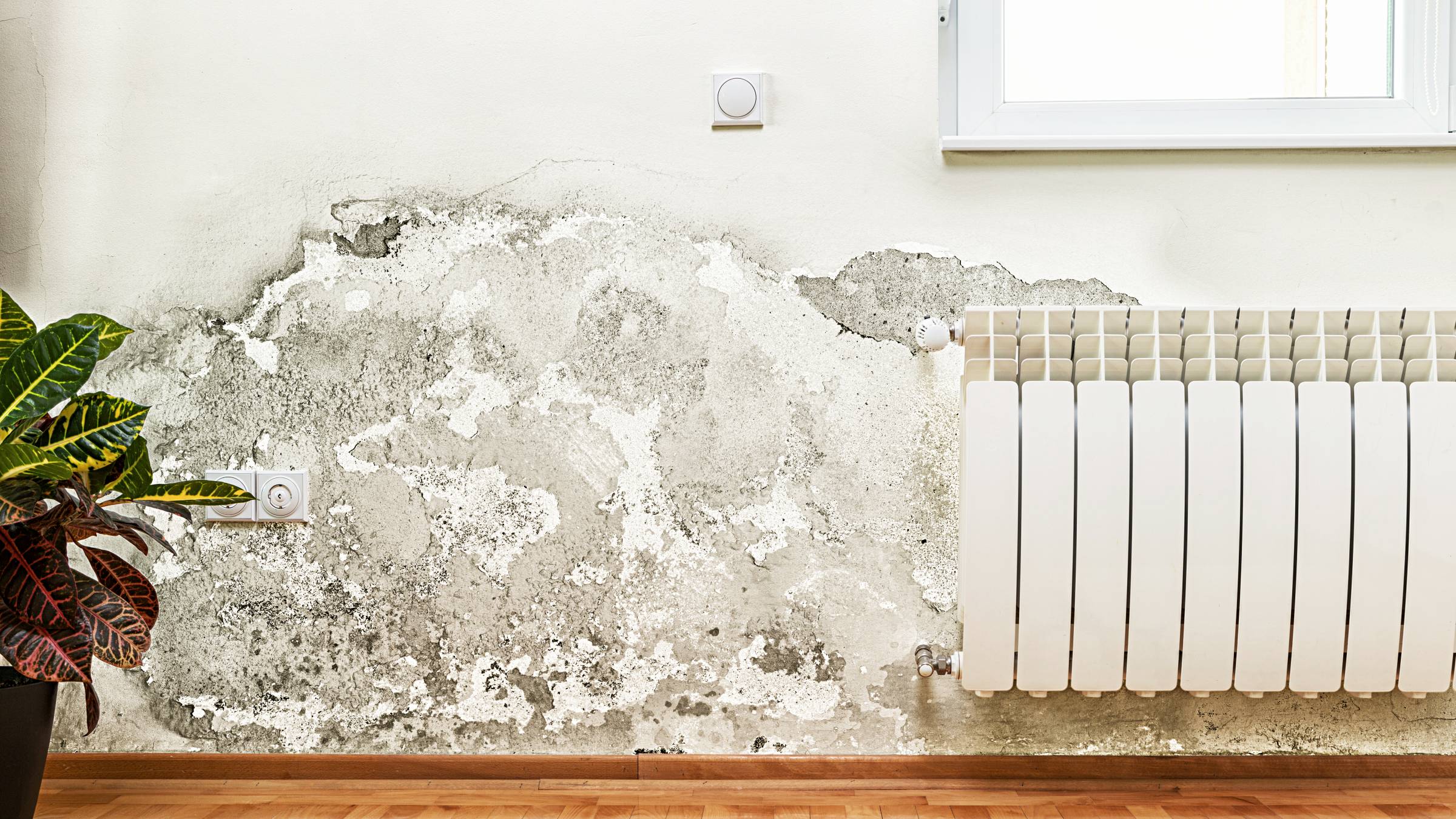
Book your next expert mold removal in Atlanta
Mold often starts in places homeowners don’t immediately see — behind walls, under floors, or in damp corners where moisture builds up over time. In Atlanta’s humid climate, summer storms, roof leaks, and poor ventilation create the conditions for it to grow long before it becomes visible or noticeable. By the time a musty smell or surface patch appears, the issue has often already spread and needs quick action to prevent further damage.
Taskers on Airtasker regularly take on mold-related jobs across Atlanta, from small surface spots to more serious moisture damage. Many have experience dealing with humidity, leaks, and poor ventilation, so they understand what different severity levels actually require, making it easier to find someone suited to the work at hand.
Post your task today to connect with trusted Atlanta mold removal Taskers.
What’s included in mold removal
Atlanta's humid summers and heavy rainfall mean moisture regularly finds its way into walls, ceilings, and poorly ventilated corners. What starts as a small leak or damp spot can develop into something that needs proper inspection and treatment.
Inspecting affected areas
A Tasker inspects visible mold and looks for signs of hidden moisture that often develops in Atlanta's humid conditions. They check for damp spots and odors, identifying where leaks or poor ventilation may be letting moisture collect.
Common trouble spots include bathroom ceilings, window frames, under-sink cabinets, HVAC vents, and low-airflow corners — all places that reveal how far the issue has spread.
Removing and treating visible mold growth
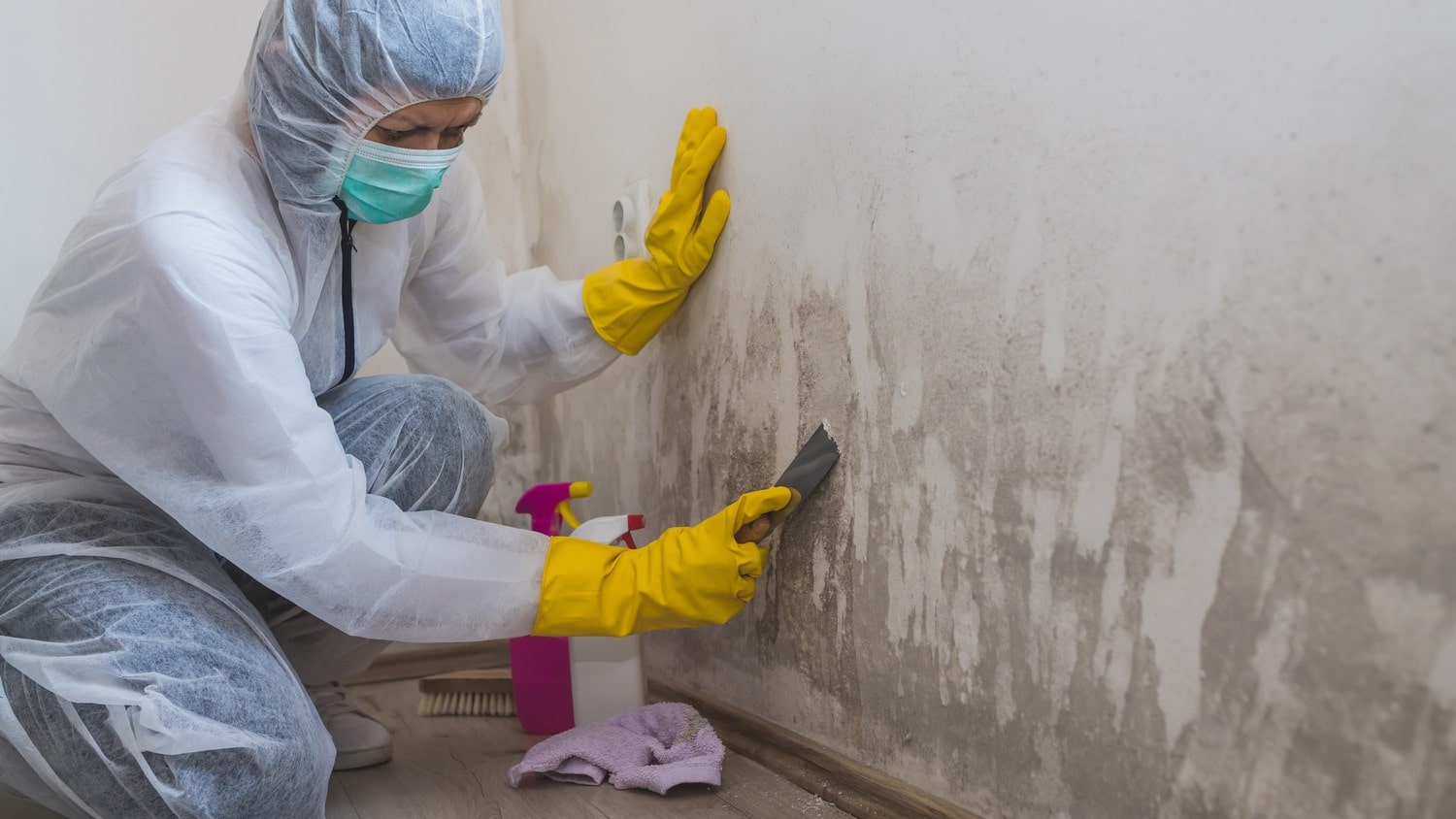
For smaller, surface-level issues, Taskers clean and treat visible mold on walls, ceilings, tile, grout, and other reachable surfaces to help prevent further spread. This is typically done when the area is contained, and the moisture source has already been identified or addressed. Work is adjusted based on the severity of the growth and the condition of the space.
Treating mold-affected ceilings and bathroom surfaces
Bathrooms and ceilings are common sites for mold growth in humid conditions, especially where steam doesn't fully dry out. This often leads to recurring buildup around grout lines, painted ceilings, and ventilation points. Taskers treat these areas to remove mold and address the surfaces where moisture tends to linger.
Assessing and treating mold-affected soft furnishings and carpets
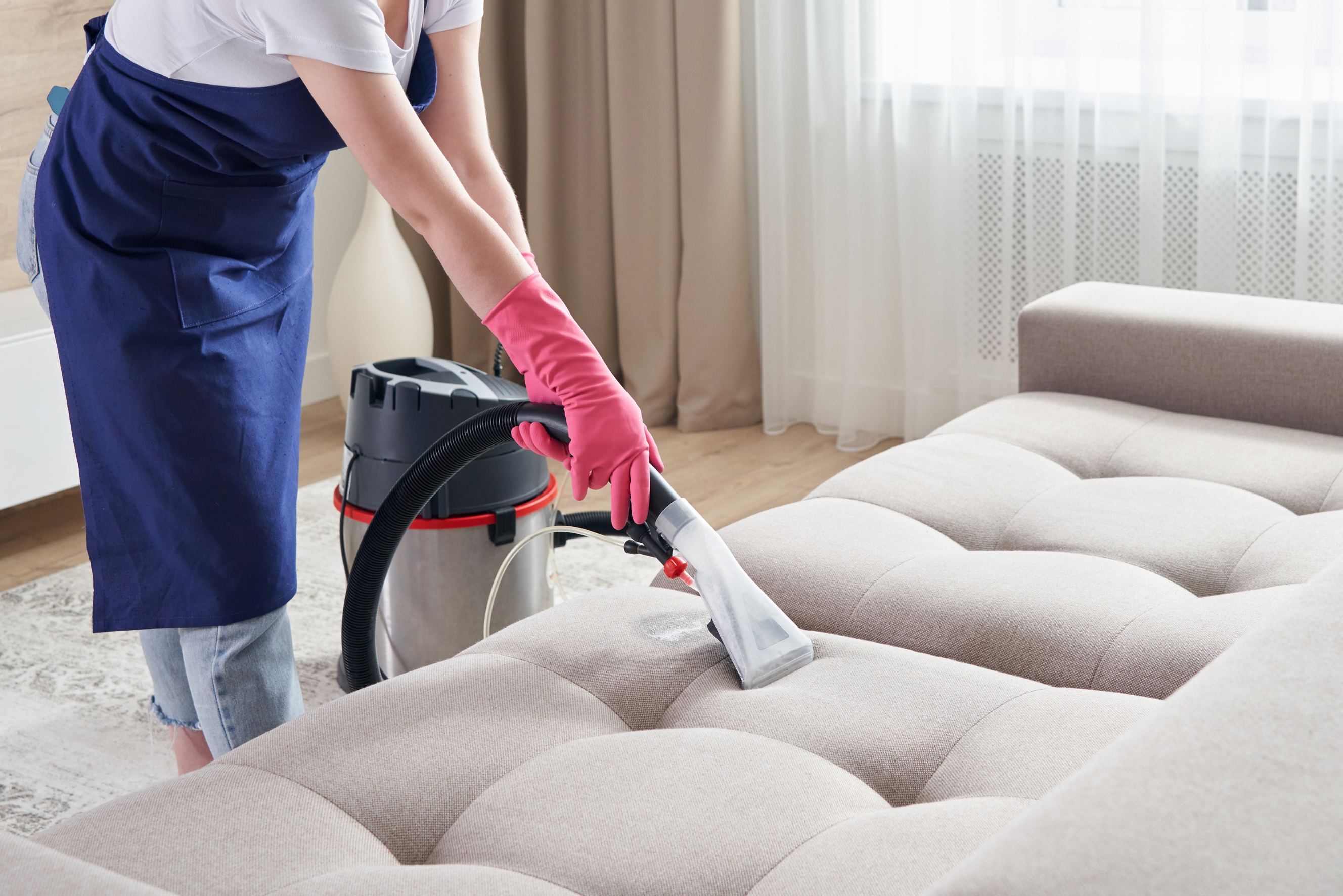
Soft furnishings and carpets absorb moisture quickly, especially after leaks or extended damp conditions. Once mold develops, it can spread beneath the surface, where it becomes harder to detect and treat. Taskers assess the extent of the damage and clean where possible, or recommend removal or replacement when the damage is too deep to remediate in place.
Using containment and air filtration during remediation
Taskers use containment and air filtration to help prevent mold from spreading during remediation. In enclosed spaces, disturbed mold releases airborne spores readily — a particular concern in Atlanta's humid indoor air. Controlling airflow and isolating affected areas limits cross-contamination while treatment is carried out.
Why choose mold removal Taskers in Atlanta?
Mold in Atlanta homes is rarely just a surface issue. It's often linked to hidden moisture, building structure, and long-term humidity exposure. Taskers in Atlanta understand how these conditions develop and approach the job by addressing both the visible mold and the underlying cause.
Most mold removal technicians in Atlanta have local expertise
Georgia does not require a specific mold removal license, but related repair work — such as general contracting or mechanical work — may involve its own licensing requirements depending on the scope. Taskers who handle this type of work are familiar with how these requirements come into play and can explain what applies before anything begins.
When mold removal involves opening walls, replacing damaged materials, or addressing HVAC or structural issues, it may fall under standard City of Atlanta building or repair permit rules. Taskers are used to working within these conditions and help ensure the process is handled appropriately from the start.
Most mold removal technicians in Atlanta can address unique local challenges
Taskers in Atlanta see how mold issues shift depending on the building and neighborhood, and they adjust their approach based on what they're working with.
In Midtown's high-rises, sealed environments can trap moisture, and HVAC systems sometimes circulate it between units. Recurring buildup tends to appear in ceilings and low-airflow areas, both of which require careful inspection before treatment begins.
Grant Park homes often present a different challenge. Aging plumbing, hidden leaks, and less efficient ventilation can allow moisture to build up gradually behind walls or in enclosed spaces, making mold harder to detect until it has already spread.
Most mold removal technicians in Atlanta offer fast turnaround times
Fast turnaround in mold removal is about responding quickly once moisture or growth is detected, before it spreads further through the structure. In Atlanta's humid conditions, even short delays can allow the issue to worsen in areas with limited airflow or ongoing condensation.
Marietta homes often deal with HVAC condensation and damp crawlspaces that can escalate quickly after heavy rain. Taskers familiar with suburban properties can act quickly to contain the issue before it reaches insulation or structural materials.
Downtown Atlanta presents a different challenge, where shared building systems can spread moisture-related issues between units or floors. Quick action helps limit the impact within tightly controlled indoor environments.
Most mold removal technicians in Atlanta can provide transparent, local pricing
Pricing for mold removal in Atlanta is usually based on how large the affected area is, how far moisture has spread, and what materials are involved. Taskers typically assess these factors on-site before giving a clear breakdown of cost.
In Midtown, smaller, surface-level mold issues may run around $250, while more complex cases involving hidden moisture can climb significantly depending on scope. In Sandy Springs, larger homes with crawlspace or foundation-related remediation can reach $5,000 or more for extensive work.
Taskers explain what drives the price before starting work, so you understand how the condition of the space translates into the final cost.
What other related services can I book in Atlanta?
Mold often appears alongside other issues in the home, especially after leaks, storms, or long periods of trapped humidity. When it shows up, there's usually an underlying moisture or airflow problem that needs attention at the same time.
If mold follows a leak or water damage, water damage restoration is often needed to properly dry out the space and help prevent it from returning.
When musty smells or damp air are coming through vents, duct cleaning can help address moisture and buildup circulating through the HVAC system.
In some cases, lingering dampness or surface damage may also call for general cleaning services to reset affected areas after treatment, along with handyman services to fix things like faulty seals, damaged drywall, or ventilation points that let moisture in.