- Home/
- Costs/
- Engine Replacement/
- Engine Replacement Cost Guide
How much does engine replacement cost in the US?
Post to find a price. It's free and only takes a minute.
Price (part + labor)
$6,708 - $13,741
low
$6,708
median
$10,225
high
$13,741

Last Updated on

Written by Cielo B.
Staff Writer
Read more about our contributor
Key Facts
The average cost of engine replacement in the US is $6,708 to $13.741, depending on the vehicle’s make and model and the mechanic’s labor fee.
In major cities like Philadelphia, Phoenix, and New York City, the average service engine replacement cost is around $5,379, while smaller cities like Salt Lake City and Orlando have slightly lower averages, around $5,171 to $5,183.
Engine replacement may necessitate upgrades or repairs to the transmission, cooling, electrical, and fuel systems to ensure compatibility and performance.
To reduce costs, consider ensuring engine compatibility, shopping around for mechanics, using refurbished engines, reusing compatible parts, and avoiding unnecessary upgrades.
Has your car been acting up recently, even after multiple repairs? It might be an engine problem. You might need to fix some parts or schedule a complete engine replacement. Although replacing a car engine entails high upfront costs, it’s worth investing in, especially if you want to improve your vehicle’s performance and safety.
So, how much does it cost to replace an engine? In the US, the engine replacement cost can be around $6,708 to $13,741. This can still change, depending on the vehicle’s make and model and the mechanic’s labor fees.
When should you consider changing your car’s engine?
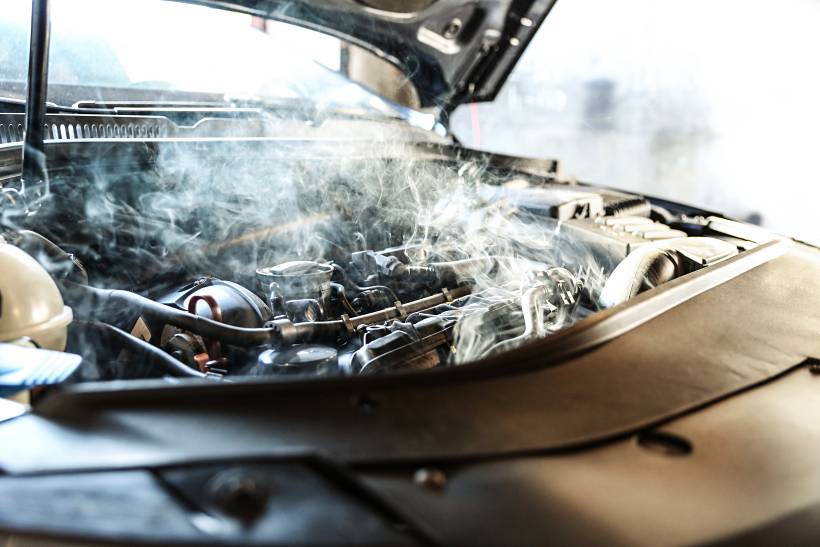 A car with an overheating engine (Source: iStock)
Since the total price to change an engine can go through the roof, it’s good to assess the car’s condition before deciding. Maybe your car just needs a good cleaning in the engine bay. Faulty sensors can also be a culprit in performance engine issues, so replacing them can be the solution. So, have a mechanic look over the car for quick engine diagnostics.
However, if you already notice these signs, it’s time for an auto engine replacement:
Constant overheating
Always pay attention to the temperature gauge on the dashboard. If it’s near the red zone, the car is overheating. Smoke or steam could also be coming from the hood while the engine is running.
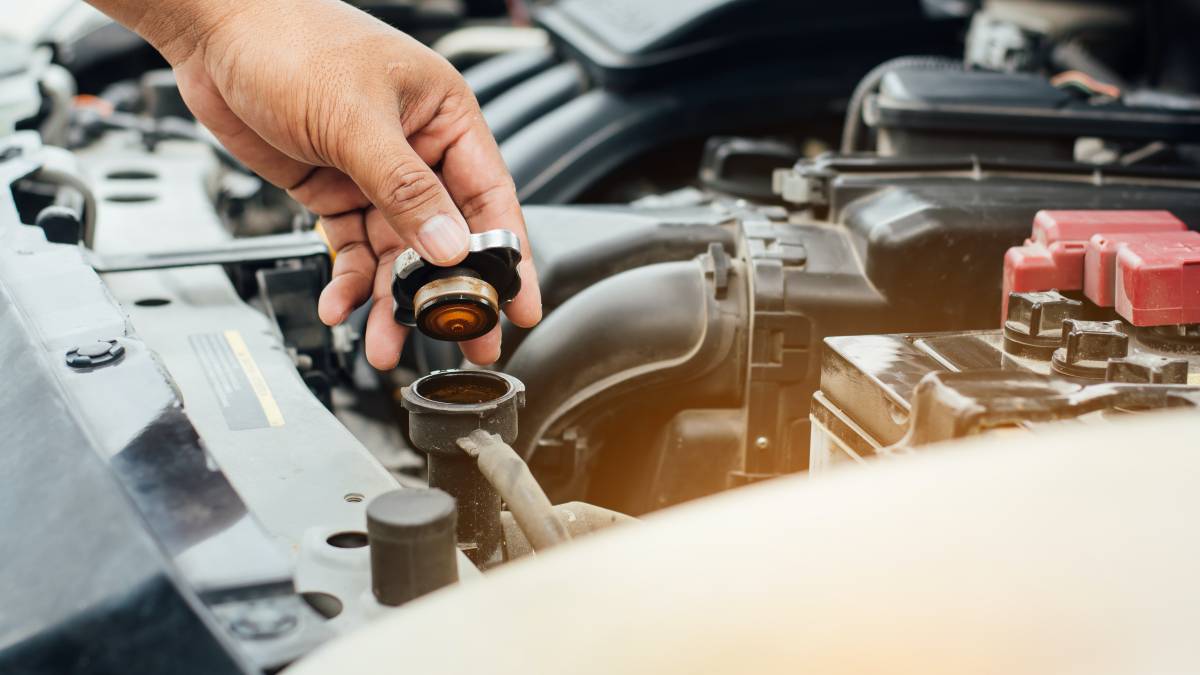
If these happen often during long drives, it could be a sign of a cracked engine block. This is the metal part that houses the engine’s critical components, so if it’s cracked, it can cause coolant (which prevents the car from overheating) to leak into the engine oil.
Engine oil problems
If you recently had an oil and filter change but the car still needs frequent oil top-offs with no signs of leakage, the engine has a problem. It could be because a worn-out oil pump is clogging the engine’s oil passages.
You can also check the Dashboard Oil Warning Light to inspect engine oil problems. If it’s on, this indicates that the car has low oil pressure due to a worn-out or clogged oil pump. It’s vital to address the issue fast because this can lead to engine failure.
Excessive exhaust smoke
One tell-tale sign of needing an engine replacement is if there’s so much smoke coming from the exhaust pipe. You can actually tell what’s wrong with the engine based on the color of the smoke. If it’s blue, the engine’s piston rings and valve seals are worn, allowing oil to leak into the combustion chamber. As a result, the engine burns too much oil, reducing your car’s efficiency.
Meanwhile, if it’s black smoke, the fuel injectors are faulty, so your car’s engine burns more fuel than necessary. Your vehicle can also produce thick white smoke. This could mean that the coolant leaked into the combustion chamber due to a cracked engine block.
Strange engine noises
As a car owner, there are four strange engine noises to look out for: knocking, tapping, clicking, and grinding. Knocking noises indicate that the engine’s internal parts are damaged. They are more noticeable when you press more on the gas pedal.
On the other hand, tapping and clicking noises mean low oil pressure. As for grinding noises, they could be due to internal engine damage that causes the metal parts to clash.
Recurring check engine light
The dashboard’s check engine light (CEL) or the amber-colored engine icon functions as your car’s diagnostic system. If it lights up steadily, you don’t have to panic; it means the engine has a minor issue. But if it blinks repeatedly, like flashing lights, it indicates a severe engine problem that could require a full engine replacement.
High mileage with frequent repairs
It’s normal for vehicles with high mileage to undergo car engine repair because, as they accumulate miles, they experience increased wear and tear, leading to various mechanical issues. However, if they undergo several major repairs and continue to act up, replacing the engine may be more cost-effective.
What are the average labor costs of engine replacement in the US?
How much does it cost to change an engine? In the US, the average car service cost is $4,639. However, prices vary widely depending on the car mechanic’s location. For instance, car mechanics in metropolitan areas such as New York City, Los Angeles, Chicago, Phoenix, and Philadelphia have higher service rates to cover higher rent and utilities.
Meanwhile, mechanics in less populated cities like Denver, Orlando, and Salt Lake City charge lower rates. If the area has limited service providers, they may charge higher, sometimes almost equal to or more than the car mechanics in major cities.
City |
Average Service Cost of Engine Replacement |
|---|---|
New York City (NY) |
$5,202 |
Los Angeles (CA) |
$4,551 |
Chicago (IL) |
$5,068 |
Houston (TX) |
$3,930 |
Phoenix (AZ) |
$5,424 |
Philadelphia (PA) |
$5,512 |
Atlanta (GA) |
$5,192 |
Denver (CO) |
$5,196 |
Boston (MA) |
$4,797 |
Seattle (WA) |
$4,710 |
Orlando (FL) |
$5,183 |
Salt Lake City (UT) |
$5,171 |
What factors affect the costs of engine replacement?
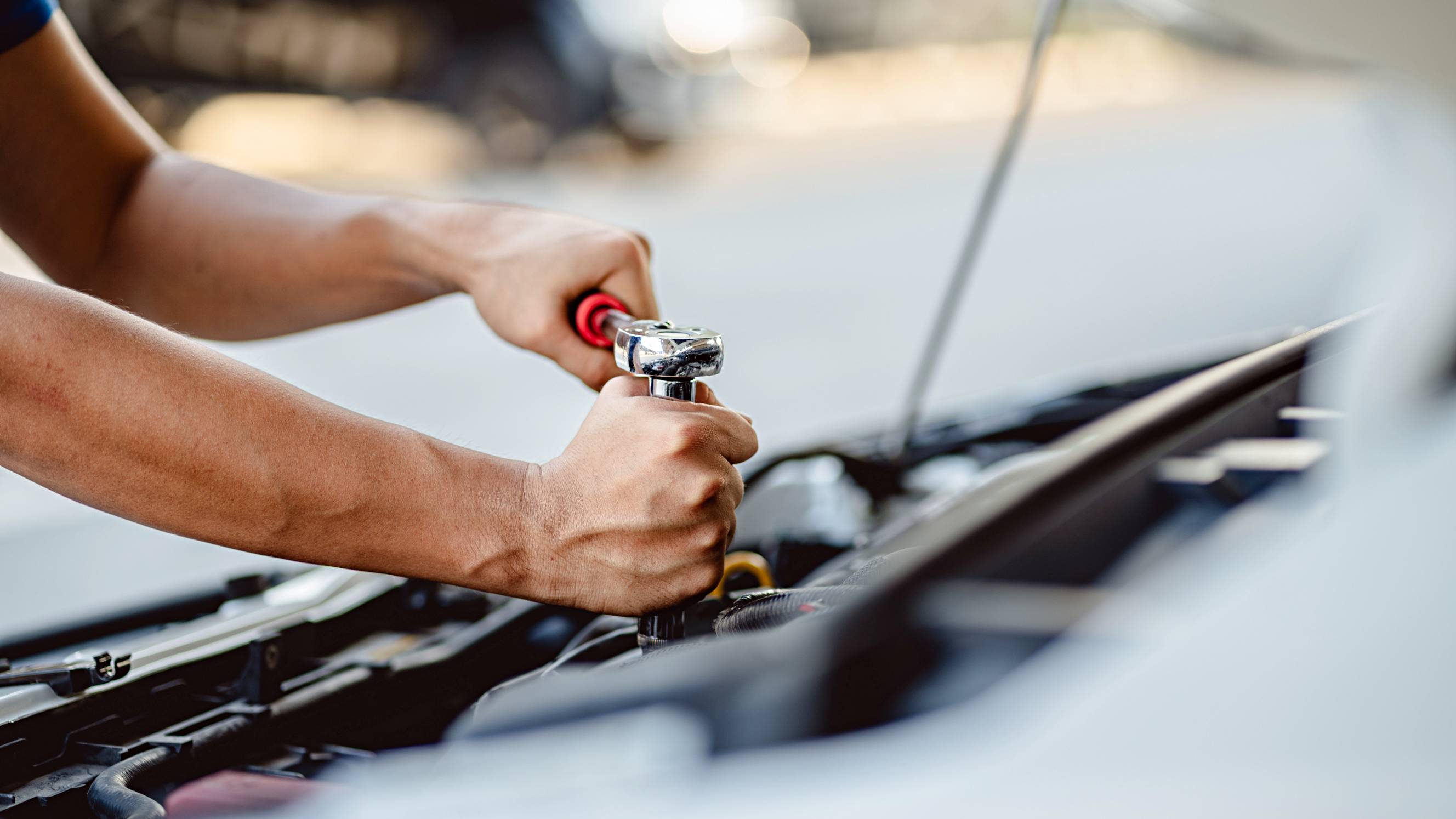
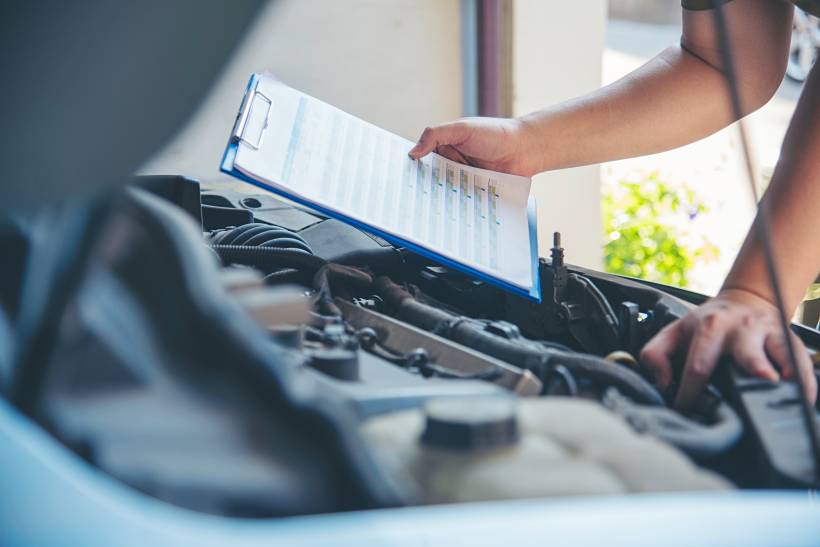 A mechanic checking for car engine issues (Source: iStock)
Other factors can raise the price of an engine replacement and the service cost. We’ll discuss them extensively in this section.
Vehicle make and model
The type of engine you’ll need for replacement depends on the vehicle’s make and model. High-performance models such as the Land Rover Range Rover and Infiniti Q50 have more expensive engines than others because they typically feature turbocharging.
Engine prices can also vary depending on the vehicle’s age and the type of parts used. Older models like the Volkswagen Passat are more costly, as their original equipment manufacturer (OEM) engine parts are rare and difficult to find.
Although aftermarket parts produced by third parties are more affordable, some might have many compatibility issues, burdening car owners with additional repairs and costs.
Here are the estimated engine replacement prices of some of the popular vehicle models in the US.
Vehicle |
Average Engine Replacement Cost |
|---|---|
Buick Enclave |
$4,049 |
Volkswagen Passat |
$5,771 |
Hyundai Sonata |
$4,268 |
Honda Civic |
$4,541 |
Kia Soul |
$3,747 |
Land Rover Range Rover |
$8,229 |
Chevrolet Cruze |
$3,608 |
Kia Sorento |
$4,732 |
Hyundai Santa Fe |
$2,779 |
Hyundai Elantra |
$4,490 |
Infiniti Q50 |
$6,110 |
Kia K5 |
$3,334 |
Engine type, size, and condition
Car engines come in many types and sizes. The most common ones are gasoline, diesel, and hybrid. Among the three, gasoline engines are the most affordable because they are found in various vehicles, including passenger cars and small vehicles, making it easier to source their parts.
Conversely, diesel engines are more expensive because they include complex components such as turbochargers (to enhance engine power) and diesel particulate filters (to help reduce harmful exhaust emissions). They are common in trucks, sedans, and SUVs.
Lastly, hybrid engines are the most costly because, in addition to overhauling the traditional engine components, they require replacing the battery. In the US, battery replacement can cost between $1,601 and $8,536.
Now, you might be wondering why the table below shows that hybrid engines are cheaper than diesel ones. Hybrid engines are smaller than other engine types, which reduces manufacturing costs. However, the overall engine replacement cost of a hybrid vehicle is higher than that of traditional petrol- and diesel-powered cars because of the complexity of the system.
Engine Type |
Average Replacement Cost |
|---|---|
Gasoline-powered engines |
$14,105 |
Diesel engines |
$26,863 |
Hybrid engines |
$16,797 |
A car’s engine size can also affect the total cost of full engine replacements. Vehicles with small engines, like the Ford Fiesta and Honda Civic, cost less because their engines are simpler and do not use turbochargers, unlike those in midsize sedans and crossovers. High-performance cars with large engines are even more expensive because they require advanced fuel technologies.
The condition of the engine you plan to purchase can impact the overall cost of replacing an engine. New engines are, of course, the ideal option due to zero wear. Plus, they usually come with full warranties. So, how much does a new engine cost? In the US, it’s $4,268 to $16,006 or more.
You can opt for used engines to save money, but they often have hidden issues, such as worn bearings and gasket leaks. There are other better options, like rebuilt and reconditioned engines. When it comes to rebuilt engines, car mechanics only replace the worn-out parts, while reconditioned ones are built to restore them to near-original condition.
Required parts and materials
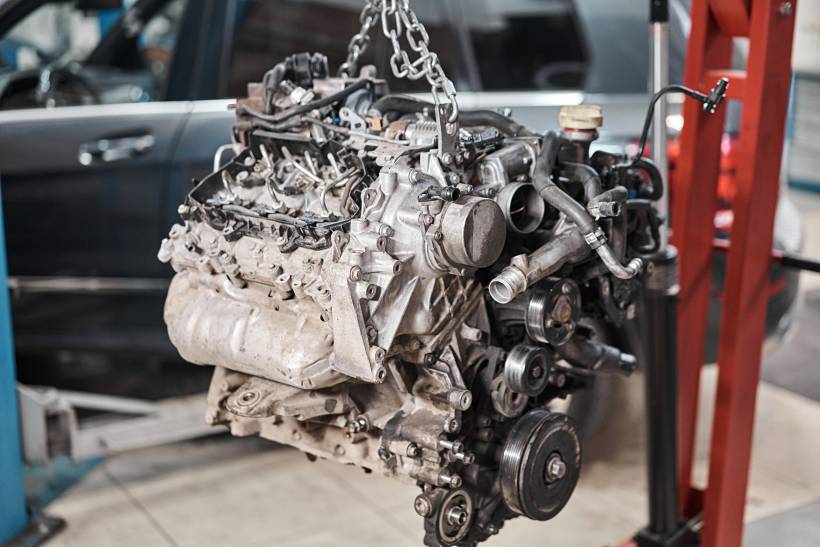 A close-up of a car engine and its parts (Source: iStock)
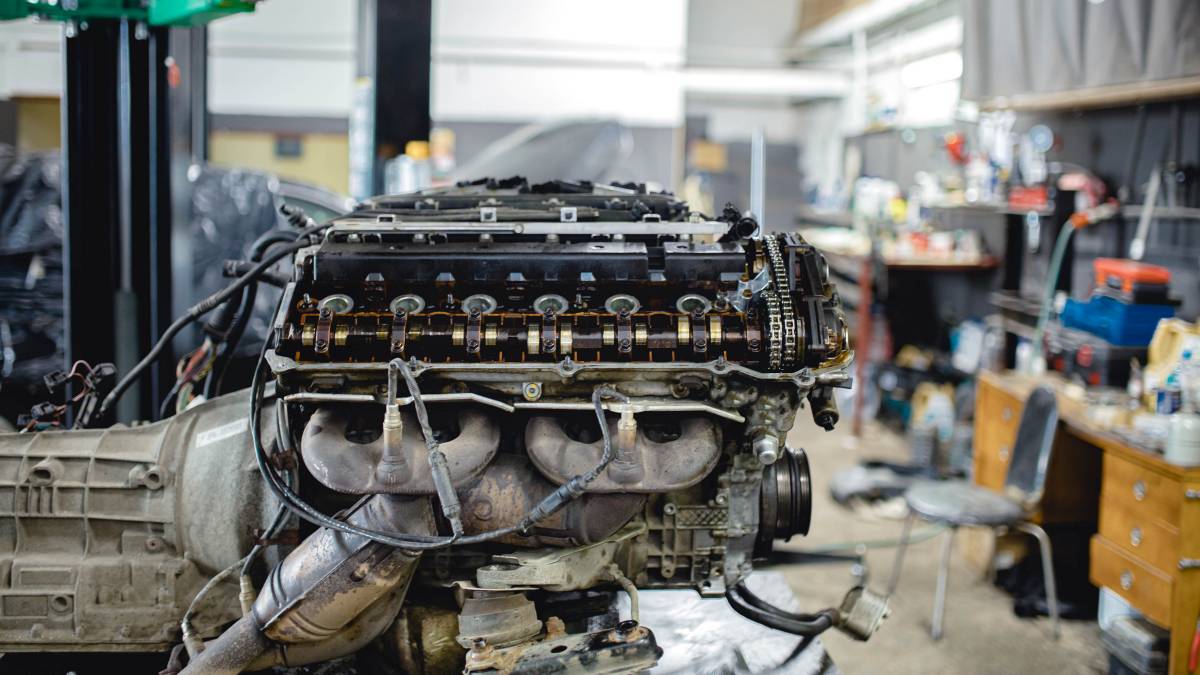
A car engine is made up of various parts, each grouped into different components. Since the list could be overwhelmingly long, focus on the essentials when considering an engine replacement:
Component |
Description |
|---|---|
Engine block |
Core of the engine that houses the critical components. |
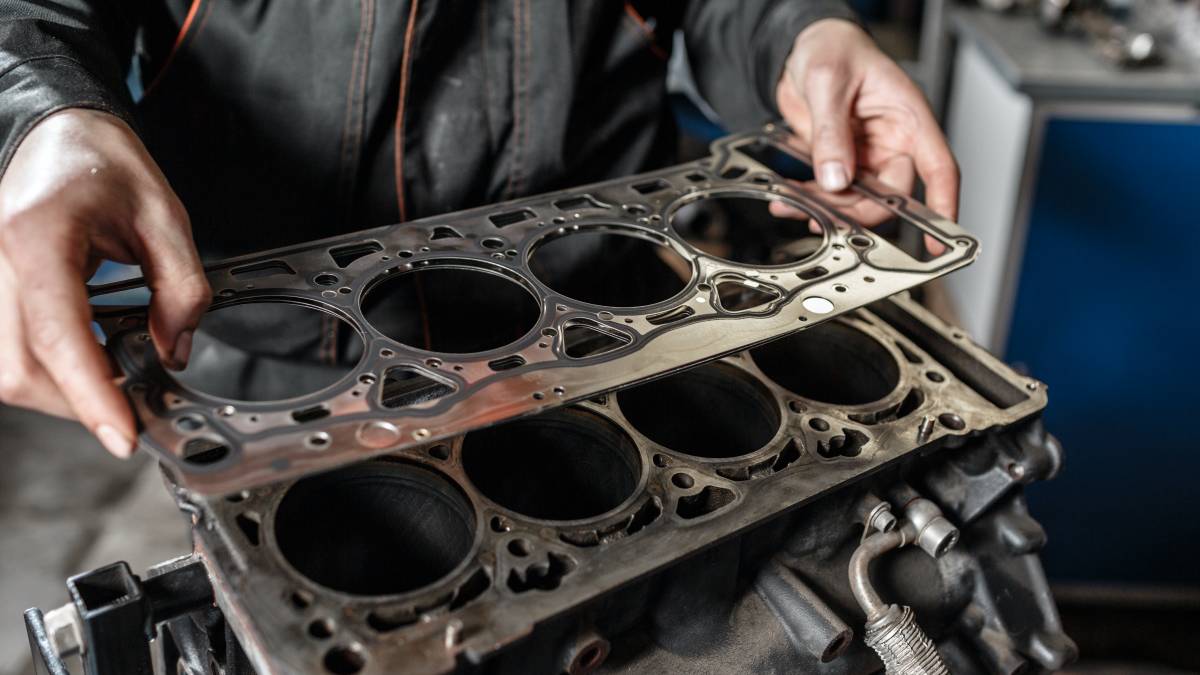
Cylinder head |
Serves as the seal at the top of the engine block. Controls the flow of air and fuel into the engine and the expulsion of exhaust gases. |
Pistons |
Responsible for converting the fuel and air into power for the engine to work. |
Crankshaft |
Activates the flywheel inside the engine so the car can move smoothly forward. |
Camshaft |
Controls the operation of the intake and exhaust valves in the engine to prevent overheating and stop harmful car emissions from escaping. |
Timing belt/chain |
Made of high-strength belt rubber and steel. Responsible for ensuring that all engine parts move smoothly. |
Fuel injectors |
Function as supporting engine components that deliver fuel into the engine in just the right amount. |
Gaskets |
Act as a seal to prevent oil, coolant, and gas leaks. |
The engine block and cylinder head are the most expensive parts, as they form the core of the engine. Expect the crankshaft, camshaft, and pistons to cost a lot, too, because they are often made of aluminum and steel and require high-precision machining.
Labor fees
Engine replacement labor costs depend on several factors, including location, type of repair facility, specialization, and total labor time. For location, mechanics in urban areas tend to charge more due to higher living costs. Labor rates in cities like New York or Los Angeles range from $107 to $160 per hour, while in smaller towns or rural areas, they can be as low as $53 to $80 per hour.
Labor costs are significantly higher if you choose a specialized mechanic or a dealership for an engine replacement. Dealerships often charge between $160 and $267 per hour, especially for luxury or high-performance vehicles. Hiring a mechanic from an independent garage is more practical because labor rates are 40% lower than at a dealership.
Mobile mechanics can be an alternative if you want to save even more, but they may charge an additional fee for coming to your location. This call-out fee typically ranges from $53 to $107, depending on the time of day and the distance traveled.
Additional repairs or enhancements
Although replacing an engine can help improve vehicle performance, it can also lead to future mechanical issues if the engine is incompatible with the car’s other components. So, to prepare yourself for possible extra costs, consider these additional car repairs or enhancements:
Transmission upgrades or repairs
The transmission transfers power from the engine to the wheels, helping regulate the vehicle’s speed. Its primary function is to adjust the gear ratio for a smoother, more efficient ride. Your vehicle’s transmission must be compatible with the new engine, as a mismatch can result in premature wear and failure.
A mechanic could assess the transmission first to see which parts need repairing or upgrading. These could be the clutch packs (which enable gear changes) or torque converters (which help the car start and stop without stalling the engine).
Cooling system maintenance and upgrades
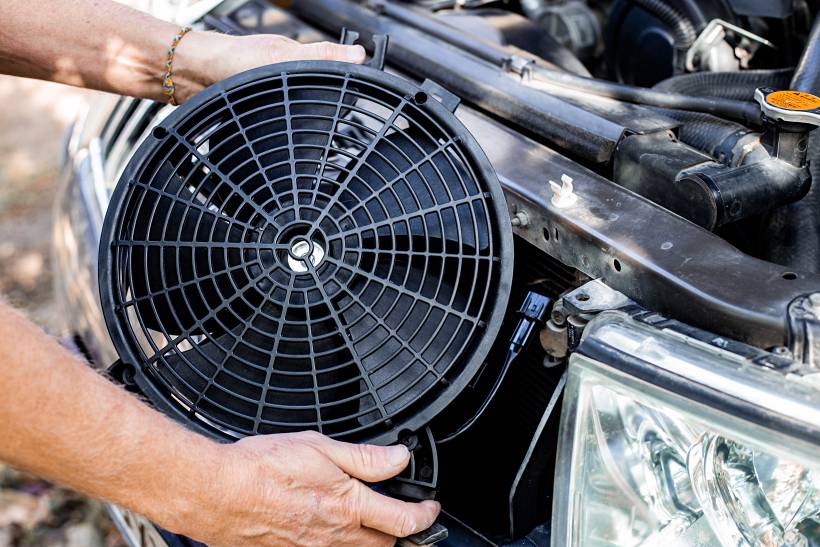 A mechanic installing a new engine cooling fan (Source: iStock)
New engines can generate more heat, requiring an upgrade to your car’s cooling system. This prevents overheating and possibly damaging critical engine components such as the cylinder head or head gasket.
When it comes to cooling system maintenance and upgrades, you usually have to install high-performance radiators to handle the increased heat load. Adding electric mechanical fans can also improve cooling efficiency.
Electrical system adjustments
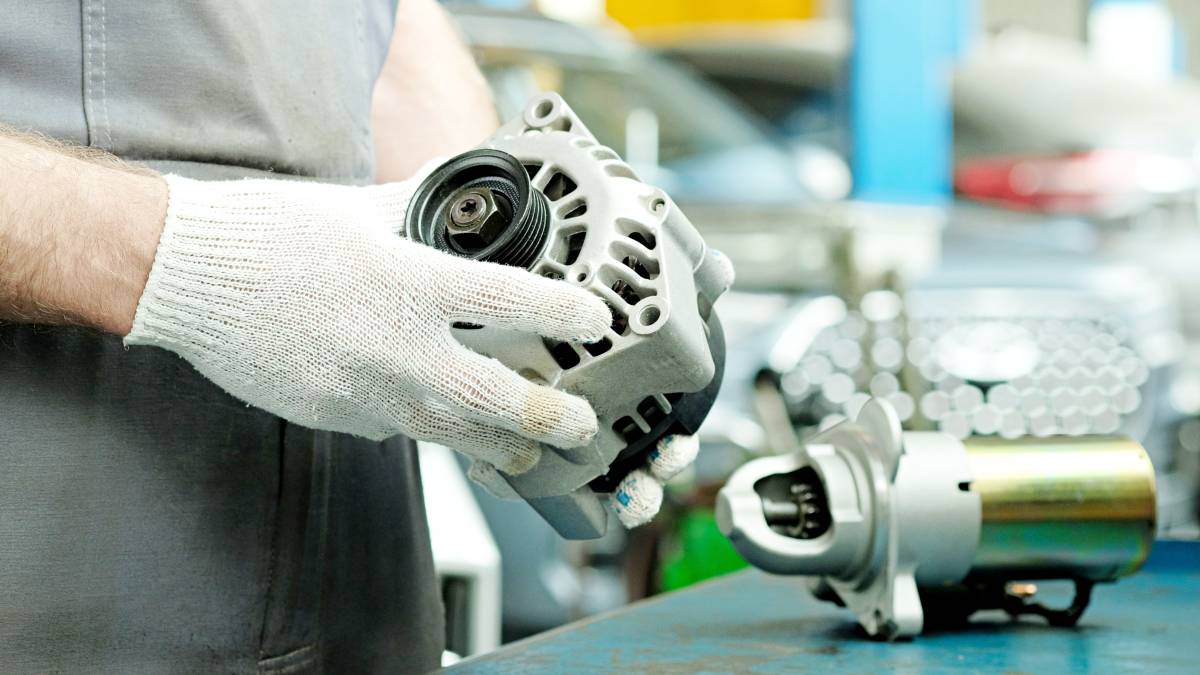
Each car engine is unique, so every type has specific electrical requirements. So, if you have already decided to replace the engine, prepare for some electrical adjustments, such as reprogramming or replacing the engine control unit (ECU) to ensure it’s compatible with the new engine sensors and components. You might also need to upgrade the alternator and battery for a consistent power supply.
Fuel system adjustments
Your car’s existing fuel pump and injectors might not meet the new engine’s flow and pressure requirements. Fixing this issue is vital; otherwise, the engine will run on inadequate fuel, leading to overheating.
To solve this, you may have to install a new fuel pump with a higher flow rate and pressure. Upgrading the fuel injectors may also be necessary, since they deliver the correct amount of fuel to the new engine.
Engine mount and drivetrain compatibility checks
The engine mount supports the motor, keeping it aligned within the engine bay. It must be in good condition to mitigate vibrations and prevent damage to the drivetrain, which houses the car’s transmission parts.
Warranty coverage
New cars typically come with a manufacturer’s warranty for engine repairs and replacements. This warranty generally lasts 3 to 5 years or 36,000 to 60,000 miles and only applies if the engine failure is due to manufacturing defects.
Third-party extended warranties are available if you want protection beyond the manufacturer’s coverage. These can offer more comprehensive coverage, including powertrain and bumper-to-bumper plans. Such warranties may cover engine breakdowns and critical vehicle components, like the transmission and drivetrain. However, review the policy details thoroughly, as coverage varies significantly per provider.
Lastly, if your vehicle has a rebuilt engine, warranty options may be more limited. Some third-party providers offer coverage for rebuilt engines, but often at a higher premium and with stricter eligibility criteria.
What are some ways to save on engine replacement?
 A young man looking deep into the open hood of a car (Source: iStock)
Engine replacement can, indeed, burn a hole in your pocket. Fortunately, there are some ways to reduce the financial burden. Here are some tips to help you save a few bucks on replacing a car engine:
1. Ensure the engine is compatible
Compatibility issues will only lead to more expensive rework, so consult a reputable mechanic before you buy engine parts. They can advise on the modifications required for different engine models. You can also check your car’s manual or visit the manufacturer’s website to understand which engine size, type, and mounting points are required for your vehicle.
2. Shop around for the right mechanic
Although hiring a mechanic near you is easier, it’s better to contact multiple mechanics or garages first and ask for detailed costs. This way, you can compare labor and parts charges to find the most cost-effective option. It would also help to look up some reviews online to check their credibility.
3. Consider refurbished or rebuilt engines
Although brand-new engines are the best, you should look into refurbished or rebuilt engines from other cars, especially if you have an old one. These engines have been tested and restored for quality, making them more affordable. Inspect them for wear and tear first, and always bring a mechanic to check their quality.
4. Reuse compatible parts
Some other parts in your car, like the motor mounts, oil pans, and wiring harnesses, could still be useful for the new engine. Have a mechanic inspect these parts to see if they are still in good condition and compatible with the new engine.
5. Avoid impulse upgrades
Although we’ve listed some necessary upgrades earlier, it doesn’t mean you have to pick them all. Sometimes, you only need to upgrade the cooling and suspension, helping you save more resources. Again, it’s wise to consult a mechanic before getting car upgrades.
Avoid or resolve car engine troubles with Airtasker
The engine is one of the most critical parts of your vehicle, and replacing it on your own might do more harm than good. If you need convenient access to car engine replacement experts, you can find them on Airtasker. Simply post a task, wait for offers, and pick a Tasker with in-depth knowledge of your vehicle’s make and model.
In addition to helping you source quality parts from reputable suppliers, they can install the new engine and check for compatibility issues. With Airtasker, car engine problems don’t have to be so troublesome.
Learn more about our contributors
Written by Cielo B.
Staff Writer
Cielo is an experienced content writer who has explored various industries throughout her career. Her expertise, founded on a degree in journalism, includes writing about automotive and home maintenance. Cielo also covers topics like dressmaking, tailoring, and photography since she is a passionate cosplayer who enjoys dressing up as her beloved anime characters.
FAQs on engine replacement
Yes, it’s worth replacing an engine in an older car if it’s still in good condition and you want to improve its performance. Not only does it help extend its life, but it can also help you save money since engine replacement is more affordable than buying a new car.
However, if your car has high mileage and its components are starting to wear out, getting a new engine isn’t practical and may only cause further problems.
If a skilled mechanic does the job, gas and diesel engines usually take 8 to 12 hours. Hybrid cars and trucks take longer because their engines are bigger and more complex.
An engine rebuild costs between $1,601 and $5,355. However, if the damage to the engine is severe, engine rebuilds can exceed the cost of an engine replacement. Additionally, the quality of parts can vary, so the estimated rebuild cost can still change.
First, you’ll have to assess the situation and determine if your engine truly needs a replacement. This way, you can tell the mechanic exactly the issues you’ve noticed. Next, gather the necessary tools and supplies and prepare a clean, spacious area to work on the car.
If you’re experienced enough, you can start by removing parts like the hood and front bumper, draining all fluids from the engine, disconnecting the battery, and removing the engine mount. It’s still best to let a professional handle the preparations to avoid complications during the engine replacement.
It depends on the engine type and the car modifications needed for the engine swap. But to give you an idea, the average cost of swapping an engine ranges from $1,601 to $21,341 or more.
Find engine replacement experts, fast
Post a task
Related price guides