- Home/
- Costs/
- CCTV Installation/
- CCTV Installation Cost Guide
How much does CCTV installation cost?
Post to find a price. It's free and only takes a minute.
Price guide
£540 - £900
low
£540
median
£720
high
£900

Last Updated on
Key Facts
- Most Australians pay between £525 and £900 for a basic CCTV setup, which typically includes a few cameras, professional installation, and configuration.
- For more comprehensive coverage or high-end equipment, expect a starting price of around £750, which typically includes additional cameras, advanced features such as night vision or motion detection, and more complex wiring.
- A standard 4-camera system effectively covers most homes, monitoring key entry points such as the front door, backyard, driveway, and side access, without leaving any blind spots.
Did you know that every 106 seconds, another home in the UK is broken into? That adds up to 34 burglaries every single hour. Most homeowners never think it’ll happen to them until it does, and by then it’s too late. The good news is that a quality CCTV system makes your property significantly less attractive to thieves and gives you eyes on your home 24/7.
If you’re weighing up the cost of installing security cameras, this guide gives you the full picture. We’ll show you what different systems run for, what features actually matter, and how to choose between doing it yourself or hiring someone who knows what they’re doing.
What factors affect CCTV installation costs?
Getting a handle on CCTV pricing means understanding what drives those numbers up or down. The size of your system, the features you need, and how the equipment is delivered all contribute to the final bill. Let’s break down the three biggest factors that’ll shape your quote.
Number of cameras and property size
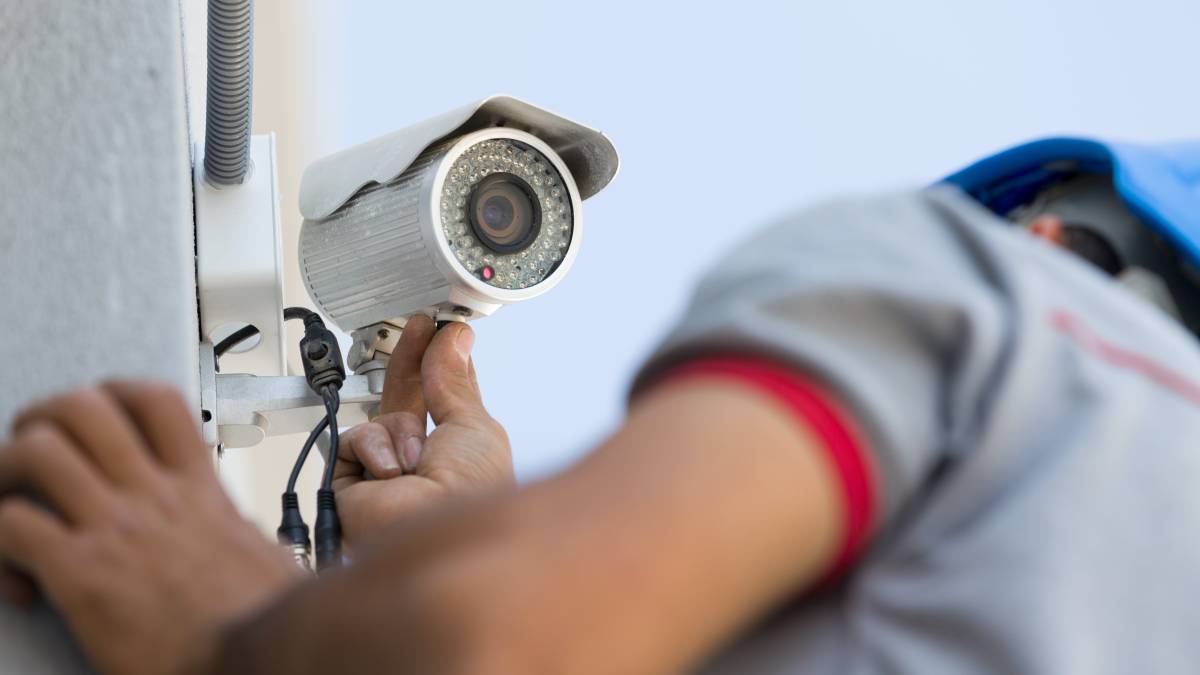
The number of cameras you need is the single biggest cost driver. A standard 4-camera system averages around £525 for installation, while an 8-camera setup jumps to approximately £900. Most homes work well with four cameras covering the front door, backyard, driveway, and side access. However, larger properties or those with complex layouts may require six to eight cameras to prevent leaving vulnerable areas unmonitored.
Your property’s construction affects installation complexity too. For instance, properties with non-standard builds, such as full brick or double brick homes, pose more challenges for concealing cables, which affects installation complexity and results in increased labour time and higher fees.
Camera resolution and image quality
Resolution impacts both upfront costs and ongoing storage needs. Lower-resolution cameras (4MP to 6MP) are suitable for most domestic installations, while high-resolution cameras are more suitable for commercial use due to their enhanced zooming capabilities.
For most homes, 4MP to 6MP strikes the sweet spot between clear footage and reasonable costs. Need higher resolution? Just note that it also means bigger video files, so you’ll need more storage capacity. A 2TB hard drive handles systems with resolutions of 4MP to 6MP comfortably, but an 8MP system might require 3 to 4TB.
Camera features and capabilities
Basic cameras capture footage, but premium features transform your system into smart security. Infrared night vision is affordable and uses infrared light to capture images in darkness, while Starlight cameras are more expensive but produce colour images in low light using natural light and are more energy-efficient.
You can also invest in modern AI-powered cameras that distinguish between humans, vehicles, and pets, thereby reducing false alarms. Popular upgrades also include two-way audio, remote smartphone access, spotlights and sirens, and pan-tilt-zoom functionality.
Delivery
This is already standard practice. The farther you live from your installer, the higher your delivery charge will be. You can either pay this upfront or include this in the total bill that the company will send over. Note that some companies will also waive the delivery fee depending on your expenditure.
What are the different types of CCTV cameras?
Now that you are deciding what cameras you wish to install, there are two categories you must take note of:
Indoor: These are the smaller, lightweight cameras that are more covert.
Outdoor: They can withstand all types of weather and have a wider shot range to cover more ground.
Their common denominator is the ability to shoot using infrared light. This feature helps them capture high-quality photos, no matter the distance.
Type of camera |
Number of cameras |
Average cost |
|---|---|---|
Basic |
Has 4 cameras |
£525 |
Basic |
Has 8 cameras |
£900 |
Mid-range |
Has 4 cameras |
£750 |
Mid-range |
Has 8 cameras |
£1,300 |
Nest camera |
Has 4 cameras |
£940 |
What are the advantages of CCTV installation?
If the burglary statistics still do not deter you, there are many good things about having a CCTV camera in your home. Aside from cameras being a source of protection for your home and occupants, we detail three main advantages.
Better resale value and buyer appeal
If you’re flipping a property or planning to sell, CCTV cameras protect your investment while it sits on the market. Empty homes are prime targets for break-ins, vandalism, and squatters. Visible cameras deter opportunistic thieves who scope out vacant properties, saving you from costly repairs before settlement.
Buyers also view security systems as a value-added feature during inspections. A property with cameras already installed signals it’s been protected and cared for, plus it’s one less expense for new owners to worry about. For families or first-time buyers, existing security infrastructure can tip the scales in favour of one property over another.
Assists in identifying criminals
If you experience a break-in, video footage serves as your invisible witness for police investigations. Clear recordings capture faces, clothing, vehicles, and distinguishing features that help authorities identify suspects and track their movements.
High-resolution cameras can even capture license plates or tattoos, which can become critical evidence in court and be used to support claims, such as insurance, in the event of any damage.
Easy to maintain
CCTV cameras may seem like a difficult device to take care of. But contrary to popular belief, they will not take too much of your time. Once it has been installed, it will last for years on end. The only expense you will have to incur is the occasional cleaning fee. Professionals will do this for you, so that will spare you extra trouble and effort.
Not only that, but some CCTV cameras can be accessed remotely. They have corresponding apps that sync with your phone, allowing you to conduct a quick check-up periodically.
Book a CCTV installer on Airtasker
Ready to protect your home properly? Post a task on Airtasker and get matched with experienced CCTV installers in your area who can assess your property and give you an accurate quote. The sooner you get cameras up, the sooner you can stop worrying about what’s happening when you’re not home.
FAQs
It depends on the property you are on. If it is a flat or a condo unit, you are better off using just one camera. But if you have a huge property, you can invest in more cameras to ensure you stay protected.
While we laud your proactive attitude to do the process yourself, it would save you a lot in the long run. You do not just save money, but time as well. When dealing with labour like this, it is important that you consult with a professional as they have the seasoned expertise to handle this. Not only that, they get the job done in no time.
It depends on your camera but on average, the recording takes 31 days or a month.
The duration is dependent on how big your system is. But ballpark figures state that it takes four hours to 1.5 days on average.
As long as you do not film beyond your property, it is perfectly fine to have a camera installed in your home.
Find cctv installers, fast
Post a task