- Home/
- Comparisons/
- Food Delivery/
- High Tea vs Afternoon Tea
High tea vs afternoon tea: What’s the difference?
Comparing high tea and afternoon tea based on serving time, core food items, and more
Published on

Written by Ana K.
Contributor
Read more about our contributor
Key Facts
- High tea is a hearty meal served with tea, set on a dining table with high-back chairs. It is typically served between 5 and 7 o’clock in the evening.
- Afternoon tea is a snack with tea eaten on a couch or a low chair. It is usually served at around 3 to 4 o’clock in the afternoon.
Here in the UK, people’s ongoing love for tea and its associated traditions have spawned several variations, from Devon vs Cornish cream tea to high tea vs afternoon tea. Because of this, figuring out what sets one type apart from another can be confusing at times. As such, this article will try to make things less puzzling by exploring two traditional kinds of tea observed by locals.
What is high tea?
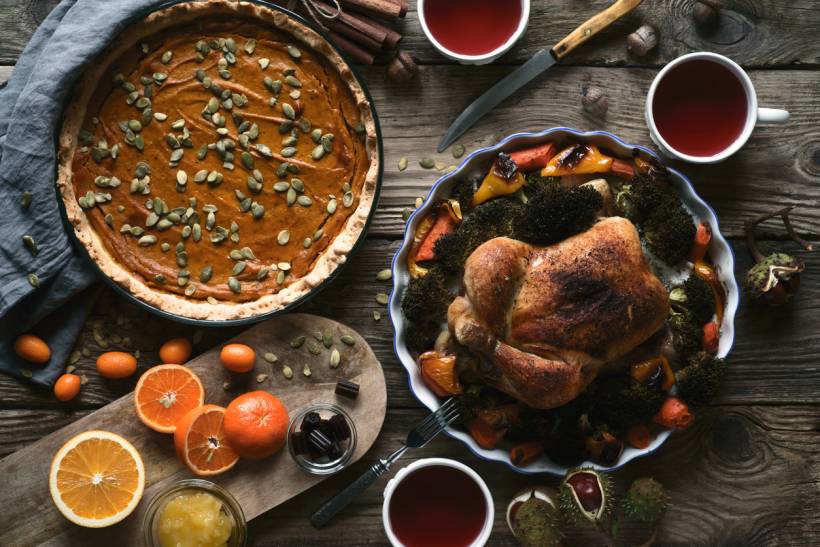 Hearty high tea spread with roast chicken, pumpkin pie, and fresh citrus on a rustic table (Source: iStock)
High tea, a substantial meal taken with tea, is usually composed of dishes made with meat and fish, vegetables such as potatoes, and pastries like crumpets and pies. High tea, also referred to as supper or dinner, got its name because it is typically served at dining tables paired with high-back chairs in the mid-afternoon until early at night.
What is afternoon tea?
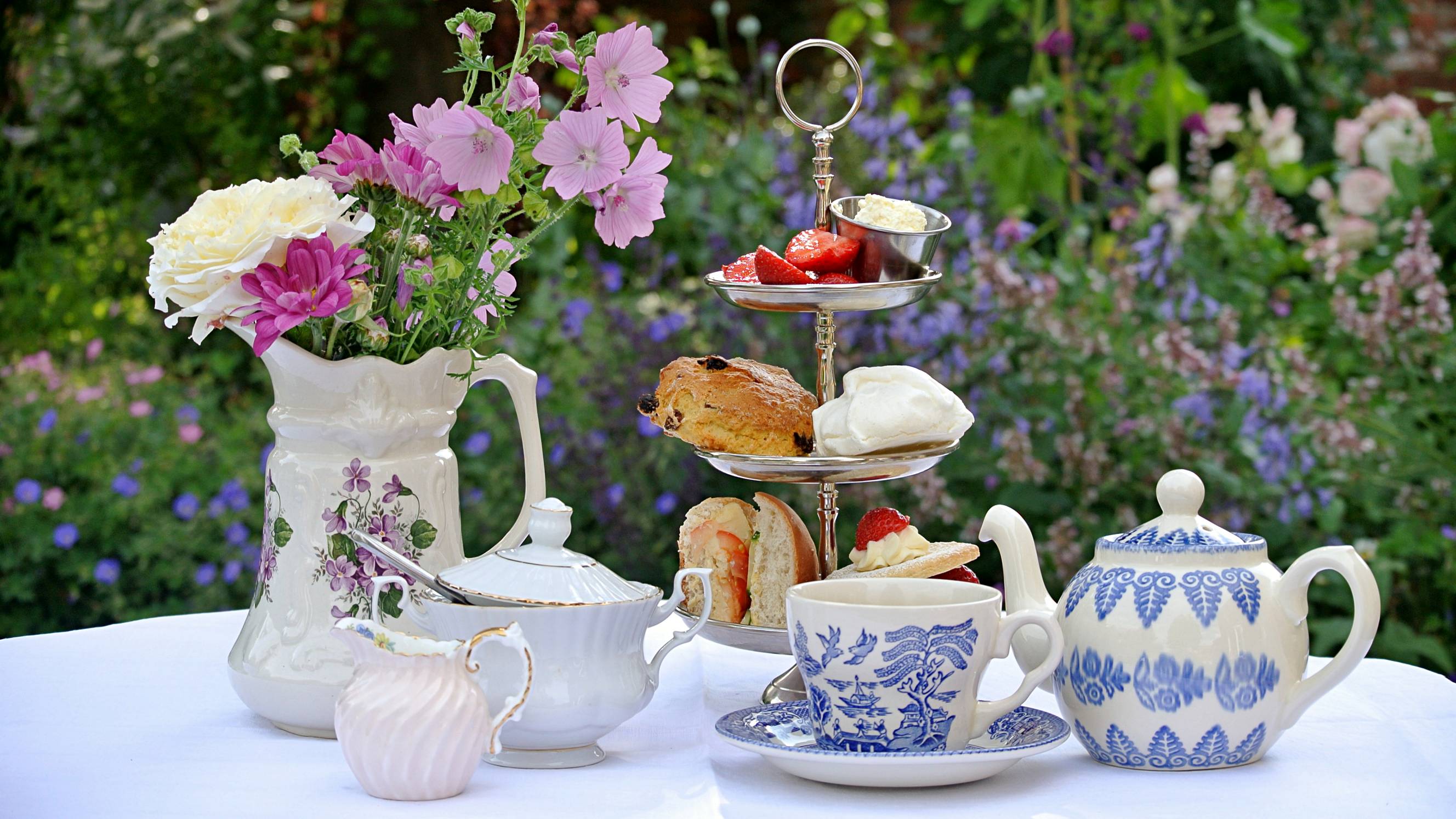
 Classic afternoon tea arrangement with finger sandwiches, scones, and desserts served in a garden (Source: iStock)
Afternoon tea is a light meal served with tea. When partaking in this mid-afternoon snack, expect to nibble on finger sandwiches, scones, and desserts. The English afternoon tea is also called low tea because people tend to sit on low chairs and settees when having this meal.
Afternoon tea vs high tea: How are they different?
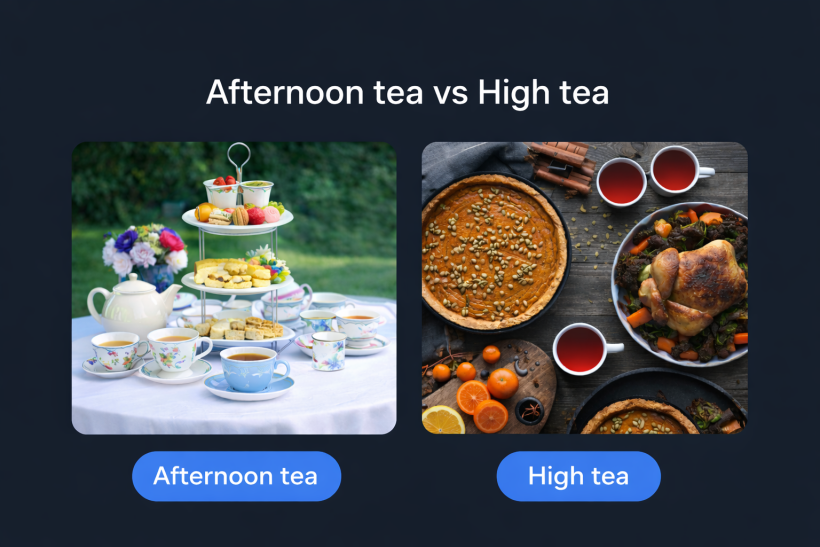 Visual comparison showing the light, elegant afternoon tea and the warm, rustic high tea meal (Generated with AI)
What’s the difference between high tea and afternoon tea? Here are some factors that show where their similarities diverge:
In terms of origin
Who invented afternoon tea? The history of English afternoon tea points to Anna Maria Russell, the seventh Duchess of Bedford. She inadvertently created it in the 1840s when her mid-afternoon hunger prompted her to regularly request finger sandwiches, cake, and hot tea. Subsequently, she returned to London, where she organised elite social gatherings centred on snacks and tea at the same time of day.
On the other hand, it may come as a surprise to some that traditional English high tea originated as a working-class meal, dating back to the Industrial Revolution. It was consumed by workers who had no time for an afternoon meal break and therefore needed a filling source of energy after a hard day’s work.
In terms of serving time
What time is afternoon tea served, and what time is a high tea meal taken? Because its original purpose was to hold back one’s hunger before dinnertime, one may begin serving afternoon tea at 3 to 4 o’clock. Meanwhile, high tea time in the UK is usually between 5 and 7 o’clock. This means it can work either as a late afternoon or evening meal.
In terms of formality
Staying true to its origins, an afternoon tea party typically involves using fine china, wearing something non-casual, and observing proper etiquette, such as holding your teacup correctly. Traditionally, it is held indoors, with guests seated on low settees paired with low tables, like in a home’s parlour. However, at present, some people hold afternoon teas in gardens or terraces.
Present-day high tea does not stray far from its original version either. It is a relaxed affair with no rigid rules to follow. Additionally, it is customary to have this meal at a dining table or counter while sitting on a high-back chair.
In terms of core food items
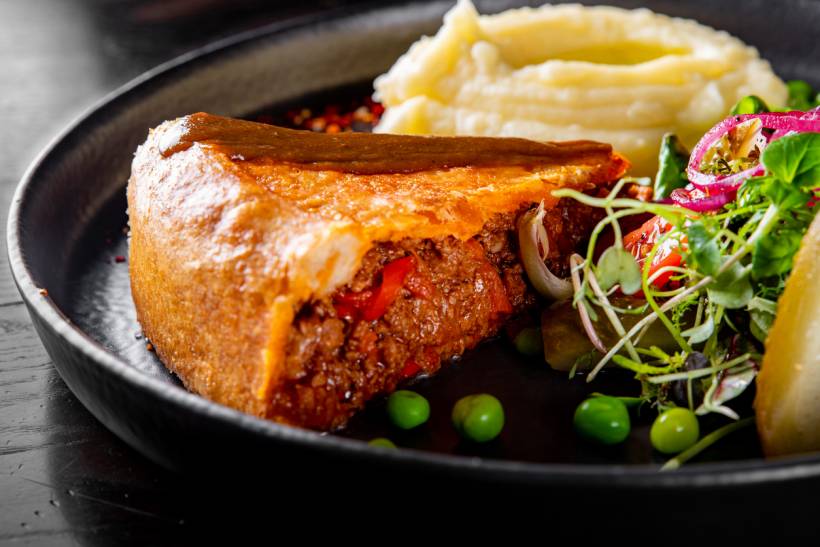 High tea with a savoury twist—meat pie, creamy mash, and fresh greens on a modern plate (Source: iStock)
What’s in afternoon tea? The traditional English afternoon tea essentials include tea cakes and scones with clotted cream. Dainty finger sandwiches with the crusts removed and the insides filled are also a must. Some common fillings are smoked salmon, egg mayonnaise, and cucumber.
Because high tea is supposed to be substantial, it is typical to have heavier food than in afternoon tea. These include meat pies, beef and pork dishes, fish, cheese, bread, and vegetables. One may also expect typical British foods, like baked beans, Welsh rarebit, and crumpets, to be served.
In terms of drink options
Aside from knowing what is in high tea, one must also know what one drinks alongside it. Tea varieties with a strong profile, such as Assam, Darjeeling, and Pu’erh tea, complement the hearty dishes served during high tea.
Meanwhile, black tea varieties like Earl Grey and Assam, as well as herbal varieties like peppermint and chamomile, are usually served in teacups during afternoon tea gatherings. In some cases, expect to also have champagne (in royal afternoon teas) or sparkling wine and prosecco (in sparkling afternoon teas).
In terms of presentation
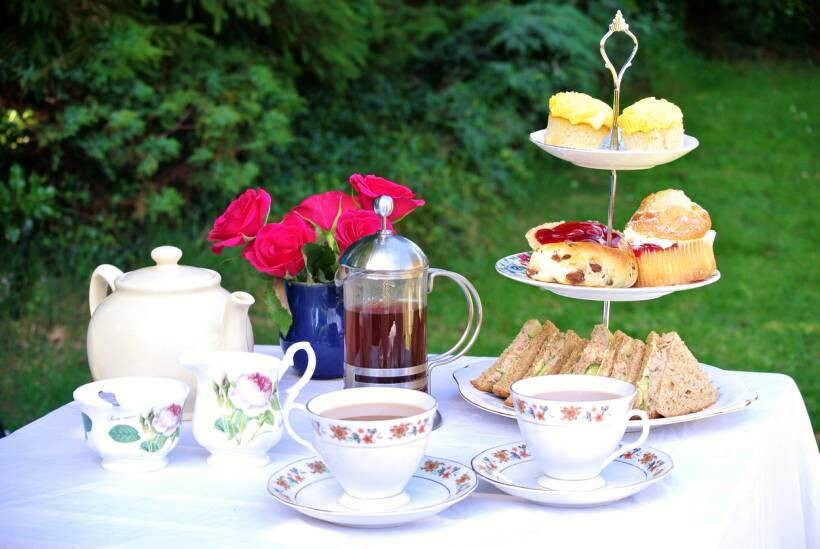
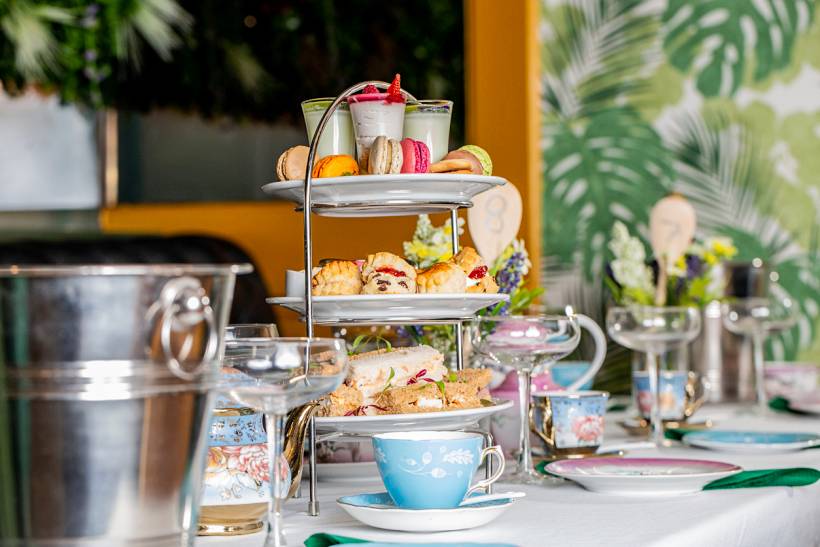 Stylish afternoon tea setup with a tiered display of scones, sandwiches, and macarons (Source: iStock)
During high tea (versus afternoon tea), the table setting and decorations reflect the more casual nature of the experience. It basically functions like a supper, so a regular setup with just the basic dinnerware will suffice.
On the other hand, an afternoon tea party won’t be complete without decorative and functional elements, like tablecloths, napkins, and a three-tiered cake stand for the food. Having a traditional afternoon tea also involves setting one’s fine bone china tea set in a particular way.
In terms of cultural impact
Nowadays, if you want to experience afternoon tea, you won’t have a hard time searching for a hotel or dining establishment that offers it, whether here in the UK or abroad. This is because the afternoon tea culture has permeated the hospitality sector of various countries in Europe, Asia, Africa, Oceania, and the Americas.
Afternoon tea’s popularity also affected high tea, albeit in a way that disadvantages the latter. It is sometimes necessary to clarify whether one intends to have high tea or afternoon tea. This is because many people mistakenly think that high tea originated in high society and is therefore more formal. Nevertheless, high tea has also become a staple throughout the UK and is also referred to as dinner or supper.
Enjoy the high or afternoon tea experience through Airtasker
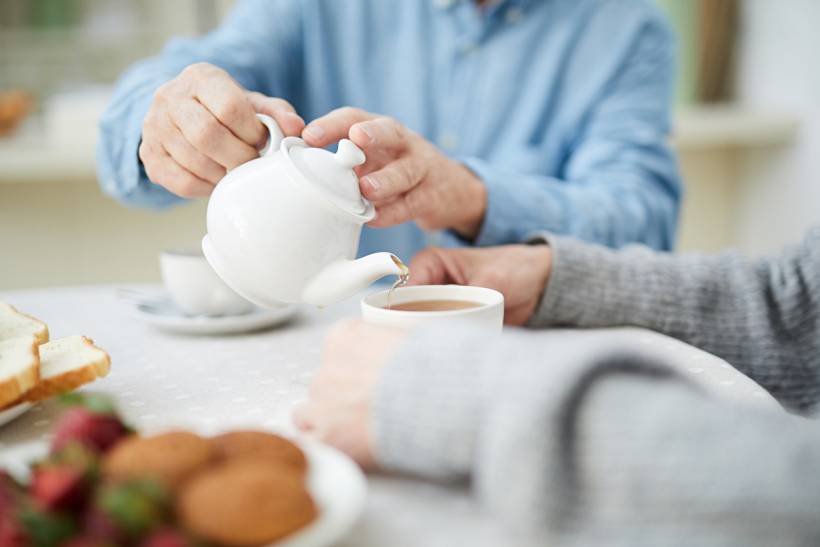 Pouring hot tea into a cup during a relaxed tea break with light snacks (Source: iStock)
Do you need a hand organising an afternoon tea party or a pared-down yet substantial dinner in the form of a high tea? Airtasker has capable delivery service providers who can transport hearty dishes and tasty desserts right to your doorstep.
If you want a particular meal prepared a specific way, you can also visit the website to find a home chef. Start the process by posting a task with all the relevant details.
Learn more about our contributors
Written by Ana K.
Contributor
Ana always puts a premium on accuracy, clarity, and style when writing—a practice that her English degree has instilled in her. She excels at covering topics related to pet care, home and interior design, and food, which count among her varied interests. She also enjoys nature and street photography, as well as travelling. Overall, Ana uses her love for research to engage Airtasker readers with fun, practical content.
High tea vs afternoon tea
| High Tea |
Afternoon Tea |
|
|---|---|---|
Origin |
The dining tables of the working class during the Industrial Revolution |
Seventh Duchess of Bedford Anna Maria Russell’s mid-afternoon snack habit in the 1840s |
Serving Time |
Around 3 to 4 o’clock in the afternoon |
Around 5 to 7 o’clock in the afternoon |
Formality |
Relaxed and casual, like a typical supper |
Formal, like other high society gatherings that follow proper etiquette |
Core Food Items |
Heavy meals made of meat and fish, pies, bread, cheese, and vegetables |
Scones, cakes, finger sandwiches, and other desserts and light snacks |
Drink Options |
Strong teas like Assam, Darjeeling, and Pu’erh tea |
Black and herbal teas, champagne, and sparkling wine |
Presentation |
Served on a dining table with high-back chairs, with no strict table setting |
Served on low armchairs and settees, with fine bone china tea sets arranged in a particular way |
Cultural Impact |
Influence is not very widespread but remains a staple in the UK |
Being offered in dining establishments not just in the UK but in other countries as well |
FAQs on high tea and afternoon tea
Start with the finger sandwiches and other savoury treats at the lowest rung of the tiered stand, then proceed to the middle tier that contains the scones. Afterwards, you may consume the sweet desserts, which are typically placed at the highest tier.
Unlike afternoon tea, high tea does not have a rule regarding the order of consumption since it is more casual in nature.
There are various reasons why afternoon tea offerings in various establishments tend to be expensive. These include the image of luxury attached to them and the relatively longer amount of time people take to finish them.
Elevenses, like high tea and afternoon tea, is a traditional meal here in the UK, though its popularity has declined over the years. This light snack, served at 11 in the morning, was even mentioned in J. R. R. Tolkien’s The Fellowship of the Ring: ‘At other times there were merely lots of people eating and drinking—continuously from elevenses until six-thirty, when the fireworks started.’
Find food pickup & home delivery services, fast
Post a task