How to grow tomatoes in Australia (And when to plant them)
We show you when, where and how to grow this tasty crop
Published on

Written by Chin S.
Staff Writer
Read more about our contributor
There are few things more satisfying than picking a sun-ripened tomato straight from your own garden. If you’ve always wanted to start growing tomatoes in Australia, know that that’s well within reach for most home gardeners. You just need to know when to plant, which variety to choose, and how to keep them happy through the season.
Let’s delve into the world of tomato cultivation and discover the secrets to growing your own bountiful crop.
When is tomato season in Australia?
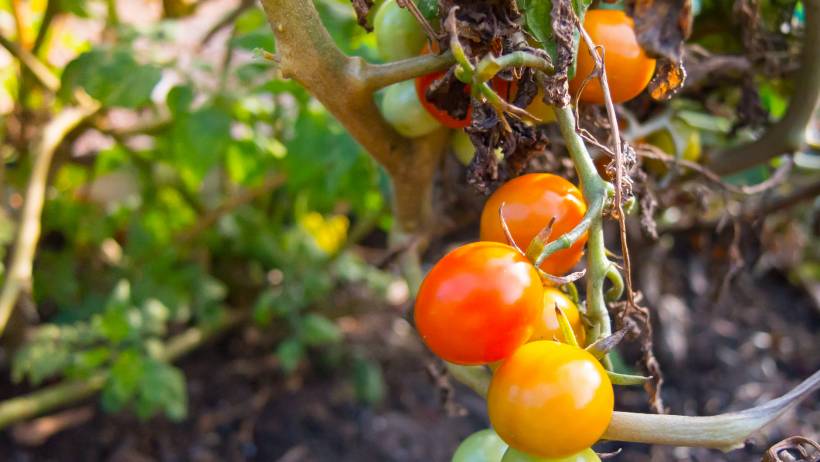 Red cherry tomatoes nearly ready for picking. (Source: iStock)
In most of Australia, tomato season runs from spring through summer, typically September to March. The tomato plant is partial to warm climates, and summer is the best tomato growing season in most regions.
Experienced gardeners prefer to start growing tomatoes indoors 6–8 weeks just before summer sets in and then plant them outside once the weather becomes warmer. They then transplant them once the plants have grown a few centimetres in height. Meanwhile, in cooler climates, they should be grown under cover or in a sheltered spot.
But if you’re not such a gardener, just be aware that spring and early summer are typically the tomato season in Australia. With the right timing and care, you can grow tomatoes in your own garden, or even in pots or hanging baskets and troughs.
Tomato season in Australia by state
Tomato season in Australia varies significantly by state, from year-round planting in Queensland's north to a narrow October–December window in Tasmania.
Region |
Planting season |
Harvest season |
|---|---|---|
New South Wales (North Coast) |
Throughout the year |
10-12 weeks after planting |
New South Wales (Other) |
August to September |
End of March to April |
Australian Capital Territory |
August to December |
December to end of April |
Northern Territory |
Top End: April to September |
Central Australia: September to December |
Queensland (North) |
April |
Until end of November |
Queensland (South East) |
Year-round, best in Aug-Sept & Feb-Mar |
8-12 weeks after planting |
South Australia |
August to September |
December to end of April |
Tasmania |
Late October to early December |
January to end of April |
Victoria |
September to October |
January to end of April |
Western Australia |
Perth/Southwest: Aug to December |
Northern WA: April to August |
Generally, growing tomatoes in Australia can occur all year round for warm climates, August to November for moderate climates, and September to November for cool areas. Here’s a breakdown of each Australian territory in terms of tomato growing season:
New South Wales (North Coast): Planting can occur throughout the year. Most tomato varieties can be harvested within 10-12 weeks. The tomatoes will take longer to ripen during the colder months than in spring or summer.
New South Wales (other): Start planting in August or September. Harvest season is until the end of March or April.
Australian Capital Territory: Planting season is from August to December, and harvest season is from December to the end of April.
Northern Territory: While challenging, tomatoes can be grown in the NT. In the Top End, the growing season for tomatoes occurs during the dry season (April to September). In Central Australia, plant in spring and early summer (September to December).
Queensland (North): Start planting in April. Harvest season is until the end of November.
Queensland (South East): Planting can occur throughout the year, but best results are achieved when planting in August-September and February-March. Most varieties can be harvested within 8–12 weeks.
South Australia: Planting season starts in August or September. Harvest from December until the end of April.
Tasmania: Plant from late October to early December. Harvest from January until the end of April.
Victoria: Planting can start in September or October. Harvest from January until the end of April.
Western Australia: In Perth and the southwest, plant as early as August until December. In northern WA, plants during the dry season (April to August).
Best tomatoes to grow in Australia
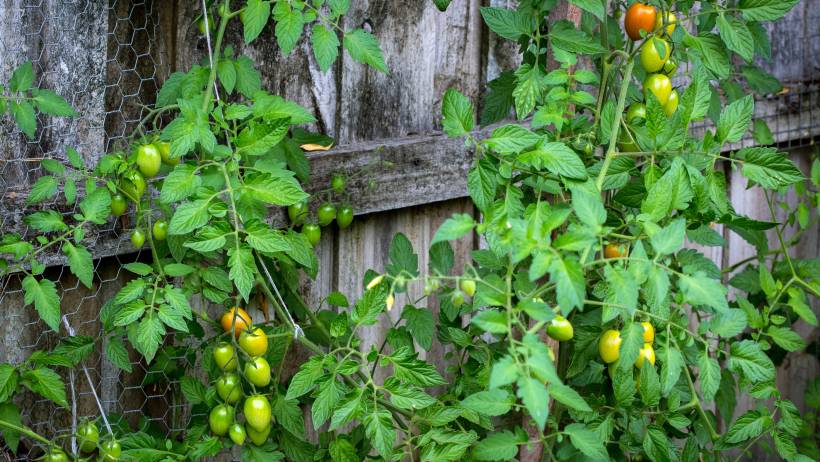 Using vertical space by training tomatoes along the fence. (Source: iStock)
While there are a number of different varieties of tomatoes you can grow, some of the most common ones are:
Grosse Lisse: A classic Australian favourite. Large, round fruit with high yields, well-suited to most climates and great for slicing.
Big Beef: This one is heat-tolerant and resistant to many common tomato diseases, making it suitable for warmer regions.
Improved Apollo: A disease-resistant hybrid that performs well in both cooler and warmer climates, making it versatile for different Aussie gardens.
San Marzano: San Marzano is a leading Italian variety and the go-to for sauces and preserving. It thrives in full sun and well-drained soil across most states.
Roma: This egg-shaped tomato is great for cooking and making tomato paste. It grows to a compact size, which is perfect if you want to maximise a small garden.
Cherry Tomatoes (e.g., Sweet 100, Sungold): Prolific producers of small, sweet fruit. It’s great for snacking and salads.
Tiny Tim: A dwarf variety with cherry-sized fruit remains popular for container gardening. It’s perfect for small spaces and vertical gardens, and can be grown indoors with adequate light.
Here’s how to grow tomatoes in Australia
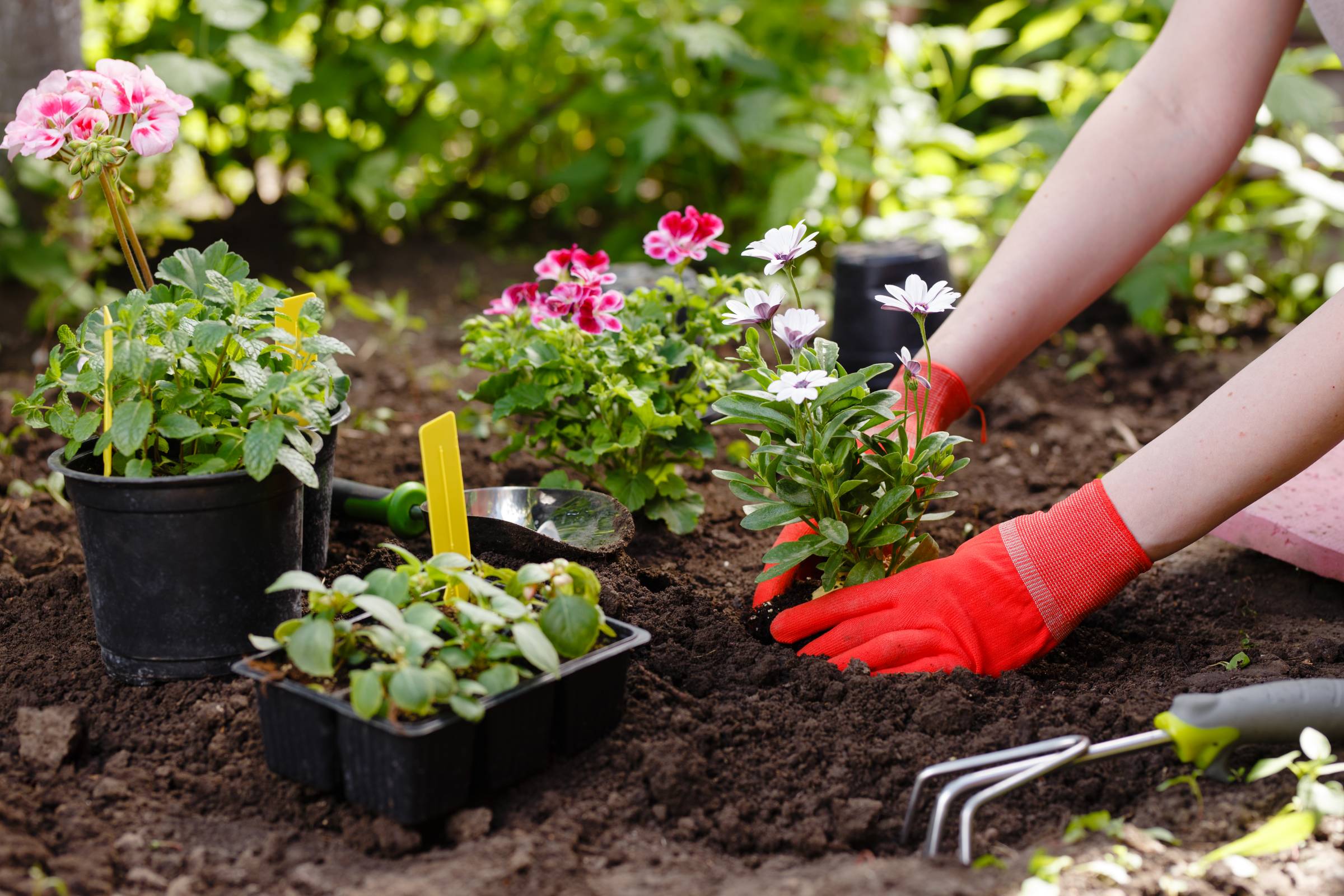
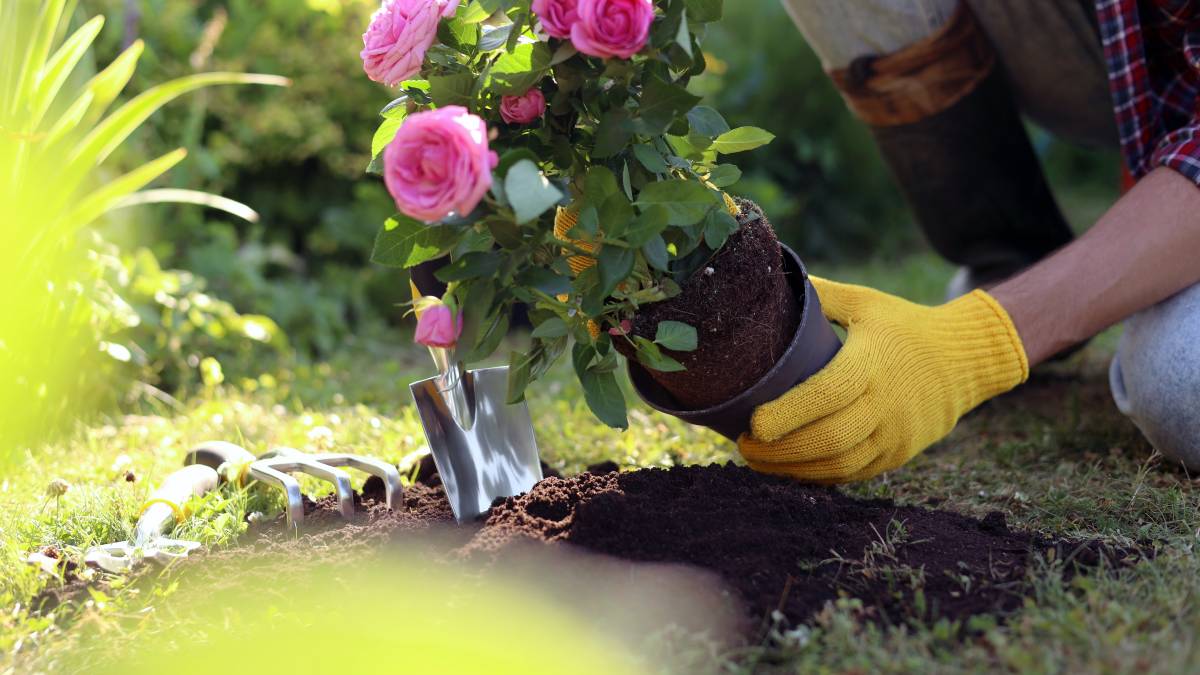
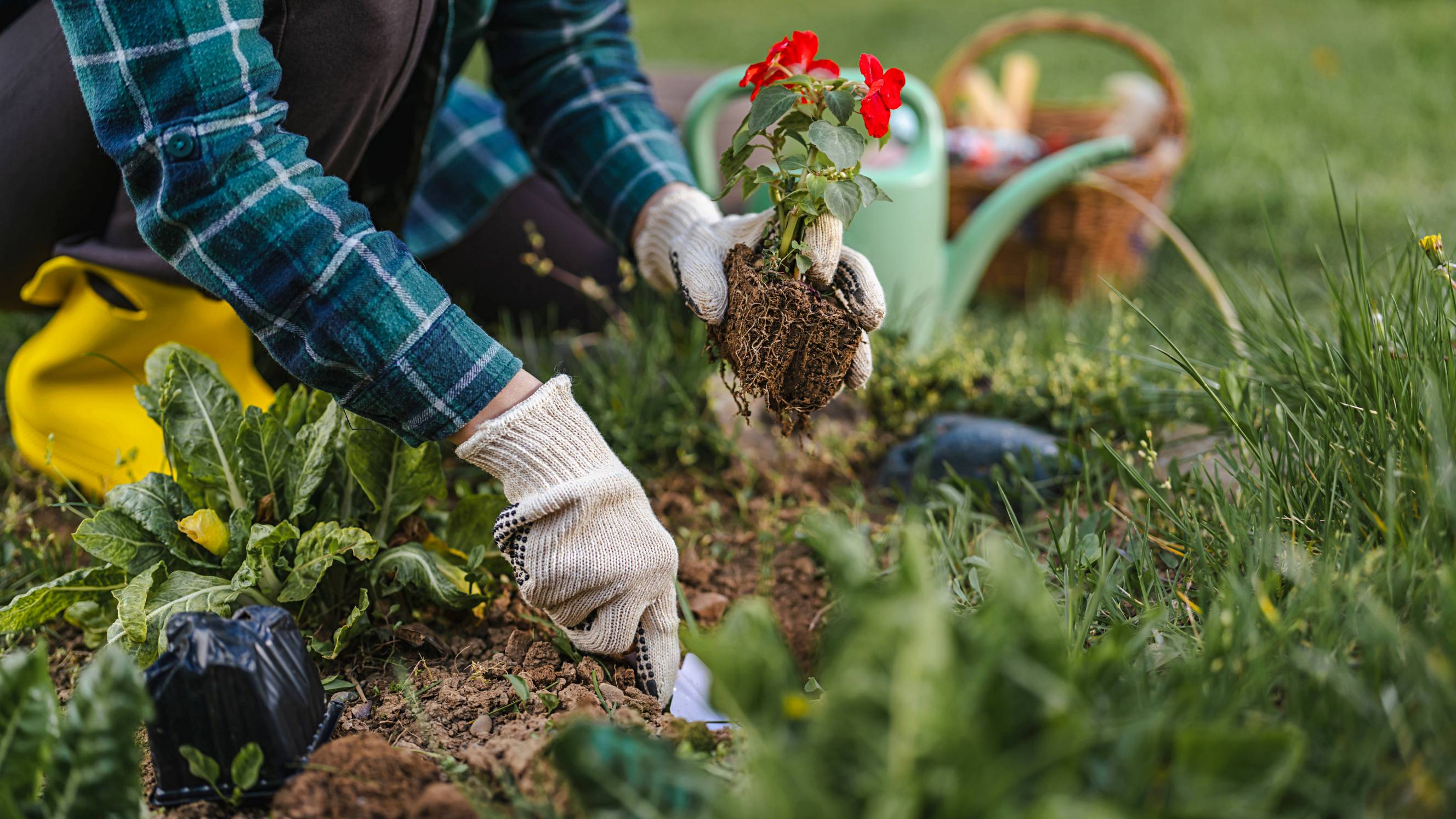
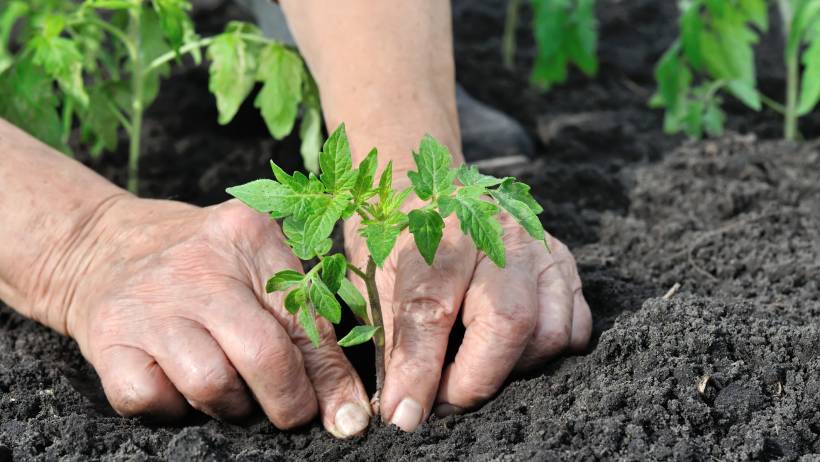 Gently firming the surrounding soil ensures a young tomato seedling establishes strong root. (Source: iStock)
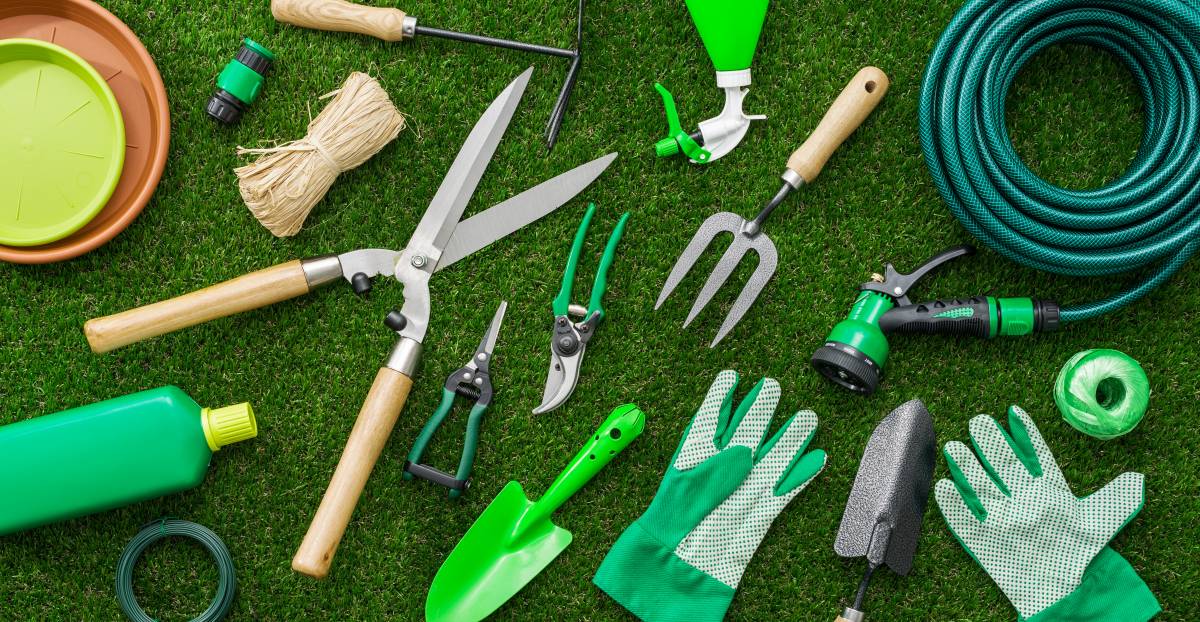
Collect a few essential tools before you start your tomato planting exercise. No heavy gardening is involved in growing tomatoes, so all you need are the following basic tools:
Gloves
Hand trowel
Spade
Rake
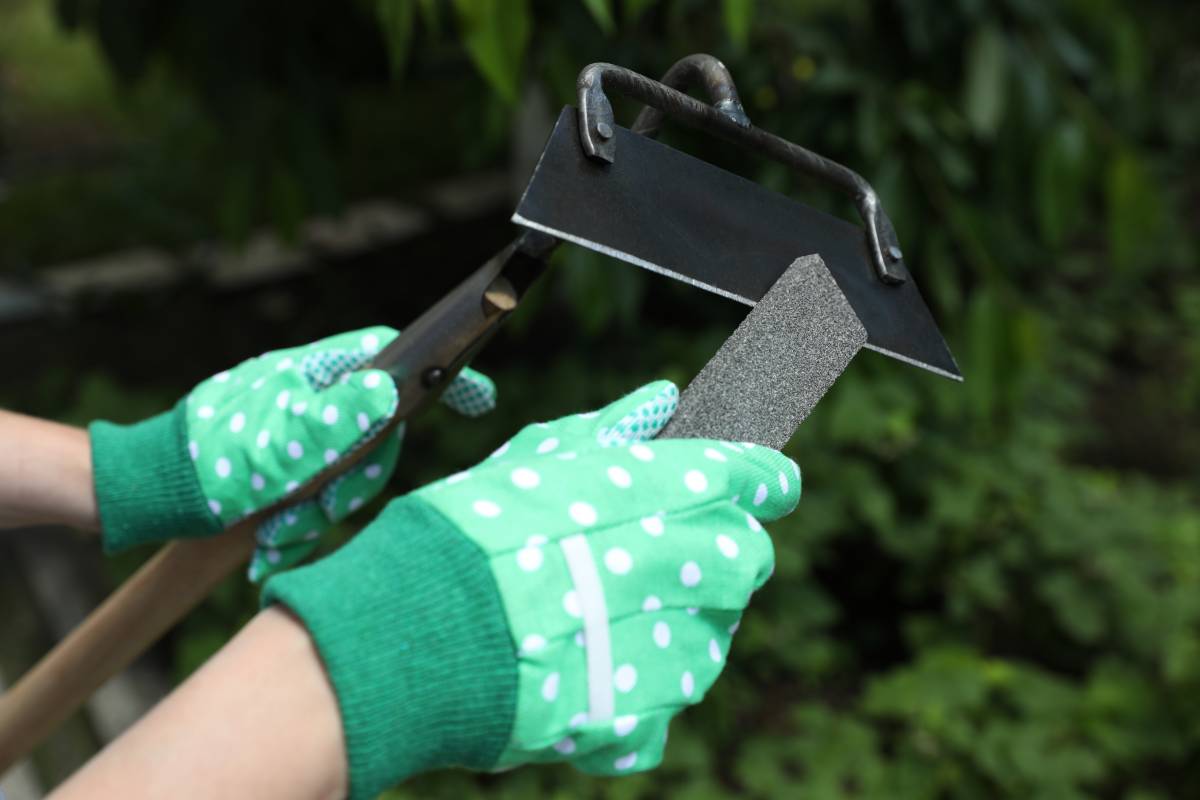
Hoe
Hose with a rain wand and adjustable nozzle
Small watering can if you are planning on growing tomatoes in pots
Soil preparation and requirements
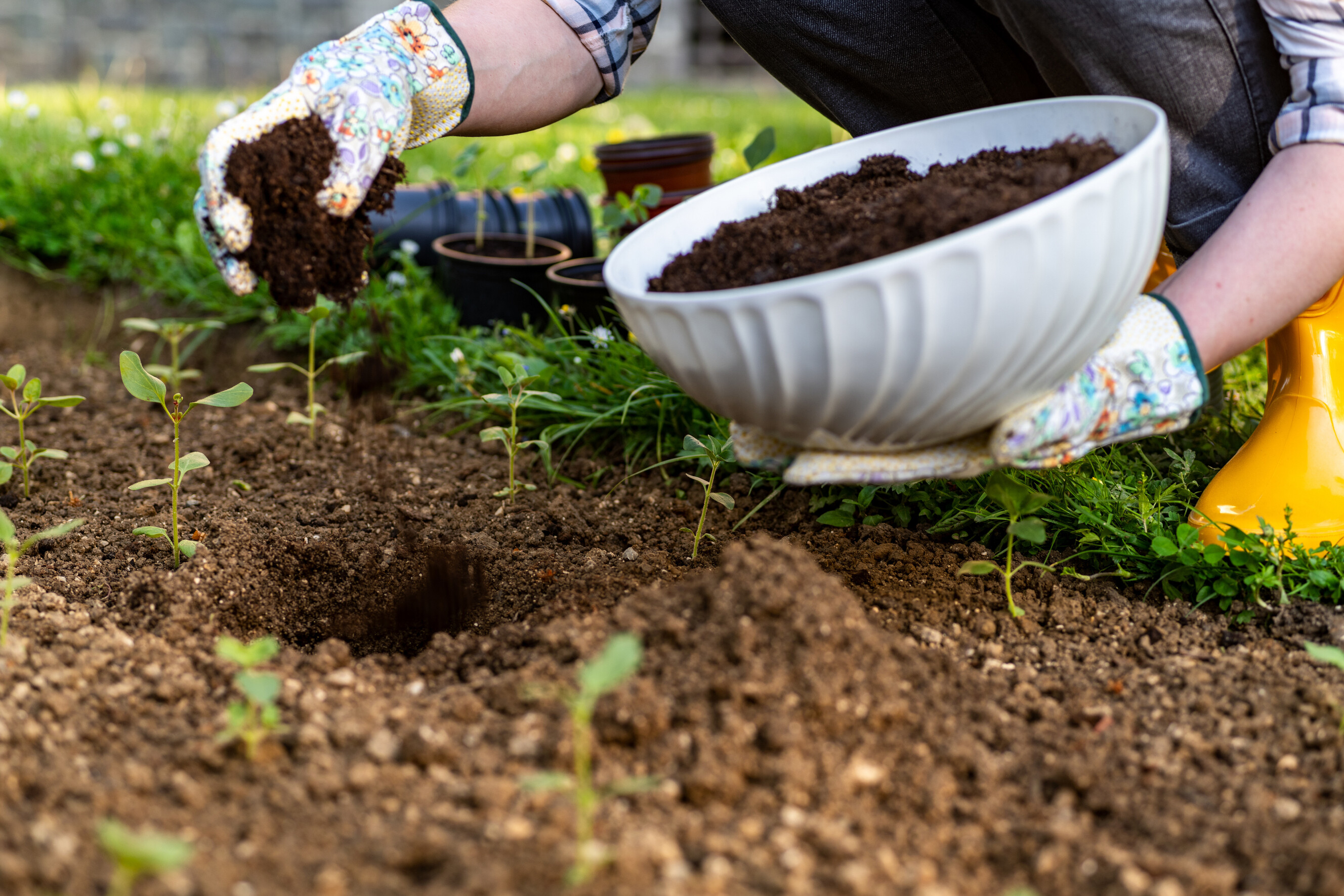
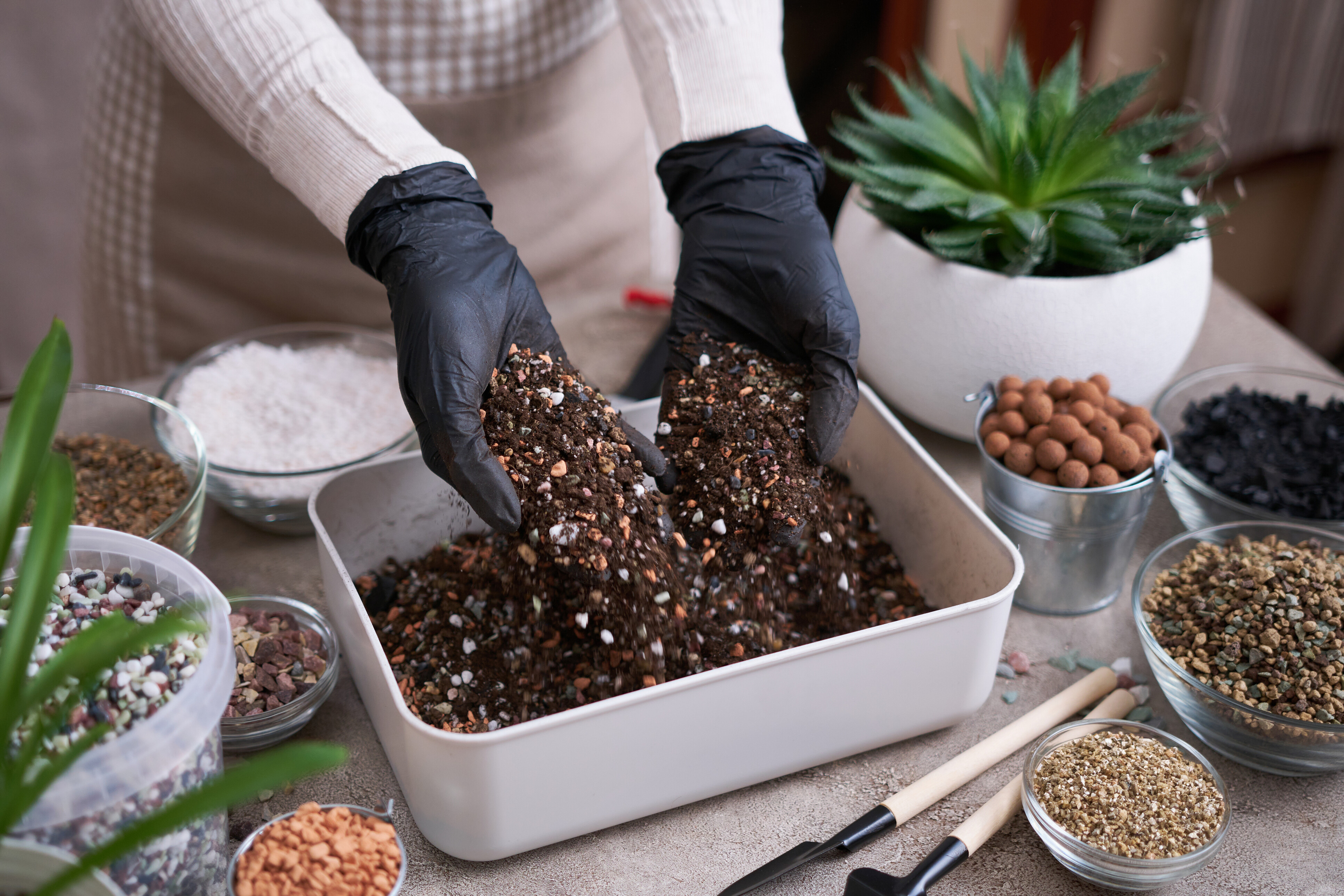
Tomatoes thrive in well-draining, nutrient-rich soil. Before planting, prepare your garden bed by digging in organic matter such as compost or well-rotted manure. Aim for a slightly acidic to neutral pH (6.2-6.8).
If your soil is heavy clay or sandy, consider adding gypsum or organic matter to improve its structure. This is similar to the soil requirements of many other plants, including summer blooms like sunflowers.
A professional soil test can help you determine if any additional amendments are needed. A professional gardener may charge you $65 to $85 per hour, depending on where you are in Australia.
Choosing between garden beds, pots, and other containers
Your choice depends on available space and sunlight.
Garden beds are ideal for larger varieties since they allow roots to spread freely.
Pots or containers are good for those with small spaces or balconies and offer better control over soil conditions.
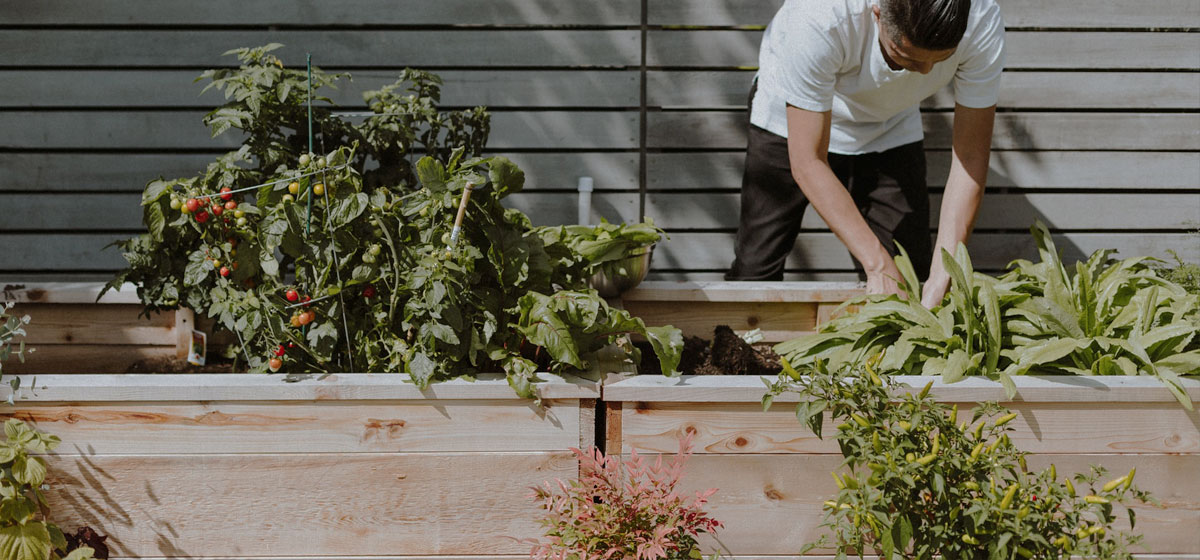
If you have ample garden space, consider planting tomatoes with other indoor plants. Ensure any container is at least 30cm deep with drainage holes. Raised beds can be a great compromise, providing good drainage and easier access.
Starting from seeds vs seedlings
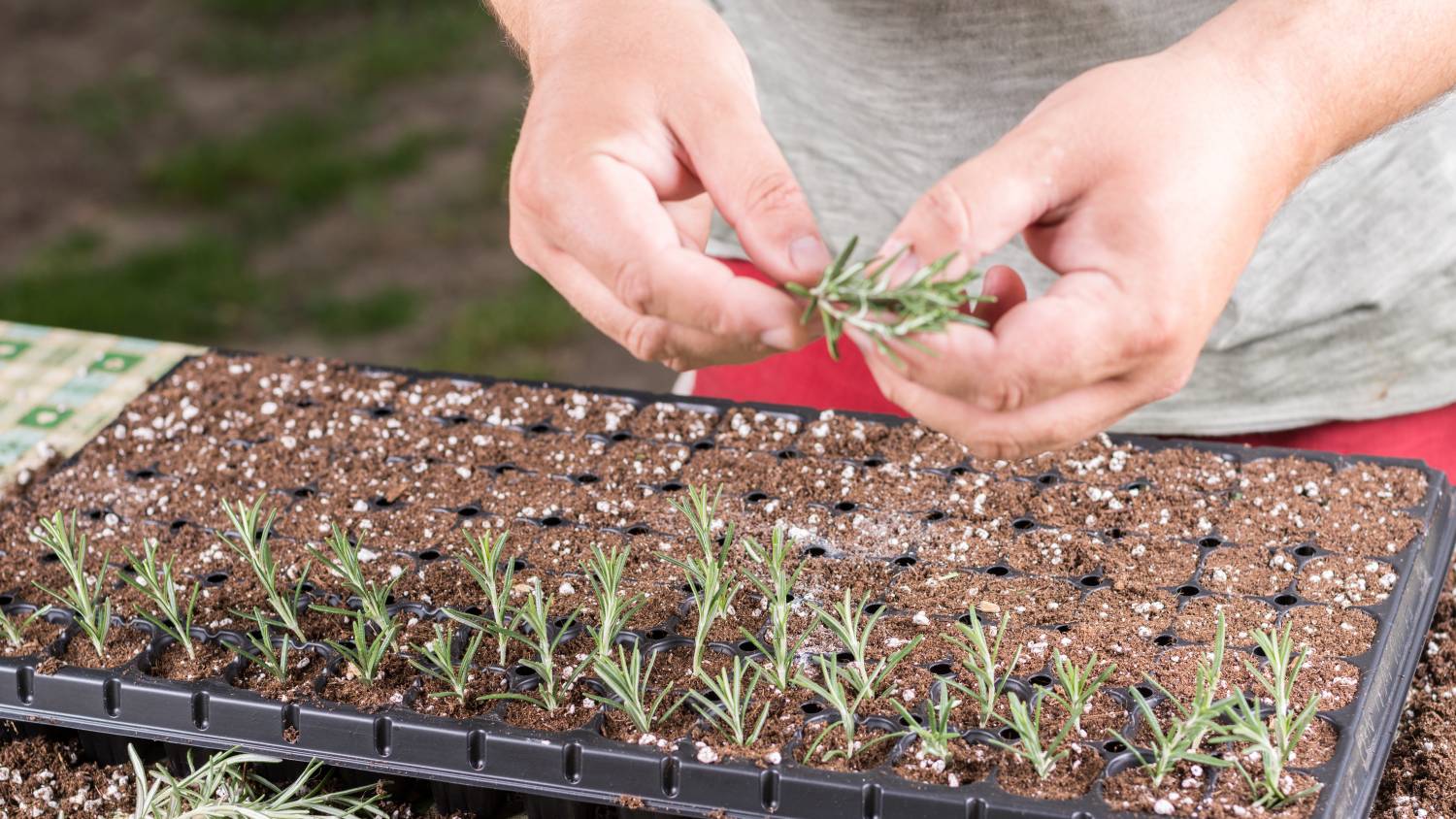
Starting from seeds gives you more choices and can be more cost-effective, but requires more time and care. Sow seeds indoors 6-8 weeks before the last expected frost.
Seedlings, on the other hand, provide a quicker start and are less prone to early-stage problems. They’re a good option if you’re short on time or new to gardening. Whichever you choose, ensure they receive plenty of light to prevent leggy growth.
Transplanting and spacing
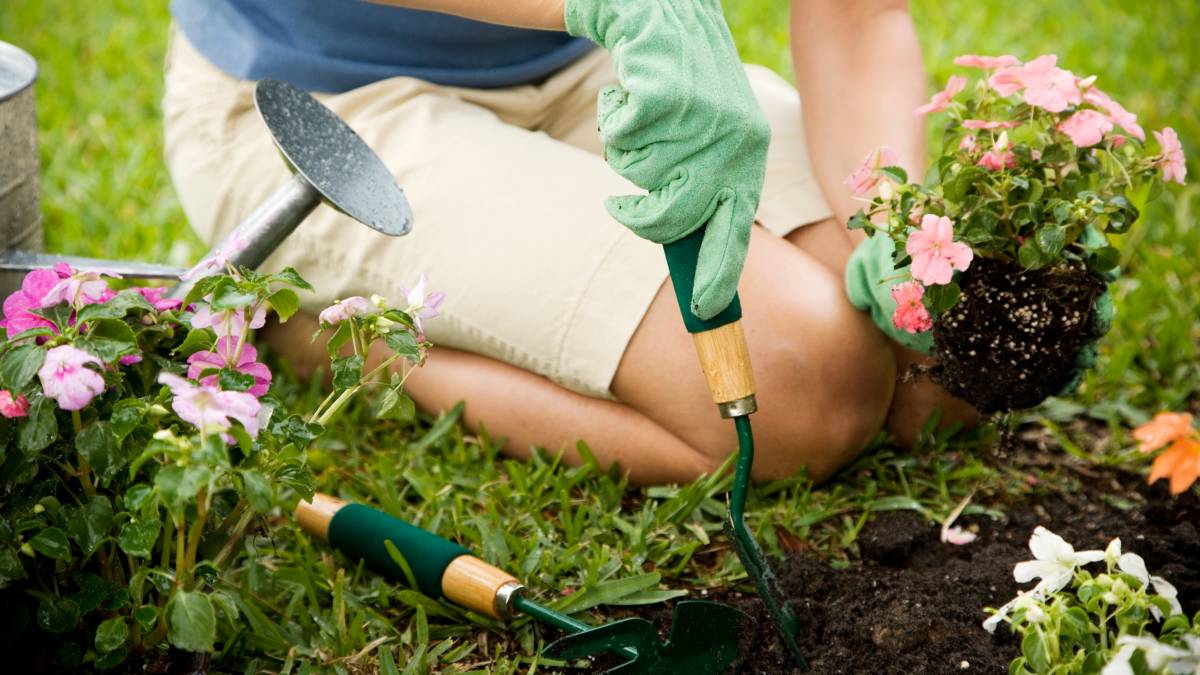
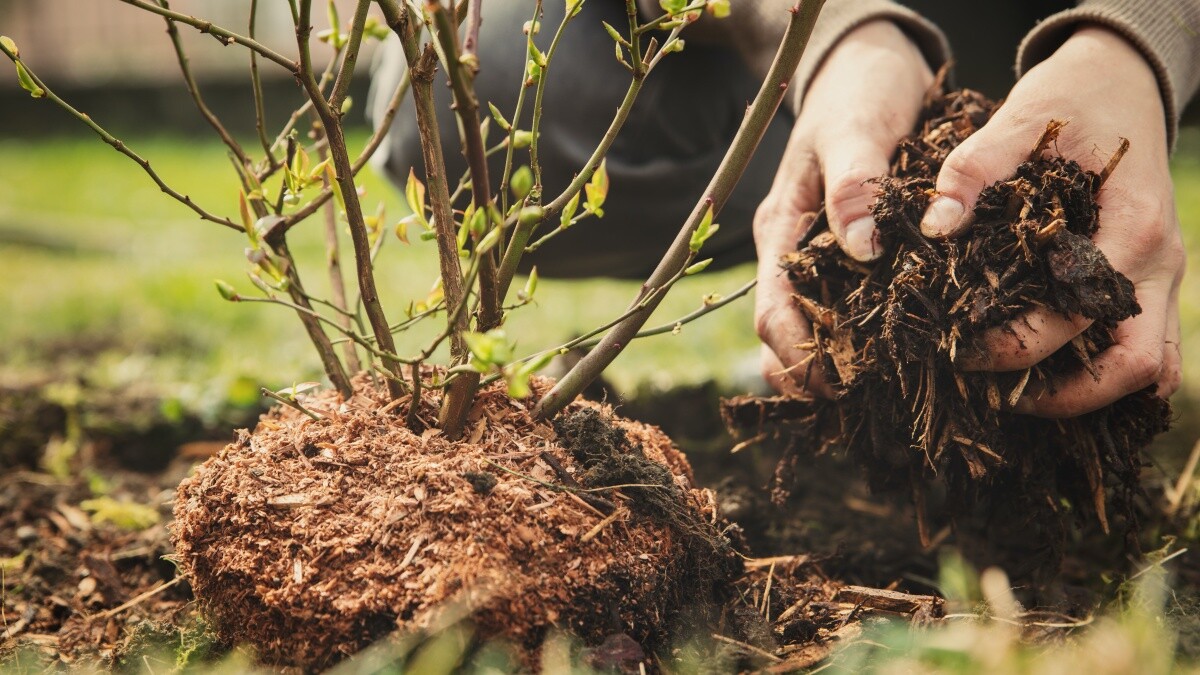
When transplanting seedlings, plant them deeper than they were in their original container—up to their first set of leaves. This encourages a stronger root system. Space determinate varieties about 60cm apart, and indeterminate varieties about 90cm apart.
If you’re planning on planting in rows, leave 1-1.5m between rows. Water thoroughly after transplanting and provide support structures like stakes or cages early on to avoid disturbing established roots later.
Tomato growing tips
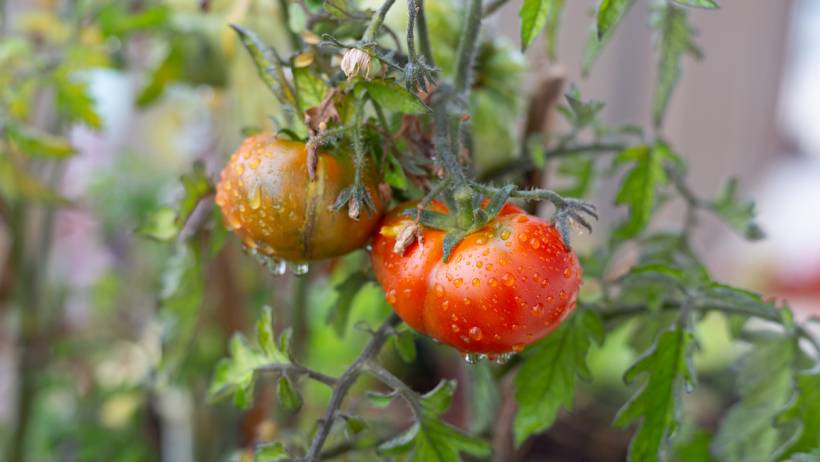 Keep a close eye on ripening tomatoes to pick them at the peak of flavor. (Source: iStock)
Nurturing your tomato plants with proper care will ensure a bountiful harvest. Remember these tips to give your tomatoes proper care.
Watering: Water deeply and consistently, aiming for about 1-2 inches of water per week. Irregular watering can lead to blossom end rot or fruit splitting.
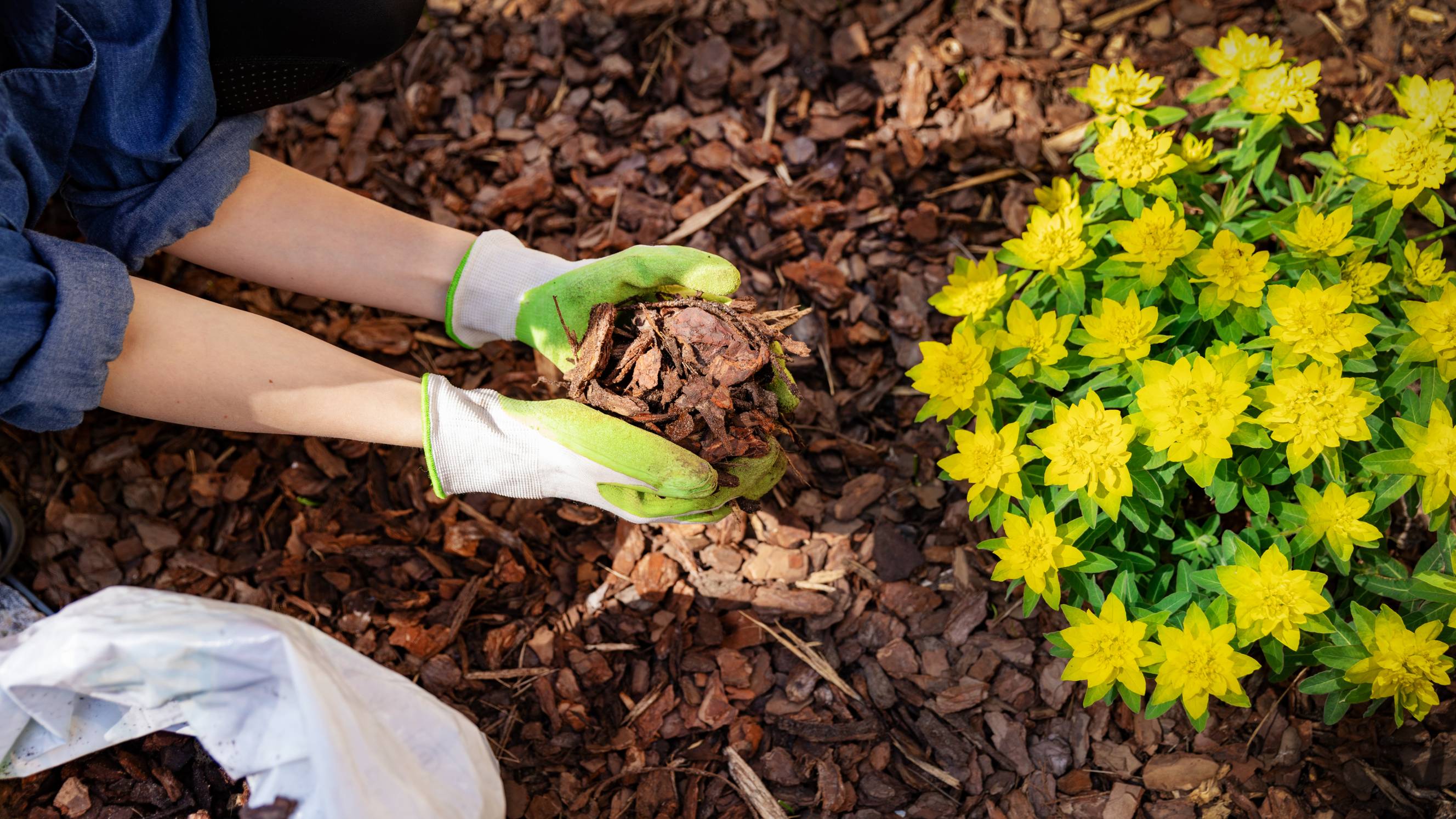
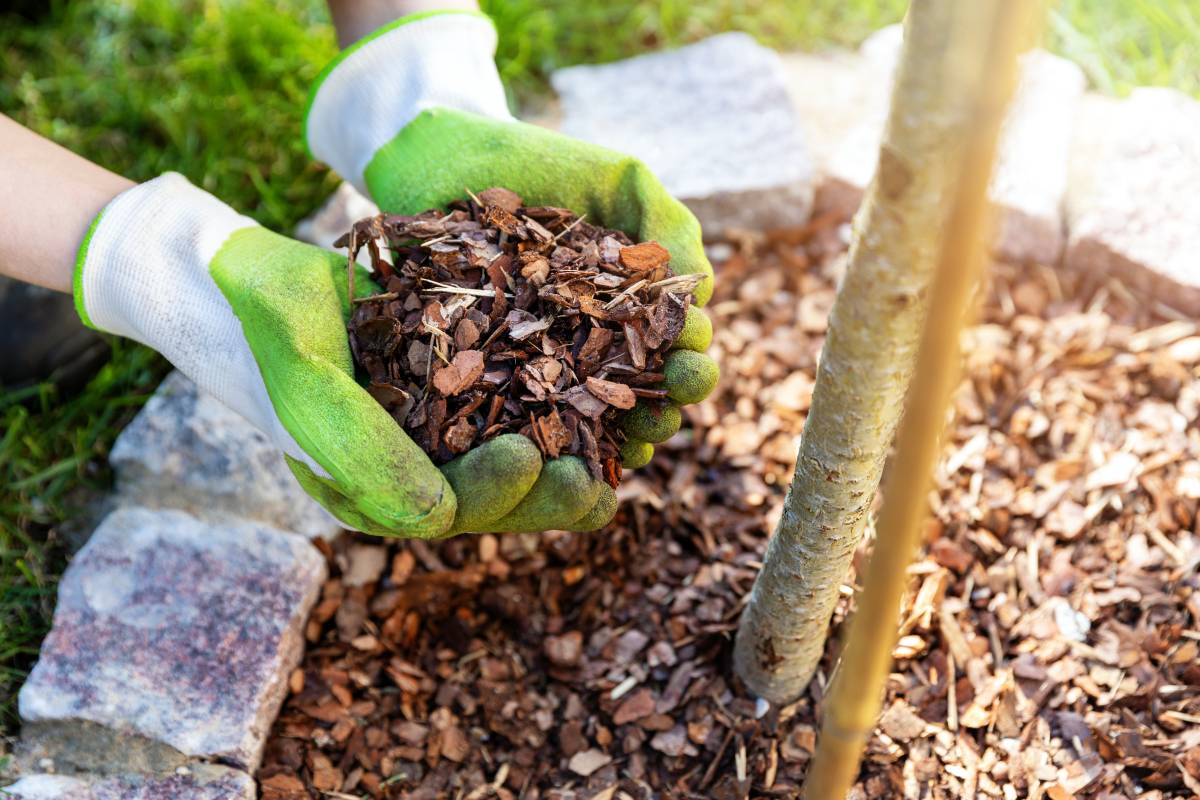
Mulching: Apply a 5–7 cm layer of organic mulch around your plants. This helps retain soil moisture, suppress weeds, and regulate soil temperature.
Fertilising: Start with a balanced fertiliser at planting time. Follow up with a phosphorus-rich fertiliser when flowers appear, then switch to a potassium-rich one as fruits develop.
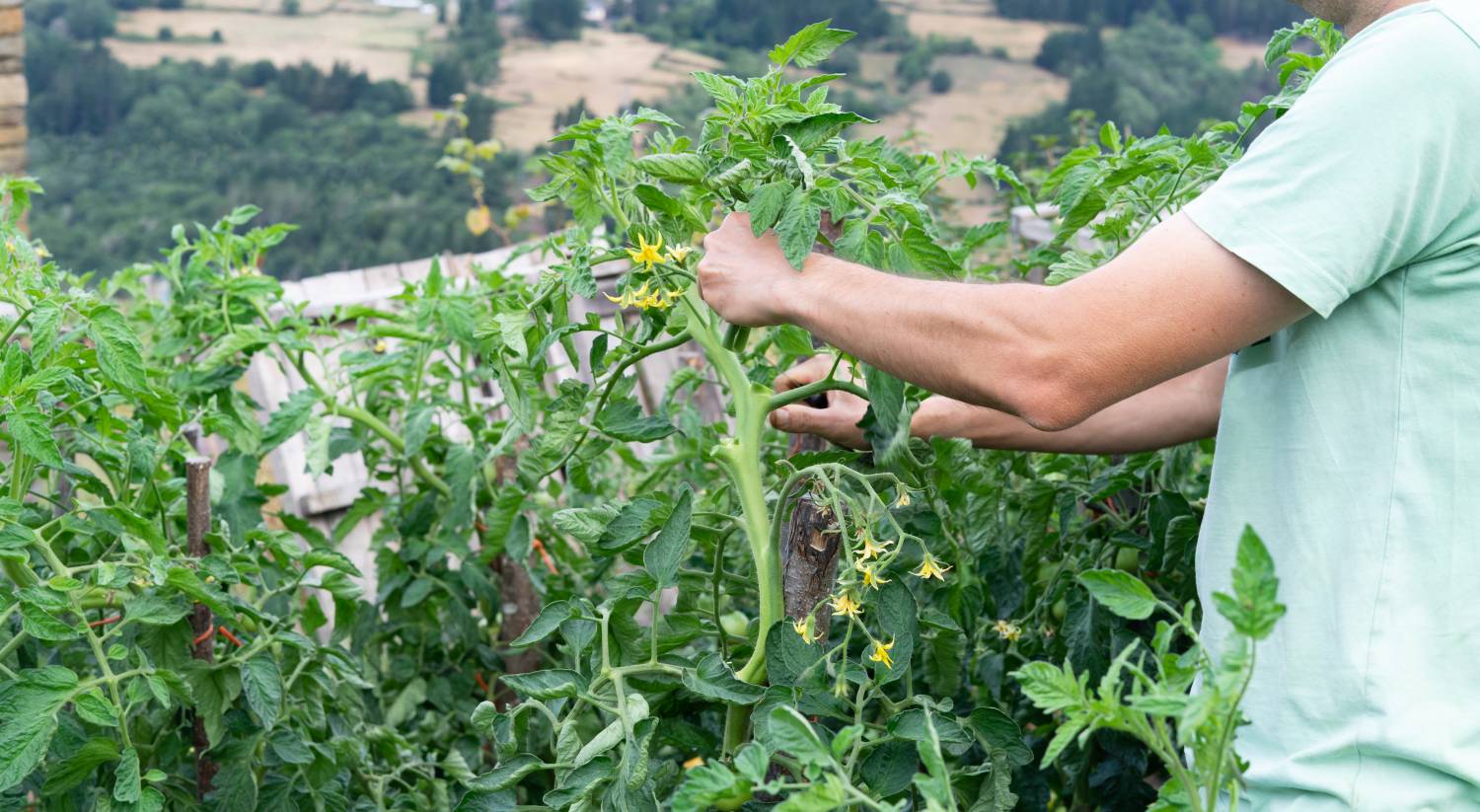
Pruning: For indeterminate varieties, remove suckers (shoots growing between the main stem and branches) for better air circulation and fruit production.
Supporting: Install stakes, cages, or trellises early to support the plants as they grow. This prevents damage to the root system and keeps the fruits off the ground.
Pest control: Regularly inspect your plants for signs of pests or diseases. Use organic methods like neem oil or pyrethrum spray for common issues, and consider crop rotation to prevent soil-borne diseases.
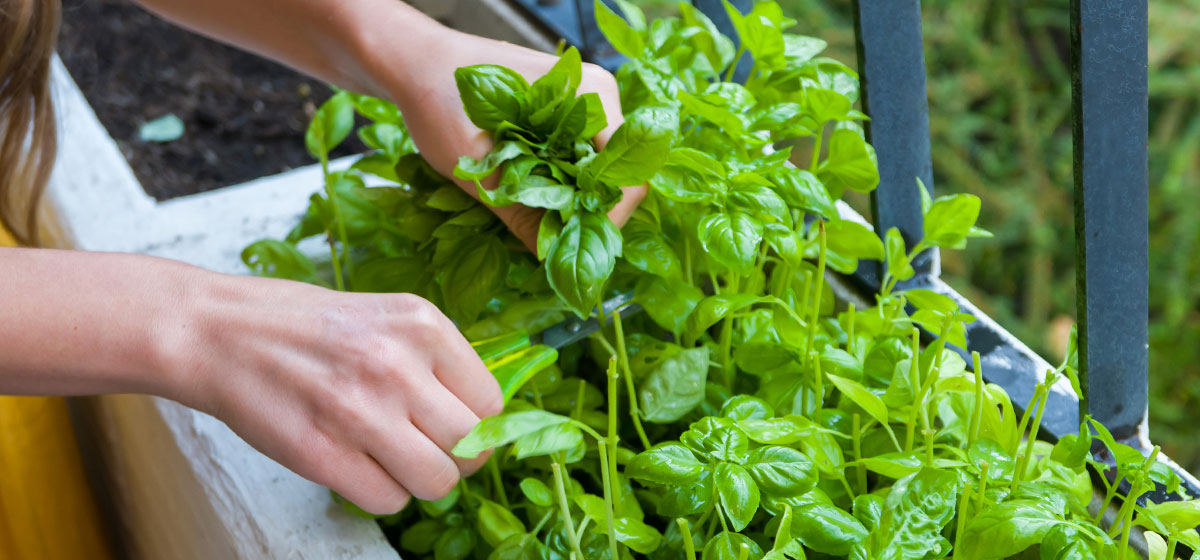
Companion planting: Grow basil, marigolds, or nasturtiums near your tomatoes to drive away pests and attract beneficial insects.
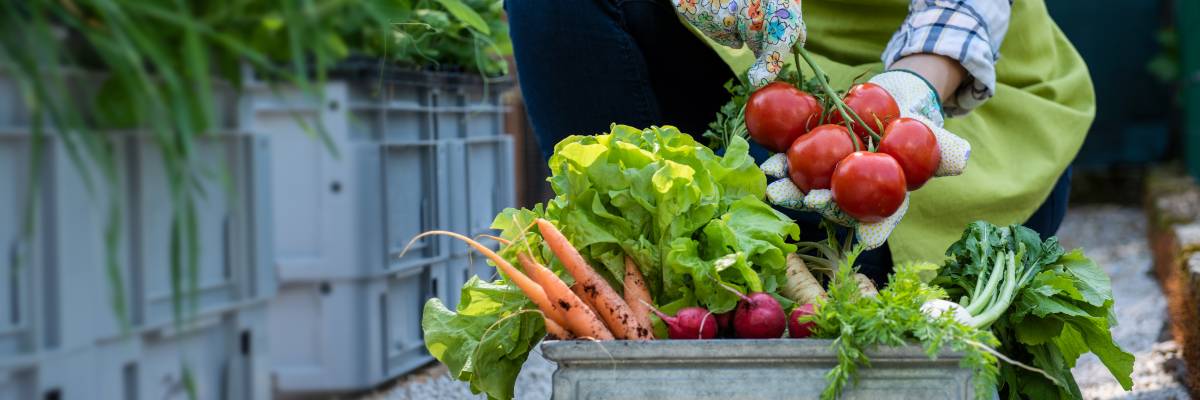
Harvesting: Pick tomatoes when they’re fully coloured but still firm. Leaving them on the vine too long can attract pests and reduce overall yield.
Fruit fly management: In areas prone to fruit fly, use exclusion bags on developing fruit or set up pheromone traps to protect your crop.
End-of-season care: As the season ends, remove any green tomatoes and ripen them indoors. Prepare your garden for winter and clear away plant debris to prevent pests and diseases.
Prepare for a tomato harvest
Growing tomatoes is one of the most rewarding things you can do in your garden, but it does take a bit of planning. If you'd like a hand getting started, whether that's preparing your beds, or choosing the right varieties for your climate, a local gardening Tasker can help you out. Simply post a task, wait for offers to come in, and find the right Tasker for your needs.
Learn more about our contributors
Written by Chin S.
Staff Writer
Chin is a passionate hobbyist writer with a love for gardening, home improvement and beauty. She enjoys nurturing her small indoor plant collection, redecorating her space and exploring all things beauty. Through her writing, she shares her journey and tips for fellow enthusiasts.
FAQs about growing tomatoes
Companion planting can benefit tomatoes. Consider growing some plants that also thrive in warm weather, like basil, marigolds, carrots, onion or garlic. However, avoid planting tomatoes near potatoes and brassicas to avoid them from competing for nutrients and possible infection.
Generally, determinate varieties take about 60–80 days to produce fruit, while indeterminate varieties can take 70–100 days. Some cherry tomato varieties may produce fruit even faster. Factors like temperature, sunlight, water, and soil quality can all affect the growth rate.
Basil, marigolds, carrots, onion, and garlic all make good companions for tomatoes. Avoid planting near potatoes or brassicas, which compete for nutrients and can spread disease.
In tropical and subtropical areas like northern Queensland, yes, growing tomatoes year-round is possible with proper management. In temperate and cooler regions, growing is seasonal, typically spring through autumn.
Find gardeners, fast
Find a gardener