- Home/
- Guides/
- Garden Designers/
- How to Create a Rainforest Garden
How to create a rainforest garden for your Aussie home
Enjoy a tropical and lush garden right where you are.
Published on

Written by Chin S.
Staff Writer
Read more about our contributor
You don't need to live in a vibrant, tropical region to enjoy a lush garden. Whether you've got a sprawling suburban block or a compact courtyard, there are plenty of rainforest garden ideas that suit the Australian climate. The key is layering plants, locking in moisture, and choosing the right species.
What does a rainforest garden look like?
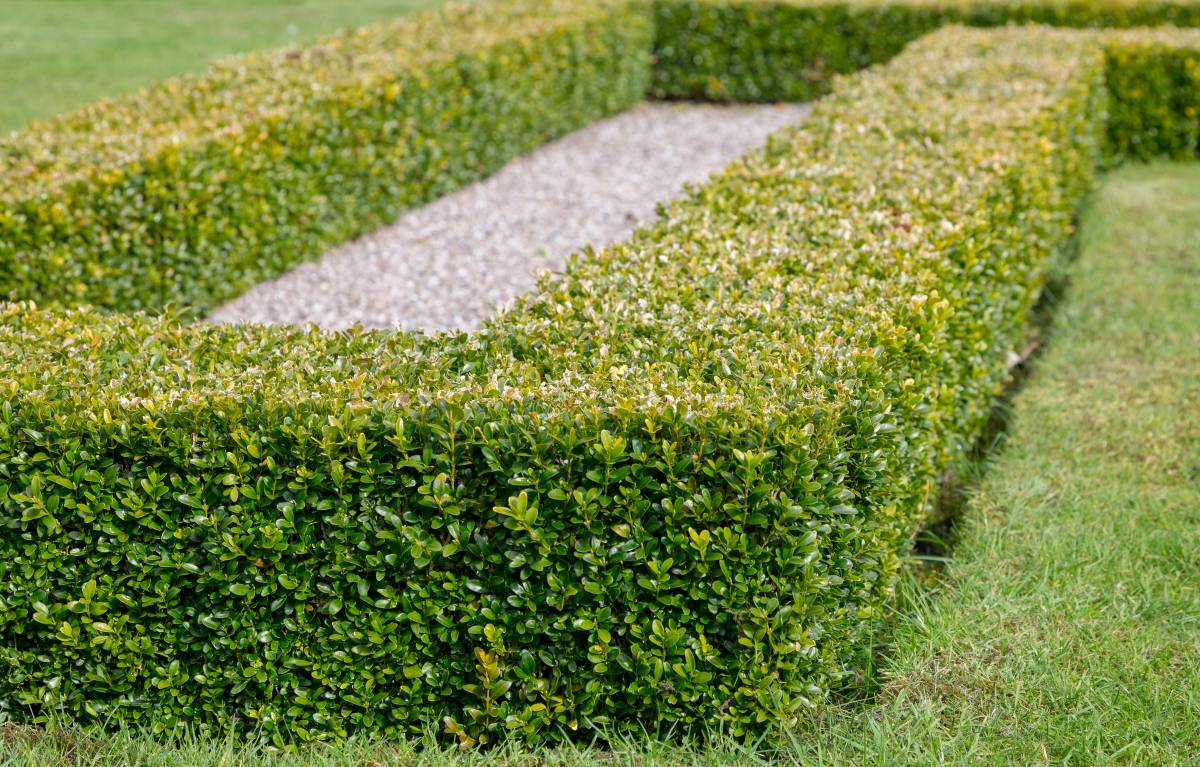
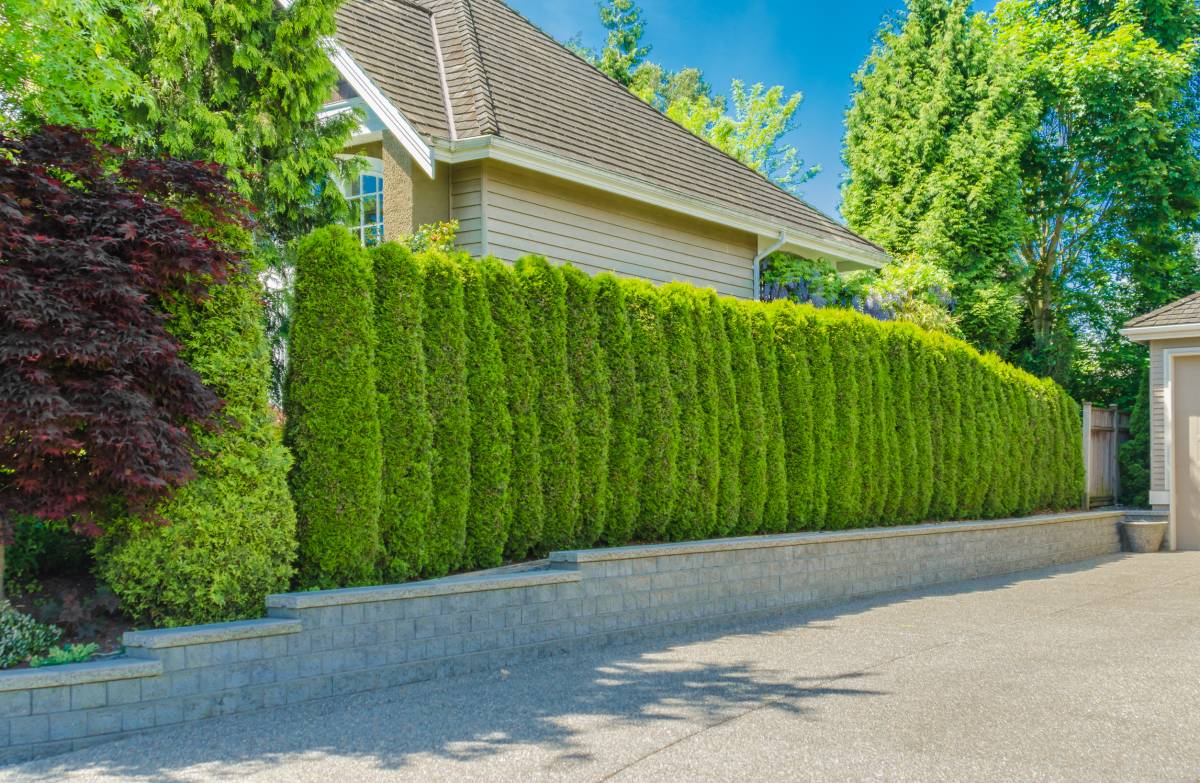
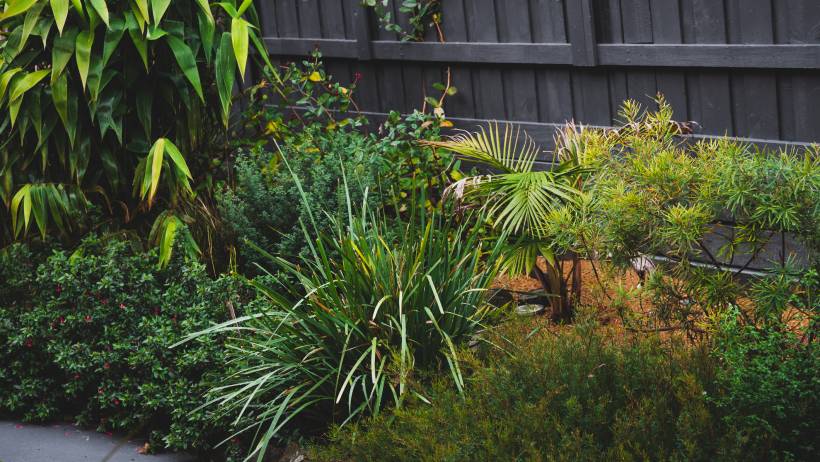 Choose hardy evergreen species to maintain a green appearance. (Source: iStock)
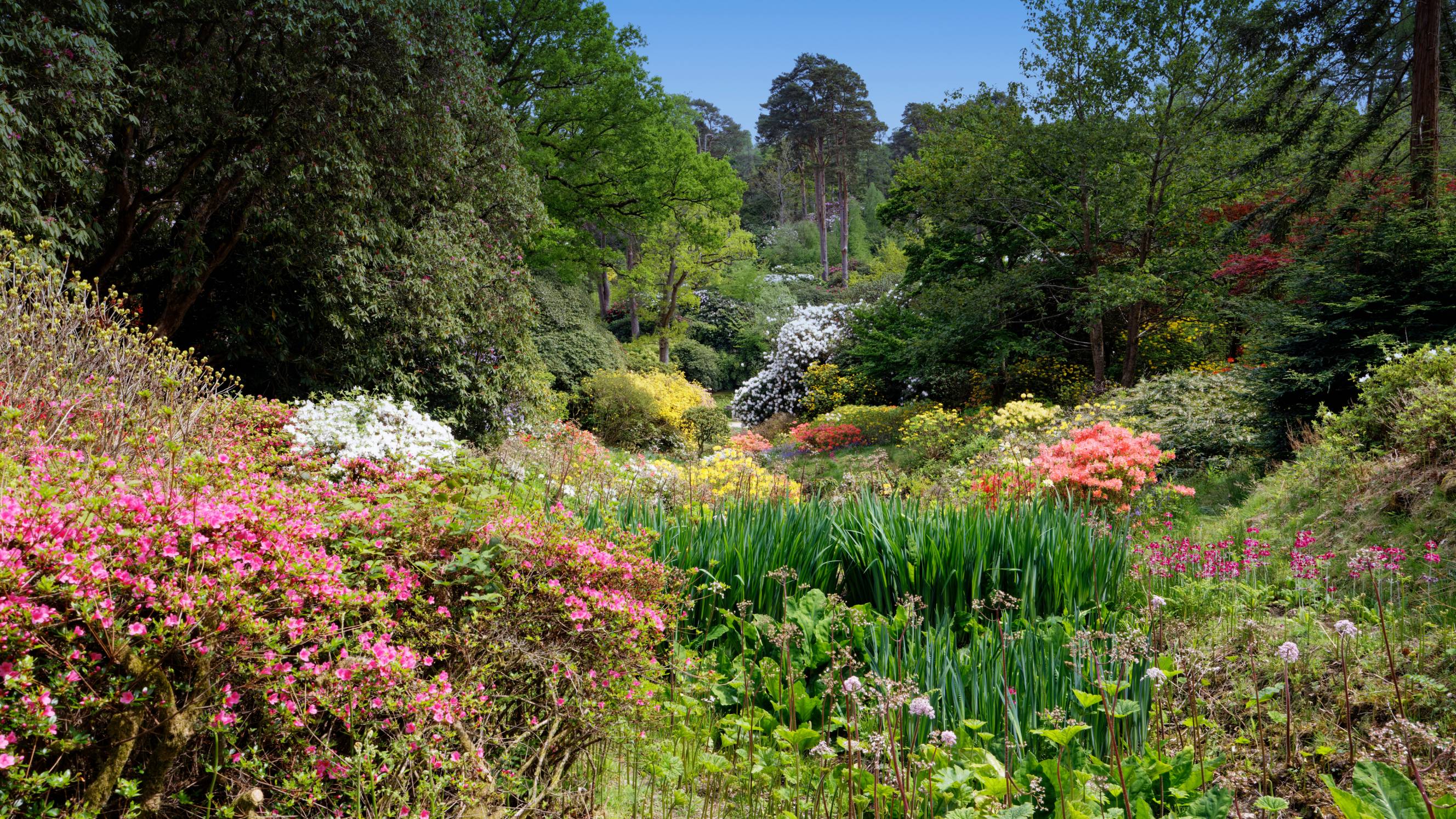
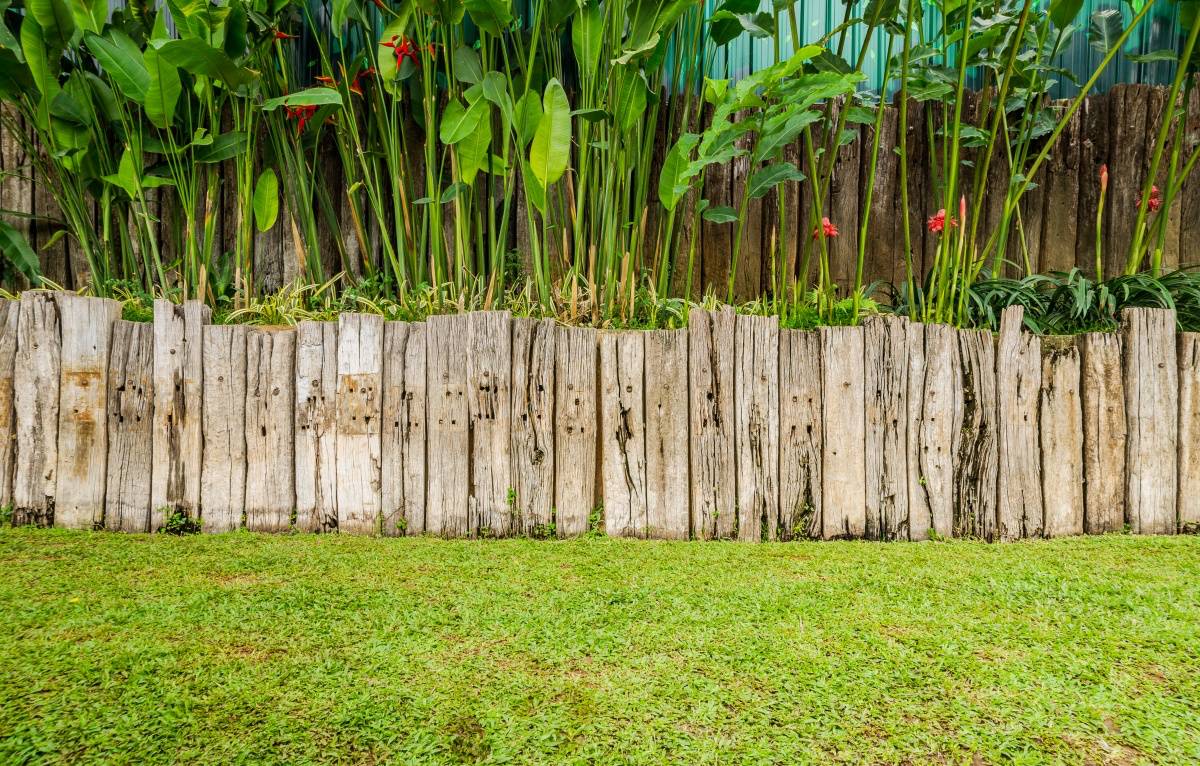
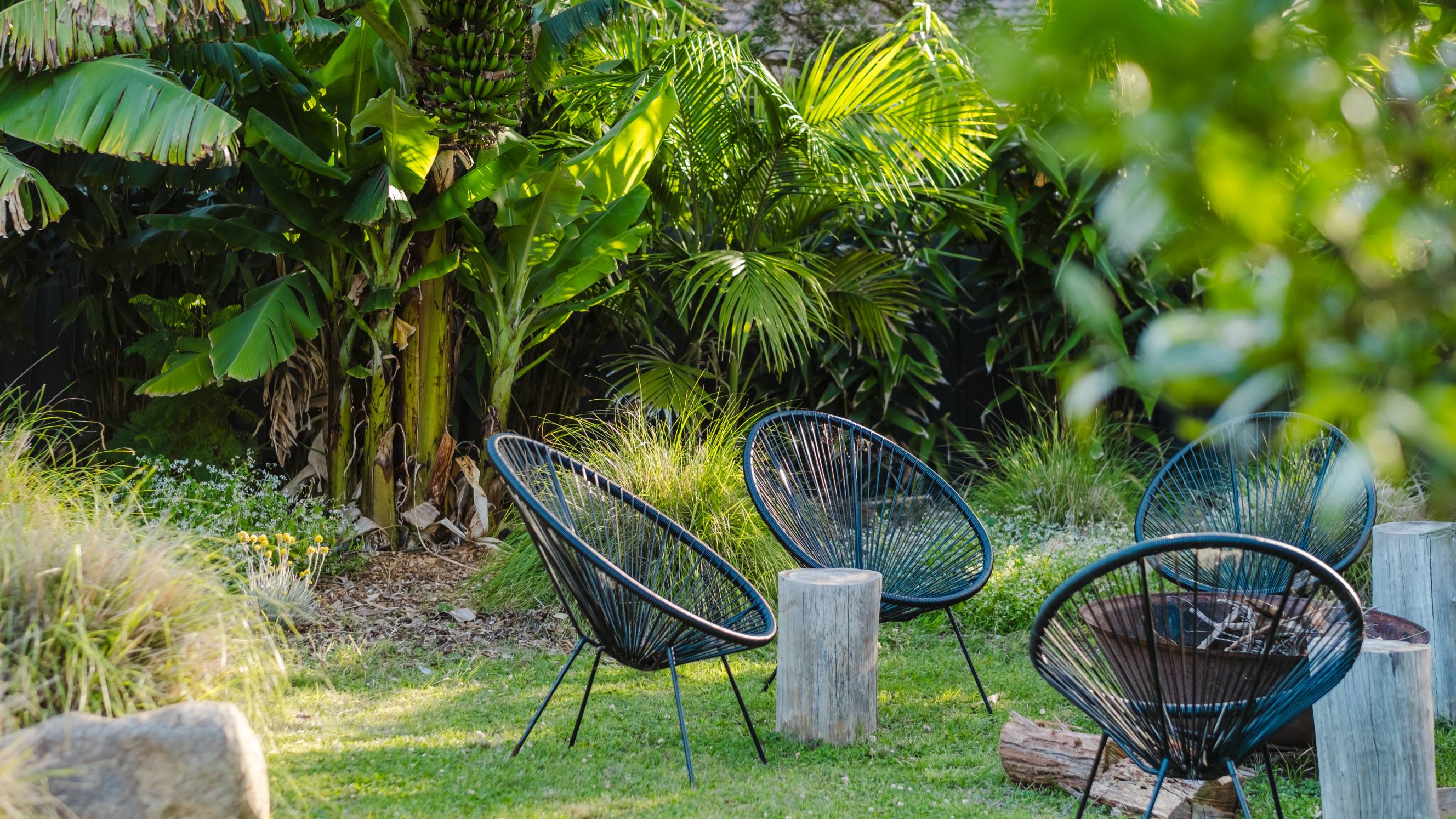
A rainforest garden is built around layers, with a tall canopy overhead, lush mid-storey shrubs beneath it, and dense groundcover at your feet. It's that layered structure that gives the style its signature feeling of enclosure and cool, dappled shade.
Colour plays a role too. Vivid flowering plants, like hibiscus or native lemon myrtle, pop against the deep greens. If you’re able to build a garden that attracts birds and butterflies naturally, you’ll know you’ve done a successful job at making your garden feel alive as well as beautiful.
7 rainforest garden tips to create your dream garden
Here are tips to help you come up with rainforest garden ideas for your own home.
1. Layer your planting like a real rainforest does
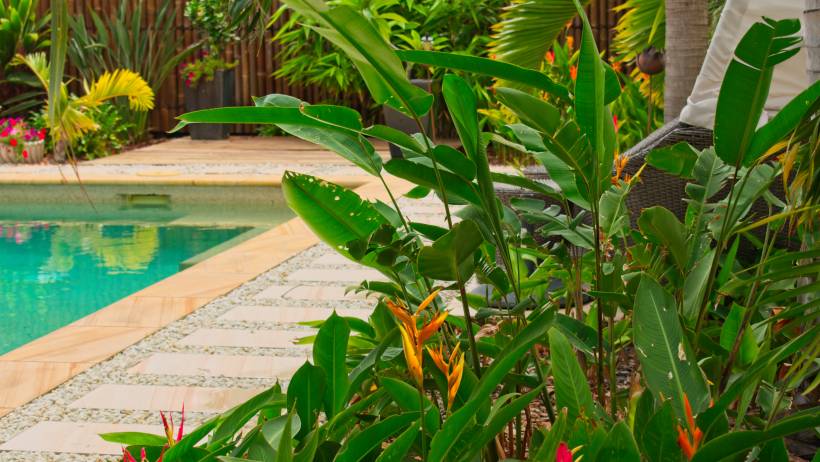 Tropical landscaping around a swimming pool with a garden can create a resort-like atmosphere. (Source: iStock)
The magic of a rainforest garden lies in its layering. Start with tall structural plants like golden cane palms to form a canopy, then include mid-height plants like heliconias, gingers, and ferns for colour and texture. Groundcovers like native violet or palm lilies will fill in below.
2. Build a canopy for shade and privacy
A rainforest starts with the trees, such as Bangalow palms and cabbage tree palms. Using a shaded canopy creates a microclimate that helps establish more delicate understorey plants. This is also one of the most effective ways to cool your outdoor space in summer.
Plant them first, spacing them around two to three metres apart so they eventually form a dense overhead cover. Your canopy will take years to get established, so it’s important to take great care of the foundation and be patient in maintaining it. Once you see planted firmly on the ground, you can start filling in the spaces below.
3. Establish a lush ground with understorey plants
Understorey plants grow well in low light and thrive once your canopy starts providing shade. Think shade-loving shrubs, native gingers, lilly pillies, philodendrons, monsteras, and heliconias for a bold tropical garden look.
There's no need to be too orderly when planting your understorey plants. After all, a loose, layered planting style is what gives a rainforest garden its natural feel.
4. Add a water feature for a tropical feel
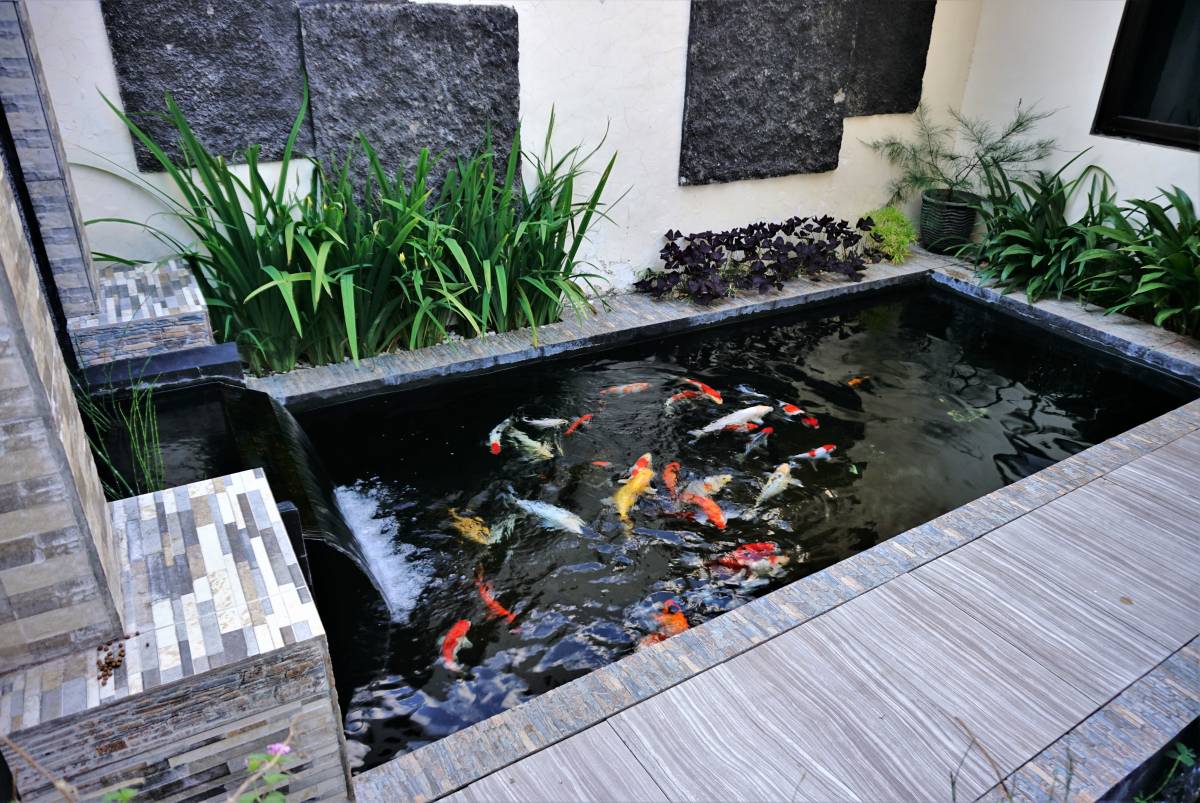
Create a water feature such as a pond or a stream to help generate the humid atmosphere rainforest plants need, or set up a sprinkler system with a mist spray nozzle set high in the canopy to simulate rainfall.
5. Lay natural pathways through the space
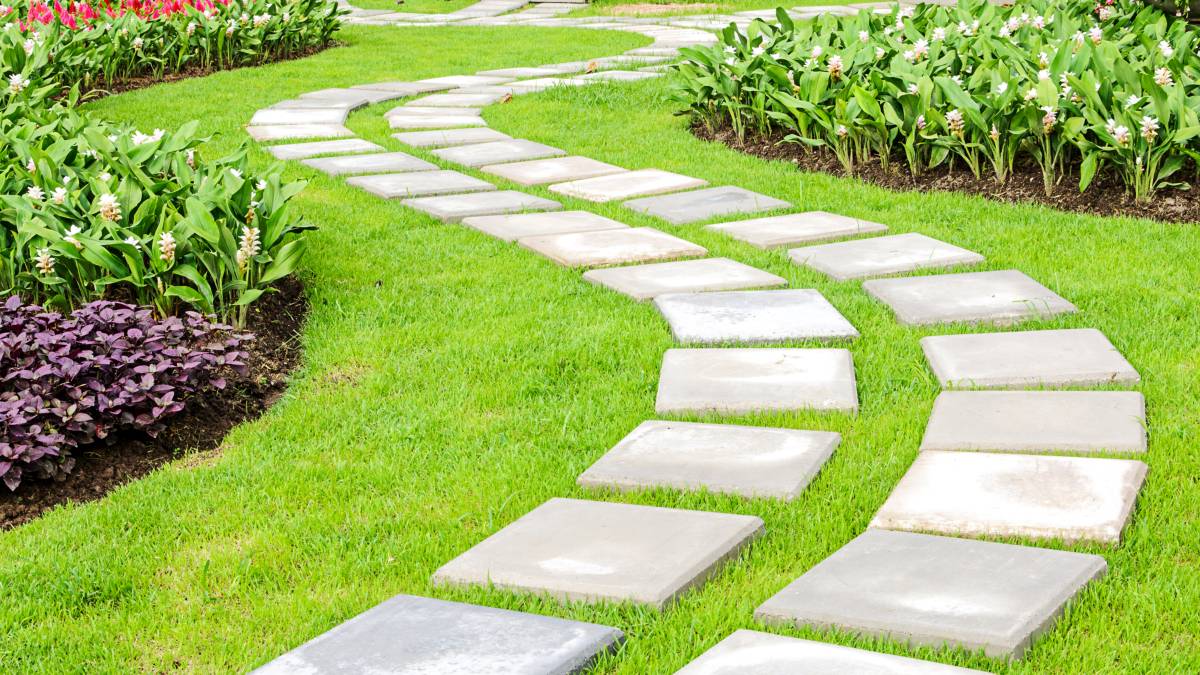
Make a pathway, ideally with natural materials such as bark chips or pebbles, lined with logs or rocks. Try winding paths and curving beds to encourage a slow meander throughout the space.
6. Use native Australian shade plants
One of Australia's most iconic shade plants, the soft tree fern has enormous, arching fronds reaching up to three metres in length, creating huge impact in a garden setting. Bird's nest ferns are also great native plants for under trees or by fences, since they're understorey plants that can survive even in heavy shade.
7. Finish with ferns, mosses and groundcovers
Once your upper layers are in, carpet the floor with shade garden plants like different variety of ferns--they’re one of the most reliable groundcovers for heavily shaded spots. You can also look into climbing plants such as the giant pepper vine or resin vine, as these will scramble up trunks, adding vertical texture to your palms.
Mosses will often establish naturally as humidity builds, giving pathways and rocks that deep-green rainforest glow.
Find a gardener or landscaper to help build your rainforest garden
Sometimes, the best move is handing the spade to an expert. A local gardener or landscaper can help you choose the right shade garden plants for your climate, prepare the soil, plant your canopy trees at the correct spacing, and set up mulching and irrigation to keep everything thriving.
Knowing how to create a rainforest garden is one thing; having a specialist bring it to life is another. Hire an experienced garden designer on Airtasker and get your tropical backyard started today.
Learn more about our contributors
Written by Chin S.
Staff Writer
Chin is a passionate hobbyist writer with a love for gardening, home improvement and beauty. She enjoys nurturing her small indoor plant collection, redecorating her space and exploring all things beauty. Through her writing, she shares her journey and tips for fellow enthusiasts.
FAQs on rainforest gardens
Layer it like a real rainforest: canopy trees or tall palms for shade, mid-level plants like ferns, gingers, and elephant ears, then epiphytes such as orchids and bromeliads tied to branches, and groundcovers to fill the base.
No, even a small courtyard or shaded corner can work. Dense, layered planting and container gardening let you recreate the look in a compact area.
A water feature (pond, stream, or fountain) or a misting sprinkler set into the canopy helps recreate the humid conditions these plants need, especially in drier climates.
Find garden designers, fast
Find a garden designer