- Home/
- Costs/
- Sauna Installation/
- Sauna Installation Cost
Home sauna installation costs: What to expect [2026 prices]
Post to find a price. It's free and only takes a minute.
Average home sauna installation cost
$2,264 - $13,400
low
$2,264
median
$7,832
high
$13,400

Published on

Written by Genine T.
Staff Writer


Reviewed by Tom W.
Sauna Expert at The Best Backyard
Read more about our contributors
Key Facts
Installing a home sauna in Australia typically costs $2,264 to $13,000 or more, depending on the type, size, and installation work required.
Indoor saunas are usually cheaper to install because they can use existing flooring, walls, and electrical connections.
Outdoor saunas often need extra groundwork, including a concrete slab, drainage, and underground electrical cabling.
Could a backyard sauna be the one home upgrade you’re actually missing? Homeowners across Australia are trading day spa memberships for something more permanent, and the research keeps piling up in their favour. Regular saunas have been linked to lower blood pressure, eased joint pain, and lower stress hormone levels. So it’s no surprise more people are wondering, how much does it cost to install a sauna?
Home sauna installation costs depend on a handful of factors, including the size and style you pick, and the prep work your space needs. Below, we’ll cover what moves the price, what to watch out for, and how to realistically budget for it.
How much does it cost to install a sauna at home?
More homes than ever are adding a sauna as part of the wellness boom. If you’re thinking of joining them, the cost to install a sauna at home generally ranges from $2,264 to $13,000 or more. The good news is that the figure largely comes down to choices you control: the type and size you choose.
Average sauna installation cost by type
The cost of installing a sauna depends mainly on the type you choose, as it dictates the site preparation required, the structural modifications needed, and the number of licensed tradespeople involved. For instance, traditional steam saunas tend to cost the most due to the waterproofing and ventilation they require.
On the other hand, infrared and barrel saunas are generally more practical and affordable to install. They need minimal structural prep, and in most cases, a licensed electrician is the only tradesperson required.
Sauna type |
Average installation cost |
Notes |
|---|---|---|
Traditional/steam sauna |
$3,400–$9,900 |
Ventilation, drainage, waterproofing, dedicated electrical line |
Infrared sauna |
$2,264–$4,764 |
Standard power outlet, minimal installation |
Outdoor/barrel sauna |
$4,400–$13,400 |
Concrete base, outdoor electrical setup |
Custom-built sauna |
$11,400–$31,400 |
Custom construction, structural preparation |
Average sauna installation cost by size
Aside from the sauna type, the cost of installing a sauna at home also rises with size. A 1–2-person sauna needs far less timber, insulation, and heating power than a larger 5–6-person setup. Bigger saunas also need stronger heaters, more electrical capacity, and added structural support, whether they’re installed indoors or outdoors.
Sauna size |
Capacity |
Typical dimensions (ft) |
Average installation cost |
|---|---|---|---|
Small |
1–2 persons |
4x5 |
$2,300–$5,000 |
Medium |
3–4 persons |
5x7 |
$4,500–$8,000 |
Large |
5–6 persons |
6x8 |
$7,000–$11,000 |
For groups of seven or more, it’s best to get a custom quote. Large luxe saunas often need commercial-grade heaters, upgraded wiring, reinforced flooring, and more complex ventilation systems, which can further increase the sauna installation cost.
How much does an outdoor sauna cost?
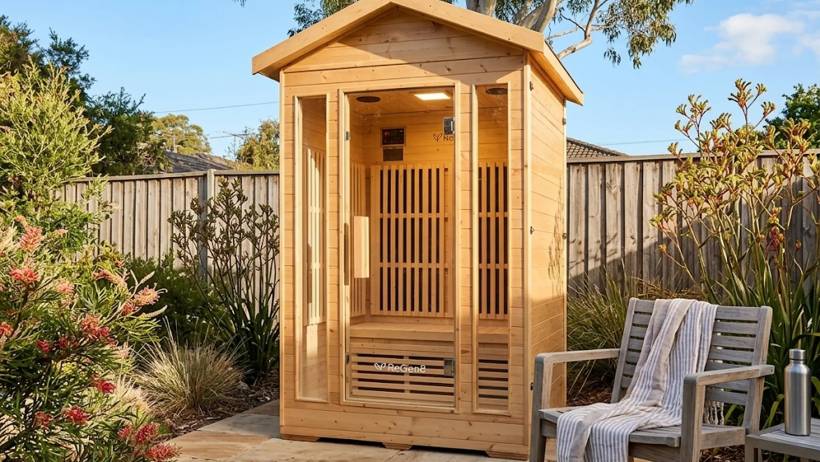 Outdoor infrared sauna in a backyard garden. (Source: The Best Backyard)
For many Australians, outdoor saunas are simply the easier option because they don’t require giving up indoor space or renovating part of the house. Prefab kits have made them more accessible too. For instance, The Best Backyard offers cabin- and shed-style outdoor infrared saunas for two to four people, ranging from around $3,500 to $5,300, and they can drop to roughly $3,000 when on sale.
Aside from the kit itself, you also need to factor in site preparation when calculating the overall outdoor sauna installation cost. At minimum, you’re looking at a concreter or carpenter for the foundation, a plumber for drainage, and an electrician for safe outdoor power, which can add over $1,400 to your budget.
Average outdoor sauna cost by style
To give you a clearer idea of what an outdoor sauna setup typically costs, the table below compares the average cost to install a sauna by style.
Outdoor sauna style |
Average cost (supply + installation) |
Notes |
|---|---|---|
Barrel sauna |
$4,400–$13,400 |
Level concrete slab or deck, outdoor electrical setup |
Pod sauna |
$9,400–$17,000 |
Level concrete slab or deck, outdoor electrical setup |
Cabin/shed-style sauna |
$6,400–$26,400 |
Solid foundation, weatherproofing, drainage, council permits |
Custom-built outdoor sauna |
$11,400–$31,400 |
Full structural prep, drainage, outdoor power; needs council approval |
In Australia, outdoor saunas come in three main styles, including barrel saunas, pod saunas, and cabin-style saunas. Each of them comes with different costs and installation requirements:
Barrel saunas are the easiest entry point; they arrive ready-made and require very little site prep.
Pod saunas step things up with a sleek, modern look, though that polish usually comes with a higher price and a trickier install.
Shed and cabin-style saunas are the pick for something more permanent, calling for sturdier foundations and more electrical work.
Custom-built saunas give you full control over the finish, think premium Western Red Cedar timber, floor-to-ceiling glass, or a wood-fired heater.
What factors affect sauna installation costs?
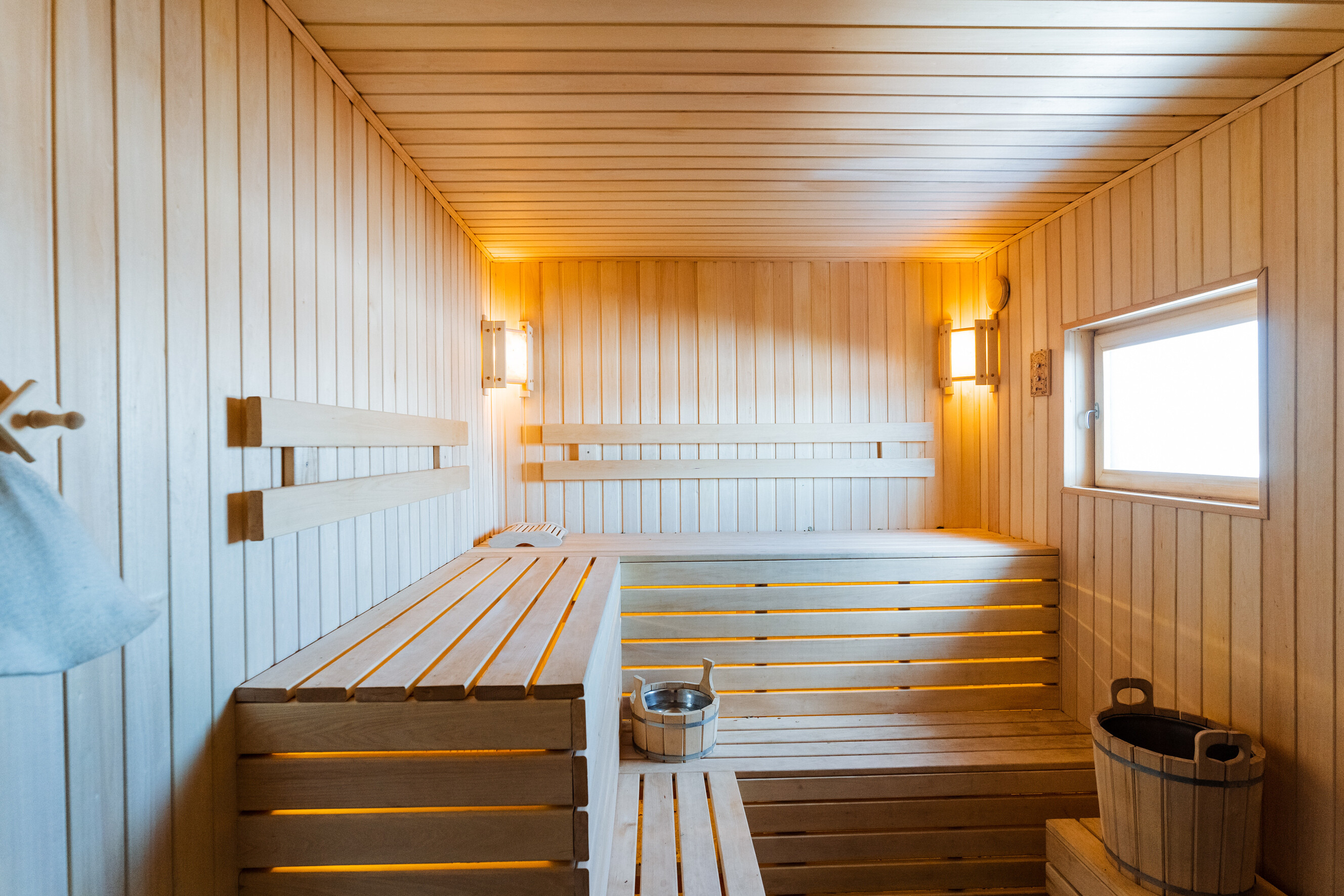
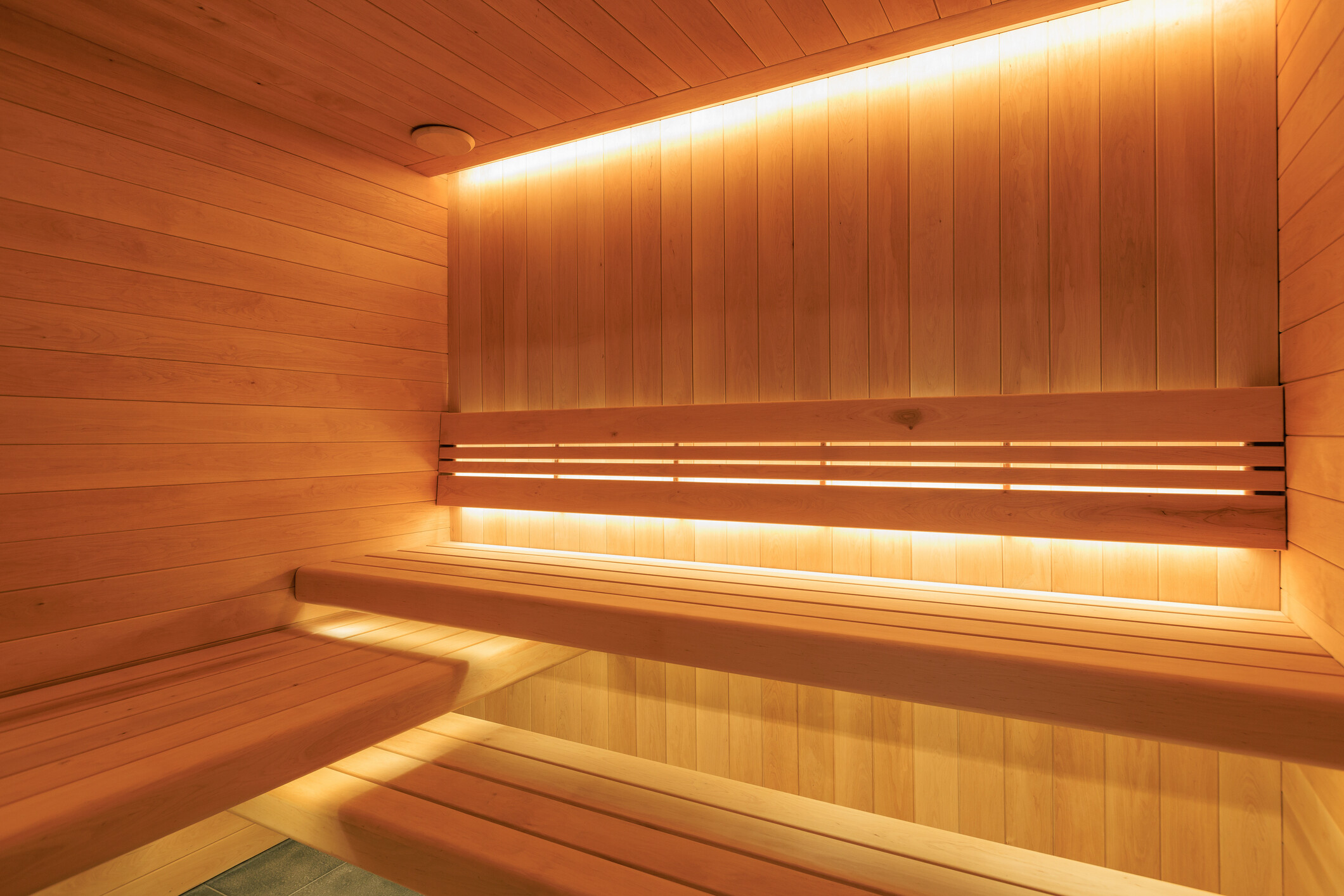 An indoor sauna with concealed LED accent lighting. (Source: iStock)
As you can see, the cost to install a home sauna isn’t a single figure, since a few key variables decide where you land in the range. Some you control, like the type and size you go with. Others come down to your property and see what your spot actually needs.
Sauna type and materials
Choosing between prefab and custom-built dictates your total renovation budget. Prefab saunas arrive ready to assemble, so you’re mostly paying for the unit plus a quick install, with most of the spend going to a licensed electrician for the hook-up. The catch is you work within the kit you’re given, so it’s crucial to get the size, height, and placement accurately.
Want full control over footprint, layout, and finish? A custom-built sauna is the way to go, though it sits on the pricier side since you’re paying for design and skilled labour from scratch. Going custom also means a few decisions, including:
Timber type: Go affordable with pine for a light, clean look, or pricier with cedar for a richer colour and warmer feel.
Timber quality: Pay more for kiln-dried boards that resist warping and cracking, or save with standard air-dried timber.
Scent: Pick aromatic cedar for a natural, woody smell as the sauna heats up, or a neutral timber that stays scent-free.
Size and capacity
A roomier sauna needs more timber, more insulation, and a wider footprint to prepare, so it costs more before you even switch it on. It also costs more to run since the extra space calls for a higher-output heater and often upgraded wiring to match.
Your sauna size can also stretch your labour hours. For example, a custom build with serious capacity can mean widening the base, assembling more panels, fitting a bigger heater, and finishing more internal surfaces. Every one of those steps adds time to the job.
Don't always buy the biggest sauna. A 1–2 person sauna heats faster, costs less to run, and gets used more consistently than a large one that takes 30+ minutes to reach the right temperature. Buy for how you'll actually use it, not for the occasional group session.
Location and site preparation
Saunas installed in cities like Sydney and Melbourne often cost more, since tradie rates run higher there. Regional jobs can end up pricier too if your property is tricky to access or tradies have to travel a fair way.
You’ll also need to decide whether the sauna will go indoors or outdoors. Indoor saunas are usually cheaper to install because they can use existing flooring, walls, and electrical connections. Outdoor saunas ask for a fair bit more groundwork before installation can even start, including:
A level concrete slab or reinforced deck for the base
Direct-burial rated cabling for power
Drainage to handle water runoff
Weatherproofing against rain and sun
If the yard is sloped or uneven, it’ll need levelling first, which adds labour and prep costs. It’s the same groundwork you’d factor in for a verandah or gazebo installation, so it’s worth sorting properly before anything goes up.
Electrical and plumbing requirements
Sauna installations need their own dedicated electrical circuit installed by a licensed electrician, though smaller modern options like the ReGen8 Duo Outdoor 2 Person Infrared Sauna run on a standard Australian household plug.
Your sauna should also meet the Australian safety standards for sauna heating appliances. Similar to a shed installation, larger outdoor builds may need council approval before work starts.
Beyond the electrical work, you’ll also need a licensed plumber to properly set up the water supply and drainage to prevent water damage. This is especially true for steam saunas, which need a plumbed water supply and drainage to run the steam generator. That extra trade alone is a big reason the steam sauna installation cost is higher than the rest.
Before buying, check what power supply your sauna actually needs as this can vary. Some models plug straight into a standard 10-amp household socket, others need a 15-amp outlet, and larger saunas require a dedicated 20–40 amp circuit. The last two will need a licensed electrician, and possibly a panel upgrade, so factor that into your budget upfront.
Labour costs
Labour is the part of a sauna budget that’s hardest to predict since every job is different. The good news is that some of it is in your hands. For instance, you can start by clearing easy access to the site, sorting the slab or base, and having power run to the spot before the tradie arrives to cut down the hours you pay for. The less your installer has to fix or wait on, the lower the labour bill.
What’s not in your hands is the trades the job calls for, and a build that needs a few of them will always cost more than a simple one. The best way to see your real number is to post your job on Airtasker and compare quotes from local Taskers. That way, you can weigh the price against the reviews and pick the right help for the job.
4 tips for budgeting your home sauna installation
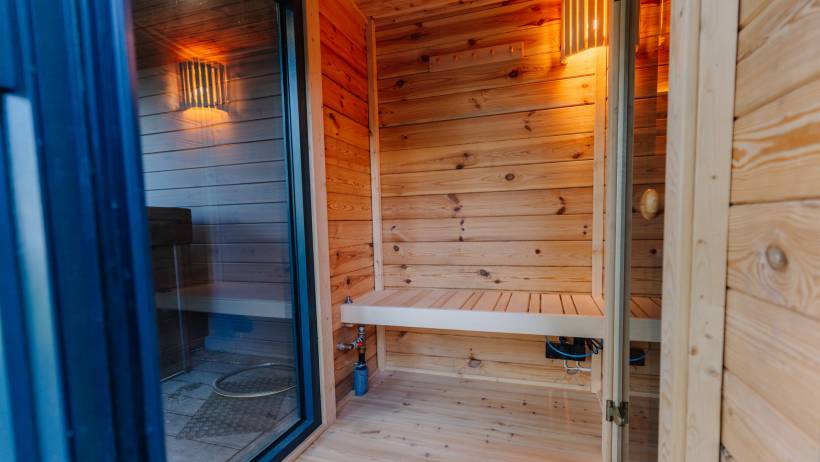 High-quality timber sauna with light pine walls. (Source: iStock)
 By now, you’ve seen what drives the cost of a sauna installation. The good news is that there are still ways to keep the budget under control without cutting back on the sauna itself. A few smart decisions around the setup, materials, and booking can help keep costs closer to the lower end of the range.
Stick to a standard size and shape: Off-the-shelf dimensions are cheaper to build and kit out than a custom footprint that needs one-off panels and extra labour.
Match the size to how you’ll use it: A compact sauna costs far less in materials, heating, and electricity than a large one.
Choose a prefabricated sauna to cut installation costs: Sauna kits arrive ready to assemble and need less labour than custom saunas.
Book your sauna installation off-peak: Sauna suppliers and electricians are busiest before winter, so booking in the warmer months often means better quotes and availability.
Ready for your sauna project?
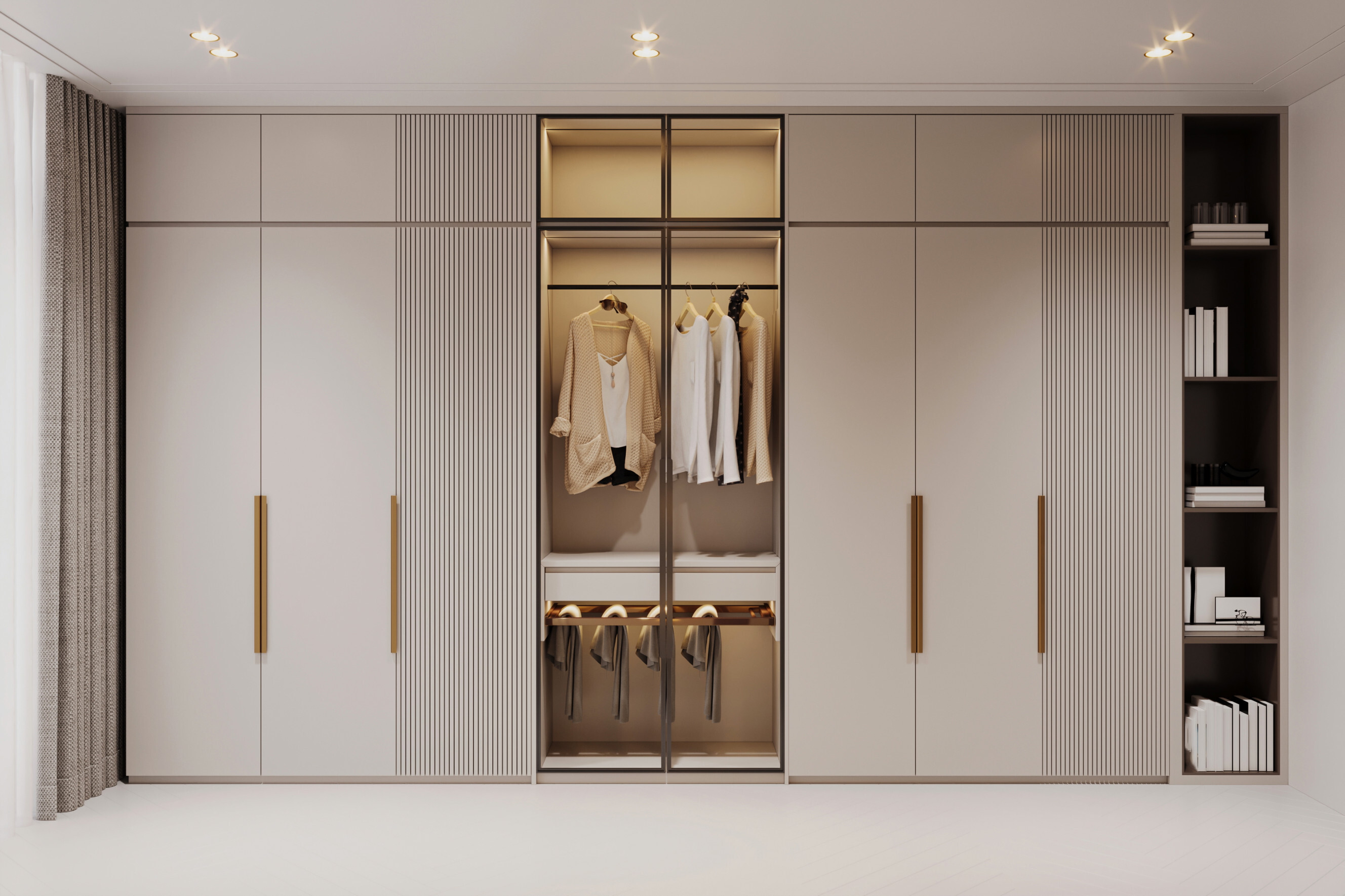
A sauna is a brilliant upgrade, but it’s rarely the only one on the wishlist. If planning yours has you looking around the house with fresh eyes, there’s plenty more you can do. Refresh a tired bathroom with bath resurfacing, free up space with a built-in wardrobe, give your exterior a clean new look with rendering, or go all in on the backyard with a swimming pool.
Whatever’s next, Airtasker can make it happen. Whether you need a sauna installer to get your build moving or a hand with any of the projects above, there’s a local Tasker ready to quote on it. Post your task today!
Learn more about our contributors
Written by Genine T.
Staff Writer
Genine is a writer and educator with over seven years of experience. She has published peer-reviewed research papers, worked in academia, and created educational content for thousands of language learners. She discovered her passion for turning complex ideas into practical advice through writing about DIY topics like home improvement, furniture assembly, and household fixes. When she’s not writing, Genine enjoys curling up with her dogs and a good book.
Reviewed by Tom W.
Sauna Expert at The Best Backyard
Tom White is the Director of The Best Backyard, an Australian retailer helping families make the most of their outdoor spaces. With extensive experience in the outdoor living industry, Tom has helped thousands of Australian families upgrade everything from saunas and furniture to kids’ play equipment. His hands-on knowledge of what actually works in Australian conditions makes him a trusted go-to for anyone looking to get more out of their backyard.
The Reviewer Badge is awarded to individuals who are experts in their respective fields and evaluate the content to ensure its accuracy and relevance to the task at hand.
FAQs on home sauna installation
Installing a backyard barrel sauna typically costs $4,400 to $13,400. The price covers the sauna itself, a level base (either a concrete slab or a deck), and an outdoor electrical hookup. If you already have a suitable slab or deck, your cost drops toward the lower end, though you’ll still need a licensed electrician to wire the heater safely.
Therule of 200 is a guideline where your sauna’s temperature in Fahrenheit plus its humidity percentage should add up to around 200 for a comfortable, safe session. For example, 170°F (76°C) at 30% humidity hits that balance, and so does 185°F (85°C) at 15% humidity.
Yes, Australian law requires a licensed electrician for all sauna electrical work, in compliance with the Australian Building Code and AS/NZS 3000:2018 (Wiring Rules).
Traditional steam saunas require ventilation, waterproofing, and additional installation, while infrared saunas are simpler to install since they require no plumbing and can run on a standard outlet.
Find sauna installation specialists, fast
Post a task