- Home/
- Comparisons/
- Sauna Installation/
- Infrared vs Traditional Sauna
Infrared vs traditional sauna: Which one is right for you?
Find key differences in comfort, cost, and setup
Published on

Written by Andrea H.
Staff Writer


Reviewed by Tom W.
Sauna Expert at The Best Backyard
Read more about our contributors
Key Facts
An infrared sauna uses light panels to heat the body directly at lower temperatures. It typically costs $0.20 to $0.70 per use and comes in flat-pack or modular kits for at-home installations.
A traditional sauna heats the entire room with hot air and steam, creating a more intense heat experience. It costs more to install and run, but offers the most established research for cardiovascular and long-term health benefits.
Saunas are having a major moment in Australia, as more people prioritise recovery, stress relief, and at-home self-care. With Australia’s booming wellness economy, infrared vs traditional sauna has quickly become one of the hottest topics in home wellness.
The main difference comes down to how each sauna creates heat, and how your body experiences it. However, this traditional vs infrared sauna guide goes beyond that, covering everything else that matters: health benefits, installation requirements, running costs, and overall experience.
What is a traditional sauna?
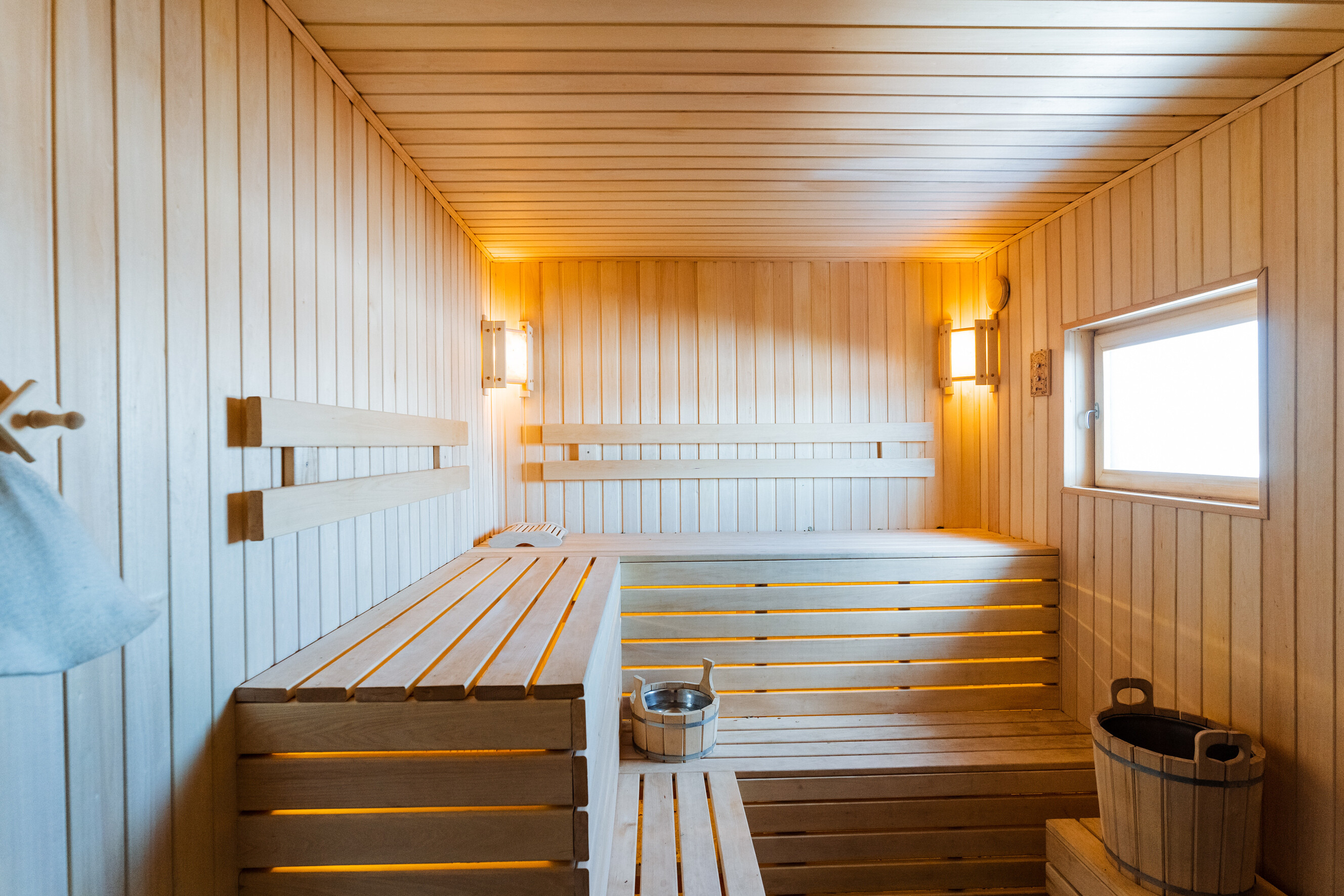
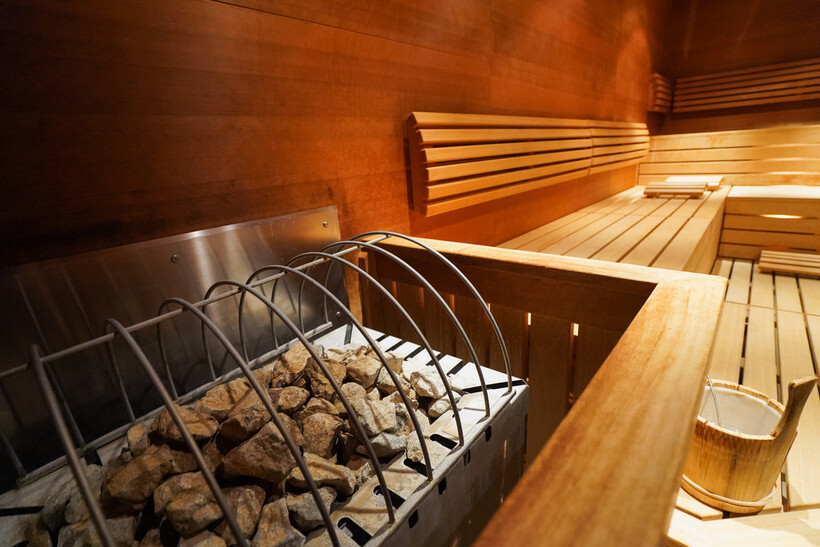 Inside a warm traditional sauna room (Source: iStock)
A traditional sauna uses a wood-burning, electric, or gas heater to warm an enclosed room to around 70°C to 90°C. As the air heats up, your body responds with deep sweating that helps muscles relax.
The heater is often filled with stones that retain heat. When water is poured over them, it creates bursts of steam—a ritual known as löyly in Finnish sauna culture, recognised by UNESCO as ‘the soul of the experience.’
At its core, a traditional sauna works by heating the entire room first. The air, benches, and walls all absorb and radiate warmth back to you, creating a layered, fully immersive heat experience.
What is an infrared sauna?
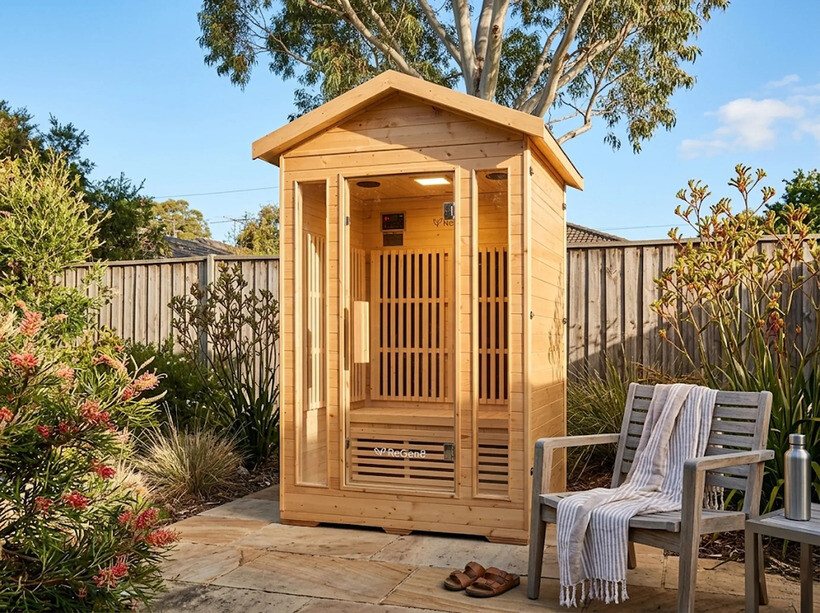 Outdoor infrared sauna set up in a backyard garden (Source: The Best Backyard)
An infrared sauna is a modern version that uses invisible light waves to heat your body directly, instead of warming the air. It typically uses three types of infrared light:
Near-Infrared (NIR): Targets skin level, linked to skin repair and rejuvenation.
Mid-Infrared (MIR): Reaches deeper tissues and is helpful for muscle pain and stiffness.
Far-Infrared (FIR): Most common for home use, gently warming the body at 40°C to 65°C.
For more flexibility, full-spectrum infrared saunas combine all three wavelengths, offering a wider range of infrared sauna benefits, from surface-level skin support to deeper muscle recovery.
Many newer models of infrared saunas also include features that combine comfort and advanced technology. For example, retailers like The Best Backyard showcase outdoor infrared saunas with oxygen ionisers, chromotherapy lighting, and carbon fibre heating panels designed for safe sauna sessions.
Traditional vs infrared sauna: Which should you choose?
To make the right choice, it helps to look beyond the surface. Each sauna type differs in how it heats your body, how it’s installed, and how it fits into your lifestyle.
In terms of heat type and temperature
Traditional saunas rely on convection heat, warming the air first, which then heats your body. Because hot air naturally rises, upper benches are often the hottest spots, while lower benches are slightly cooler.
Infrared saunas work differently as they use built-in infrared panels that warm the body from the inside out. The heat is more targeted and the air stays milder, which is why many people comfortably stay for around 20 to 45 minutes per session.
In terms of health benefits
 A traditional wooden sauna bucket and ladle (Source: iStock)
One key difference between infrared sauna and normal sauna is research depth. Traditional saunas are well studied because they’ve been used for centuries, especially in Finland.
A 2015 study that followed over 2,000 Finnish men showed that sauna bathing four to seven times per week was linked to up to 60% lower risk of cardiovascular disease and death. Current evidence also supports benefits like muscle relaxation and improved mental well-being.
Meanwhile, the benefits of infrared sauna therapy have a smaller but growing research base. Early studies suggest that it helps with post-exercise recovery, chronic pain, and blood pressure support.
Near-infrared wavelengths in particular may penetrate up to 1.5 inches into the body, which is why some infrared sauna users pursue NIR or full-spectrum models for deeper muscle and joint recovery.
That said, many sauna health benefits come from the body’s general heat-stress response rather than the type of sauna itself. Both types raise core body temperature, heart rate, and blood circulation.
In terms of running costs and energy use
Traditional saunas generally cost more to run because they heat both the air and the sauna stones. In Australia, most home units draw around 3.5 to 9 kW, with larger units consuming more energy during the 30 to 60-minute warm-up period. At average electricity rates (approximately $0.24–$0.43 per kWh depending on state), using a traditional sauna for an hour four times a week may cost roughly $4 to $14 weekly.
Infrared saunas are more energy-efficient, operating at around 1.5 to 3.5 kW with shorter 10- to 15-minute pre-heating times. A 30-minute session may cost about $0.20 to $0.70, or roughly $6 to $21 per month with daily use.
In terms of installation requirements
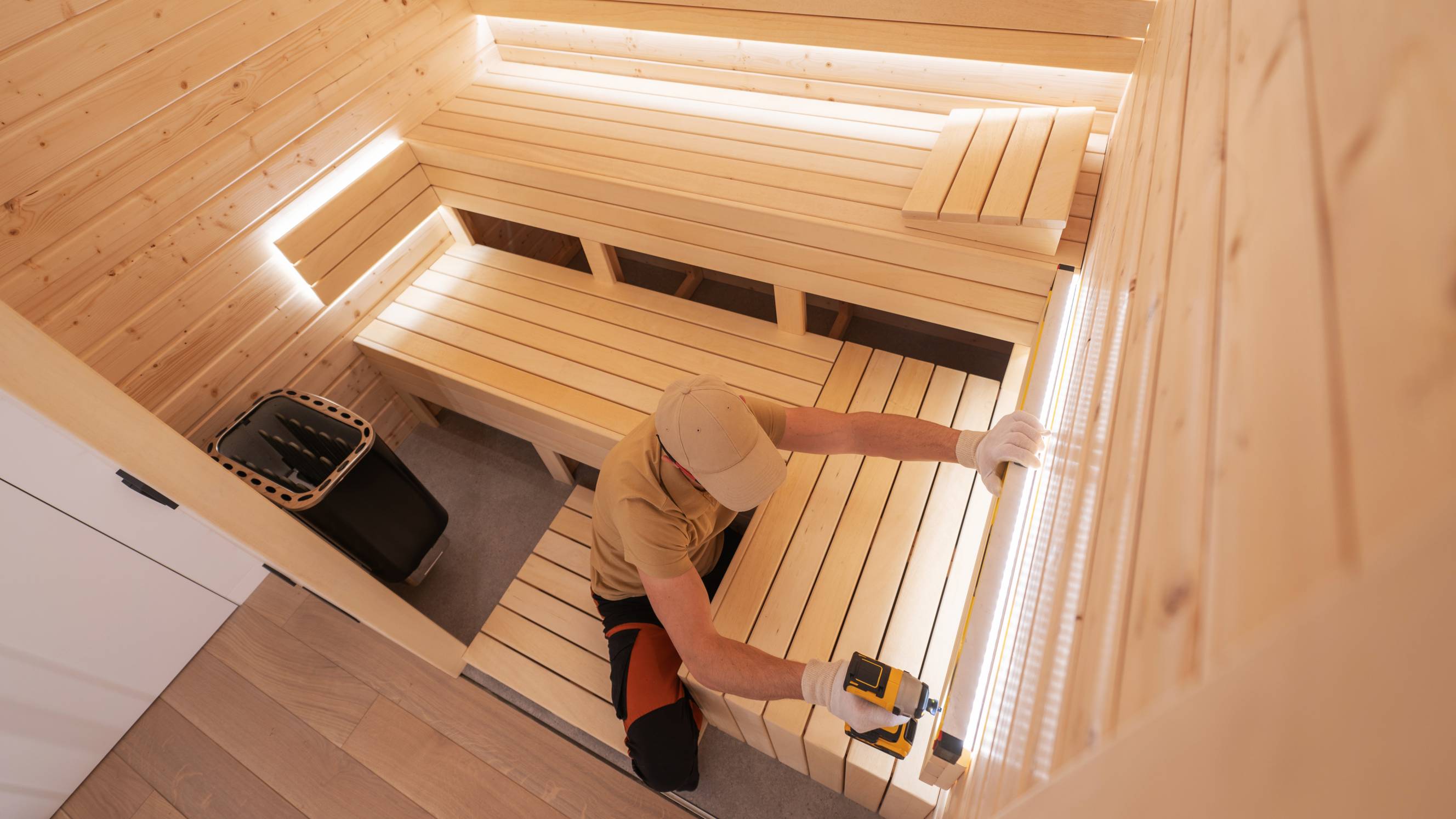
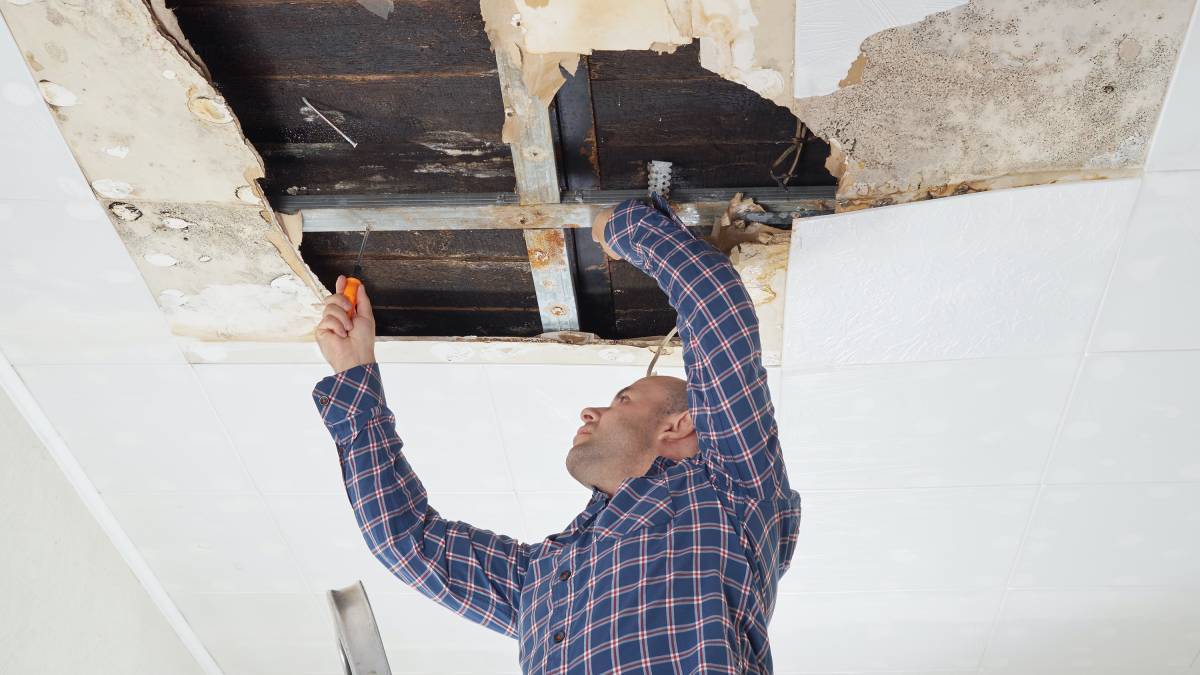
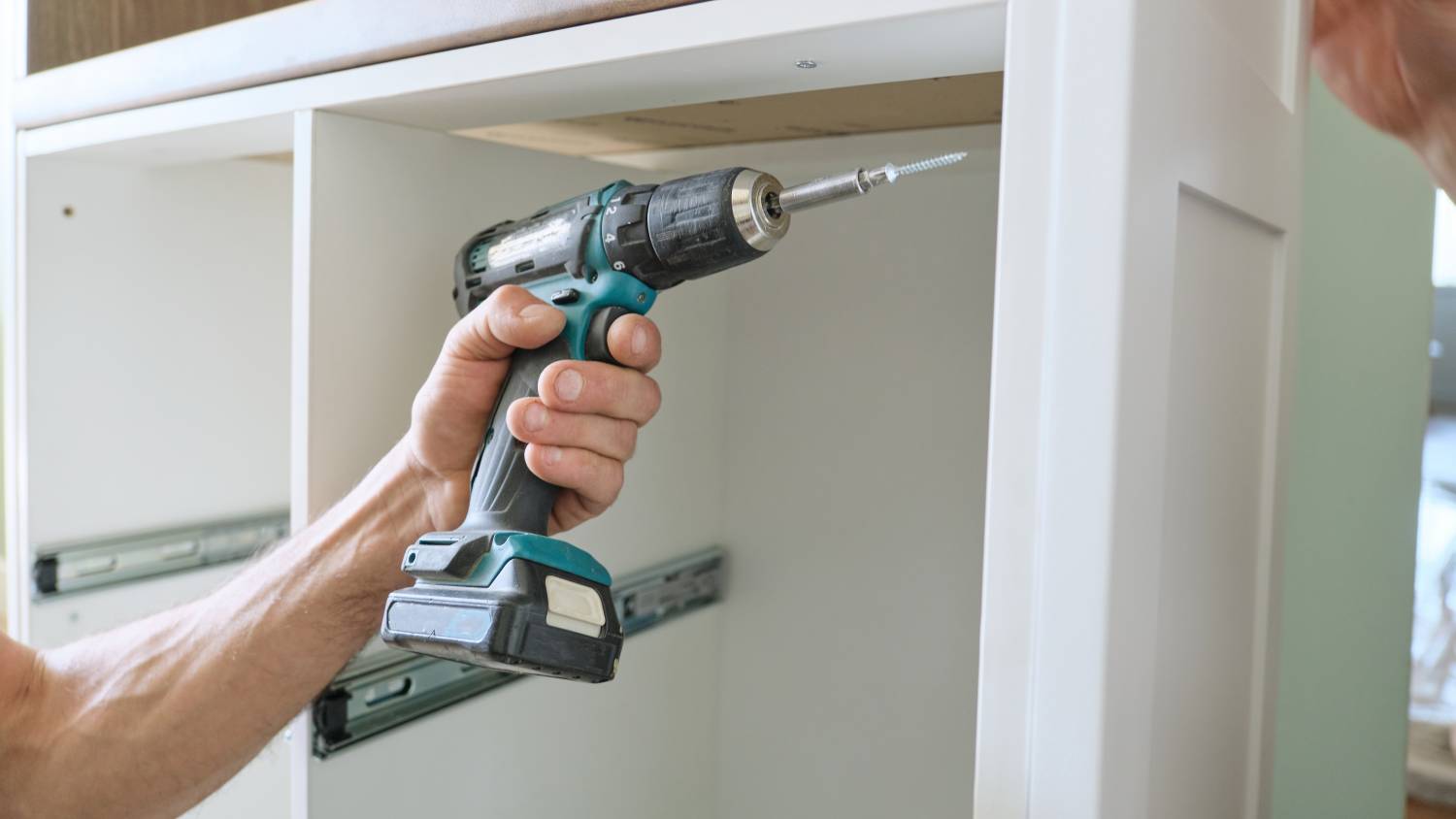
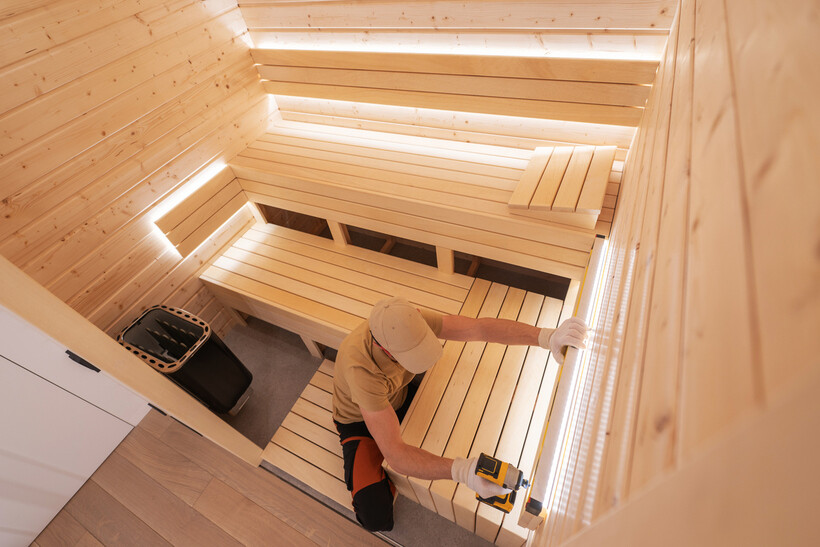 Professional sauna installation in a residential setting (Source: iStock)
Traditional saunas demand a more involved installation, including a well-ventilated space and heat-resistant materials. Most builds need a 240V, 30 to 40-amp hardwired circuit installed by a licensed electrician, so it’s important to ensure your home’s electrical system can support the load. Overall, installation is closer to a small renovation project.
Infrared saunas are much simpler to install. Most infrared sauna models plug into a standard 10-15A power socket, but it’s worth checking your model’s electrical specifications. Many also come as flat-pack or modular kits that you can assemble yourself or with the help of a handyman.
Infrared saunas from The Best Backyard are among the easiest to install, with some models designed for almost tool-free assembly.
Traditional saunas need more infrastructure around power and ventilation. If the spot is straightforward, either type works. If it means a longer run from the house or real groundwork, the practical gap between the two types becomes much bigger.
In terms of upfront cost
When comparing an infrared sauna vs traditional sauna, upfront costs can vary significantly. Traditional saunas are more expensive because you’re not just paying for the unit itself. You also need to consider sauna installation costs, ventilation setup, and related handyman work.
The unit and setup can total around $7,500 or more, and that’s before any additional labour, materials, or site prep. Custom-built models can push costs even higher, especially if they require work from a skilled carpenter.
Infrared saunas are more affordable upfront. Options range from infrared sauna blankets to cabin-style sauna kits, with pricing depending on size and features. Even larger outdoor infrared saunas typically cost less because they don’t need extensive construction.
For instance, pricing at The Best Backyard starts from around $2,999 for a two-person model and roughly $3,800 for a four-person model. In some cases, setup may be as simple as hiring an assembler near you.
In terms of maintenance
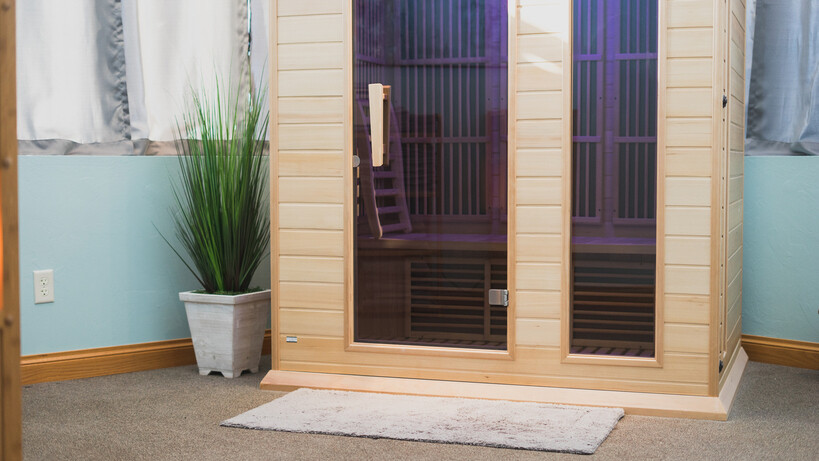 Compact timber infrared sauna with glass door (Source: iStock)
Running a traditional sauna can add to your home maintenance checklist as it requires ongoing timber care, wiring checks, and occasional sauna rock replacements. Proper ventilation is also important to help prevent moisture build-up and timber warping, particularly in humid Australian climates.
Infrared saunas are much lower maintenance by comparison. Upkeep involves simply wiping down the timber interior and infrared panels after use. You may also do occasional checks of wiring or control panels, but there are no sauna rocks or steam involved.
In terms of overall experience
Traditional saunas deliver what many enthusiasts call the classic sauna ritual, complete with the signature löyly experience. Sessions feel more immersive, especially when paired with cold showers or plunges. Some people are incorporating contrast therapy setups at home, often with the help of heating and cooling technicians to manage power loads and temperature control.
Outdoor infrared saunas offer a more modern, streamlined experience. The heat tends to feel gentler, drier, and more consistent, with shorter warm-up times. Sessions are designed around convenience, making them easier to fit into busy lifestyles.
But infrared tends to get used more consistently in practice. It heats up faster, the lower temperature is easier to sit in for longer, and there’s less prep involved. If regular use is the goal, then everyday practicality matters more than most buyers expect.
Get your sauna installed without the stress
Choosing between a traditional and an infrared sauna is really about the kind of experience you want at home. Some Aussies prefer the full steam ritual of a traditional sauna, while others value the convenience of stepping into an infrared cabin after work or training.
Whichever option you choose, Airtasker can help you bring it together by connecting you to sauna installation experts. Simply post your project, set your budget, and get matched with Taskers near you.
Learn more about our contributors
Written by Andrea H.
Staff Writer
Andrea is a writer with nearly a decade of experience, including five years covering real estate, construction, and neighborhood trends. She’s deeply curious about people, society, and culture, finding stories in the details and helping others navigate big decisions. Off the page, Andrea is drawn to analog routines: running outdoors, taking long walks, and picking up hands-on projects. When she’s not overthinking a paragraph, she’s probably overthinking her next read.
Reviewed by Tom W.
Sauna Expert at The Best Backyard
Tom White is the Director of The Best Backyard, an Australian retailer helping families make the most of their outdoor spaces. With extensive experience in the outdoor living industry, Tom has helped thousands of Australian families upgrade everything from saunas and furniture to kids’ play equipment. His hands-on knowledge of what actually works in Australian conditions makes him a trusted go-to for anyone looking to get more out of their backyard.
The Reviewer Badge is awarded to individuals who are experts in their respective fields and evaluate the content to ensure its accuracy and relevance to the task at hand.
Infrared vs Traditional Sauna
Infrared Sauna |
Traditional Sauna |
|
|---|---|---|
Heat Type and Temperature |
Radiant heat warms the body while the air stays comfortable. |
Convection heat warms the room first, then the body; steam increases intensity. |
Health Benefits |
Early studies suggest support for pain relief and blood pressure. |
Long-term research backs benefits on cardiovascular health and mental well-being. |
Running Costs and Energy Use |
Lower energy use; $6 to $21 monthly with daily use. |
Higher energy use; $4 to $14 weekly at four one-hour sessions. |
Installation Requirements |
Plugs into a standard power socket; easy modular assembly. |
Requires hardwiring and may add to home renovation costs. |
Upfront Cost |
More affordable, with options ranging from portable blankets to full-cabin kits. |
Higher costs including the unit, installation, ventilation, and carpentry. |
Maintenance |
Simple wipe-down; minimal upkeep overall. |
Regular wood care, rock replacement, and ventilation checks needed. |
Overall Experience |
Consistent, dry heat; quick sessions can fit into daily routines. |
Full steam ritual with löyly; pairs well with cold plunge. |
FAQs on traditional and infrared saunas
For gentler heat and easy home use, choose infrared saunas. A traditional model suits those looking for a more authentic, premium experience.
Because infrared saunas operate at lower ambient temperatures, they can feel more like a heated therapy room than a true sauna. There’s also no humidity variation from sauna rocks.
Traditional saunas have a stronger research base for health benefits, but infrared saunas may encourage more consistent use due to their comfort.
Yes. Saunas can help your body relax after short-term heat stress. The heat briefly raises stress hormones, then the cooldown phase activates the ‘rest-and-digest’ system, helping reduce overall stress levels.
Find sauna installation specialists, fast
Post a task