- Home/
- Costs/
- Alterations/
- Alterations Cost Guide
How much do alterations cost?
Post to find a price. It's free and only takes a minute.
Price guide
$80 - $250
low
$80
median
$150
high
$250

Last Updated on

Written by Genine T.
Staff Writer
Read more about our contributor
Key Facts
Simple clothing alterations fixes are usually the most affordable, with button replacement starting at $5, zipper repairs at $10, and basic hems at around $15.
Common alterations include dress hemming ($25–$85+), pants or jeans hemming ($15–$55), shirt sleeve shortening ($12–$35), and pants tapering ($18–$60).
More complex work costs more, with basic wedding dress alterations ($50–$240), jacket or coat relining ($169–$236), and suit or tuxedo tailoring potentially reaching $265 or more.
So, what should you actually budget for a clothing alteration service? The average alteration cost typically runs from $80 to $250, but the final bill depends on the garment and what you need done. Before you let go of your snug or shapeless clothes, remember that some pieces are totally salvageable. Sometimes, all it needs is a little nip, tuck, or hem to earn its place back in the rotation.
Below, we’re breaking down the clothing alterations price list for common fixes, what can drive up the cost, and a few ways to keep your tailoring bill from getting out of hand.
What are some of the most common alteration services?
Hemming tops the list of most-requested services, while resizing accounts for nearly 33% of total revenue in the global alterations market. But those are only two of the types of clothing alterations that can rescue an otherwise great outfit. Here are some of the most common fixes and what they could set you back:
Alteration service |
Average cost |
|---|---|
Dress hemming |
$25 to $85+ |
Pants hemming |
$15 to $55 |
Sleeve shortening (dresses, jackets, and coats) |
$15 to $85 |
$15 to $65 |
|
Button reattachment |
$5 to $15 |
Waistband adjustment |
$18 to $55 |
Just note that alteration fees can increase for more complex garments. Hemming a lined dress, for example, can cost around 30% to 100% more than a basic unlined hem. Pleats, layers, embellishments, and other tricky details can add to the bill, too.
Clothing alterations price list
The tailoring and alteration services market is projected to grow at around 4.9% annually, suggesting more people are willing to adjust what’s already in their closet. It can be a practical move, too, especially when many common alterations cost well under $100.
Below, we’ll go over pricing for alterations by garment and service to give you a clearer idea of what you can expect to pay.
Pants
Pants and bottoms are among the most common items needing alterations, with jobs typically costing $5 to $65. Jeans hemming costs more than hemming casual pants, especially if you want to keep the original factory finish. An original hem can run around $28 to $45, depending on the tailor.
Pants alteration |
Estimated prices |
|---|---|
New buttons |
$5 to $18 |
Shorten/ hem |
$15 to $55 |
Taper |
$18 to $60 |
Waistband |
$18 to $55 |
Replace zipper |
$15 to $65 |
Patch |
$10 to $65 |
Unlike most services on the list, patching has a wider alteration pricing range because some repairs require more than simply covering a hole. For example, crotch damage may need an internal patch and darning to reinforce the worn fabric, which can push the price to $65. The fabric and extent of the damage can all affect your overall pants alteration cost.
Skirts
Minor skirt adjustments cost around $15 to $70, but your final alteration cost depends on the style and construction. For instance, straight and A-line skirts are generally cheaper to hem because there’s less fabric and detailing.
Have a more detailed skirt? Horsehair braid, lace edges, and multiple layers on full or flared styles can raise tailoring costs, especially if those details need to be removed and reattached to adjust the hem.
Skirt alteration |
Estimated prices |
|---|---|
Shorten |
$30 to $70 |
Take in/out waist |
$15 to $42 |
Take in/out sides |
$15 to $80 |
Add slit |
$30 to $38 |
Hem |
$30 to $90 |
Replace lining |
$60 to $110 |
Replace zipper |
$27 to $80 |
Shorten |
$30 to $70 |
Before booking a seamstress, confirm what’s actually included in the quote. Some shops may charge separately for fittings, measurements, or other extras, so it’s worth asking upfront before you commit.
Blouses
Blouses can be surprisingly fiddly to alter, particularly around the sleeves, cuffs, and shoulders. Expect to spend around $15 to $60 on most fixes, though shirt tailoring can reach $80 for silk, sequined, beaded, or heavily detailed pieces that need more careful handling.
Blouse alteration |
Estimated price |
|---|---|
Take in sides |
$10 to $80 |
Shorten/lengthen sleeves |
$12 to $35 |
Hem (no cuff) |
$18 to $36 |
Hem (with cuff) |
$25 to $60 |
Adjust straps |
$15 to $43 |
Adjust shoulder seams |
$15 to $30 |
New buttons |
$5 to $18 |
Replace zipper |
$10 to $30 |
Need a simple blouse fix? An independent sewist or alterations Tasker can be a practical alternative to a full-service tailoring studio. You can hire one for small, everyday alterations when you want more flexibility with scheduling or prefer to bundle the job with other clothing care, like ironing, laundry, or dry cleaning.
Coats/jackets
For standard jackets and coats, smaller alterations can start at around $15 to $30. But once you get into ski jackets, parkas, wool coats, and other heavier outerwear, costs can climb to $200 or more for major work. These pieces often have thick fabrics, insulation, linings, or other features that are trickier to work around, so you may need specialized coat repair.
Jacket or coat alteration |
Estimated price |
|---|---|
Taper arms |
$30 to $35 |
Shorten sleeves |
$20 to $45 |
Take in sides |
$25 to $45 |
Replace lining |
$169 to $236 |
Tapered-lined jacket |
$40 to $60 |
Tapered unlined jacket |
$30 to $40 |
Replace zipper |
$25 to $33 |
Change shoulder padding |
$15 to $30 |
Adjust shoulders |
$61 to $80 |
For a $20 jacket, probably not. But if you’ve already invested in a quality piece that just needs some adjustment to fit well all-around, paying for an alteration can make more sense than buying a brand new one.
Dress
So, how much do dress alterations generally cost? Most everyday dress alterations cost around $20 to $100, depending on what needs fixing. However, note that labor alone can reach around $200 for dresses with lace, beading, multiple layers, or delicate fabrics that require more careful work.
Dress alteration |
Estimated price |
|---|---|
Shorten length |
$50 to $120 |
Adjust waist |
$18 to $25 |
Adjust shoulder straps |
$20 to $90 |
Replace zipper |
$30 to $100 |
Take in/out sides |
$10 to $40 |
Raise shoulders |
$30 to $90 |
Reduce shoulders |
$40 to $90 |
How much does it cost to re-hem a dress? A basic dress hem for casual dresses typically costs around $25 to $45, while lined, layered, pleated, or embellished ones can cost more. Removing and reattaching additional lace, trim, or other hem detailing can also add to the cost.
Pants
Alteration |
Price |
|---|---|
New buttons |
$10 |
Shorten or lengthen |
$60 |
Taper |
$20 |
Waistband |
$25 |
Replace zipper |
$18 |
Re-hem |
$20 |
Skirts
Alteration |
Price |
|---|---|
Shorten |
$30 |
Shorten with lining |
$40 |
Shorten straps |
$15 |
Alter skirt waist |
$25 |
New zipper |
$10 |
Take in dress |
$25 |
Adjust shoulder |
$15 |
Re-hem |
$25 |
Blouses
Alteration |
Price |
|---|---|
Shorten sleeves plain |
$10 |
Shorten hem |
$15 |
Shorten sleeves with cuff |
$20 |
Slim sleeves |
$15 |
Adjust shoulder |
$15 |
New buttons |
$10 |
Coats/jackets
Alteration |
Price |
|---|---|
Shorten sleeves |
$25 |
Shorten sleeves with vent or cuff |
$30 |
Adjust shoulders |
$75 |
Take in |
$25 |
Replace lining |
$50 |
What factors affect clothing alteration prices?
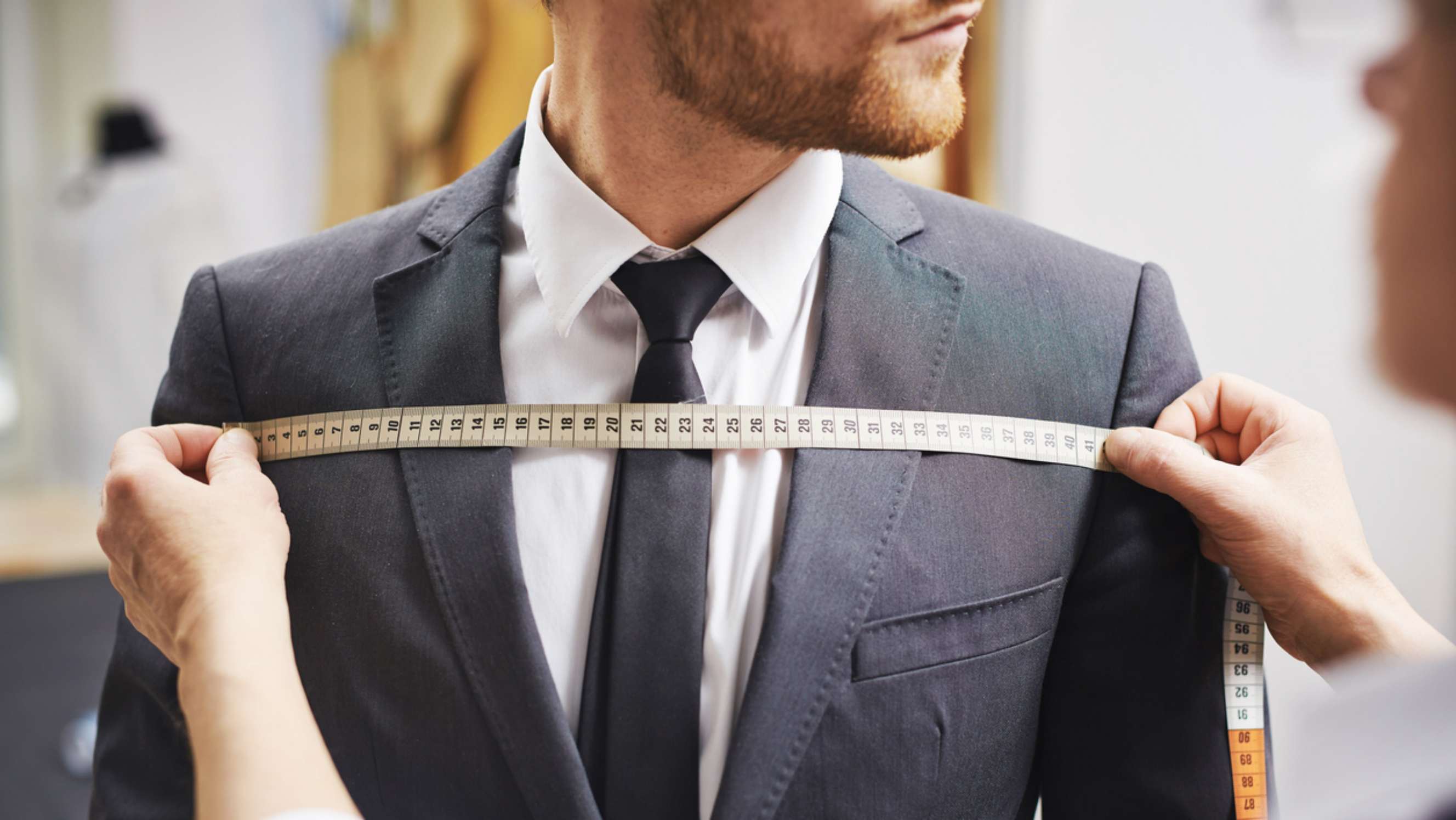
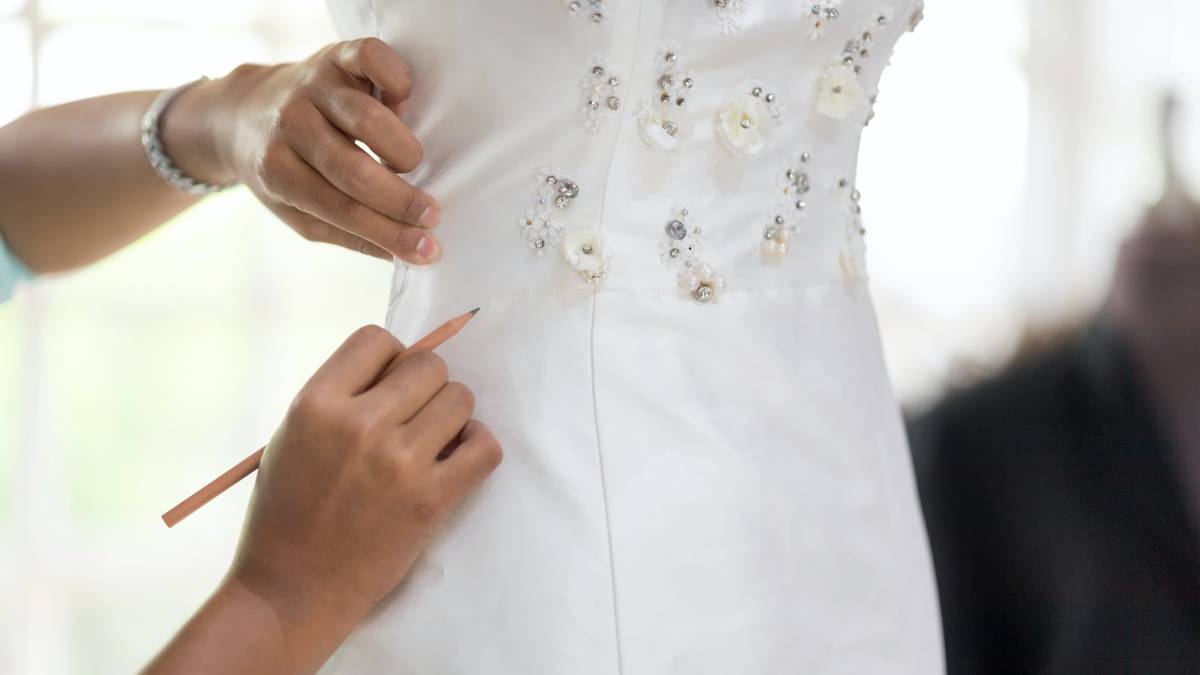
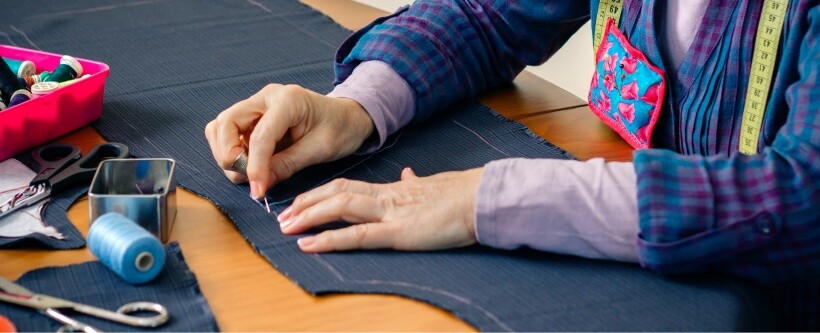 Skilled tailoring helps ensure proper garment fit at a reasonable price. (Source: iStock)
Why can’t tailors provide exact price estimates for alterations inquiries, you ask? Well, your tailor or seamstress usually needs to see the garment first and assess the work involved.
Stitch type
The stitch required can affect your quote because some sewing methods involve more steps than others. For example, hemming trousers with a standard machine stitch is usually the less expensive option because the stitching can run directly along the hem. Basic trouser hems are also quick, with same-day or express services at shops like Nordstrom (starting at around $10) and Bloomingdale’s.
More specialized stitching can cost more when the job requires:
Reinforced seams or multiple rows of stitching
Hand-finishing in areas a machine can’t easily reach
Different needles or thread tension for delicate fabrics
Sewing layers separately while matching the original stitching
Location
Tailors in major cities often charge more to account for higher labor, rent, and operating costs, while the same alteration may cost less in a smaller city where those expenses are lower. However, that doesn’t mean every big-city tailor will be expensive or every small-town shop will be cheap.
Here’s how typical alteration costs compare across different U.S. cities:
City tier |
Cities |
Typical alteration cost |
|---|---|---|
Major metro |
New York City (NY), Los Angeles (CA), Chicago (IL), Philadelphia (PA), Dallas (TX) |
$112 to $309 |
Mid-size city |
Houston (TX), Austin (TX), Las Vegas (NV), Cedar Rapids (IA), Tallahassee (FL) |
$72 to $204 |
Smaller city |
Iowa City (IA), Carson City (NV), Dunwoody (GA), Henderson (NV), Redondo Beach (CA) |
$88 to $133 |
Fabric type and construction
Lined garments, structured tailoring, and formalwear often have extra layers beneath the outer fabric, such as interfacing, boning, or a full lining. Altering the fit may mean unpicking these layers, making the adjustment underneath, then sewing everything back together. Each additional layer adds labor time, so a fully lined jacket naturally costs more than an unlined one.
Changing one part of a garment can also mean moving others along with it. A waist adjustment, for example, may require repositioning darts, pockets, or a zipper. Striped or checked fabric adds another step, since the pattern needs to be carefully matched so it still lines up afterward.
Alteration request |
Labor |
Service cost |
Total |
|---|---|---|---|
Tuxedo alteration (fitting + taper sides + shorten sleeves) |
$80 to $150 |
$61 to $115 |
$141 to $265 |
Wedding dress alteration (fitting + reshape neckline + add bra cups + adjust straps) |
$150 to $250 |
$95 to $143 |
$245 to $393 |
Alteration type
Say you want the sleeves shortened on a leather jacket. Sounds simple enough, until you realize the cuffs, lining, zippers, and hardware may all need to come off and be repositioned. Leather also leaves little room for error, since every needle hole is permanent, so the job can easily cost more than making the same adjustment on a cotton piece would.
Another example is when adjusting a suit. Taking in the waist can involve adjusting the side or back seams, but changing the shoulders goes deeper into the jacket’s construction. Working around the padding, lining, sleeve position, and overall shape requires more labor, which can push up the final jacket alteration price.
Express service
Need your clothes back ASAP? Some tailors offer express alterations, but the shorter the turnaround, the more you can expect to pay. In fact, rush fees for everyday garments can start at around $25. Same-day or next-day service can add $55 to $100 or, at some shops, a percentage of your total alteration bill.
If you’re rushing formalwear, you should also expect a much higher fee. Gown rush fees alone can range from $150 to $350, especially when extra work is needed to achieve a tailored fit. Keep in mind also that the standard prices for clothing alterations usually don’t include these rush fees, so that extra charge can increase your final bill.
Experience and specialization
How much does a tailor usually cost? On average, tailoring costs $300 to $900 per completed task, with prices varying by skill and complexity. A basic hem or simple repair may not require a specialist, while altering a tailored suit, leather jacket, or heavily embellished dress may. In those cases, you could pay more for someone with the right experience.
And while tailors and seamstresses often handle similar jobs, they’re not exactly the same. Seamstresses generally focus on sewing, repairs, and alterations, while tailors tend to specialize in fitting and reshaping clothes. There’s plenty of overlap, though, so focus less on the title and more on whether they have experience with the alteration you need.
Tip for your tailor or seamstress
Tipping your tailor or seamstress isn’t generally expected, since labor is already included in the quoted price. Still, a tip can be a thoughtful gesture for excellent work, a difficult alteration, or a rush job. There’s no set percentage for tailoring, but 10% to 20% is a reasonable range if you choose to tip.
For smaller common clothing repair services, such as hemming or replacing a zipper, rounding up the bill or leaving a few extra dollars can also be appropriate.
Is it better to DIY clothing alterations or hire a professional seamstress/tailor?
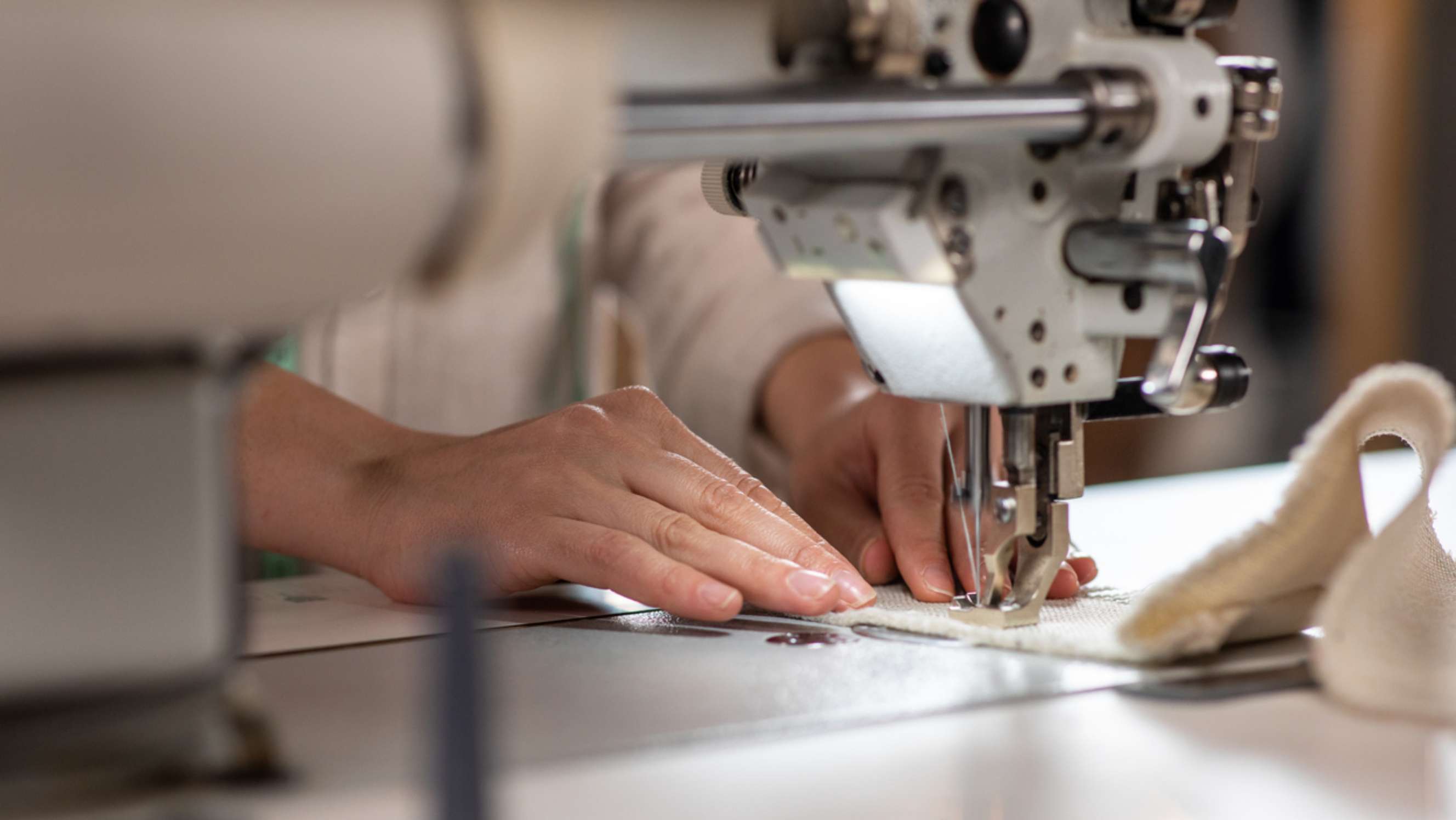
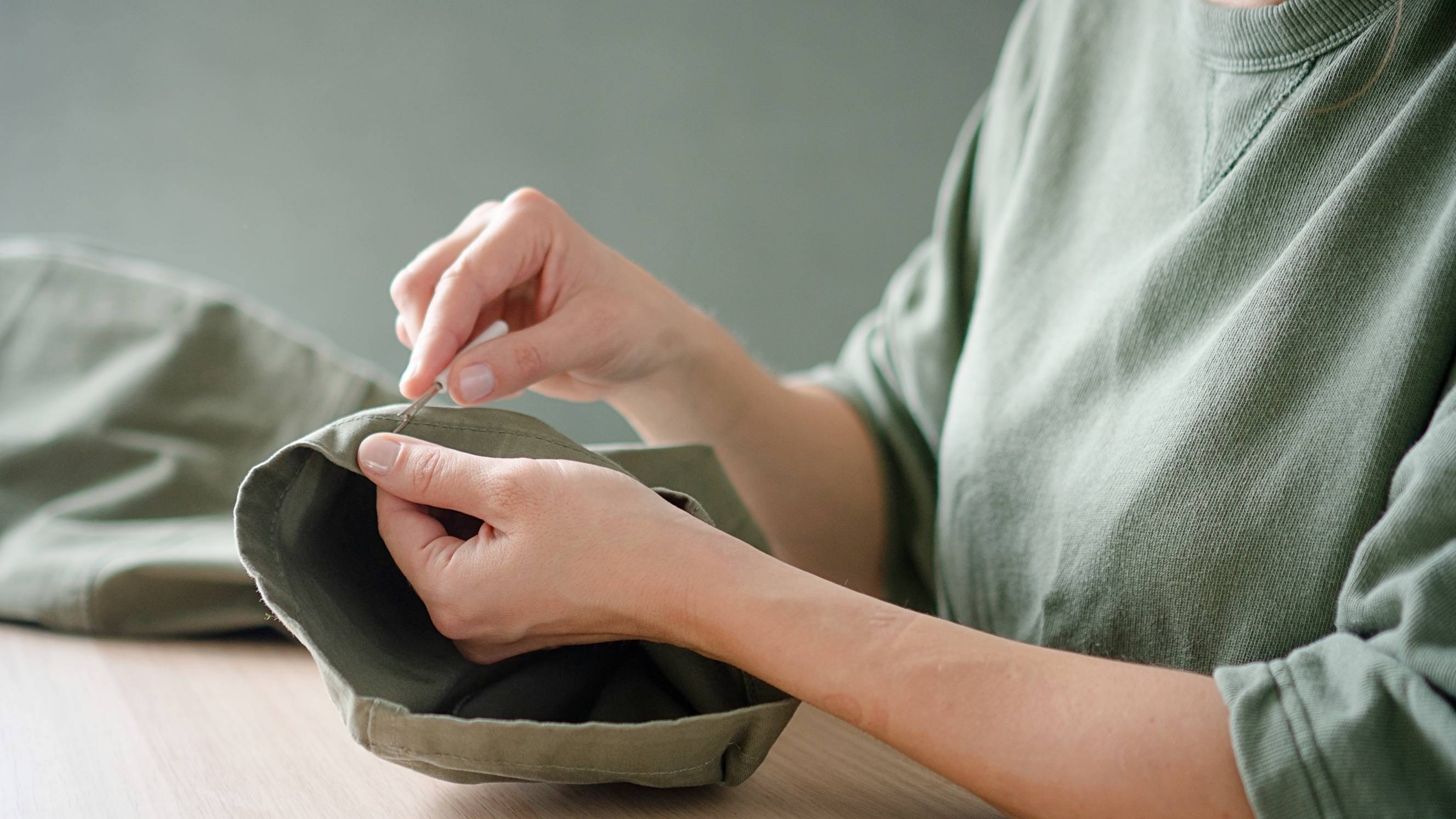
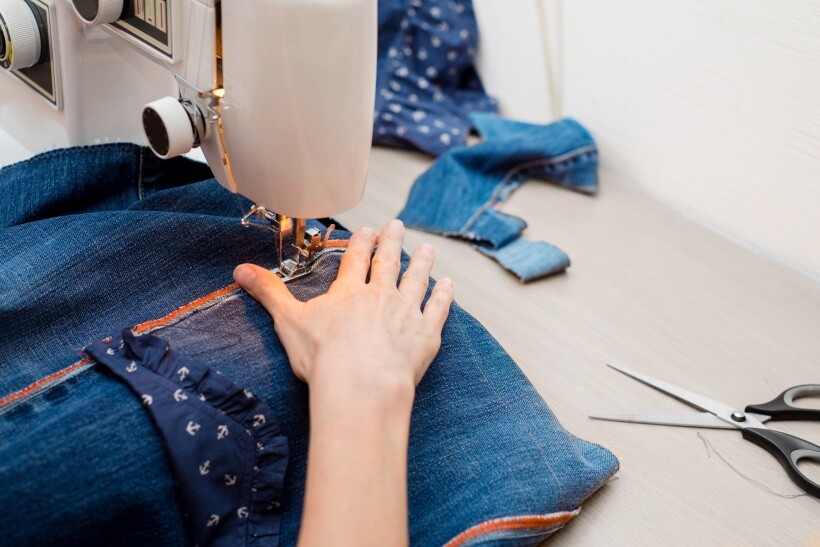 Professional equipment ensures durability and precision in alterations. (Source: iStock)
Should I hire a tailor if I’m not good at altering clothes? The truth is, DIY can save you money on basic clothing repair, especially if you can sew by hand or use a sewing machine. But once an alteration changes how a garment fits or involves materials like silk, chiffon, velvet, or leather, paying a professional is usually the safer bet.
Best for DIY alteration |
Best for professional alteration |
|---|---|
Reattaching buttons |
Taking garments in or letting them out |
Small tears and loose seams |
Shoulder and structural alterations |
Basic patches |
Lined or structured garments |
Simple hems |
Leather, silk, lace, or beaded pieces |
Minor repairs on everyday clothes |
Expensive, vintage, or sentimental pieces |
Bridal and formalwear |
Let’s say you need a dress length alteration. A basic hem using a simple running or slip stitch may be manageable if you have some sewing experience, but shortening or lengthening a lined, layered, or embellished garment can be much harder to get right.
In that case, paying for professional alterations may be worth it, especially when the alternative is accidentally ruining the dress and having to replace it.
What are the things to consider before having your clothes altered?
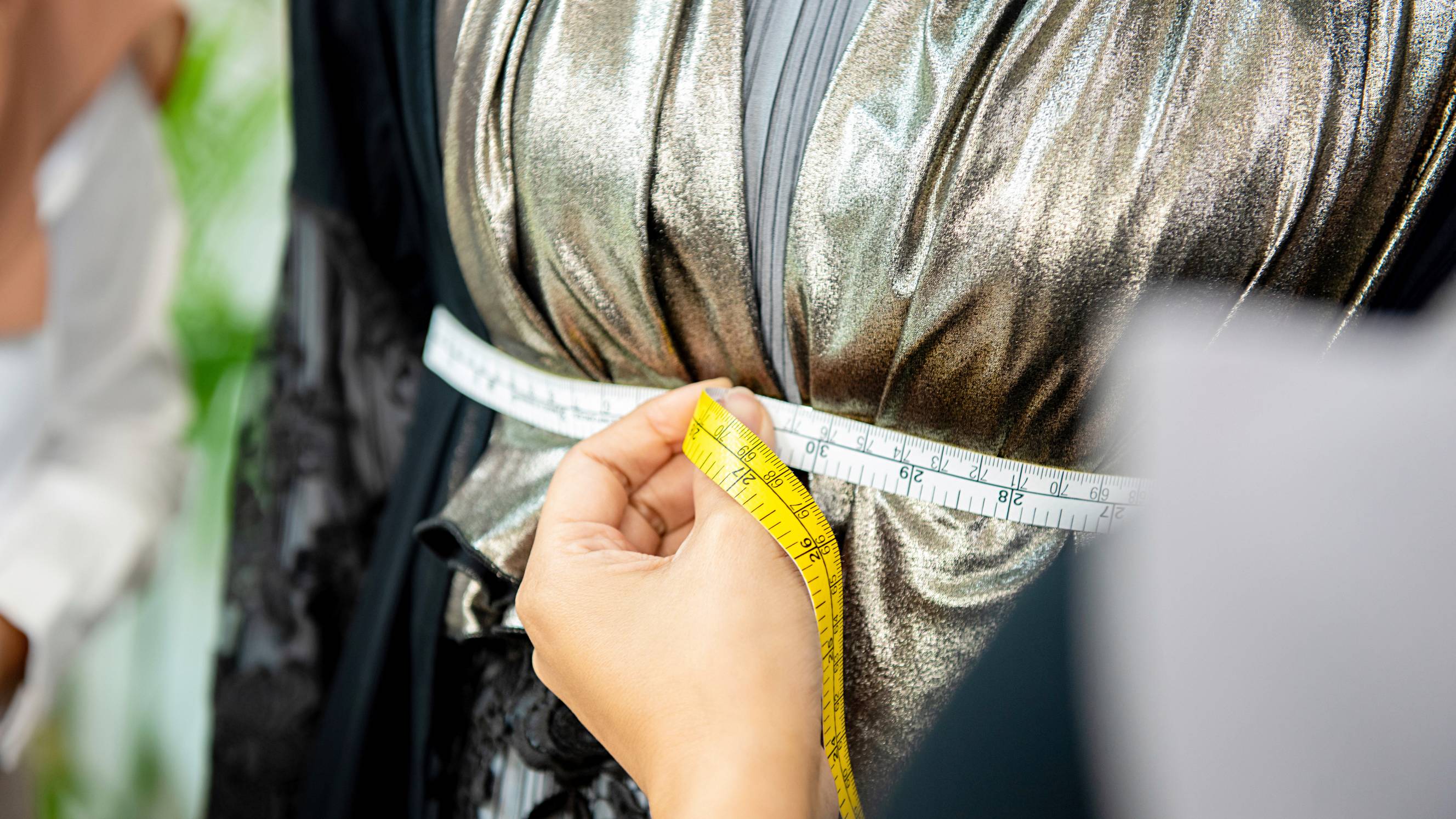
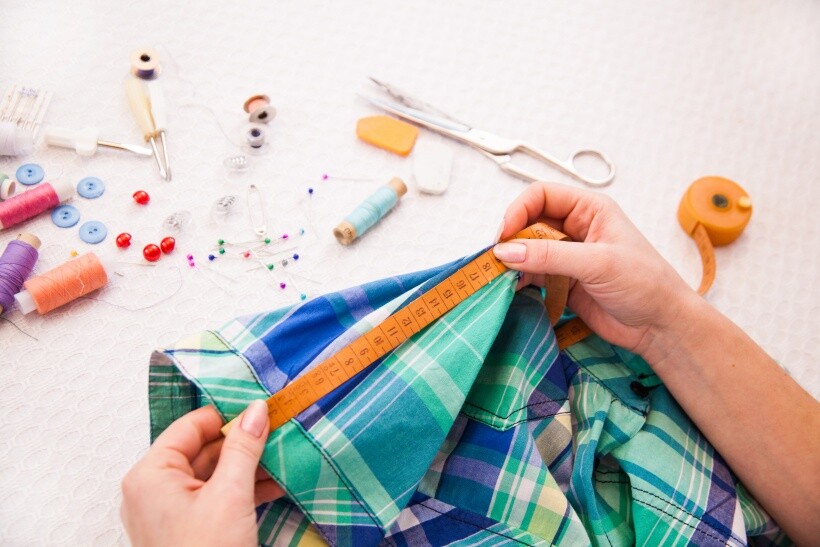 A close-up view of prepping garments for tailoring with tools of the trade. (Source: iStock)
Before booking an alteration, prepare your garment and be clear about the result you want so you can get the right fit at a reasonable price.
Wash the garment before taking measurements in case the fabric shrinks, or consider professional cleaning if it’s stained or heavily soiled.
Bring the shoes you plan to wear when hemming pants, skirts, or dresses.
Wear the right undergarments when fitting formalwear or bridesmaid dresses.
Point out the exact areas that need waist adjustments, strap adjustments, or other changes.
Ask about delicate fabrics, embellishments, or internal construction that could require more labor.
Confirm the final cost and what it includes before any work begins.
Check the turnaround time and book early if you need the garment for a specific date.
Hire a trusted tailor or seamstress for clothing alterations
Overall, having a trusted tailor in your contacts can be a lifesaver when a fashion emergency strikes. They can get an outfit event-ready, breathe new life into an heirloom dress, or simply fix that piece that’s never fit quite right, so you can actually feel good wearing it.
Ready to get the perfect fit? Post a task on Airtasker to find clothing alterations and tailoring services near you and start receiving personalized quotes. Once that’s sorted, you can tick a few more jobs off your to-do list, too.
Learn more about our contributors
Written by Genine T.
Staff Writer
Genine is a writer and educator with over seven years of experience. She has published peer-reviewed research papers, worked in academia, and created educational content for thousands of language learners. She discovered her passion for turning complex ideas into practical advice through writing about DIY topics like home improvement, furniture assembly, and household fixes. When she’s not writing, Genine enjoys curling up with her dogs and a good book.
FAQs on clothing alterations
Yes, especially for pricey clothes that you want to enjoy for a long time. Alterations help you get the best fit for your daily outfits even as they age over the years.
Yes, particularly if you need to increase the size of your clothes. For instance, a seamstress or tailor can enlarge a plain skirt by adding fringes of cloth to its sides or hems. This alteration can be difficult if your clothes have intricate designs.
Many dry cleaners offer basic alterations such as hemming, zipper repairs, button replacement, and minor fit adjustments. For more complex work like resizing, structural changes, or formalwear alterations, you may need a tailor or seamstress instead.
Find alteration tailors, fast
Post a task