
From run sheets to pack-down: 10 event planning tasks you can outsource
Trim your event planning checklist and focus on the work that matters most
Published on

Written by Andrea H.
Staff Writer
Read more about our contributor
Key Takeaways
Vendor coordination is one of the first tasks you can delegate. When you free up those project hours, you gain capacity that’s better spent on strategy and future opportunities.
Extra event staff are a cost-effective investment for large-scale events. Often costing $150 to $300, they can help prevent bottlenecks and improve guest experience on the day.
The biggest hidden cost of DIY event planning is opportunity cost. Depending on the size of the event, it’s possible to have up to $7,000 worth of planning capacity tied up in admin and logistics.
Across Australia, events are becoming more immersive and far trickier to pull off. Your client wants food trucks, live music, photo opportunities, and networking spaces—sometimes all in the same event. While these experiences delight attendees, they also create a growing list of event planning tasks.
The good news? You don’t have to do everything yourself. When you outsource event management tasks, you can spend less time chasing logistics and more time focusing on strategy and guest experience. Here are 10 specific tasks to delegate for your next event:
1. Managing admin and run sheet
 Handling event run sheet updates (Source: iStock)
A run sheet might not be the most glamorous part of event planning, but it keeps the entire event on track. The lead planner should create it, covering all event details, including bump-in times, speaker cues, guest arrivals, food options, and pack-down schedules.
The challenge is keeping it updated. As program design changes and the RSVP deadline nears, an admin or data entry expert can keep the master run sheet up to date, so everyone’s working from the same version.
2. Coordinating vendors
Vendor coordination is one of the biggest time drains for corporate event planners. Chasing suppliers for arrival times, site access requirements, and confirmations can consume 60% to 70% of your working hours.
An admin assistant can help with pre-event planning and take ownership of communications across catering, florals, AV, entertainment, and more. They also ensure vendors receive timely updates, helping everyone stay on schedule.
3. Delivering equipment and supplies
 Taskers transporting event supplies
When something needs to be delivered urgently, on-demand delivery drivers can be invaluable. Conferences, weddings, and corporate event management often involve last-minute deliveries of equipment, styling items, or replacement supplies.
Rather than leaving the venue yourself, you can send a driver to collect and deliver what you need, keeping your focus on running the event.
4. Moving furniture and décor
Ever spent half the day shifting tables and chairs? Or carried furniture across a venue because no one else was there? Consider whether that’s the best use of your time on event day.
While heavy lifting is often part of pulling an event together, it can take away your attention from the bigger picture. Bringing in furniture removalists to relocate bulky items between spaces frees you up to manage last-minute changes and ensure the event stays on schedule.
5. Arranging flowers and setting up décor
 Crafting a floral arrangement for event décor (Source: iStock)
One of the smartest wedding planning tasks to delegate is floral and décor setup. It’s not just because a florist or a wedding decorator knows what they’re doing. They can also work faster, access trade suppliers, and safely install larger decorative items.
Professional florists also understand how to adapt colour palettes, scale, and focal points to suit different venues and event styles. If flowers or statement pieces arrive damaged, a professional can quickly adjust without losing the overall look.
6. Setting up the venue
Setting up a venue involves far more than arranging tables and chairs. There’s AV equipment, printed materials, staging, and plenty of venue-specific requirements to consider.
When event planning in Melbourne, for example, venues can range from hotels and converted warehouses to rooftop spaces. Hiring event decorators gives you access to people who understand local corporate event venues, bump-in restrictions, and special permits.
You can also hire specialists in pre-event cleaning to make sure the venue is presentation-ready before setup begins.
7. Filling event staffing gaps
 Staff member serving guests at a function (Source: iStock)
Staffing gaps are among the most common event planning challenges, and they often crop up at the worst possible time. Experienced event staff can step in at short notice, helping you fill gaps quickly without long recruitment delays.
As an event planning tip, prepare a briefing pack for your casual staff. Include event schedules, venue maps, a contact list, and FAQs, so they know what to expect from the start.
8. Handling last-minute errands and tasks
Anyone who’s figured out how to plan an event well knows that last-minute requests are just part of the job. Extra signage needs printing, VIP guests share additional dietary restrictions, and someone always forgets a critical item.
A personal assistant can handle those urgent errands while you focus on pulling off a seamless event. An assistant is especially helpful for boutique agencies and independent planners who need extra hands without committing to multiple contractors.
9. Packing down after the event
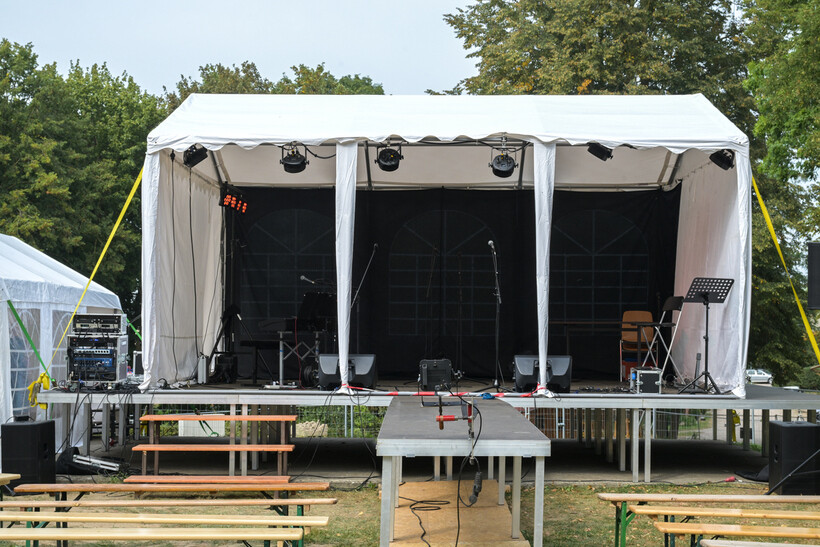 Packing down a stage and bench seating (Source: iStock)
You’ve just run a full event, but the work isn’t over yet. Pack-down is a demanding part of the event day, particularly when you’re racing against strict bump-out times. This is where hiring disassembly experts can make a difference.
Instead of relying on your already exhausted team, you can bring in professionals to dismantle staging, pack exhibition stands, and safely remove AV setups. It’s a simple way to speed up bump-out and make the end of the day far less stressful.
10. Cleaning the venue
While post-event cleaning doesn’t always fall on the planner or client, it’s generally expected that the venue is returned in the same condition you received it. This is especially important for big events held in spaces operating under dry-hire arrangements.
Unlike pack-down, cleaning crews focus on tasks like vacuuming, mopping, rubbish removal, and cleaning up spills, food waste, and stains.
DIY vs outsourcing event planning tasks
Your time is your most valuable asset as an event planner. Setup, pack-down, deliveries, and admin are essential, but they’re not usually the reason clients hire you. Every hour spent chasing RSVPs or coordinating logistics is an hour you could have spent designing better experiences.
The solution? Delegate tasks that don’t require your expertise. Here’s what common event tasks typically cost on Airtasker:
Task |
Typical Range |
Median |
|---|---|---|
Admin |
$35 to $200 |
$87 |
Delivery |
$80 to $220 |
$140 |
Errands |
$80 to $200 |
$140 |
Cleaning |
$100 to $260 |
$160 |
Furniture disassembly |
$100 to $200 |
$138 |
Furniture removals |
$80 to $200 |
$140 |
Based on recently posted tasks on Airtasker in 2026
Let’s put the opportunity cost into perspective. Say you secure a $50,000 corporate function and charge a 20% full-service planning fee. That’s $10,000 in revenue.
If the project takes 60 hours and admin and logistics consume 60% to 70% of your time, you’re spending 36 to 42 hours on tasks that could be delegated. At an effective rate of around $167 per hour, that’s $6,000 to $7,000 of your planning capacity tied up in logistics.
By outsourcing 40+ hours of operational work, you free up time for higher-value activities like winning new clients and refining event concepts.
Get extra hands for event day
Successful events aren’t built by one person. For those wondering how to start an event planning business and scale it sustainably, the answer is often the same: delegate operational work and focus on higher-value activities.
Instead of rushing between tasks, find local Taskers who can help bring your event to life. Through Airtasker, you can do this in three simple steps:
Identify the task you’d like to outsource.
Post your job on Airtasker with a clear brief and budget.
Compare Taskers (and their rates) to hire the best fit.
Learn more about our contributors
Written by Andrea H.
Staff Writer
Andrea is a writer with nearly a decade of experience, including five years covering real estate, construction, and neighborhood trends. She’s deeply curious about people, society, and culture, finding stories in the details and helping others navigate big decisions. Off the page, Andrea is drawn to analog routines: running outdoors, taking long walks, and picking up hands-on projects. When she’s not overthinking a paragraph, she’s probably overthinking her next read.
Frequently asked questions
There’s no single universal framework for the planning process, but most events cover these stages: goal setting, budget creation, venue selection, event logistics, event promotion, event execution, and post-event analysis.
Consider outsourcing event management when logistics begin to take time away from client relationships and creative planning. Common signs include managing a large guest list, juggling multiple event suppliers, and spending too much time on admin.
Event planner fees vary depending on experience, pricing structure, and event type. Event agencies typically charge $100 to $149 per hour, while some charge a 15% to 20% planning fee based on the total event budget.
Event planners focus on strategy, design, and preparation, while event managers handle on-site execution and operations. For small events, one person can often manage both roles while taking on additional tasks, such as event marketing strategy and contingency planning.
Find event coordinators, fast
Find an events coordinator