
- Home/
- Costs/
- Tax Accountants/
- Tax Accountant Cost Guide
How much does a tax accountant cost in Australia?
Post to find a price. It's free and only takes a minute.
Price per completed task
$100 - $900
low
$100
median
$200
high
$900

Last Updated on

Written by Cielo B.
Staff Writer
Read more about our contributor
Key Facts
Tax accountant costs in Australia typically range from $100 to $250 for straightforward individual tax returns, but complex business, trust, or international tax matters can cost $300 to $900+, depending on the scope.
Location can affect tax accountant fees, with major cities like Sydney and Melbourne generally costing more than regional areas due to higher demand and overheads.
Accountants who charge for tax services in Australia must be registered with the Tax Practitioners Board (TPB), so checking their registration can help you choose a qualified professional.
You can reduce tax accountant charges by keeping records organised, choosing fixed-fee packages, and booking outside peak EOFY periods when accountants are typically busier.
Lodging your tax return can be tedious, especially when you’re sorting through income records, receipts, and deductions. One missed detail could mean paying more tax than necessary or needing to correct your return later. A qualified tax professional can help you prepare accurate records, understand what applies to your situation, and lodge your return.
But how much does a tax accountant cost? The price depends on several factors, which we’ll explain in more detail below. This will help you plan the budget you need if you decide to hire a professional.
What are the average tax accountant fees in Australia?
Tax accountant fees can vary widely by location. Accounting firms in major cities like Sydney and Melbourne often charge more due to higher overheads and greater demand. On the other hand, accountants in regional areas offer more cost-effective pricing.
Below is a table that breaks down the average prices for tax accountants across Australia.
City |
Average Cost of a Tax Accountant* |
|---|---|
$150 – $250 |
|
$140 – $240 |
|
$120 – $200 |
|
$130 – $220 |
|
$110 – $190 |
|
$110 – $190 |
|
$110 – $190 |
|
$140 – $240 |
|
$100 – $180 |
|
$110 – $190 |
|
$120 – $200 |
|
Cairns |
$110 – $190 |
*Prices shown are typical total costs per job based on recent Airtasker data. Actual costs may vary.
What factors affect the cost to hire a tax accountant?
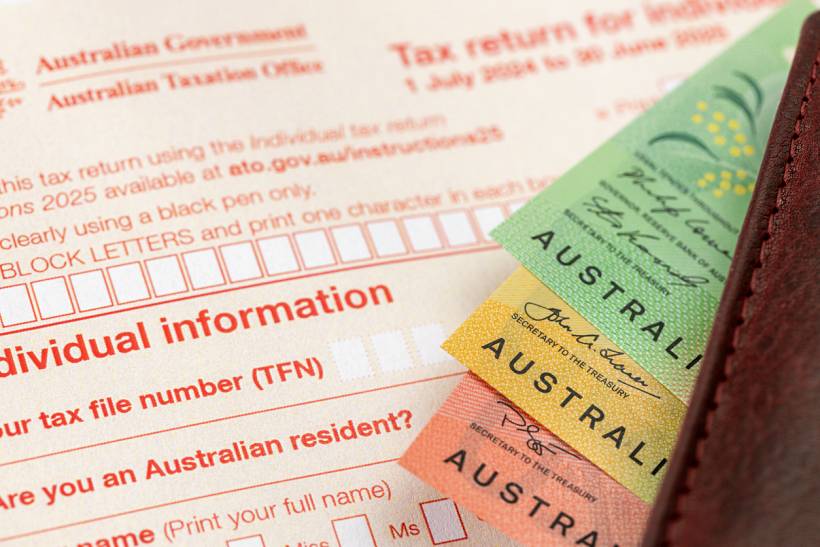 Australian tax return form and banknotes on a desk (Source: iStock)
Hiring a tax accountant involves several factors that could affect the final price:
Service type and work scope
How much do accountants cost for taxes? It depends on the service type. Usually, for basic services like simple tax returns, accountants would cost around $100 to $180. This often involves a straightforward return and standard deductions.
Meanwhile, for individuals with businesses, whether it’s freelance work or a company, accountants would often charge more. This is because these tax returns are more complex, with additional reporting requirements and a higher volume of transactions to track.
Finally, for cross-border tax accountant services, costs are usually the highest because accountants must consider the tax laws of two countries. In addition, there are various international compliance forms to complete to meet legal and reporting standards.
Here’s a table showing the average cost for an accountant to do taxes for different service types:
Service Type |
Average Tax Accountant Price |
|---|---|
Basic individual tax return |
$100 – $180 |
Sole trader / freelancer tax return |
$150 – $300 |
Company or trust tax return |
$300 – $700 |
Cross-border / international tax services |
$400 – $900+ |
Tax planning or specialist advice |
$300 – $800+ |
Financial situation complexity
Accountants also charge based on how much time a job takes and the specialised knowledge required.
For example, if you work for one employer and earn a set salary, you fall into the single-income category. You only need a standard tax return, which may cost around $100 to $150. However, if you have several income sources from running a small side business, your tax affairs become more complex, requiring additional financial planning and analysis, which can make tax accountant services more expensive.
How about if you own a house or hold shares in the stock market? In these situations, costs rise because accountants must calculate capital gains, manage property-related expenses, and handle depreciation schedules.
Meanwhile, if you manage a global business, specialised expertise becomes essential. These complex international tax matters can exceed $700, as accountants ensure compliance with international law and help you prevent double taxation.
To help clarify these differences in pricing, the following table shows how the cost for a tax accountant can vary:
Financial Situation |
Impact on Tax Account Cost |
|---|---|
Single income, minimal deductions |
$100 – $150 |
Multiple income streams |
$120 – $220 |
Investments or rental properties |
$150 – $300 |
Complex or international tax affairs |
$300 – $700+ |
Record-keeping and document quality
 Tax document folder label among office files (Source: iStock)
Some accountants charge by the hour, so it’s best to provide them with neatly organised, complete records. This allows them to focus on strategic advice instead of sorting financial documents, reducing your overall service time.
But we don’t always have time to organise everything. There may be missing receipts or bank statements, or sometimes, records get very messy or incomplete. In those cases, you’ll need a highly qualified senior professional for financial reporting. This usually means extra charges, which can add more than $400 to the total cost.
Record Quality |
Impact on Tax Account Cost |
|---|---|
Well-organised, complete records |
$100 – $150 |
Minor gaps or missing documents |
$120 – $220 |
Disorganised or incomplete records |
$200 – $400+ |
Business size and structure
If you’re managing a business, you’ll need the help of a tax accountant to ‘reconcile’ or categorise and verify your transactions. These extra services come at an added cost, but as a general rule, tax accountant costs for small businesses are lower than those for larger firms.
However, as your business grows, you’ll usually hire more employees. This can lead to additional accounting work, as accountants must also factor in employee payroll when calculating taxes.
Check out this table to see how much the additional tax accounting fees are for each business structure:
Business Structure |
Impact on Tax Account Cost |
|---|---|
Sole trader |
$120 – $250 |
Partnership |
$200 – $400 |
Company or trust |
$300 – $700+ |
Accountant experience and specialisation
Naturally, the more experience an accountant has, the higher their service costs are. It’s like in any profession, you pay for the years of experience the accountant has.
For example, junior accountants and bookkeepers handling routine data entry or file organisation generally charge lower fees compared to Senior Chartered Accountants (CA) and Certified Practising Accountants (CPA), who address intricate tax issues, sophisticated tax planning, and business advisory.
Additionally, accountants with niche expertise, like International Tax Accountants, also drive up tax accountant fees. This is because they typically focus on advanced tax planning and advisory services.
Seasonal demand and urgency
Seasonality plays a huge role in the fluctuating tax accountant costs in Australia. For instance, when demand peaks around the End of the Financial Year (EOFY), around June or July, accounts are incredibly busy, so expect premium pricing.
The same applies to urgent or priority lodgements, which require officially submitting your tax return to the government. This often happens if you leave your taxes to the very last minute and need them done immediately. You can ask a tax accountant to skip the queue, but they’ll charge you extra fees for rush services.
What are some ways to save on tax accountant charges?
There are a few ways to help you lower tax accountant rates while still getting the expert advice you need:
Keep records organised and digital
 Person reviewing documents on a digital tablet (Source: iStock)
Messy paperwork makes your accountant spend more time sorting receipts, entering data, and fixing errors, raising your overall cost. Australian-compliant software such as Xero, Mind Your Own Business (MYOB), and QuickBooks helps digitally organise your records so you can provide clear, categorised information to your accountant and reduce fees, especially if charged hourly.
Choose fixed-fee packages
Hourly rates can be harder to predict, especially if small questions, follow-up emails, or quick reviews are billed separately. By contrast, fixed-fee packages usually include bundled services covering Business Activity Statements (BAS) lodgement, tax preparation, and basic advice, at a clear monthly or annual price. This makes budgeting easier and helps you avoid paying for services you don’t really need.
Time your consultations wisely
Timing can also affect how much you pay. Around EOFY and BAS deadlines, accountants are often at their busiest, which can lead to higher fees or added rush charges.
If possible, try to book consultations during quieter months, often between August and November, when demand is lower. It also helps to submit your paperwork early, since this gives your accountant more time to review your records properly and plan deductions.
Improve your financial literacy
Consider signing up for free Australian Taxation Office (ATO) webinars, reading resources from accounting bodies, and taking short courses on basic bookkeeping or tax to help you better understand your obligations and common deductions.
If you already know which expenses apply to your work or industry, you can prepare cleaner information for your accountant, reducing the time they spend reviewing it and lowering costs.
What should you look for in a professional tax accountant?
Hiring a personal tax accountant can involve considerable costs, so you’ll want to find the right professional to get your money’s worth. Here are some tips to help you choose:
Proper qualifications and registration
When choosing a tax accountant in Australia, start with their qualifications. Ideally, they must be registered with the Tax Practitioners Board (TPB), so it’s worth checking their status before you hire them. It also helps to look for a Chartered Accountant (CA) or Certified Practising Accountant (CPA), since these professionals have advanced training and must follow strict ethical standards.
Relevant industry experience
Someone who mainly works with large companies may not be the right fit for a freelancer, sole trader, expat, or small business owner. This is why finding an accountant who understands your type of work and financial situation is also important. They should be able to demonstrate experience with your industry, business structure, and tax complexity.
Technology and security
Technology matters as well. A professional accountant should be comfortable using ATO-compatible accounting software to manage records efficiently. Because tax work involves sensitive financial information, they should also have secure systems for storing and sharing documents, such as client portals and e-signatures.
Get ready for tax season with Airtasker
 Desk setup with calculator, laptop, and papers (Source: iStock)
A simple mistake in lodging your tax return can lead to costly errors. Instead of handling complex forms on your own, it’s best to hire a professional.
Airtasker helps you connect with local tax accountants for tax-time support, from organising records to finding registered tax agents for return preparation and lodgement. Simply post a task outlining your tax needs and desired budget, then wait for Taskers to send you quotes.
Avoid the stress of last-minute tax lodgement and find the right professional with Airtasker.
Learn more about our contributors
Written by Cielo B.
Staff Writer
Cielo is an experienced content writer who has explored various industries throughout her career. Her expertise, founded on a degree in journalism, includes writing about automotive and home maintenance. Cielo also covers topics like dressmaking, tailoring, and photography since she is a passionate cosplayer who enjoys dressing up as her beloved anime characters.
FAQs
It depends on your knowledge and how much time you can set aside for filing taxes. Some of your income data is automatically pre-filled by the government, so you may be able to submit your tax return through the ATO’s free online lodgement system. However, if you do not have the time or need professional support, it may be worth hiring a tax accountant.
Tax accountants and bookkeepers have different roles: Bookkeepers can help track your income and expenses to maintain accurate accounting records, but they can’t legally lodge your tax returns and provide strategic advice, unlike tax accountants. Moreover, tax accountants hold advanced qualifications and are legally registered.
It depends on how organised your financial records are. Well-organised digital records allow for completion in under two hours. In contrast, messy or uncategorized records typically require around four hours due to additional manual administrative work.
To complete your tax return, you will usually need to give your tax accountant a few key documents. These help them confirm your identity, review your income, and claim any eligible deductions correctly:
Proof of identity: This may include a primary photo ID, such as a driver’s licence or Australian passport, or a secondary ID like a Medicare card.
Tax details: Your Tax File Number (TFN) or Australian Business Number (ABN), depending on your situation.
Income records: Documents showing the income you earned during the year, such as salary information, bank interest, company dividends, and rental income.
Expense and deduction records: This may include digital copies of receipts, bank statements, or access to accounting software like Xero or MYOB, so your accountant can review your work-related or business expenses properly.
Find tax accountants, fast
Post a task