- Home/
- Comparisons/
- Wallpapering/
- Wallpaper vs Paint
Wallpaper vs paint: Which adds more value to your home?
Explore the differences in application, cost, and maintenance
Published on

Written by Maureen C.
Contributor
Read more about our contributor
Key Facts
Wallpaper is a decorative paper available in various prints, textures, and patterns. High-quality options can last up to 15 years, though they require more precision during application.
Paint is a thick liquid used for protection and decoration. It’s highly accessible for DIY enthusiasts and doesn’t require specialised skills for a basic finish.
Is your home ready for a refresh? If so, we’ve got you covered. At some point in your renovation journey, you’ll need to choose between wallpaper vs paint. Each option comes with its own strengths and weaknesses, depending on factors such as durability, functionality, and cost.
This comparison guide breaks down specific factors to help you decide whether wallpaper or paint offers the most value for your home.
What is wallpaper?
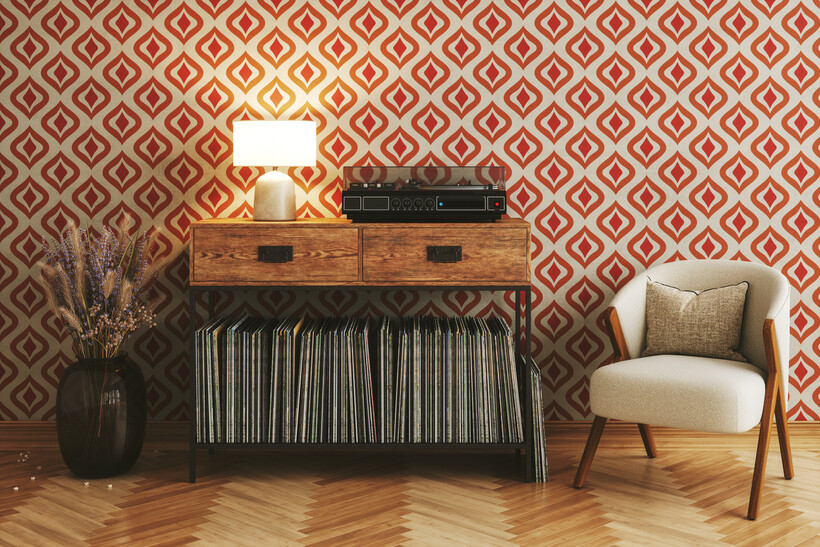 Vintage patterned wallpaper in a living room (Source: iStock)
A wallpaper is a type of decorative paper made from long sheets, featuring printed or painted designs. It’s primarily used to cover walls or ceilings of indoor spaces.
Wallpaper is generally sold in rolls with various patterns and textures to add a touch of personalisation or character to a living space. In some cases, it can be used in outdoor spaces with special considerations.
There are different types to choose from: traditional wallpaper, which offers durability but often needs professional installation; peel-and-stick wallpaper, a DIY-friendly option; or cheap wallpaper, which is cost-effective but generally of lower quality.
What is paint?
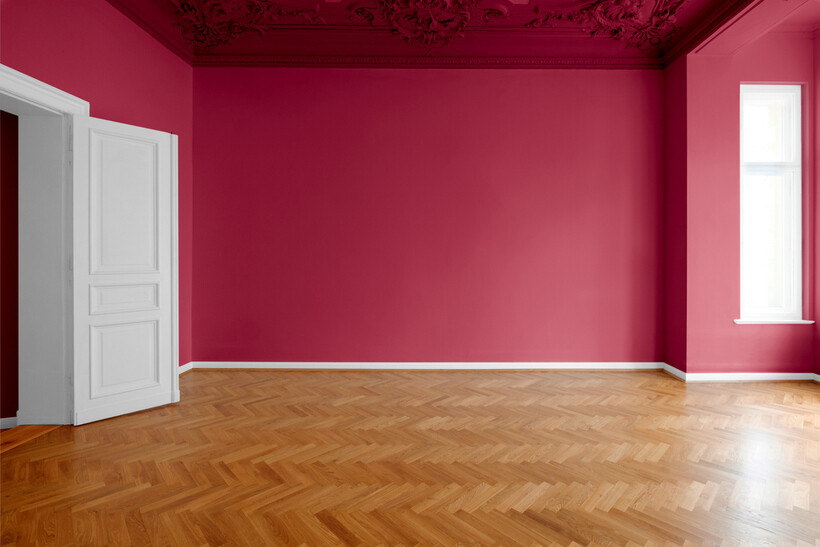 Vibrant red walls in a renovated room (Source: iStock)
Paint is a thick, liquid substance made up of binders, pigment, solvent, and additives. It’s mainly used for protective and decorative purposes. Applying paint protects your surface against environmental elements, like moisture, corrosion, and weather.
For decorative purposes, painting your walls can boost aesthetics. It improves the visual appeal of your space by adding colour and life to an otherwise old and dull interior or exterior. Paint can also be used to hide minor imperfections on surfaces, ensuring everything looks balanced and clean-cut.
Wallpaper or paint: Which is the better choice?
If you’re planning to renovate your indoor or outdoor space, it’s important to know whether wallpaper or painting is the better choice. Since there are different factors to consider, let’s survey each one below to ease your decision-making process.
In terms of application
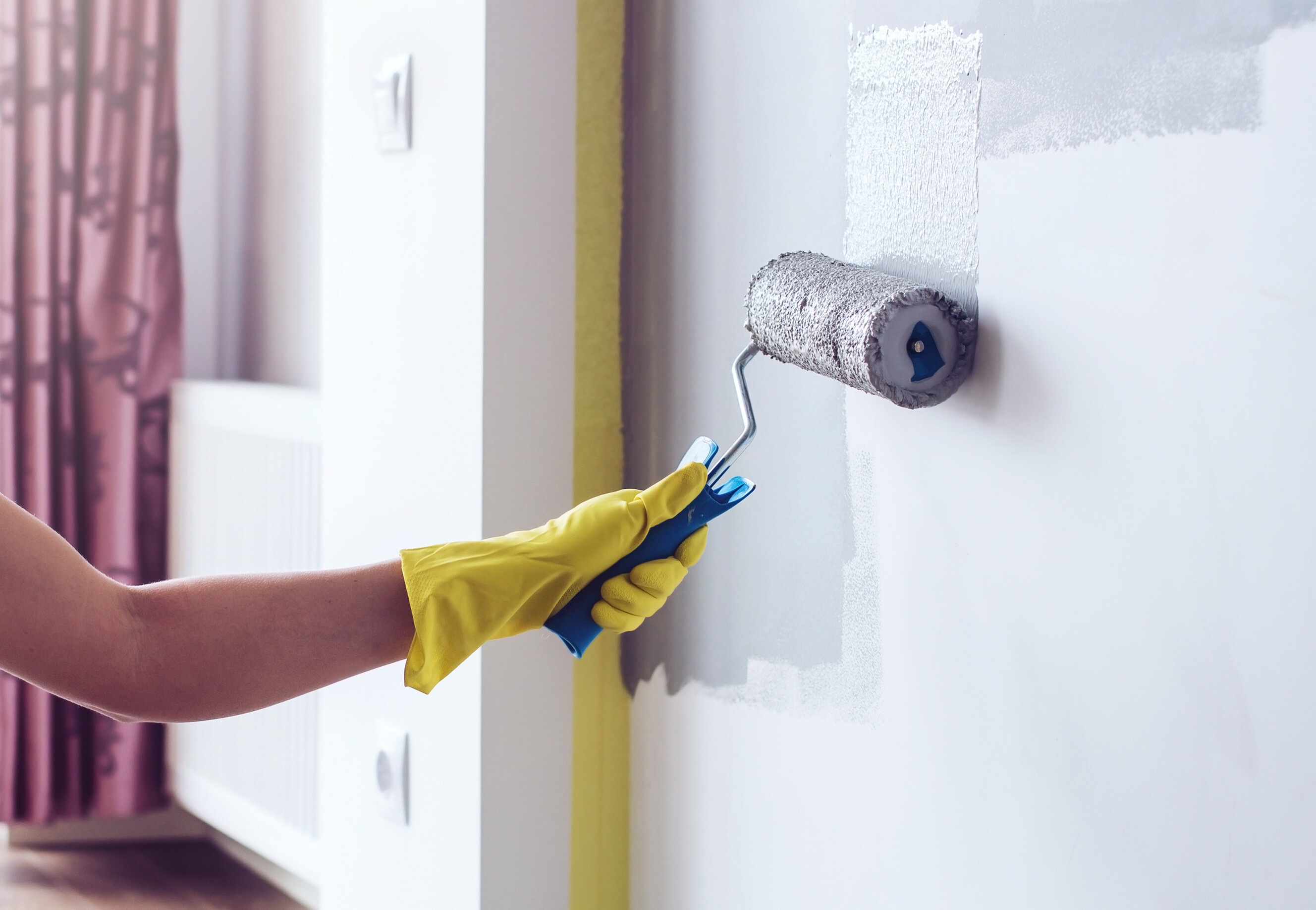
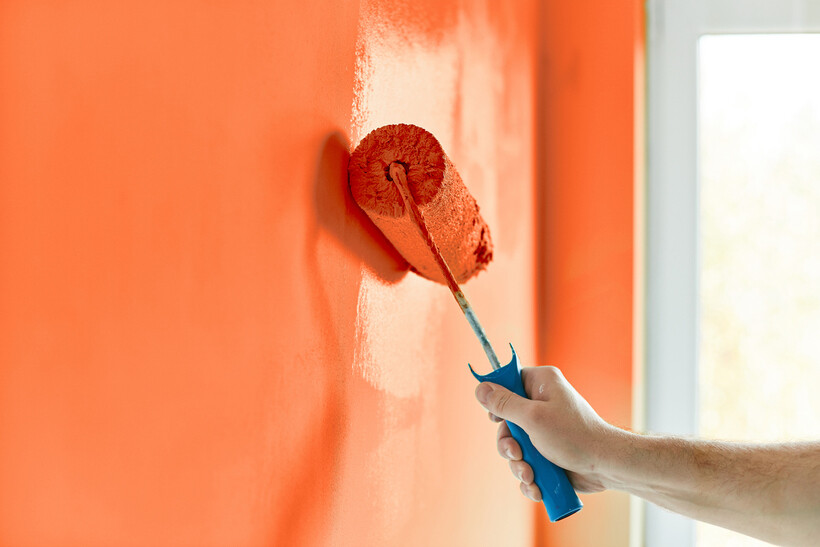 Applying orange paint with a roller (Source: iStock)
Given that the DIY culture thrives in Australia, it’s no secret that painting is easier and more accessible to many. Even without specialised skills, anyone can take up a brush and roller. Additionally, house painting is more forgiving if you make a mistake, as you can simply go over the area with another coat of paint.
Wallpapering can be trickier to apply, as it requires precise measurements and clean walls to stick well. Likewise, you need to get the measurements right when hanging wallpaper to save you from the trouble of running out of strips midway or having excess material. In some cases, wallpaper can damage paint, especially if the walls are older or were not properly primed.
In terms of design options
If you’re looking to add a touch of unique character and vibrancy to your space, wallpapering definitely offers more options than painted walls. There are different colours, textures, and patterns to choose from depending on your mood.
Whether you want to evoke an earthy vibe through wood and stone, or a lush forest with florals and artistic prints, the possibilities with eco-friendly wallpaper are endless. Many homeowners are also choosing textured designs to create a ‘feature wall’ that stands up to the bright, natural light common in local homes.
However, if you prefer a clean and timeless look, consider painting instead of installing wallpaper. While there aren’t as many textures available as peel-and-stick wallpaper, paint comes in different colours and finishes. This clean finish allows your furniture to shine so that you can switch up the pieces now and then.
In terms of durability
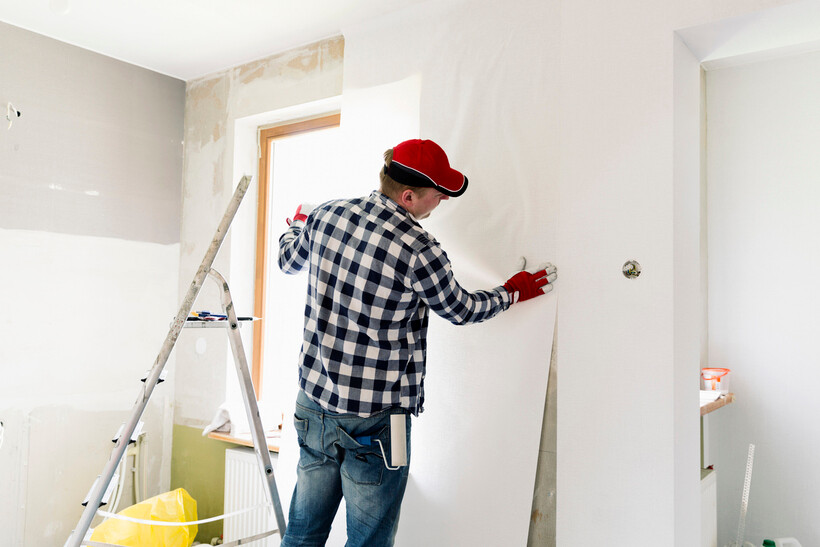 Installing wallpaper for a durable finish (Source: iStock)
Durability depends on the environment you live in, as your living space affects how long wallpaper or paint holds up over time. In cooler, well-ventilated homes and apartments, both options generally last well. However, if you live in more humid areas with limited ventilation, traditional wallpaper is prone to mould build-up.
High-quality wallpaper is a great choice for interior design, as it can last up to 15 years. Alternatively, while less durable in terms of absolute lifespan, paint copes better in humid or varied conditions. Although, for maintenance purposes, painted walls are cheaper to repair or touch up in case of damage.
In terms of functionality
Paint is more flexible and offers greater leeway due to its quick application. Whether you’re looking to enhance the appearance of your ceiling, kitchen, or garden, paint is quick to apply with minimal fuss. When considering satin vs gloss paint, remember gloss paint can emphasise wall flaws, whereas satin masks minor imperfections better.
However, if you’re aiming to cover significant wall imperfections and lessen the frequency of maintenance, wallpaper is a better choice. While it may take longer to install, its unique style and longevity are worth the effort for areas like bedrooms and dining areas.
In terms of removal
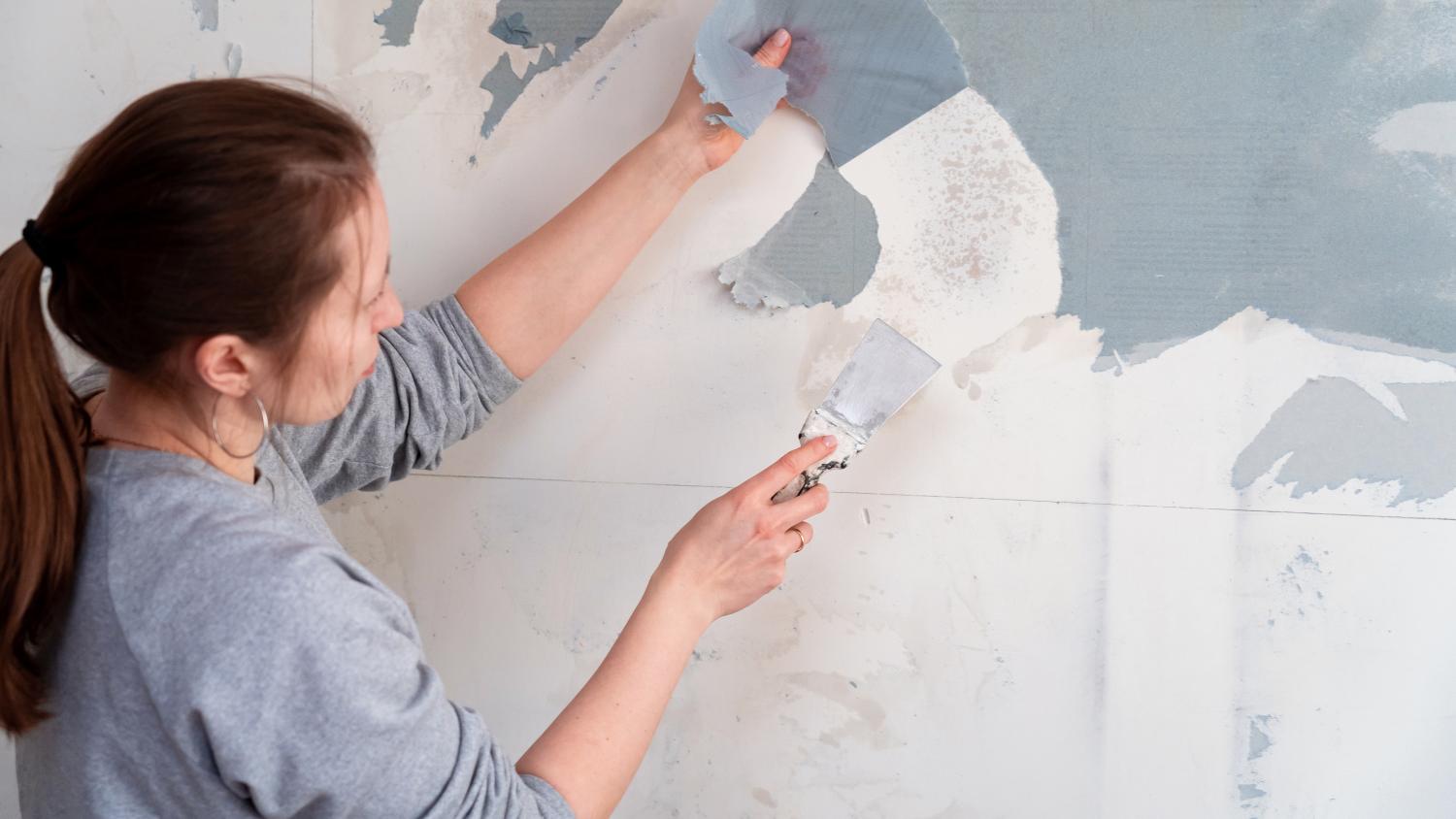
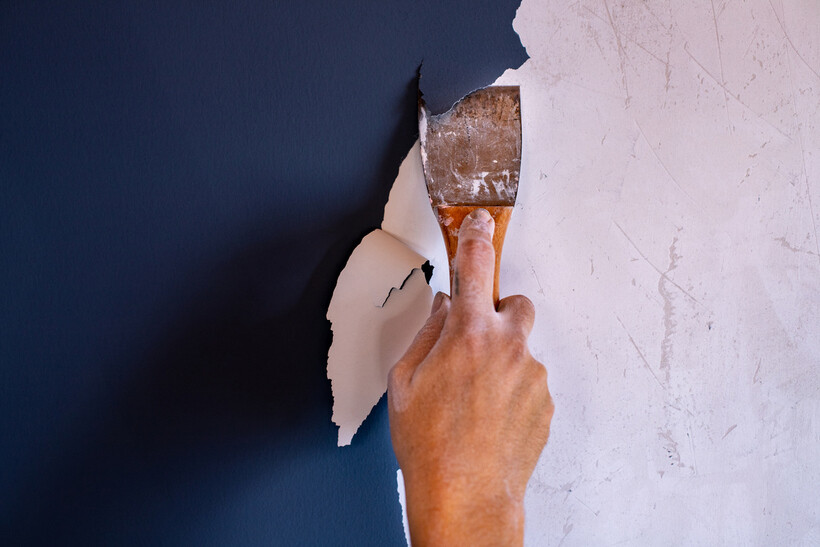 Removing old paint with a scraper (Source: iStock)
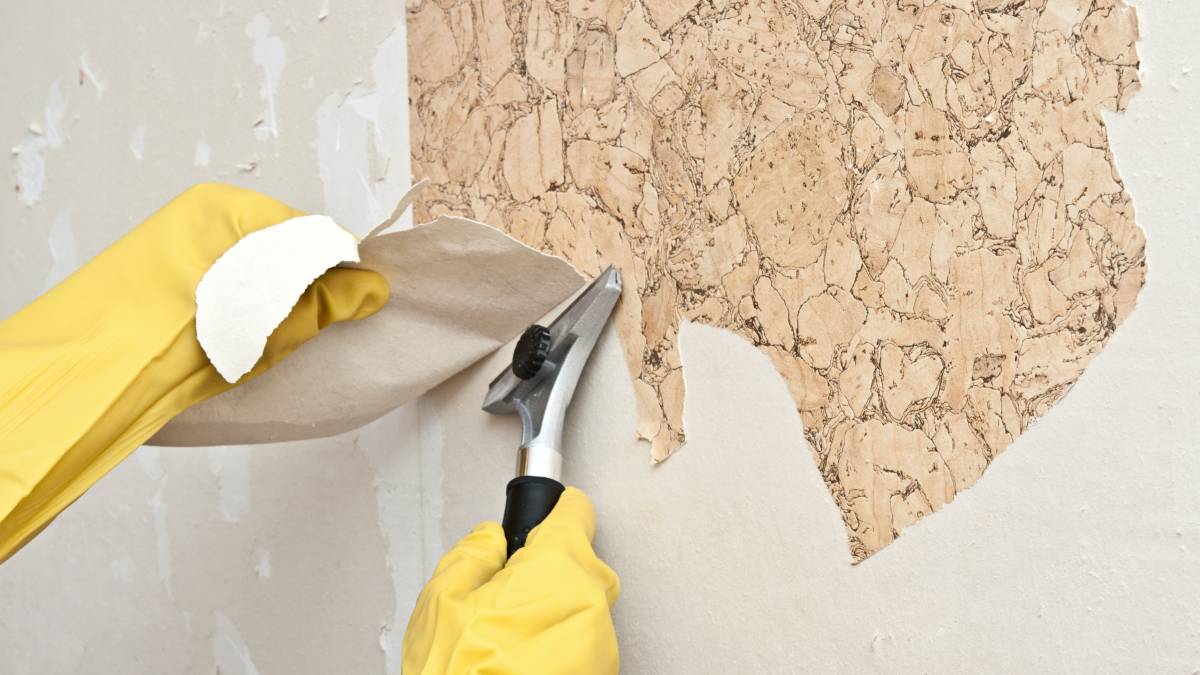
Removing wallpaper adhesive is more challenging than paint stripping, as it requires various techniques depending on the material used. Common tools to remove existing wallpaper include a wallpaper scoring tool or a steam stripper. There are also DIY mixtures, such as fabric softener, dish soap, or vinegar.
To remove a wall painting design from a whole room or one corner, you can choose from methods including chemical strippers, heat guns, scrapers, or sanding. If the surface and edges are clean enough and in good condition, you can even repaint over the old one. Pick the method that best suits your wall materials and the time you’re willing to invest.
In terms of cost
Interior painting is generally more affordable than wallpapering, especially for covering larger areas. Basic supplies like a can of paint, brushes, and a roller are relatively inexpensive. Even without professional experience, you can attempt to DIY to reduce the wallpaper cost.
Meanwhile, wallpapering requires more tools, such as paste, a smoothing brush, a plumb line, and a stepladder. It’s often recommended to hire professionals to get that flawless finish. While the wallpaper cost can be higher upfront, it tends to last for more than a decade, whereas paint usually needs refreshing every five to seven years.
In Australia, professional painters and decorators typically factor in the heat and humidity of the region when selecting the best products for the job.
Transform your home with Airtasker
Whether you decide to go with wallpaper or paint ultimately depends on the needs of your house renovation. If you want to save yourself the trouble of DIYing or simply lack the time, then consider hiring painting or wallpapering services on Airtasker.
From preparing your walls to applying primer and removing old paint or wallpaper, rest assured that your home is in good hands. They can even cater to requests like half wallpaper half paint on one side, and vice versa on the other! Just post a task with your details and wait for Taskers to send their offers.
Learn more about our contributors
Written by Maureen C.
Contributor
Maureen C. is a writer with a passion for crafting clear, meaningful content. With a degree in English Literature and experience writing for lifestyle and educational platforms, she brings a thoughtful approach to topics such as home safety and improvement, logistics, and eLearning. Outside of writing, she enjoys reading and walking her dogs.
Wallpaper vs Paint
Wallpaper |
Paint |
|
|---|---|---|
Application |
Requires exact precision to avoid uneven edges |
Easier to DIY as it doesn’t require specialised skills |
Design Options |
Offers a variety of colours, textures, and patterns |
Often comes in solid colours but with a variety of finishes |
Durability |
Performs best in cool, well-ventilated homes |
Copes better in humid or varied environments |
Functionality |
Best for hiding imperfections and protecting walls |
Offers greater leeway due to its quick application |
Removal |
Requires great care to avoid damaging the wall |
Easier to remove with the option to repaint |
Cost |
Higher labour costs due to careful installation |
More affordable for covering large areas |
FAQs on wallpaper and paint
Painting over wallpaper isn’t a good idea because the paint can spotlight bubbles, seams, or any damage beneath. However, if you have limited options, always apply a primer first for better results.
Yes, wallpaper can tear off paint, especially if it’s removed carelessly or if the wall’s surface isn’t in good condition. To avoid this problem, make sure to choose high-quality peel-and-stick wallpapers.
You should remove any loose or flaky paint to ensure your wallpaper adheres properly. Smooth the wall surface by sanding or filling any cracks first. If you’ve wondered whether you can paint wallpaper without removing it first, the answer is yes; you can apply a special primer designed as a wallpaper cover-up to avoid the hassle of removal.
Find wallpapering contractors, fast
Post a task
Related price guides
Related articles