- Home/
- Guides/
- Cat Grooming/
- Cat Grooming Styles
Cat haircut types: Exploring 10 different cat grooming styles
Lion cuts, comb trims, and everything in between. Find your cat’s ideal grooming style.
Last Updated on

Written by Ana K.
Contributor
Read more about our contributor
Key Takeaways
For matted or tangled fur: Comb cuts, lion cuts, and belly shaves help manage difficult mats, particularly in long-haired cats like Persians, Maine Coons, and Ragdolls.
For better hygiene: Sanitary trims keep areas around the rear and hind legs clean, making them especially helpful for senior, overweight, or less mobile cats.
For a neat, fluffy look: Kitten cuts and teddy bear trims shorten the coat evenly while maintaining a soft appearance and reducing tangles.
For easier maintenance: Most trimmed styles need touch-ups every 4 to 10 weeks, depending on the haircut, coat condition, and grooming routine.
For your cat's safety: Choose a haircut based on coat type, skin sensitivity, and comfort rather than appearance alone. Avoid shaving too close unless necessary.
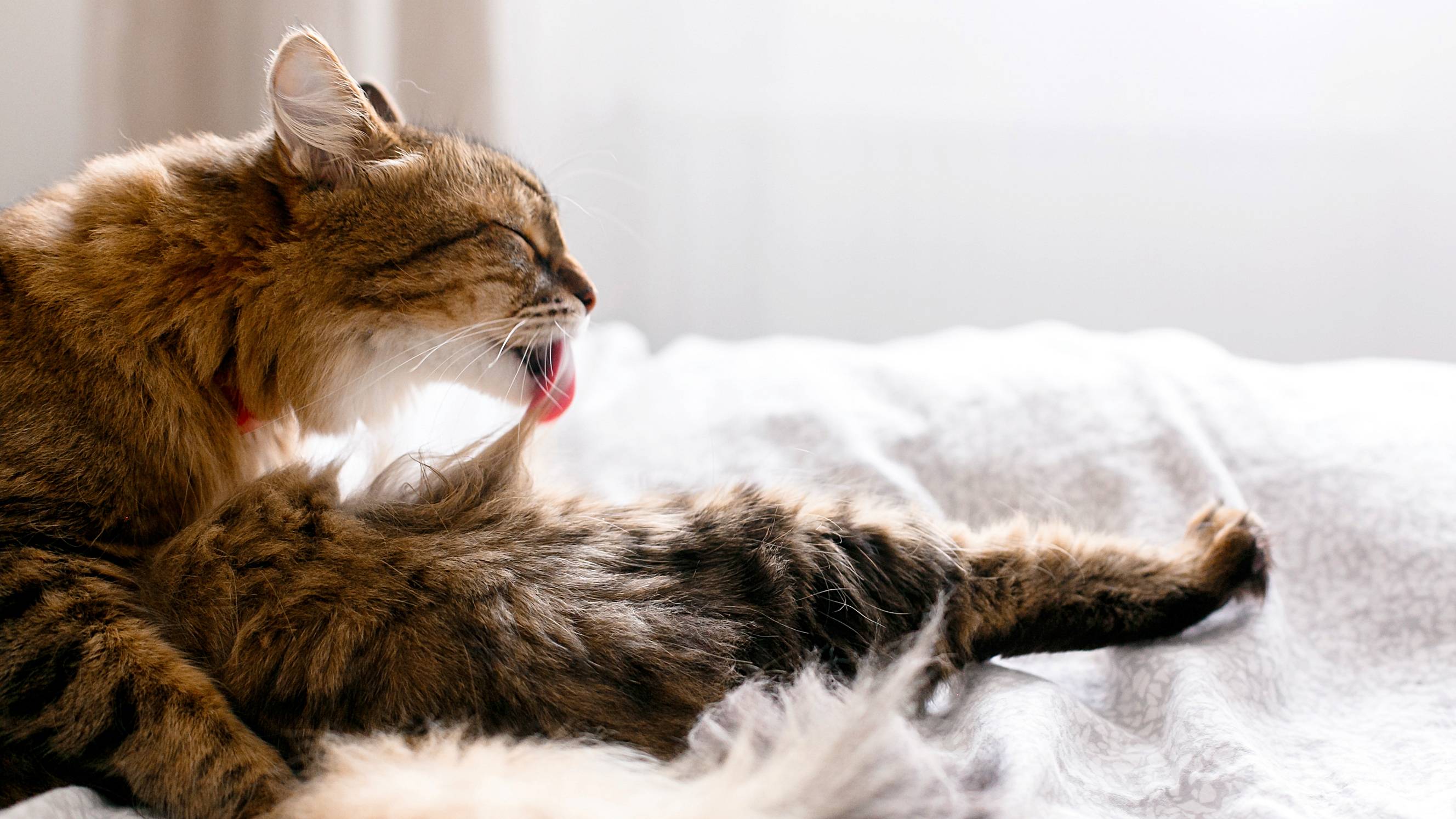
While cats are natural self-groomers, regular professional grooming is still recommended to keep them healthy. Grooming removes dead fur and helps prevent hairballs, which can lead to digestive problems.
Beyond hygiene, grooming lets you explore different types of cat haircuts, from a dramatic lion cut to a short teddy bear cut that leaves them looking soft and plush. Let's explore these cat grooming styles, including the pros and cons of each, whether grooming your cat is for health or simply style.
What are the essential benefits of grooming for cats?
A cat getting a haircut gets more than a tidier look. Regular trims can help:
A more pleasant appearance and scent
Lower chances of fur matting
Less shedding around your home
Easier detection of fleas, ticks, and certain health concerns
Overall, different cat haircuts can lead to better health and a more comfortable life for your feline. If you’ll be away for a while, a pet sitter can keep your cat’s routine on track and even help arrange a grooming appointment so their coat doesn’t go neglected.
What are some basic cat grooming tools and safety measures?
 A cat getting its nails trimmed (Source: iStock)
The standard grooming process for most cat hairstyles can involve the use of the following:
Gloves or mitts
Shedding comb or brush
Grooming rake
Clipper (with or without guard)
Shears
Matt splitter
Leash
If you have little or no experience grooming your cat, avoid delicate areas like the face, ears, and belly to help prevent accidents. Having a few treats ready beforehand can also help keep your cat's anxiety at bay during grooming.
Which cat breeds require frequent grooming?
Long-haired breeds like Persians, Himalayans, Maine Coons, and Siberians need the most frequent grooming, with Persians needing daily grooming to prevent matting. Flat-faced breeds like Persians and Himalayans also need regular face cleaning since their tear ducts can't drain properly, causing runny eyes and tear stains.
With that many appointments to keep up with, a pet transport service can handle the drop-offs and pickups for you. Check the typical pet transport costs to see how regular trips fit into your grooming budget.
What cat grooming styles can you choose from?
Here are some of the most popular cat haircut styles and the breeds they suit best, whether you have a male or female cat.
Matting-fix cuts
The comb cut
 A cat with a new comb cut (Source: iStock)
Groomers trim the body fur to about 3/8 to 1-inch using clippers with a snap-on comb, keeping the fur on the boots, tail, and head. They then tidy the edges with scissors for a more natural look. To maintain this style, plan for a re-trim every 6 to 10 weeks alongside routine brushing at home.
The lion cut
 An orange cat sporting a new lion cut (Source: iStock)
Lion cuts are best for tackling severe tangles or hot climates. Groomers use electric clippers to shave the body close to the skin, leaving a lion-like mane. It’s similar to a panther cut, which spares the fur on the head, legs, and tail. The difference is that the lion cut keeps a fuller mane over the neck and shoulders, while the panther cut leaves only minimal fur around the head.
This type of cat grooming style is great for long-term maintenance, since the coat takes 3 to 6 months to grow back.
The belly shave
 A cat having its belly brushed (Source: iStock)
Groomers shave from between the hind legs and belly up to the front legs' armpits, plus the areas under the tail and around the butt to prevent matting and make self-grooming easier. It's also easy to maintain, needing a re-shave only every 8 to 12 weeks.
The panther cut
 A cat with a new panther cut (Source: iStock)
The panther cut, similar to other haircuts for long-haired cats, can prevent matting and tangling. This closely resembles the lion cut, but the difference lies in how much more hair is shaved off with the panther cut.
Clean and care cuts
Clean and care cuts are hygienic trims that target your cat’s body areas that are prone to soiling to maintain cleanliness. This type of cat hairstyle include:
The hygiene cut
 A cat patiently enduring a hygiene cut (Source: iStock)
This sanitary trim uses quiet clippers to clear the hair around the rectum, genitals, and rear legs, where bodily waste tends to get stuck. Touch-ups are required every 4 to 8 weeks to keep these areas neat, especially for senior or overweight cats.
The full shave (Sphinx style)
 A cat going through a full shave (Source: iStock)
It may not be the cutest haircut for cats, but the full shave is sometimes medically necessary, such as for extreme matting or a skin infection. Heavy shedding and allergies are other common reasons. Regrowth takes 3 to 6 months, and since the shave leaves the skin exposed, check your cat's skin condition and keep it warm in the meantime.
Neat and tidy trims
Neat and tidy trims shorten and shape your cat’s coat evenly for a clean, plush look. They help cut down on tangles and hairballs while leaving enough fur to protect your cat’s skin and help it regulate its body temperature. Some examples of these types of cat cuts include:
The kitten cut
 A cat with a simple kitten cut (Source: iStock)
The kitten cut is a simple trim that involves clipping your cat’s coat evenly to give it a youthful, fresh look. To maintain it, a professional trim every 6 to 8 weeks with weekly combing at home is recommended.
The pajama trim
 A curious cat with a pajama trim (Source: iStock)
Also known as the teddy bear cut, this grooming style lightly and evenly shortens the fur on your cat’s body. Your cat keeps enough coat to stay warm, but it’s far less prone to tangles and mats.
So, what’s the difference between a lion cut and a teddy bear cut? A lion cut shaves most of the body close to the skin and leaves a fuller mane around the head and chest. A teddy bear cut, on the other hand, keeps a short, even layer all over for a softer, plush look.
Here’s a tip: To keep deep knots from forming, book a grooming session every 6 to 8 weeks and comb at home 2 to 3 times a week.
Fun and playful cuts
If you’re wondering if there are popular haircuts that make cats look more playful or funny, the answer is absolutely, and here are some of them:
The fluff cut
 A cat with a very fluffy coat (Source: iStock)
The fluff cut is a grooming style for furry felines that emphasizes their coat’s softness and volume and refreshes their overall appearance.
The mohawk or ridge trim
 A cat with a subtle mowhawk (Source: iStock)
This is a perfect example of a funny cat hairstyle. It leaves a strip of fur running down your cat's back and tail while the sides are shaved short, giving your pet a bold, standout look. Some groomers even pair it with a lion cut for cats for extra flair.
How can you pick and maintain your cat’s grooming style?
 A cat sitting beside a clump of its shed fur (Source: iStock)
When choosing among different cat hairstyles and maintaining the haircut, consider the following:
Key factors to consider: Fur length, tendency to experience matting, undercoat thickness, and amount of shedding.
At-home maintenance: You can train your cat to be calm in a stress-free environment when you brush its coat or bathe it to maintain the style between regular sessions.
Grooming while away: If your pet is staying with a cat sitter or at a boarding facility, you may be able to request basic grooming or trimming as an add-on service to keep up with routine care.
Cost planning: Since add-on grooming can affect the overall cat sitter cost, be sure to request an upfront quote that includes grooming.
Keep your cat looking its best with Airtasker
Want your cat styled by a professional groomer but don't know where to start? Airtasker makes it easy to find Taskers who specialize in different cat care services, including grooming and stylish cuts.
Simply post a task with what you need done, your budget, and your location. Then, compare offers from Taskers who know their way around cat grooming and feline haircut styles and choose the one that best fits your cat's needs and your schedule.
Hiring someone well-versed in cat haircut styles only takes three simple steps:
Create an Airtasker account.
Click the “Post a task” button and write down all the important details, including what you need done, your budget, and your location.
Wait for people to respond to your post and choose the right expert among them.
Learn more about our contributors
Written by Ana K.
Contributor
Ana always puts a premium on accuracy, clarity, and style when writing—a practice that her English degree has instilled in her. She excels at covering topics related to pet care, home and interior design, and food, which count among her varied interests. She also enjoys nature and street photography, as well as travelling. Overall, Ana uses her love for research to engage Airtasker readers with fun, practical content.
FAQs on cat grooming styles
Get your cat used to brushing, handling, and grooming tools a few weeks before the appointment to help them stay calm during grooming.
You can also gently touch its paws, ears, and tail, and let it sniff and hear tools like clippers before grooming day. Teaching simple cues and letting it meet new people in a calm setting can also ease the stress of being handled by a stranger.
Since the trip can be stressful too, practice short car rides in its carrier, or book a pet taxi so you can focus on keeping your cat calm on the way.
Medium to long-haired felines need professional cat grooming every 4 to 6 weeks for de-matting and coat maintenance, while short-haired cats can usually go every 2 to 3 months for de-shedding, nail trimming, and hygiene checks. However, how often you book a session will still depend on your cat’s coat condition.
If regular salon visits are hard to fit into your schedule, consider a mobile pet care service that lets a groomer come to your home instead.
Yes. Keep the coat shorter in summer and longer in winter. For the rest of the year, regular brushing and a standard trim work for most cats.
Avoid shaving your cat down in hot weather, since its fur helps regulate body temperature and protects its skin from heat and sun. In colder months, a longer coat gives extra protection from the cold.
Yes, as long as the styles suit your cat’s coat type and needs. For example, a long-haired cat might get a sanitary trim, with the body coat lightly shortened. Just make sure to consider your cat’s fur texture, matting tendency, and skin sensitivities first, and ask your groomer which styles work best together.
Find cat groomers, fast
Find a cat groomer